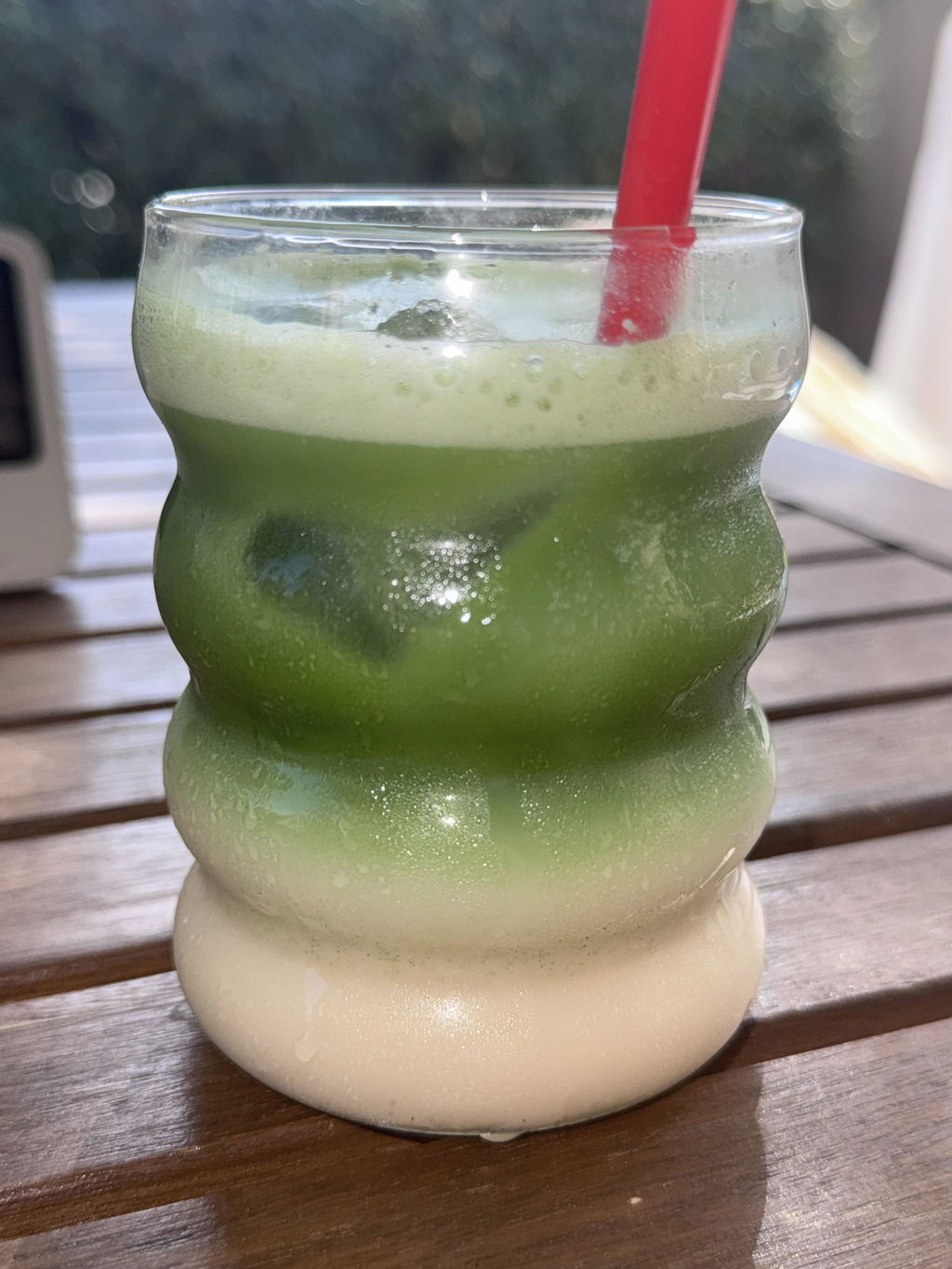


Green tea is more than a drink. It is cultural heritage, craft, and sensory experience at once. Over millennia, tea masters in China and Japan have refined the methods for drawing from Camellia sinensis those fine, characterful infusions that still impress us today in their variety. While Europeans often speak loosely of "green tea" as a single thing, a closer look reveals a cosmos of regional traditions, processing techniques, and flavour nuances. To take green tea seriously is to enter a space where geography, climate, craft, and aesthetics converge.
Origin and processing
The story of green tea begins in the mountain regions of China, where tea leaves have been cultivated for thousands of years. Unlike black tea or Oolong, freshly picked green tea leaves are heated immediately after harvest to stop oxidation. This preserves not only the green colour of the leaves but also the flavour compounds and aromas that make green tea so distinctive.
In China, fixation is traditionally done by pan-firing in large woks, while Japan relies primarily on steaming. This apparently small difference shapes the character of the tea fundamentally. Chinese green teas tend toward nutty, occasionally lightly smoky notes; Japanese green teas are defined by fresh, grassy, and Umami-rich profiles. Both traditions have developed their own aesthetic languages, expressed in the form, colour, and texture of the leaf.

After fixation, the leaves are rolled, shaped, and dried. Methods differ here too, by region and variety. Some teas are rolled into fine needles, others pressed into small pearls or flat, broad leaves. The shaping is not just visually appealing — it also influences how the tea opens in water and how its aromas are released.
Varieties and regional differences
The diversity of green teas is remarkable. In Japan, Sencha dominates, accounting for around 80 percent of total tea production. Harvested mostly in spring, Sencha is defined by a clear, fresh flavour with balanced sweetness and gentle astringency. Fine Sencha from regions like Shizuoka or Yame — when prepared with care — reveals layers of Umami, floral notes, and a silky texture that lingers on the palate.
Beyond Sencha, Japan produces several other significant varieties: Gyokuro, which develops intense Umami through shading before harvest; Kabusecha, a midpoint between Sencha and Gyokuro. And Bancha and Kukicha, produced from later harvests or stems, with a milder, earthier character. Matcha, ground to a fine powder, occupies its own category and is traditionally used in the Japanese tea ceremony. The Matcha tradition brings together craft, aesthetics, and spiritual practice in a way that is entirely its own.
In China, the landscape of green teas is even more diverse. Longjing (龍井, Dragon Well tea) from the West Lake region of Hangzhou is among the most celebrated Chinese teas of all. Only tea grown in the mountain areas of Shifeng, Mejiawu, and Qiaosi around the West Lake may officially be called Xī Hú Lóngjǐng (西湖龍井) — a protected designation of origin. Its flat, jade-green leaves are hand-fired in hot woks at over 200 °C, giving it a characteristic nutty, lightly sweet flavour. Bi Luo Chun (碧螺春), literally "emerald spiral spring snail," comes from Dongting Mountain at Lake Taihu in Suzhou and is notable for its spirally curled leaves and an unusually floral-fruity aroma — the tea bushes grow among peach and plum trees, whose blossom fragrance subtly influences the leaves.
Other noteworthy Chinese green teas include Huang Shan Mao Feng from the Yellow Mountains, Taiping Hou Kui with its exceptionally large leaves, and Liu An Gua Pian, a rare tea made exclusively from individual leaves with no buds or stems. Every region in China brings its own terroir to the cup. Altitude, soil composition, mist, and temperature shape the character of each harvest.
The German Tea Association offers a useful overview of the different varieties and their geographic origins — though the sensory complexity can ultimately only be grasped by tasting.
The craft of preparation
Green tea demands attention. Unlike more robust tea varieties, it is sensitive to water temperature, steeping time, and dosage. Boiling water scorches the delicate leaves and draws out bitter, astringent notes that mask the actual flavour profile. The ideal water temperature for most green teas lies between 60 and 80 °C, with finer varieties like Gyokuro or high-grade Sencha prepared toward the lower end of that range.
Dosage varies by variety and personal preference. A useful starting point is around 2 to 3 grams of leaf per 100 ml of water. Some teas — particularly in Japanese preparation — are deliberately brewed more concentrated to draw out their full Umami depth. Steeping time is typically between 45 seconds and two minutes for the first infusion. High-quality green teas can be steeped multiple times. Each infusion reveals different facets of the leaf.
The choice of vessel is not a minor detail. In Japan, green tea is traditionally prepared in a Kyusu — a Japanese teapot, often with a side handle — made from Tokoname clay or porcelain. The porous surface of certain clay types interacts subtly with the tea and can refine its character over years of use. For Chinese green tea, a Gaiwan — a lidded bowl — allows precise control over steeping time and temperature. Those who prepare Japanese green tea regularly will find carefully selected pieces in the UNEARTHED Kyusu collection, where functionality and aesthetic quality go together.

Good preparation is not a fixed set of rules but a process of getting to know the tea. Every tea has its own personality, and only through repeated experimentation do you find the parameters that bring out its full potential. Guidelines provide a useful starting point — but in the end, it is your own sensory experience that counts.
| Parameter | Fine green tea (e.g. Gyokuro) | Mid-range green tea (e.g. Sencha) | Robust green tea (e.g. Bancha) |
|---|---|---|---|
| Water temperature | 50–60 °C | 60–70 °C | 70–80 °C |
| Dosage | 3–4 g / 100 ml | 2–3 g / 100 ml | 2 g / 100 ml |
| Steeping time (1st infusion) | 60–90 sec. | 45–60 sec. | 60–120 sec. |
| Number of infusions | 3–5 | 2–4 | 2–3 |
Flavour, texture, and sensory depth
What sets green tea apart from other varieties is its sensory range. Where black tea tends toward robust, malty qualities, green tea reveals a delicate architecture of sweetness, astringency, Umami, and floral or vegetal notes. A high-quality Sencha might open with a grassy freshness, transition into a silky sweetness, and close with a long, gently astringent finish.
Umami — that elusive fifth basic taste — plays a central role in green tea. In shaded teas like Gyokuro or Matcha, this velvety, almost brothy quality comes through clearly. It arises from a higher concentration of amino acids, particularly L-theanine, which accumulates in the leaves as a result of shading. Umami gives the tea depth and body without weighing it down.
The texture of tea in the mouth is as important as its flavour. Some green teas feel light and refreshing. Others have a creamy, almost oily consistency. This tactile dimension is often overlooked, but it contributes significantly to the overall experience. A well-prepared tea leaves a pleasant mouthfeel that persists for minutes after the last sip.
The colour of the liquor ranges from pale, light green through luminous jade to golden-yellow tones. Here too, quality is legible. Cloudy or brownish liquors point to inferior leaves or poor storage. A clear, bright liquor signals freshness and careful processing.
Health perspectives and cultural significance
Green tea has been valued for centuries not just as a pleasure but as a health-supporting drink. Scientific research has examined the compounds in green tea extensively, particularly polyphenols such as catechins, which have antioxidant properties. While health claims are sometimes overstated, it remains well established that green tea is rich in bioactive compounds.
L-theanine, the amino acid mentioned above, is associated with a calming effect without inducing drowsiness. In combination with naturally present caffeine, it produces a state of alert relaxation that has long been valued in Zen meditation. This quality makes green tea a fitting companion for focused work or meditative practice.
But green tea is far more than the sum of its compounds. In China and Japan, it is woven deeply into cultural identity. Chinese tea culture, which evolved across multiple dynasties, emphasises the harmony between human beings and nature. Tea is understood as a medium for finding inner stillness and cultivating social bonds. The Japanese tea ceremony, Chanoyu, goes further still, elevating tea preparation to a spiritual practice in which every gesture carries meaning.
That cultural depth cannot simply be exported, but it can inspire. To engage seriously with green tea is to gain access to an aesthetic philosophy that brings together simplicity, mindfulness, and respect for materials. Drinking green tea can become a deliberate act — a moment of deceleration in an often rushed day.
Storage and quality
Green tea is sensitive. Unlike fully oxidised teas, it loses freshness and aroma quickly if stored carelessly. Light, heat, moisture, and oxygen are its enemies. The ideal storage is in airtight, opaque containers in a cool, dry place. Some enthusiasts keep particularly valuable teas in the refrigerator, taking care to ensure no external odours penetrate the container.
Freshness can be read from several indicators. The leaves should have a vivid, deep colour — not look brownish or faded. The aroma should be clear and fragrant, not flat or stale. Fresh leaves open their full spectrum of aromas in the cup. Older leaves tend to taste one-dimensional.

The quality of green tea depends on many factors. Harvest timing is decisive: spring teas are generally regarded as the finest, because the plants emerge from winter dormancy with an especially high concentration of nutrients and aromatic compounds. Picking standards matter too. Teas made from young buds and the uppermost leaves are typically finer and more complex than those from older leaves.
Terroir — a term borrowed from wine — applies equally to tea. Altitude, soil composition, mist, sun exposure, and temperature all shape the character of each harvest. A Sencha from the mountains of Shizuoka tastes different from one grown on the flatlands of Kagoshima, even when both come from the same cultivar. That regional diversity is part of what makes exploring green tea so rewarding.
Green tea in a contemporary context
In recent years, green tea has found a growing community of enthusiasts in Europe as well. What was once regarded as an exotic health drink is increasingly understood as a cultural artefact and a craft product. Tea salons, specialist retailers, and galleries like UNEARTHED are spaces where tea is not just sold but experienced.
Contemporary engagement with green tea goes beyond consumption. It encompasses the producers, the growing regions, the craft processes. More and more people want to know where their tea comes from, who made it, and under what conditions it grew. This attitude reflects a broader cultural shift toward appreciation, sustainability, and conscious enjoyment.
The connection between tea and ceramics is gaining importance too. The choice of the right tea bowl or teapot is not a peripheral decision — it is an integral part of the tea experience. Hand-crafted ceramics from Japan, China, or Europe give tea drinking a haptic and aesthetic dimension that industrially produced vessels cannot offer. The surface of a bowl, the feel of the clay, the way the tea's warmth transfers through the wall — all of this shapes the experience.
In Munich, UNEARTHED is a place where tea and ceramics come together. The Sencha and green tea selection has been assembled with care and includes both fine Shizuoka Sencha and award-winning Yame Sencha from the village of Hoshino. Each variety tells the story of its origin, its processing, and its flavour character. The teas are not simply sold but introduced, tasted, and placed in their cultural context.

Alongside the teas, the gallery presents work by ceramicists including Takuya Kanamoto, Masahiro Sakakura, and Kazuya Ishida, whose vessels continue the Japanese tea ceramics tradition in contemporary form. There are also works by Chinese masters such as Hong Jianpeng and Yufeng Wang, working in the traditions of Yixing and Jingdezhen, as well as European positions from David Louveau and Perrine Pottiez, who bring Eastern aesthetics into dialogue with Western approaches.
The philosophy of conscious drinking
Green tea demands presence. You cannot drink it distractedly, eyes on your phone or half-composing an email. It asks for attention, patience, and openness. That quality makes it a counterpoint to the acceleration of modern life.
Preparing a good green tea is a ritual act. You heat the water, select the right teapot, weigh the leaves, wait for the right temperature, pour slowly, watch how the leaves open in the water, smell the rising aroma, wait for the right moment to pour out. These steps create a rhythm, a deceleration, that can have something restorative about it.
In Japanese there is the concept of "Ichigo Ichie" (一期一会) — "one encounter, one opportunity." It is a reminder that every moment is unique and does not return. This philosophy runs through Japanese tea culture and applies to every cup of green tea. Each infusion is different, each harvest singular, each cup its own small event.
Green tea also teaches a kind of humility. It shows that quality does not depend on ostentation or performance, but on substance, care, and understanding. A simple, well-formed tea bowl in rough clay can hold more beauty than an elaborately gilded vessel. This aesthetic of reduction — of deliberate simplicity — shapes not only tea culture but Japanese and Chinese art more broadly.
| Aspect | Description | Cultural background |
|---|---|---|
| Wabi-Sabi | Beauty in the imperfect and transient | Japanese aesthetics, Zen Buddhism |
| Gongfu Cha | Mindful tea preparation as an art form | Chinese tea culture, particularly in the south |
| Chanoyu | Formalised tea ceremony with a spiritual dimension | Japanese tea ceremony, Sen no Rikyū |
Preparing green tea can be understood as a form of meditation — a practice in mindfulness and an opportunity to step out of the everyday for a moment.
Green tea and the seasons
In East Asian tea culture, the season plays a central role. Tea is an agricultural product that follows the rhythms of nature. The first spring harvest — Shincha in Japan, Ming Qian in China — is particularly prized. The young leaves that emerge after winter are tender, aromatic, and rich in nutrients. They carry a freshness and vitality that later harvests cannot match.
In summer, the character of the tea shifts. The leaves become stronger, the aromas more intense, sometimes more astringent. Autumn teas, which are rarer, often show an earthy depth and a quieter sweetness. This seasonal variation makes tea drinking a living process — one that makes the connection to nature tangible.
The way one drinks tea can change with the seasons too. In summer you might reach for lighter, more refreshing varieties. In winter, a stronger, Umami-rich tea warms from the inside. This attunement to the environment and one's own needs is part of tea culture, and shows how deeply it can be woven into everyday life.
Adjusting parameters carefully to the season and one's own mood turns tea drinking into a personal practice that can be refined over years.
Green tea as a bridge between cultures
Green tea connects. Deeply rooted in Asia, it has found followers worldwide who value its qualities. This cross-cultural dimension makes it a medium for exchange — a shared point of reference for people of very different backgrounds. At a time when cultural boundaries are often emphasised, green tea offers a language that works without words.
The contemporary ceramics scene shows how fruitful that exchange can be. European potters draw on Japanese and Chinese traditions; Asian artists experiment with Western forms and techniques. This mutual influence produces new aesthetic positions that are neither purely Eastern nor purely Western, but occupy their own contemporary ground.
In galleries like UNEARTHED, this dialogue is made visible. The programme includes exhibitions with international maker-artists, workshops, and events that share knowledge and create space for encounter. The relationship between Eastern and Western aesthetics is at the heart of this curatorial work.
Green tea is more than just a subject or a pretext here. It is itself part of this bridge — an object that is appreciated both in its traditional form and interpreted in new contexts. Whether prepared in a historical Kyusu or a contemporary European tea bowl, the essence remains the same: attention, quality, enjoyment.
Green tea is an invitation — into craft, into history, into the present moment. To engage seriously with it is to develop not only a more refined palate but access to a cultural depth that extends far beyond the drink itself. At UNEARTHED in Munich, you will find high-quality green teas, carefully chosen ceramics, and a setting where objects are not simply displayed but made present — a place where tea and craft can be experienced in their full sensory dimension.