

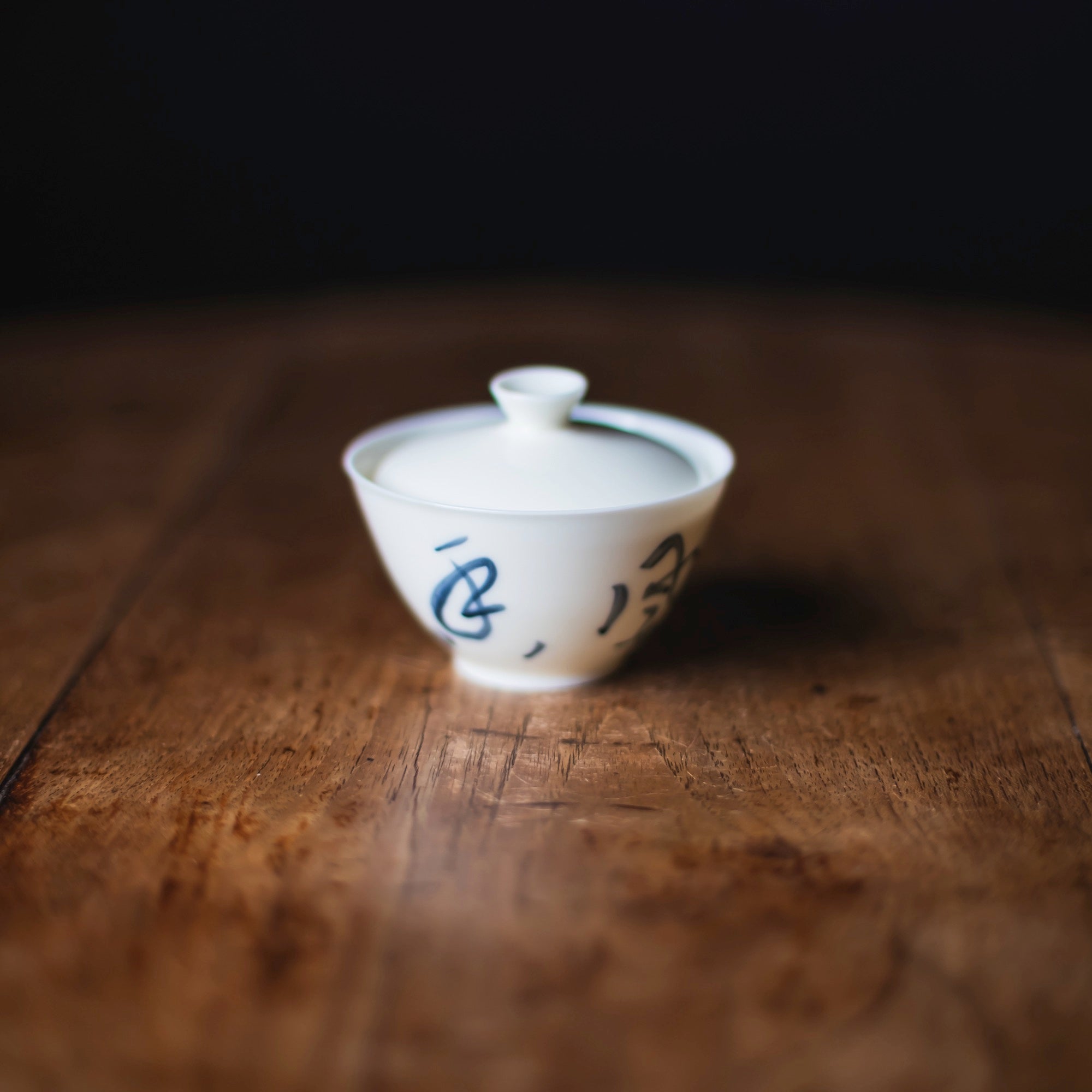

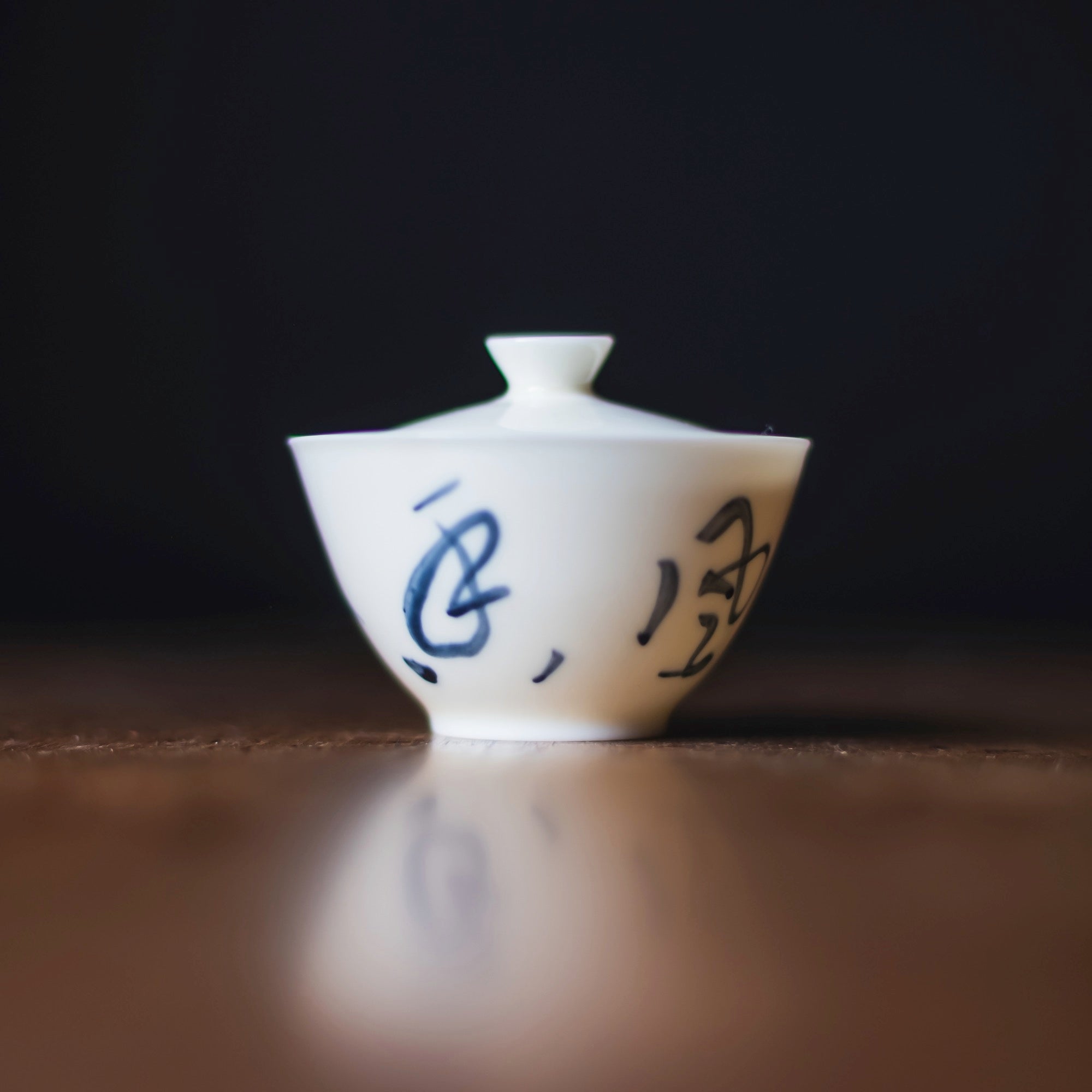
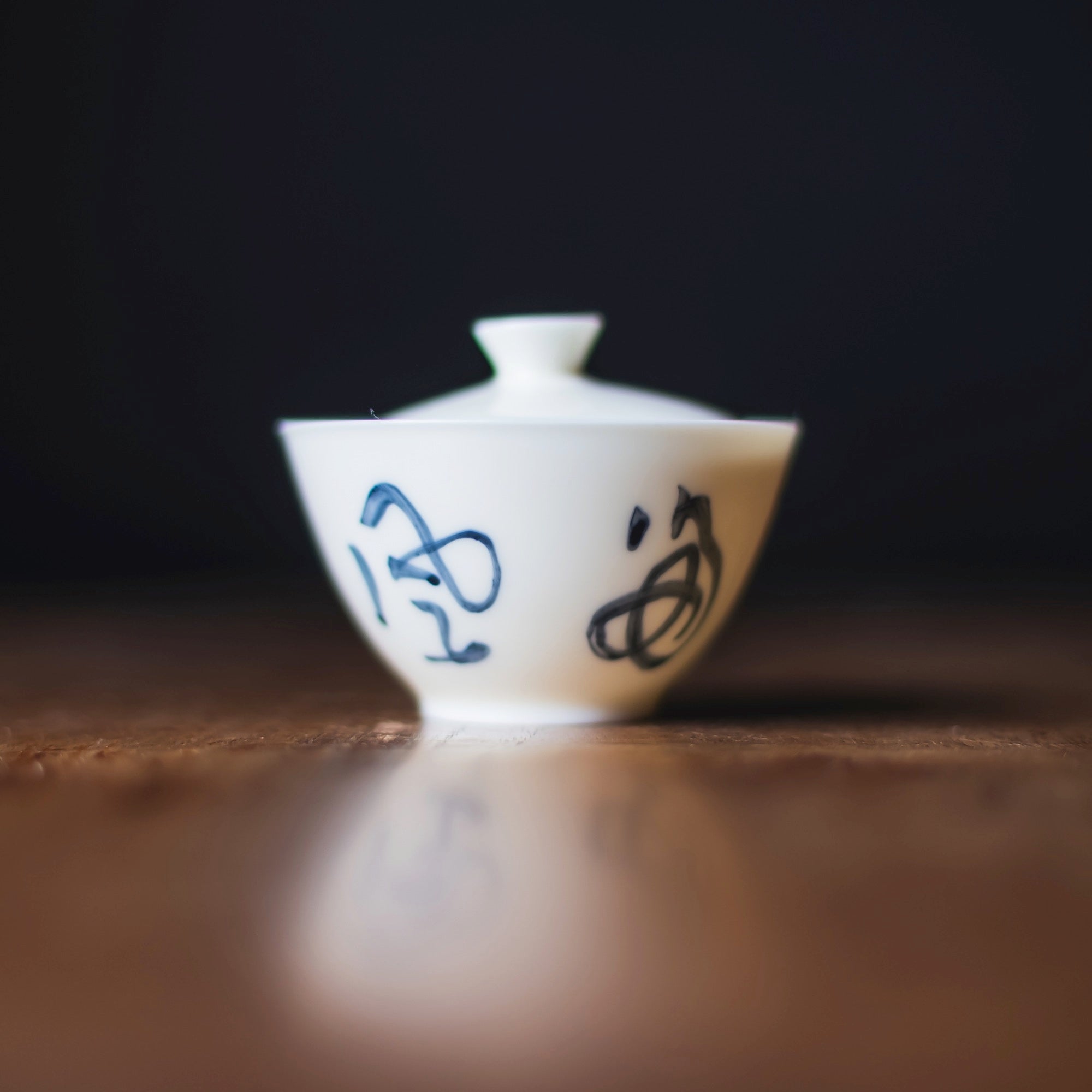





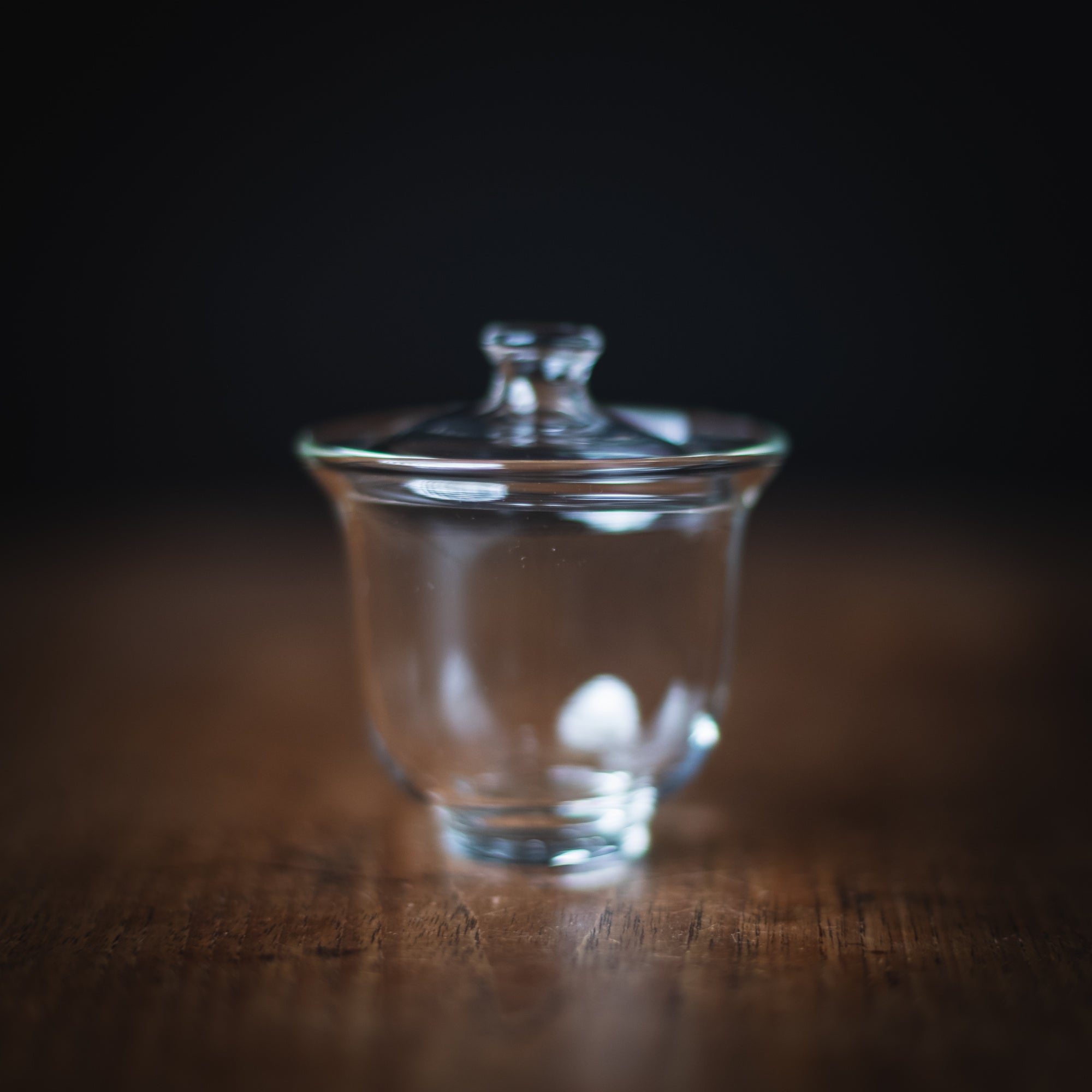
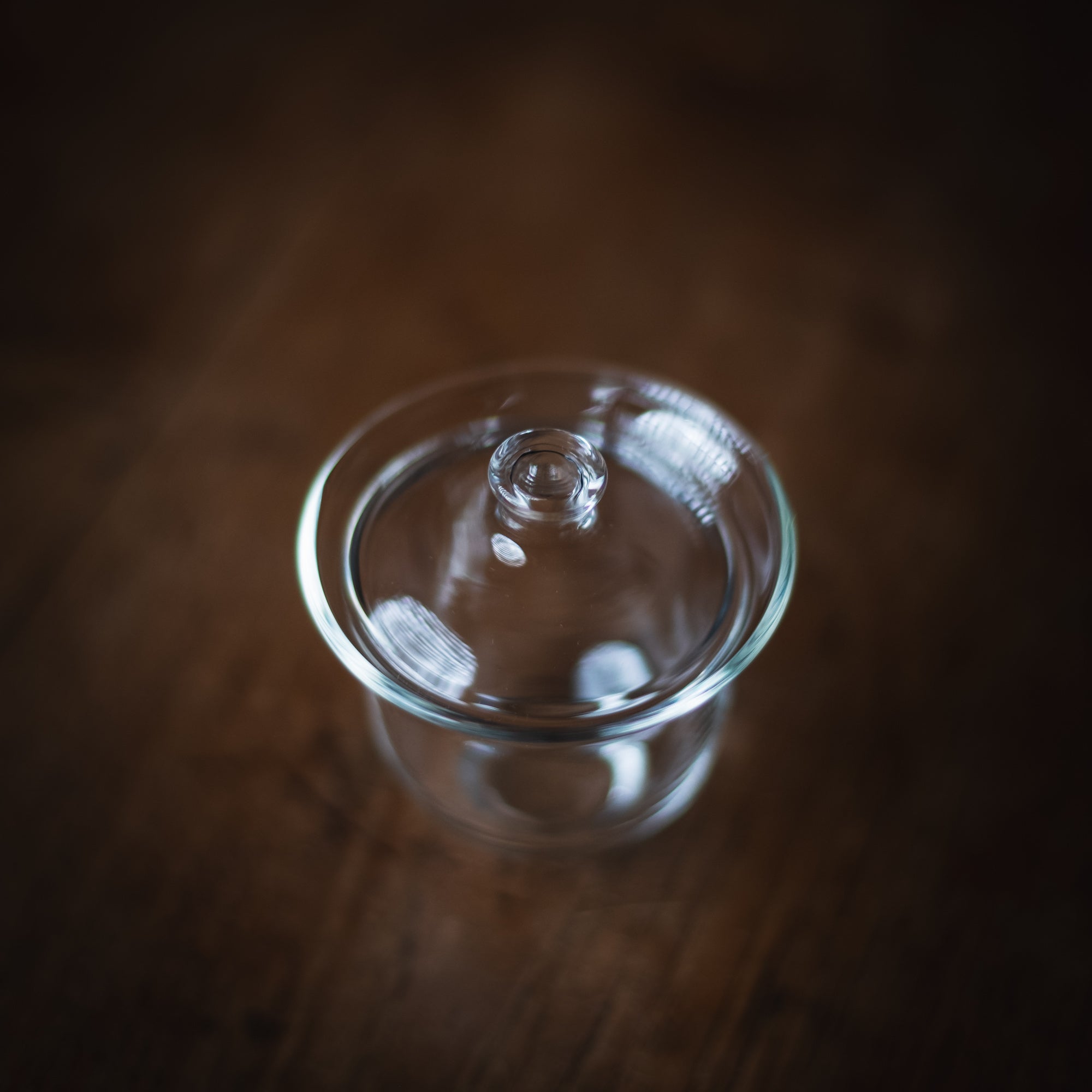
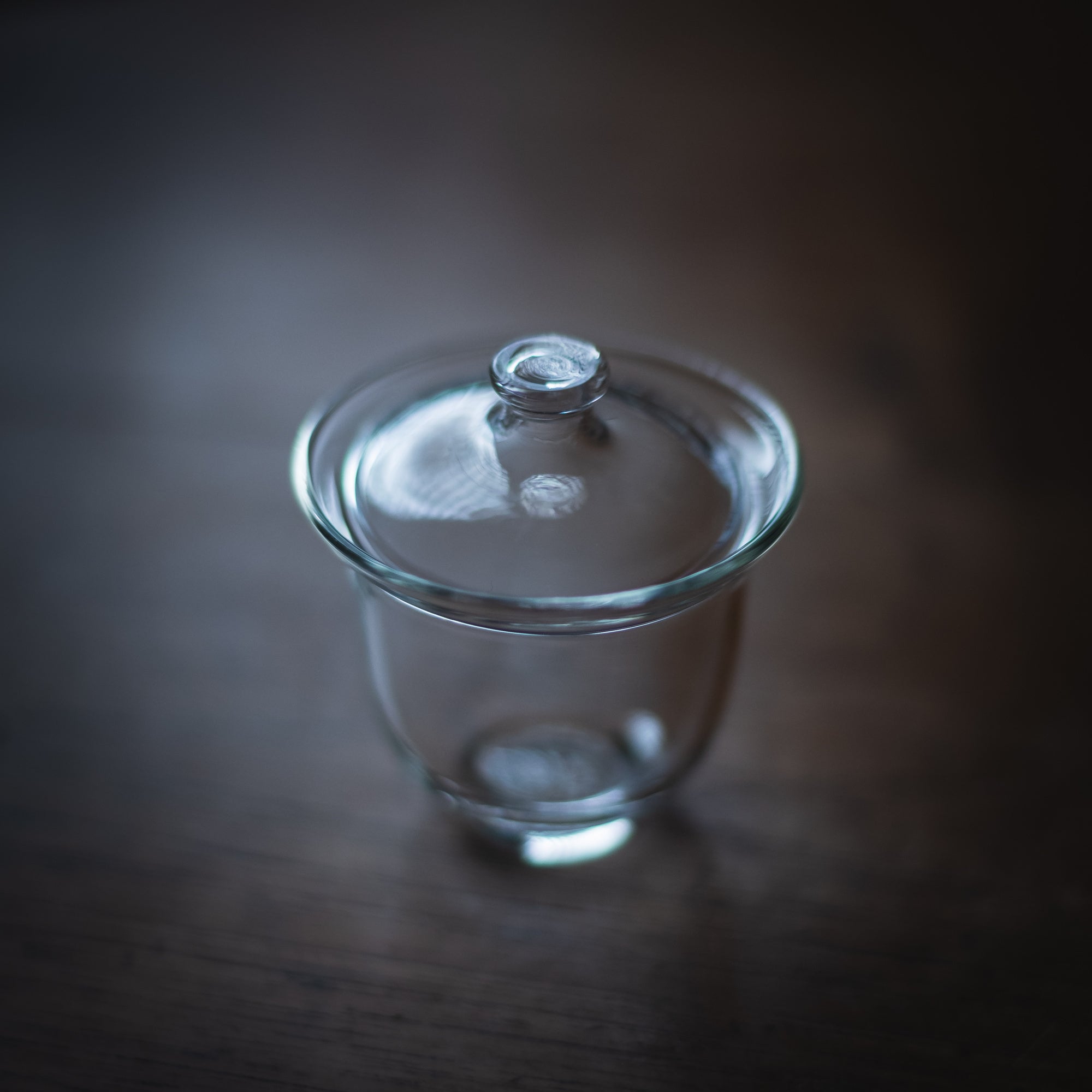
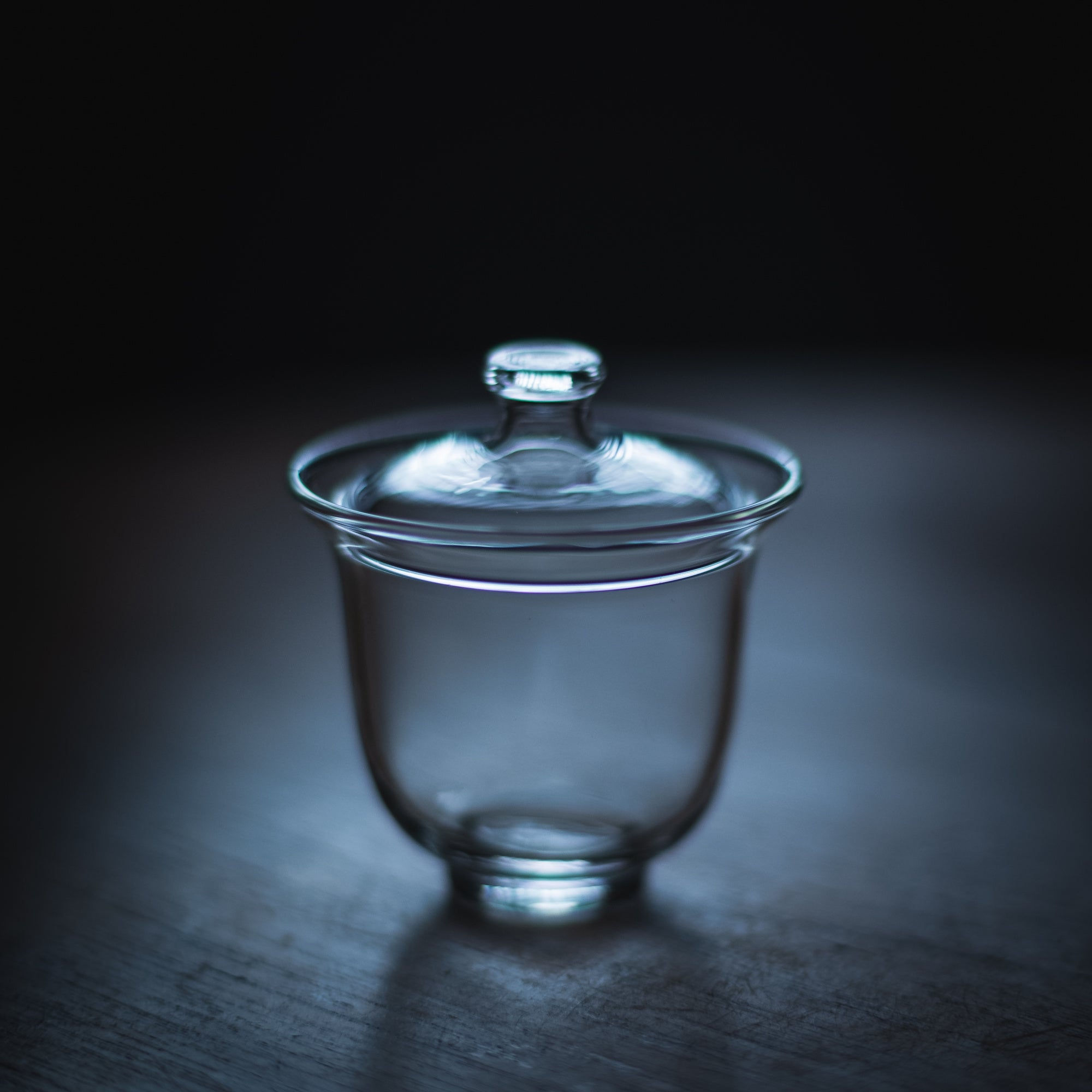
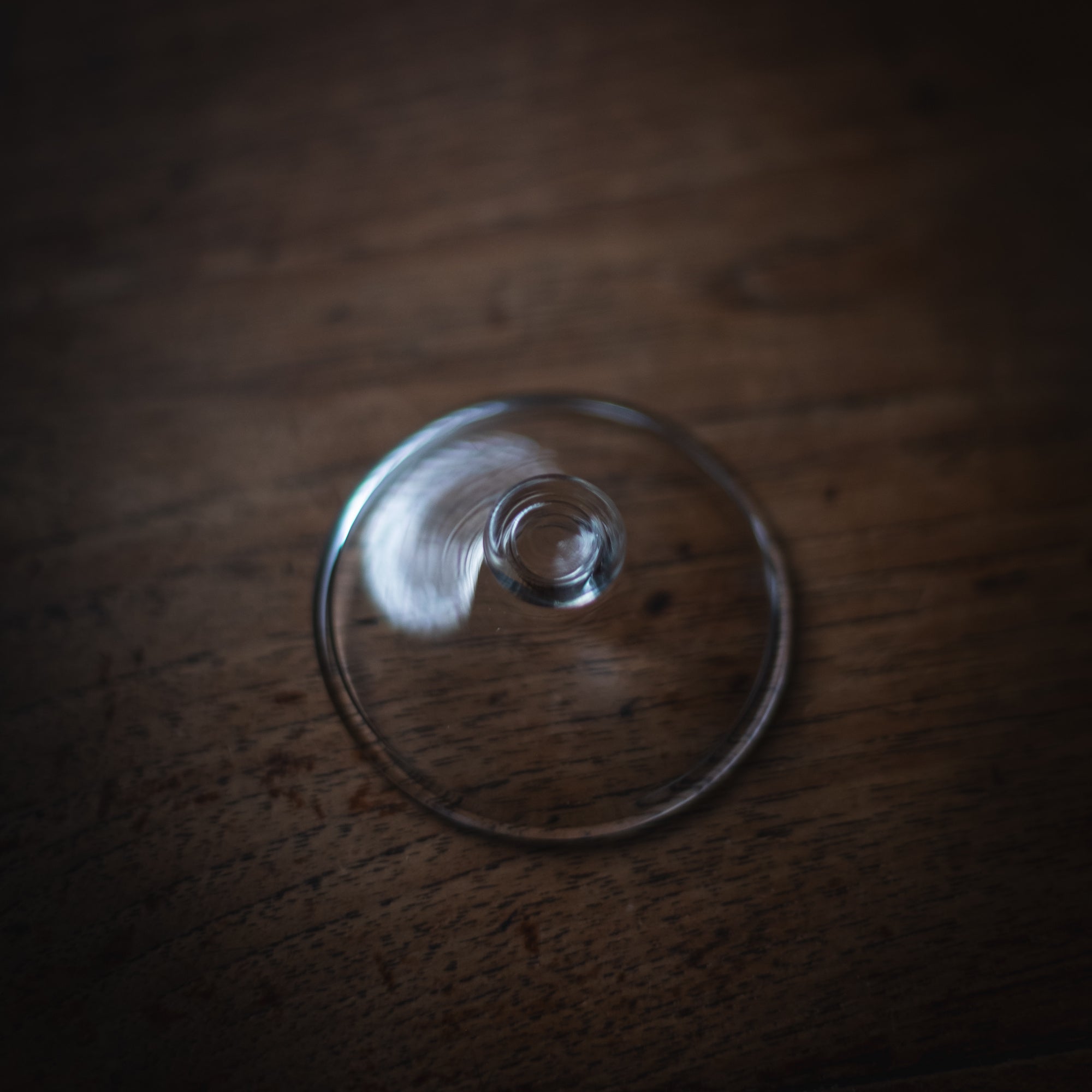
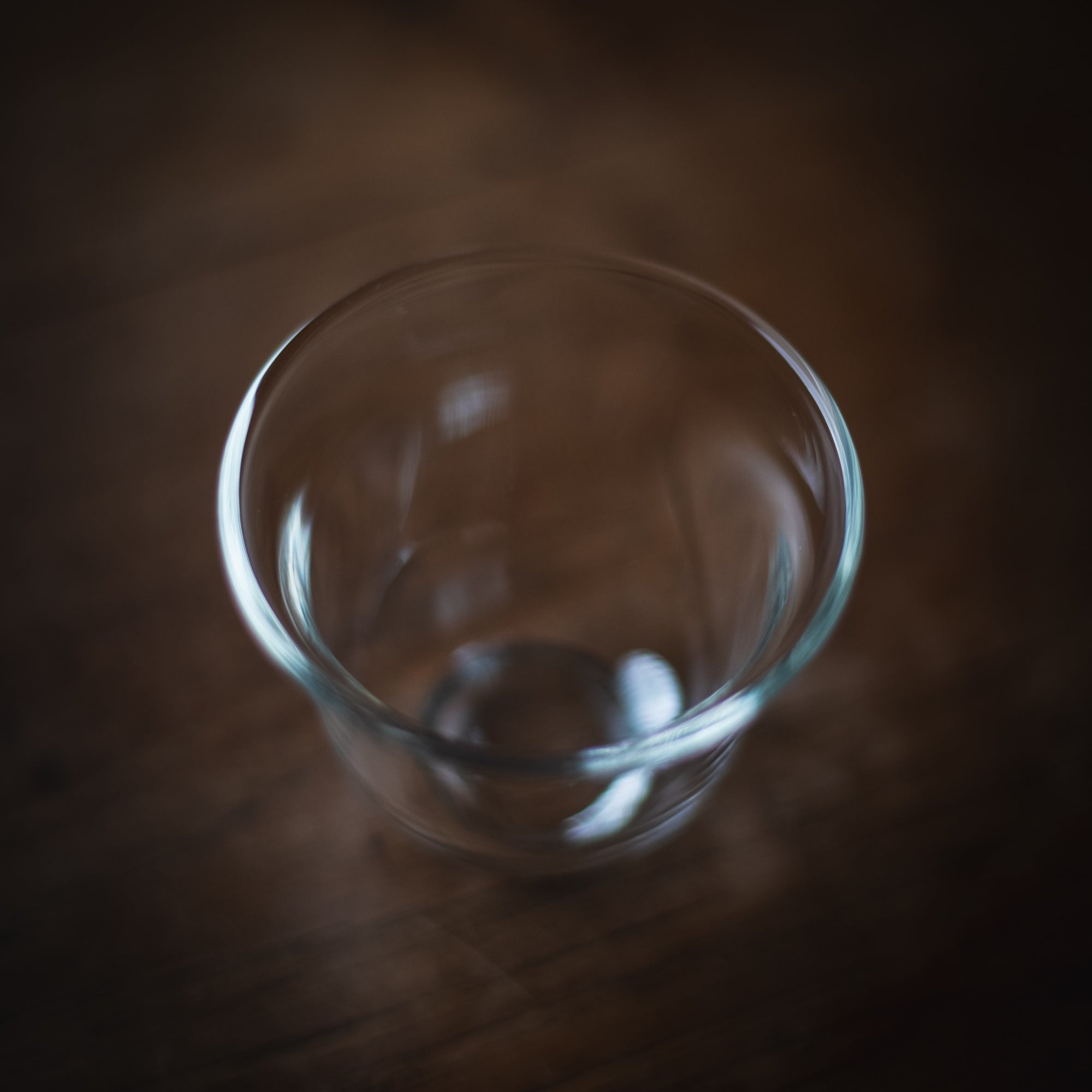
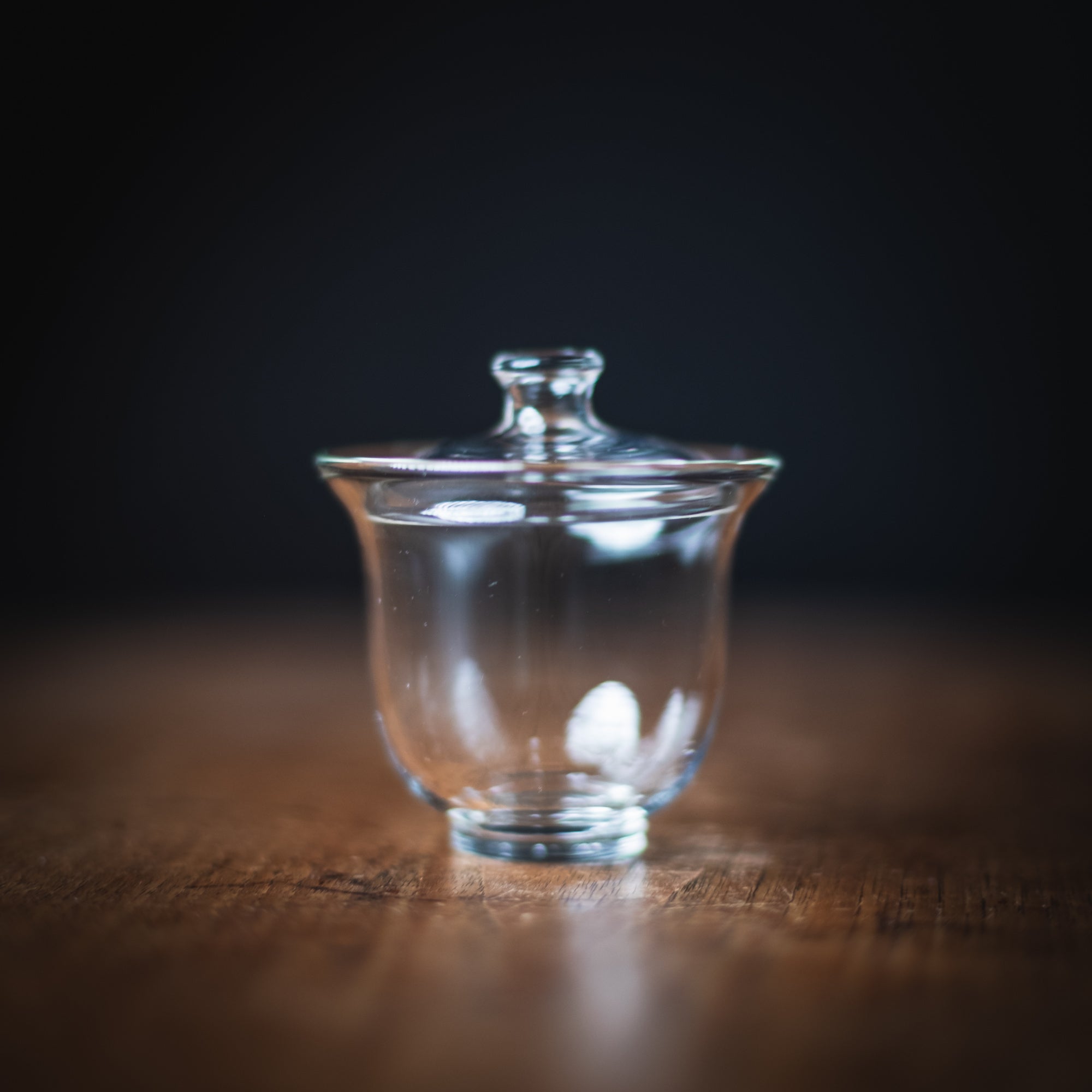
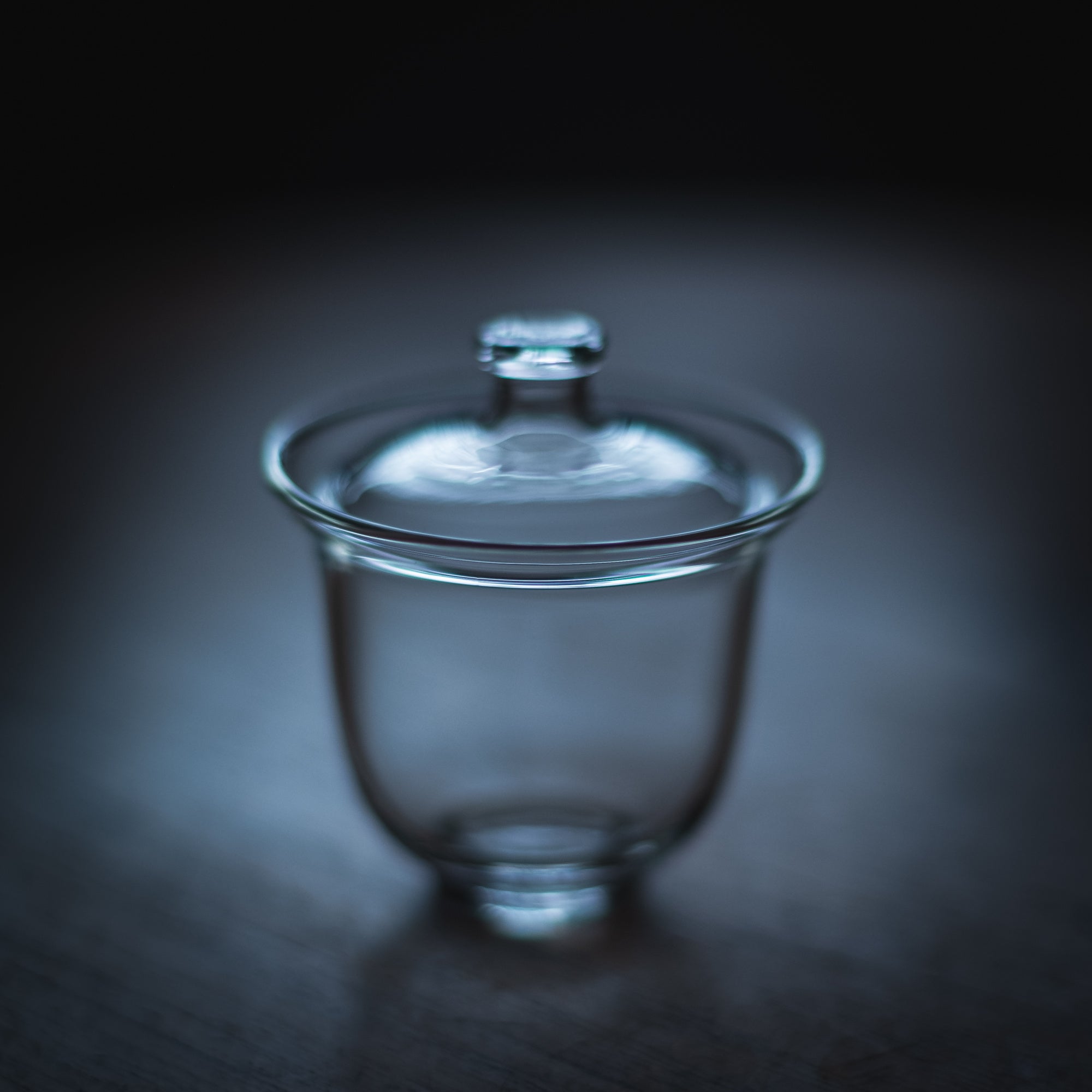
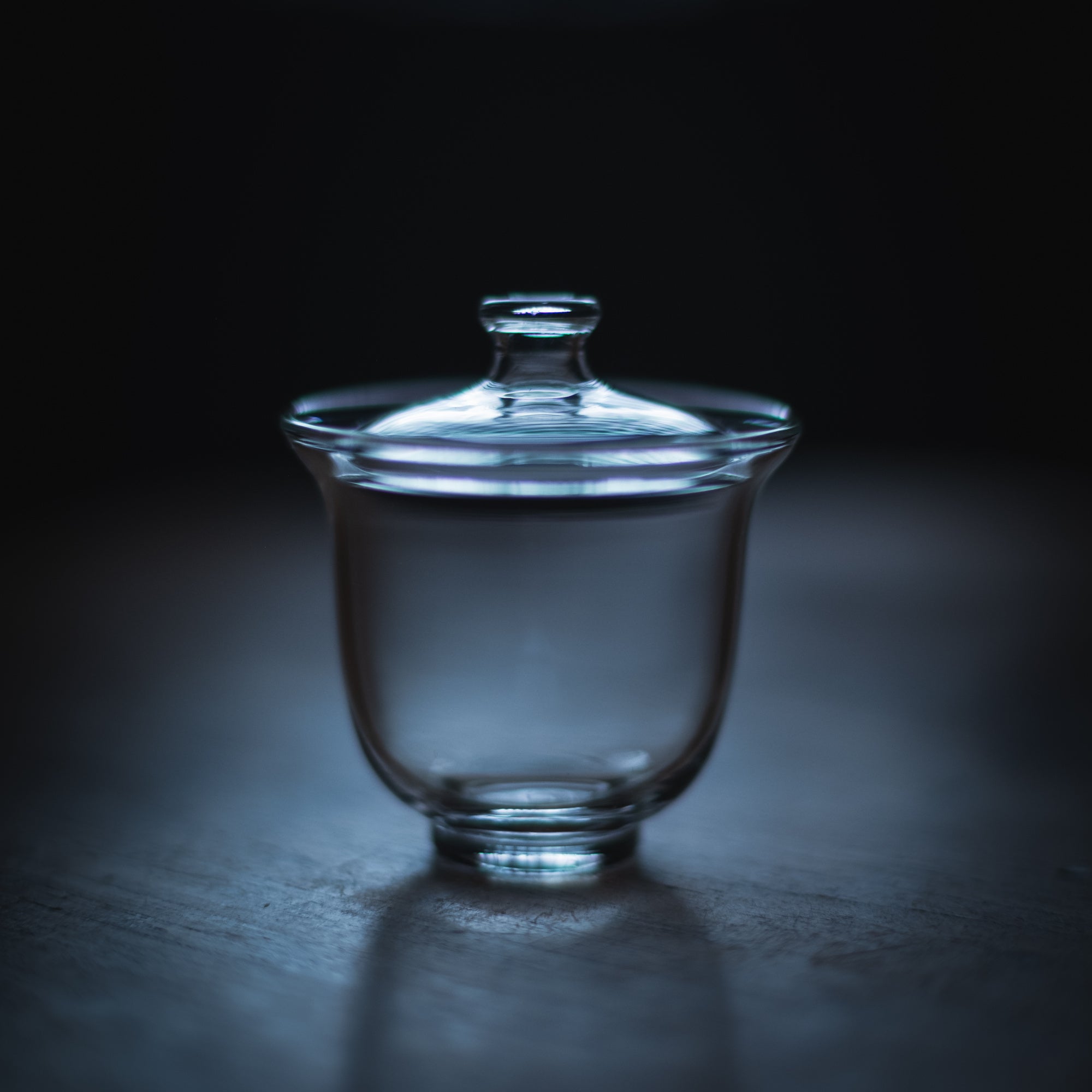
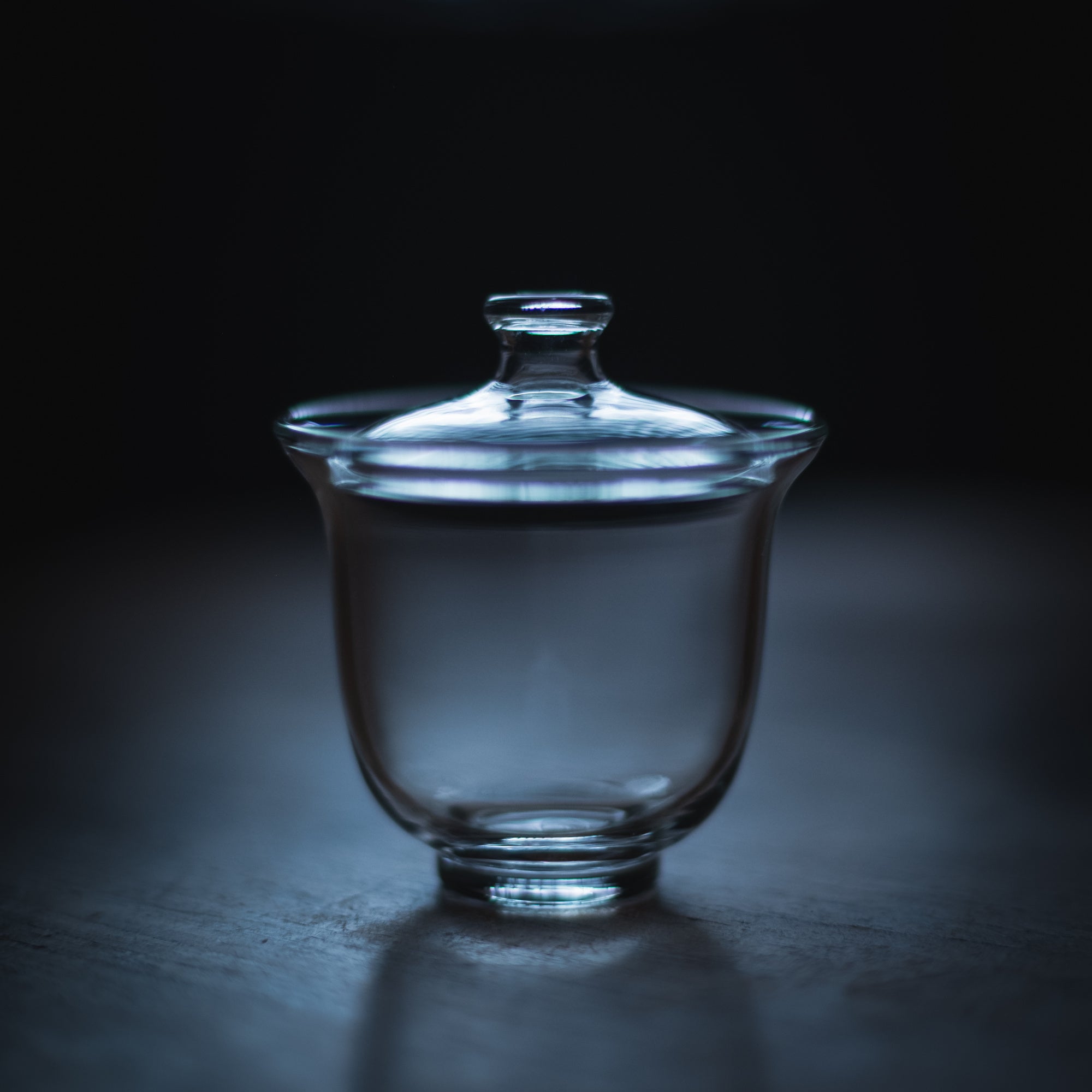


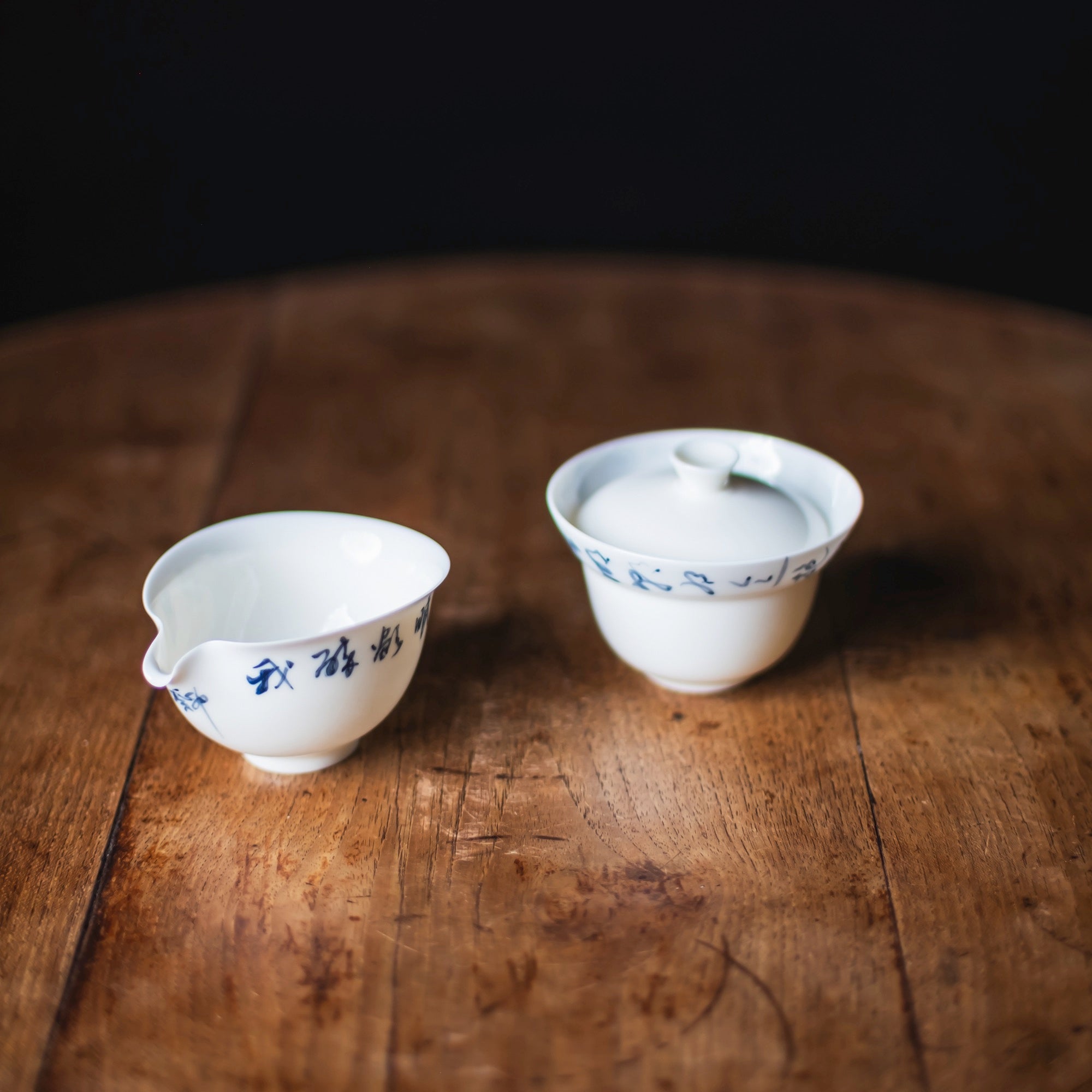
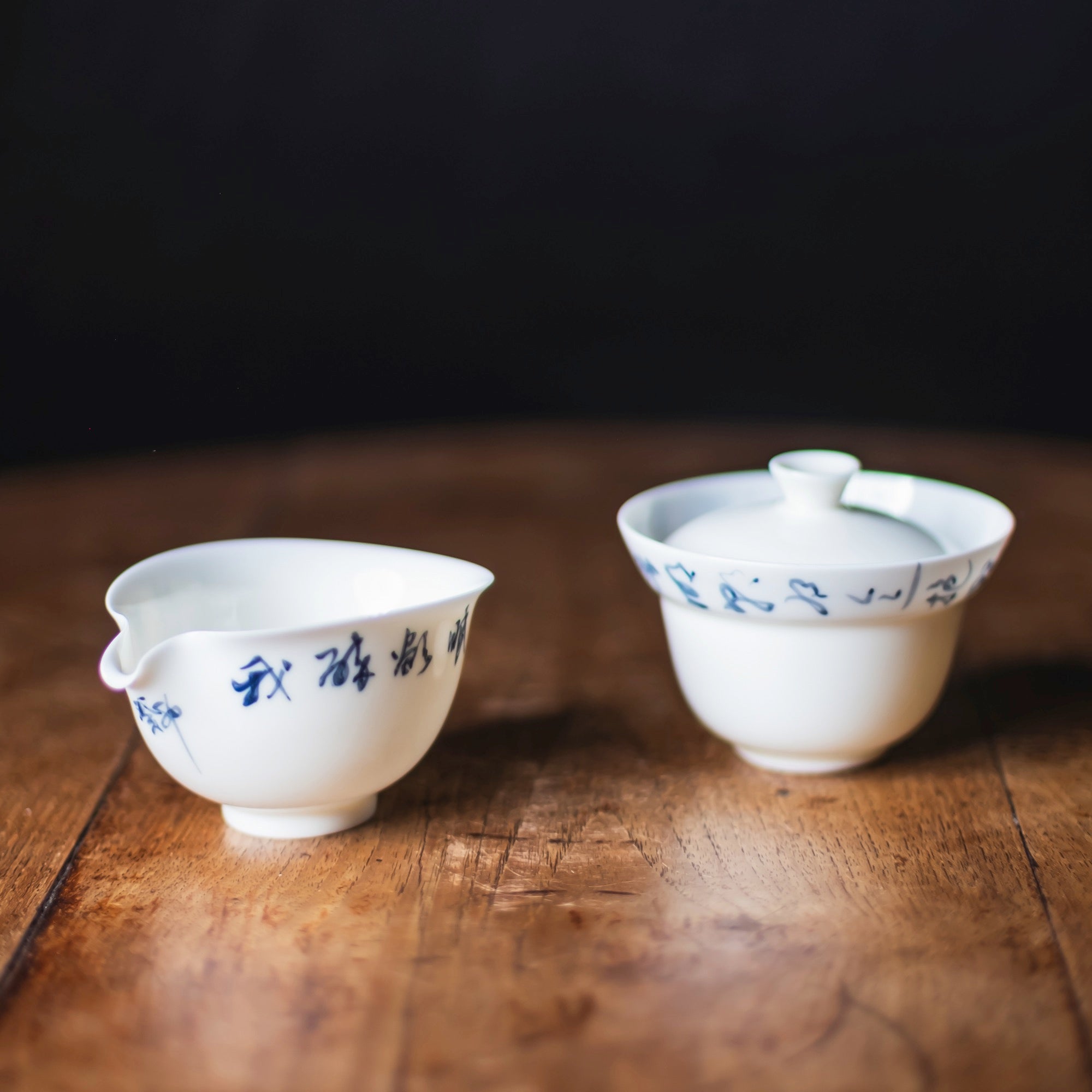
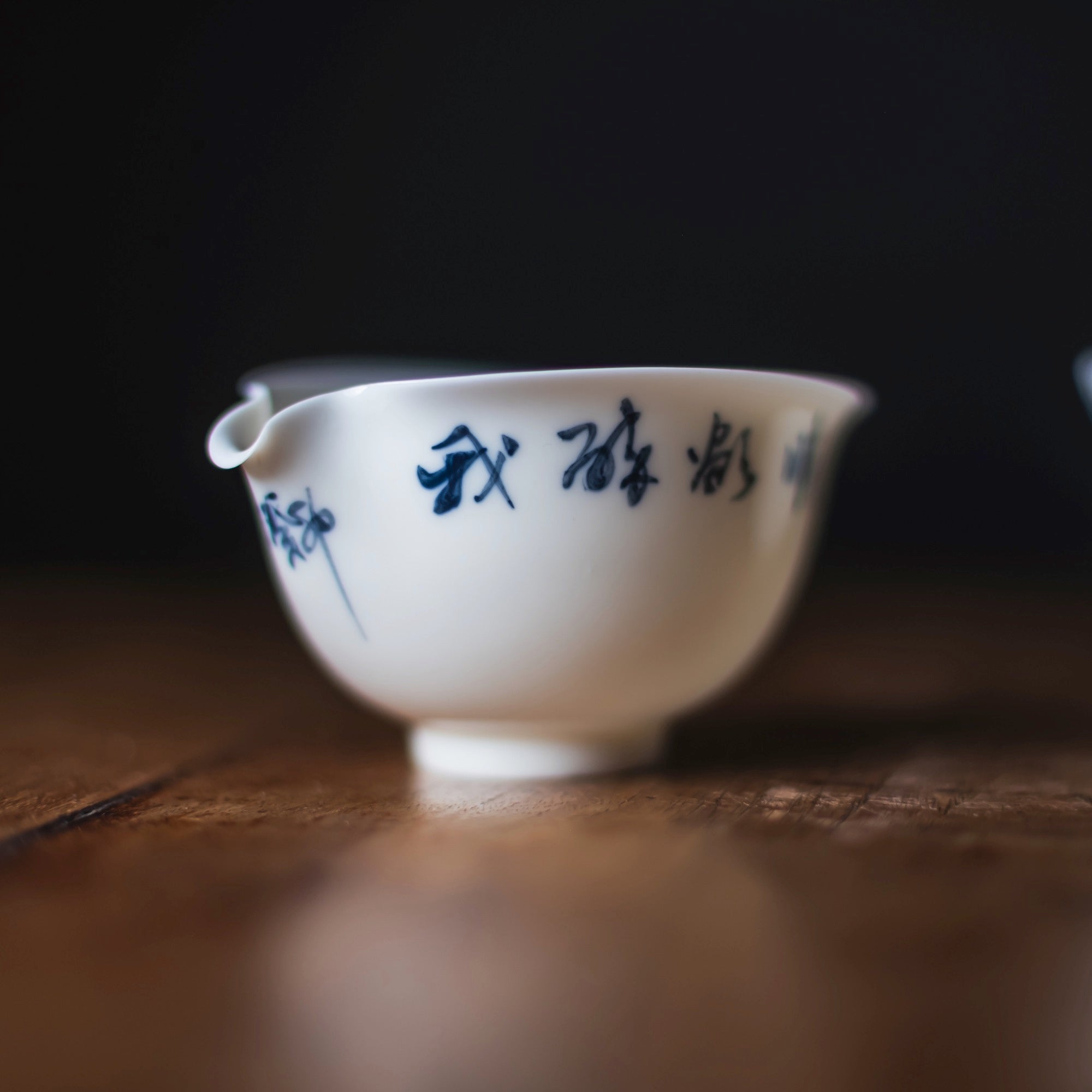
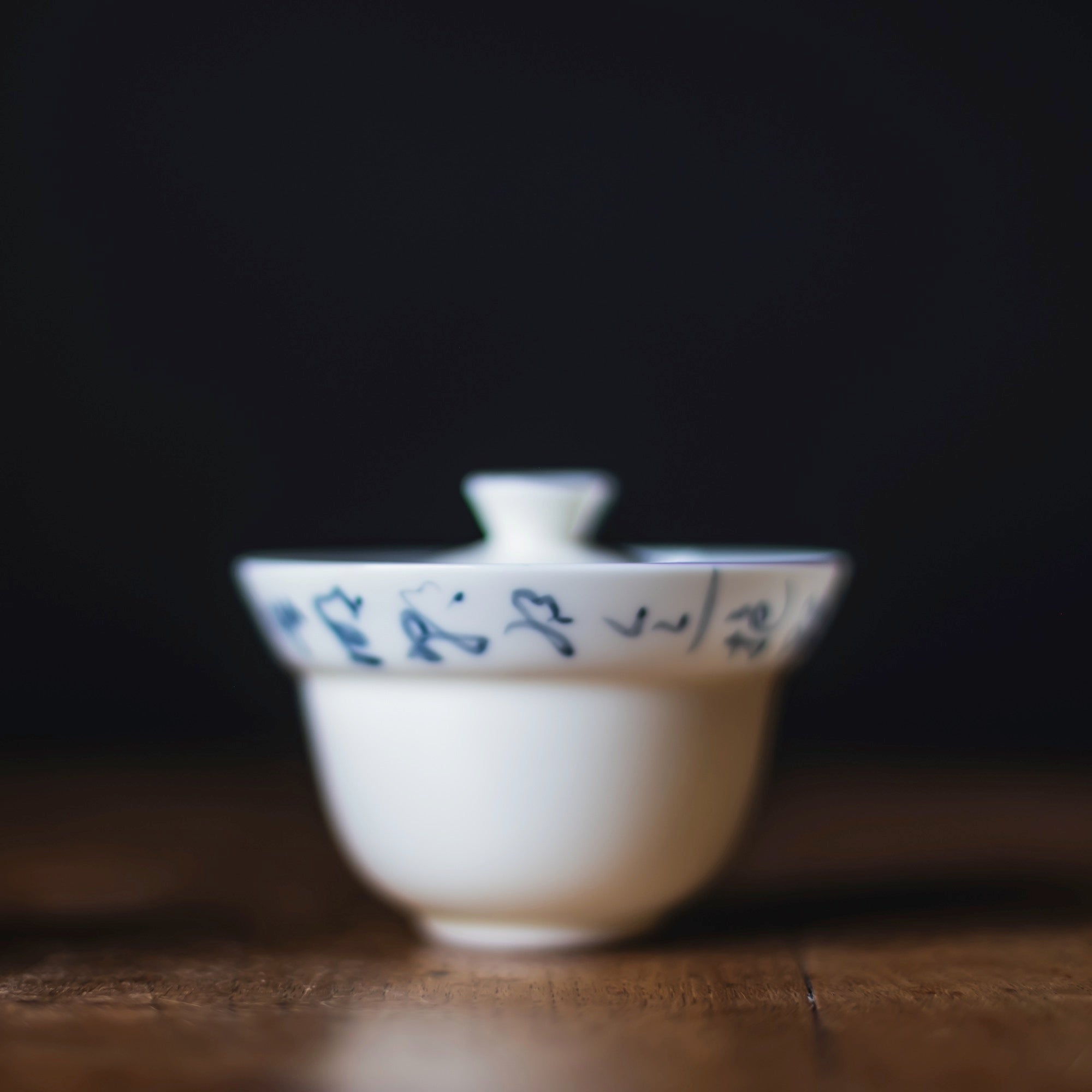
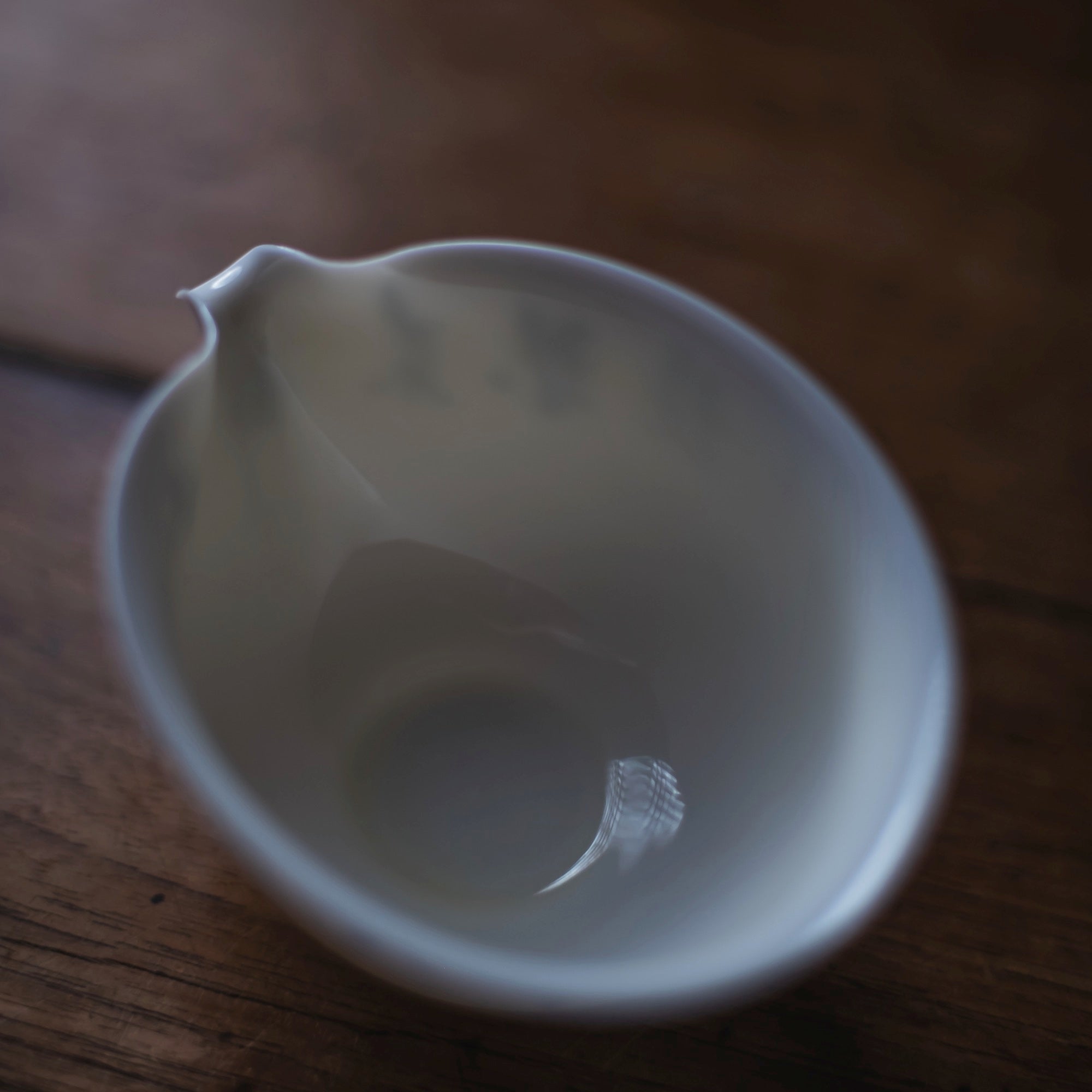
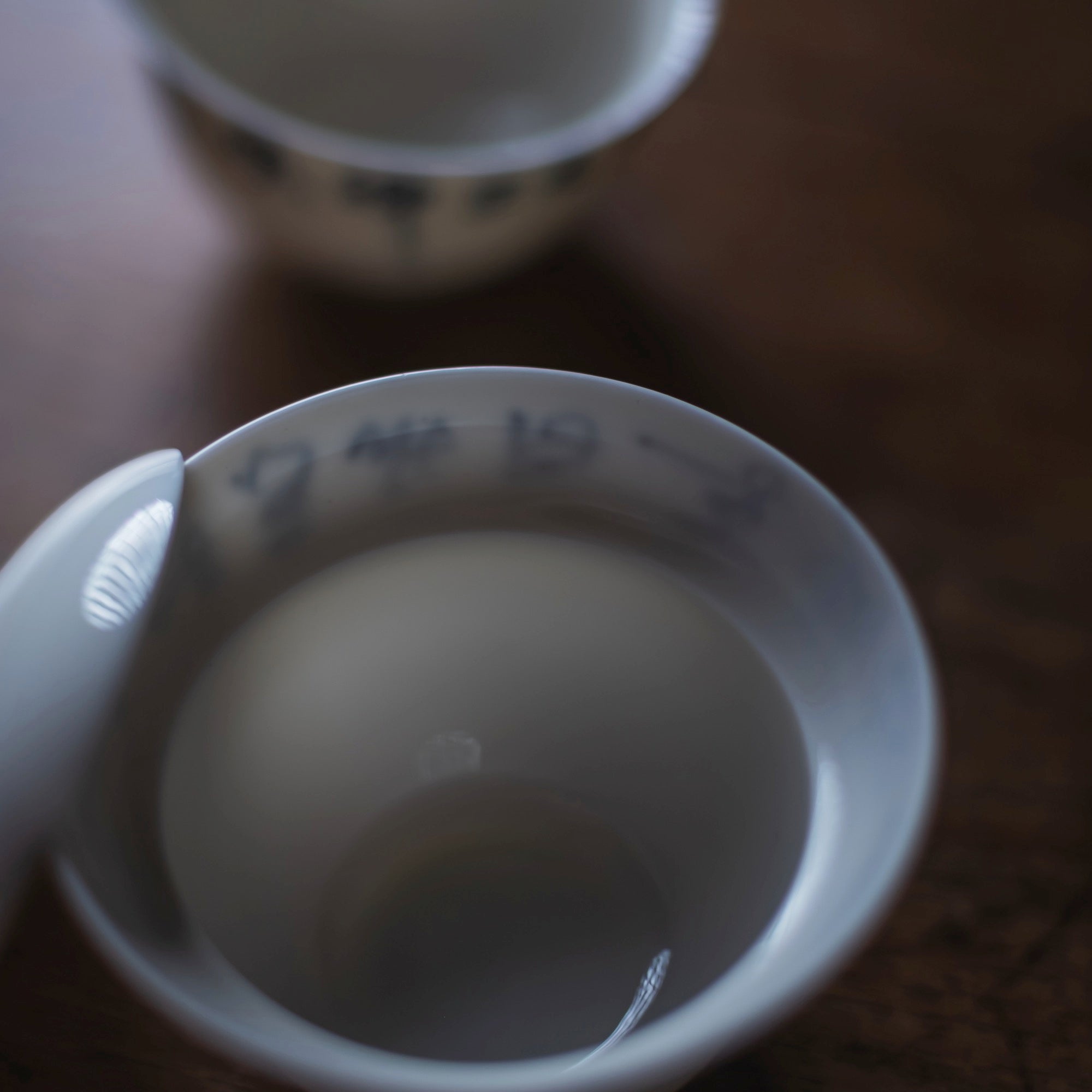
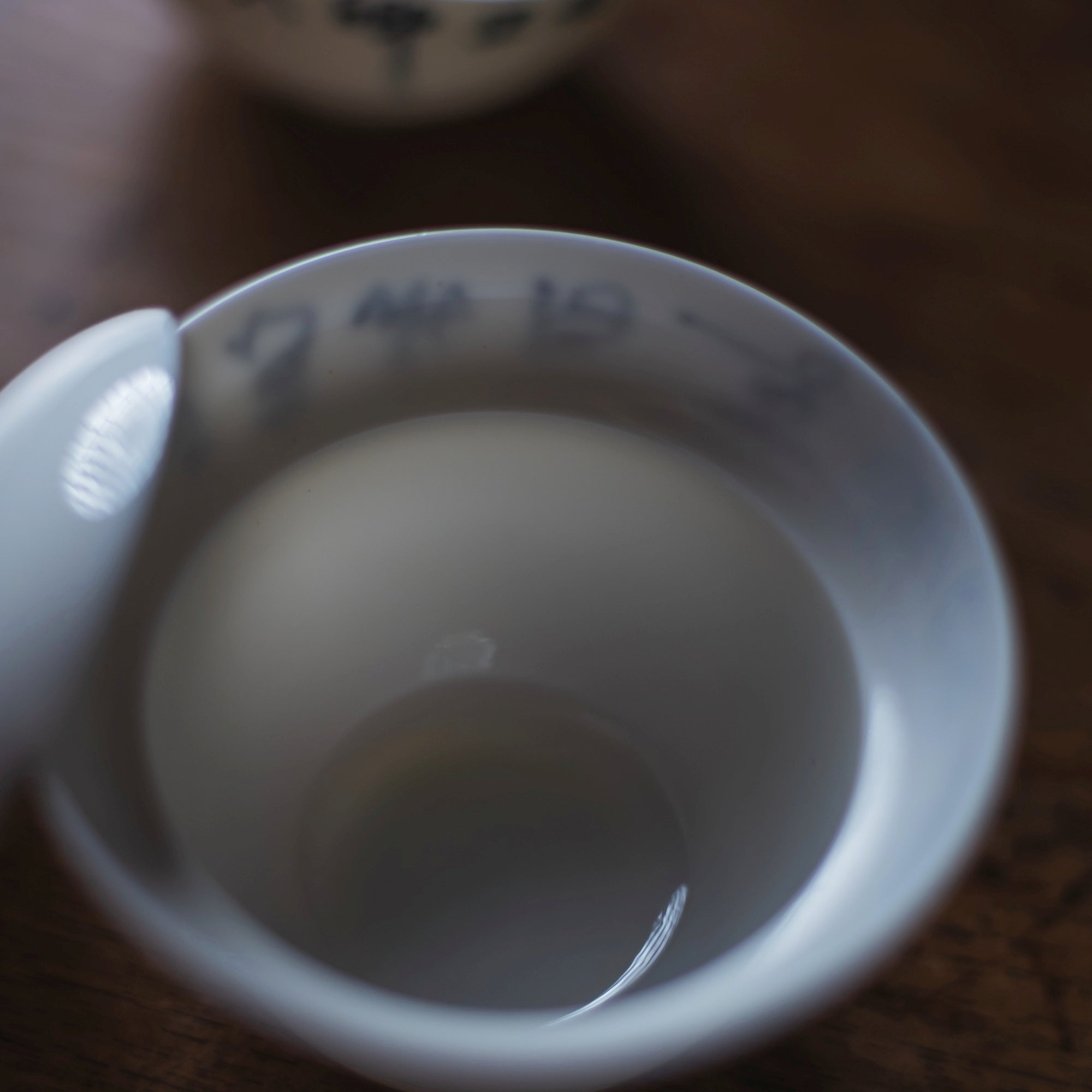
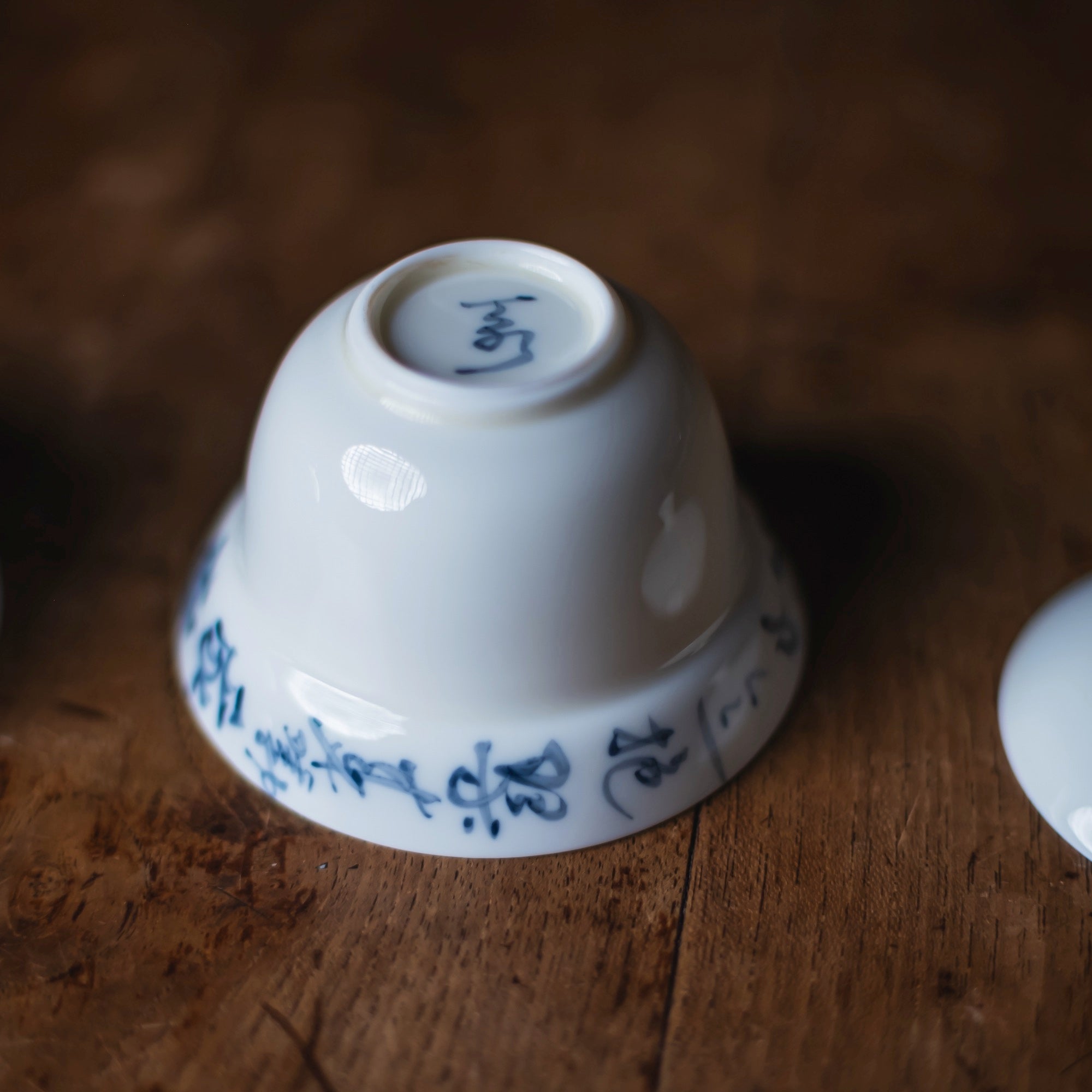
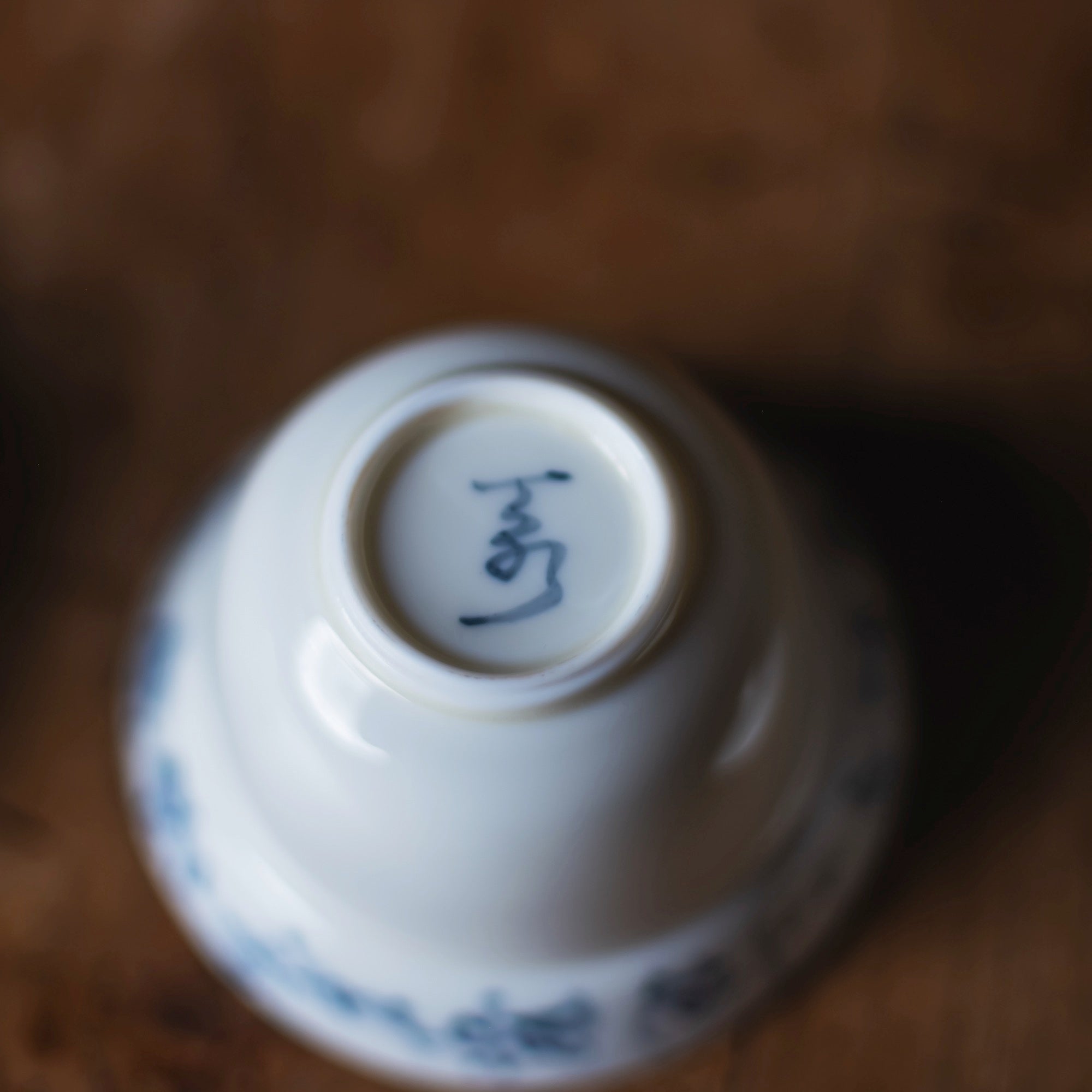
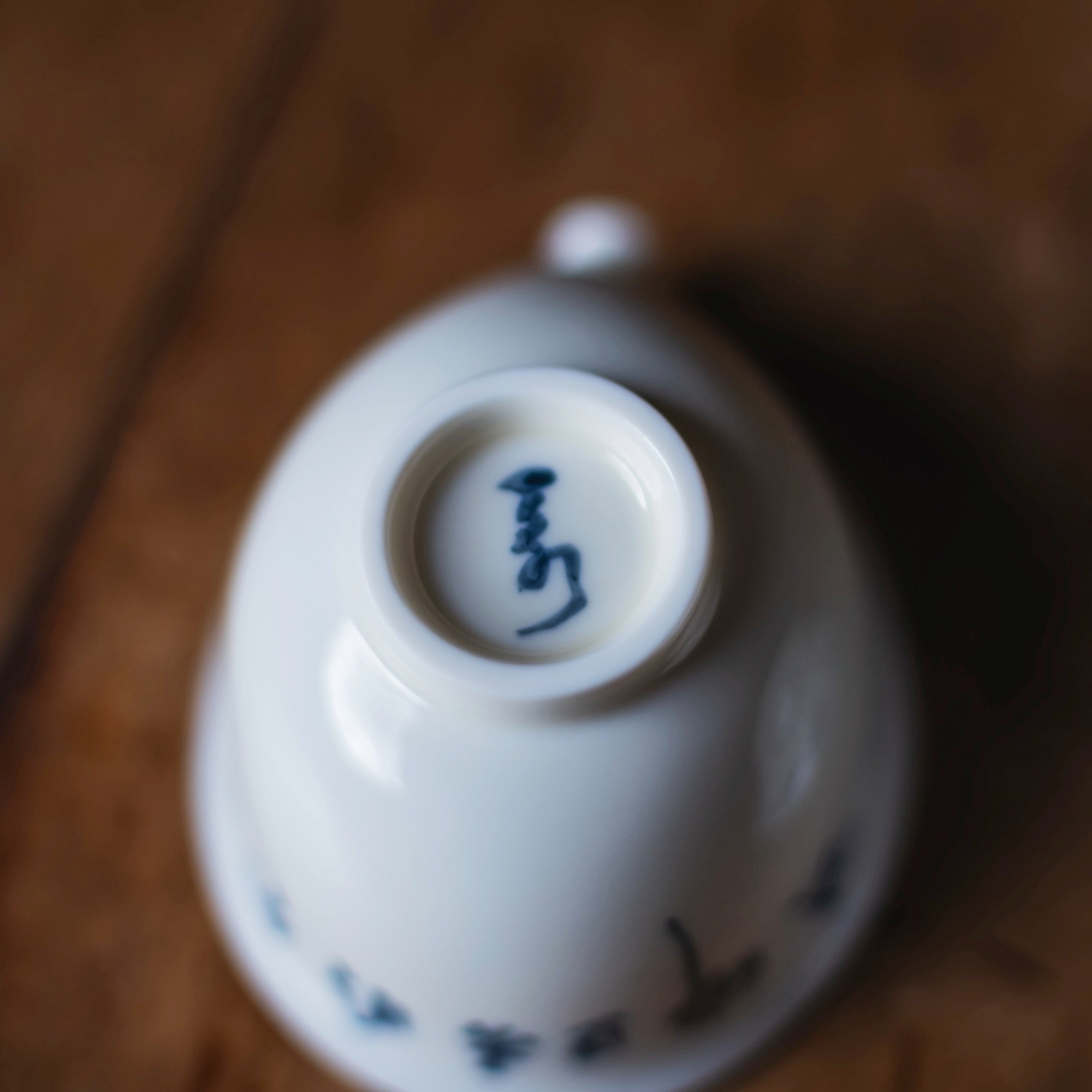
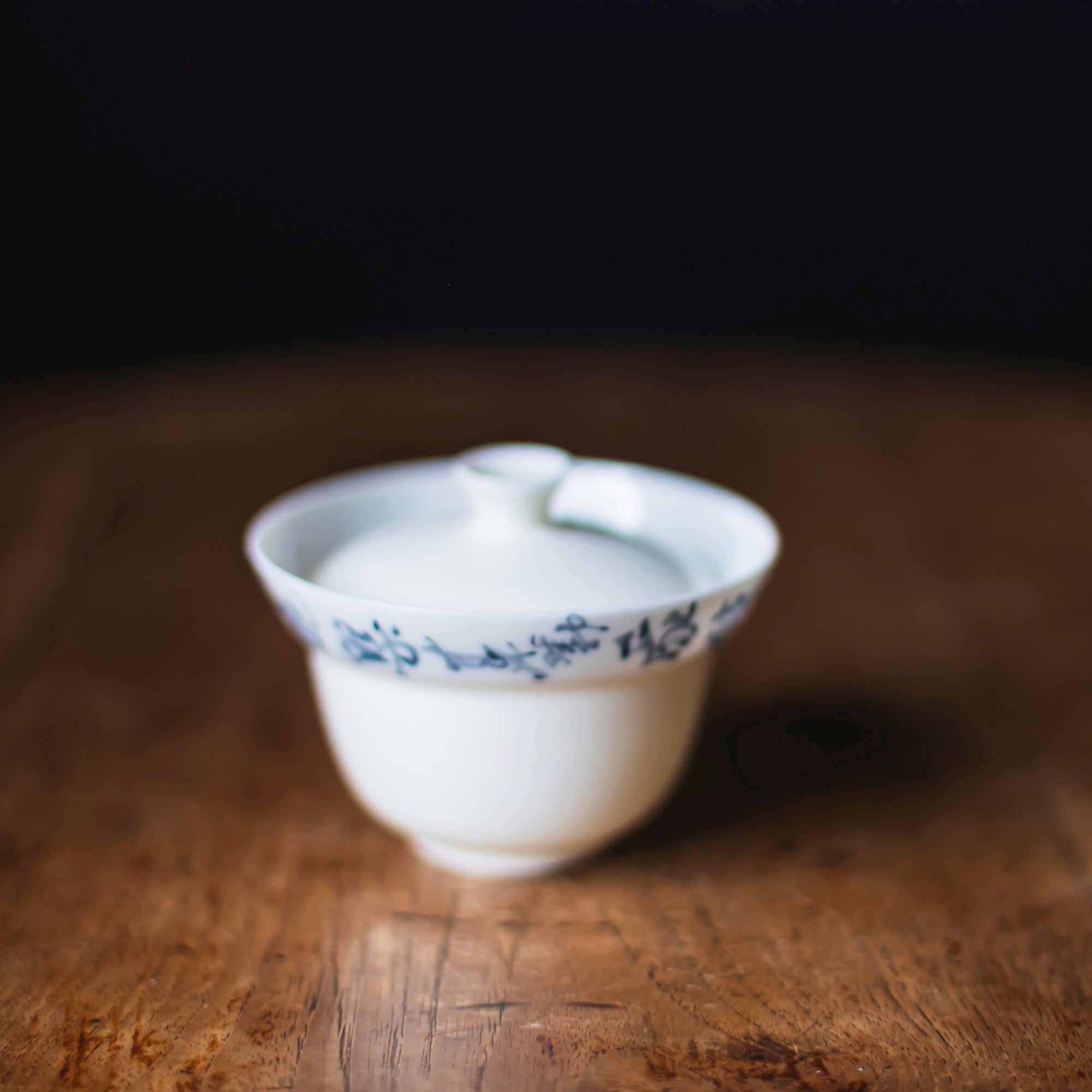
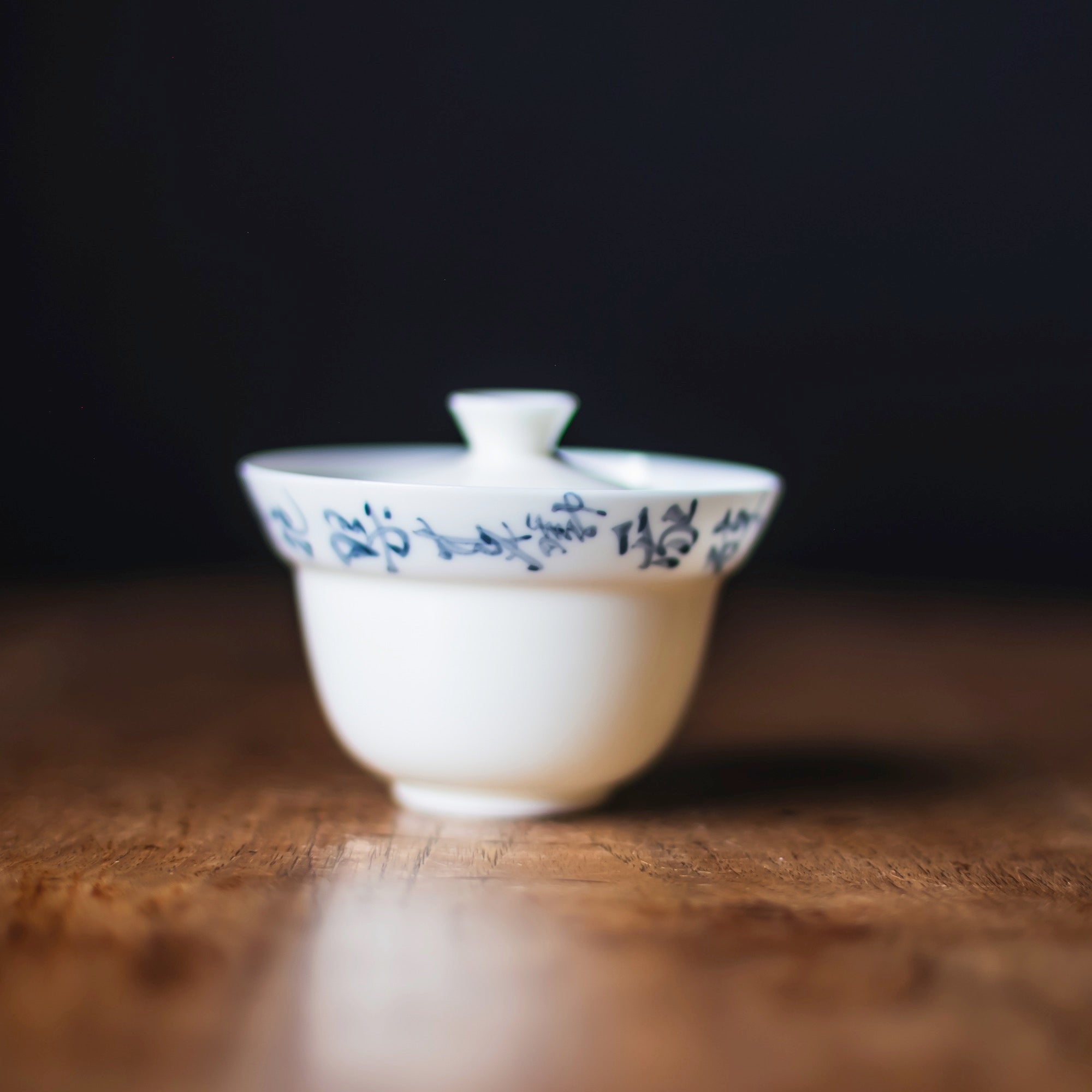
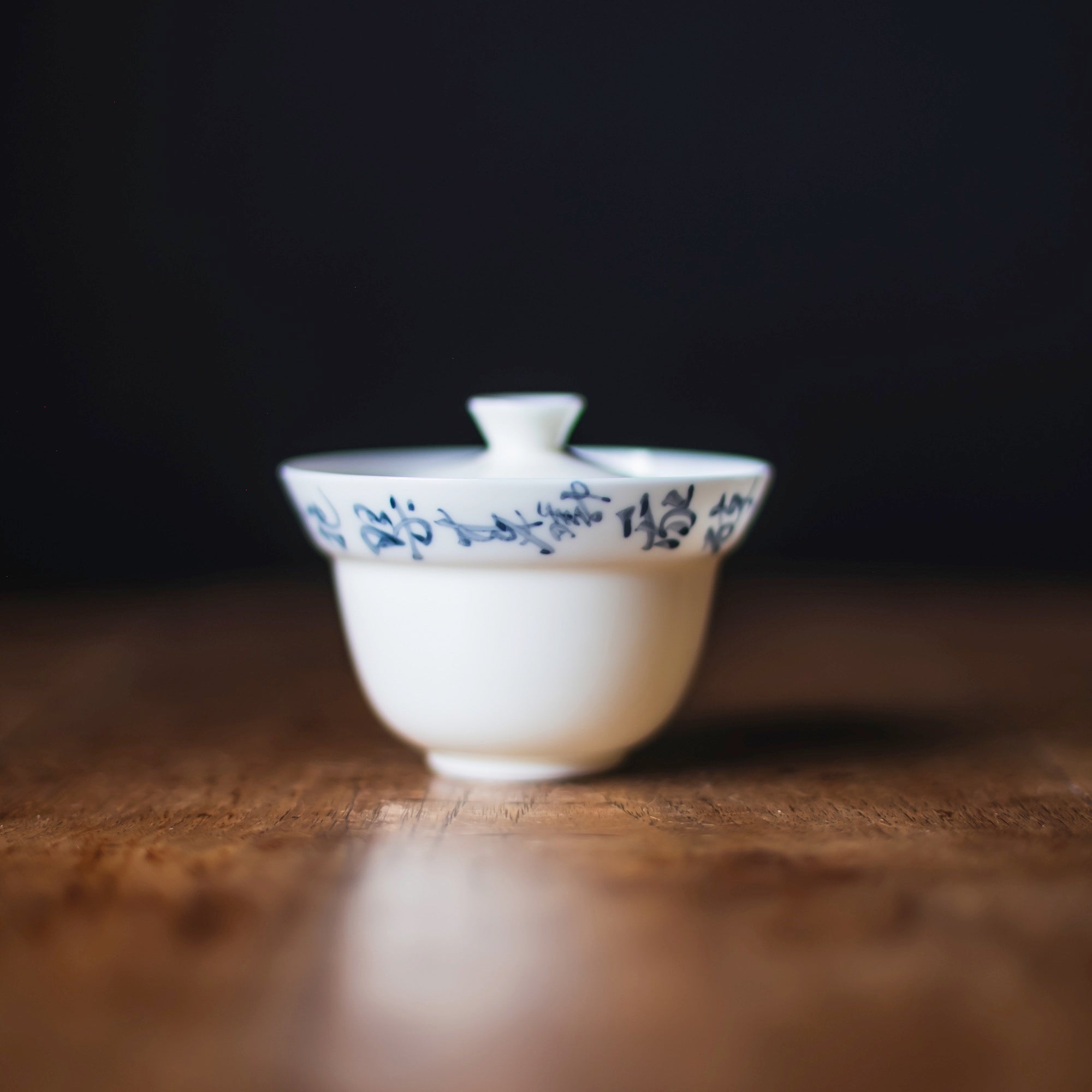
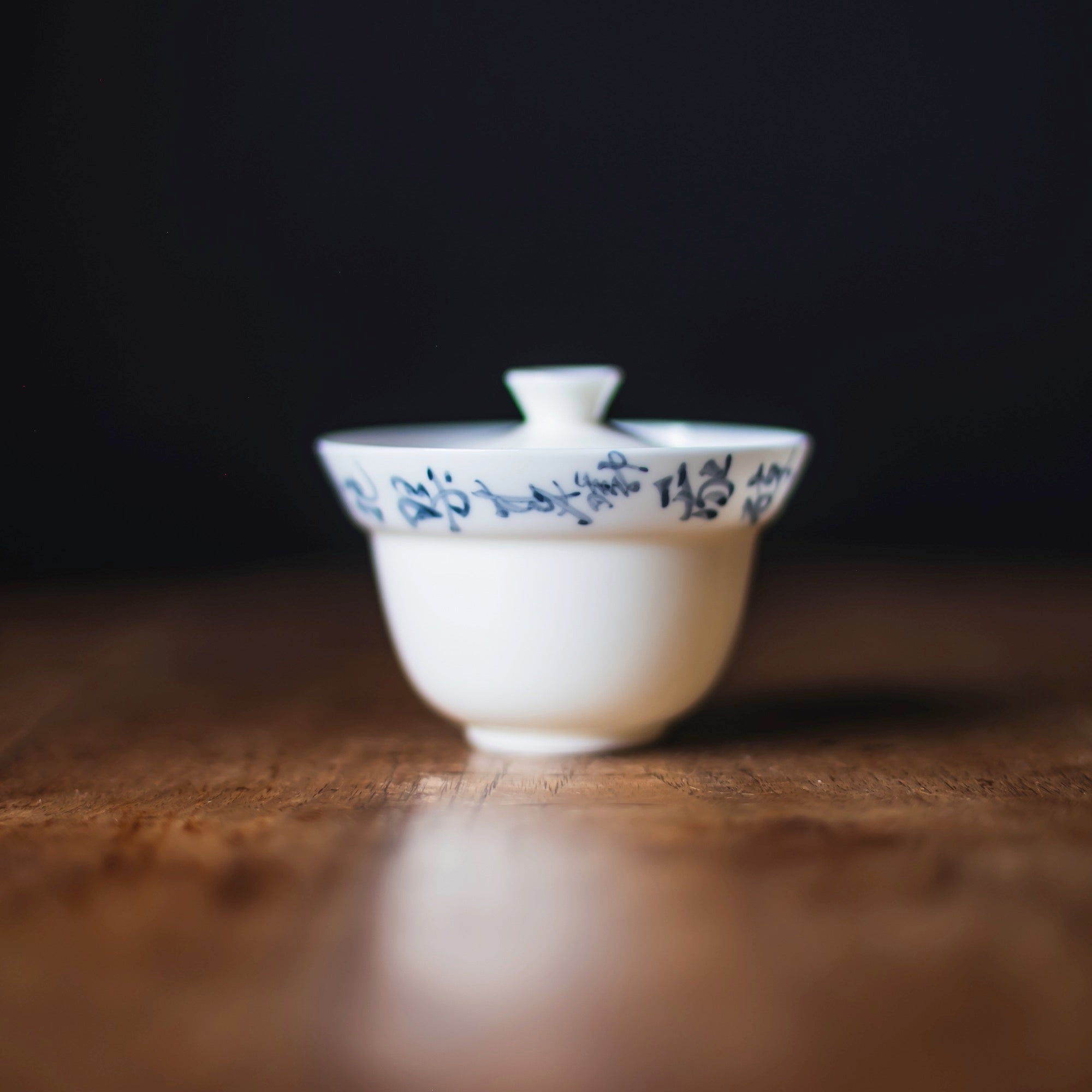
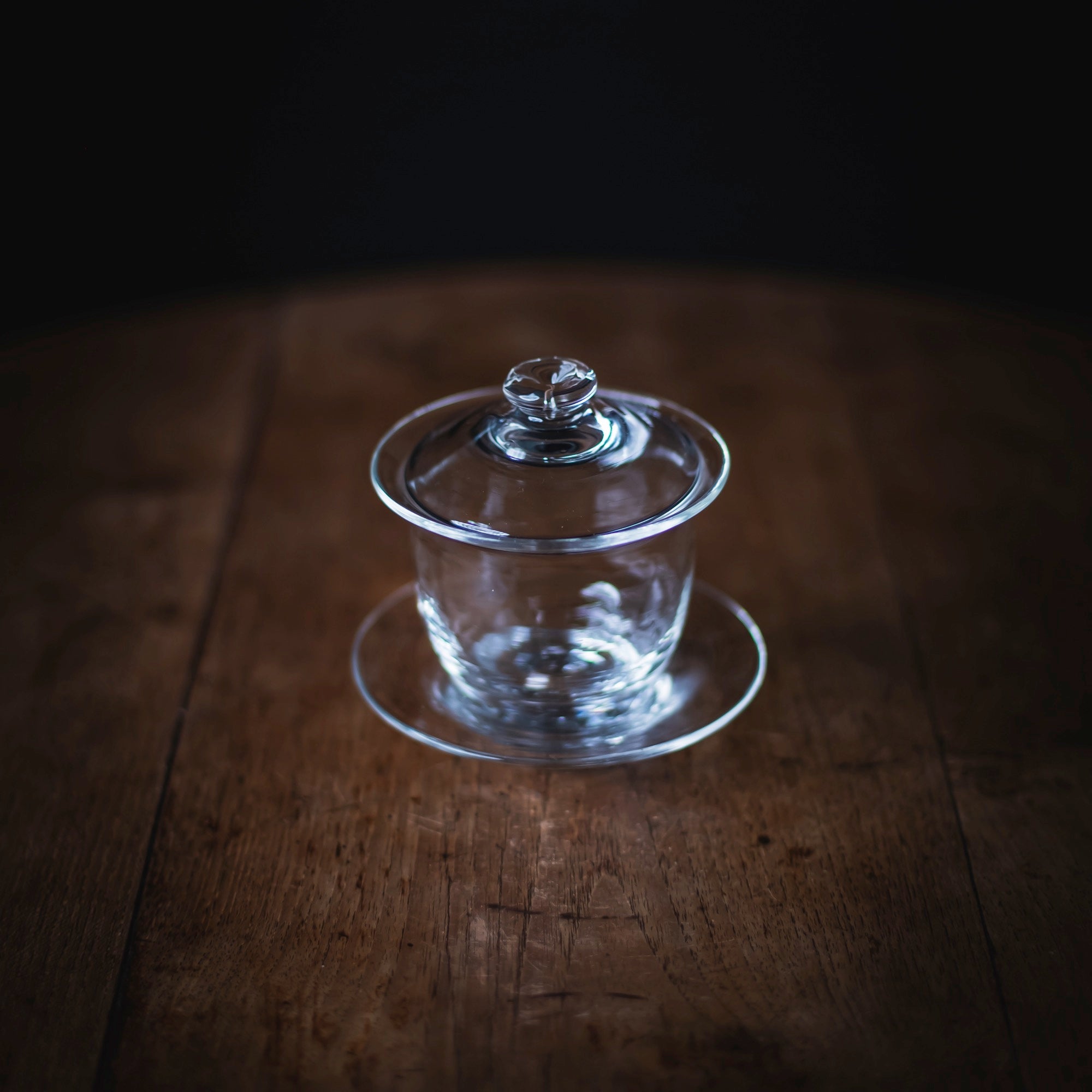
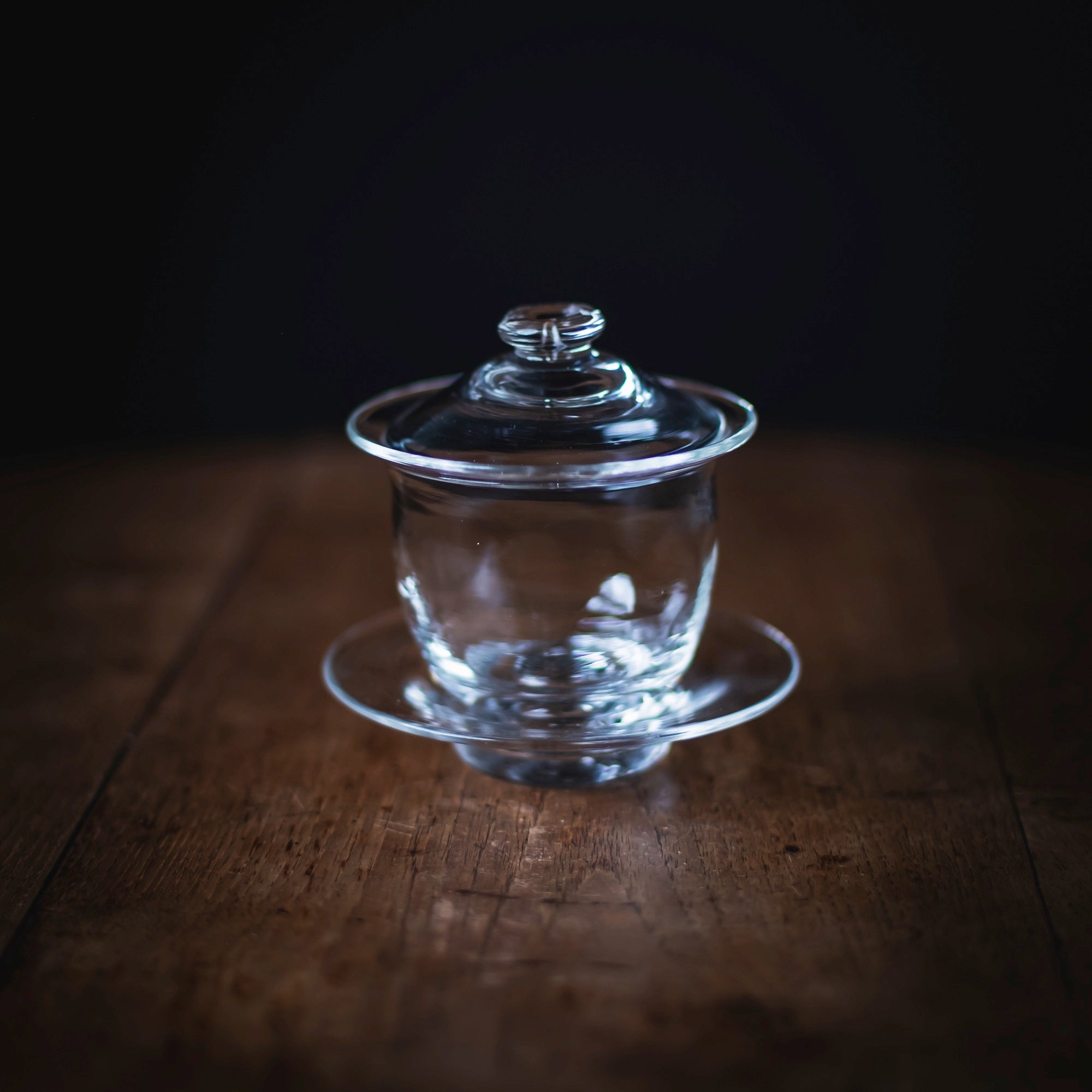
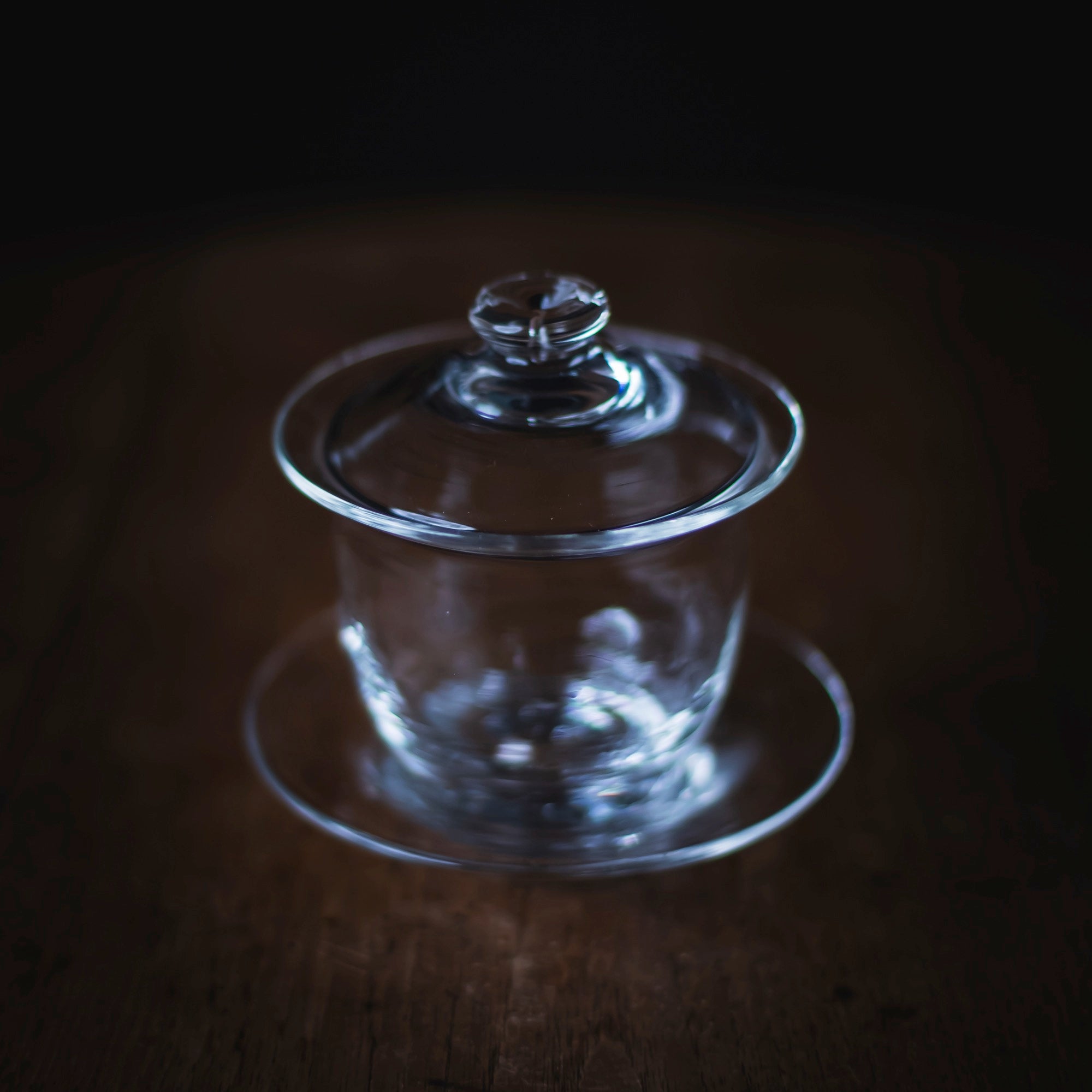
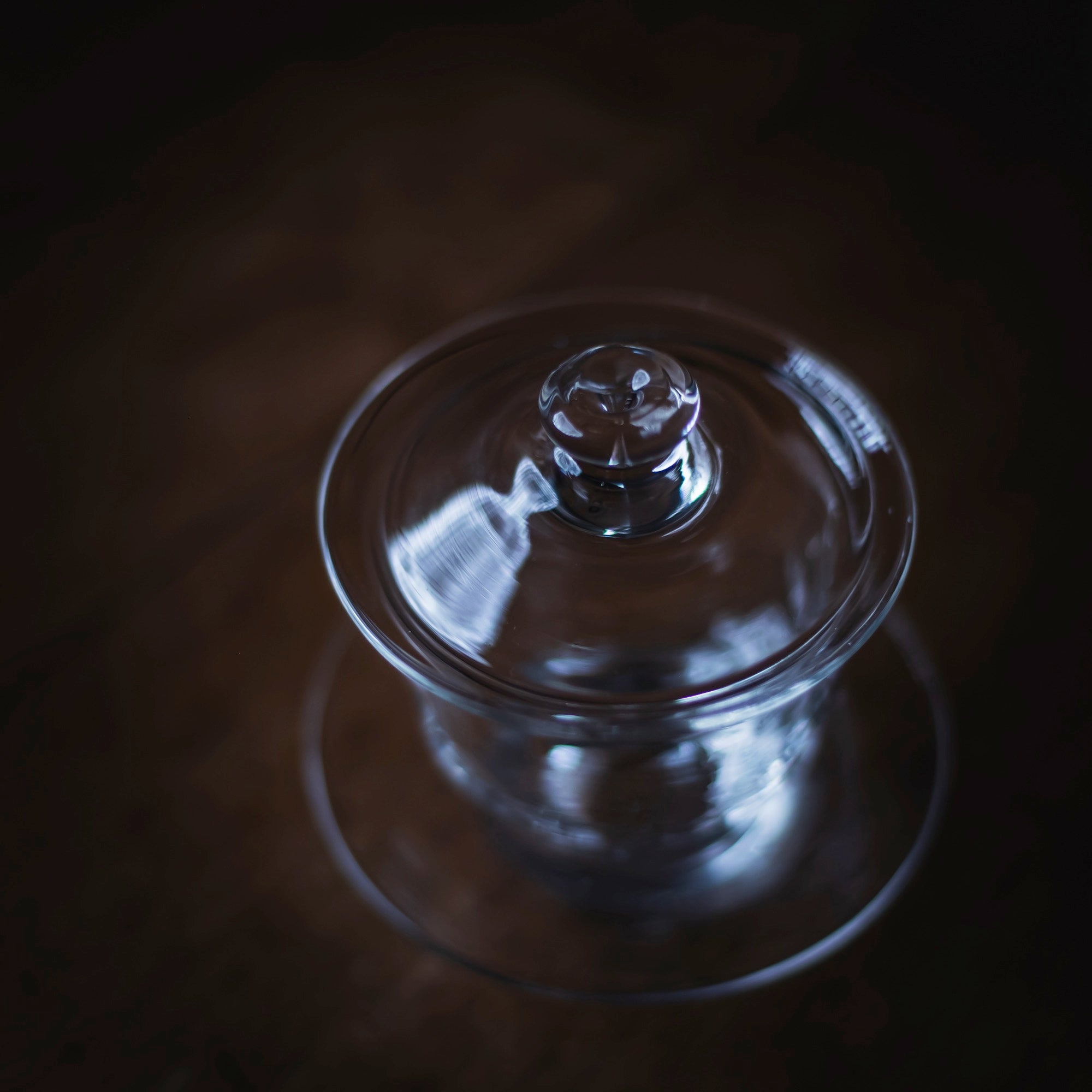
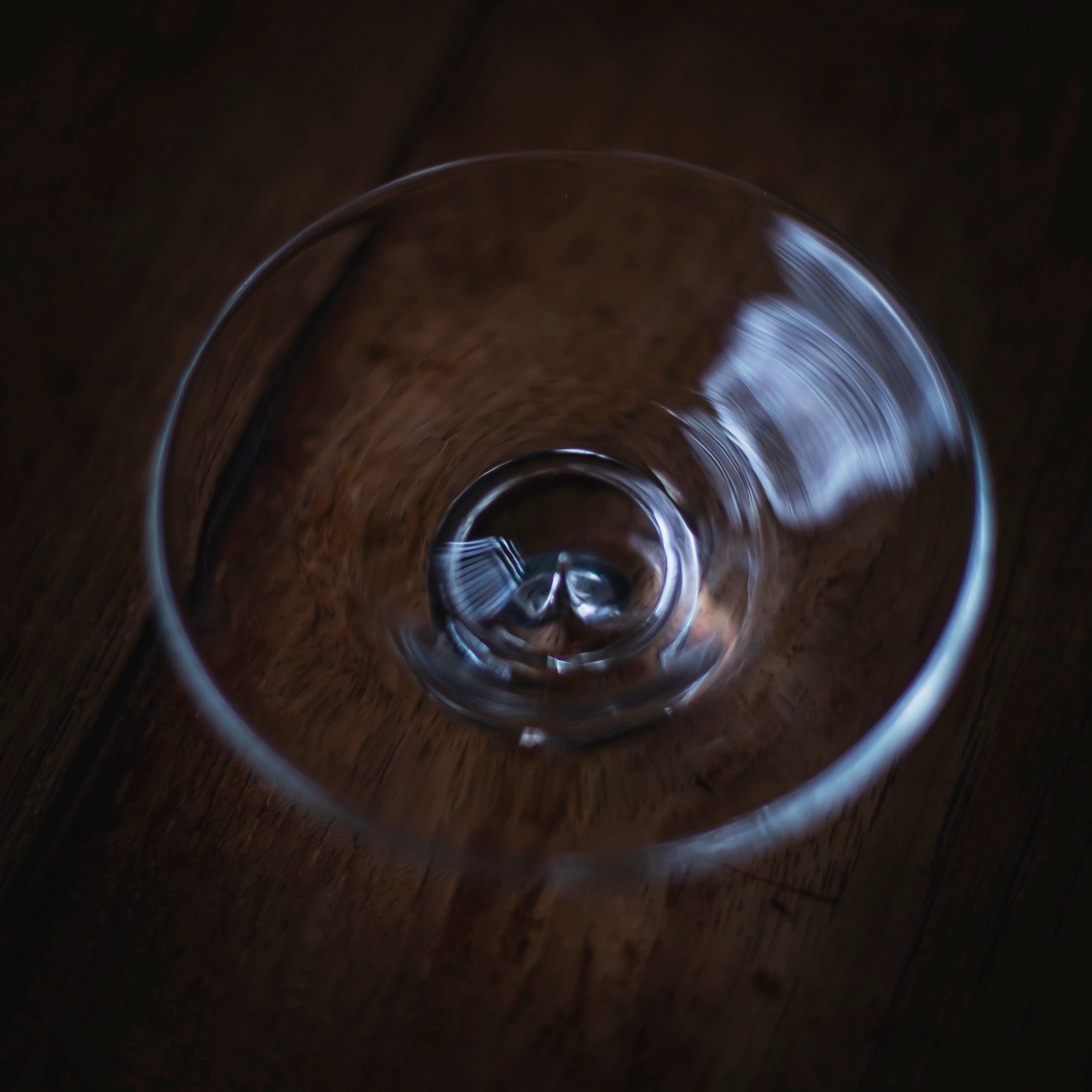
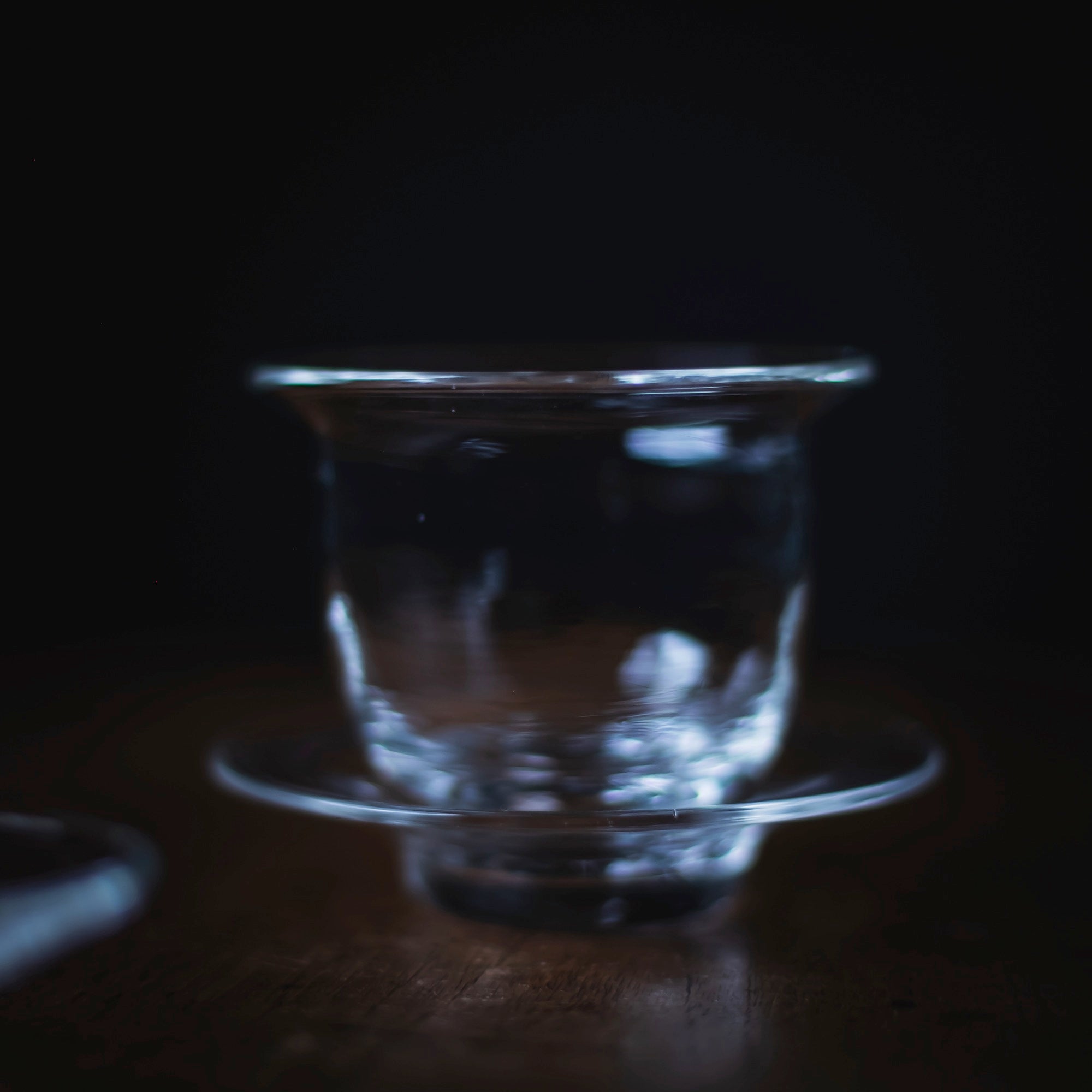


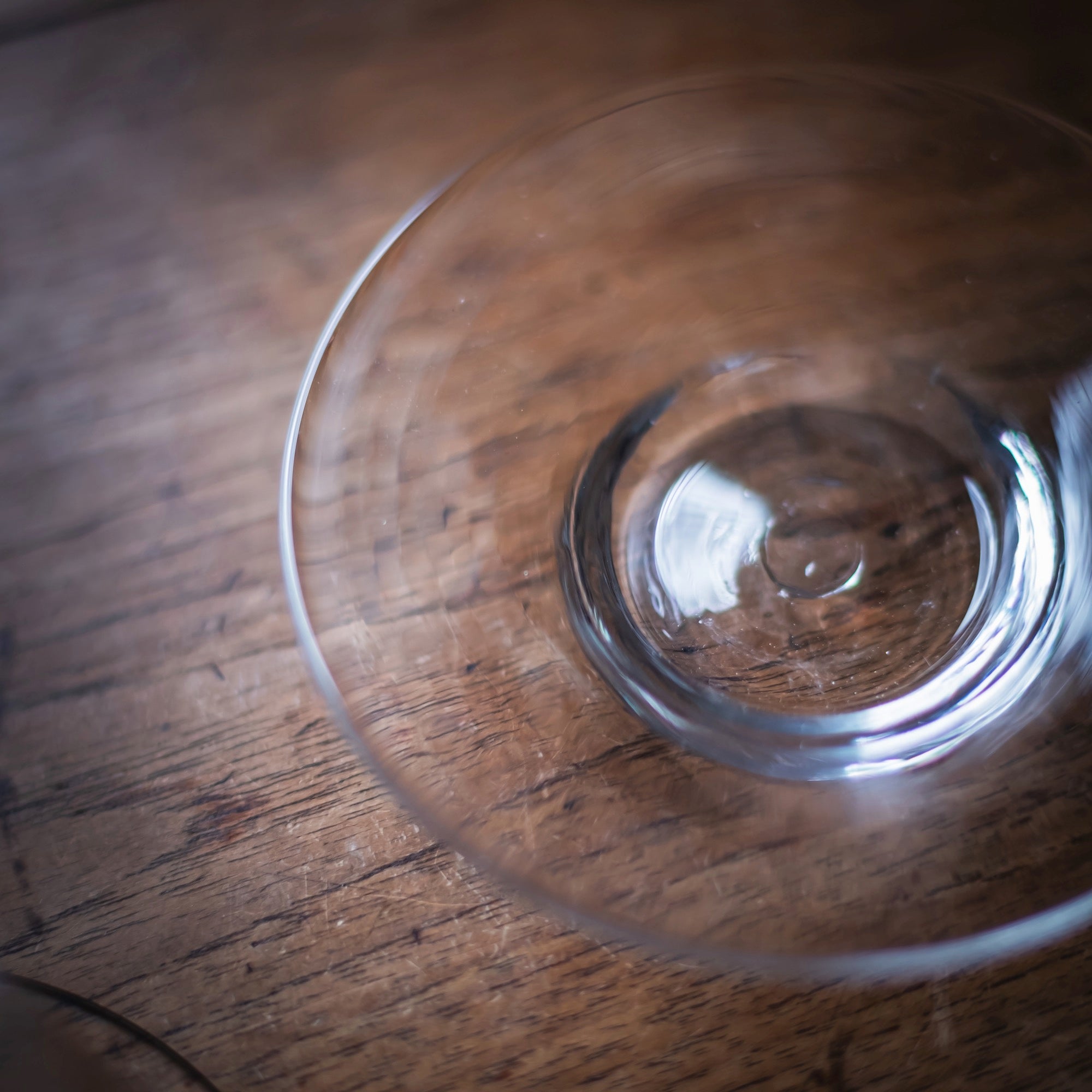
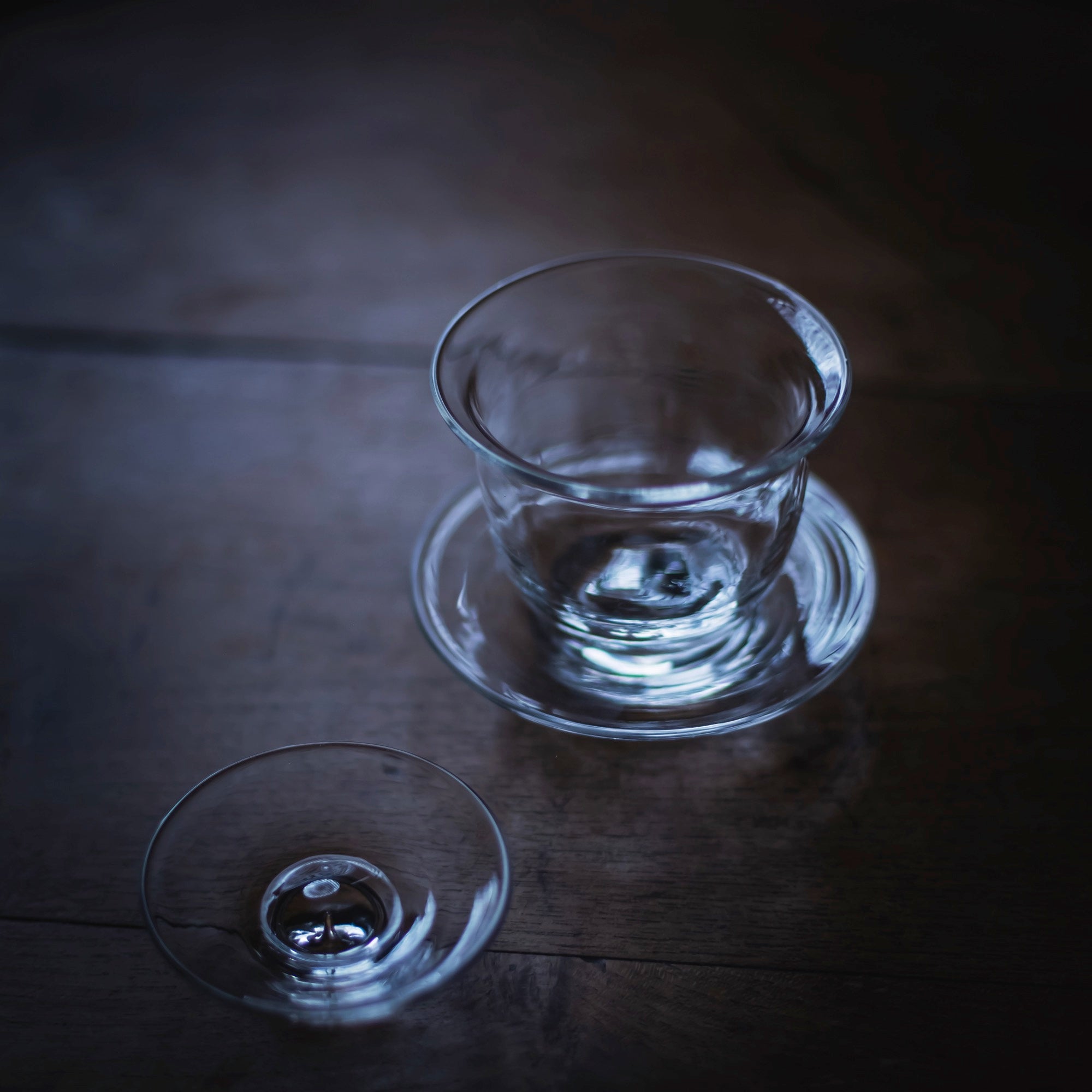
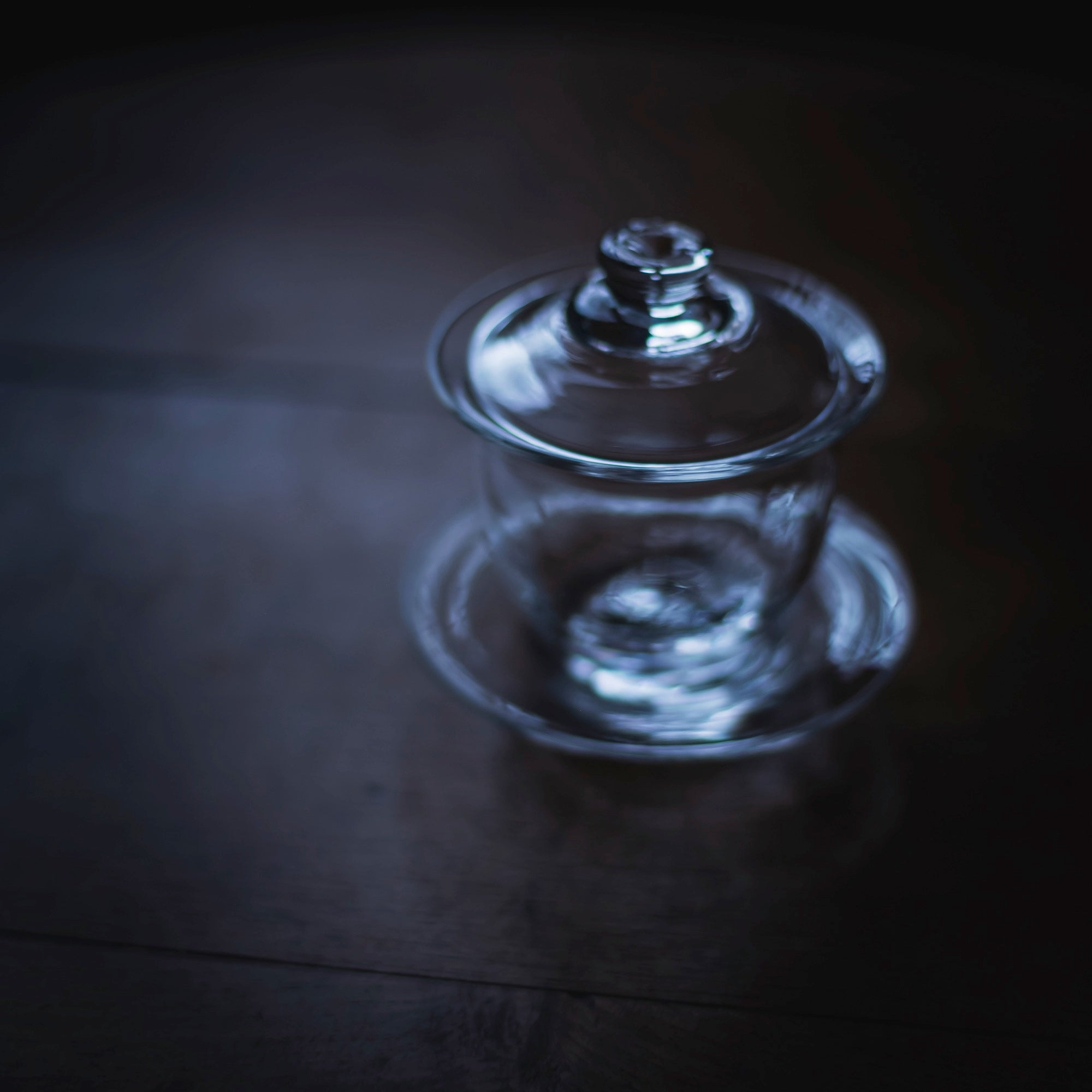
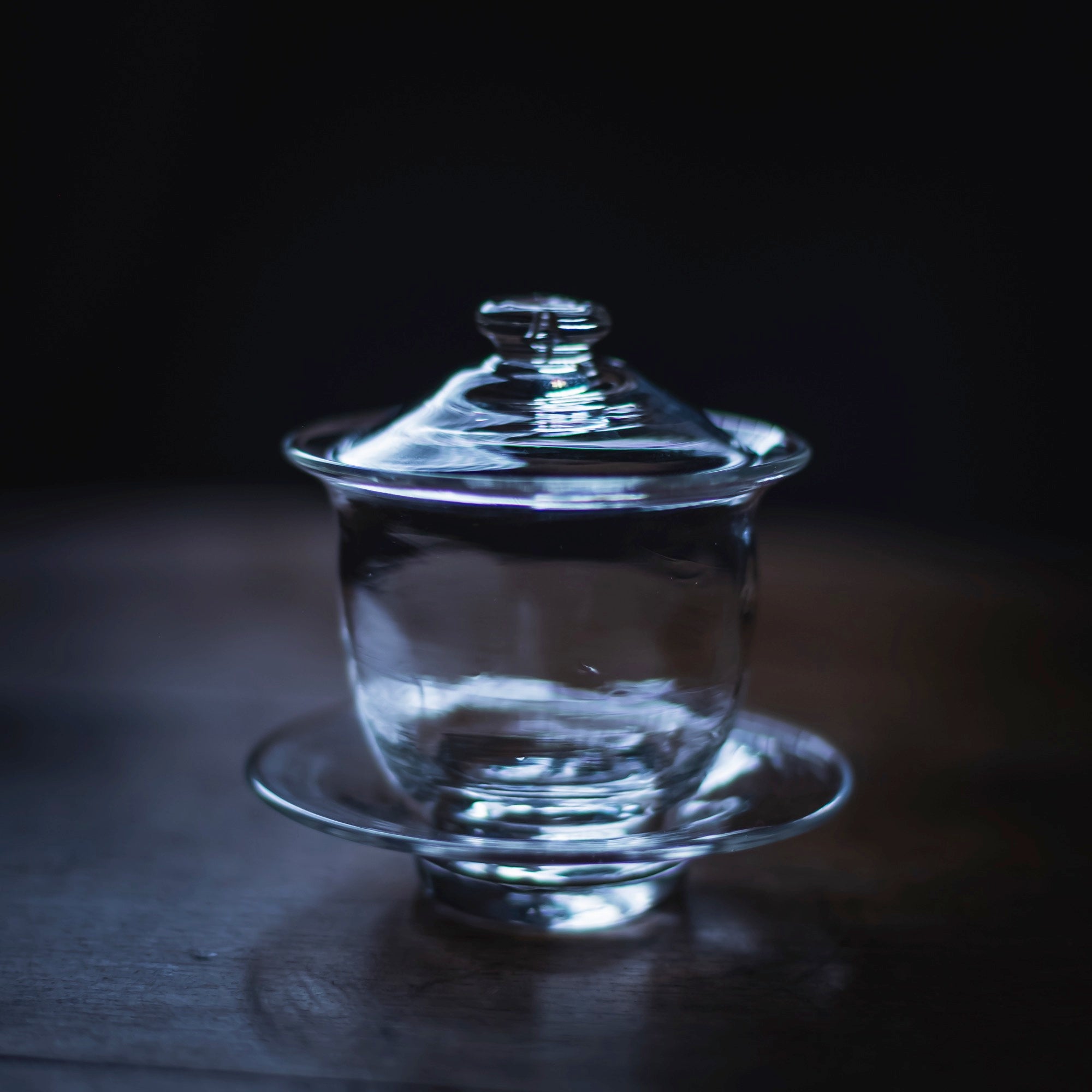
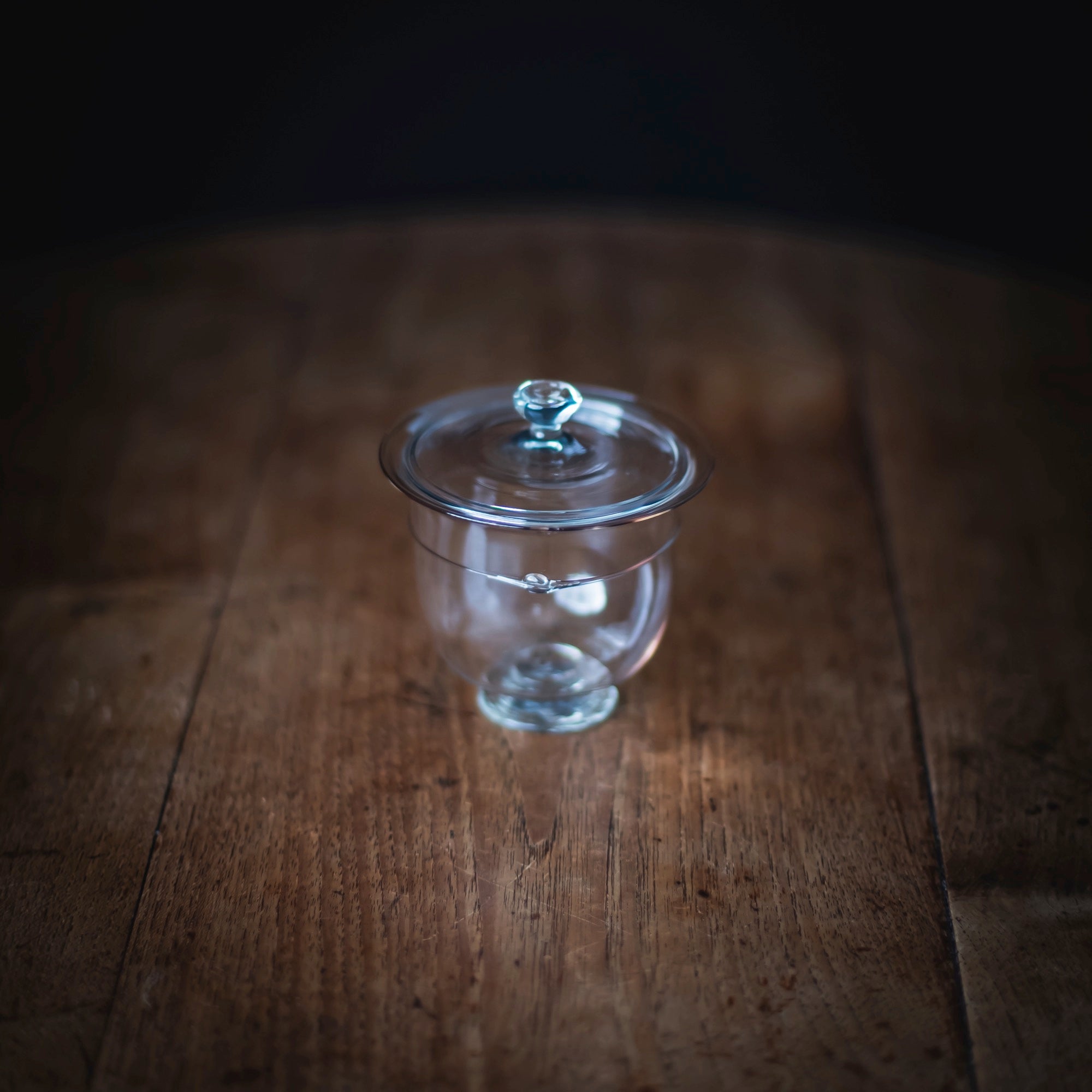
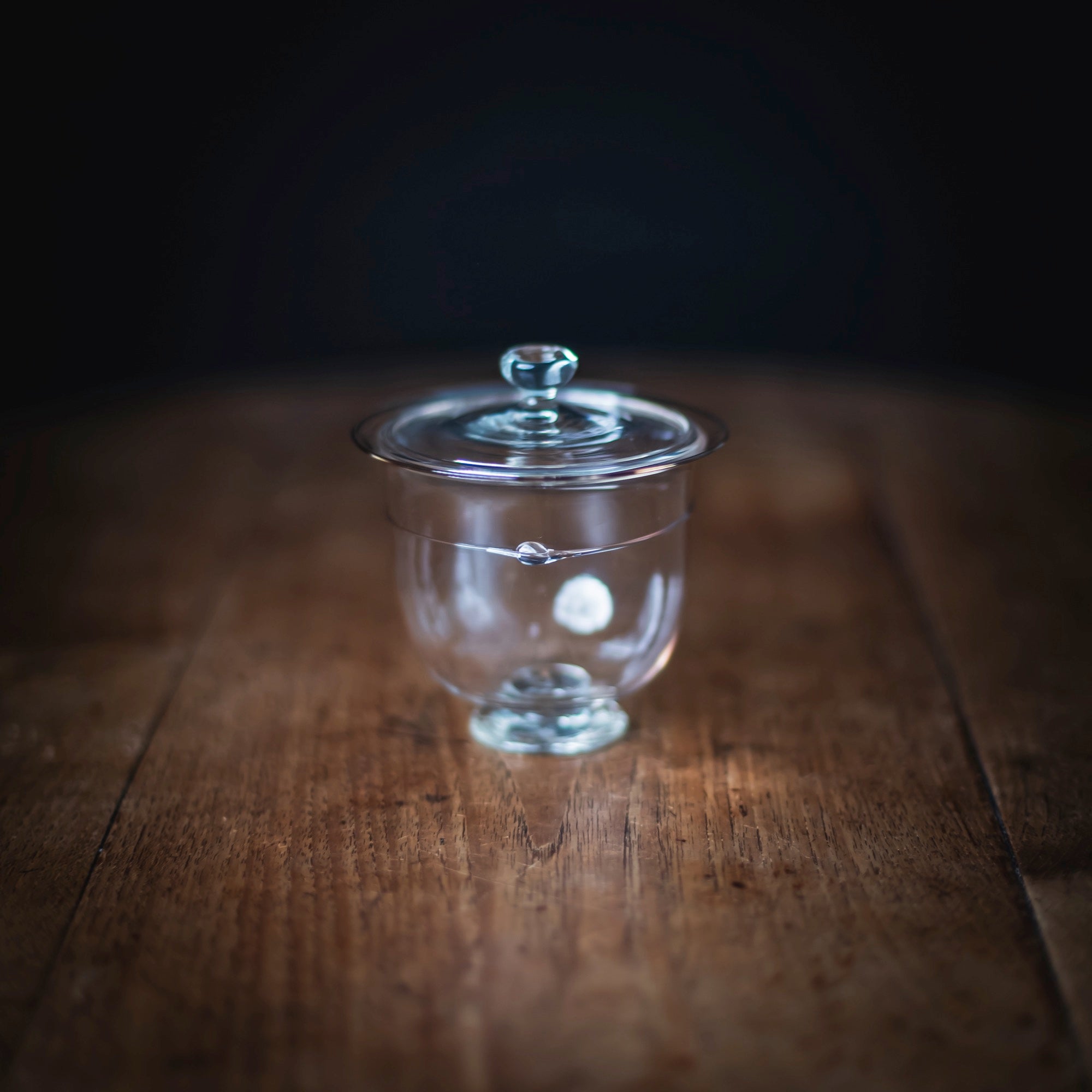
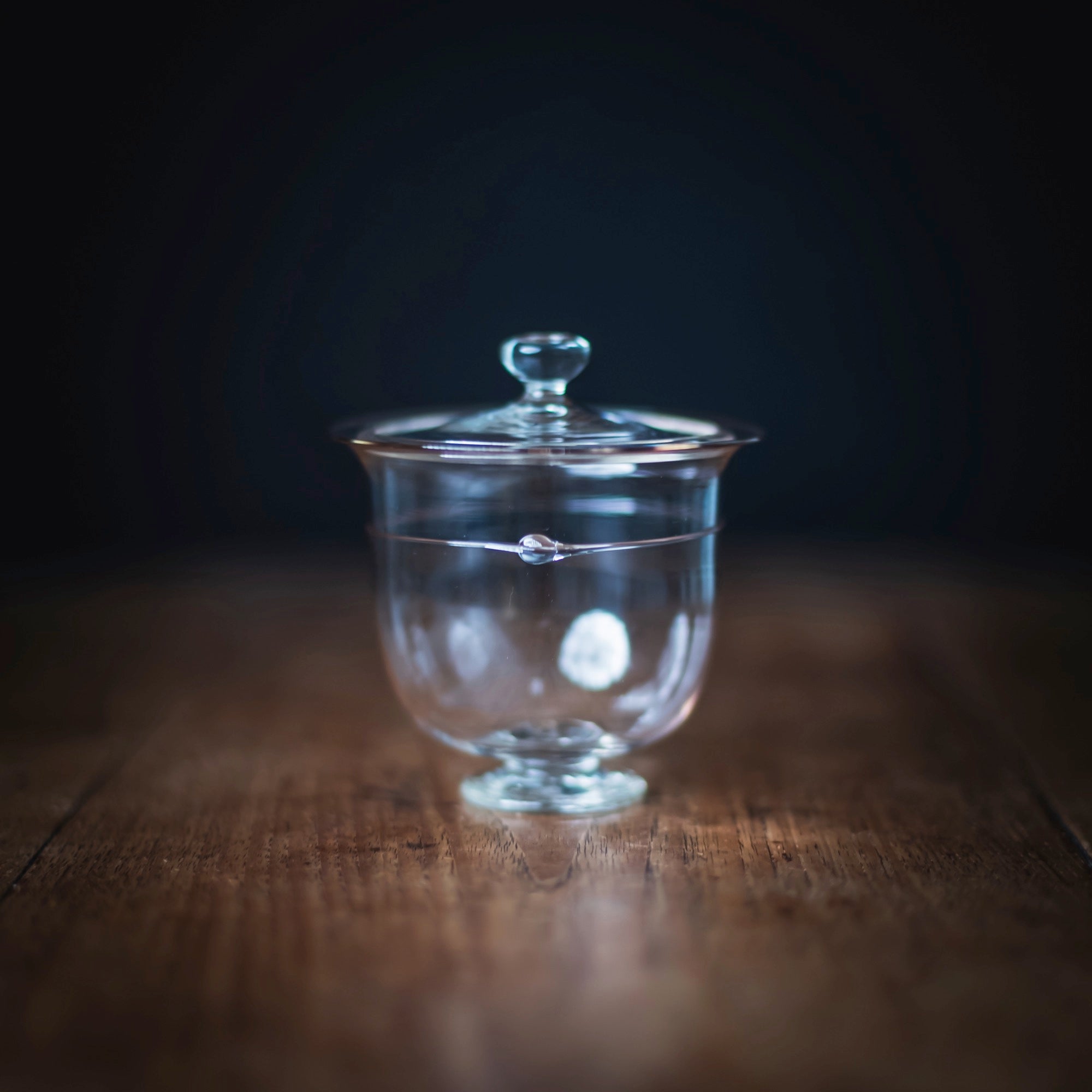
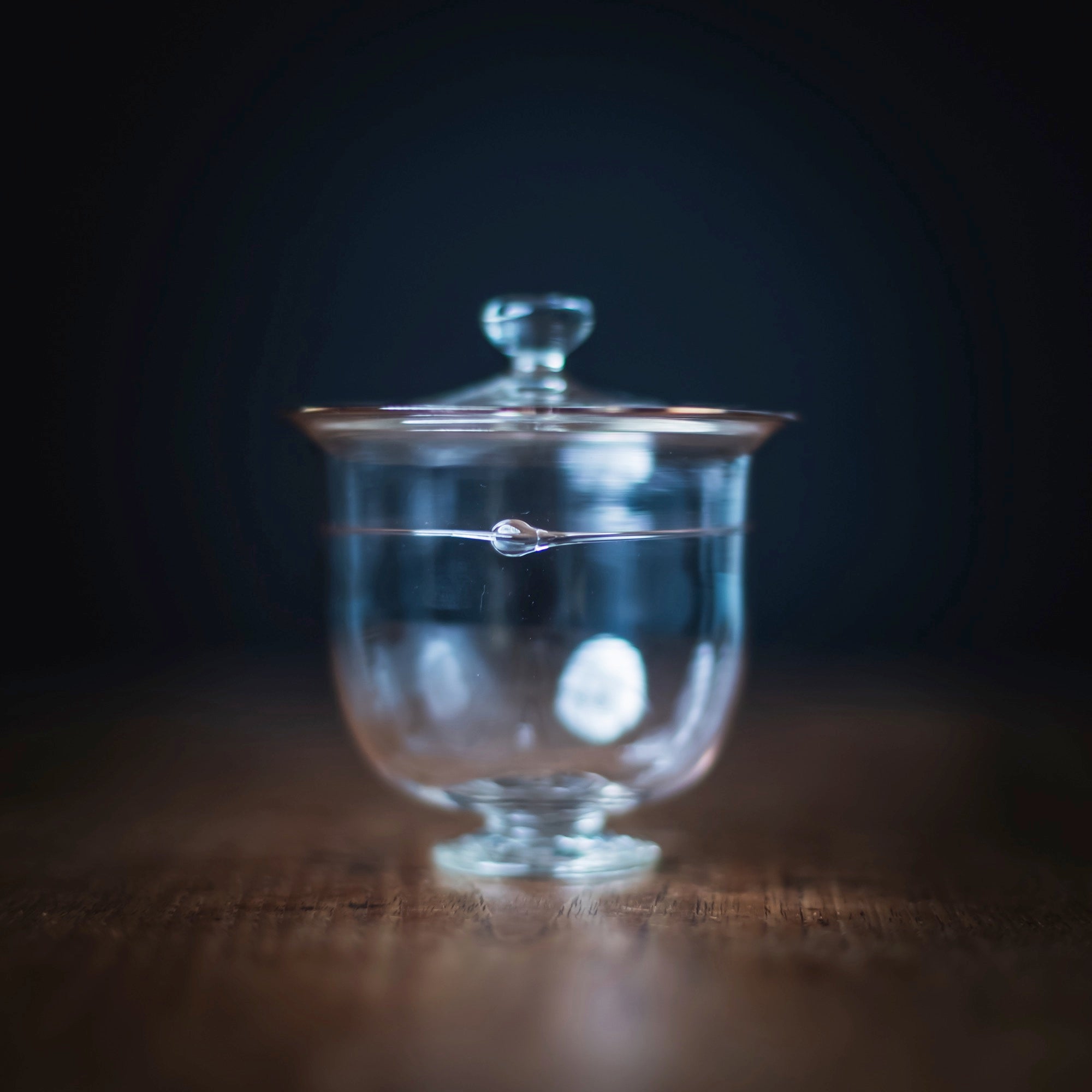
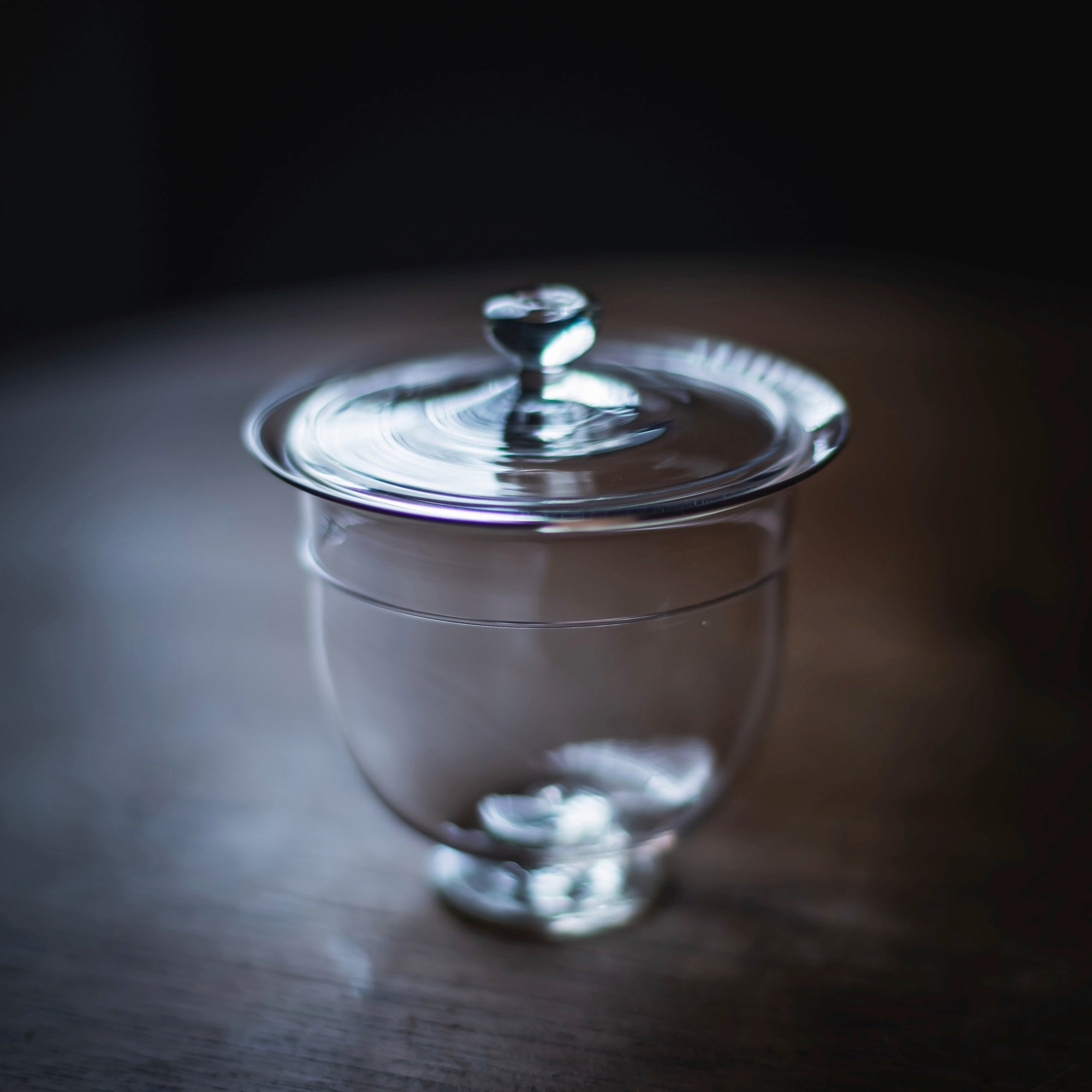
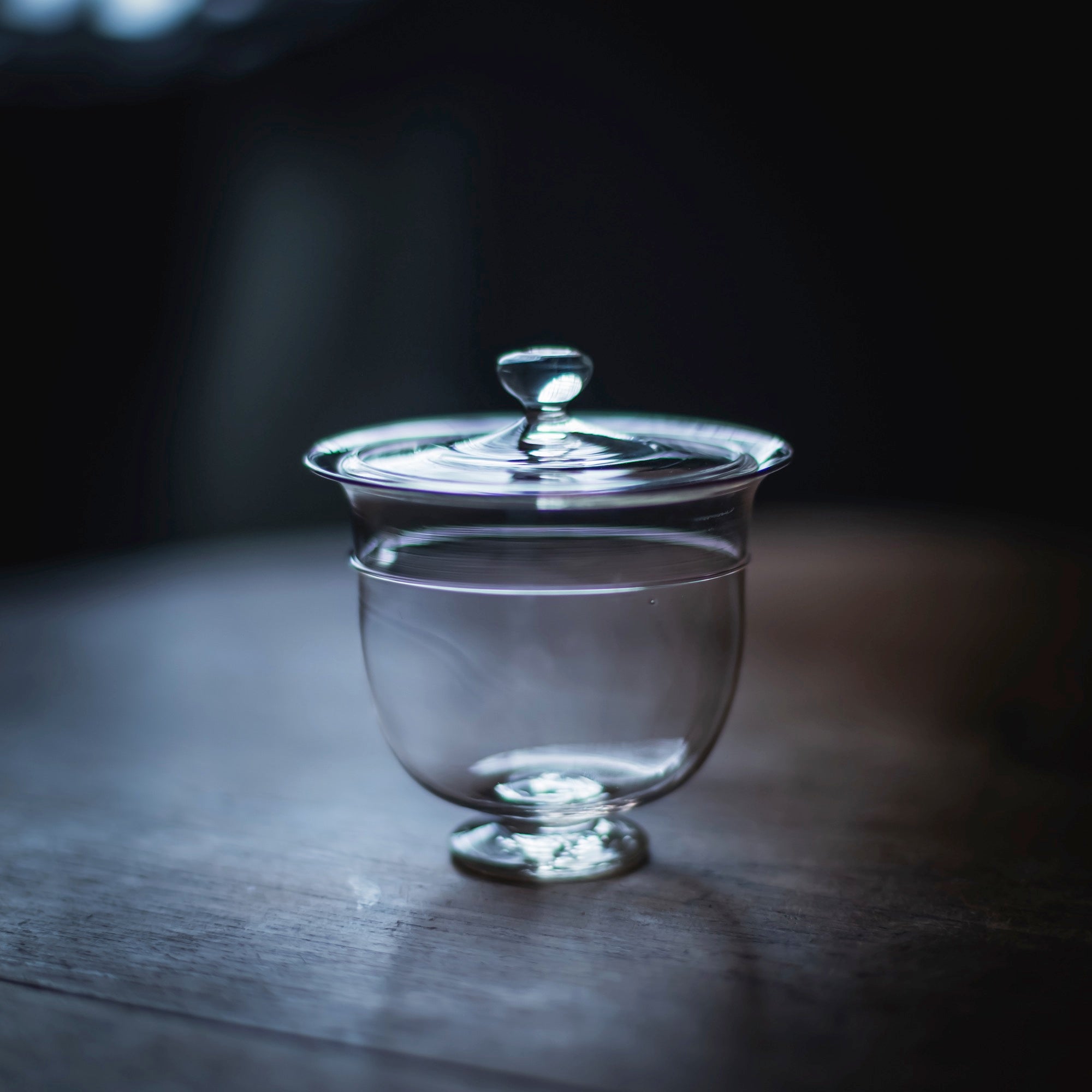
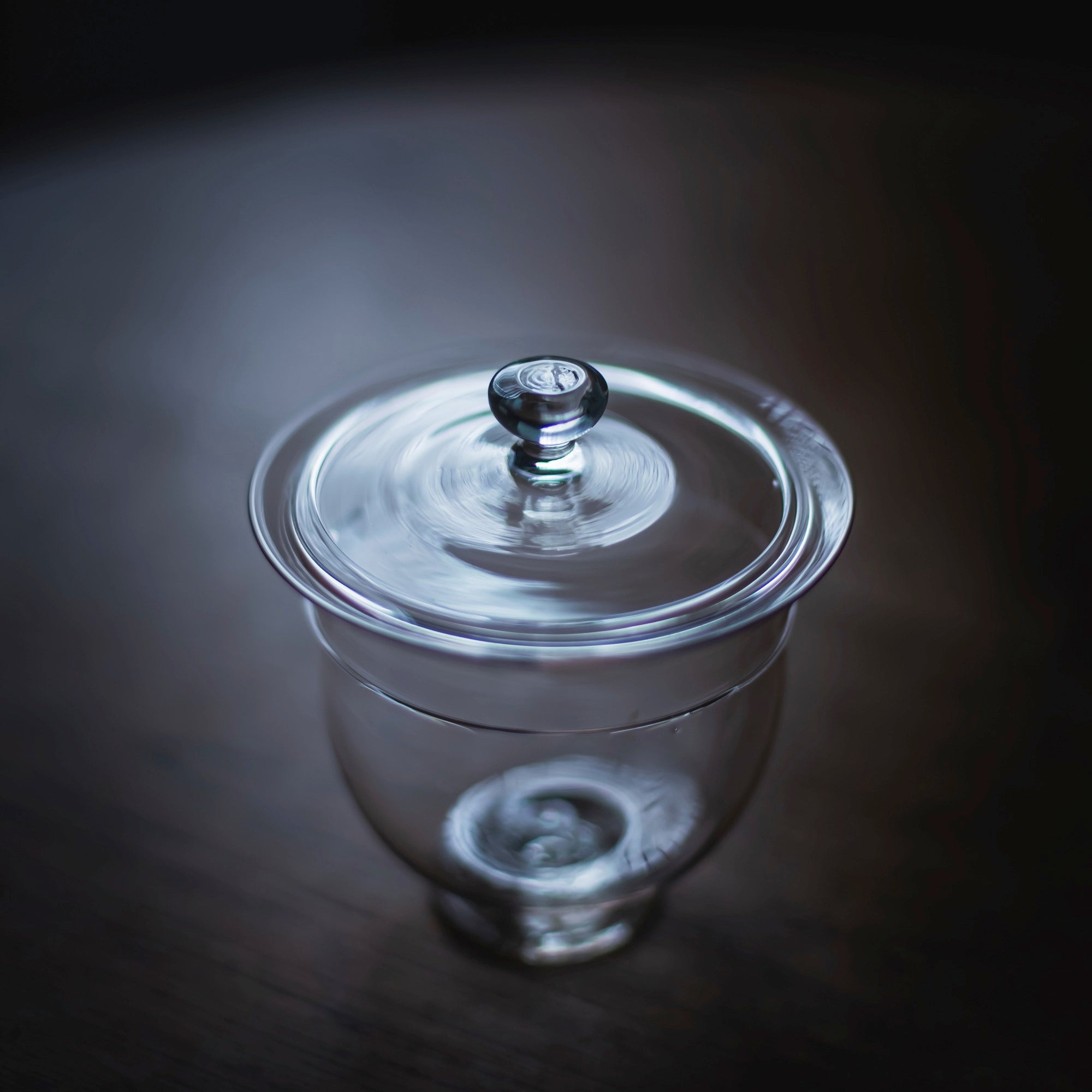

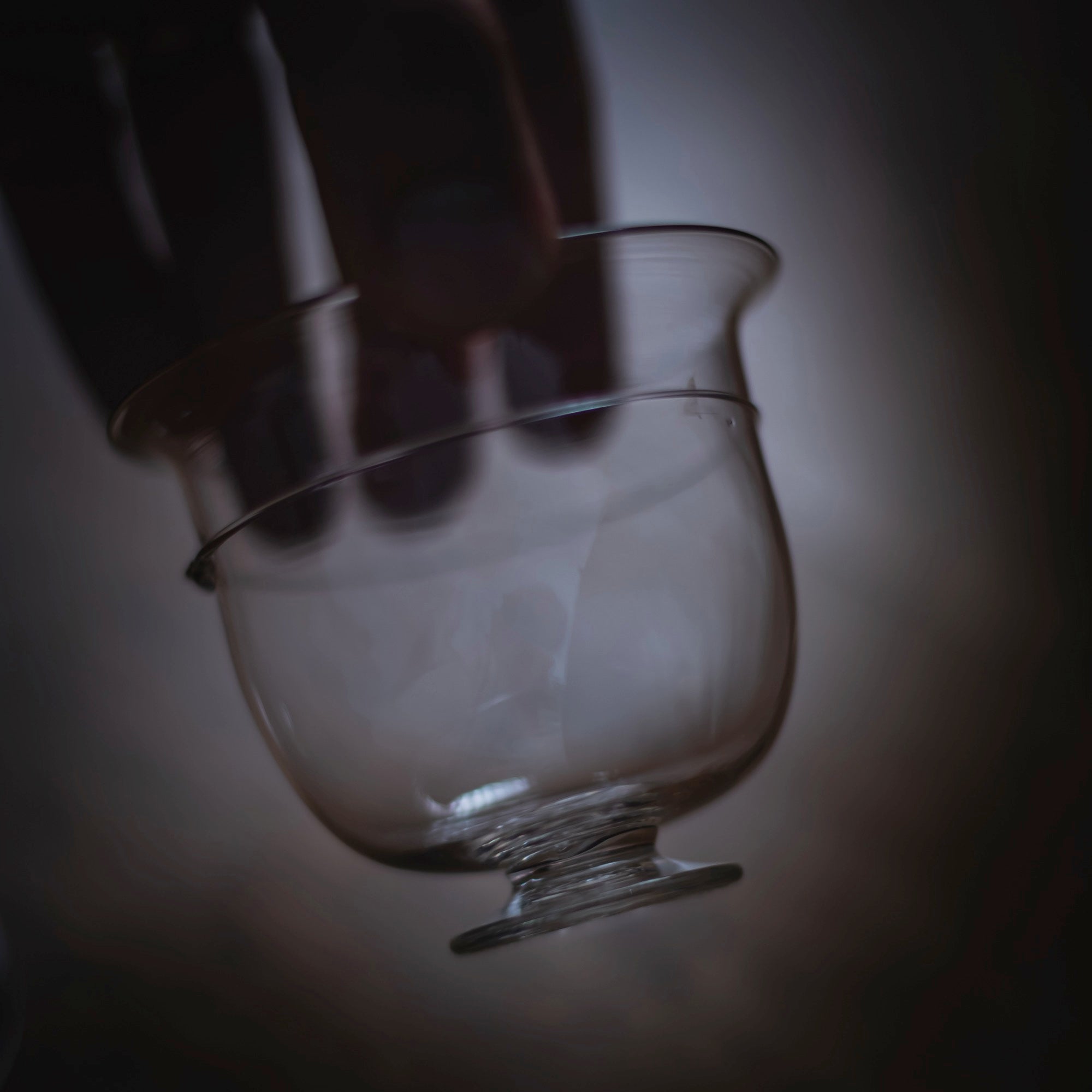



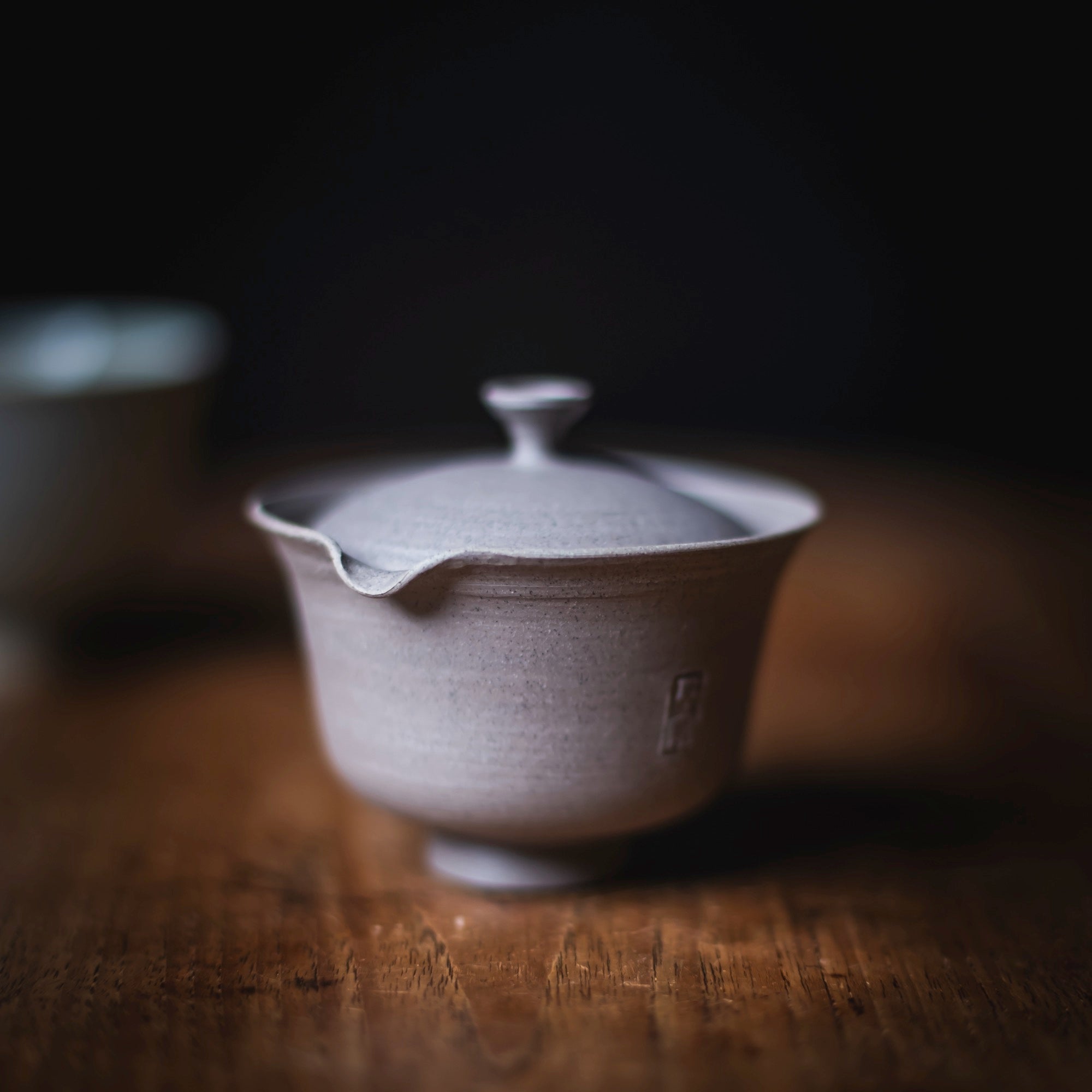
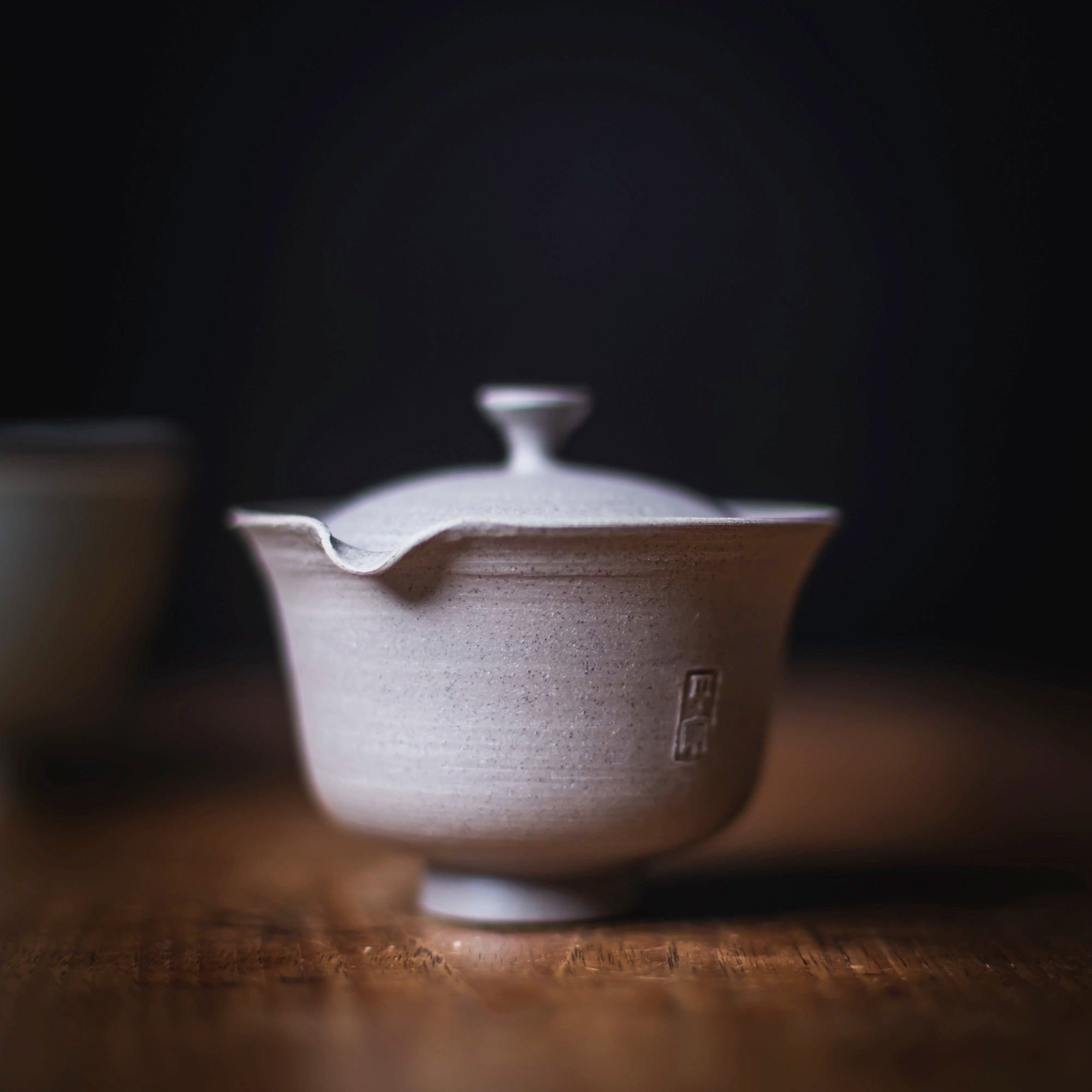
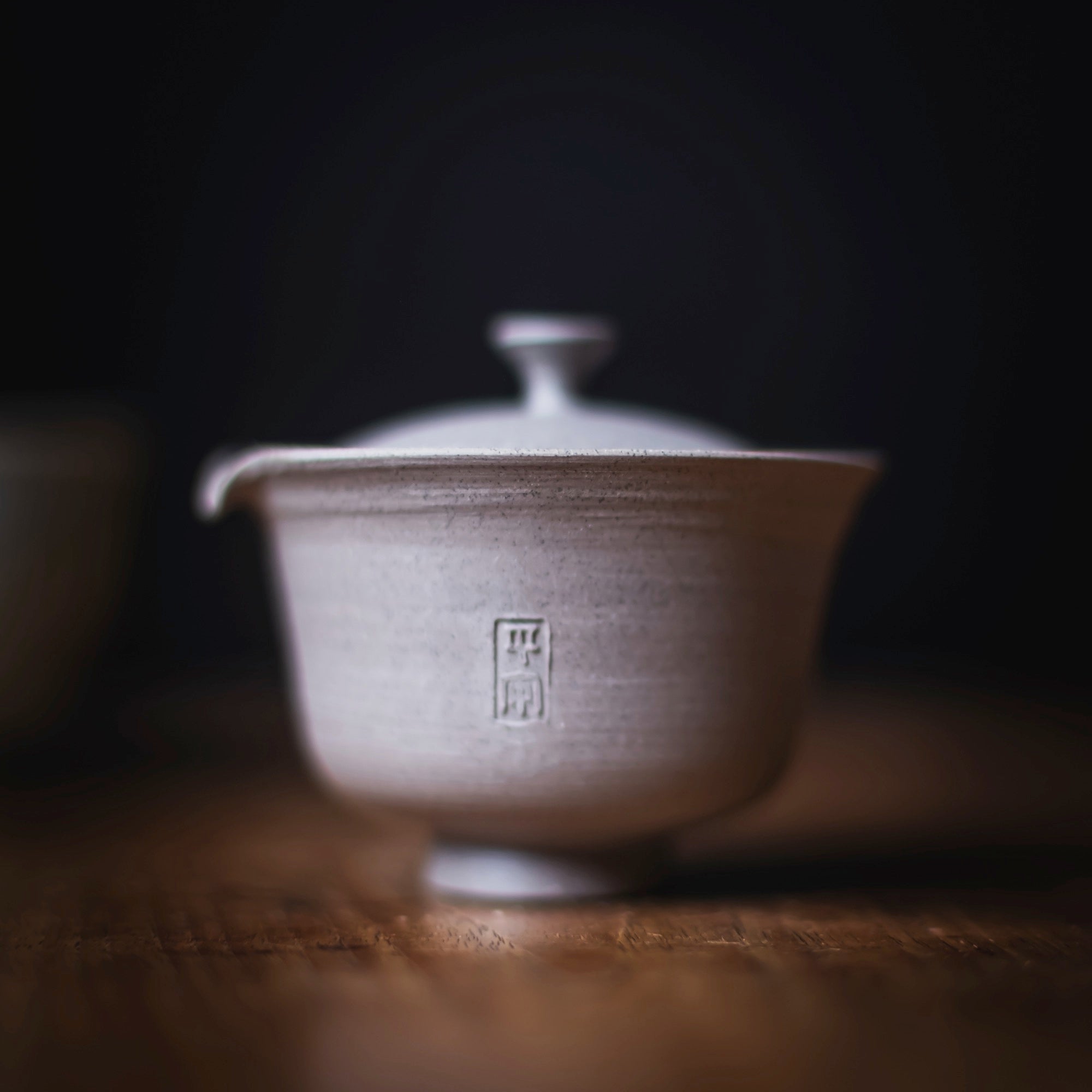
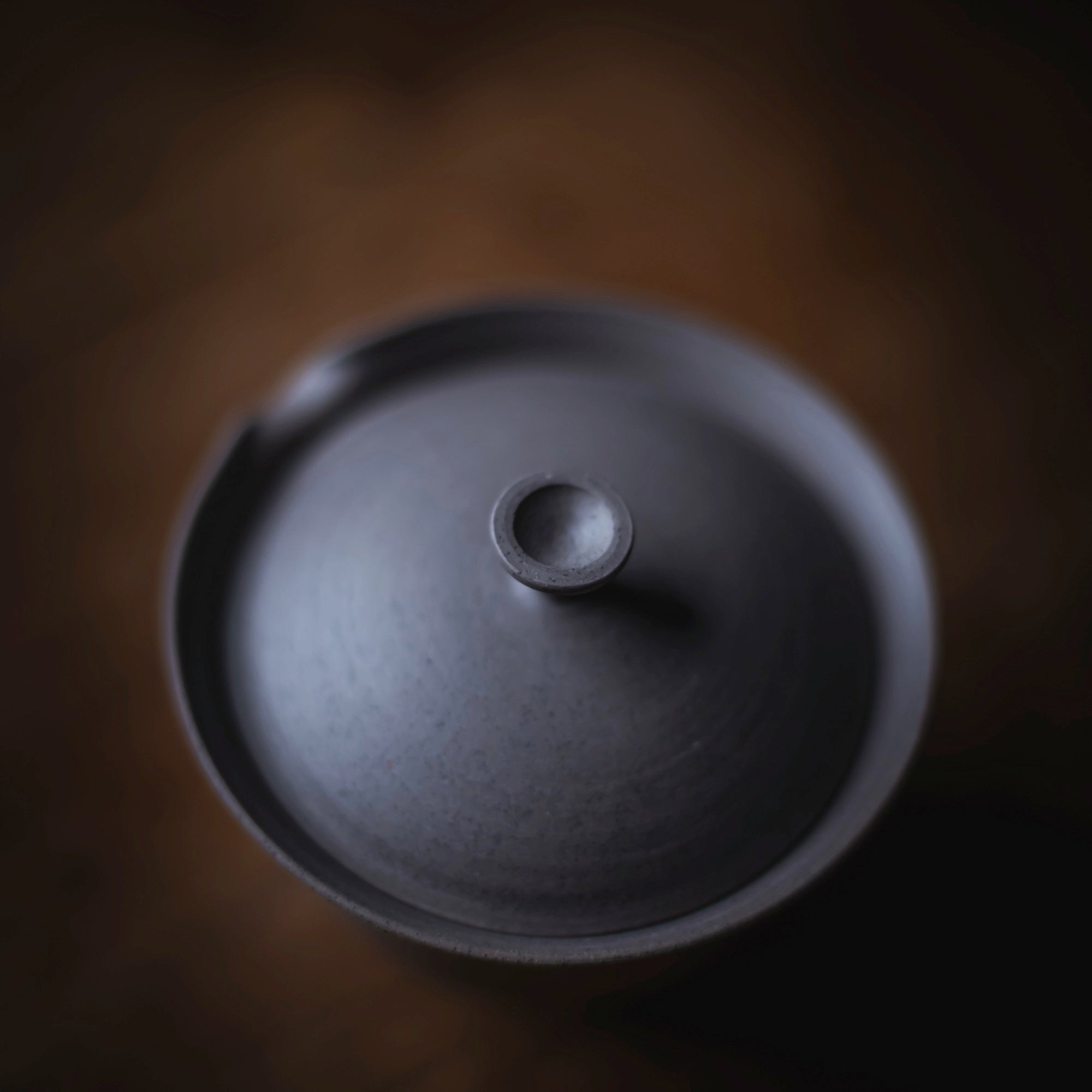
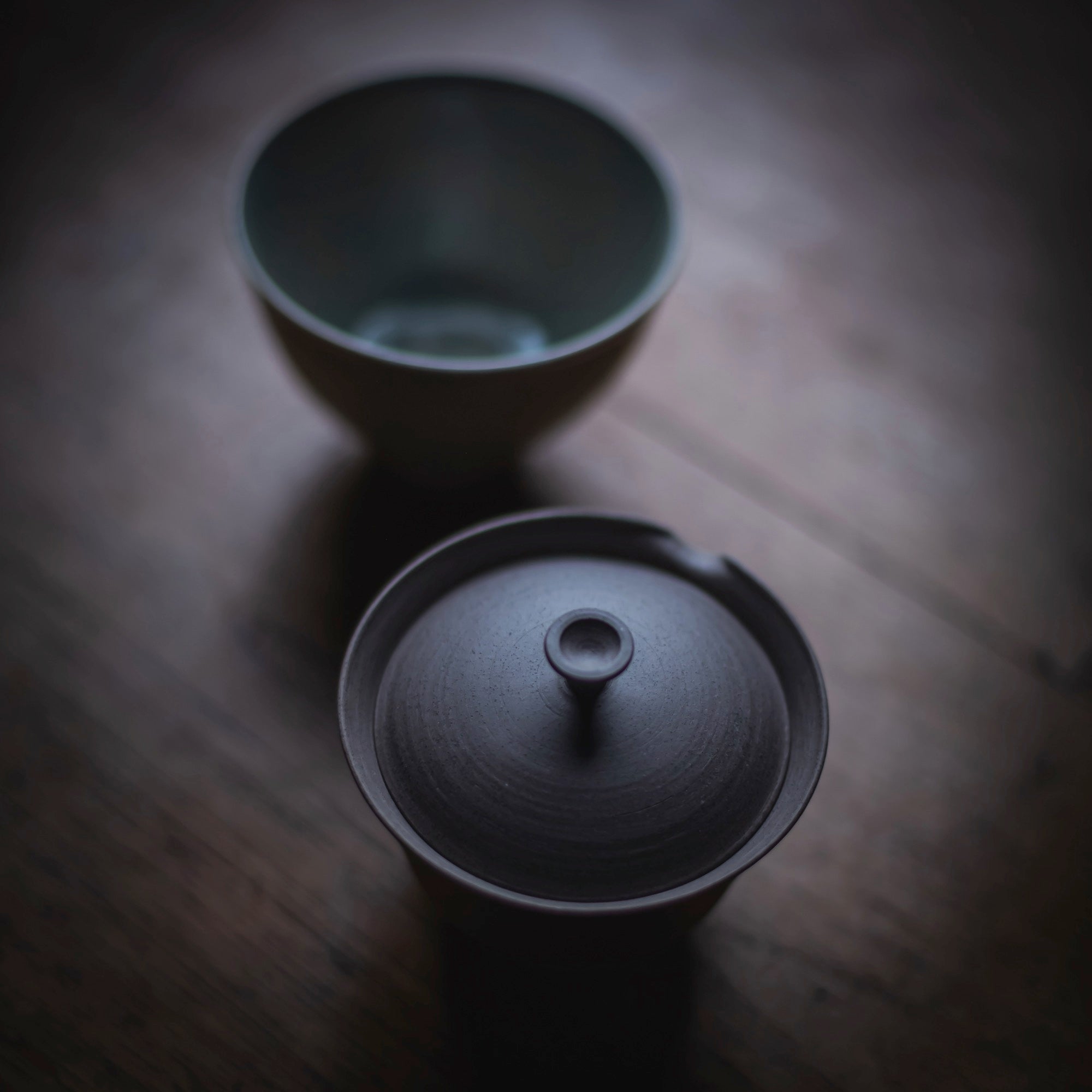
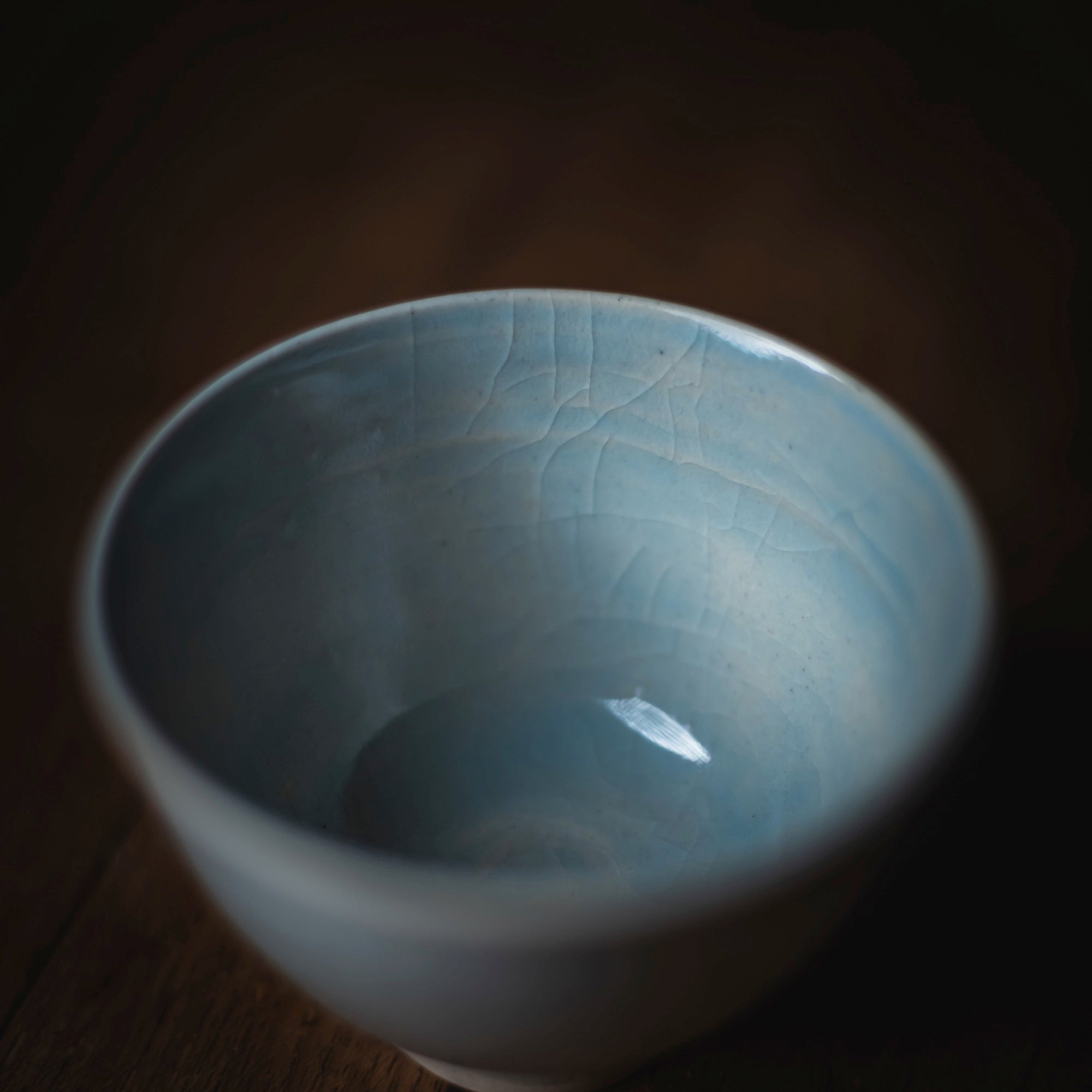
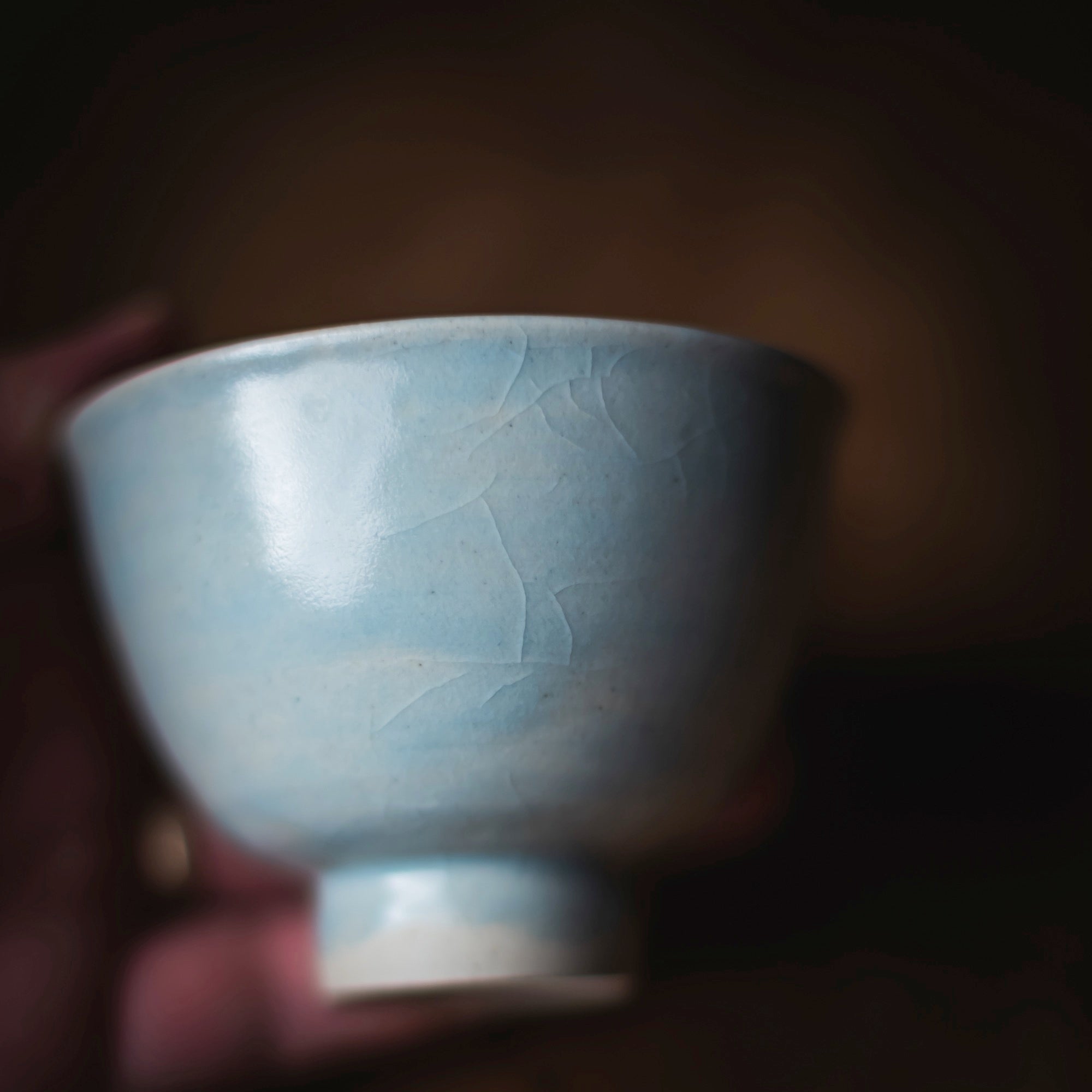
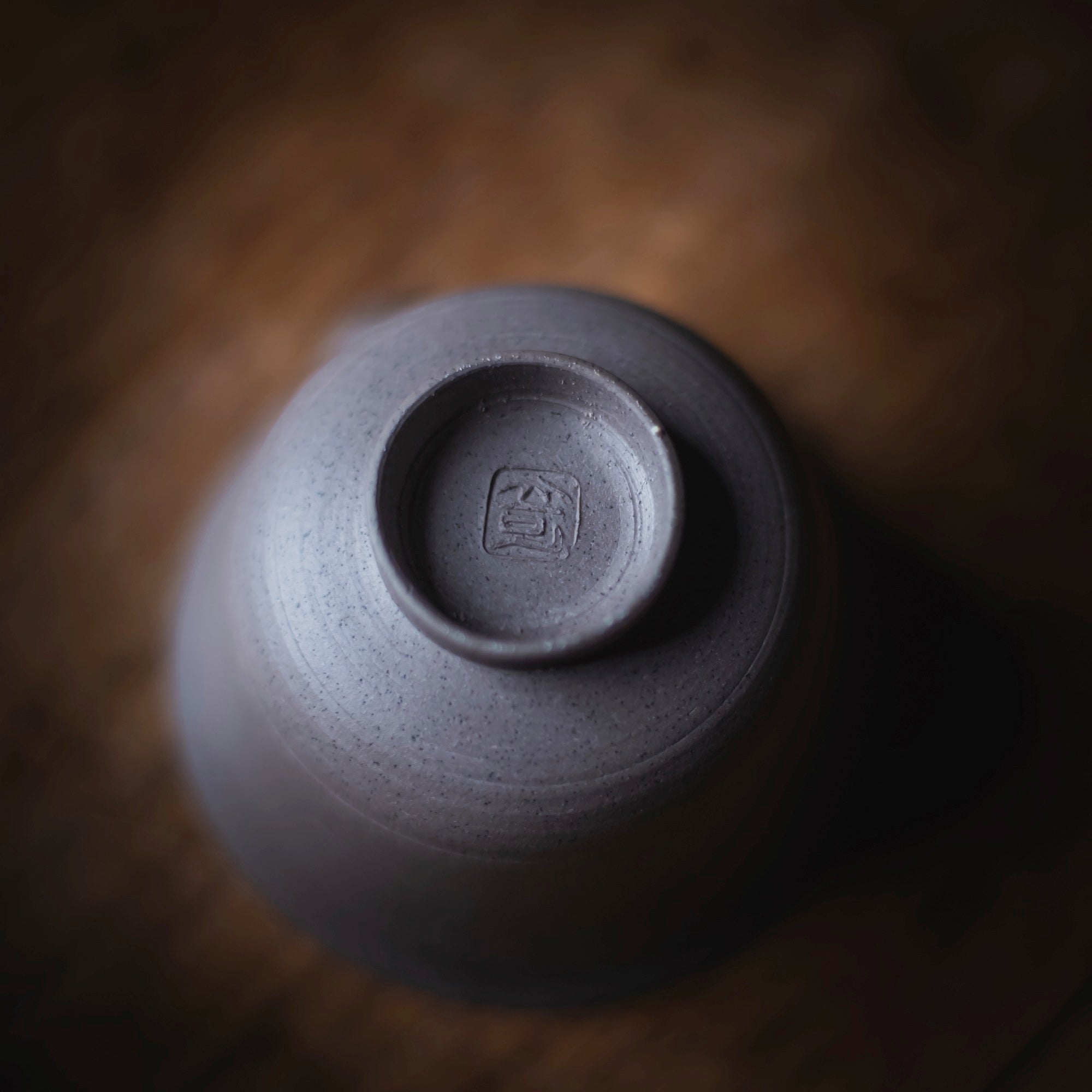
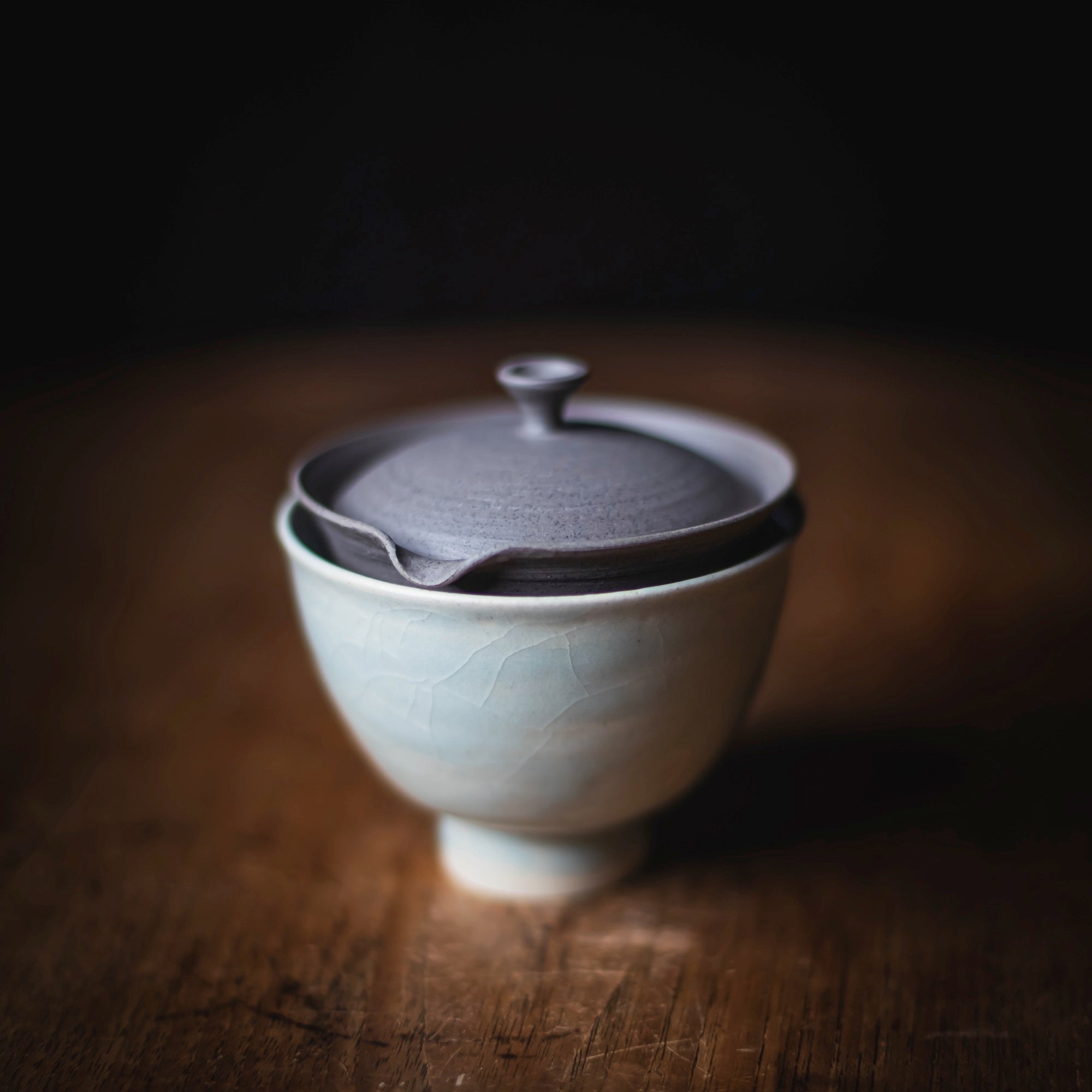
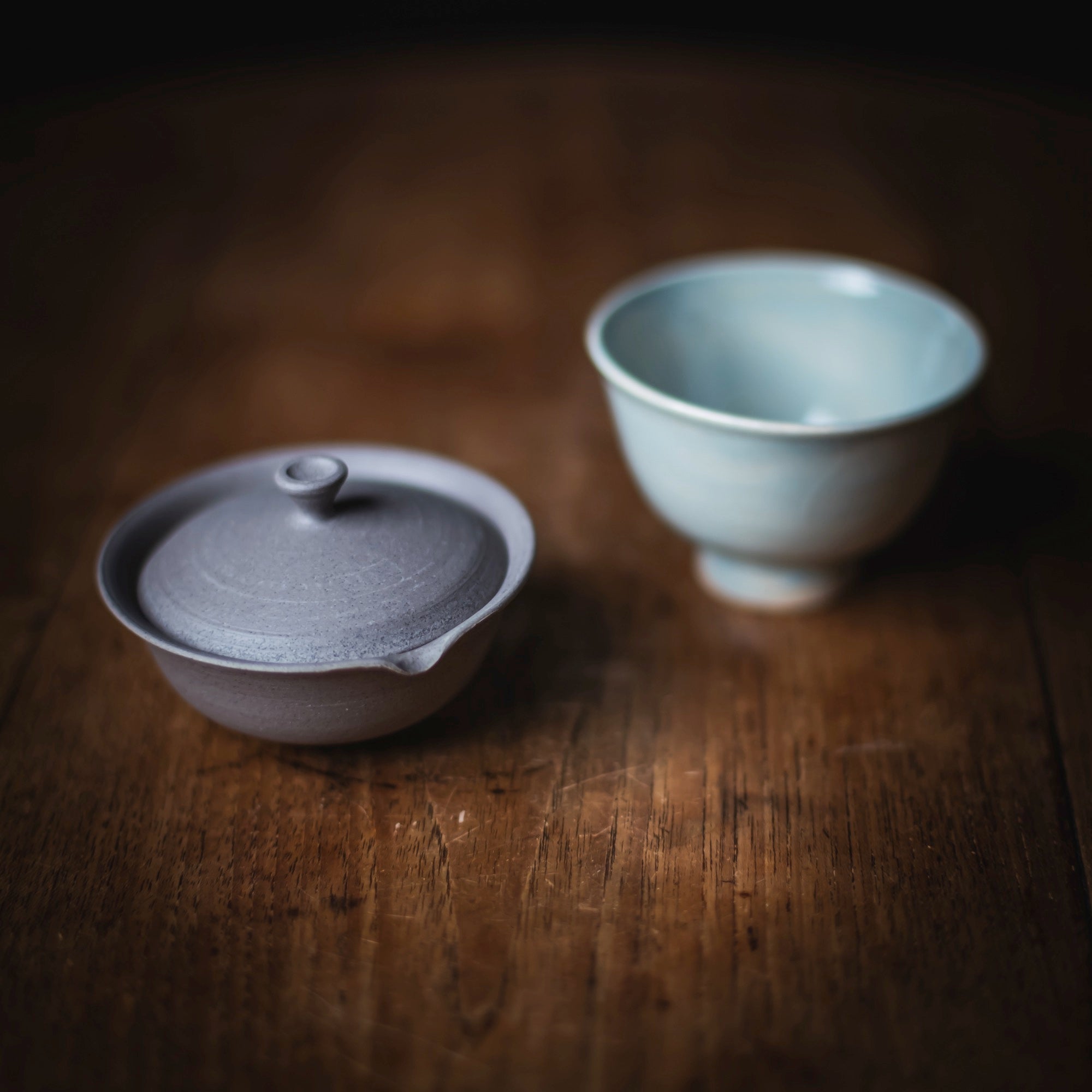
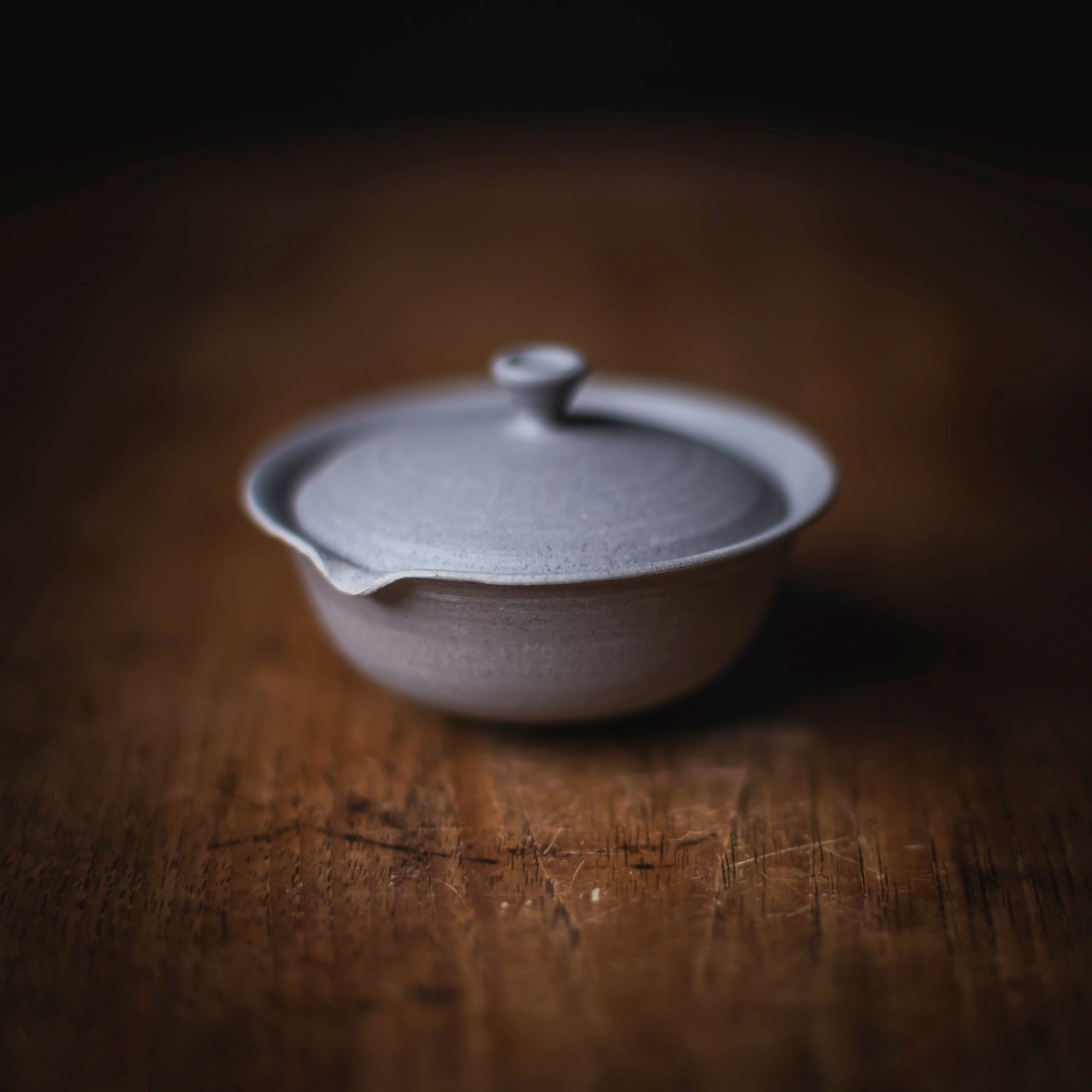
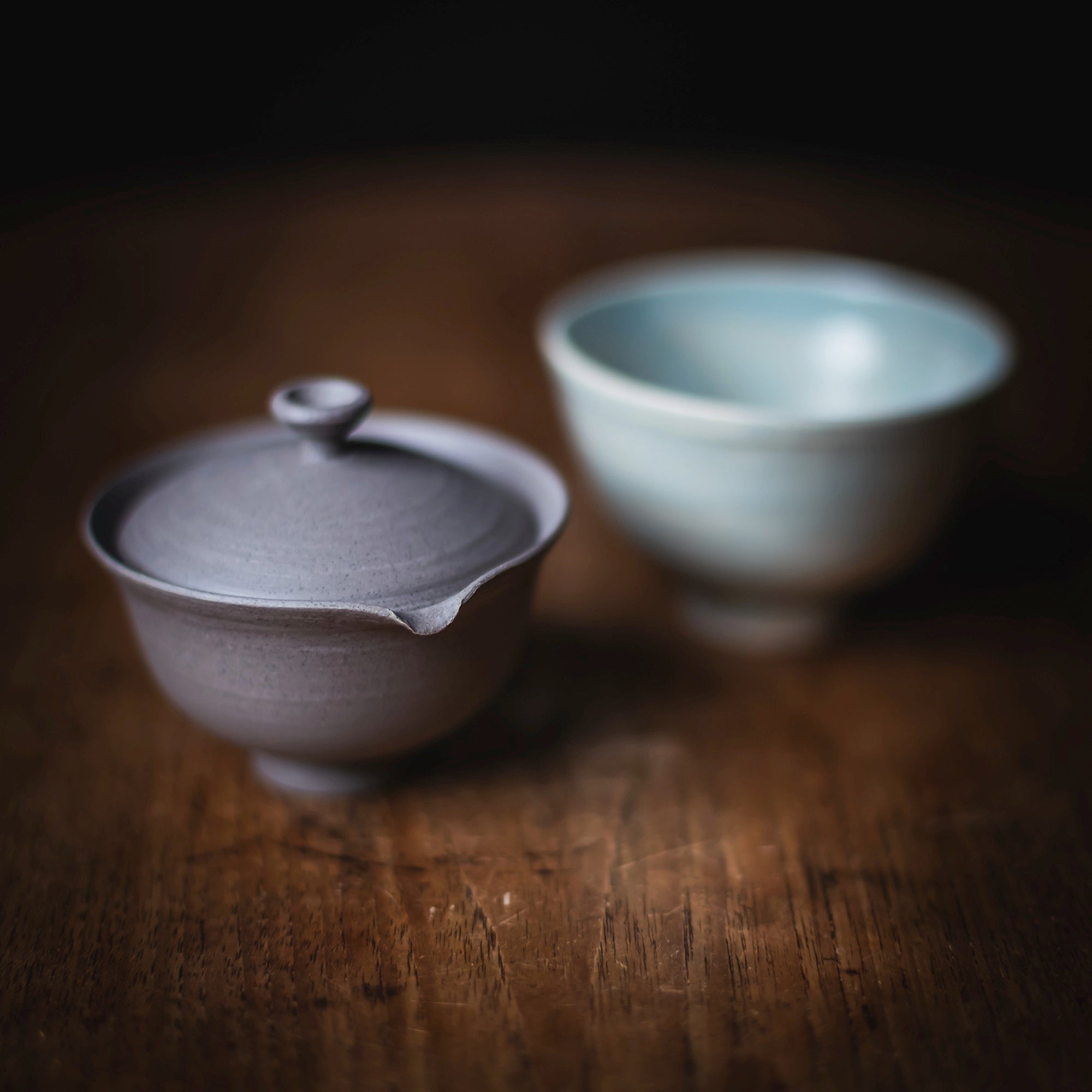
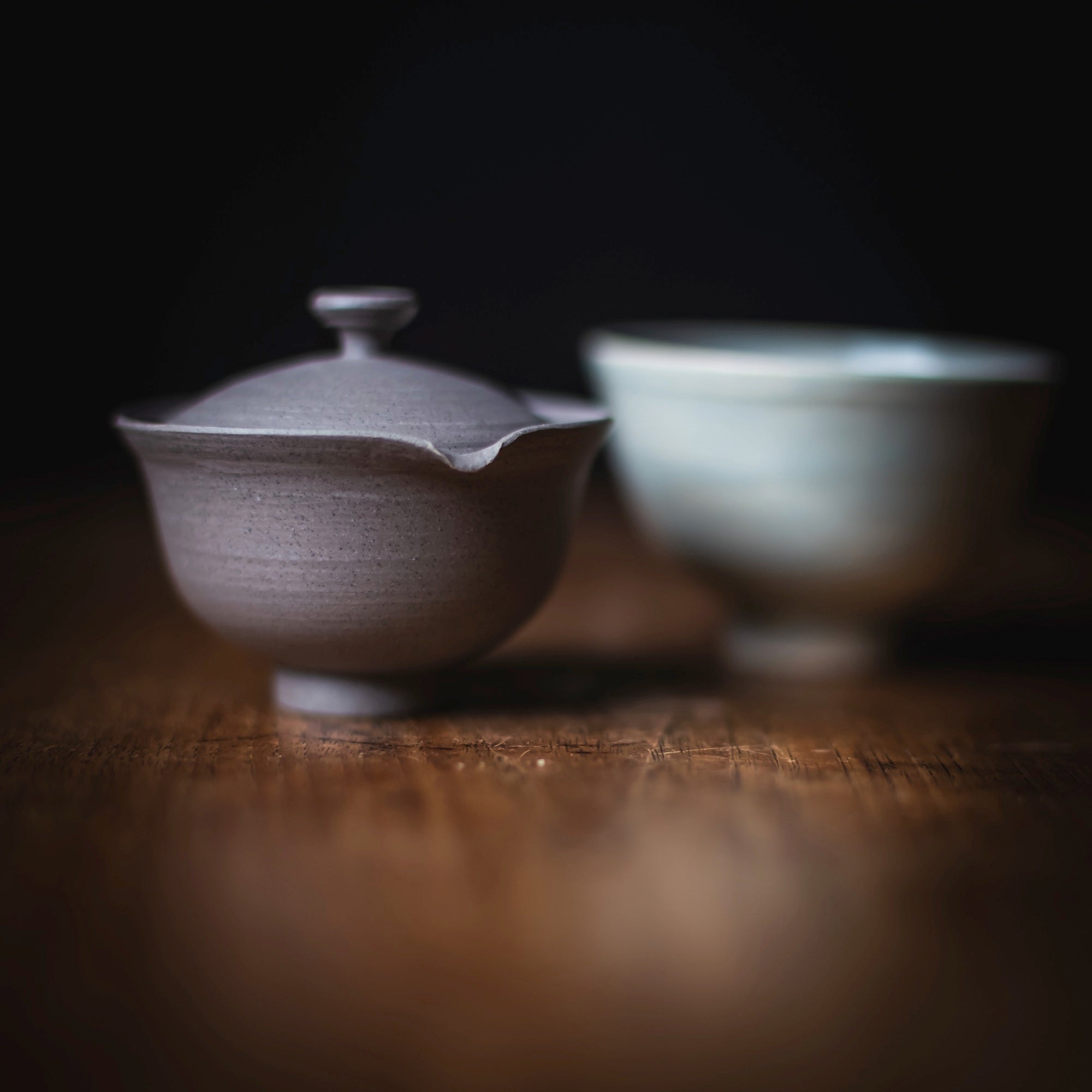
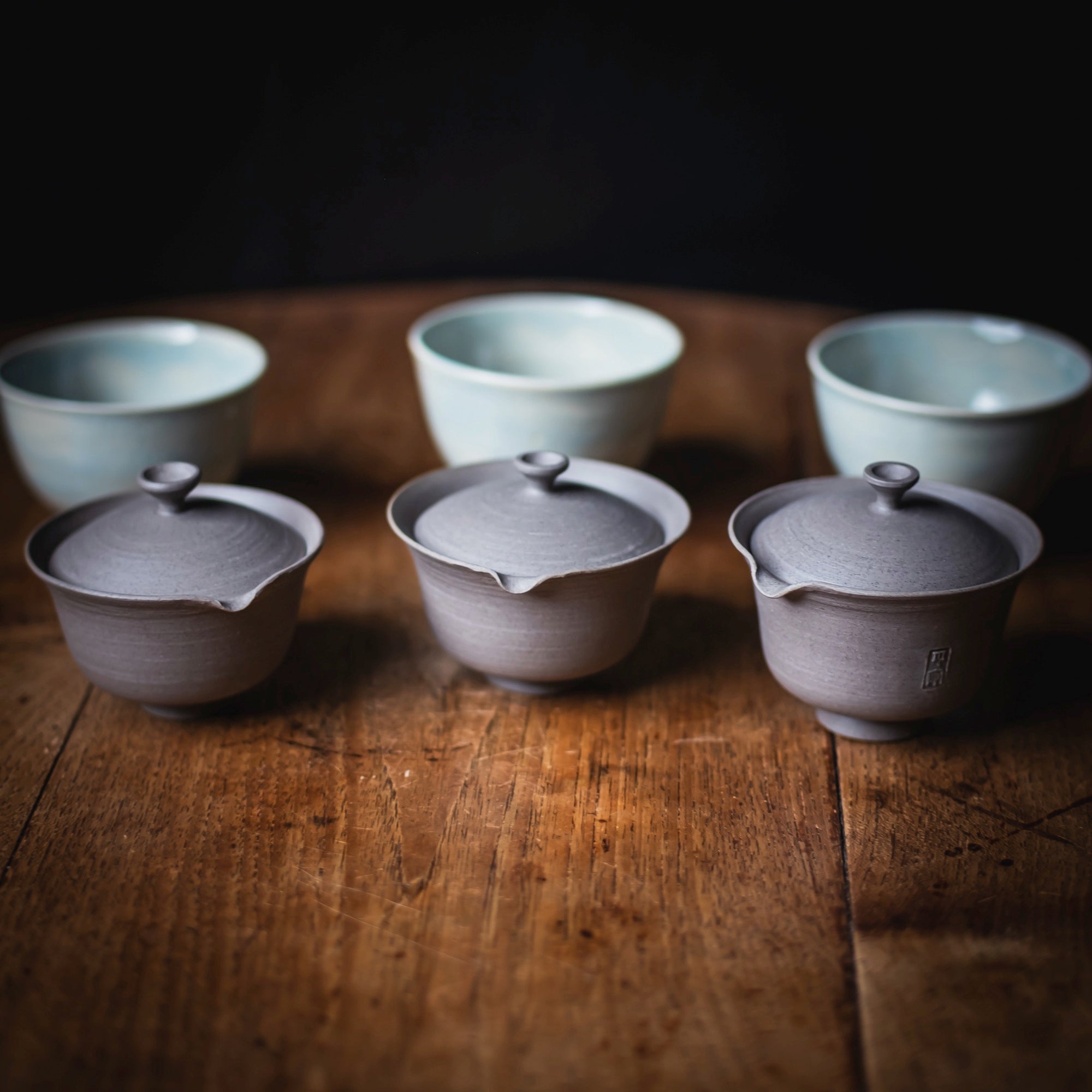
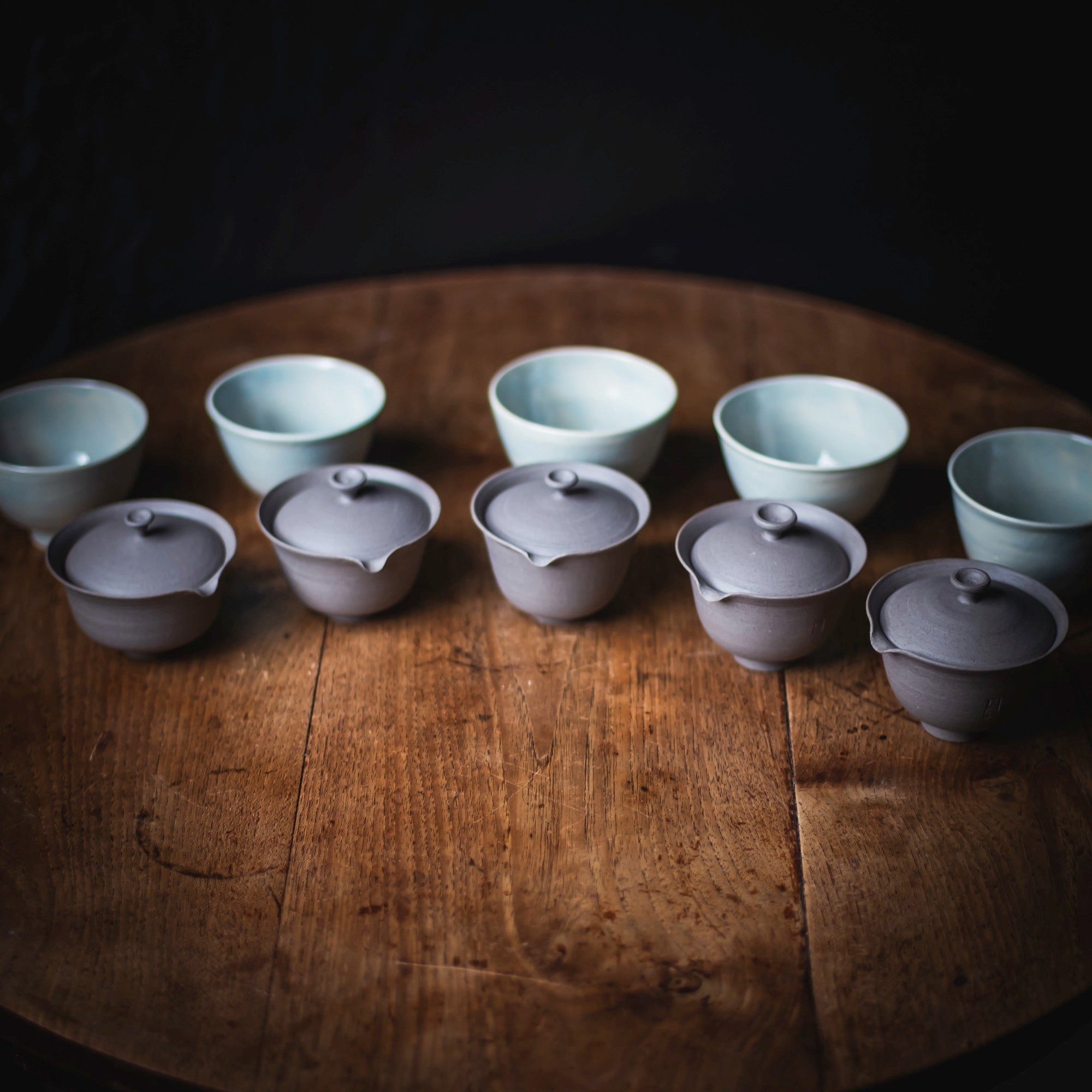
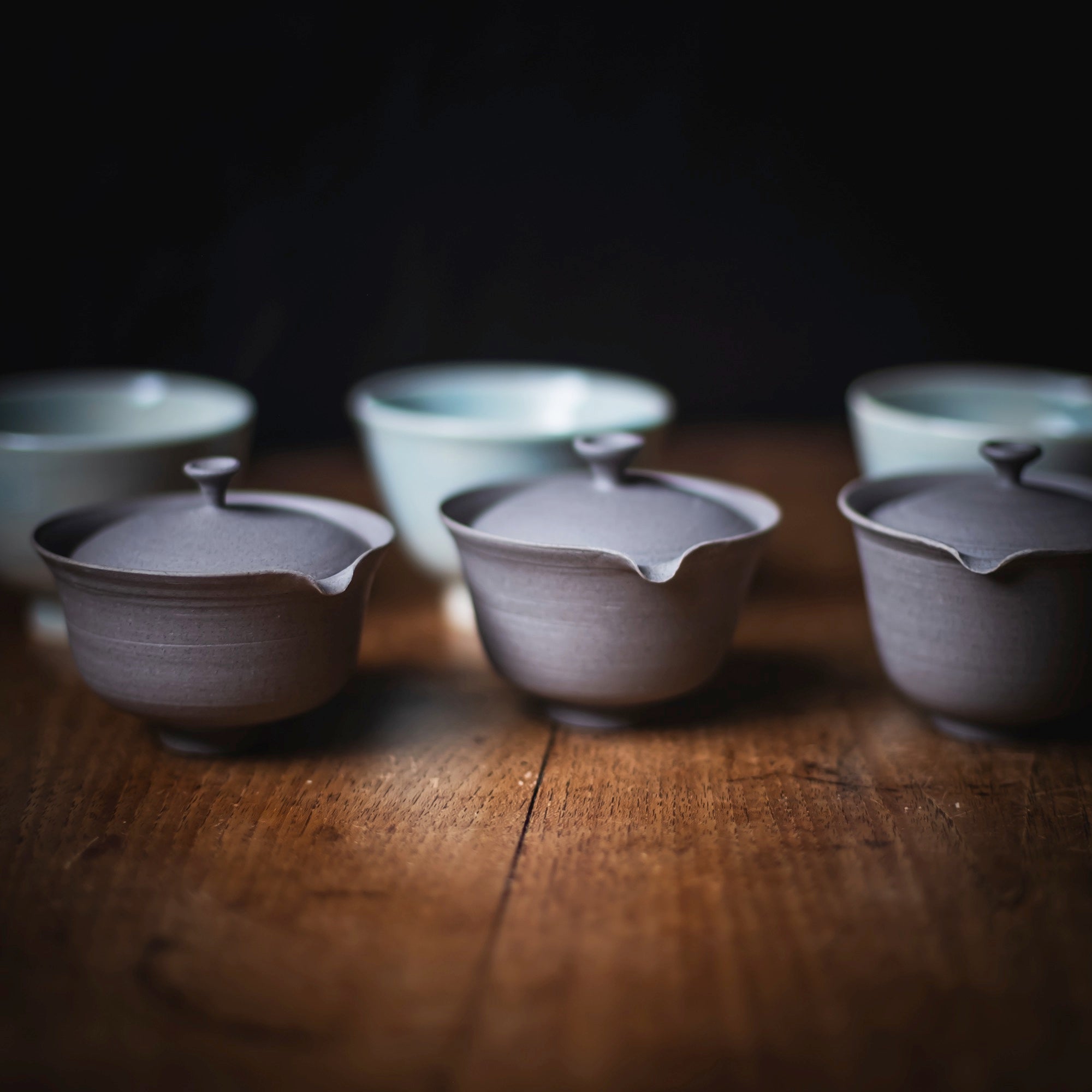
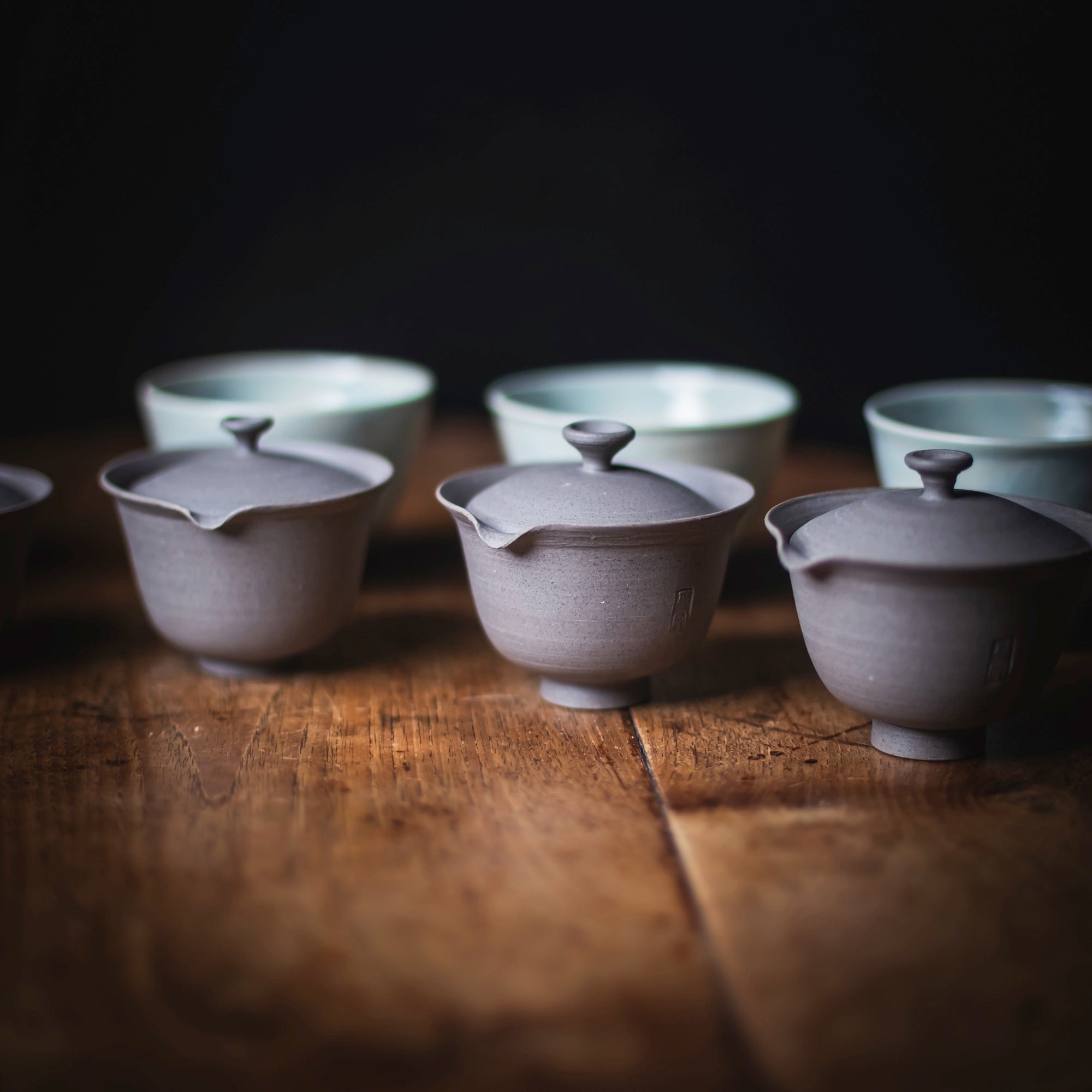
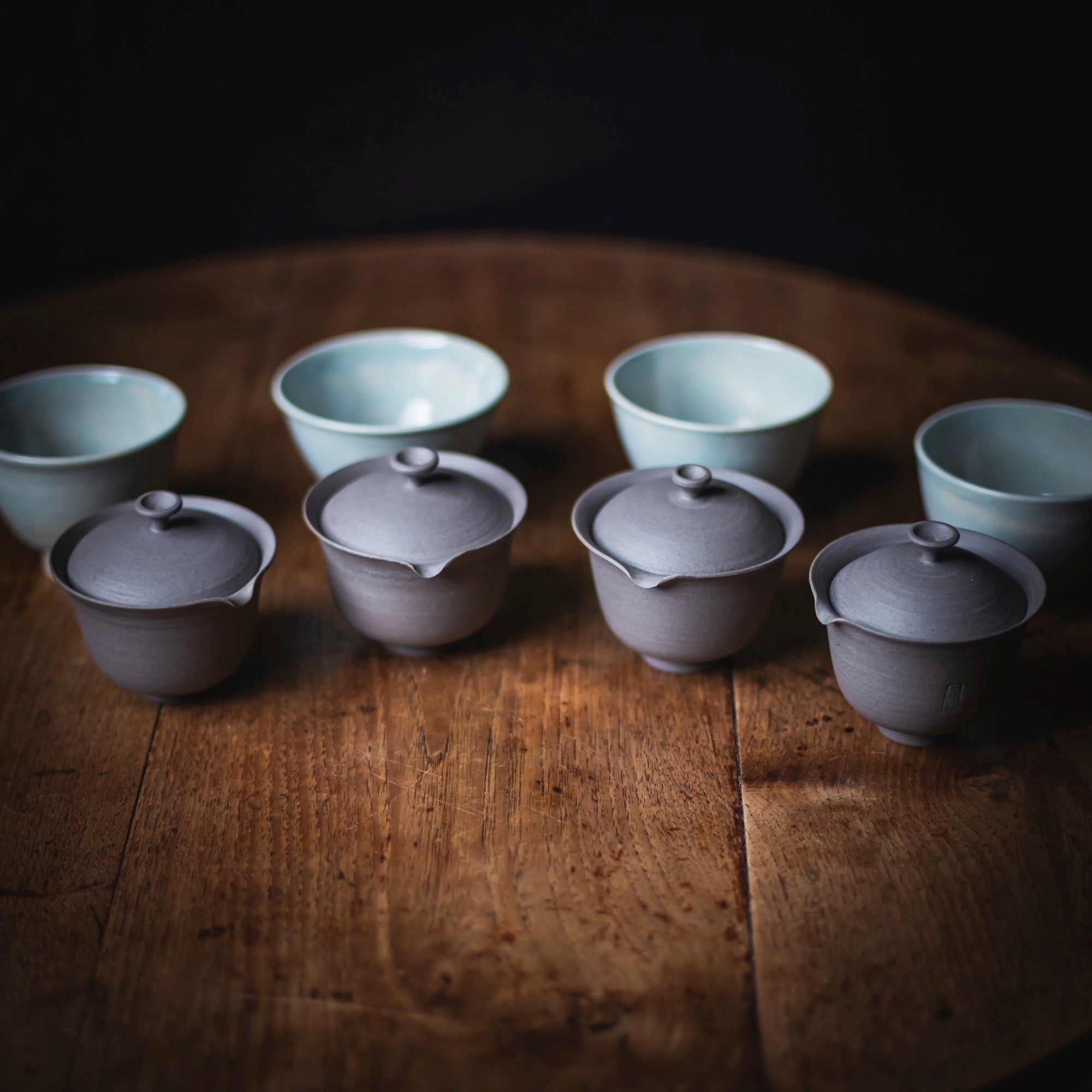
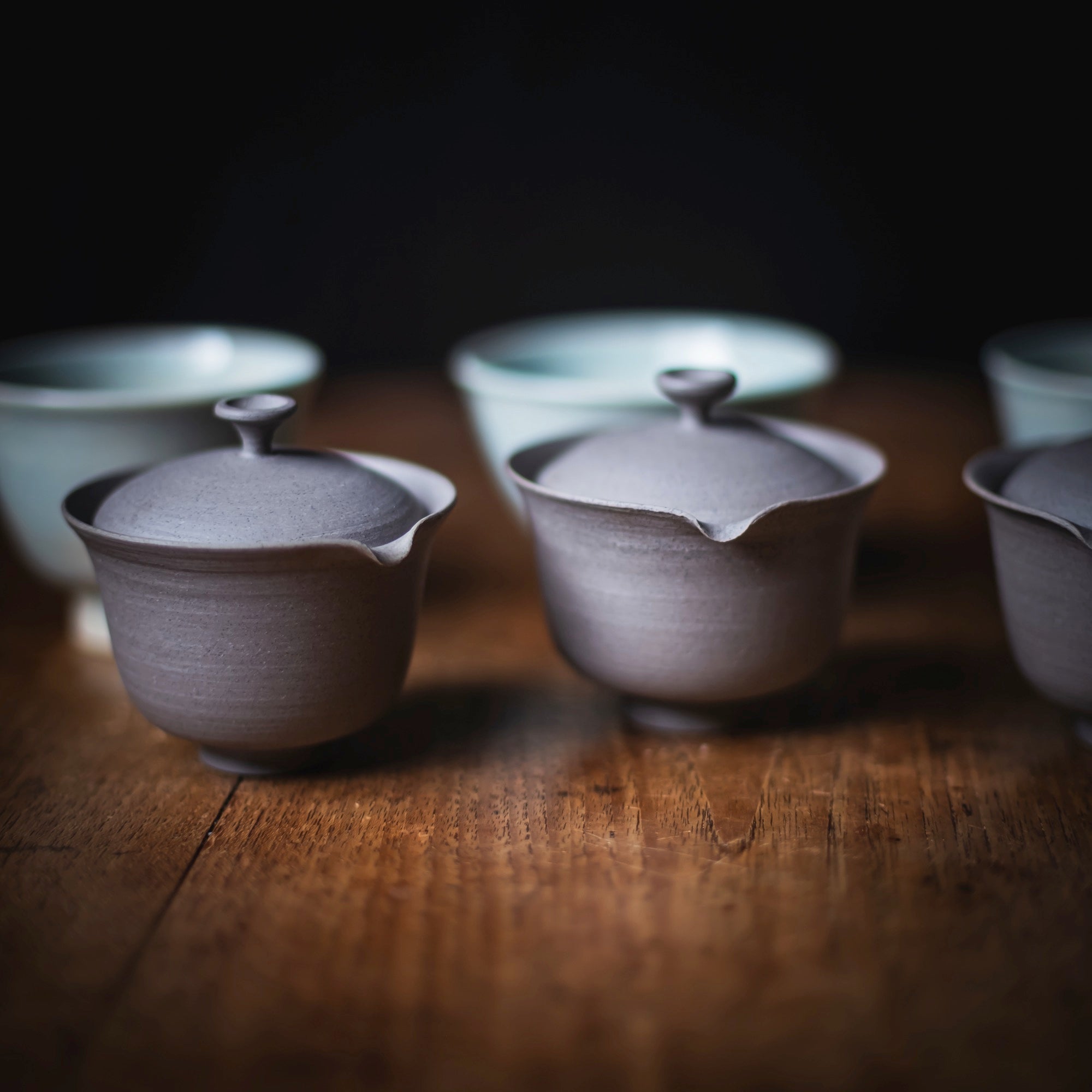
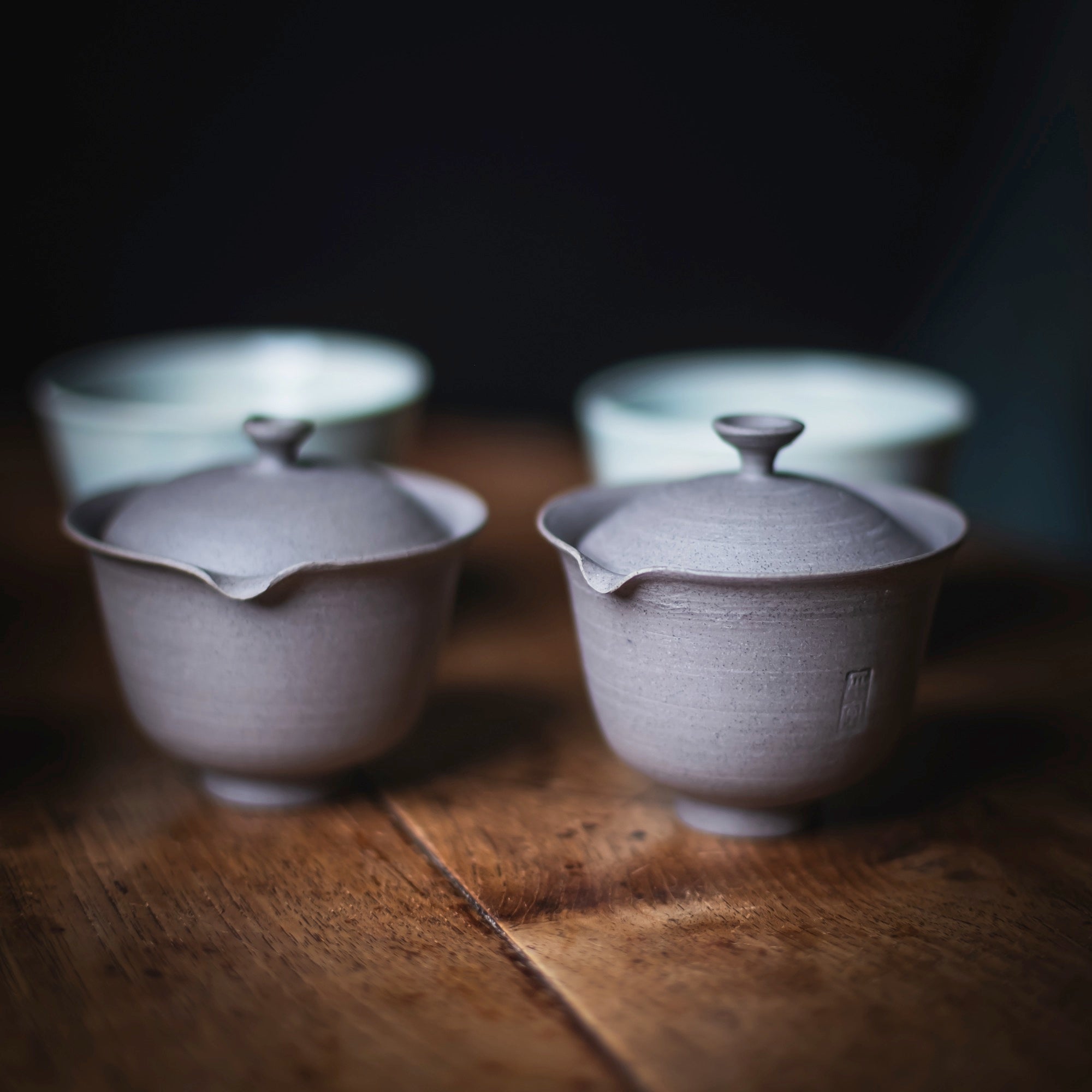
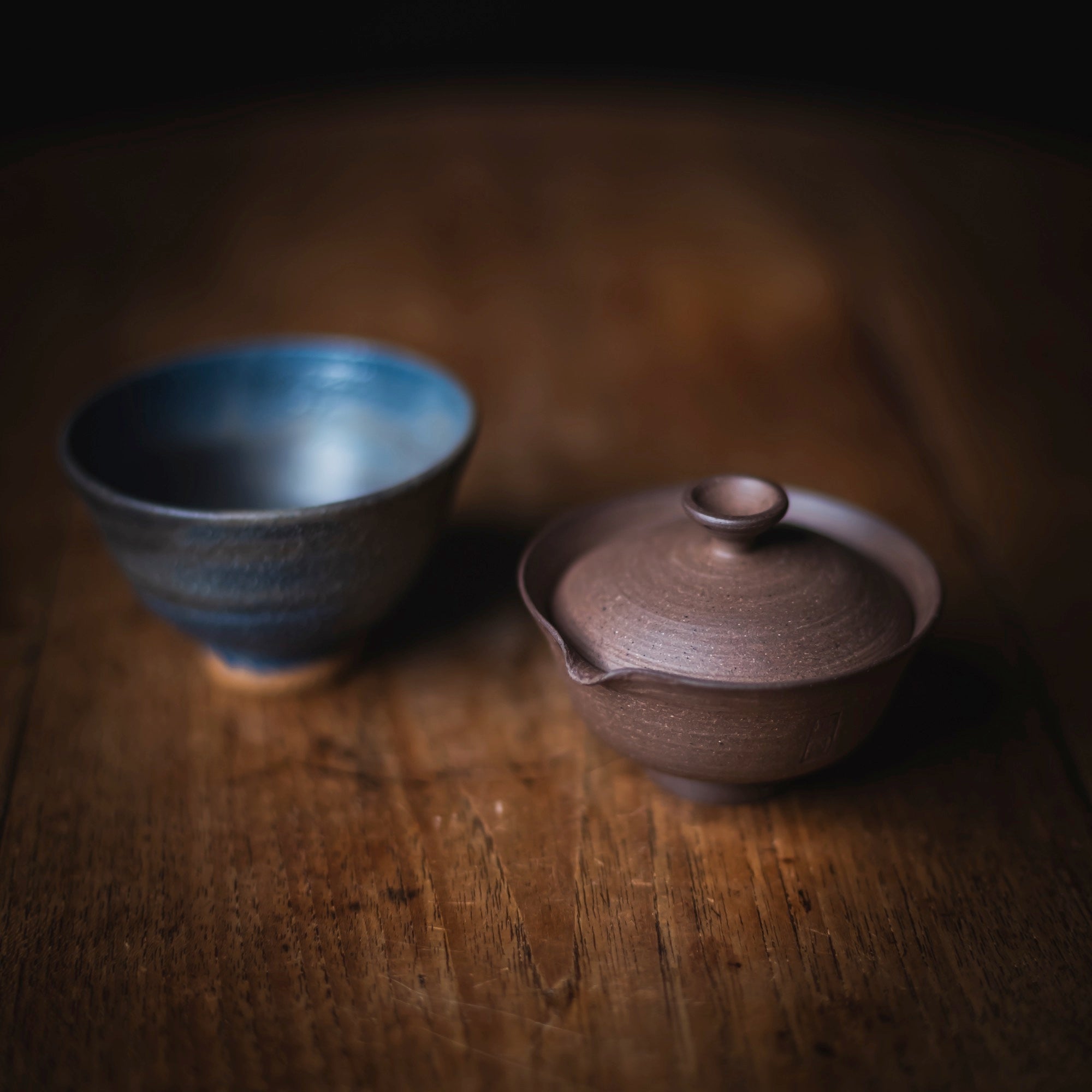
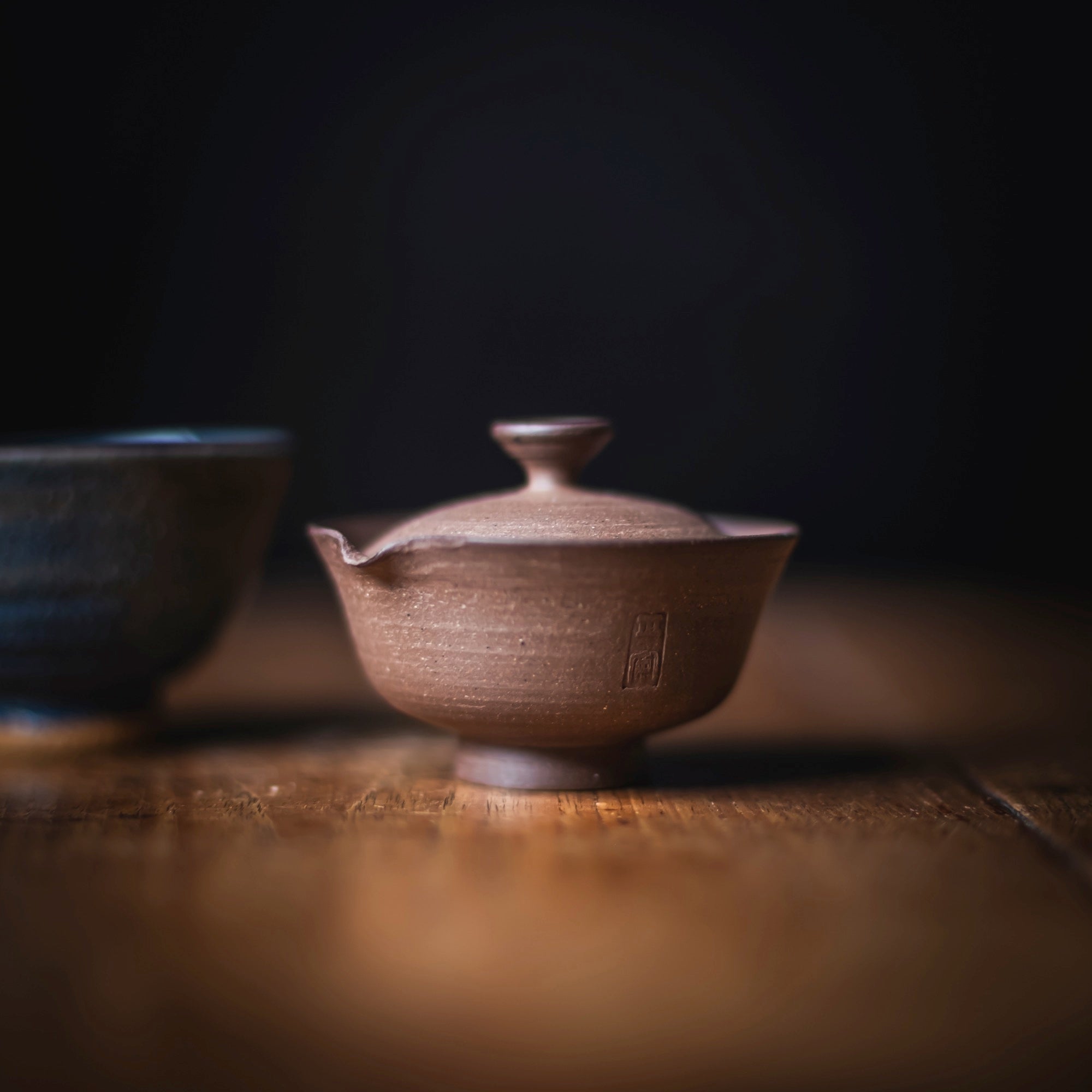
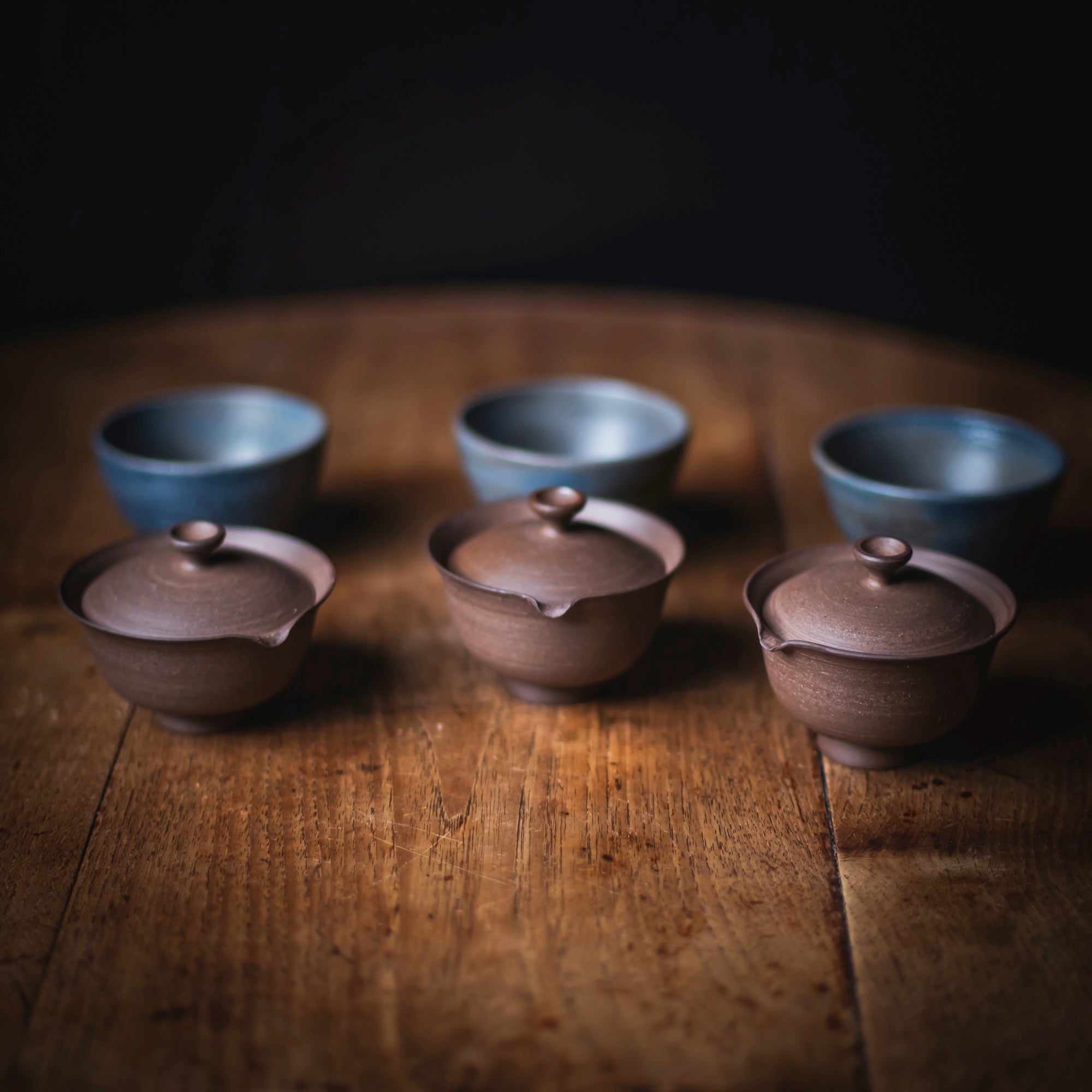
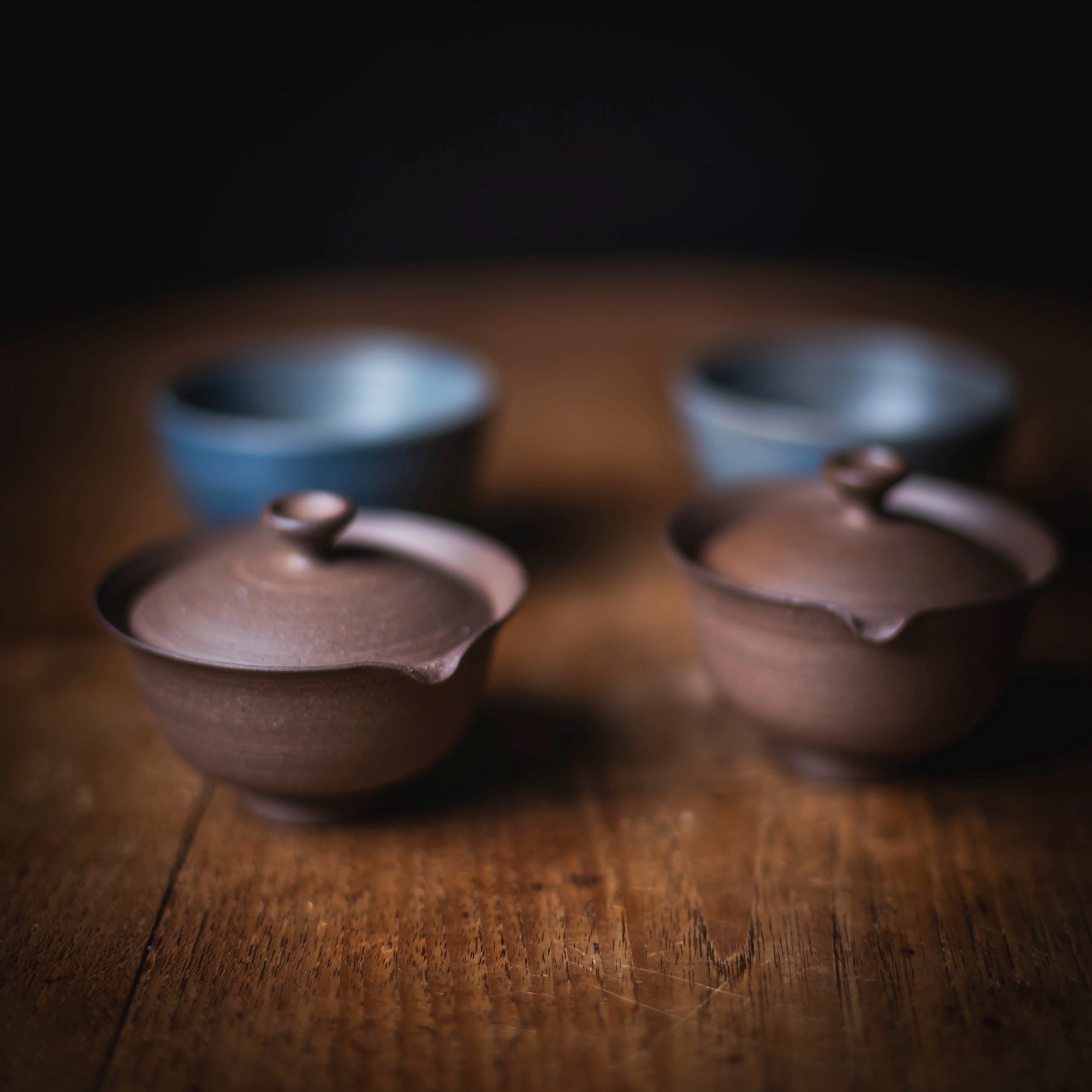
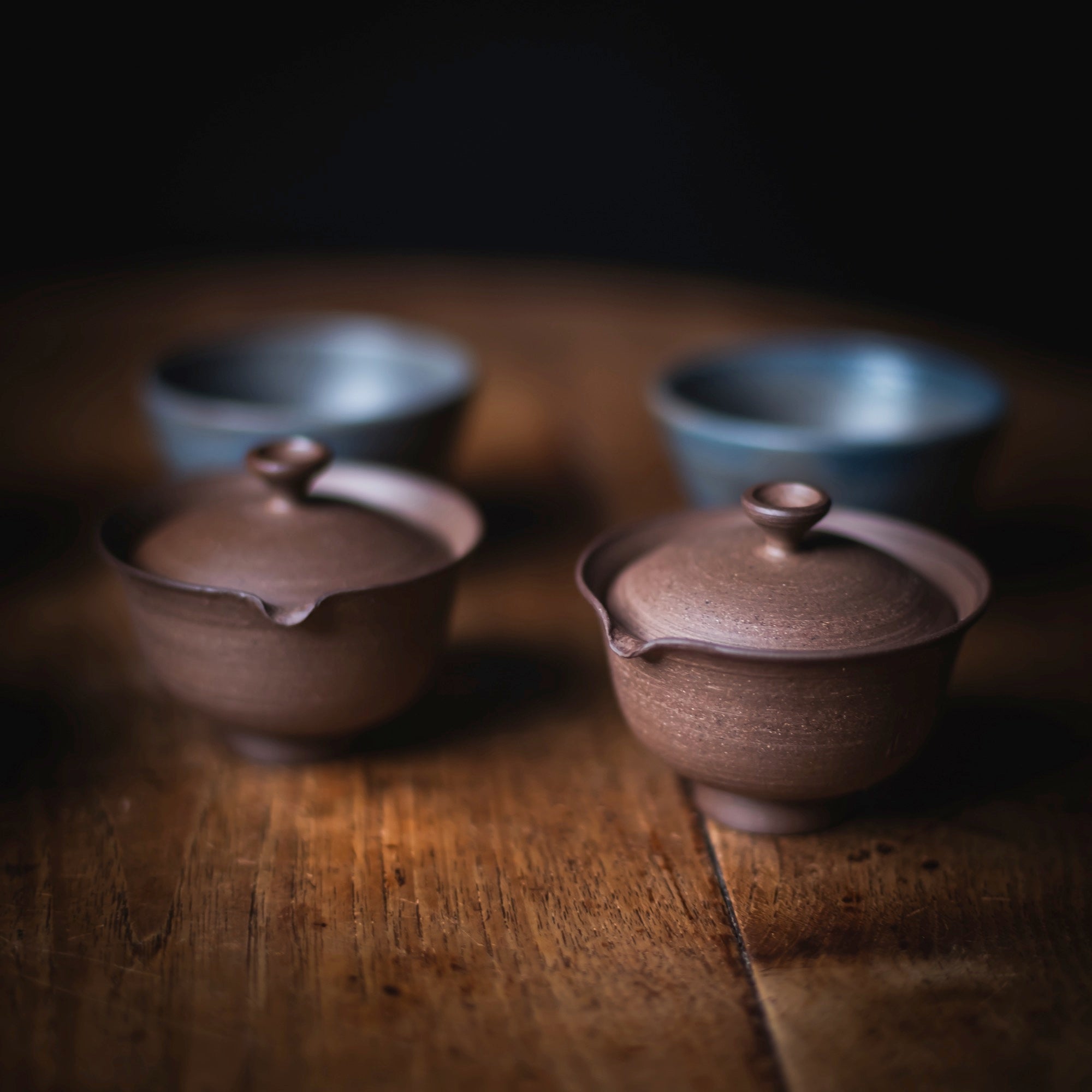
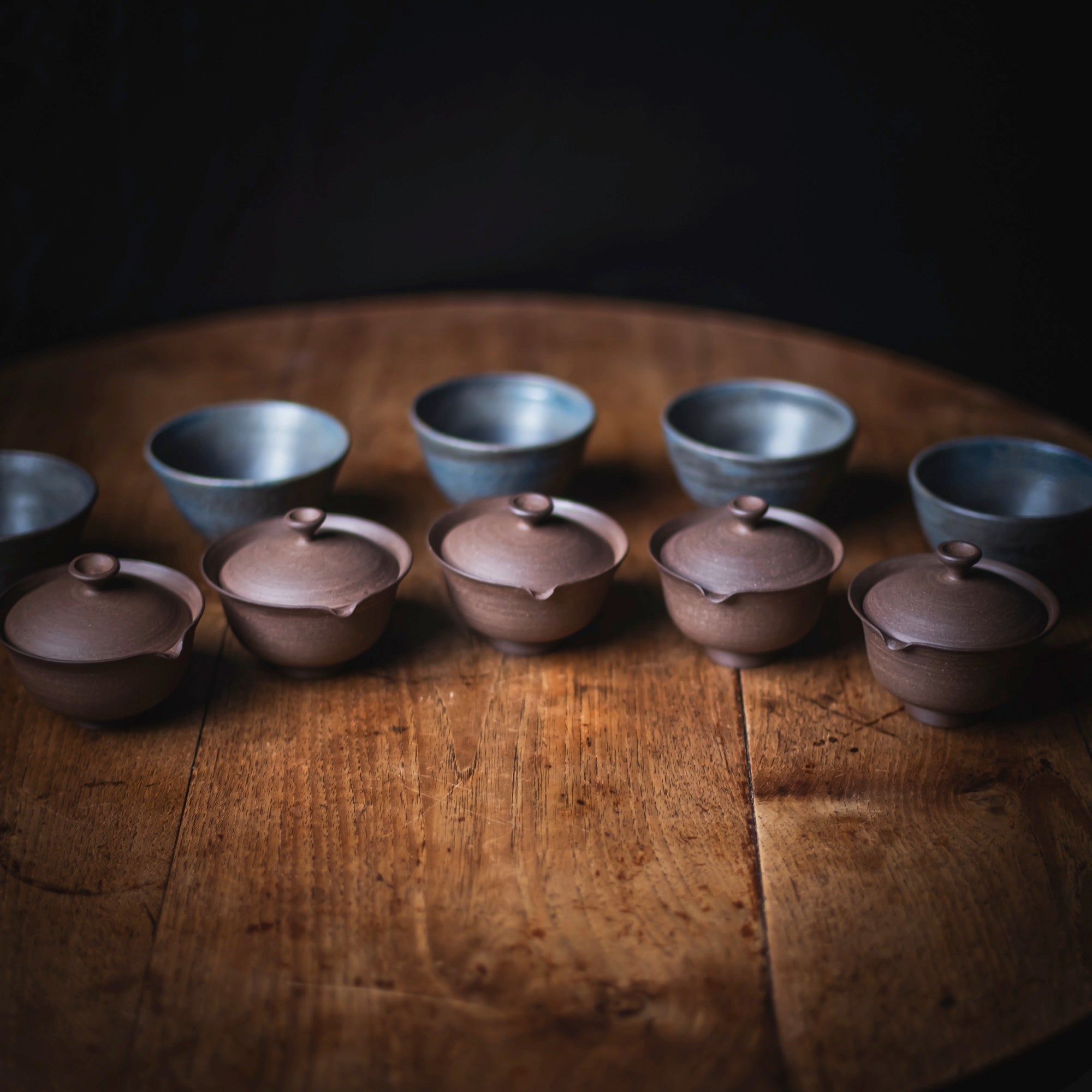
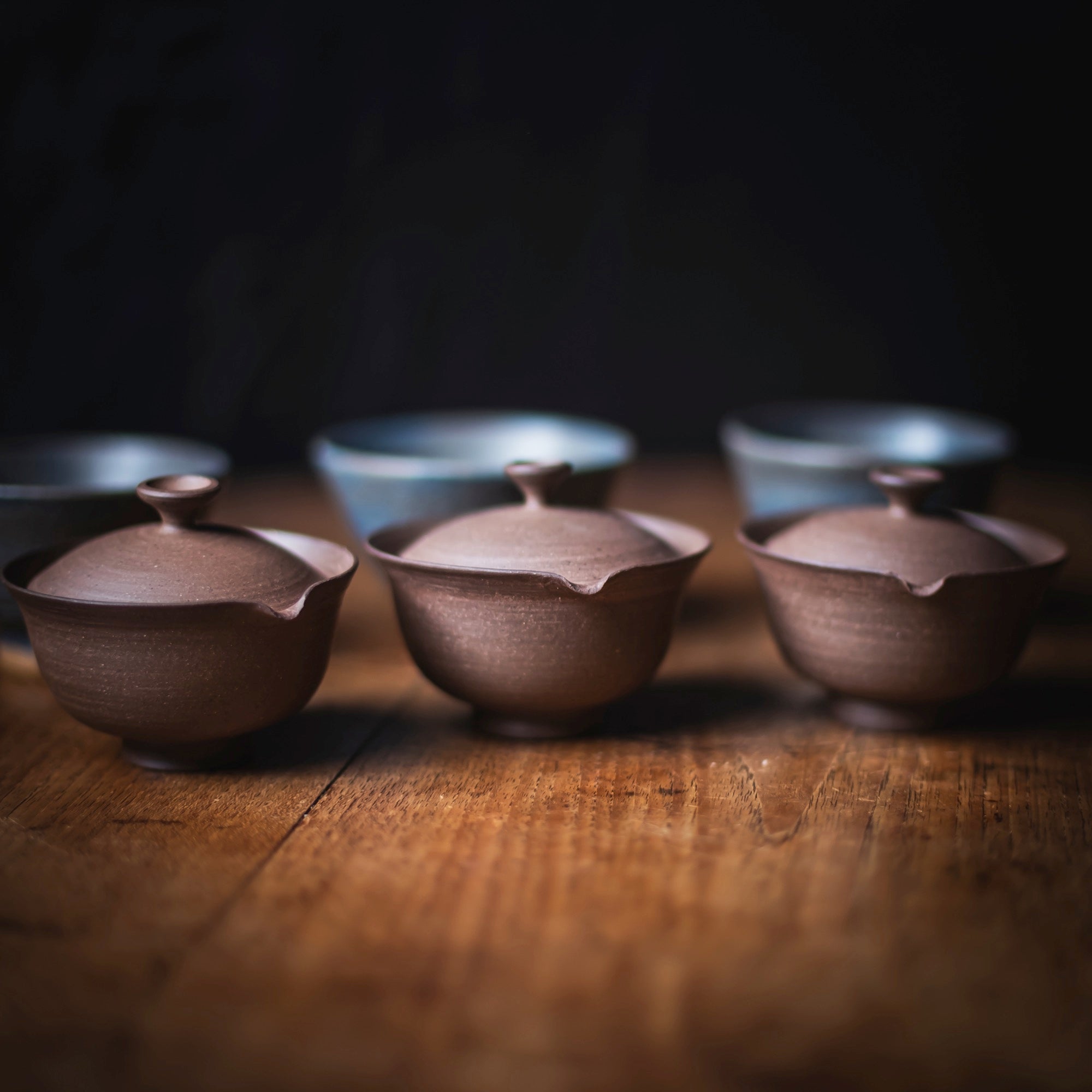
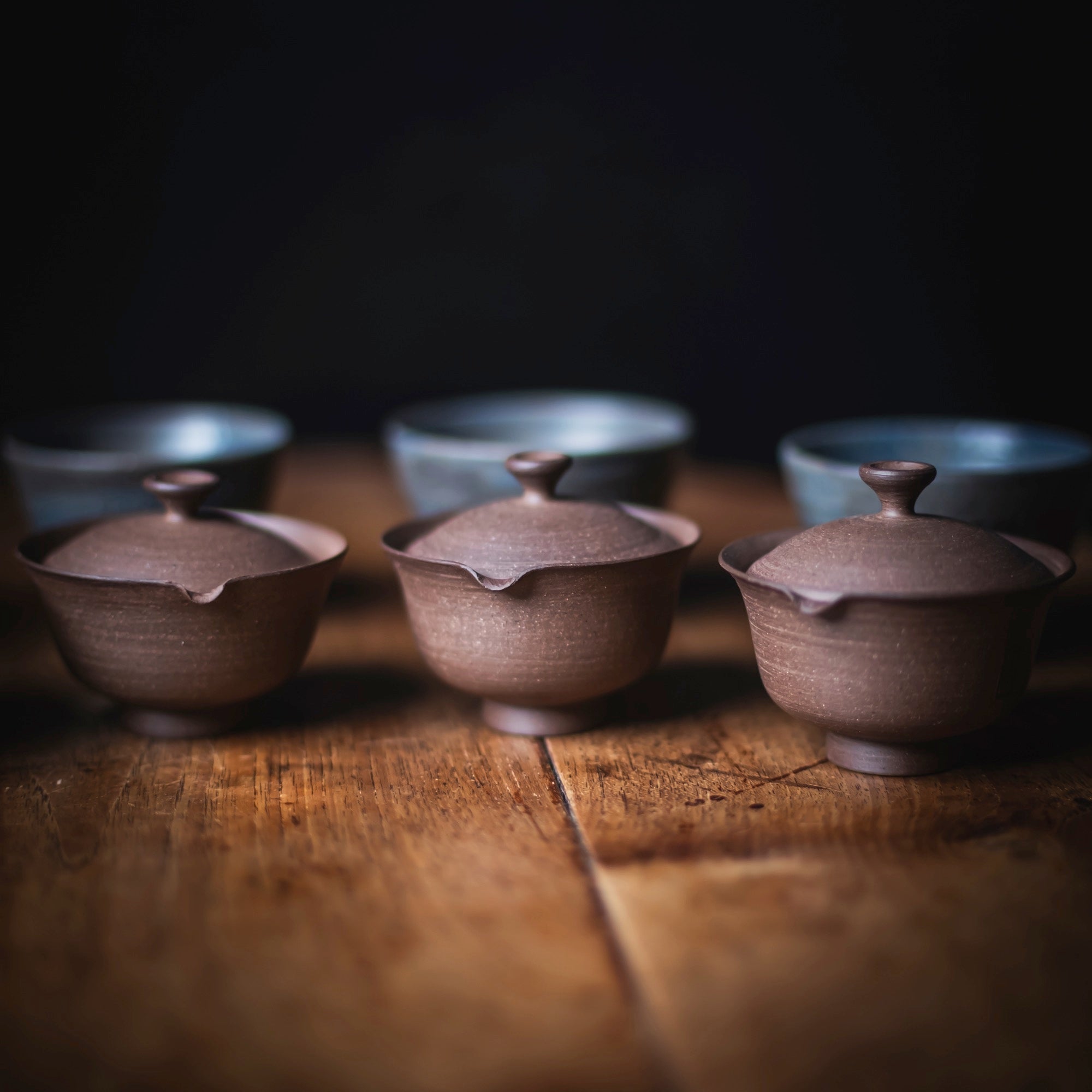
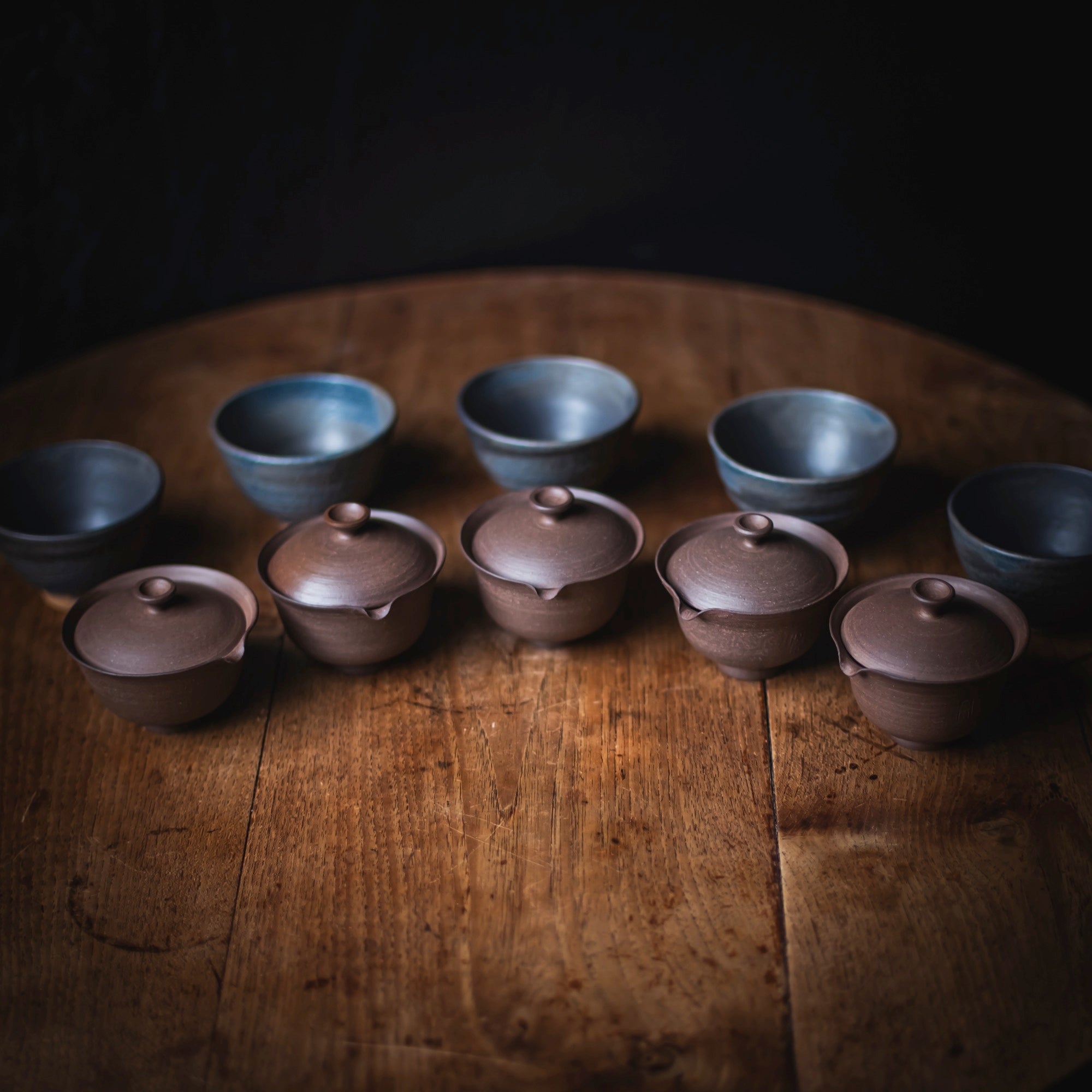
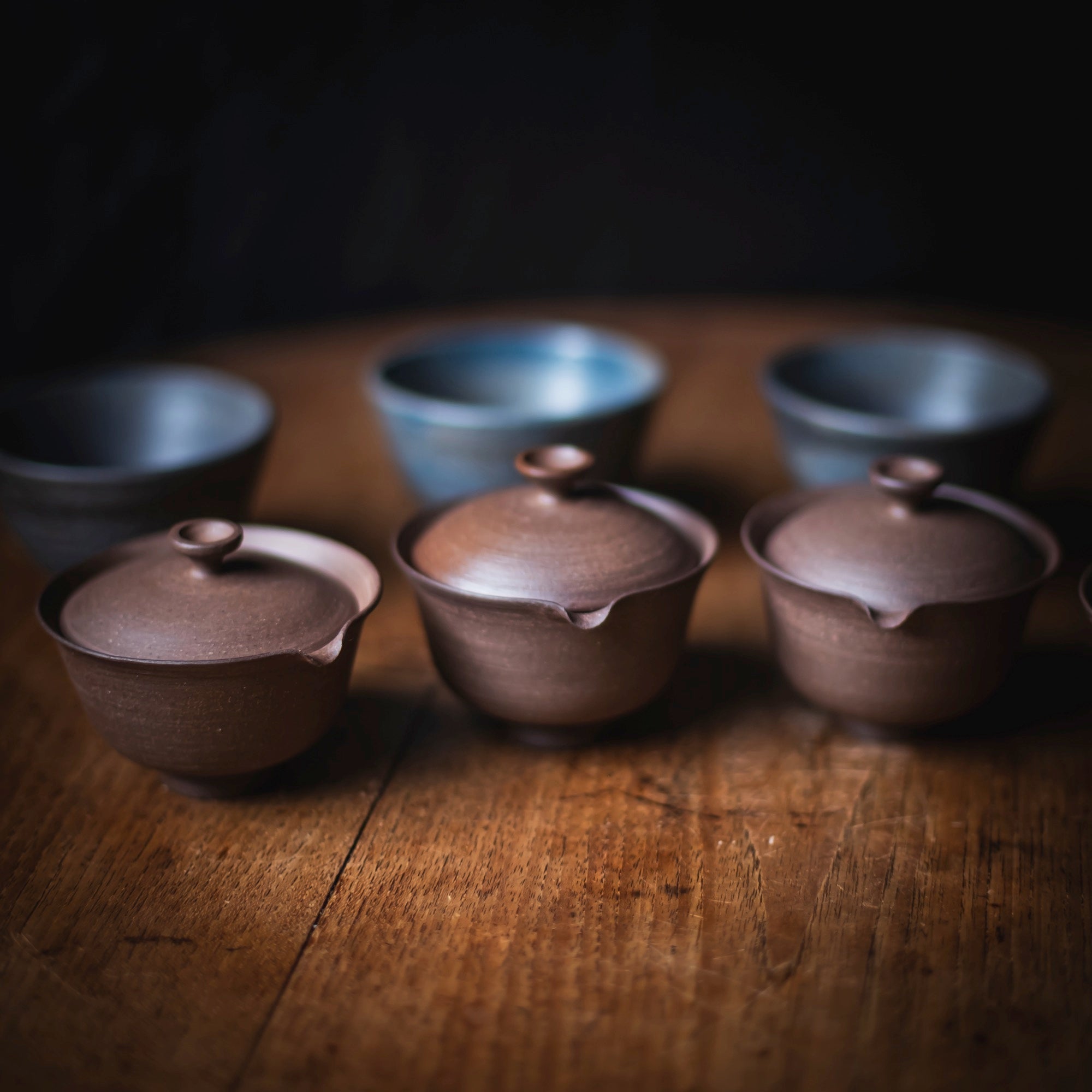
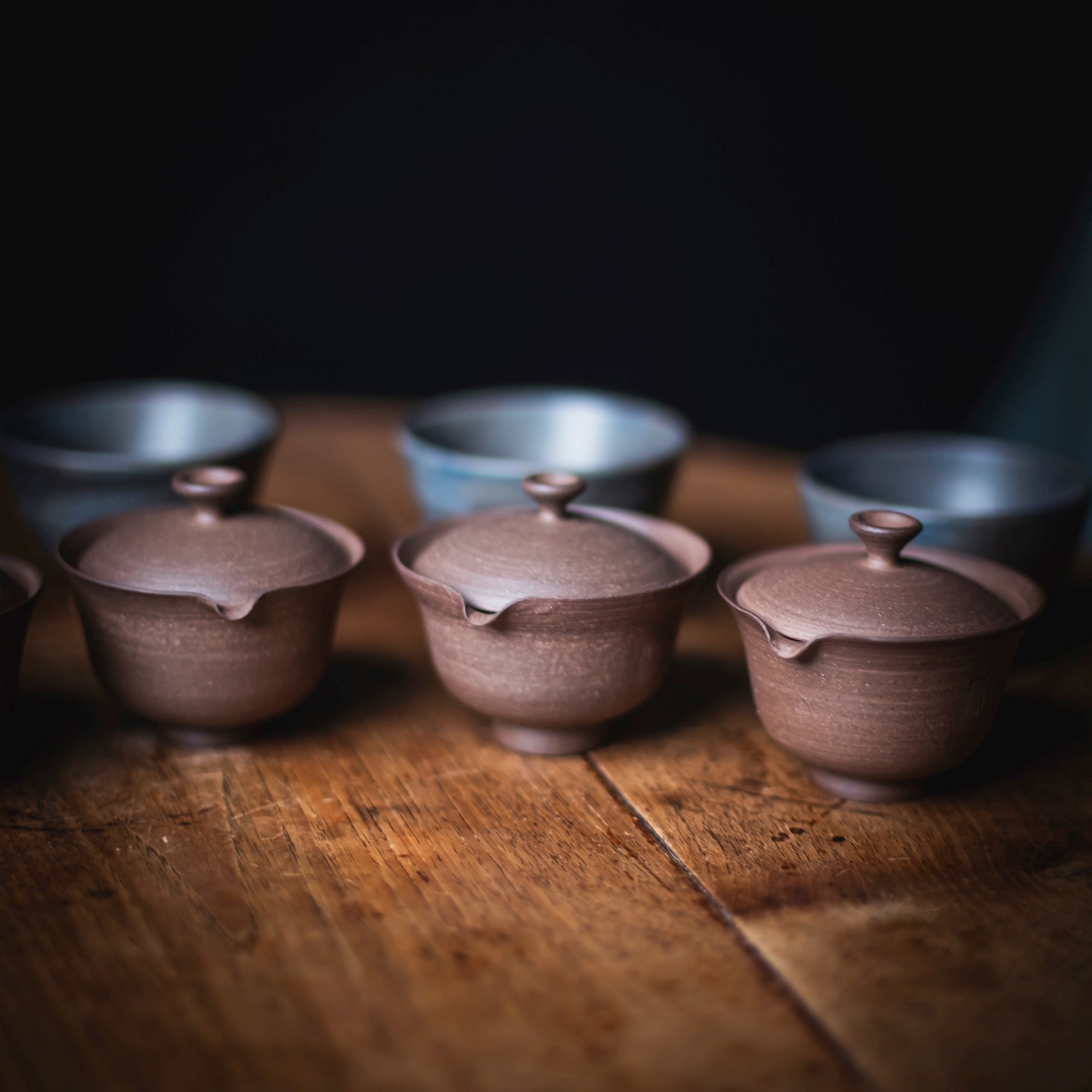
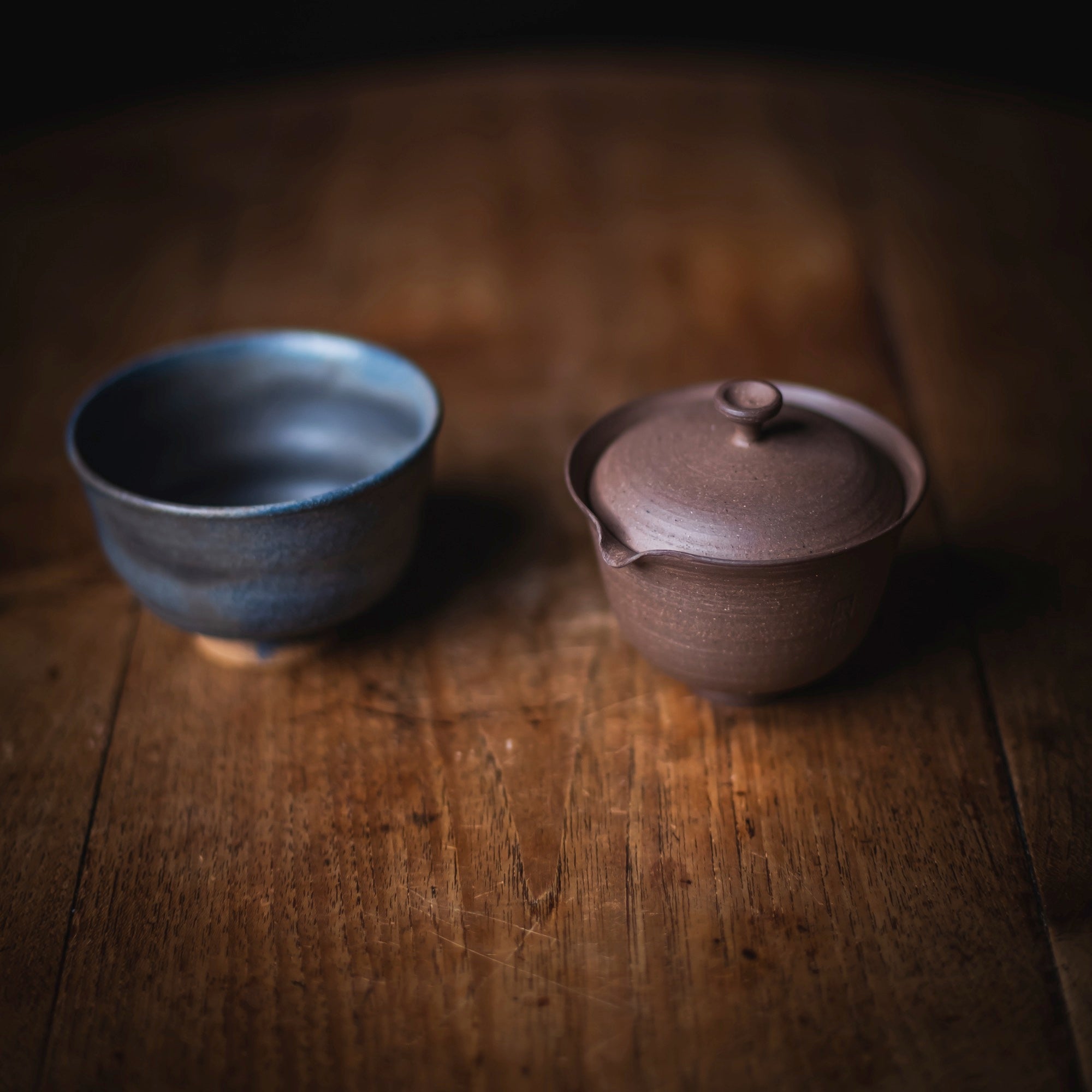
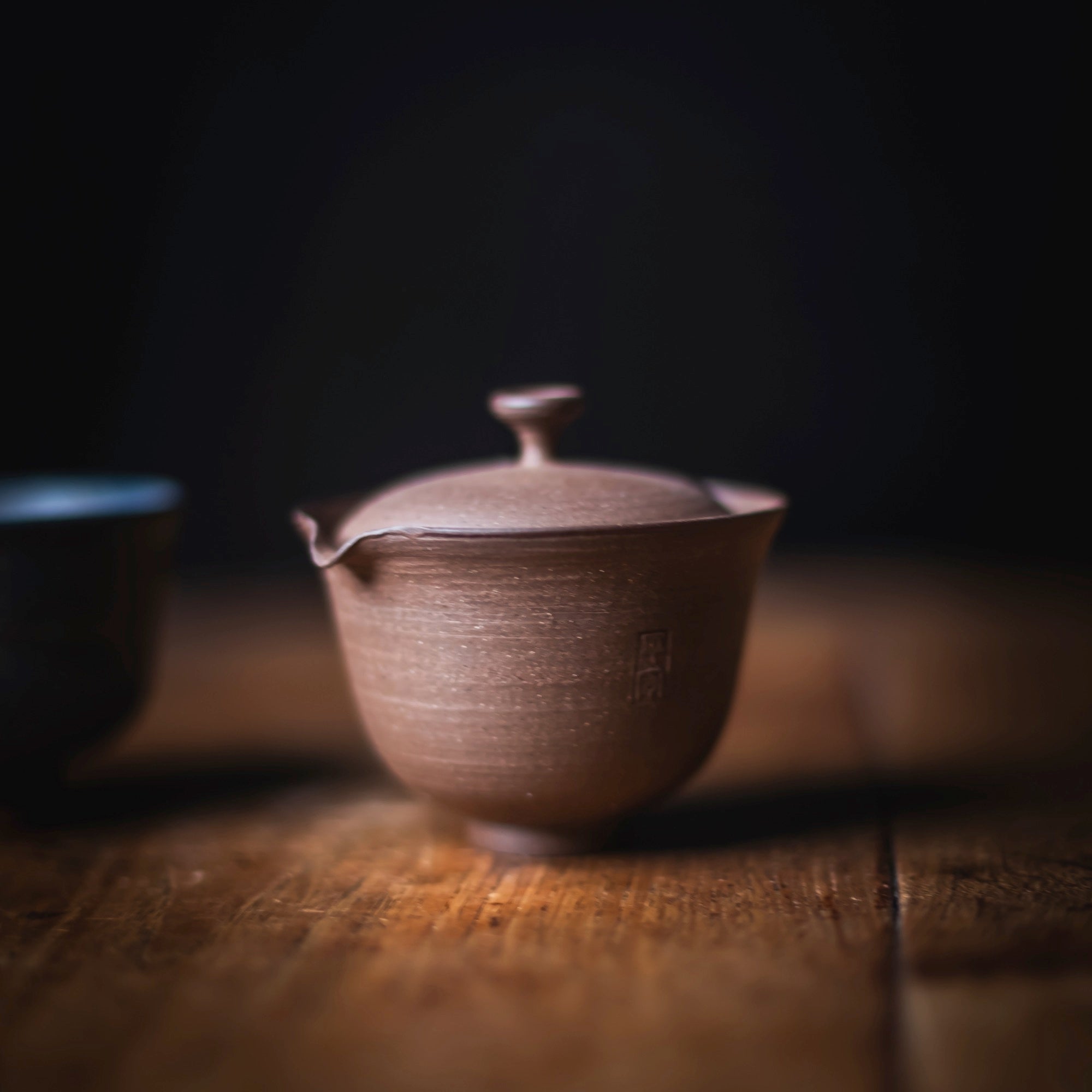
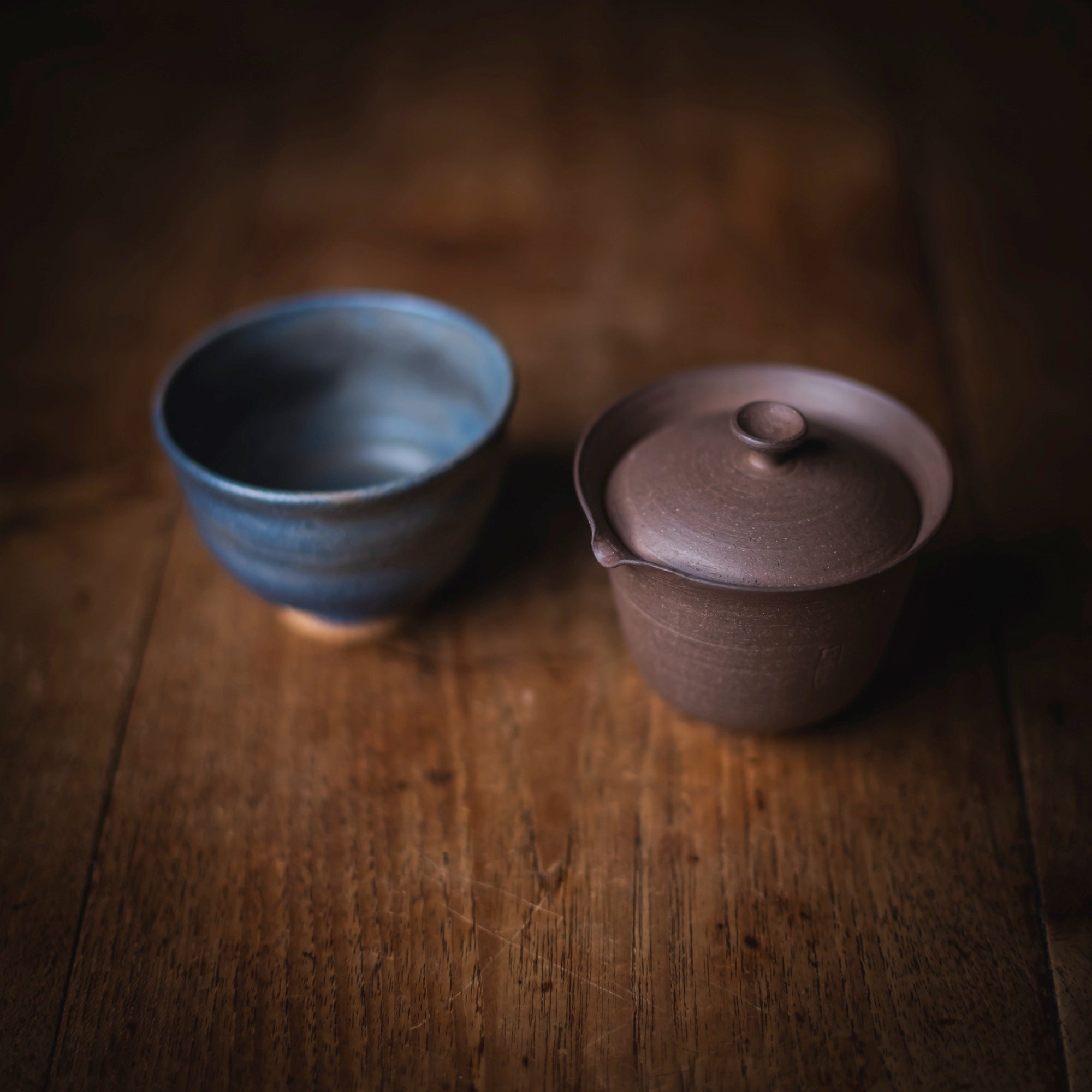
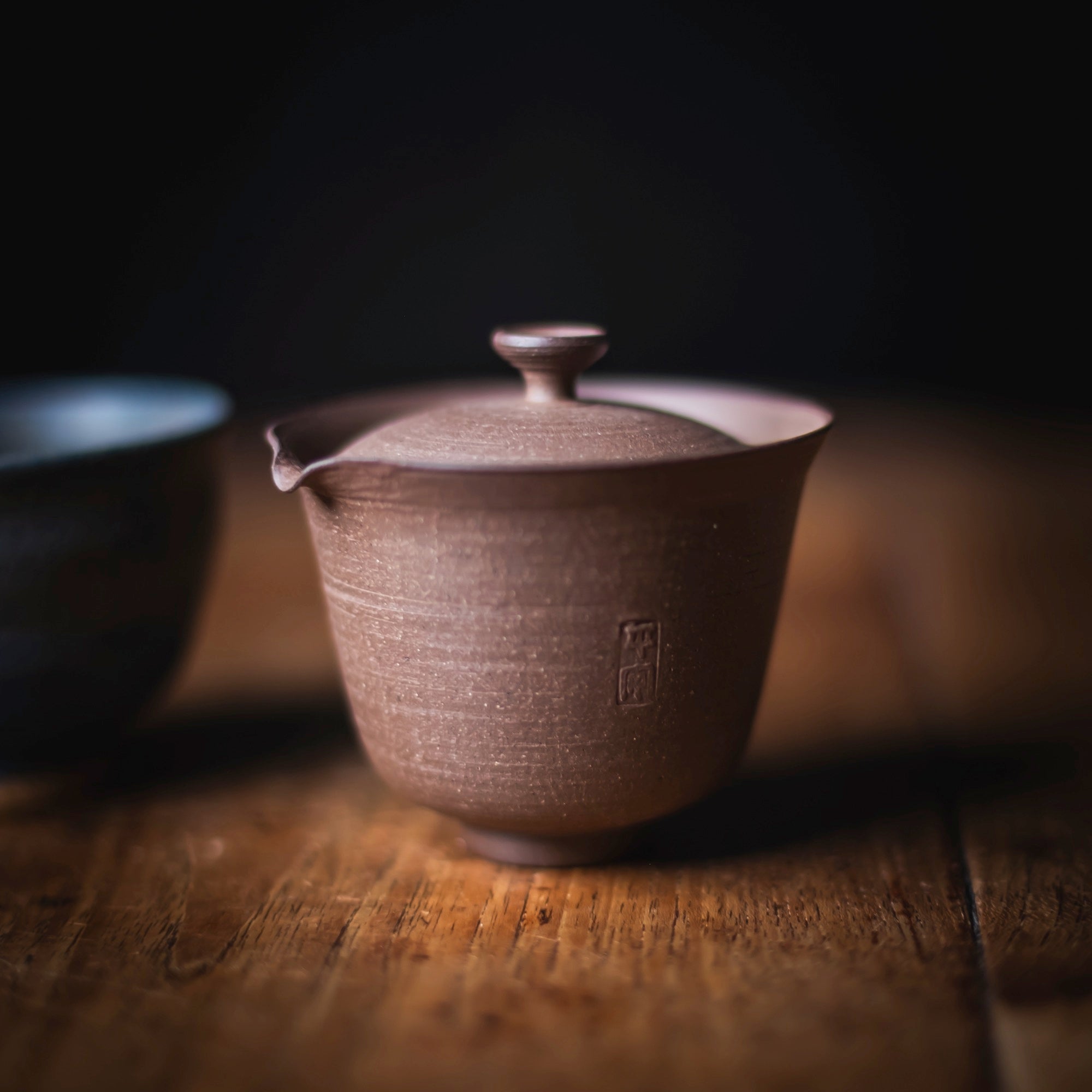
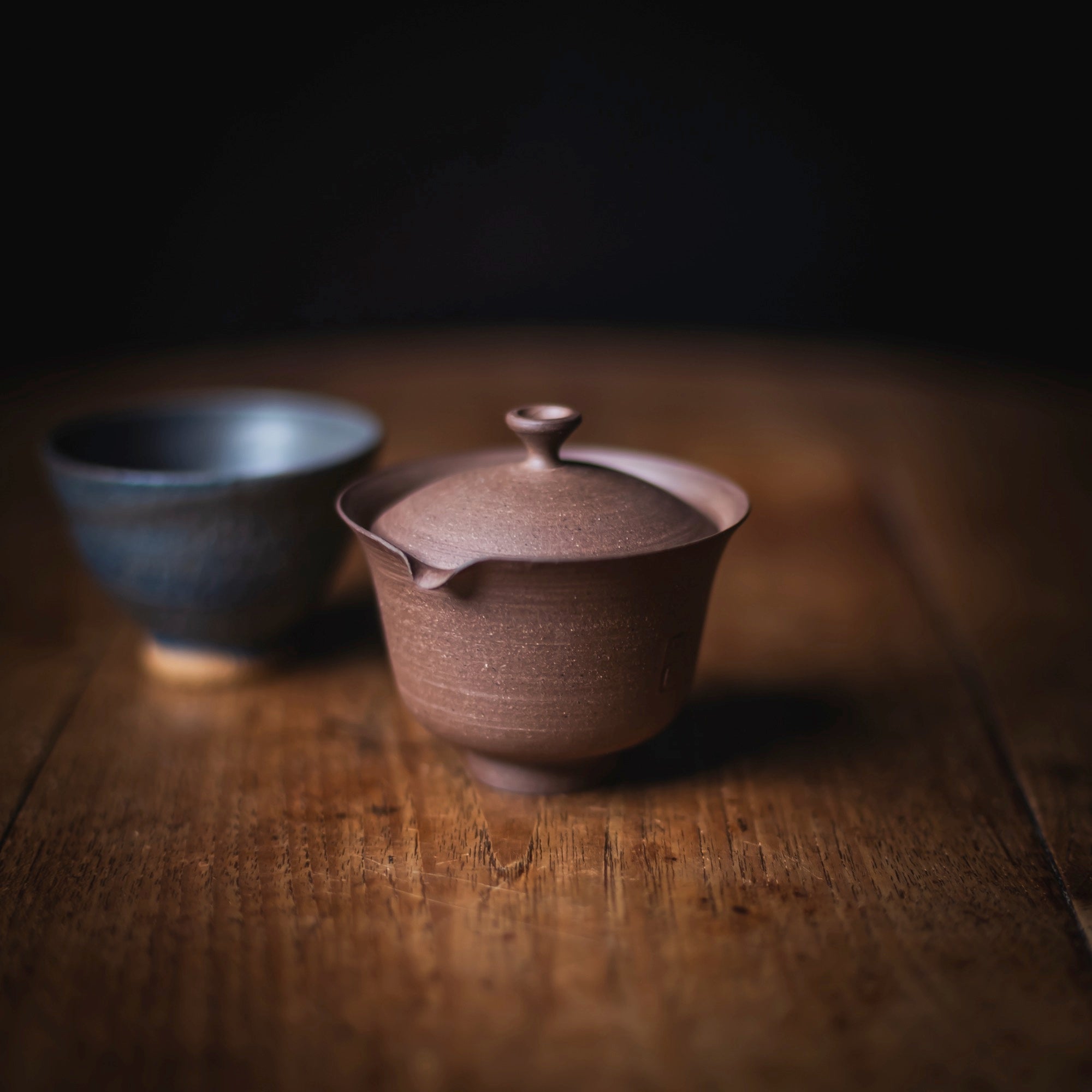
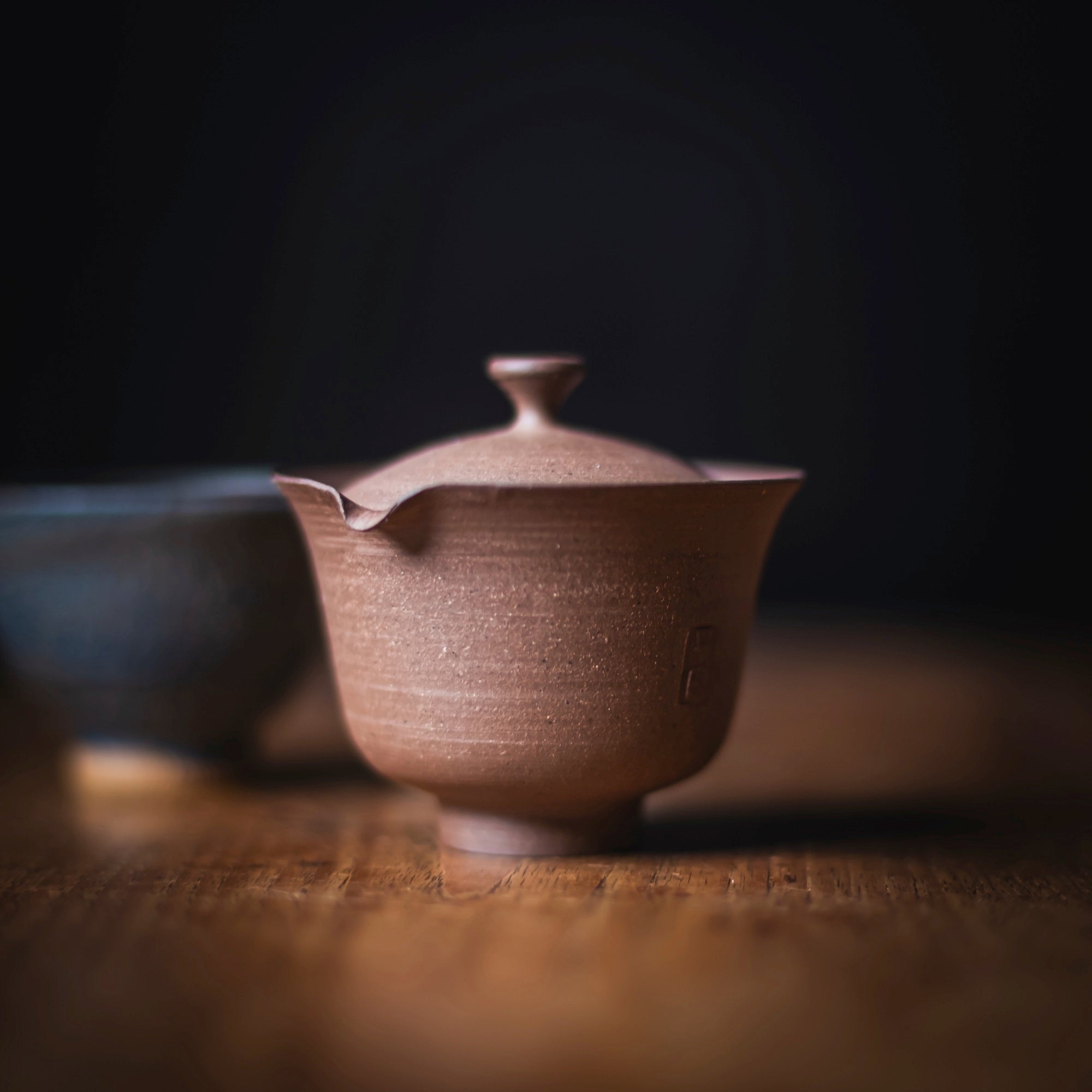
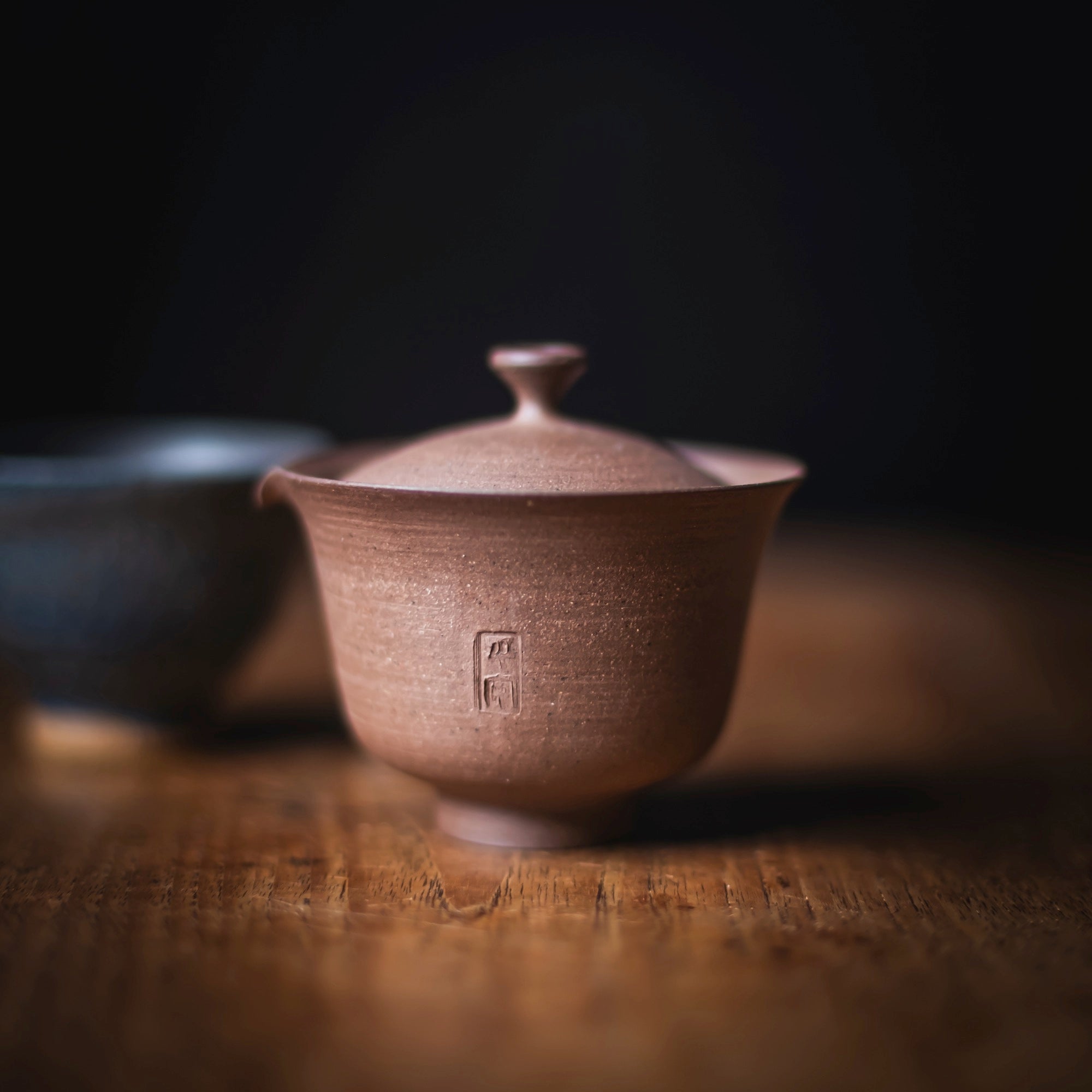
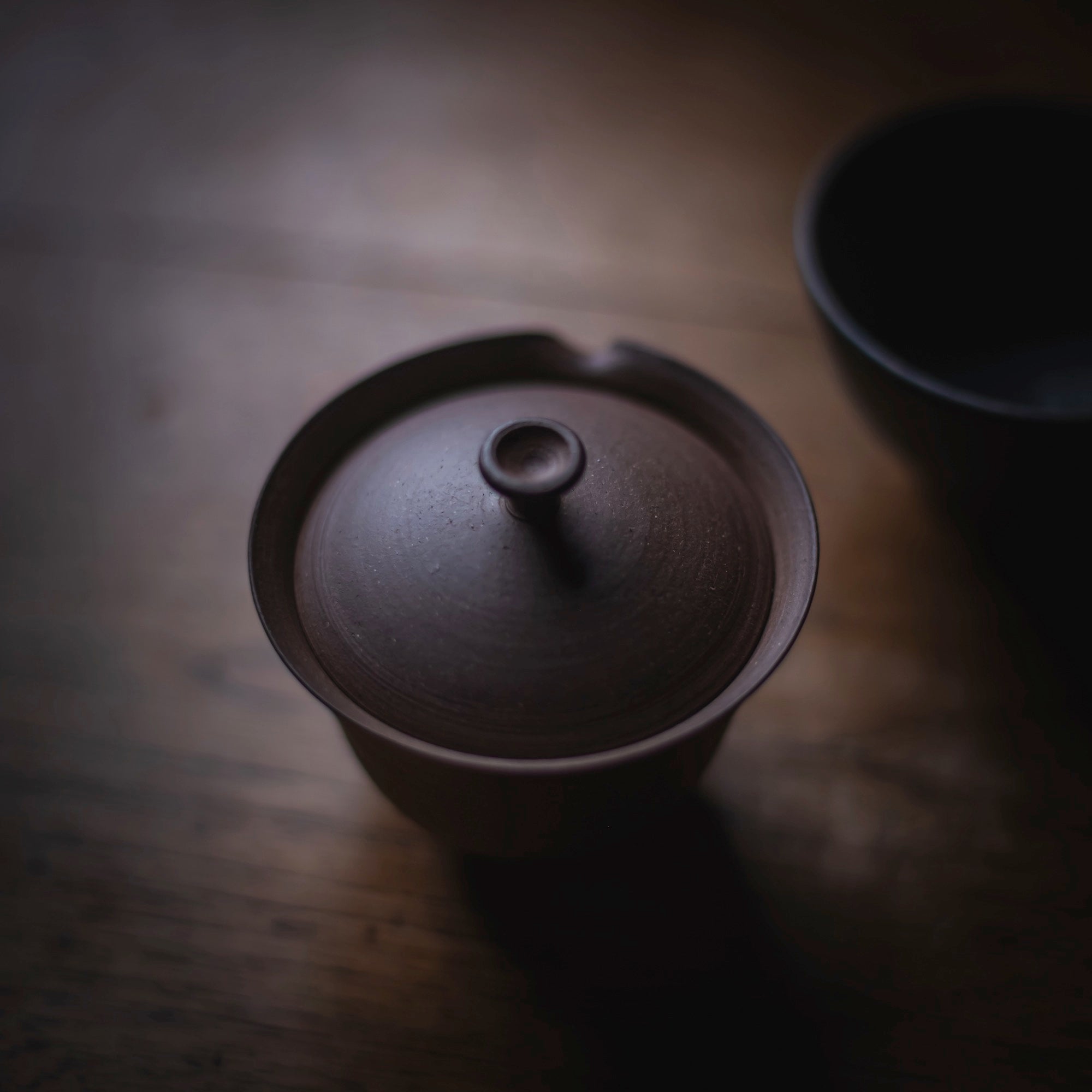
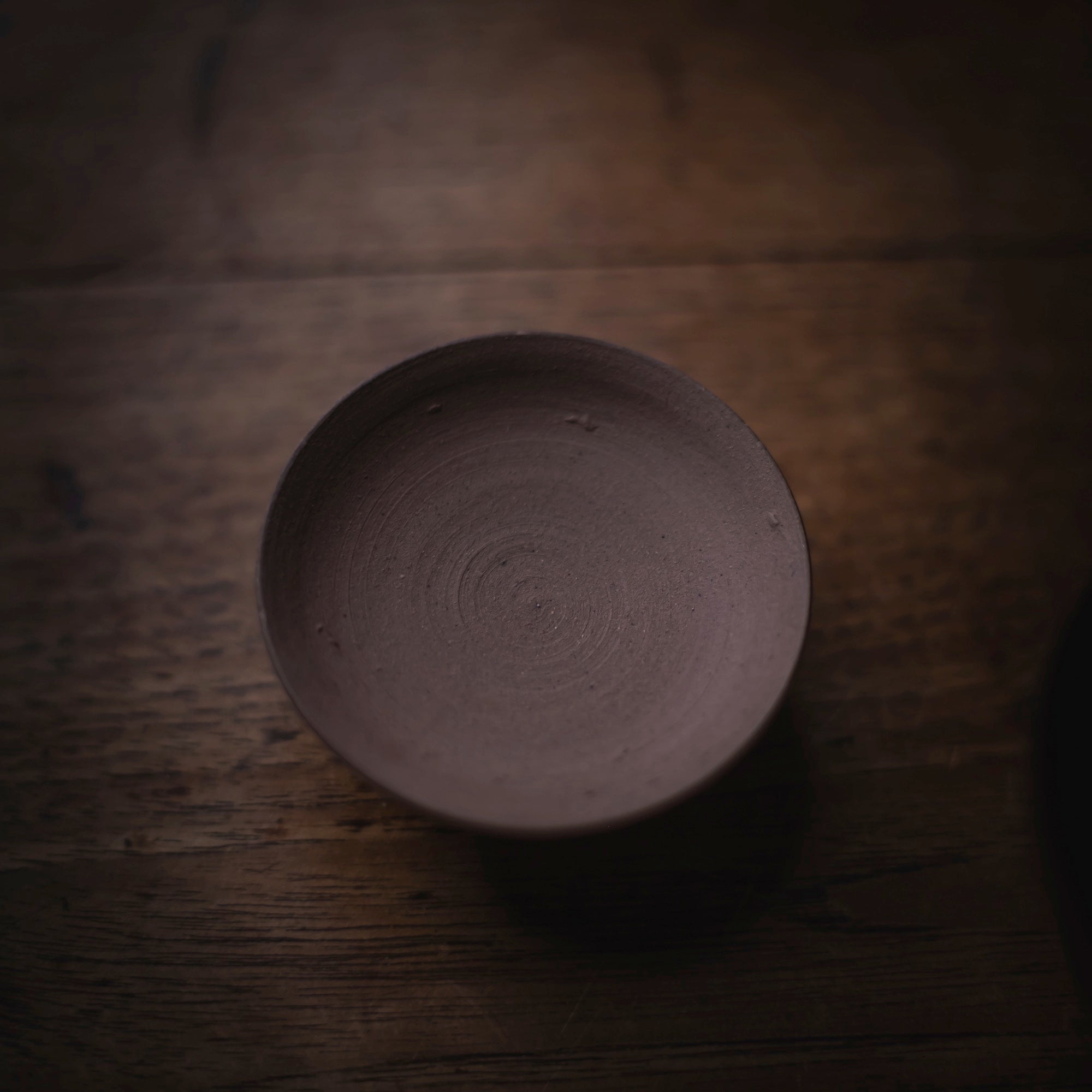
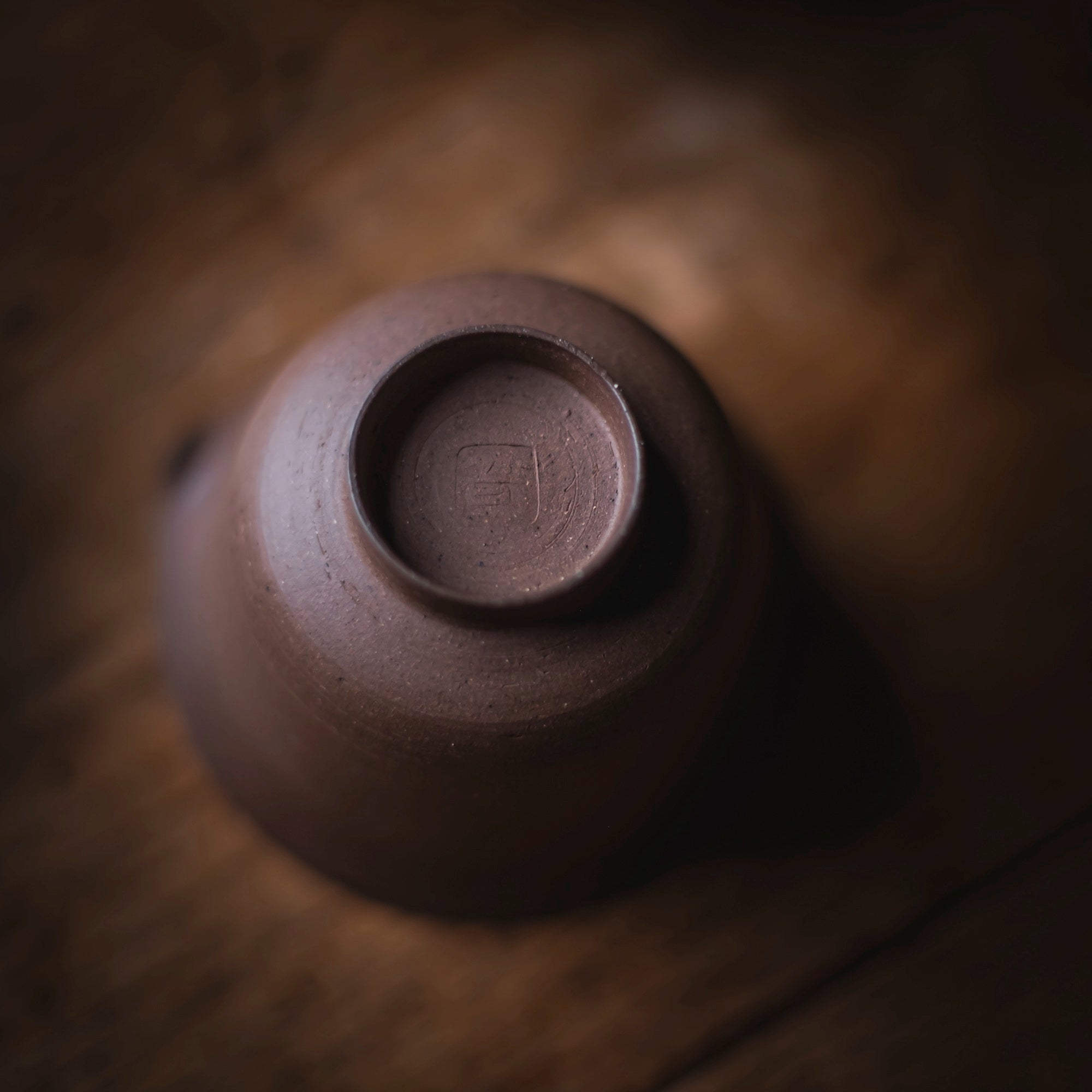
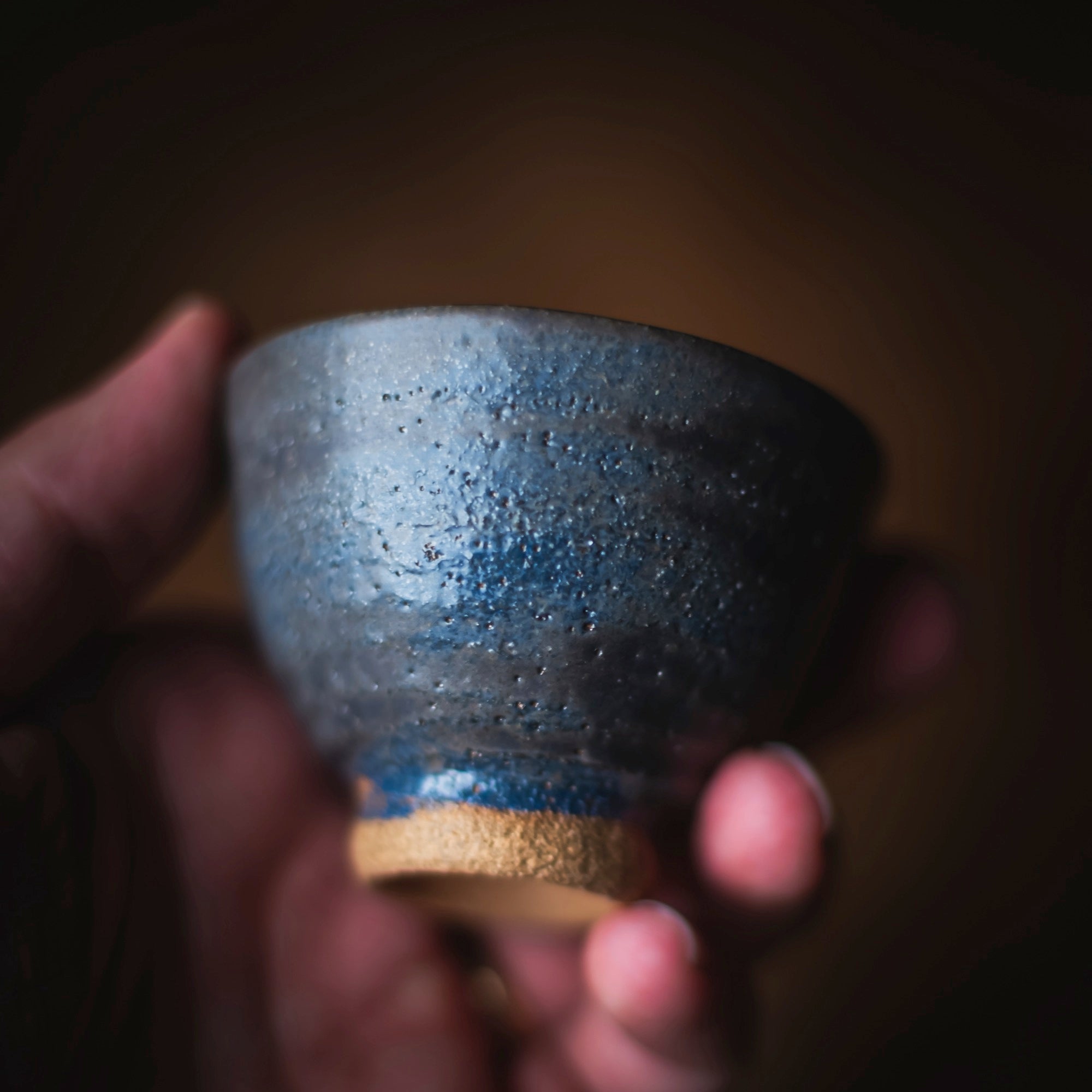


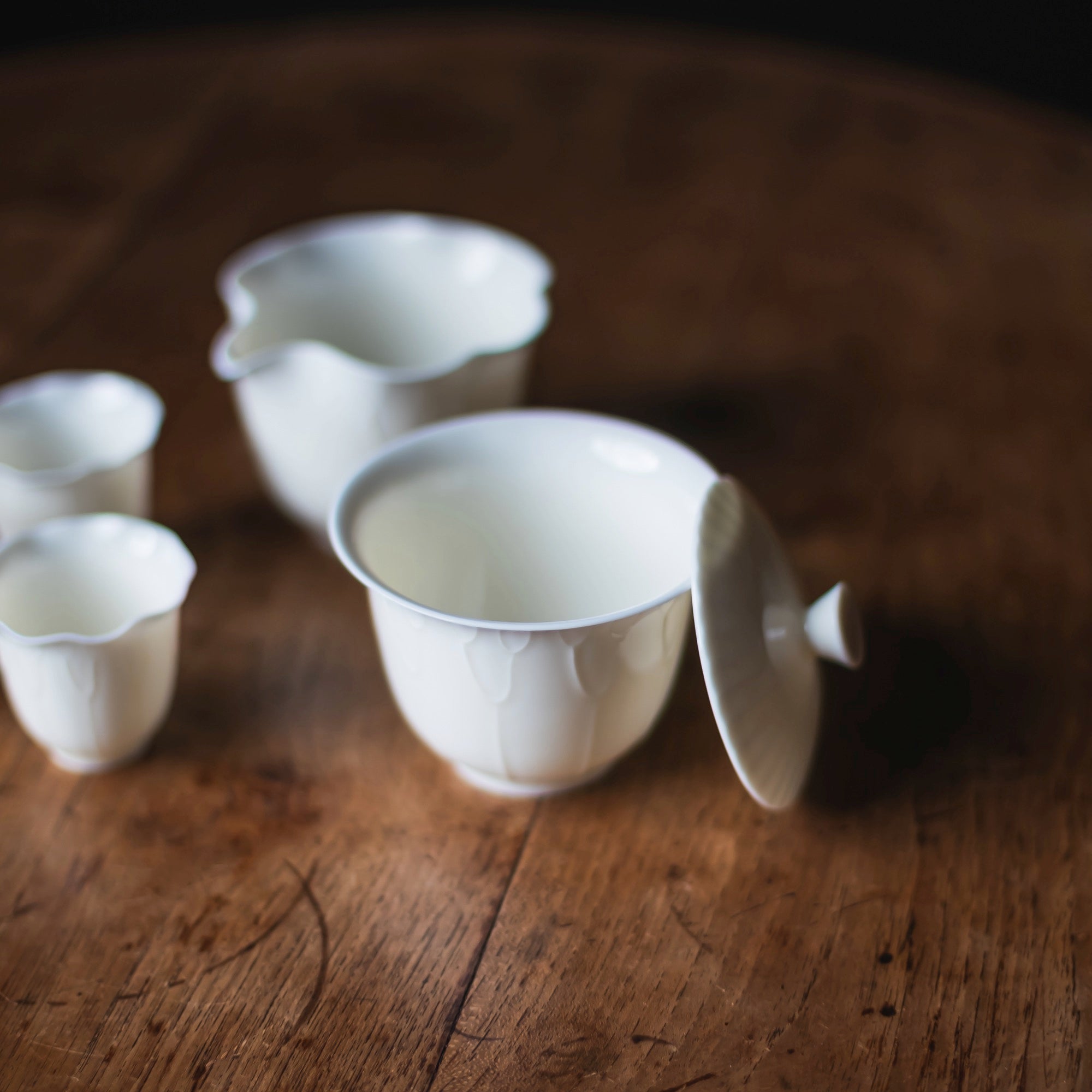


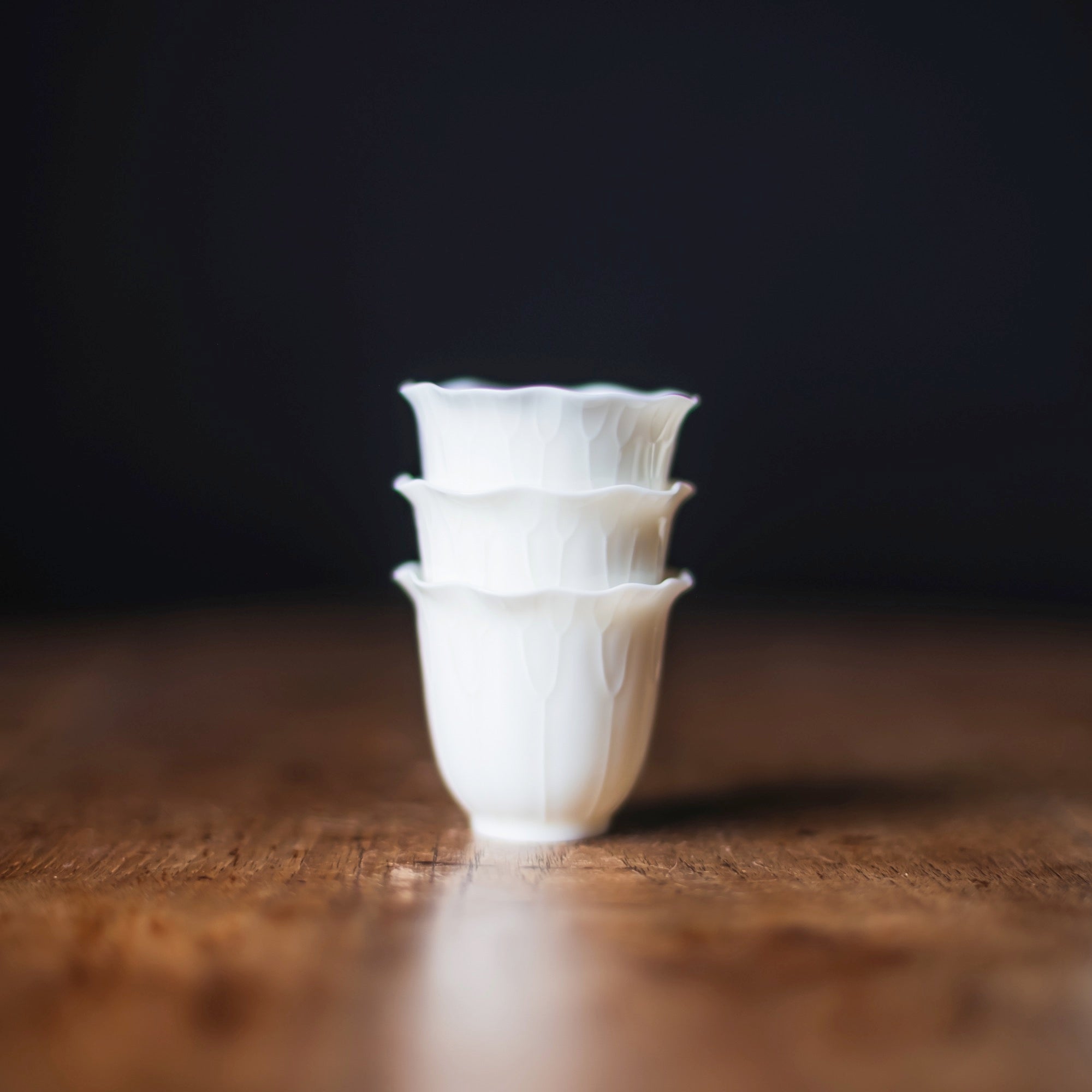









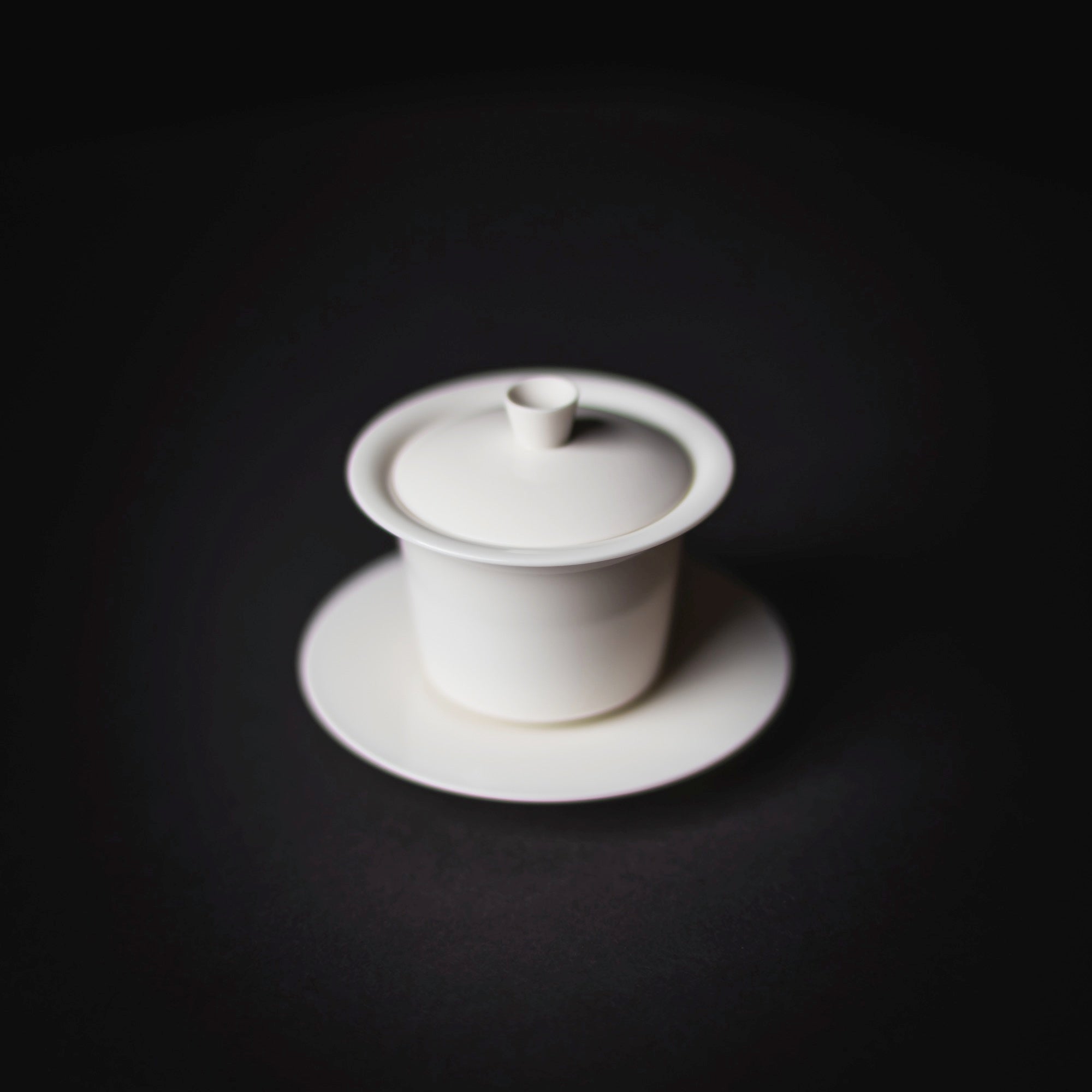

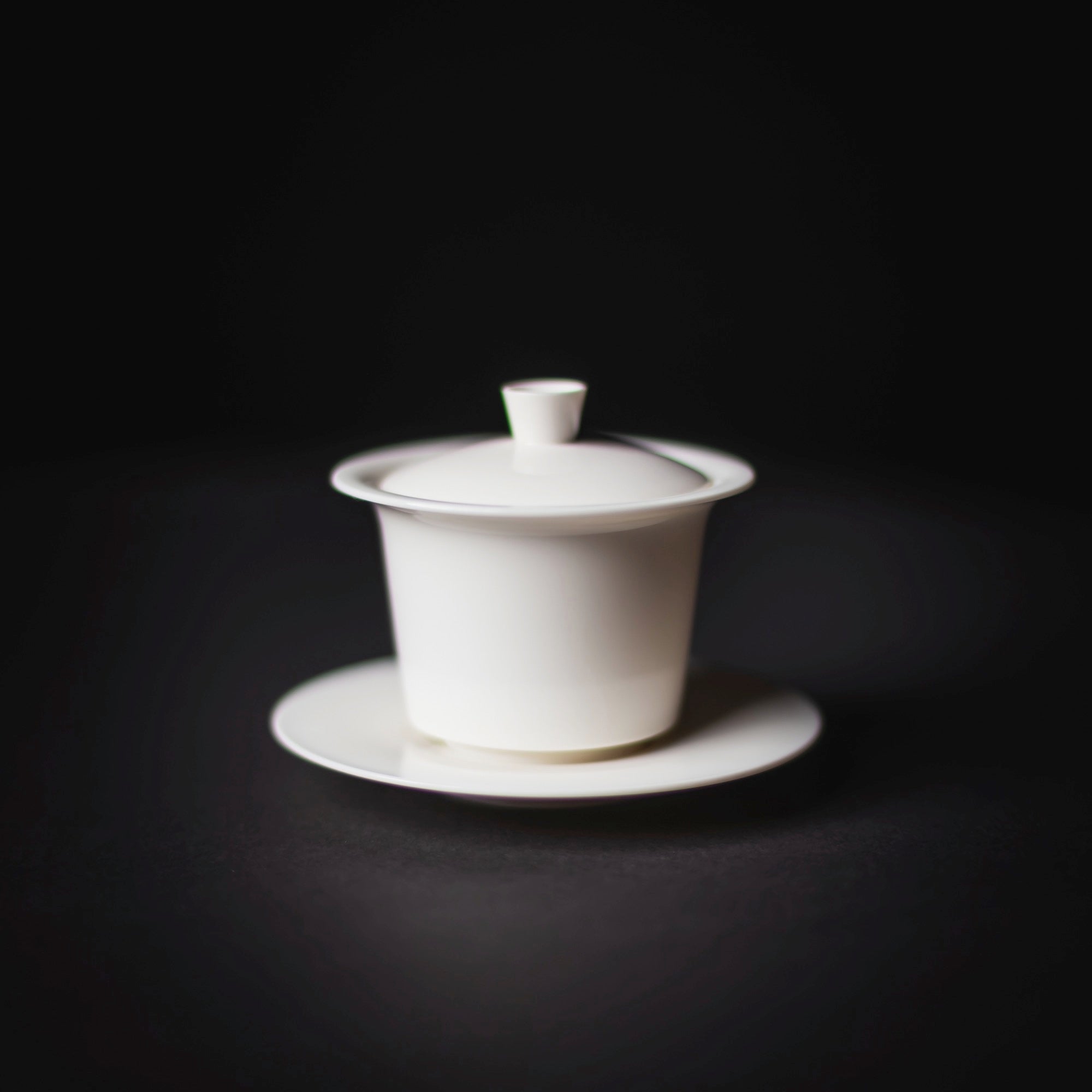


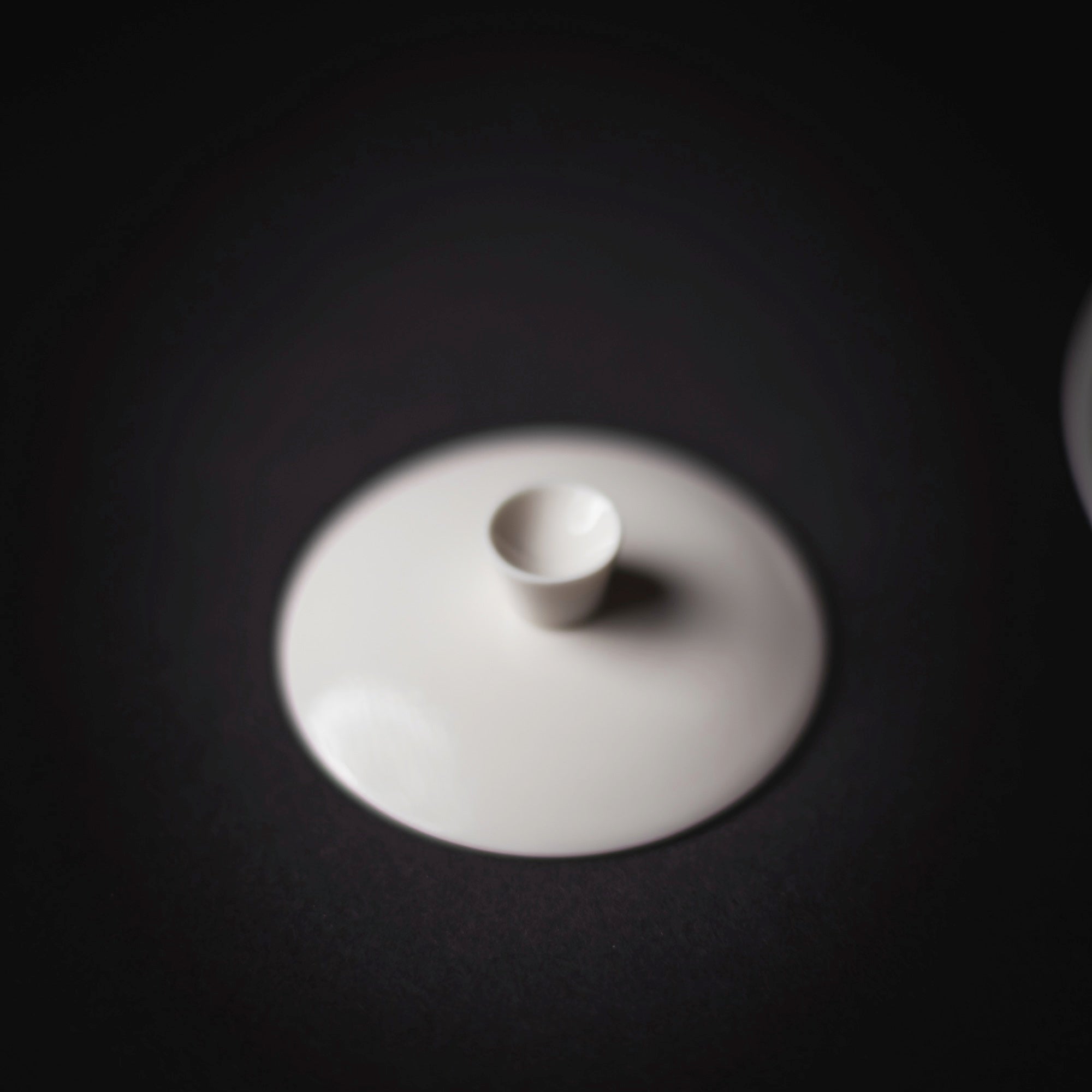


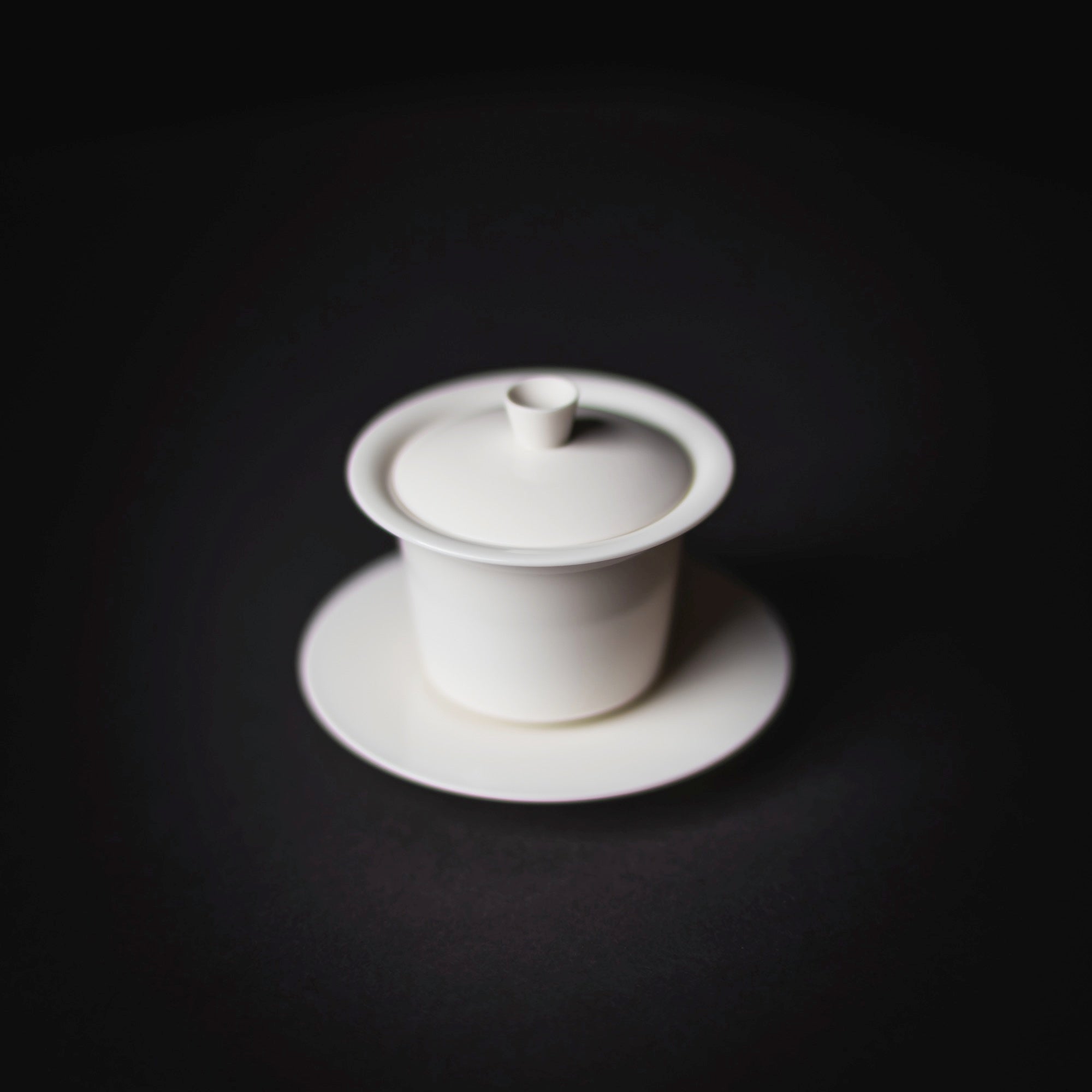


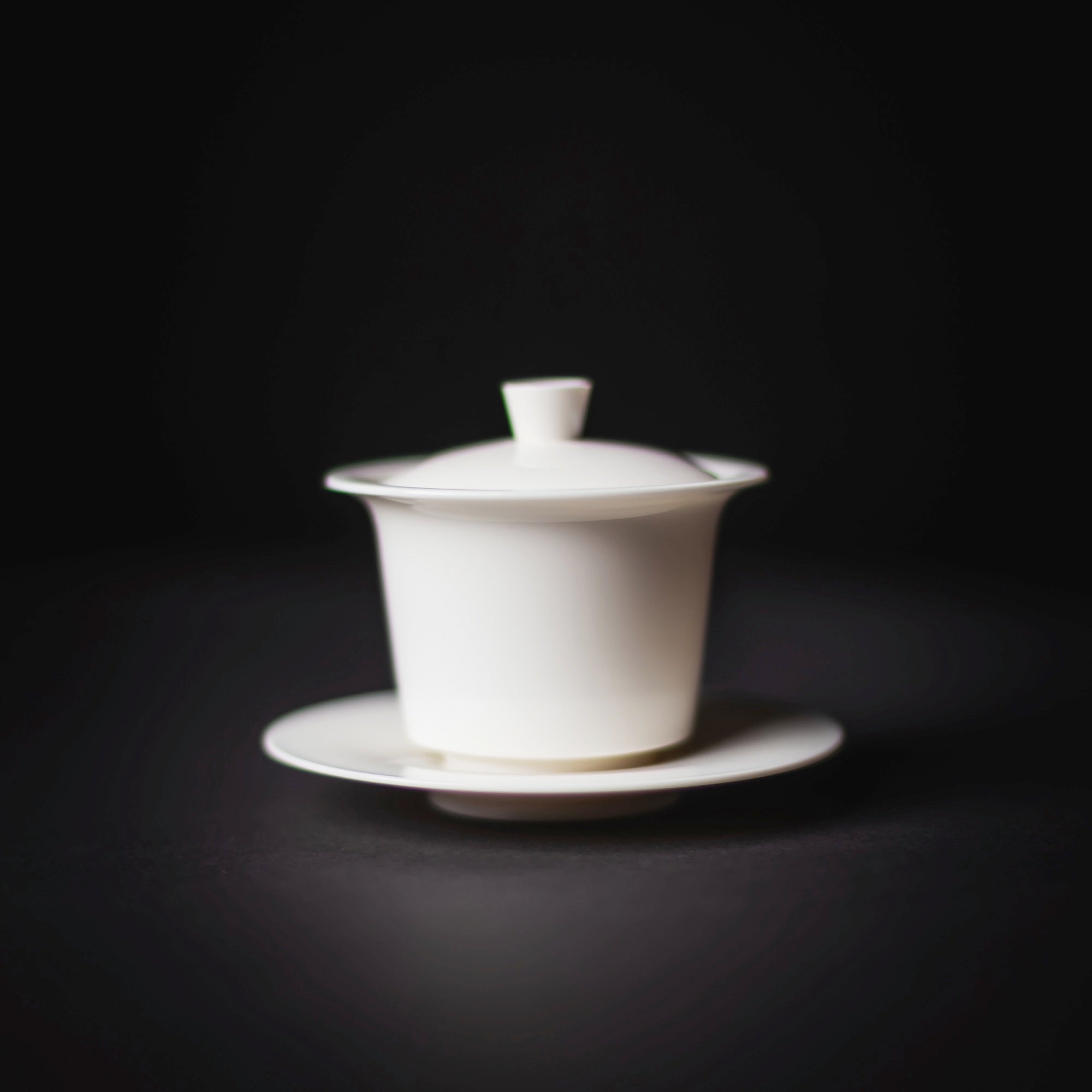


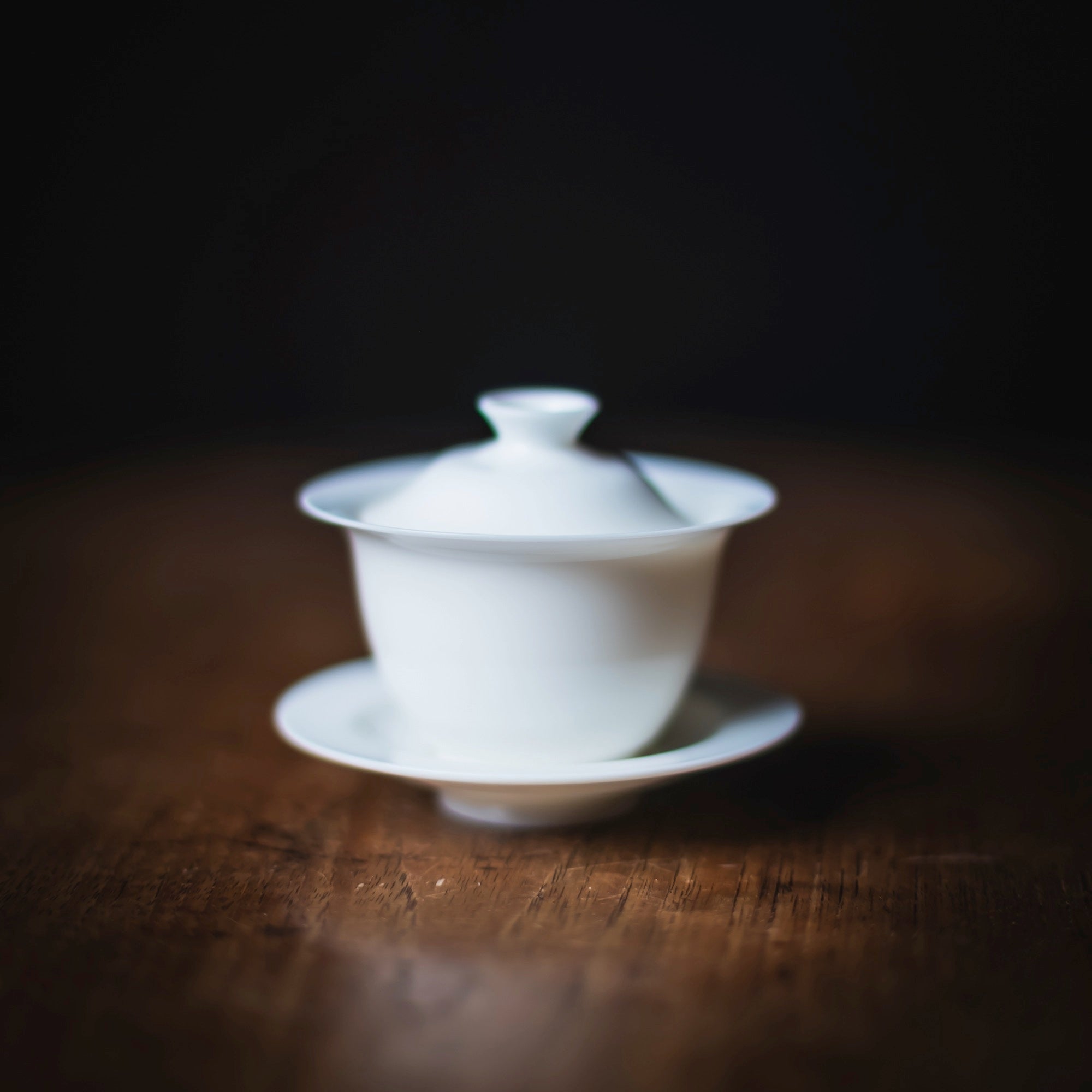


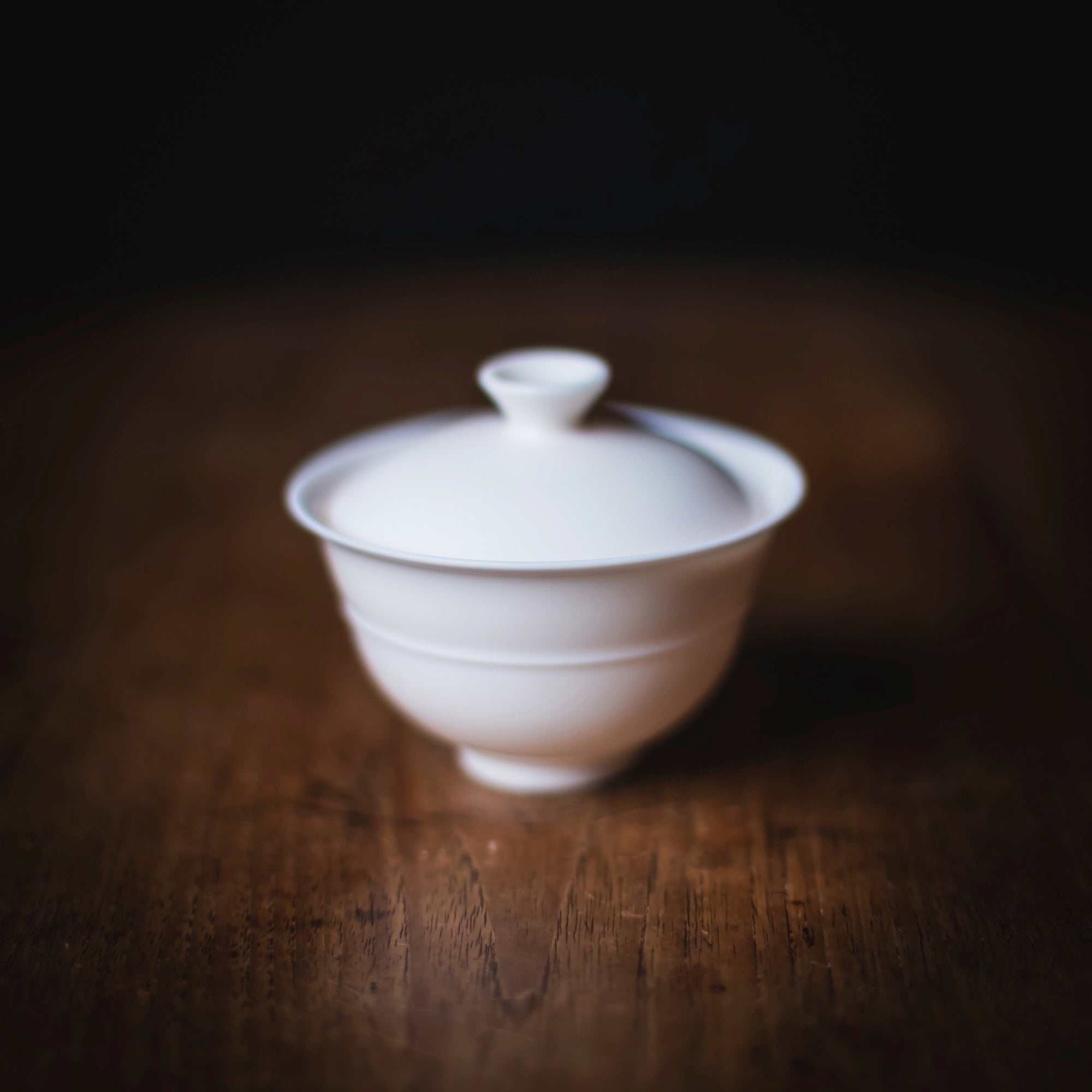
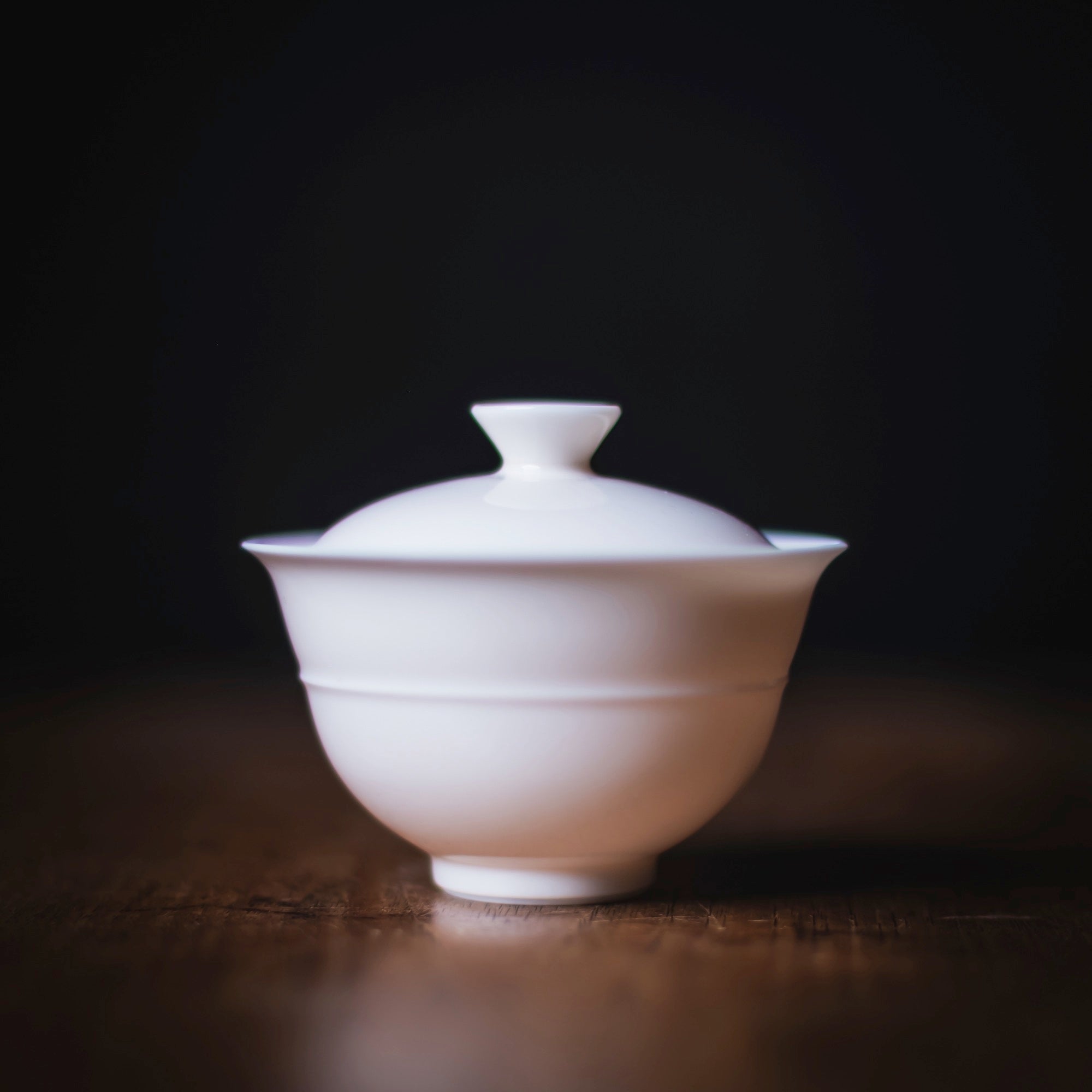


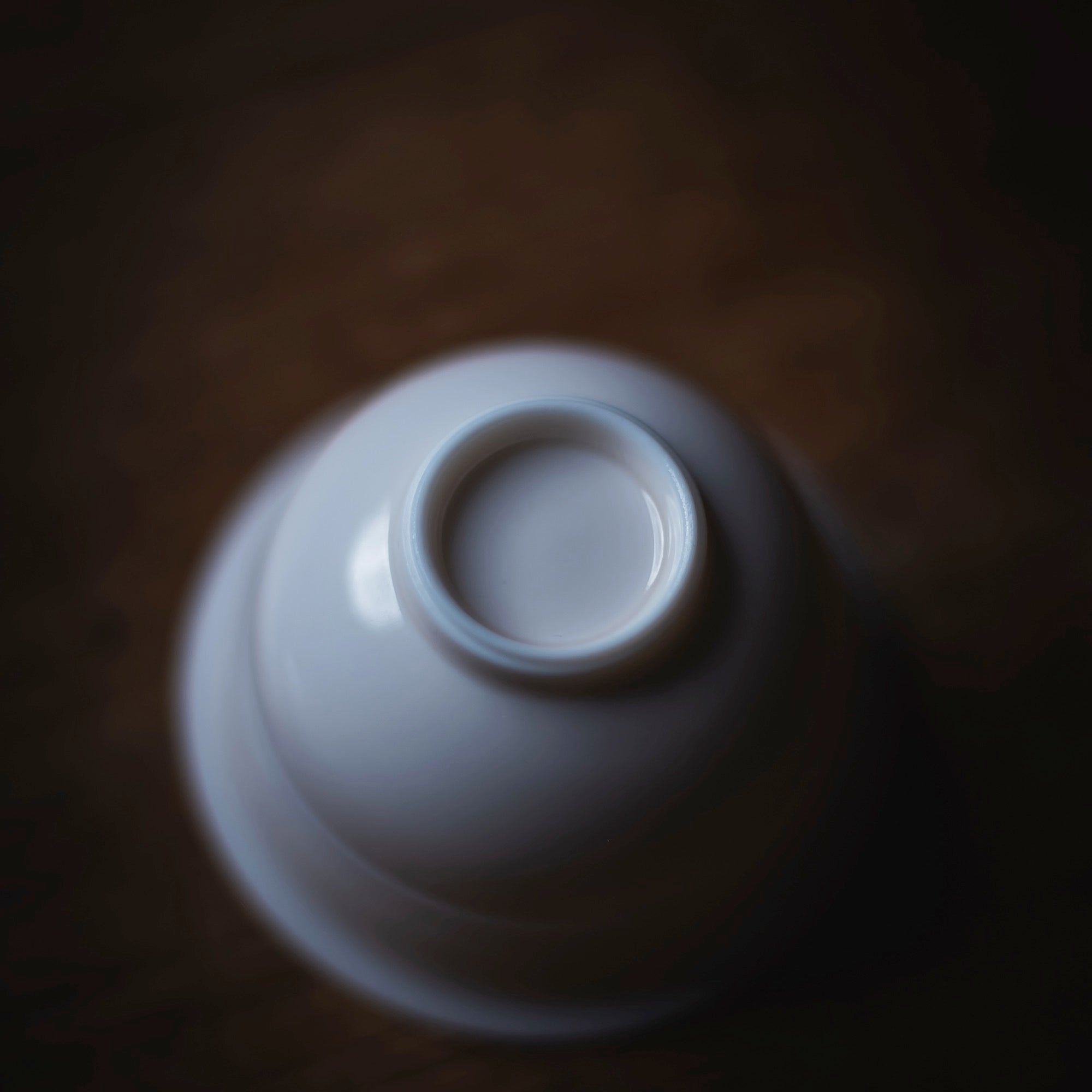


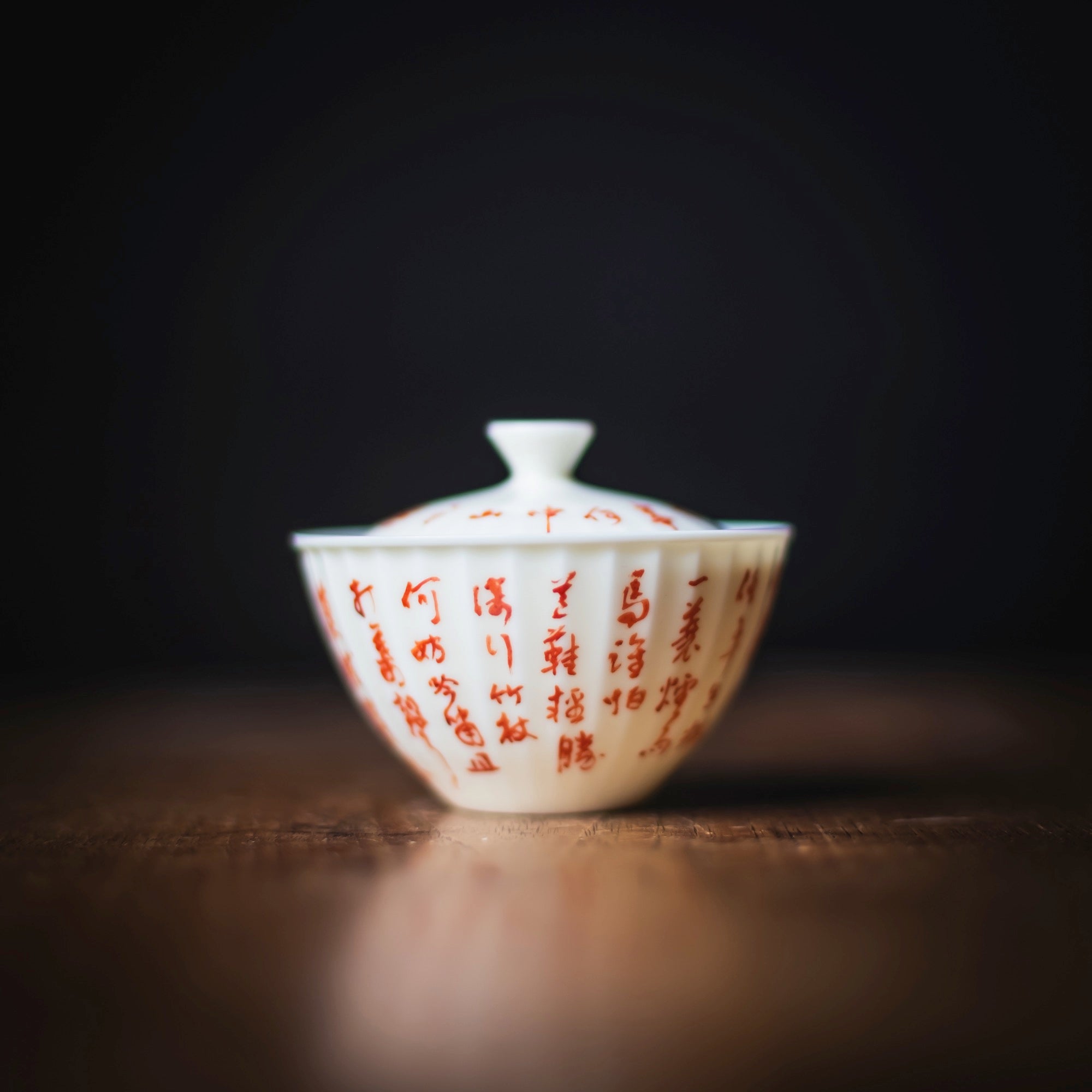


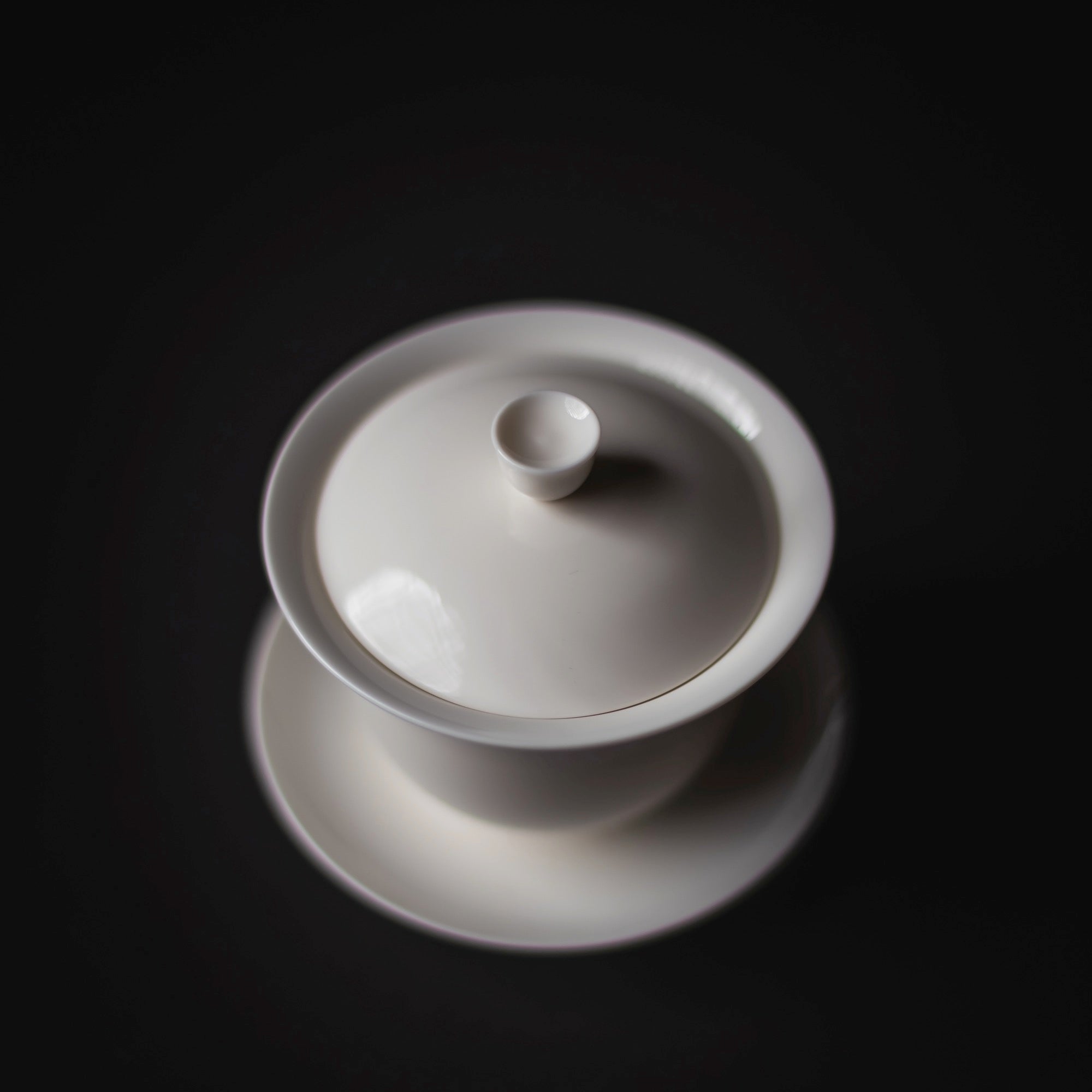


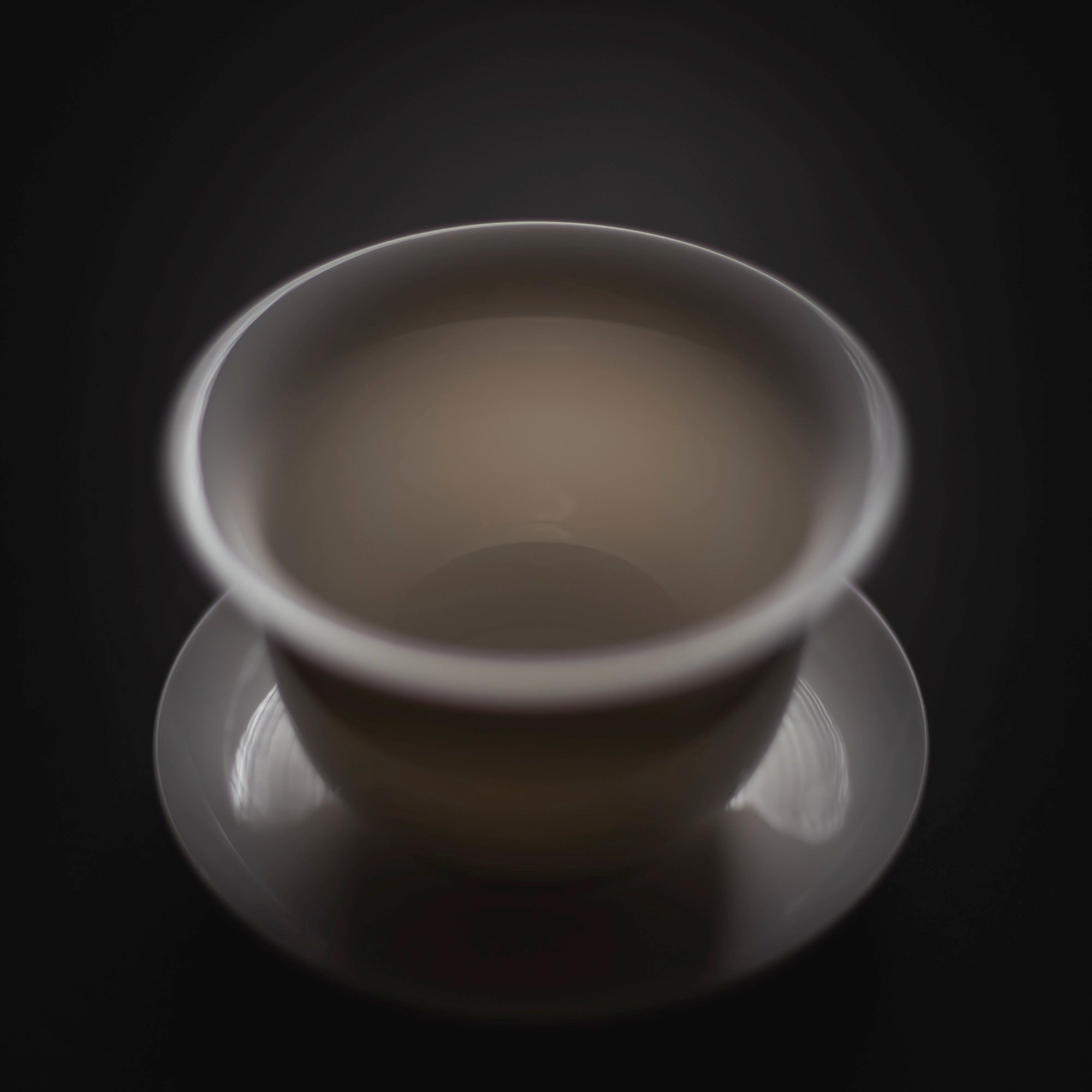


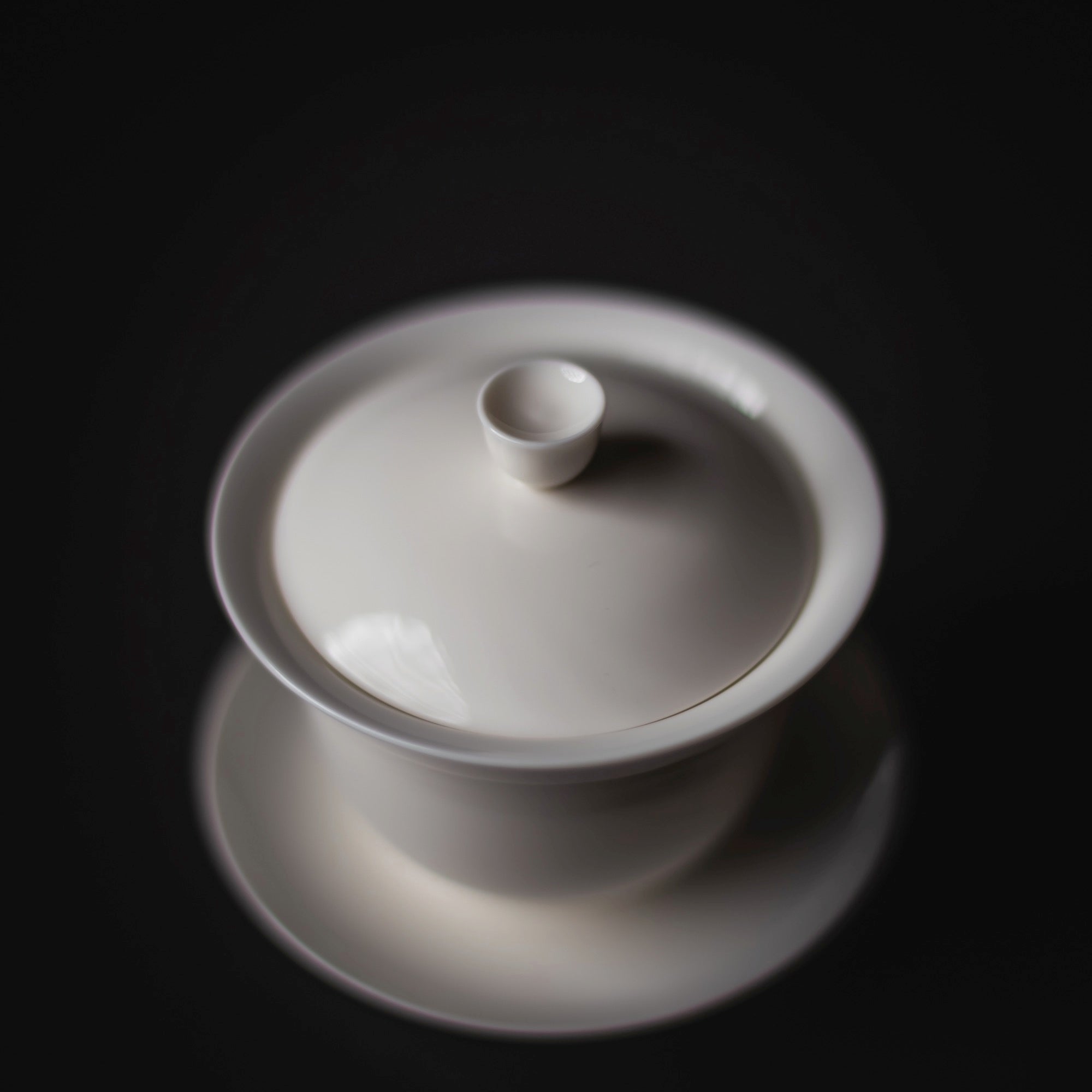


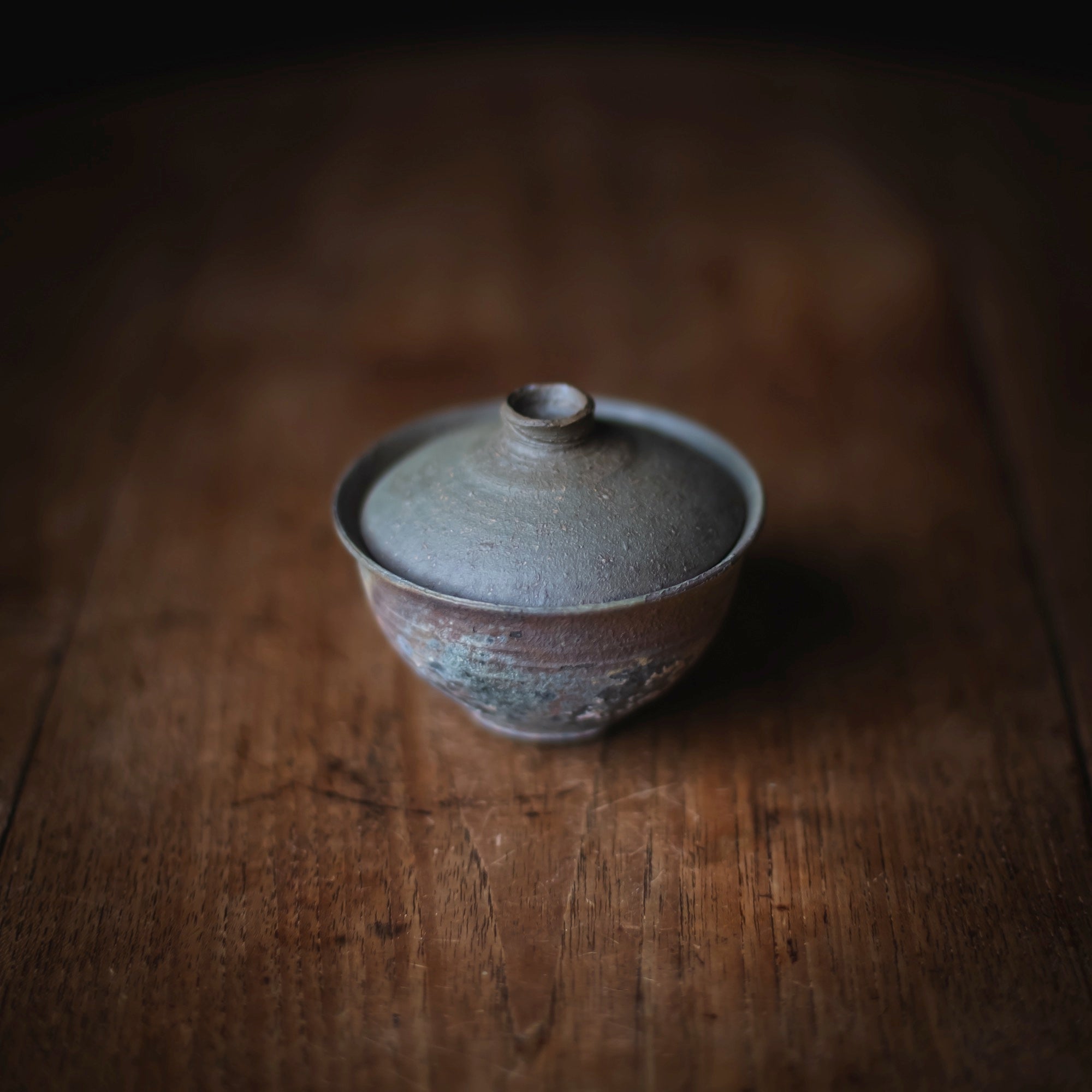
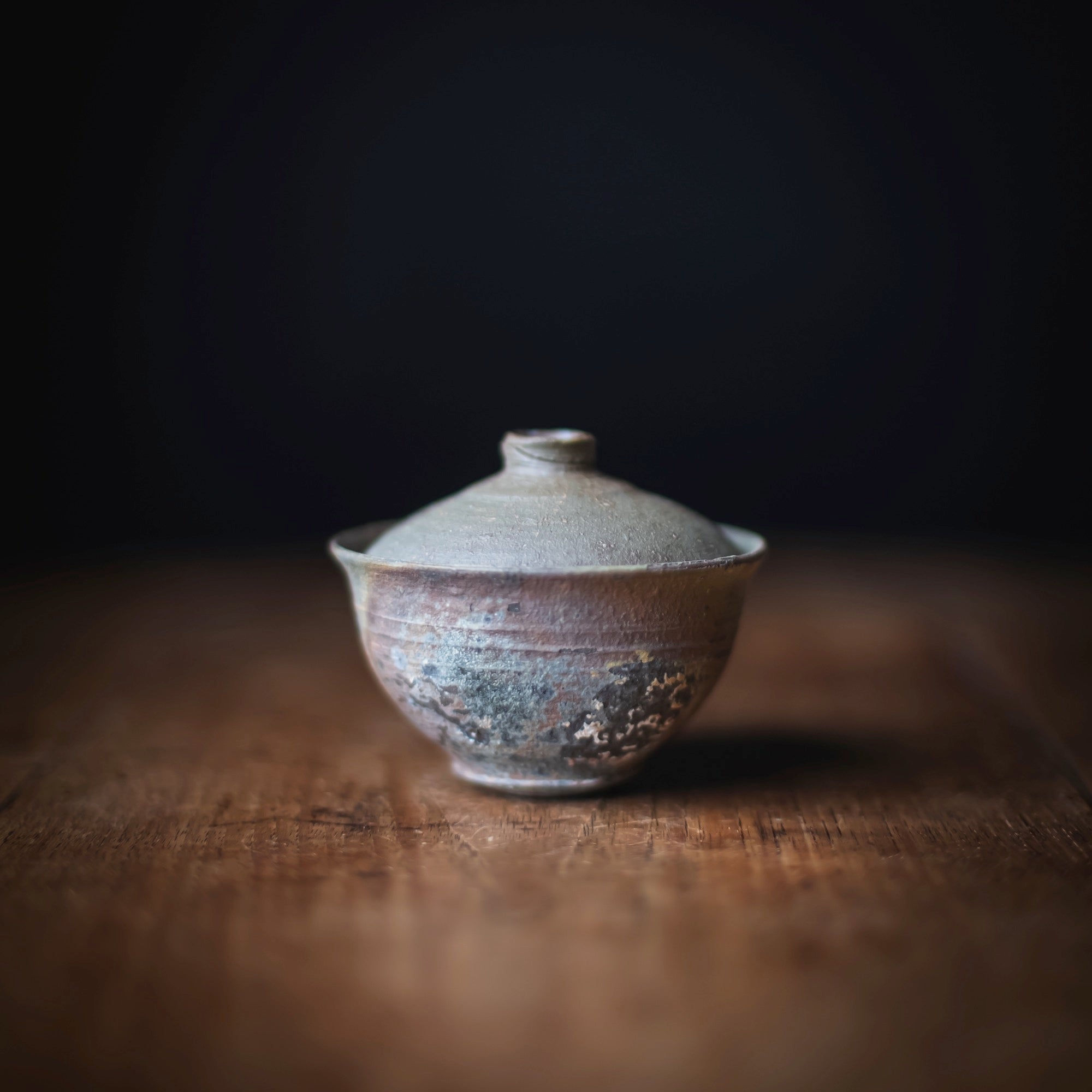
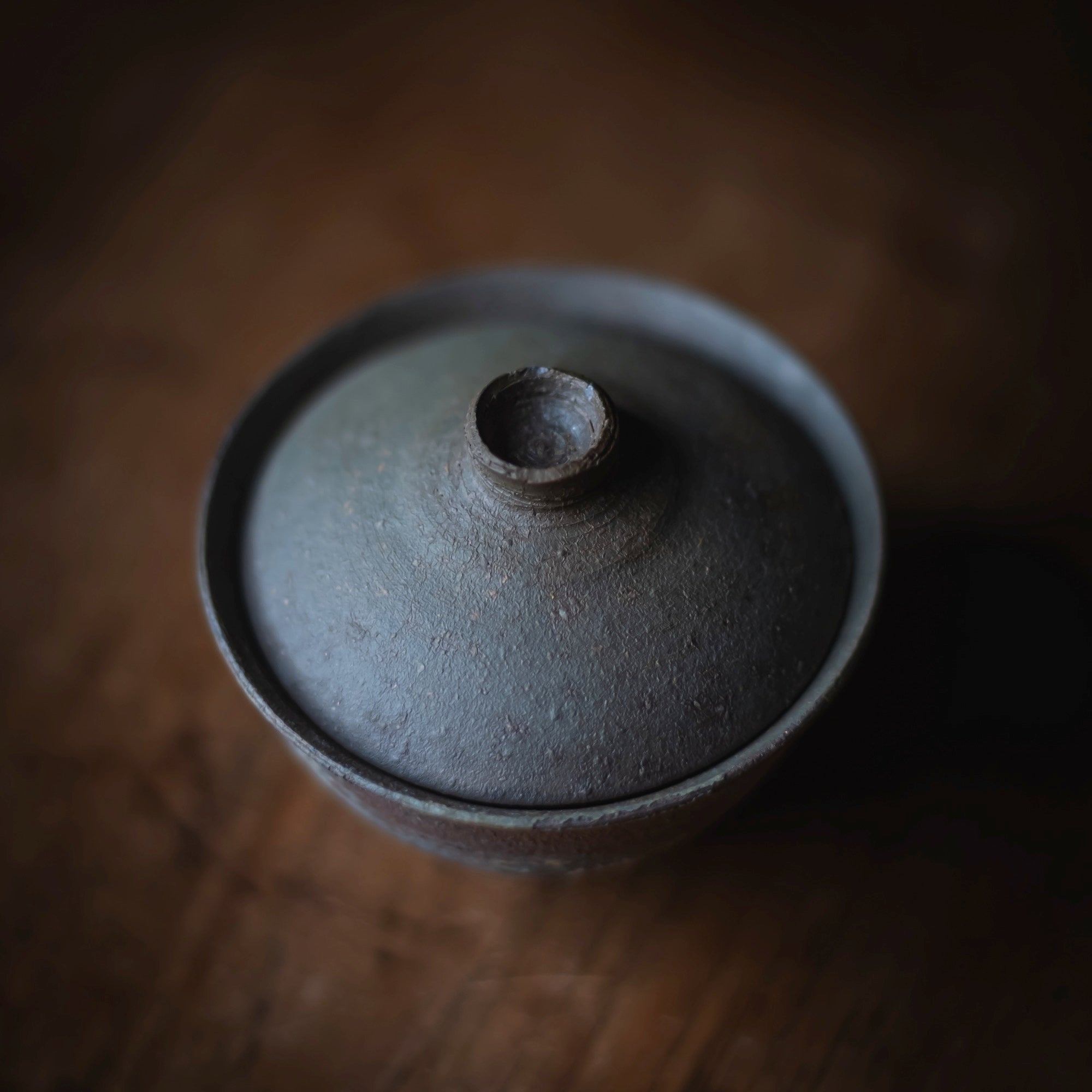
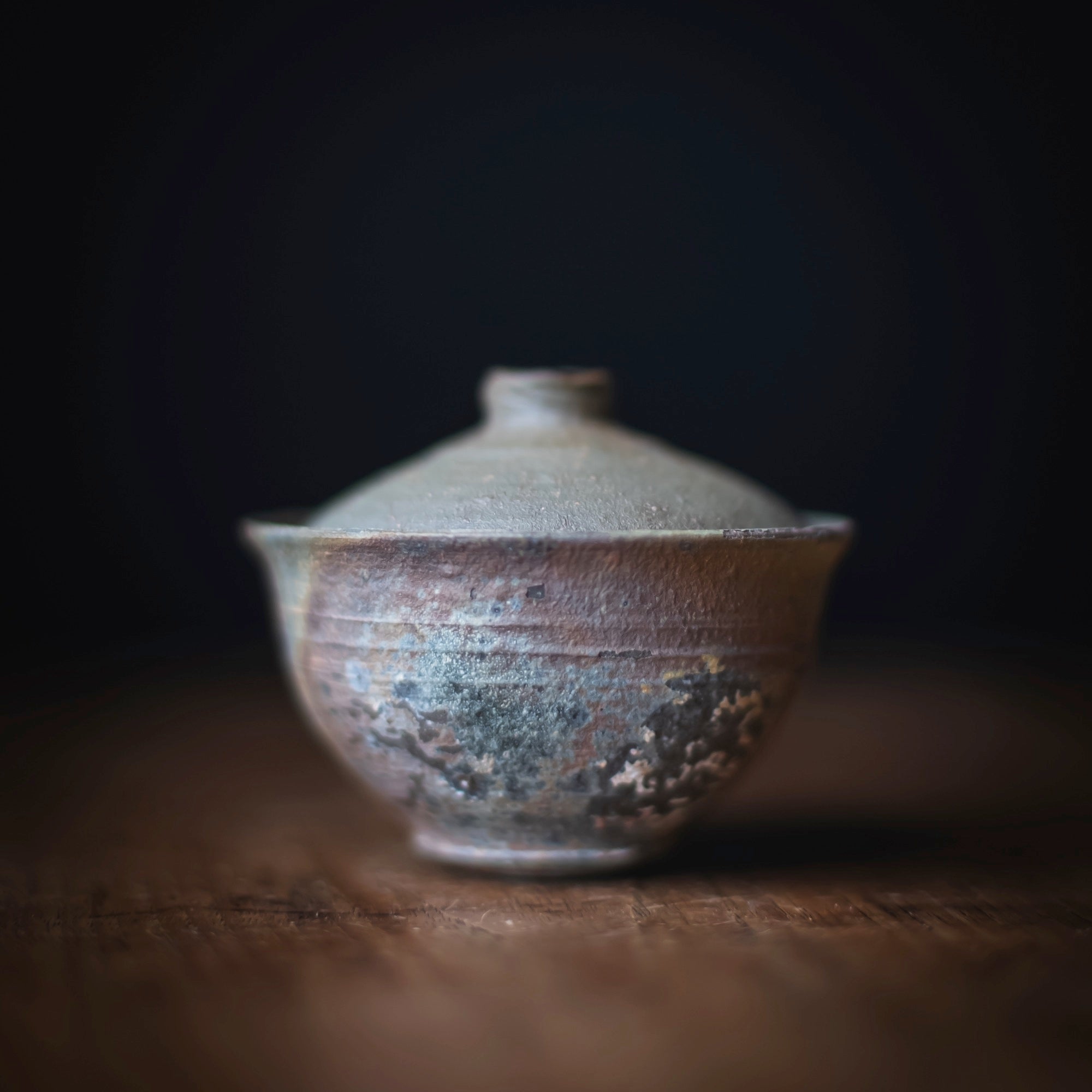
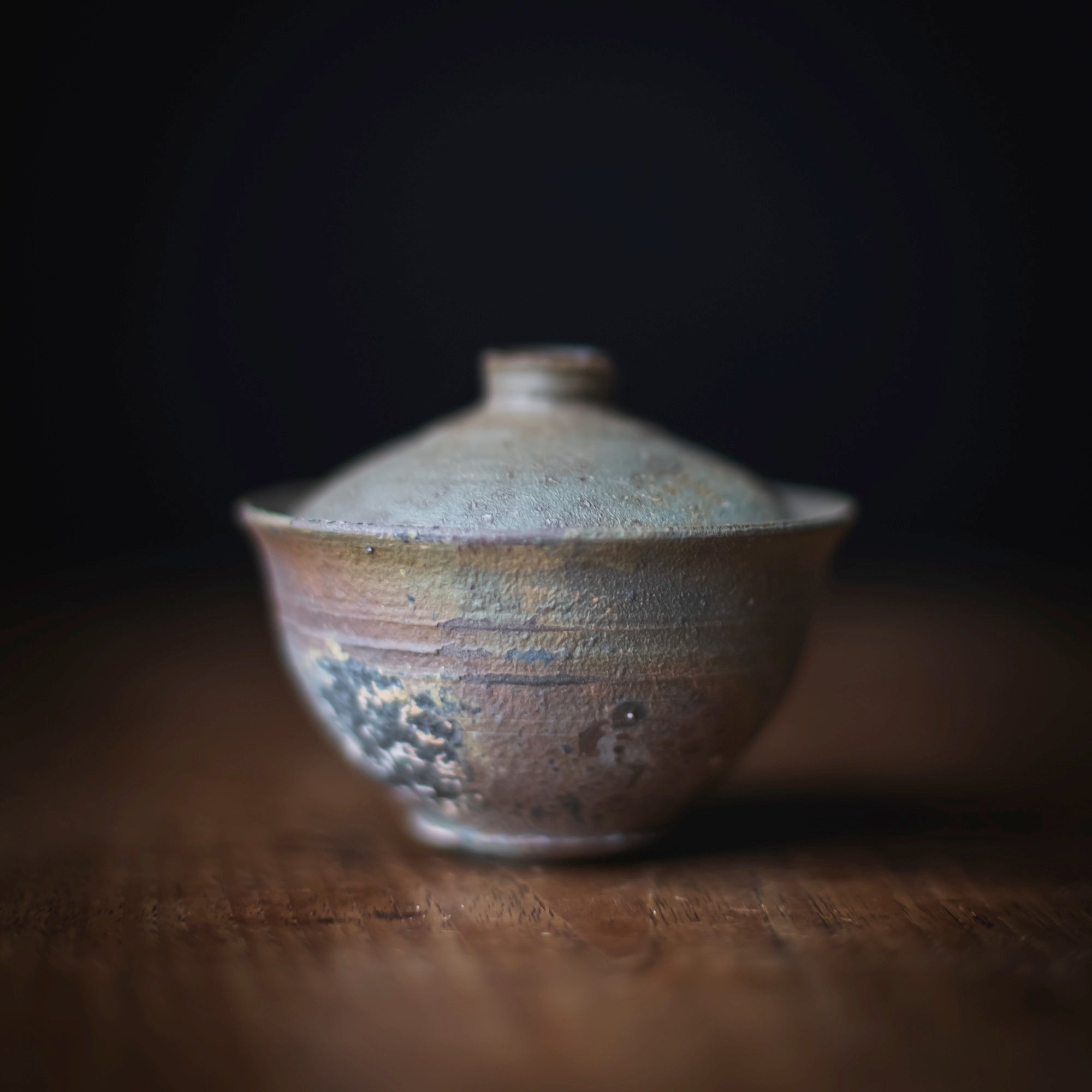
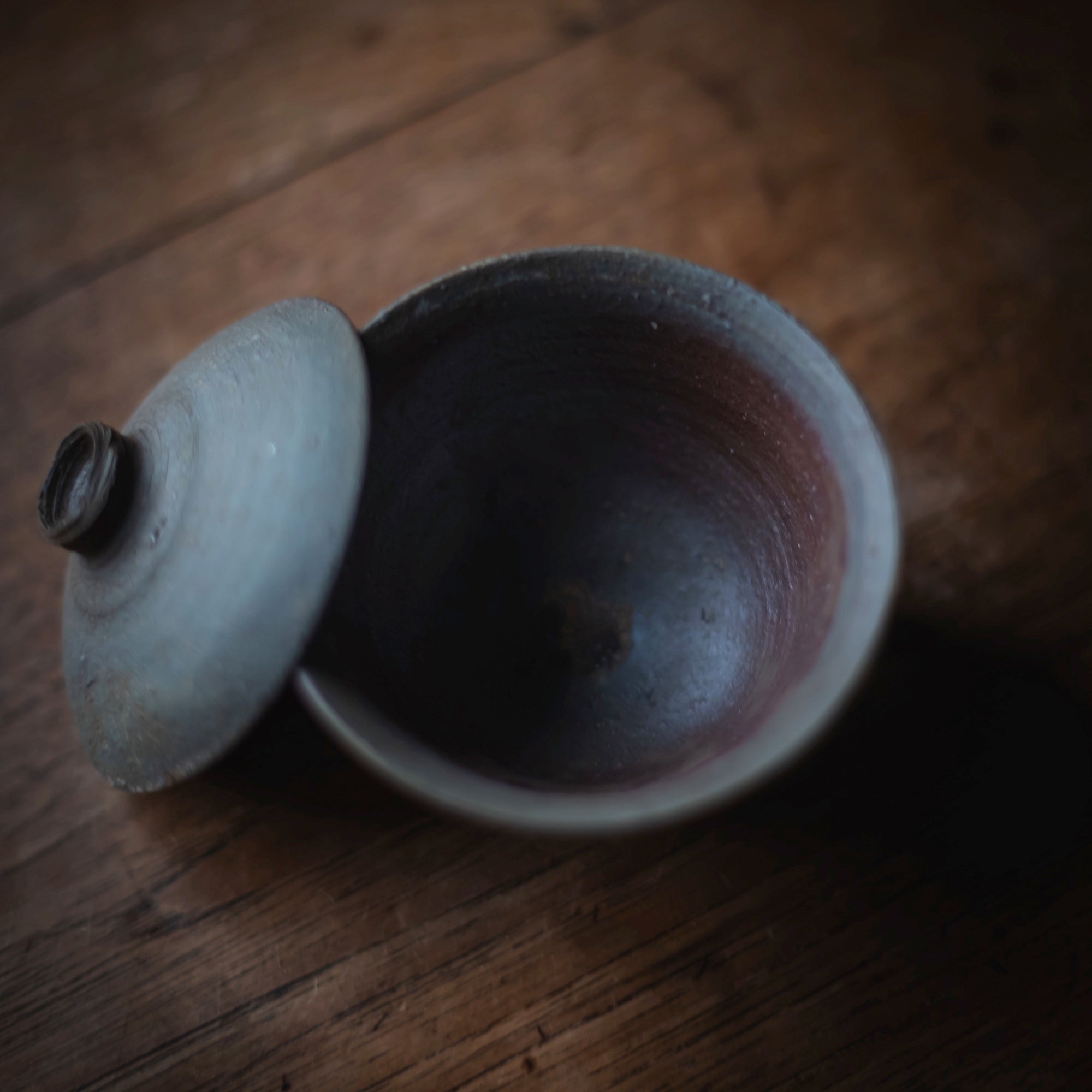
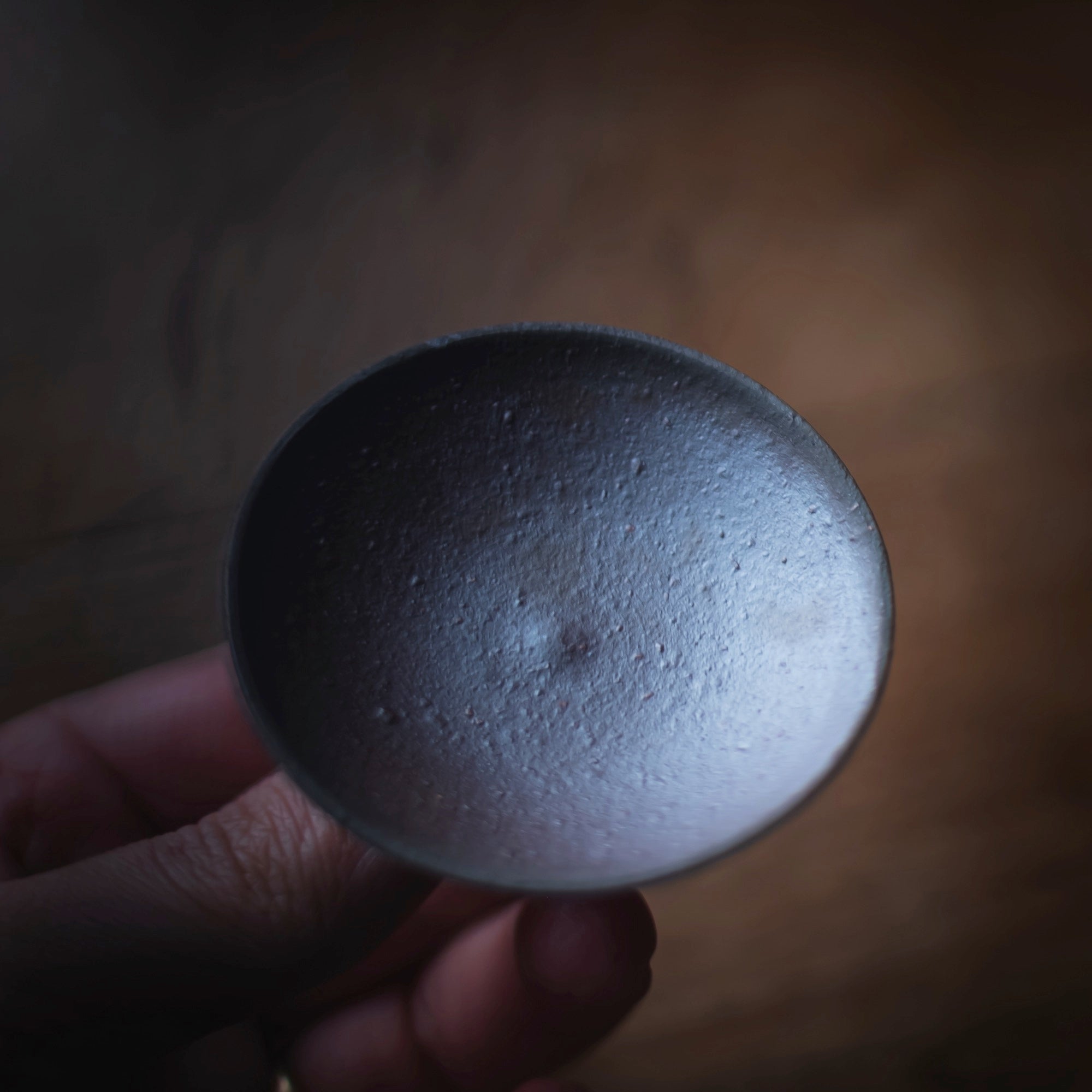
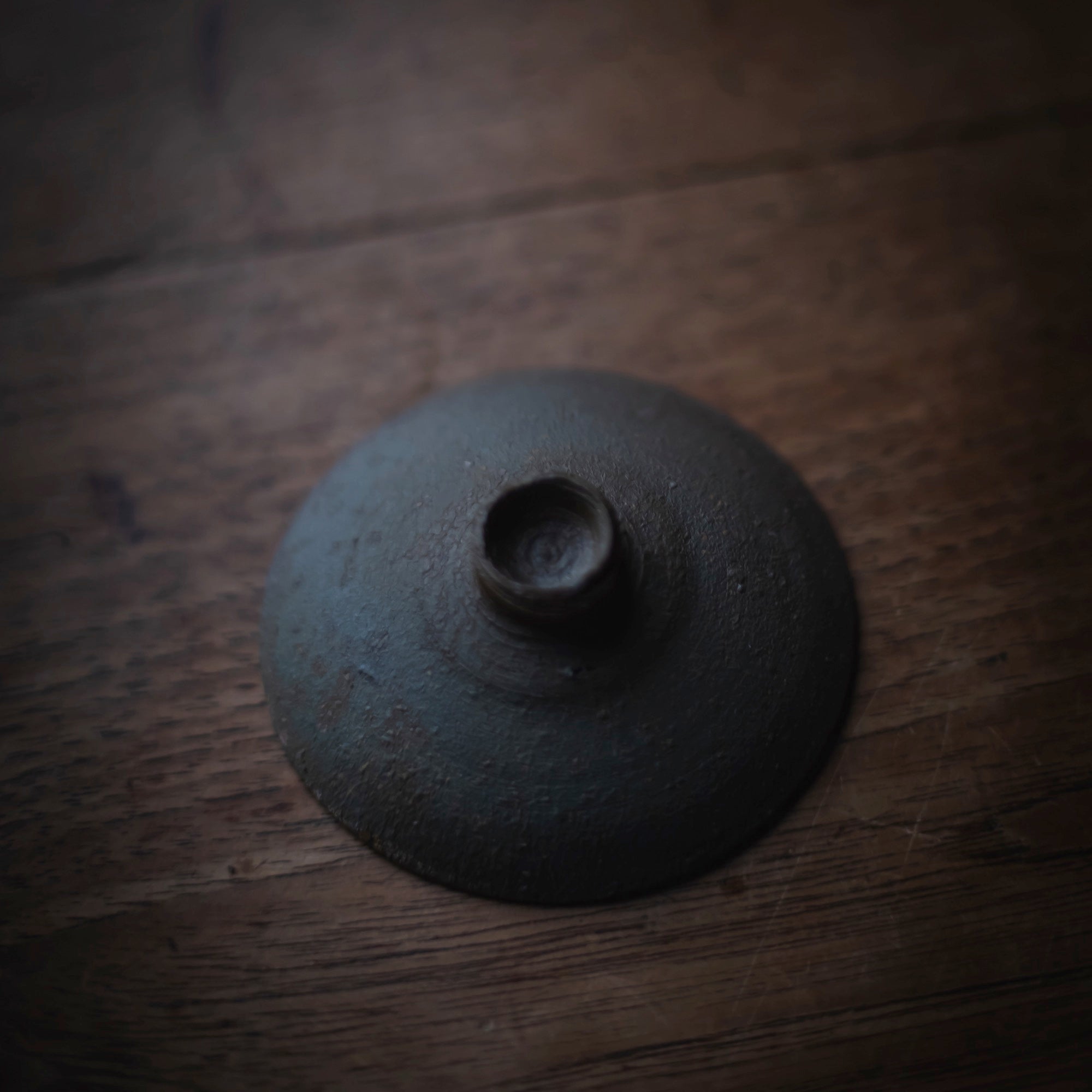
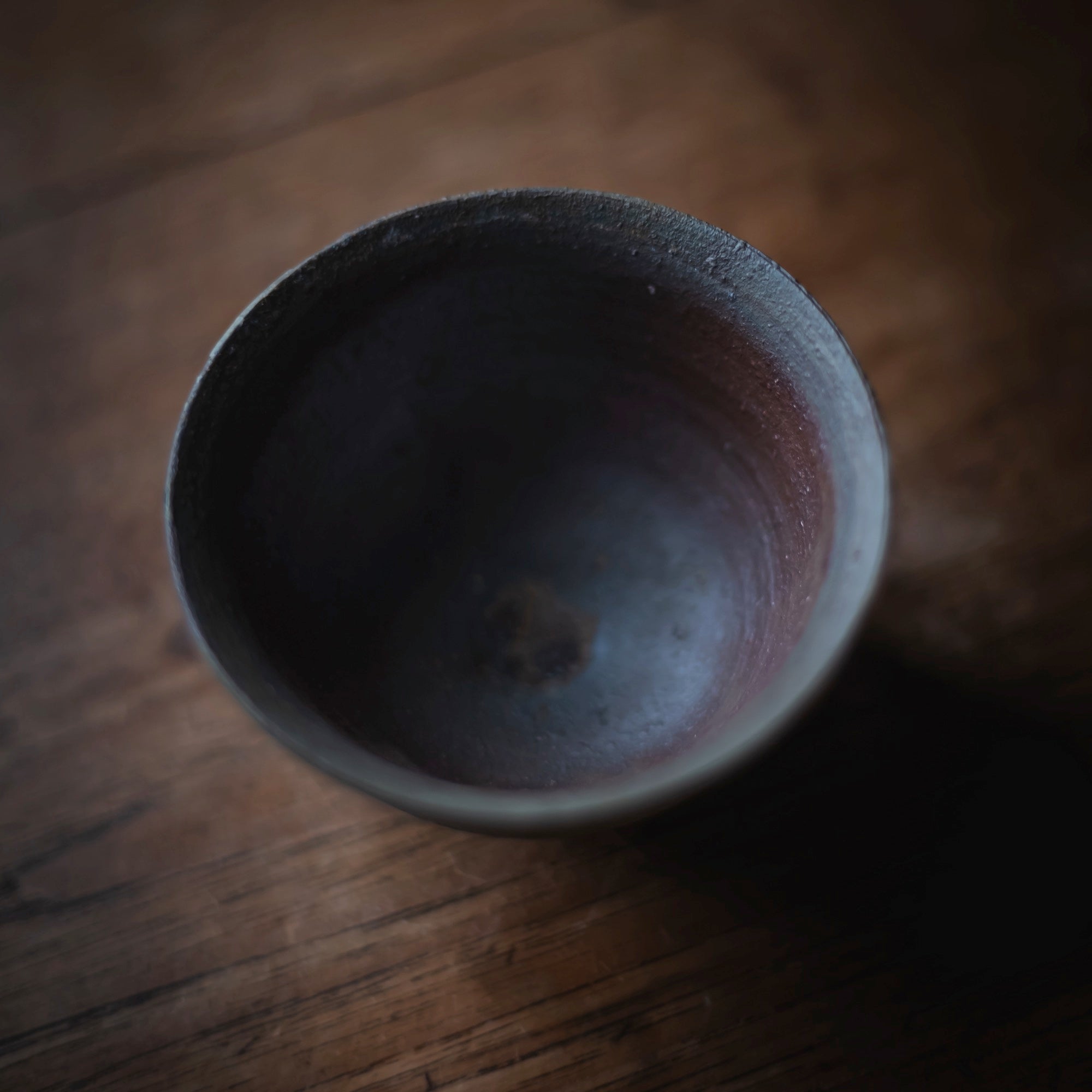
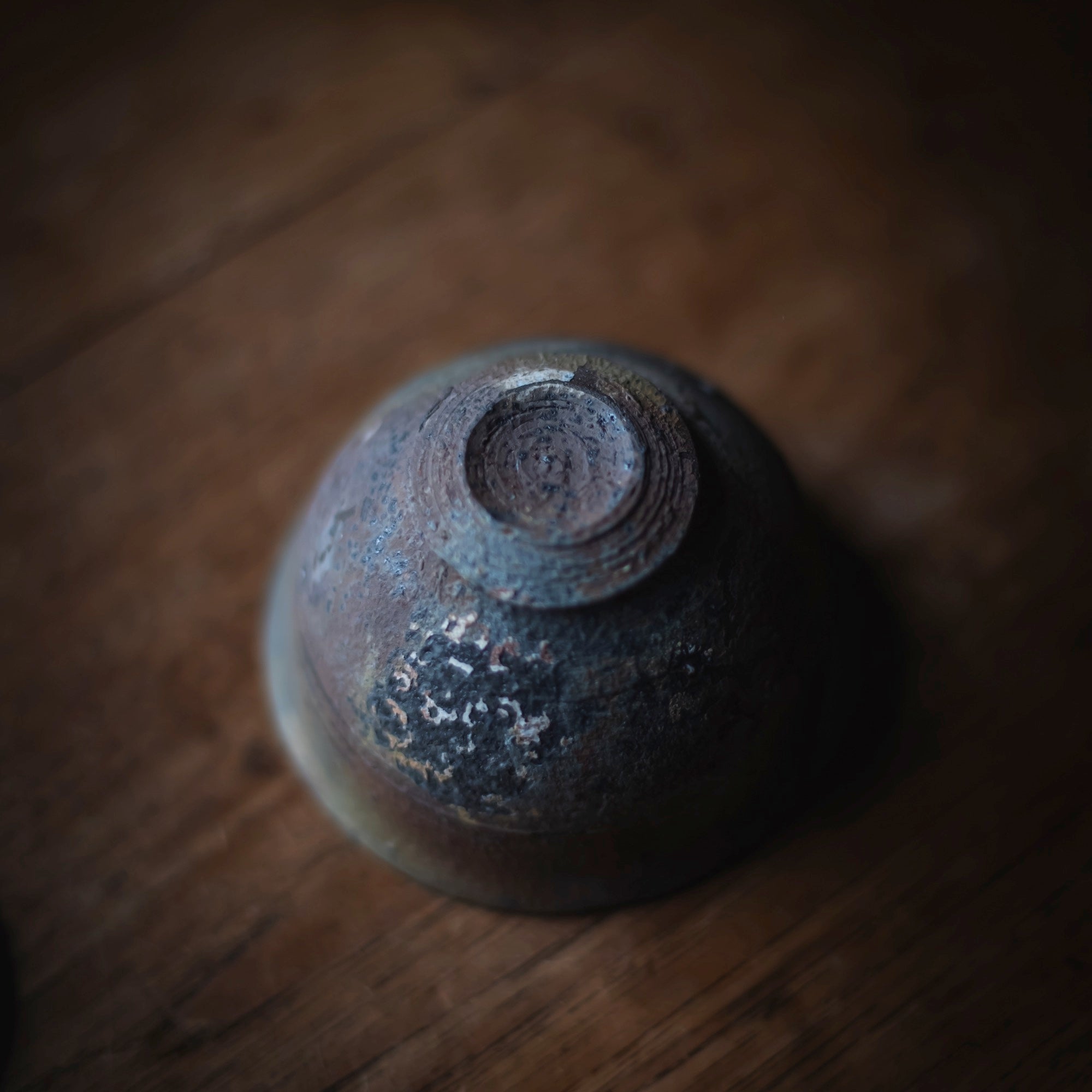
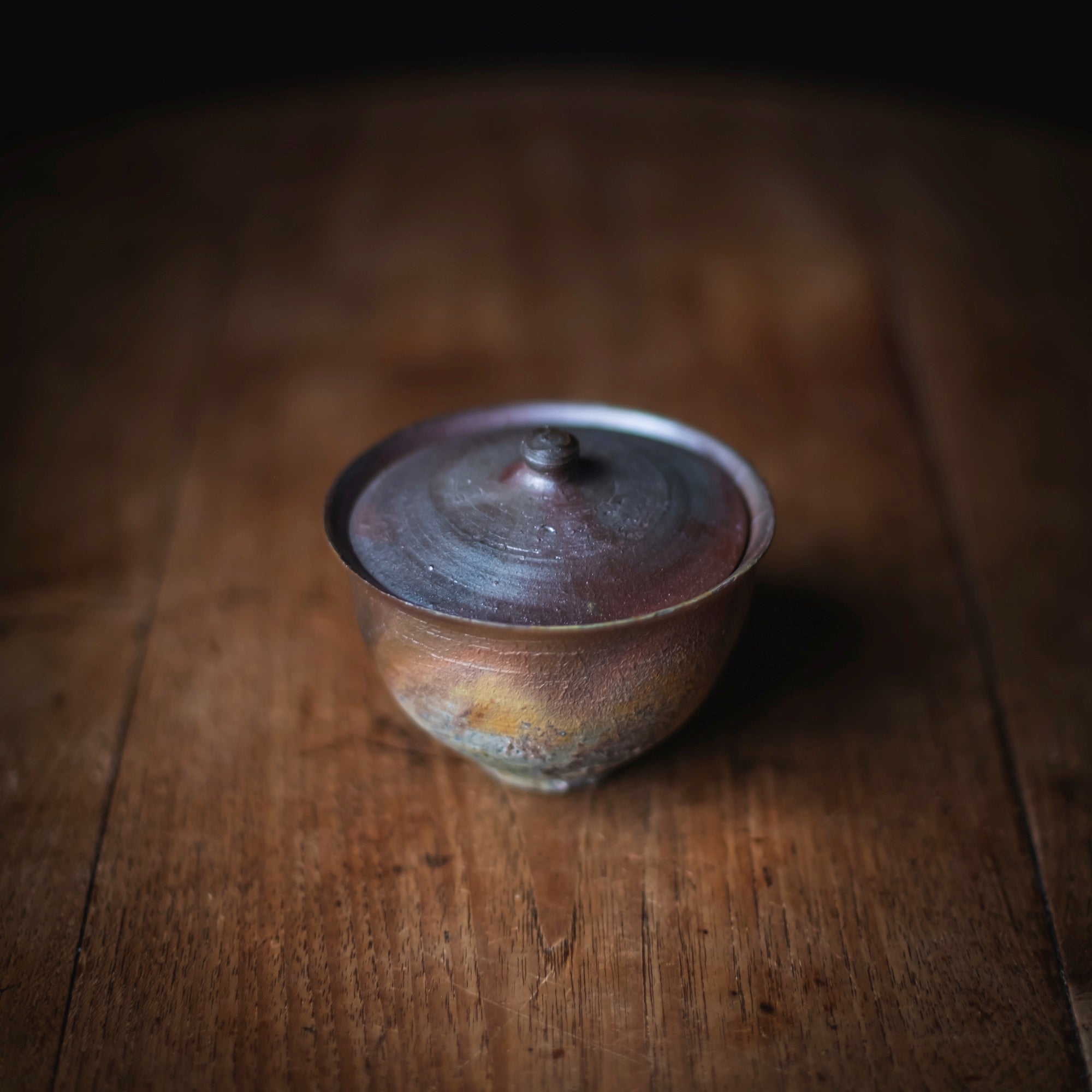
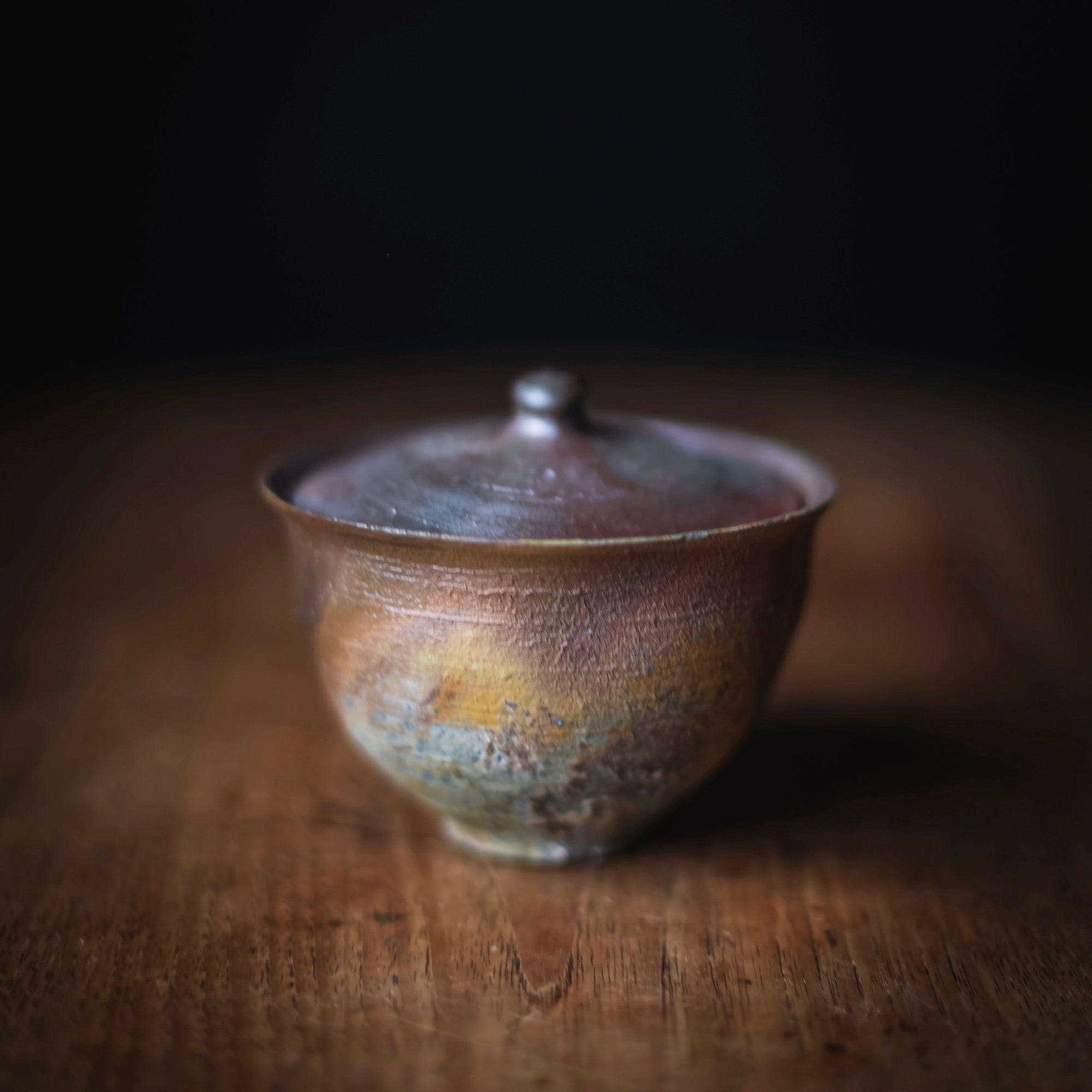
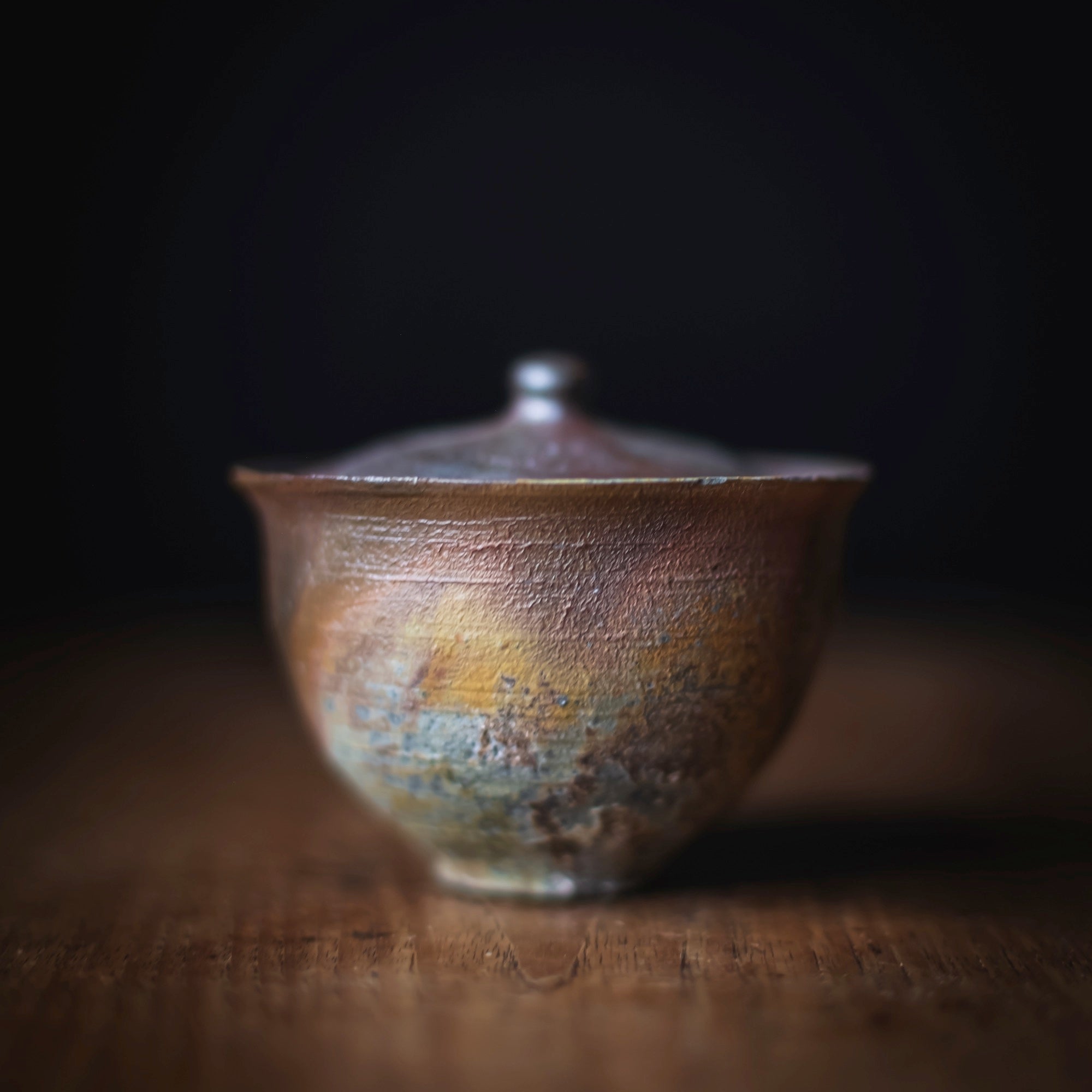
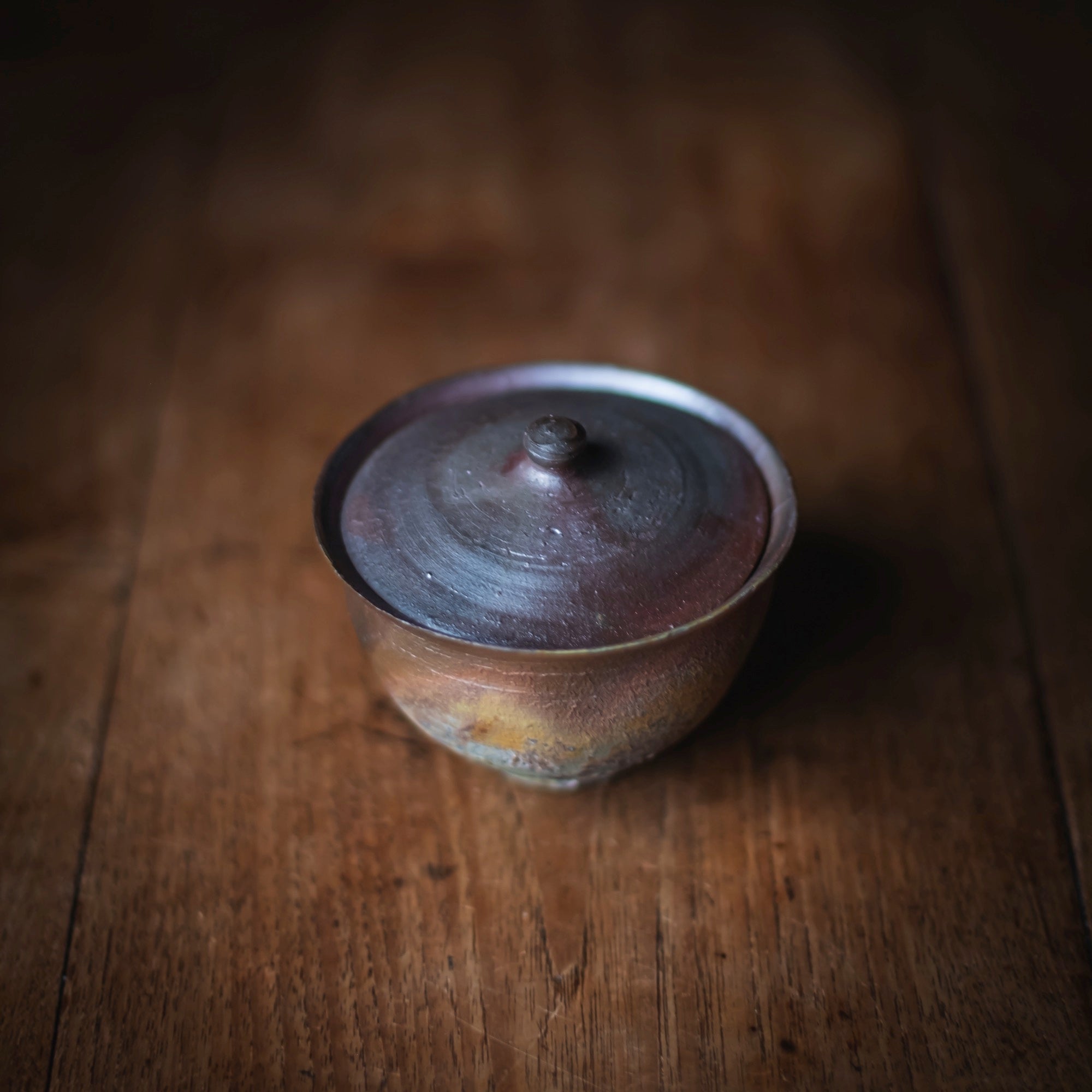
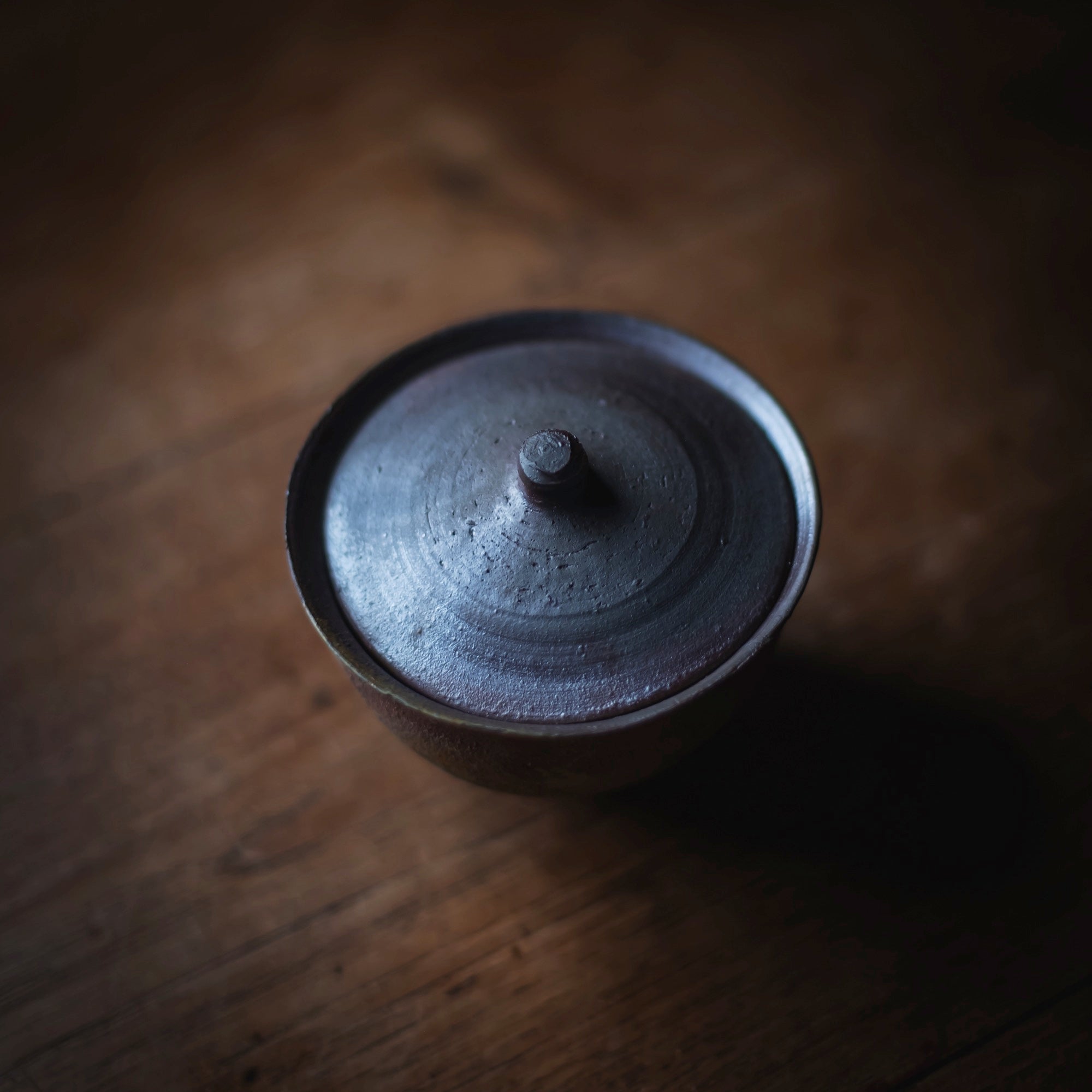
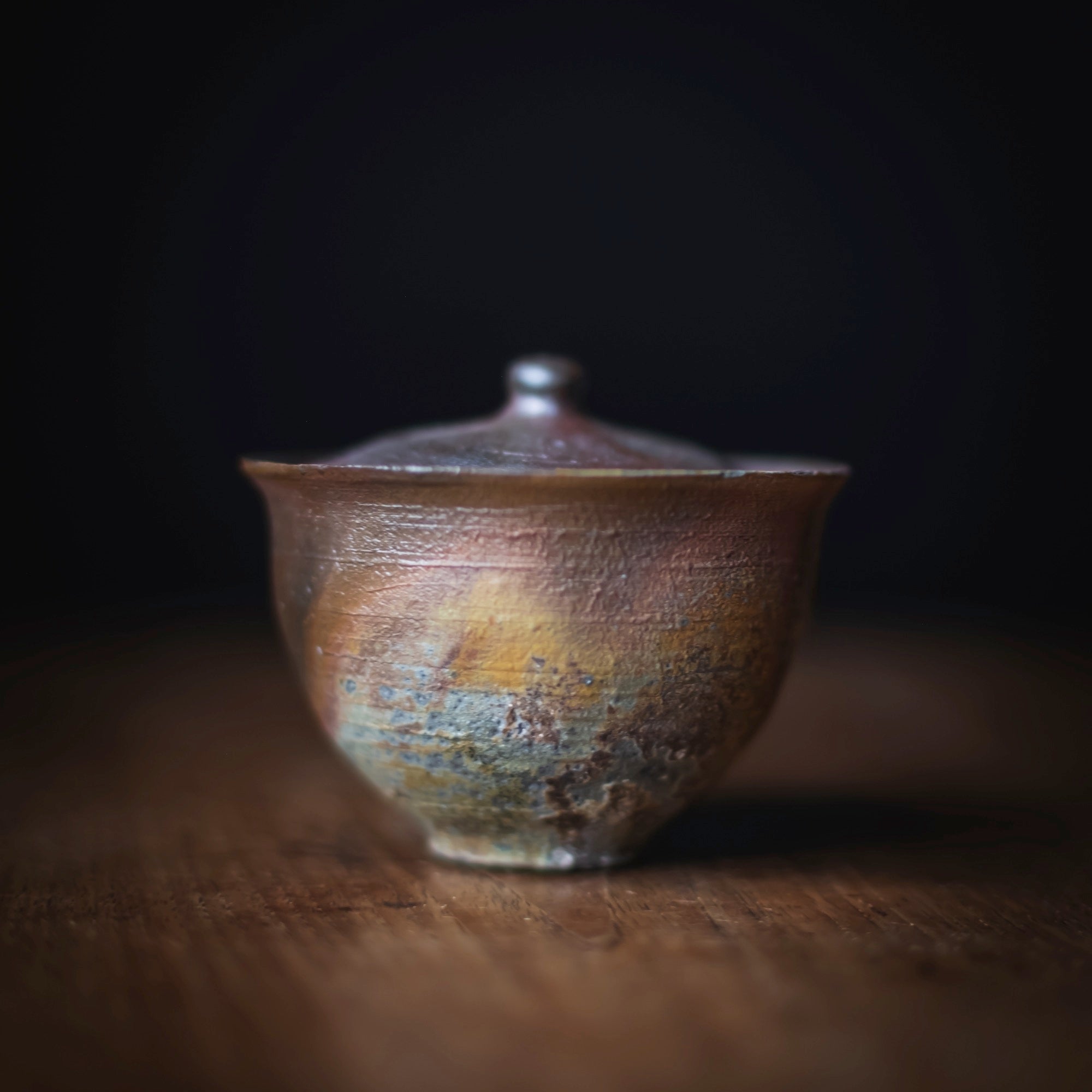
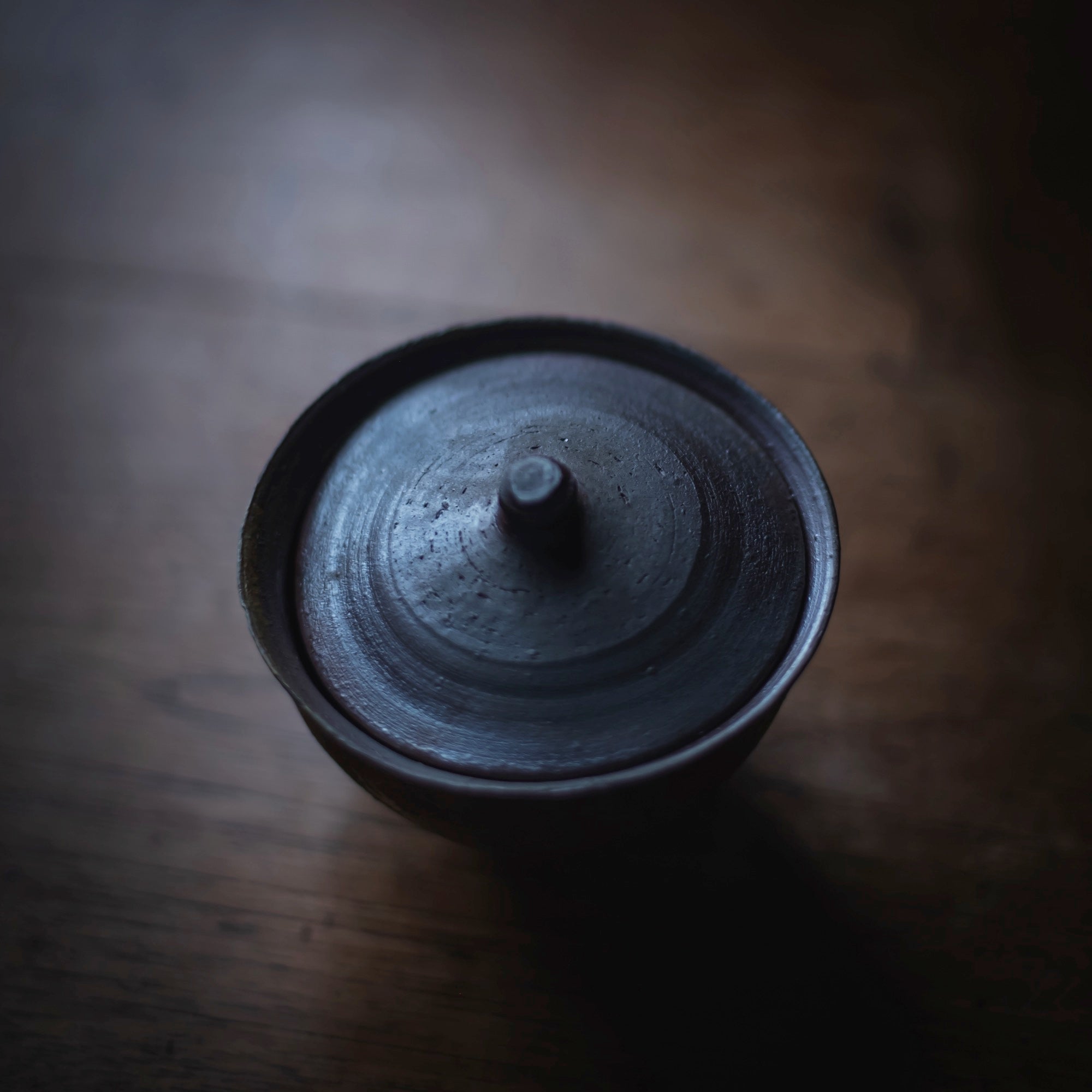
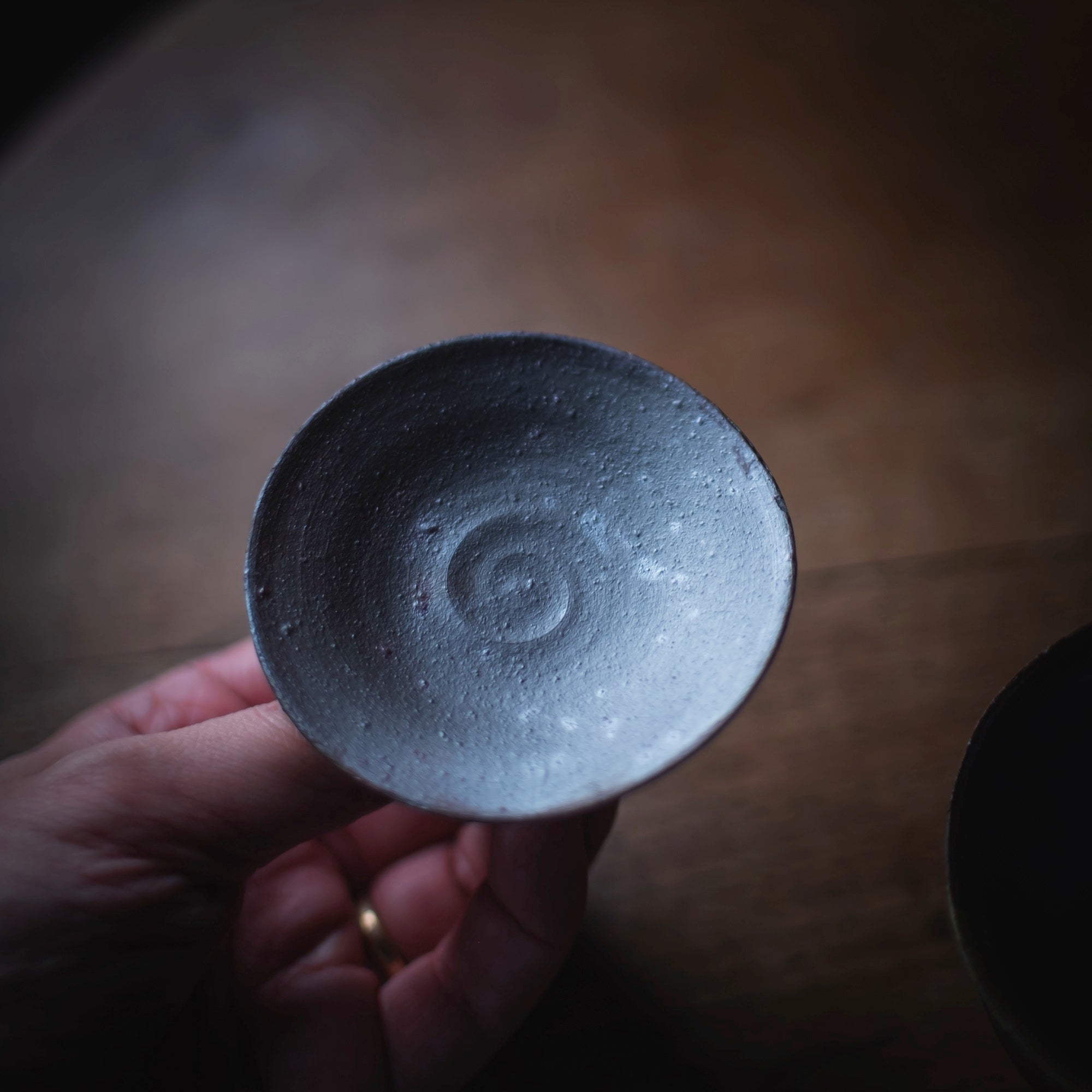
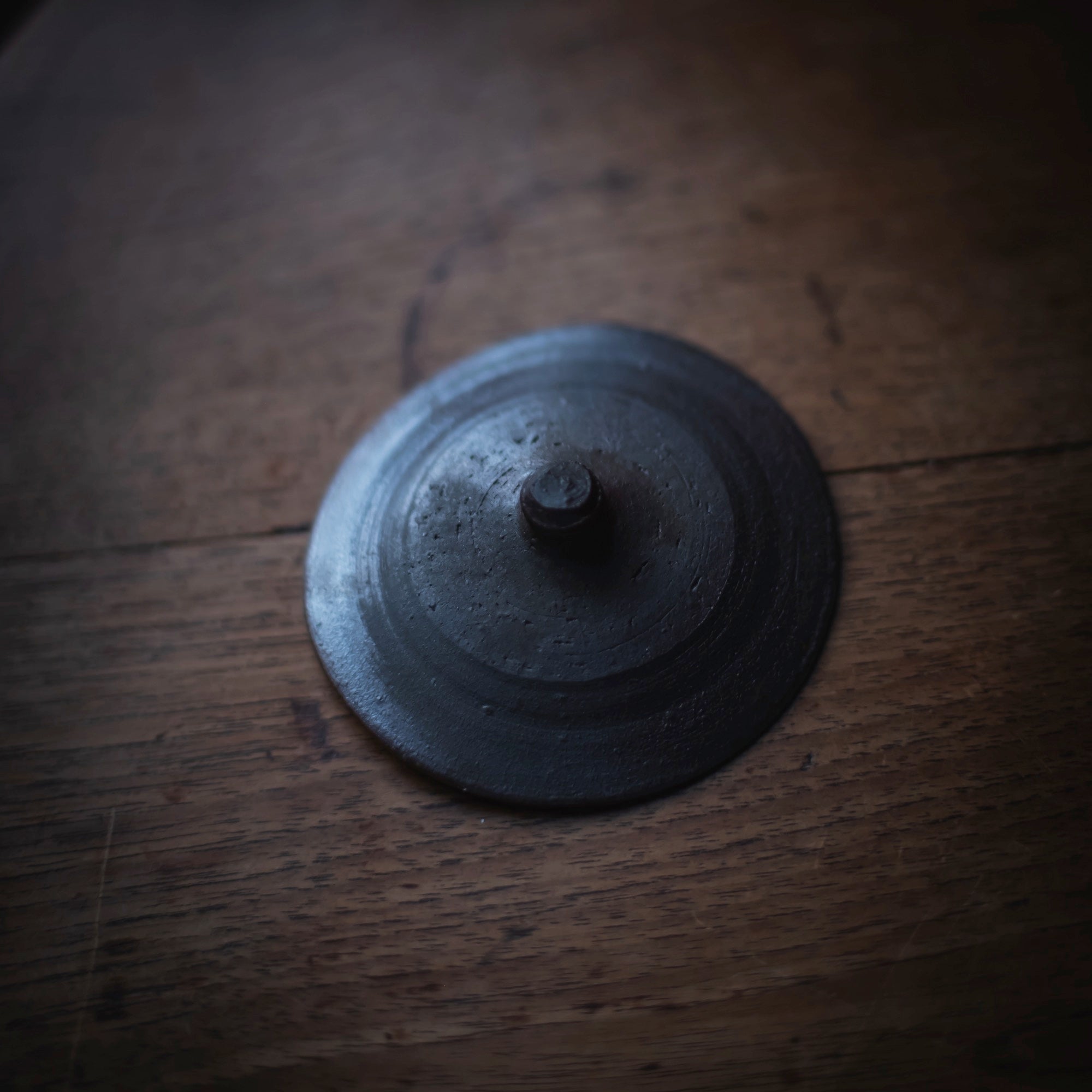
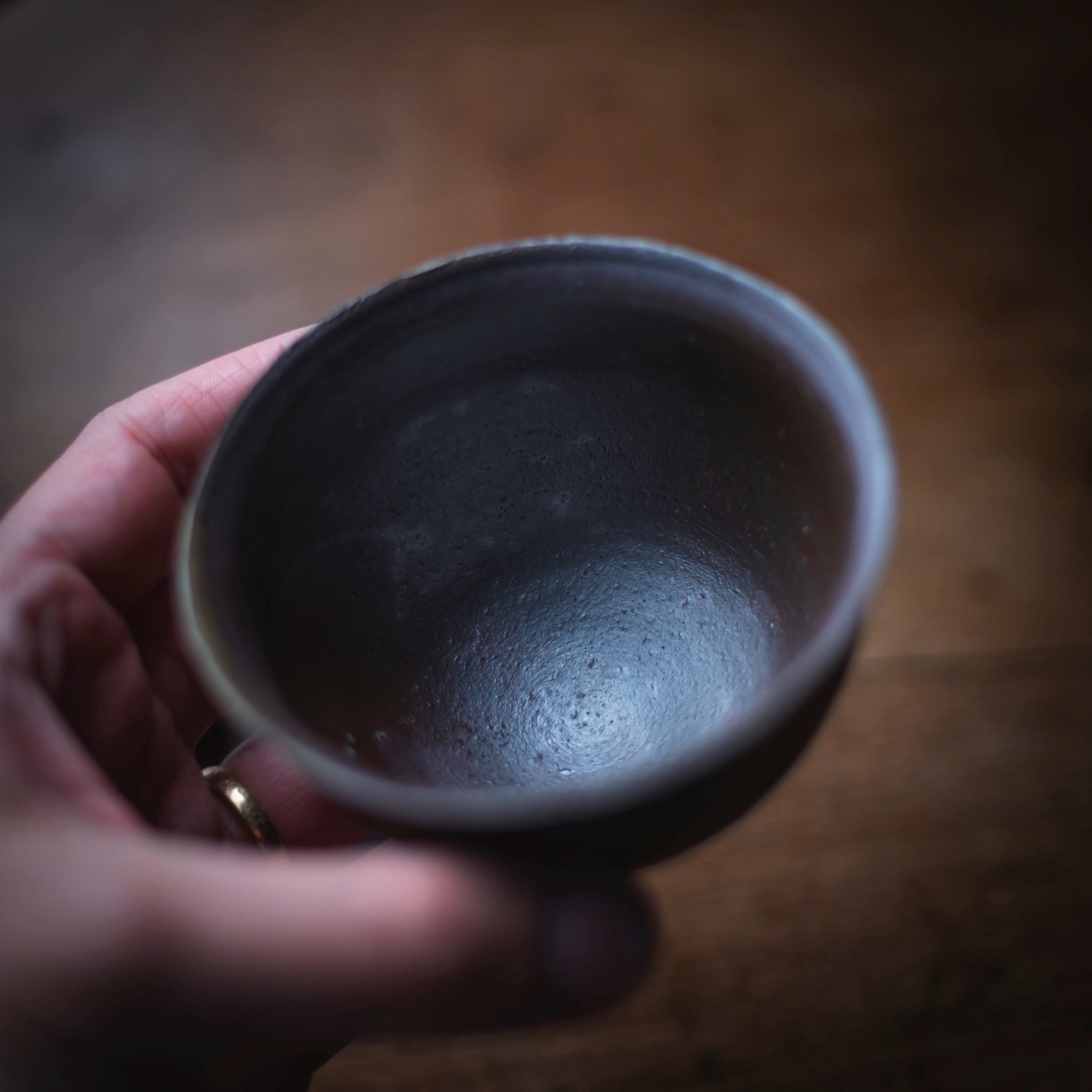
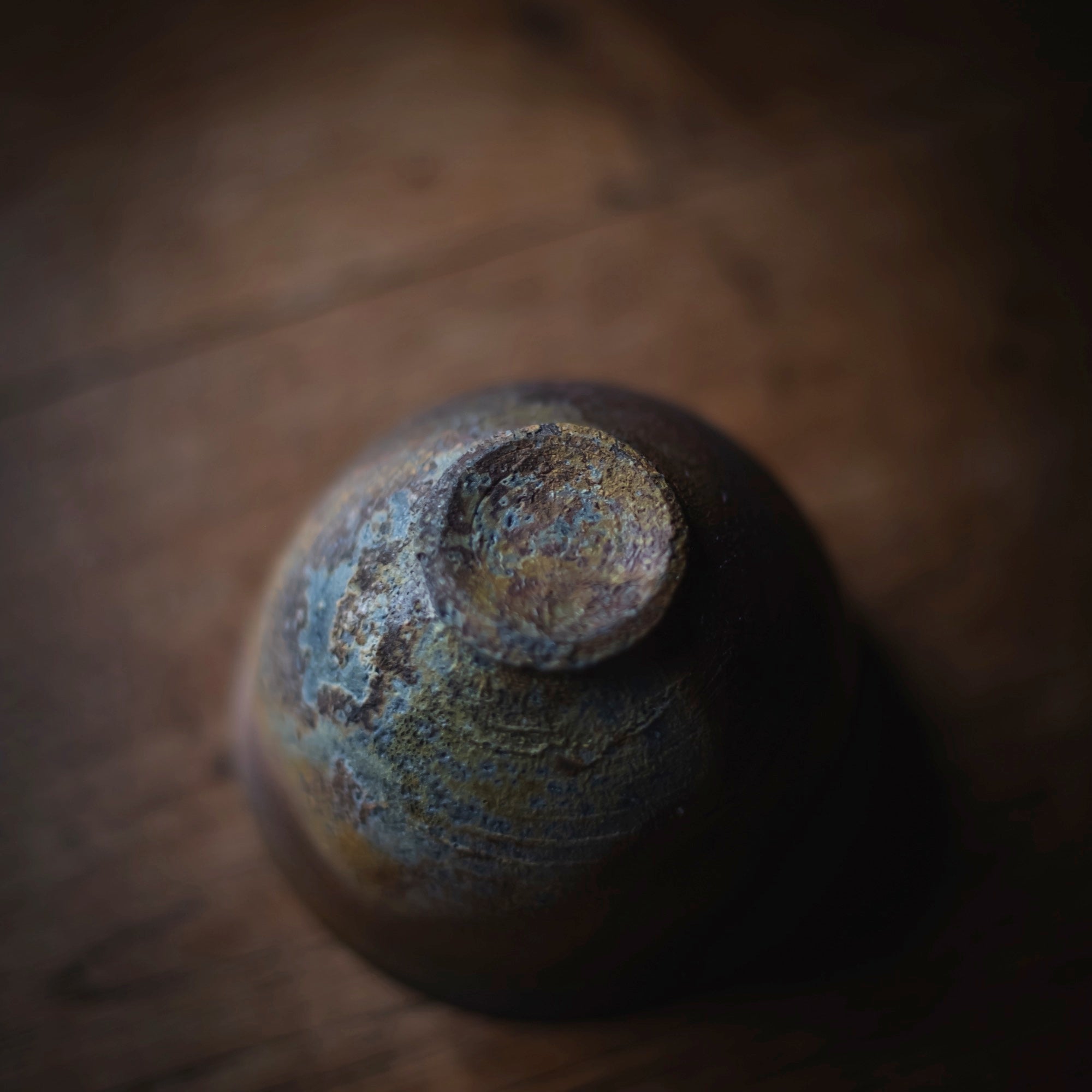
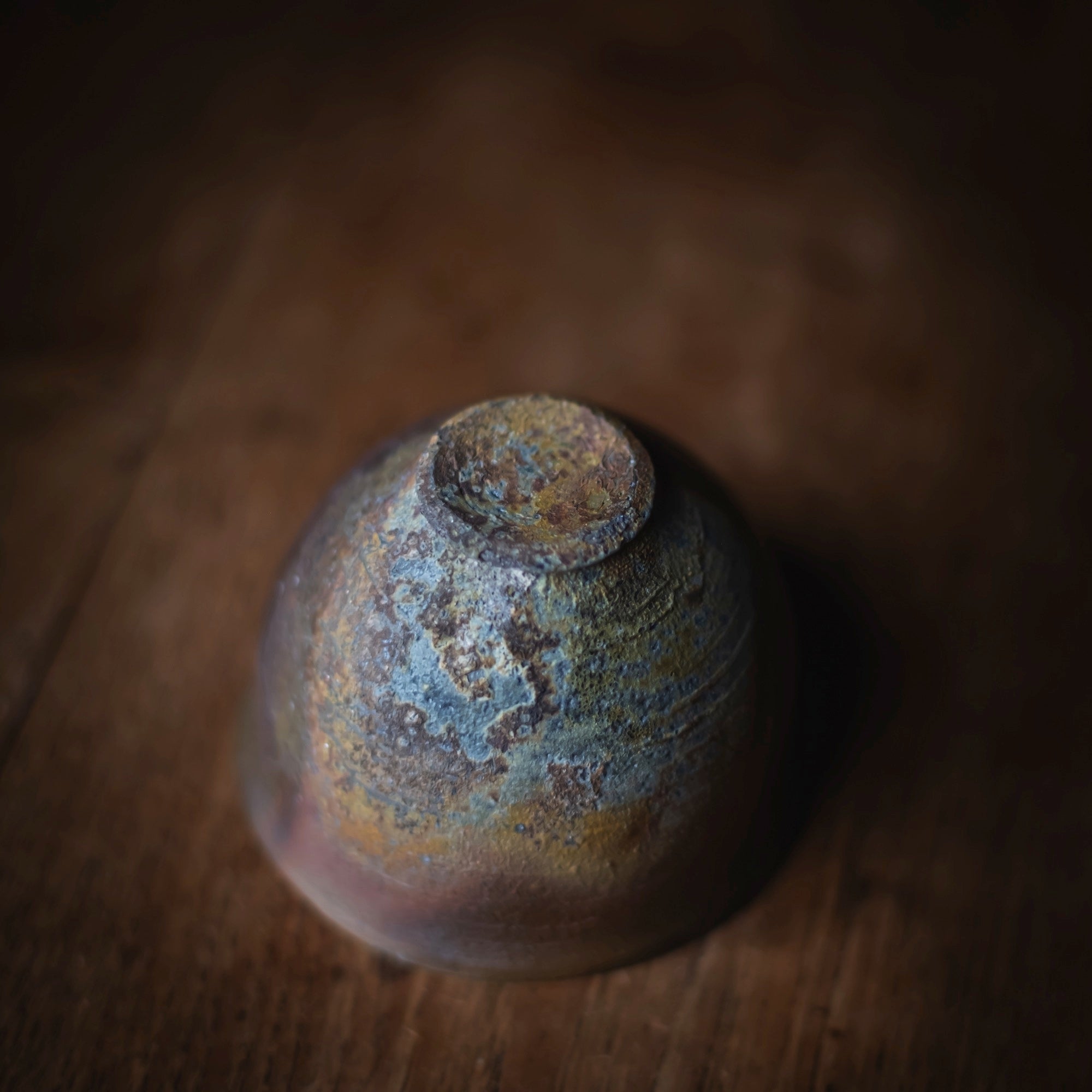
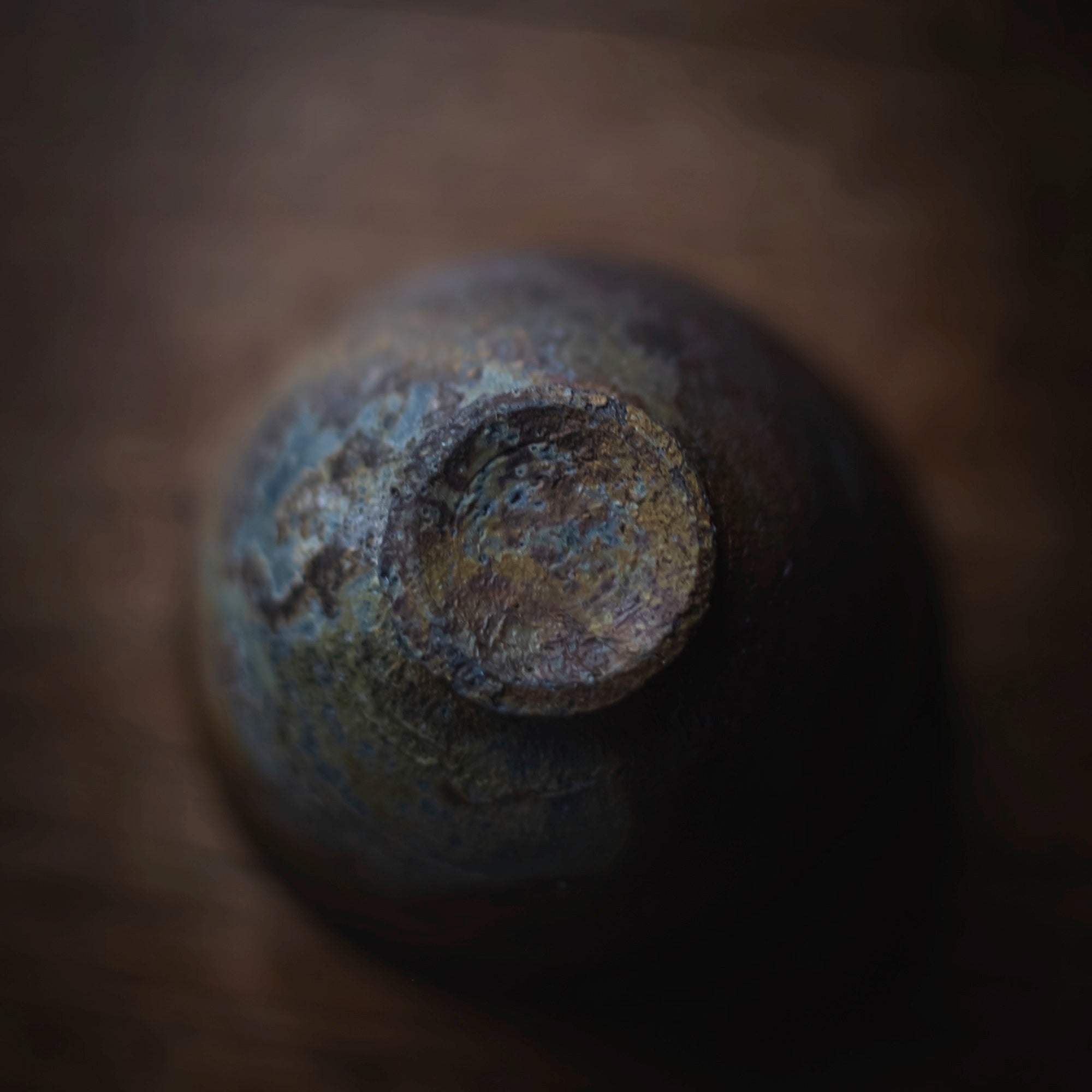
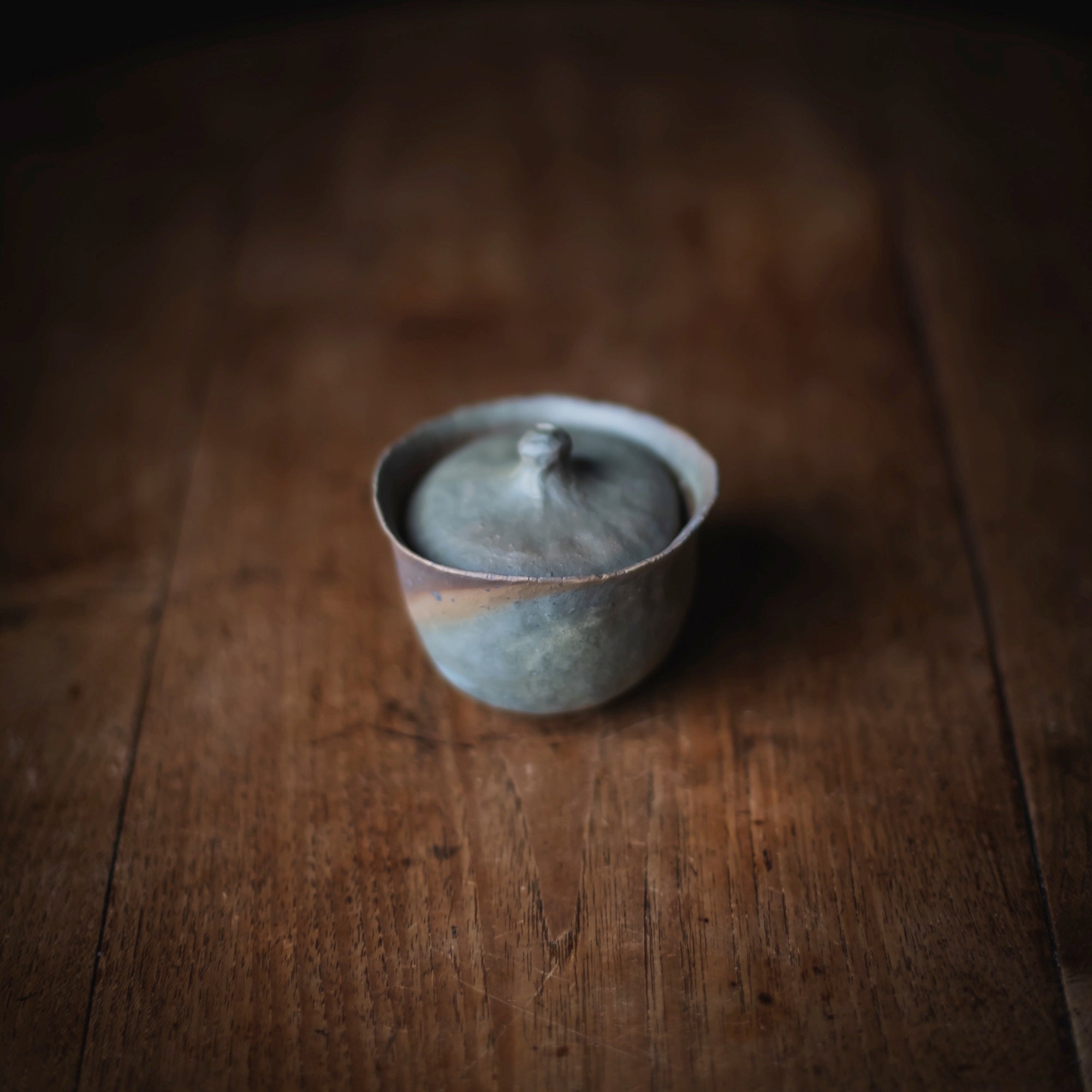
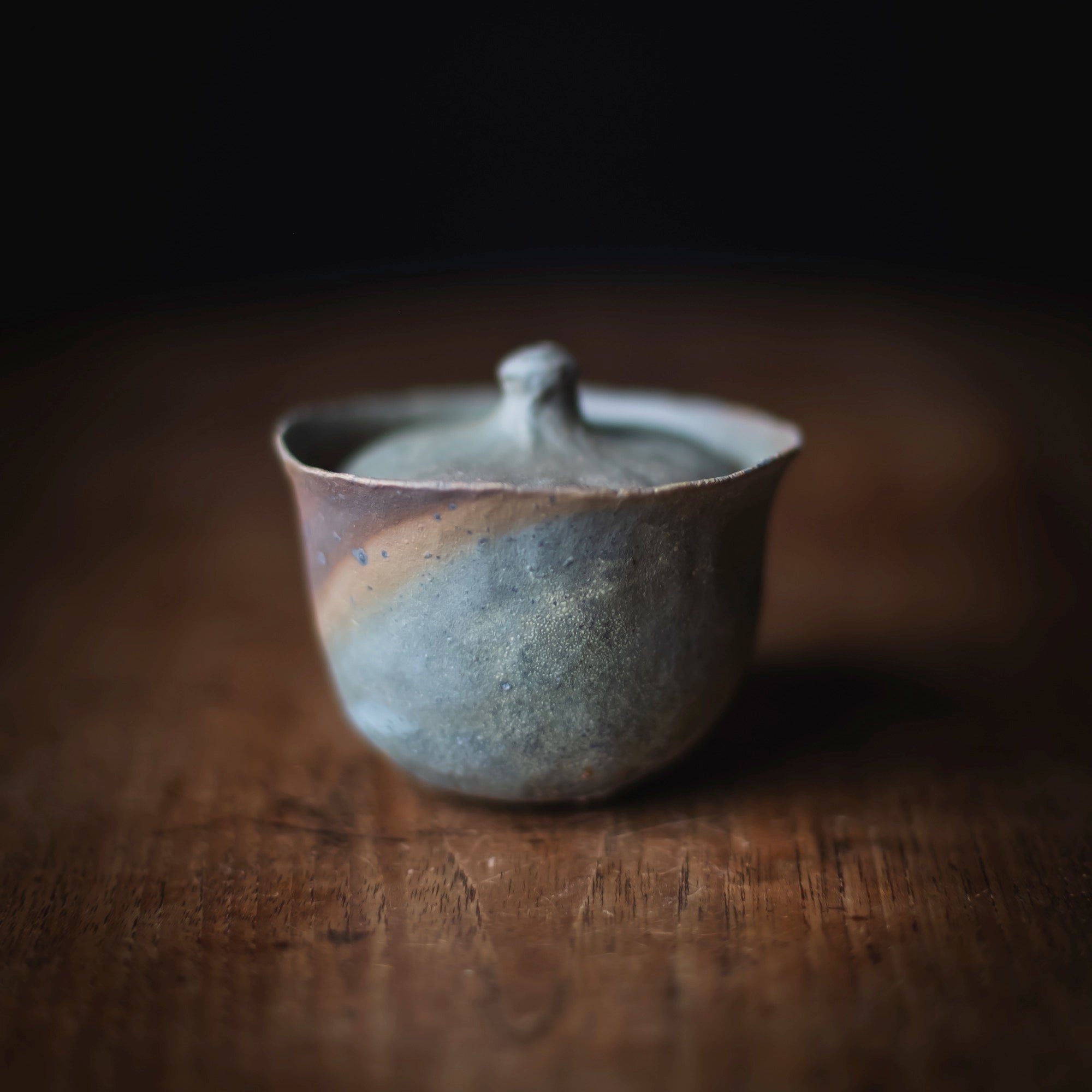
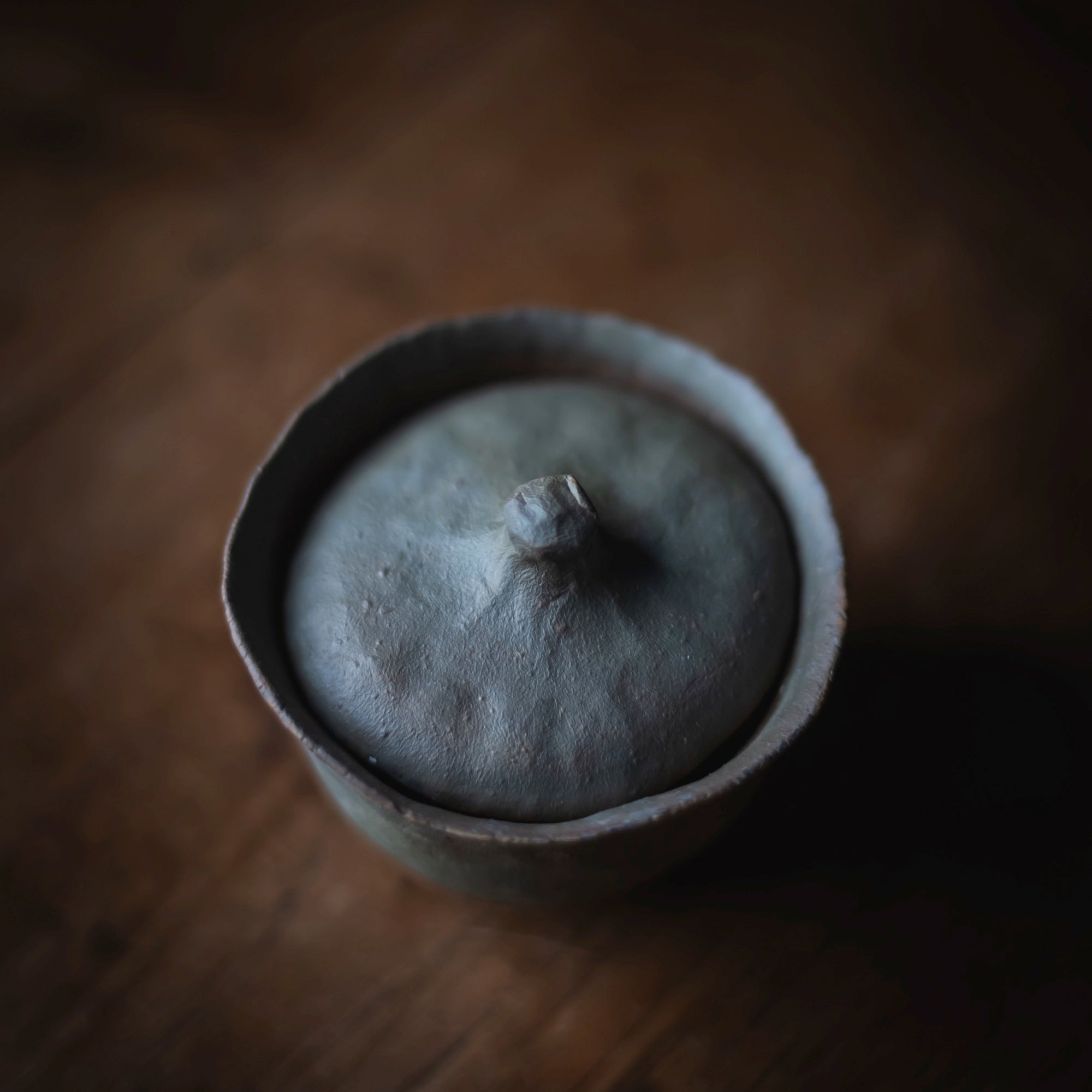
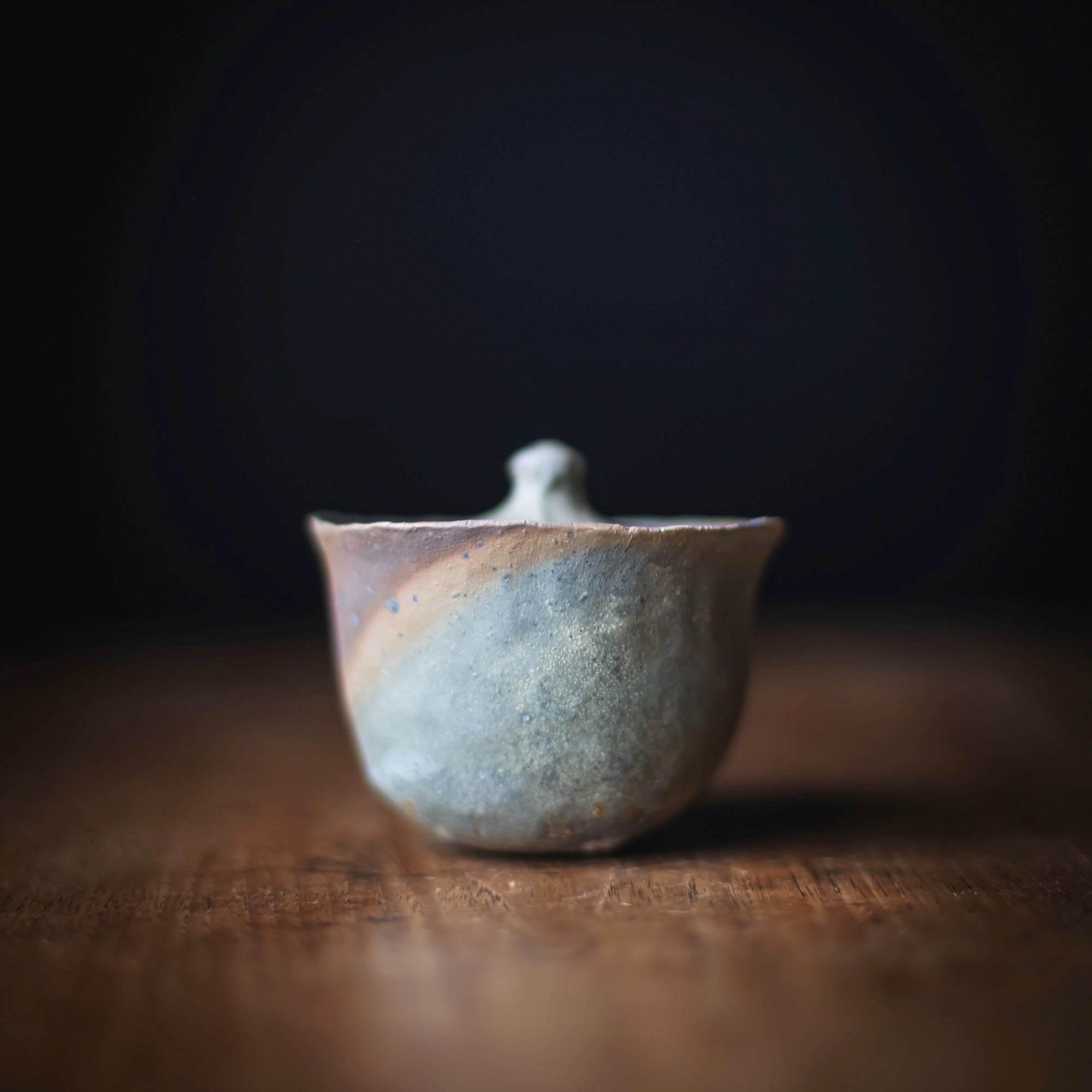
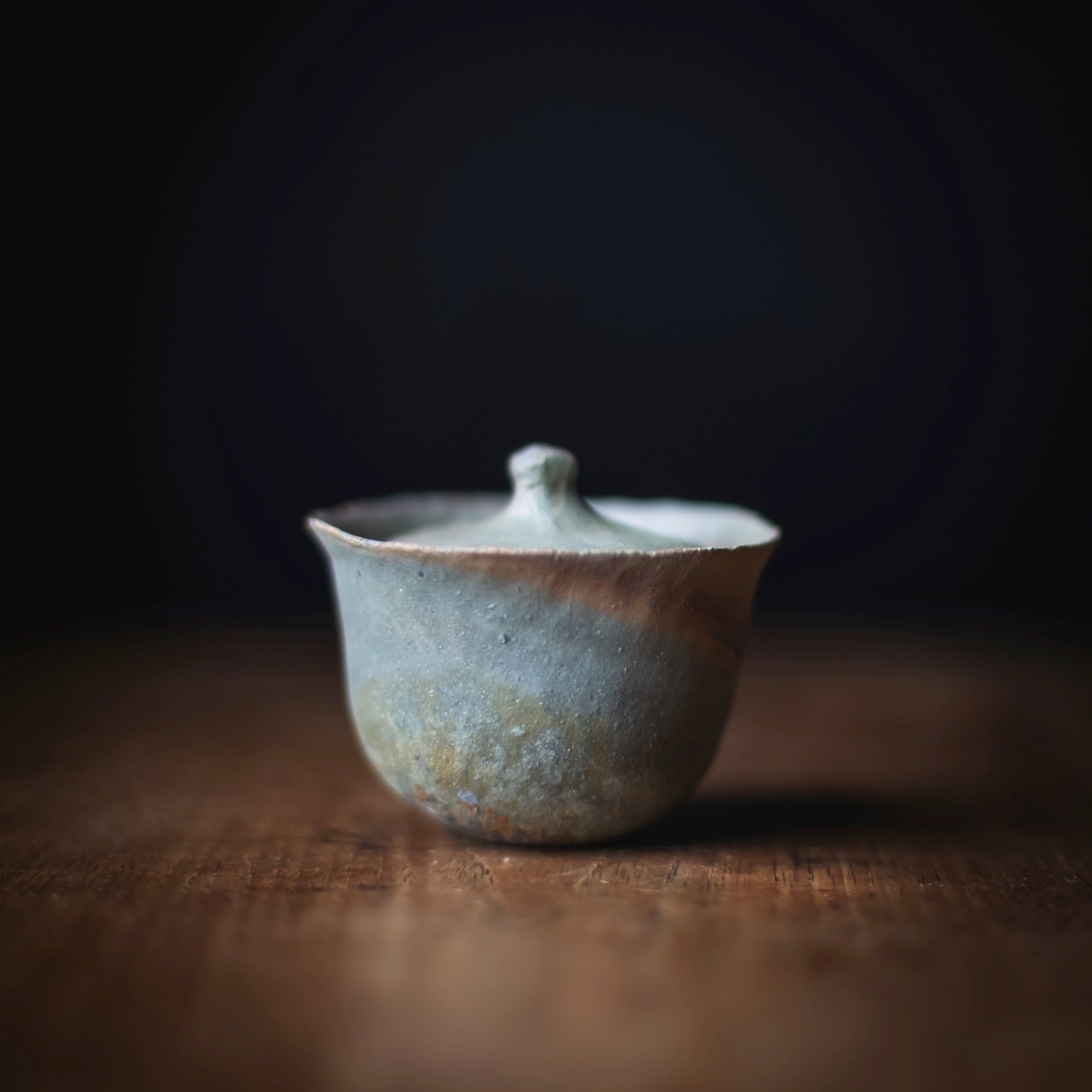
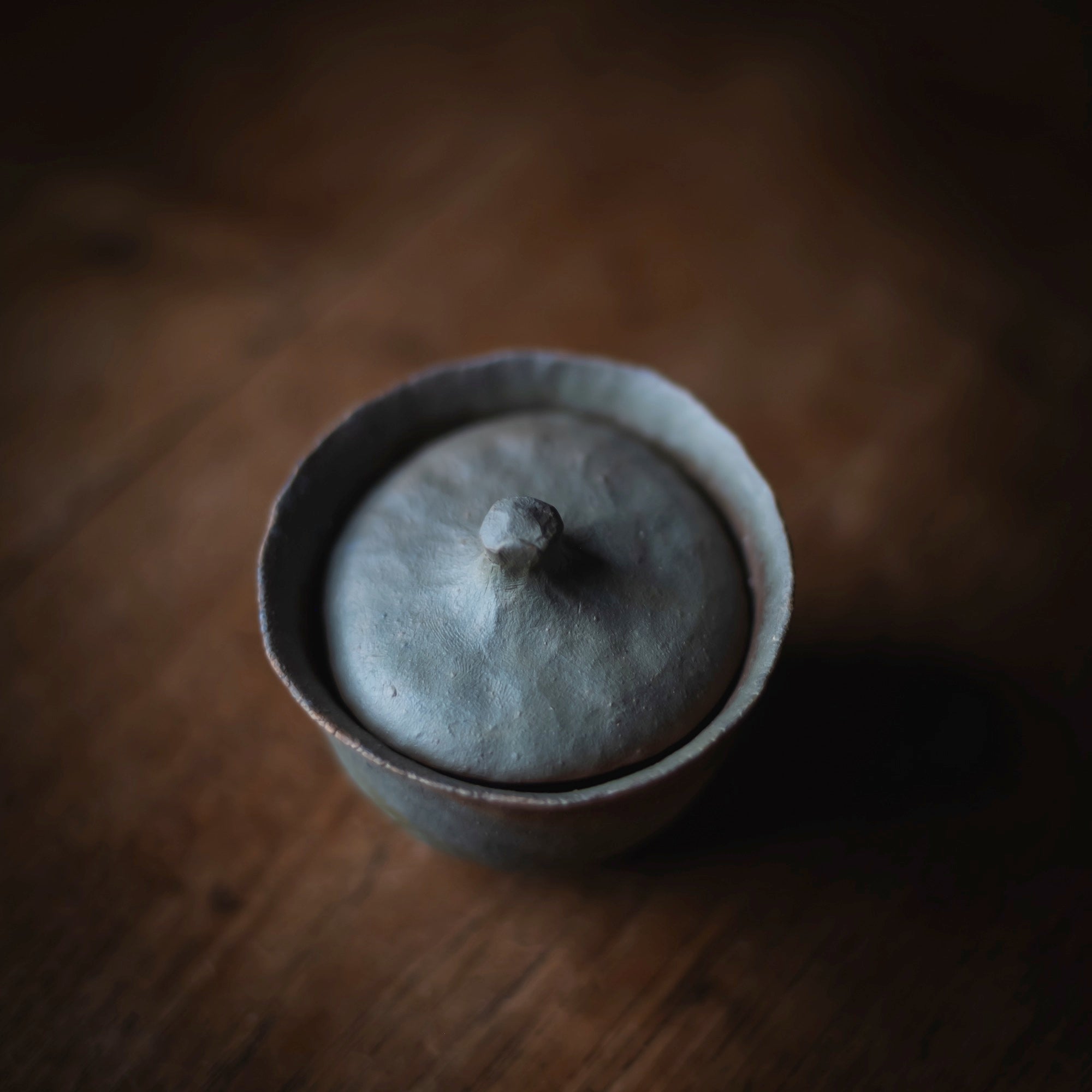
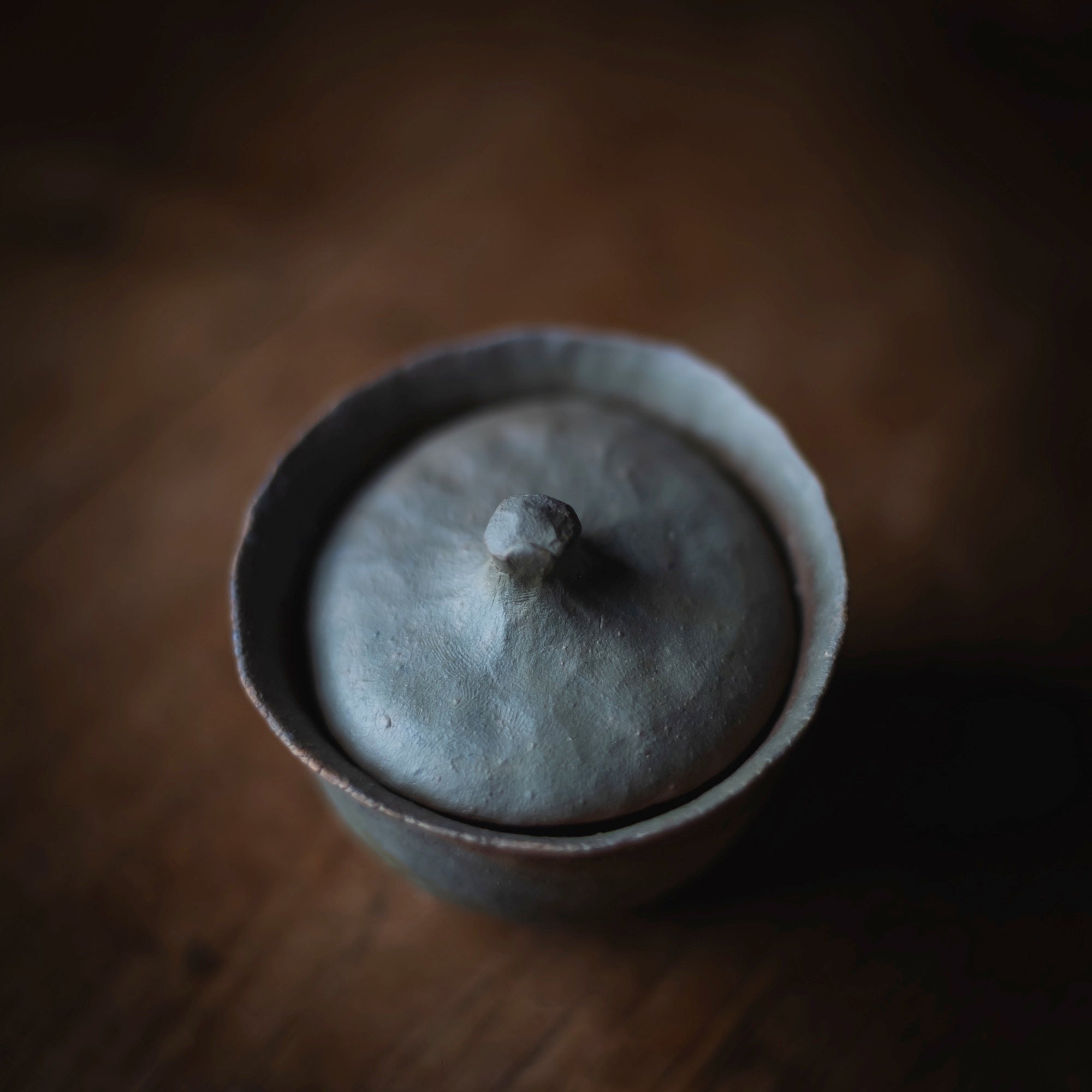
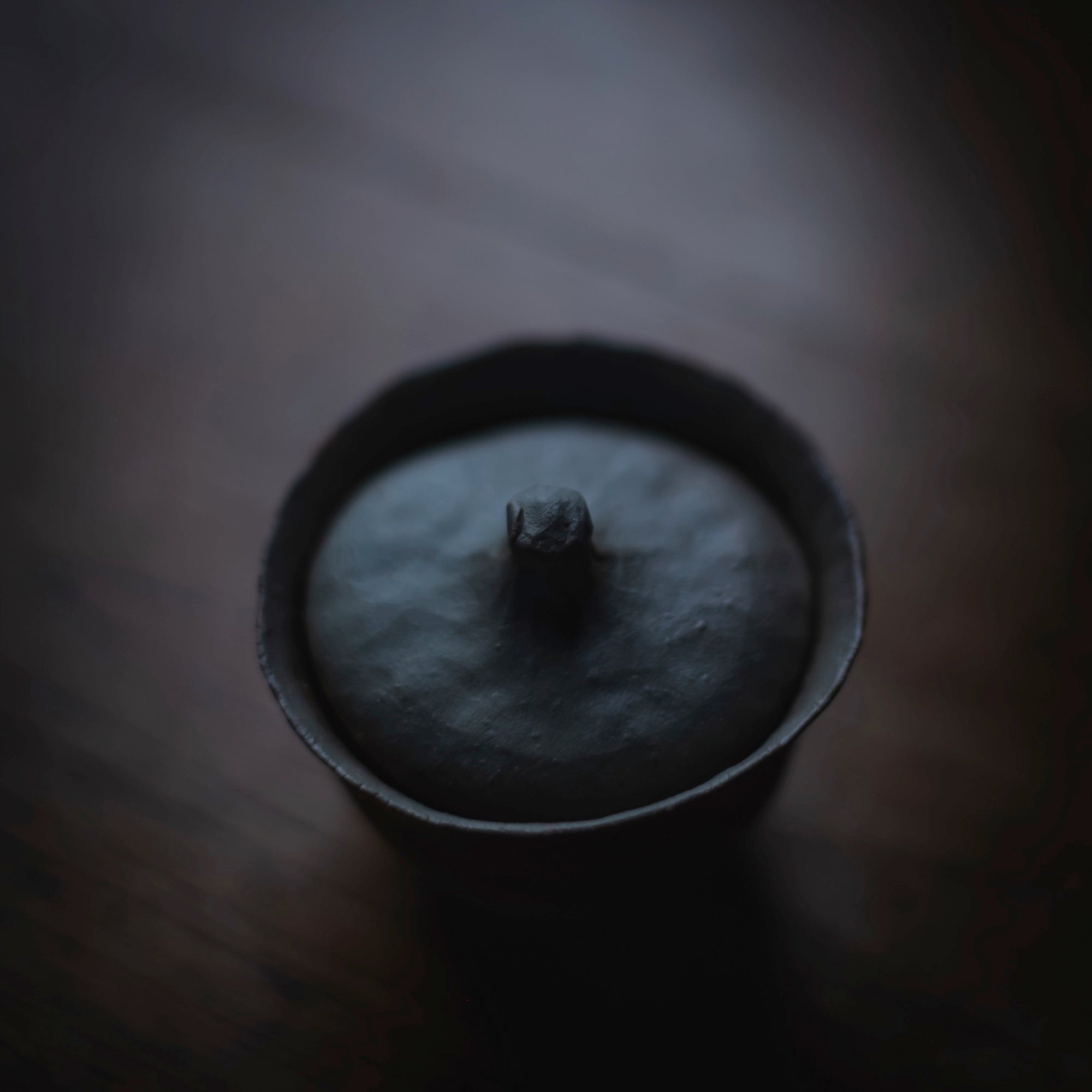
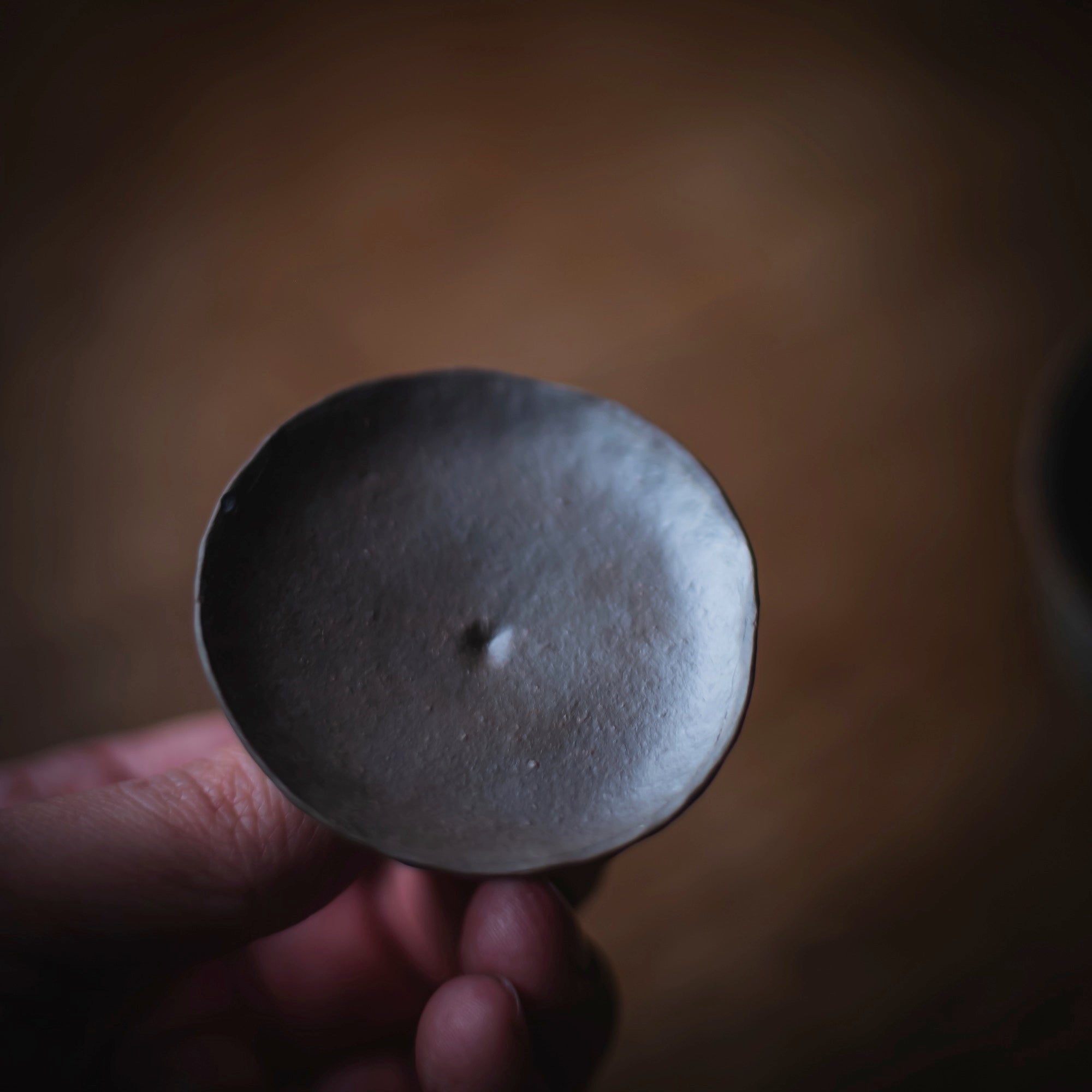
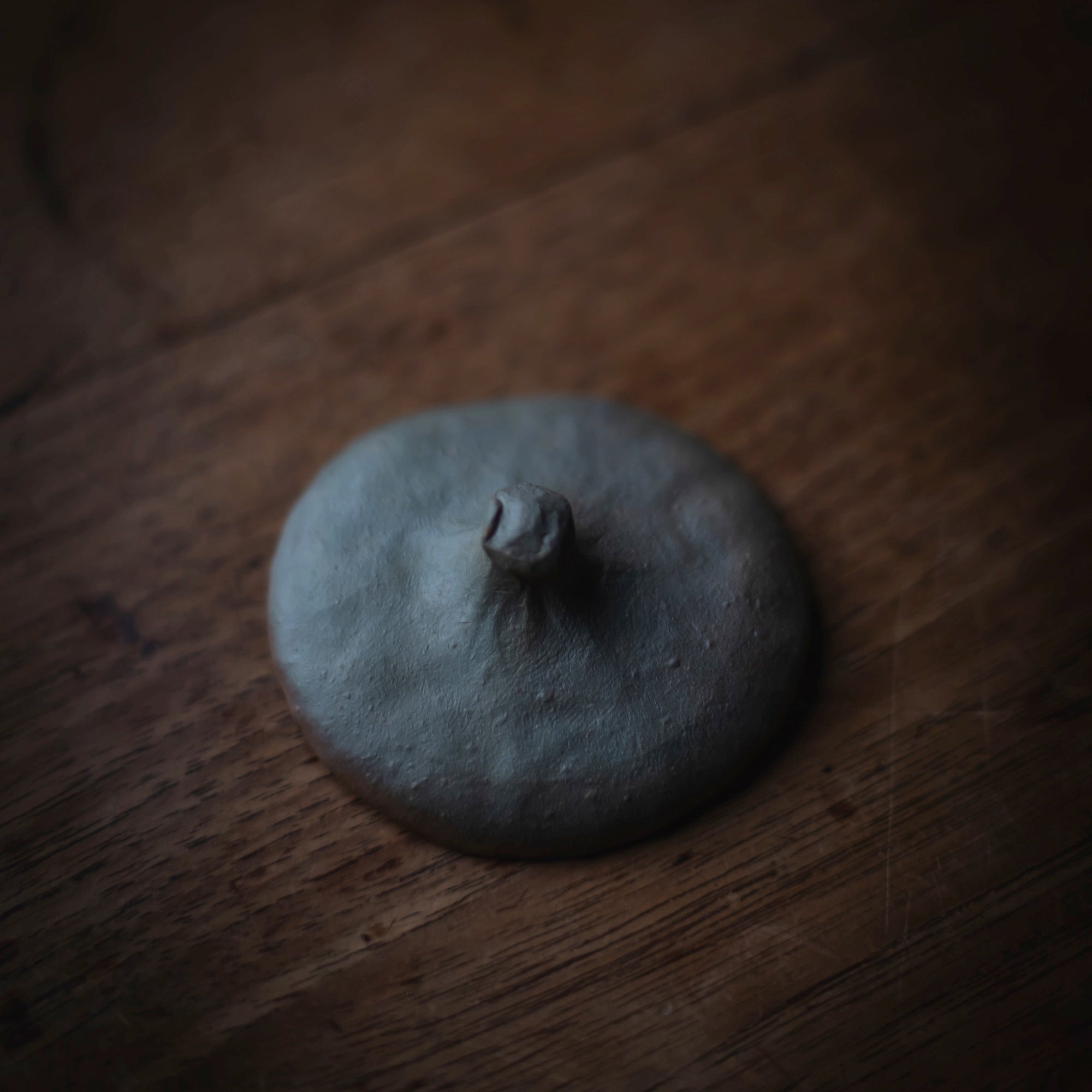
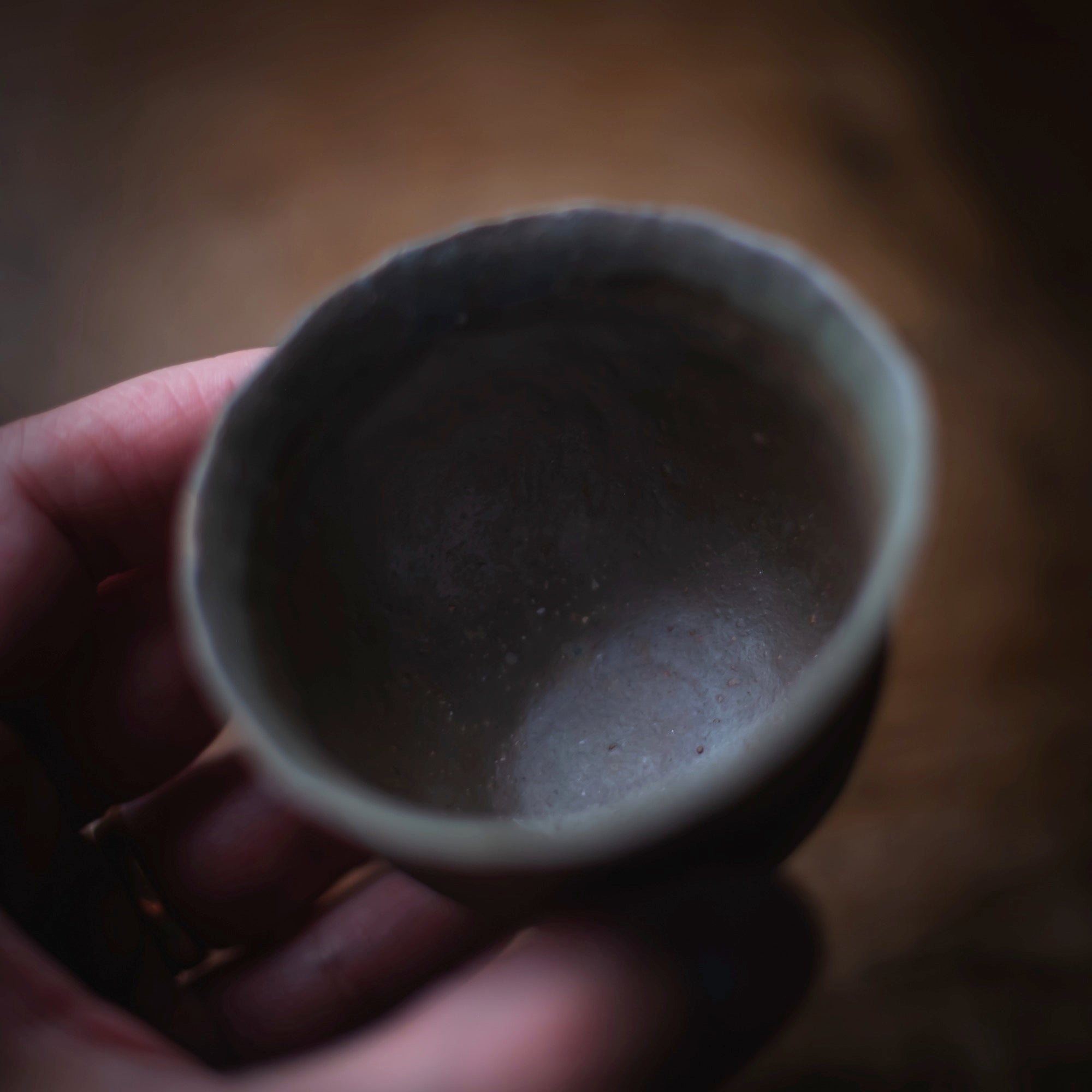
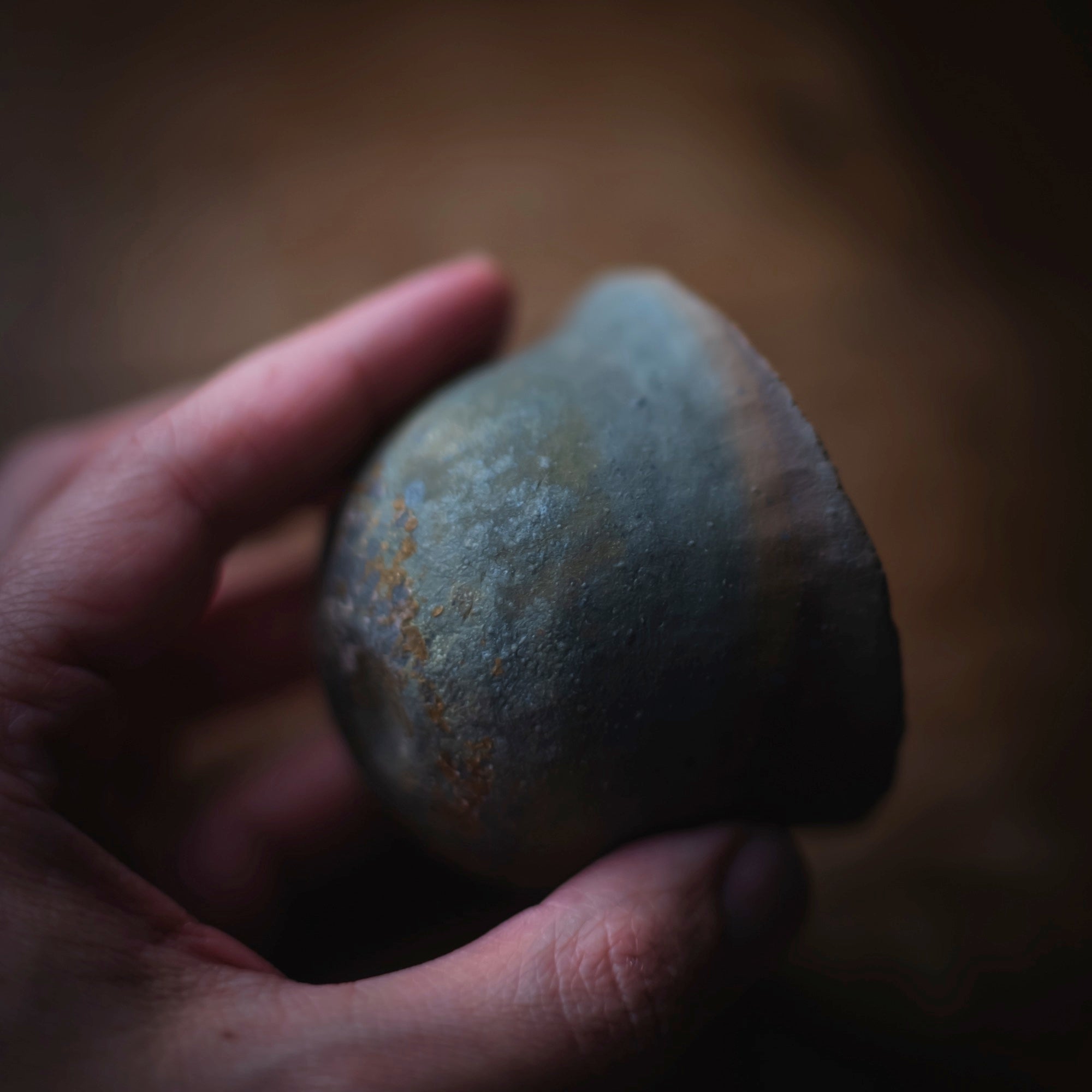
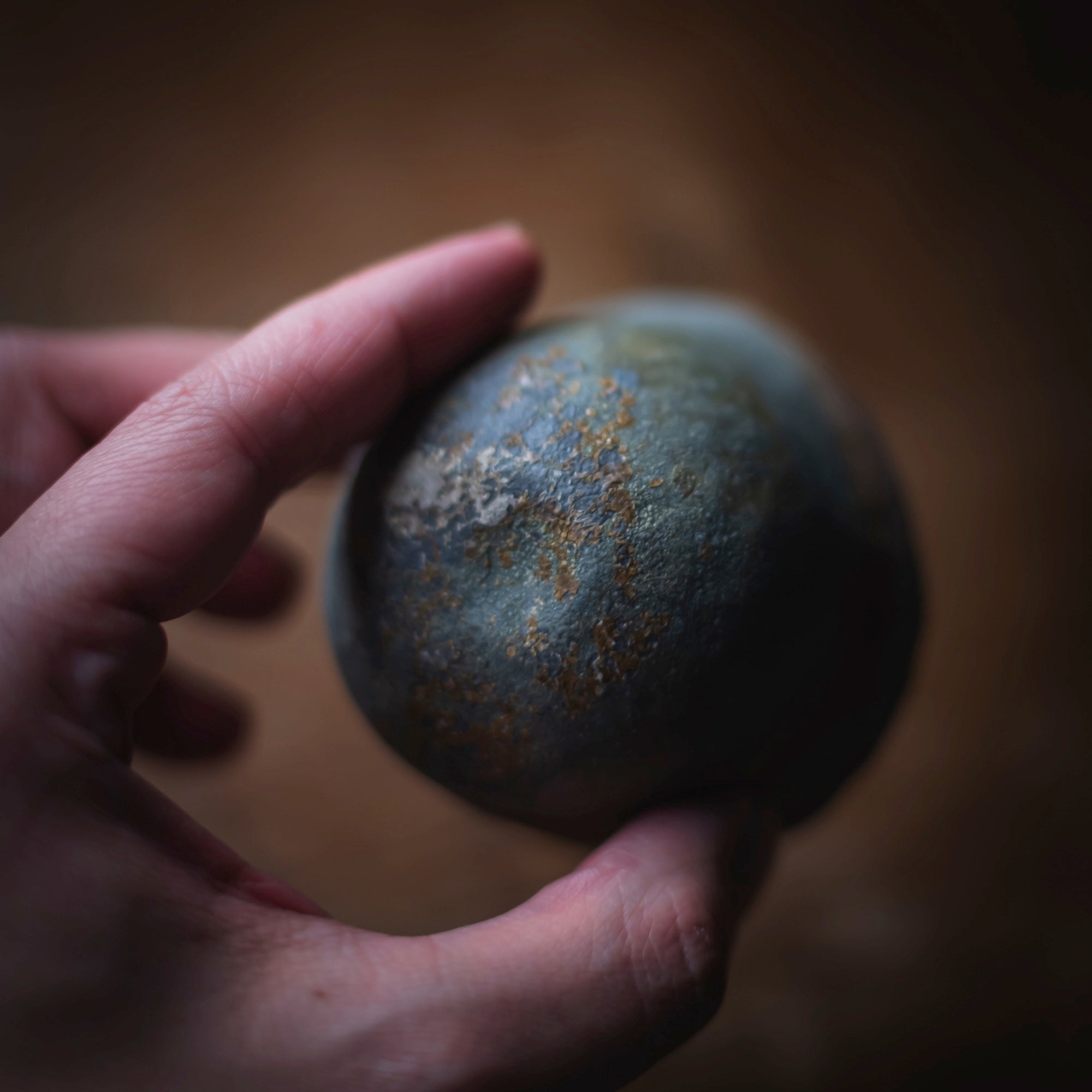
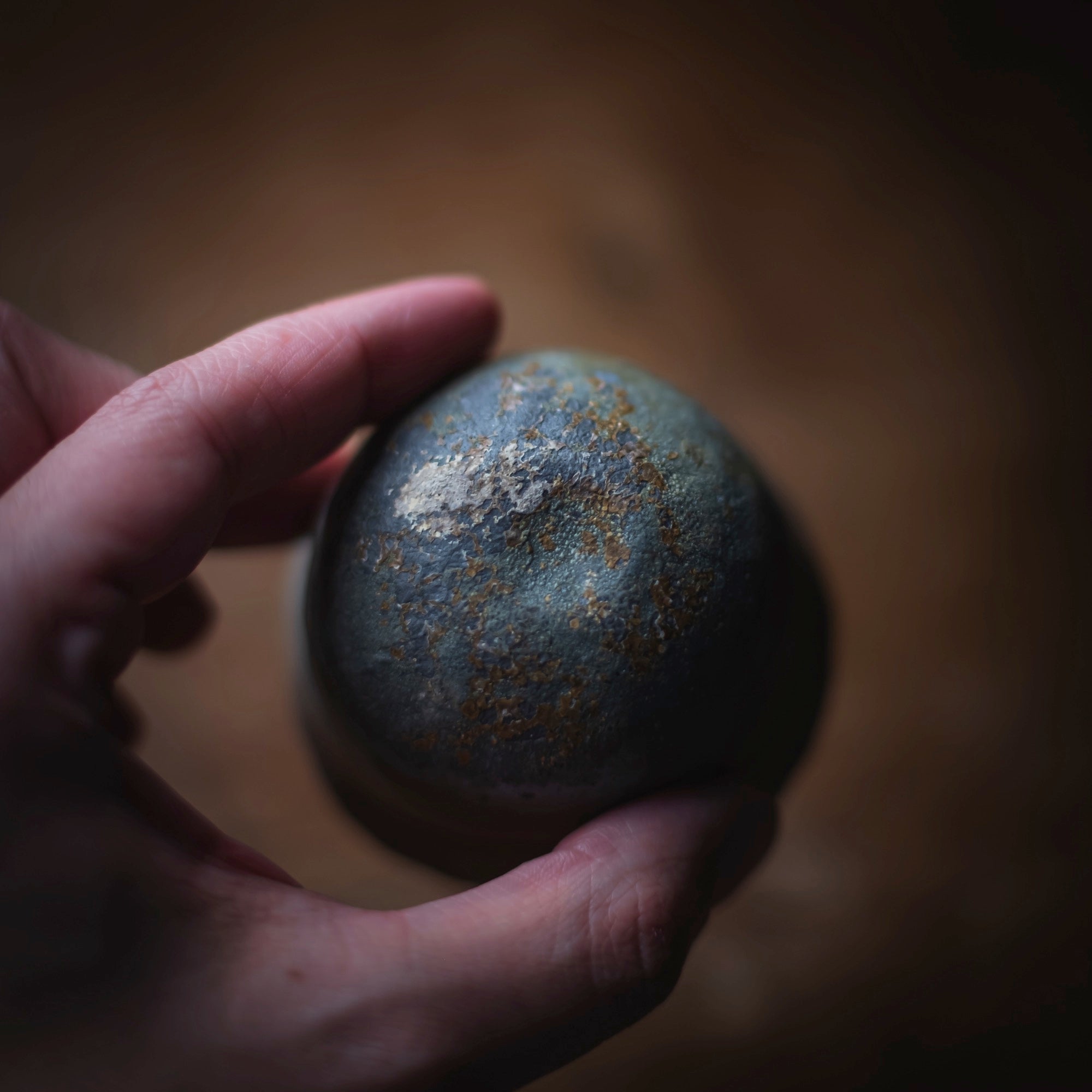
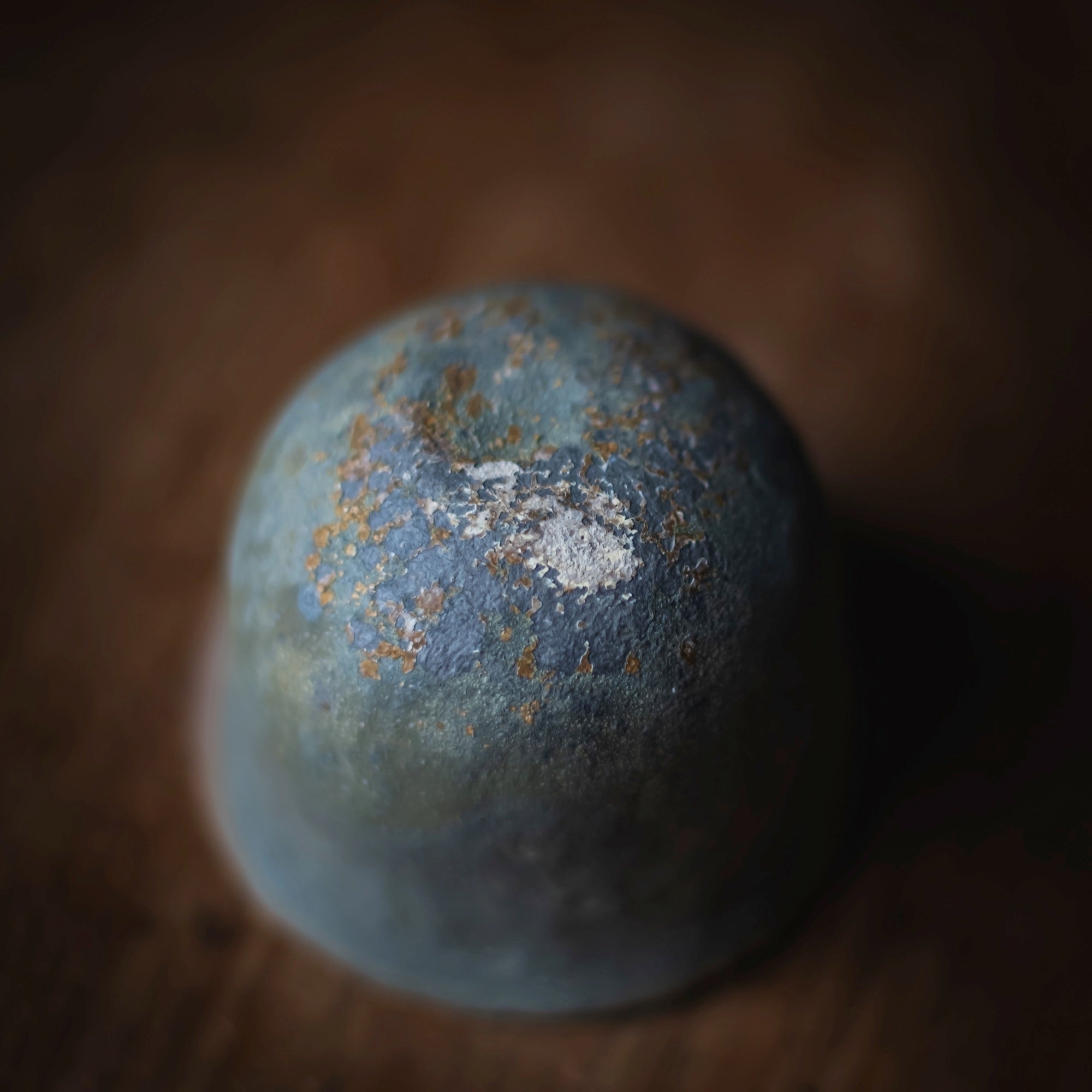
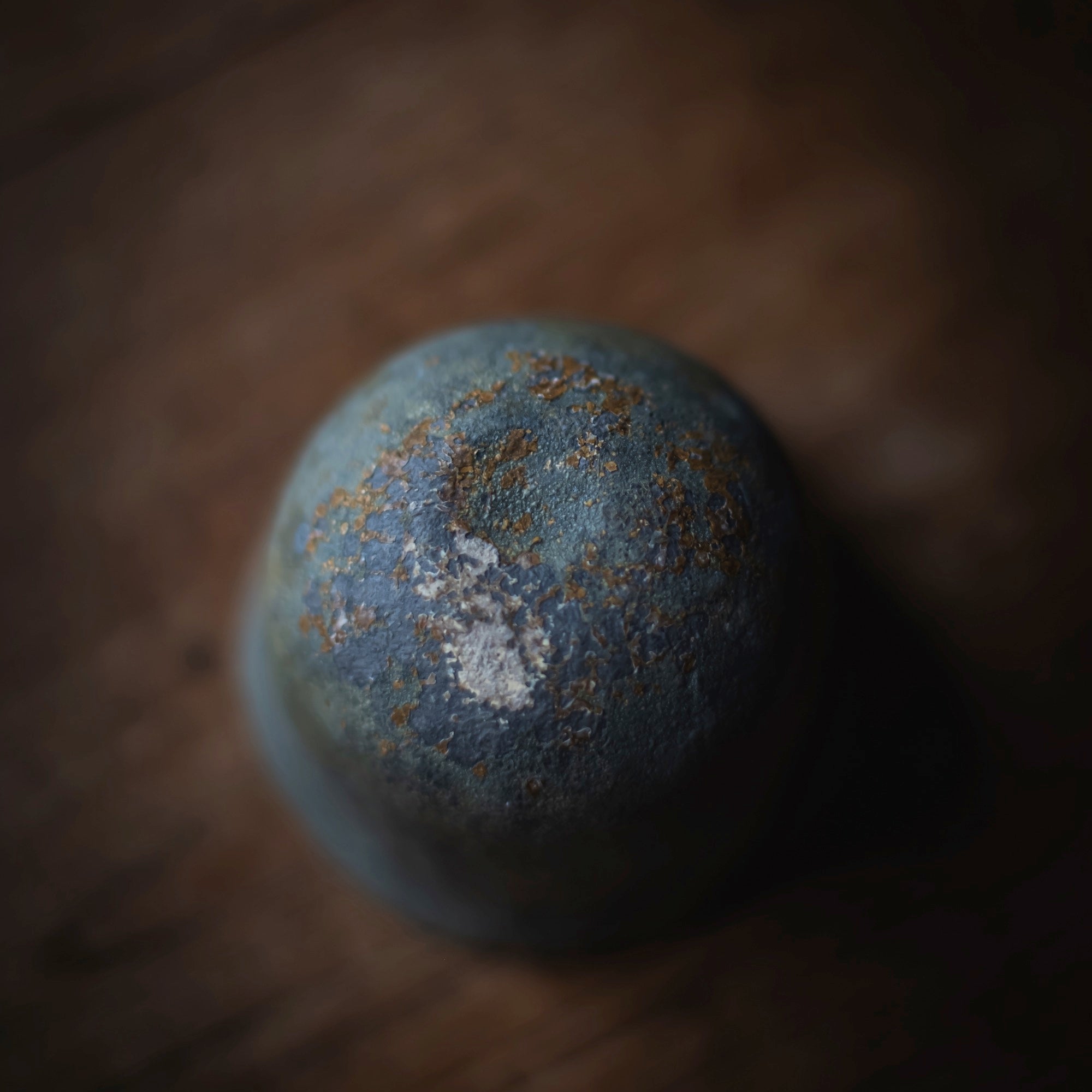
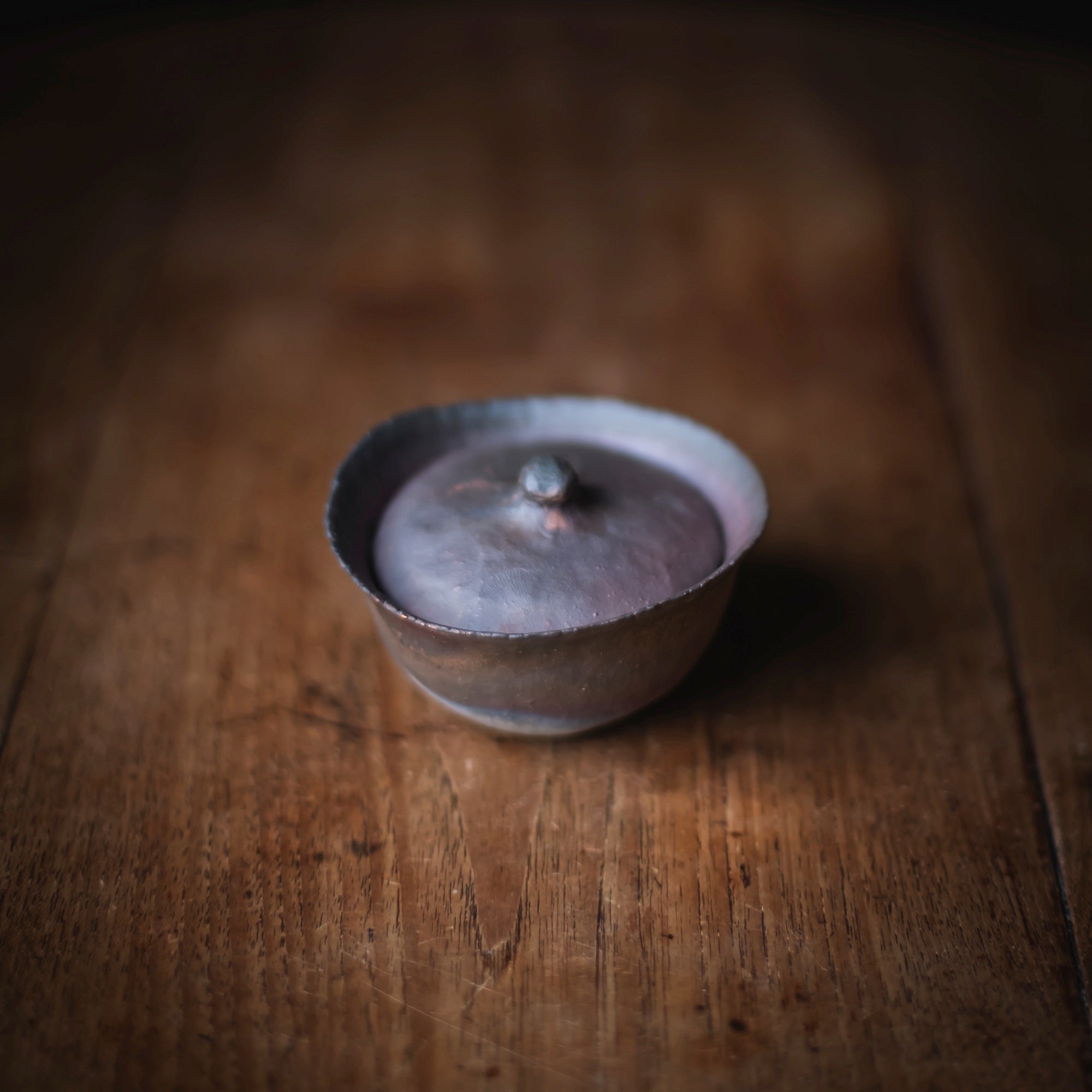
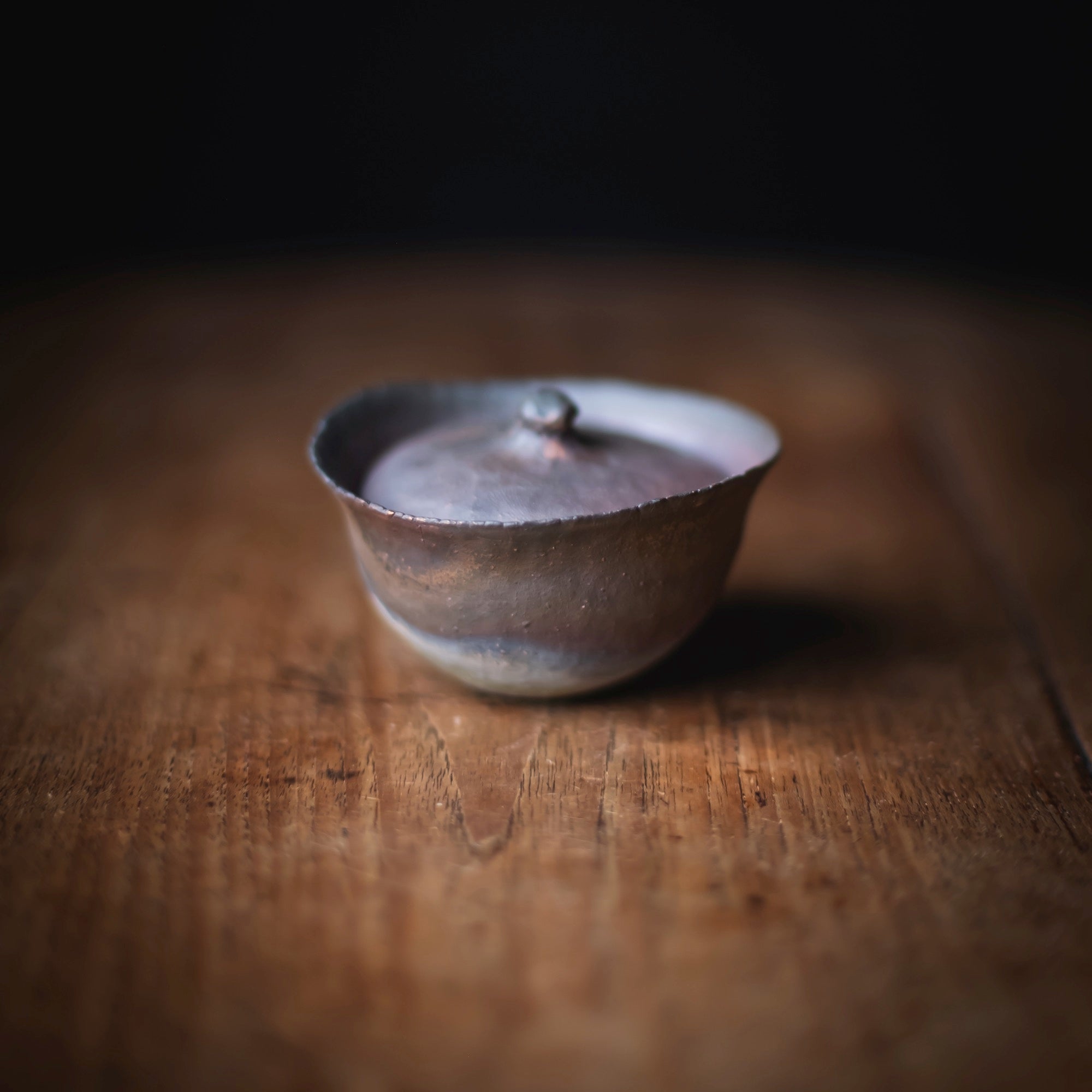
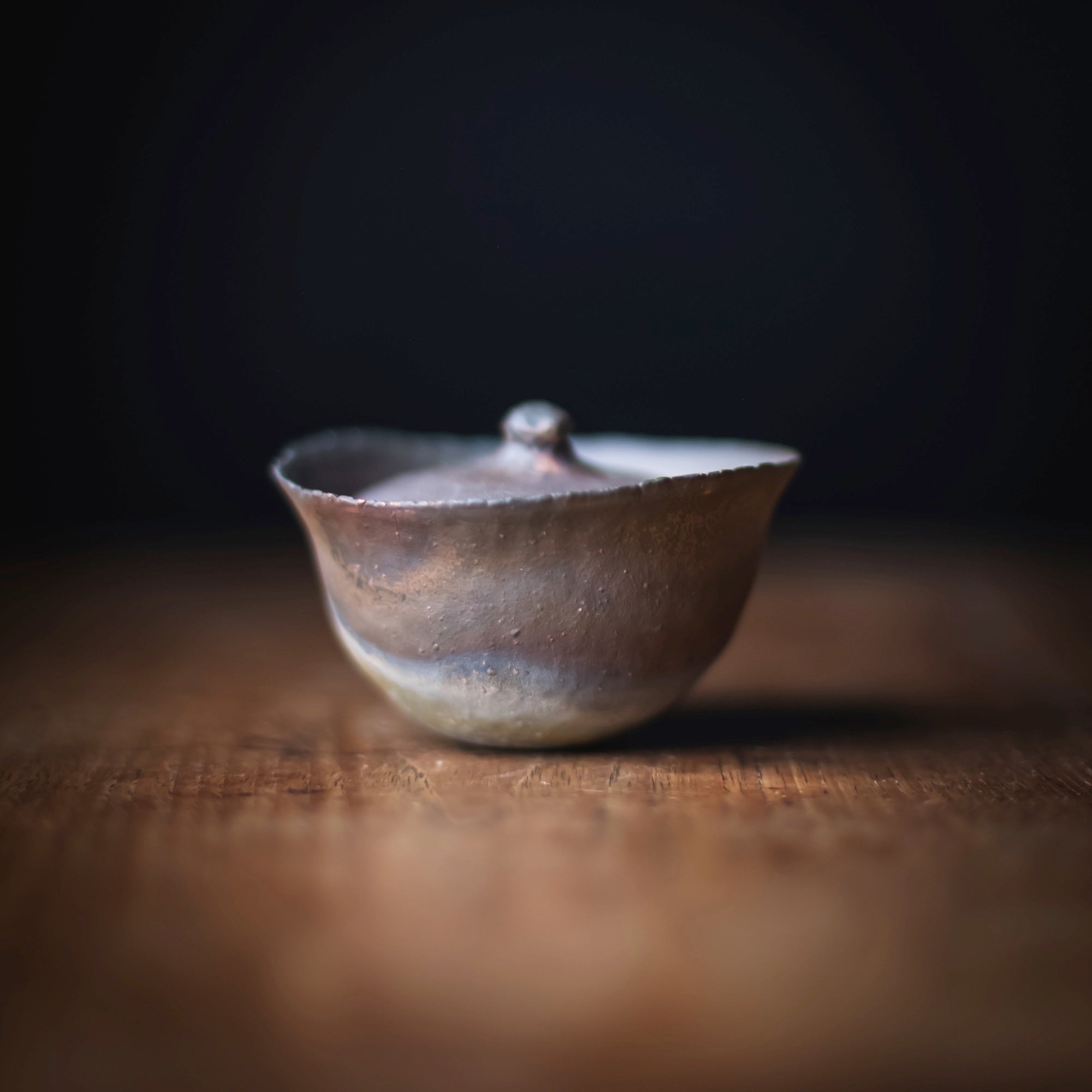
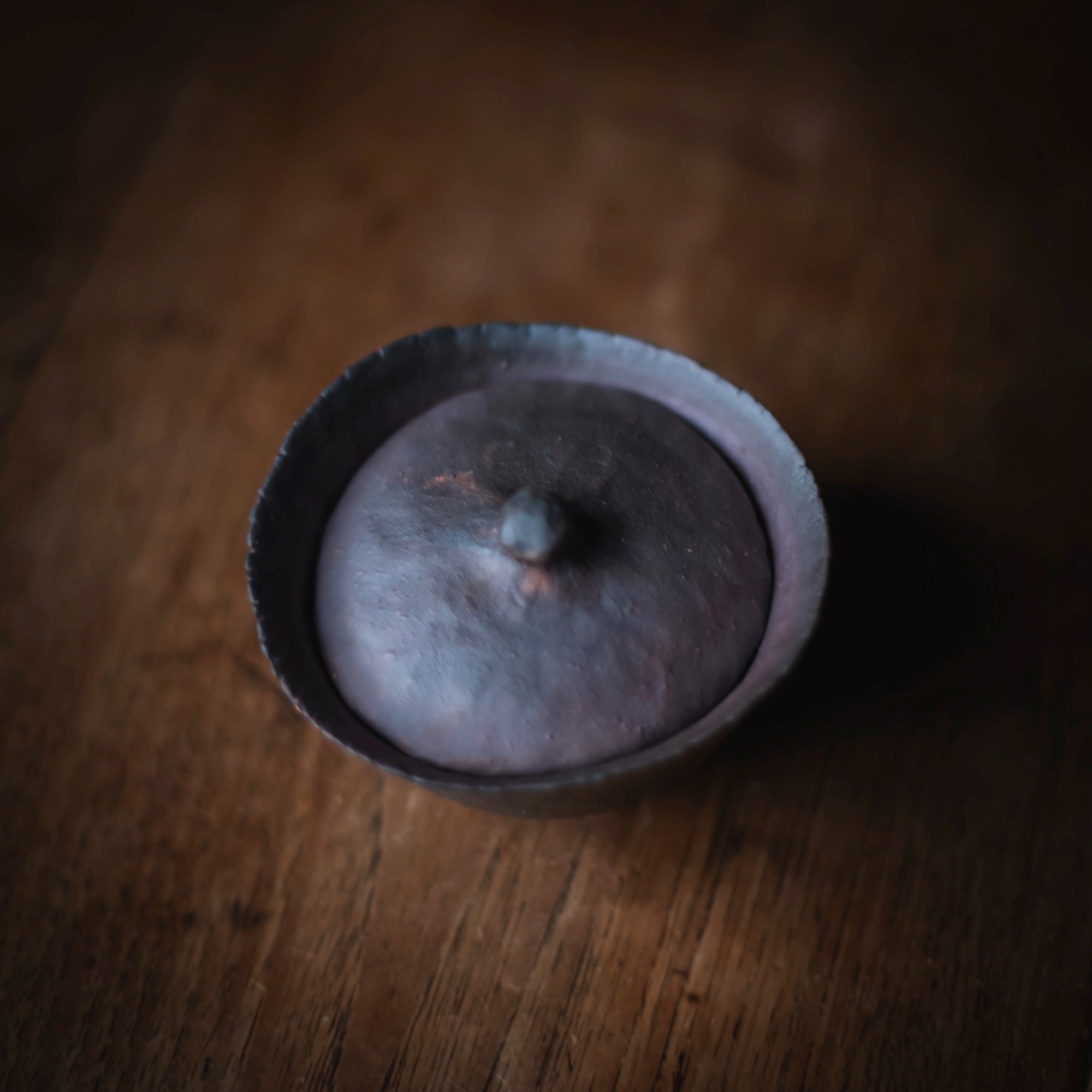
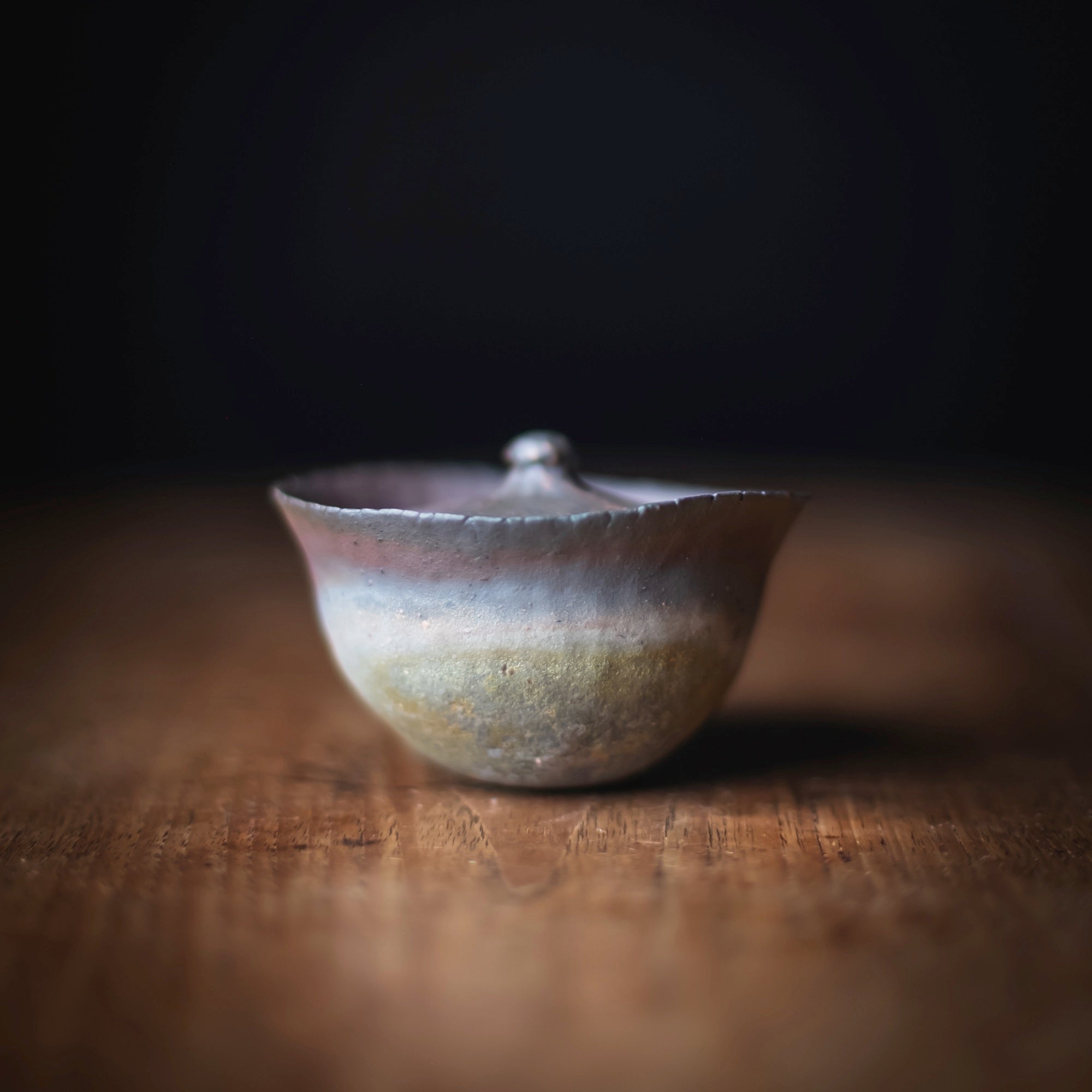
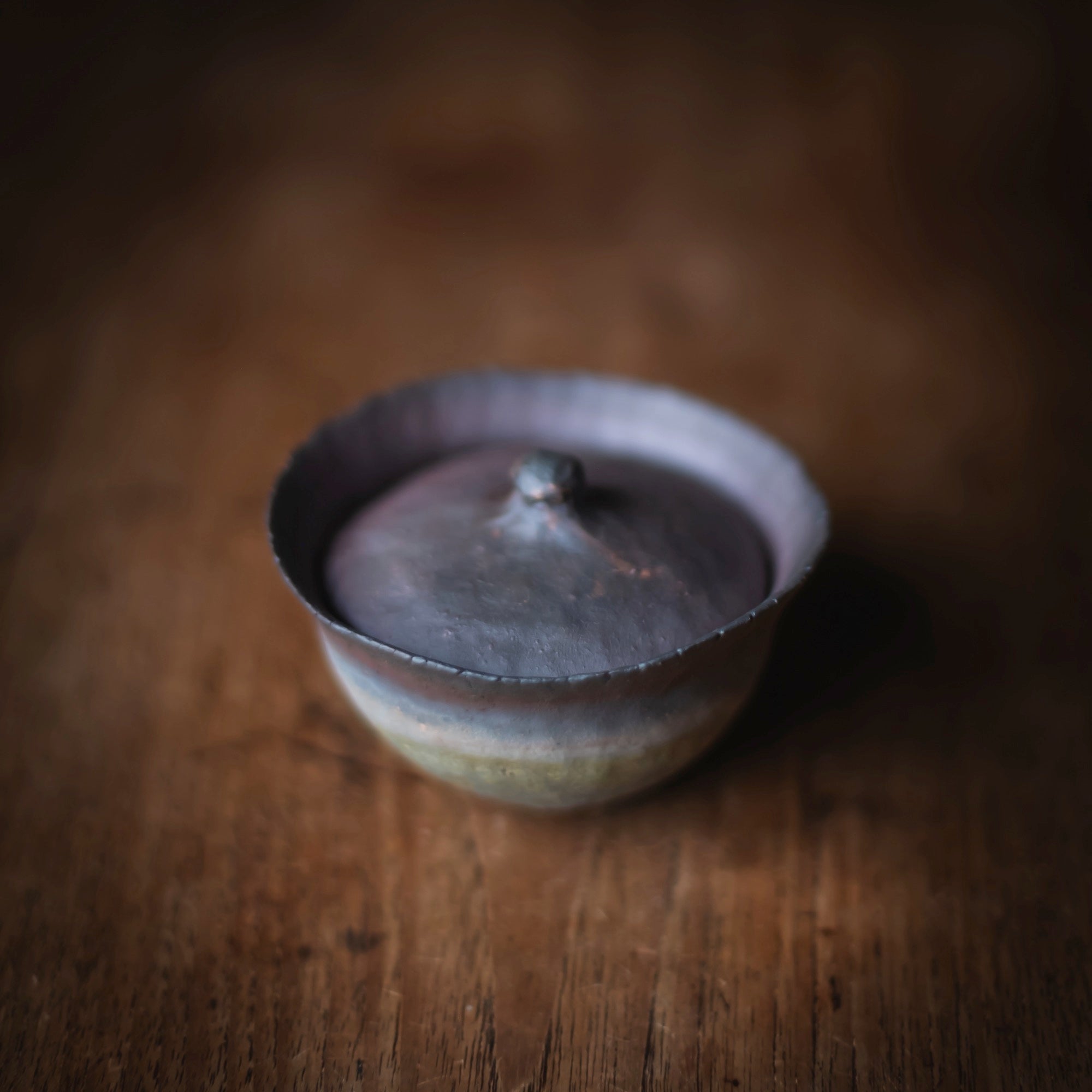
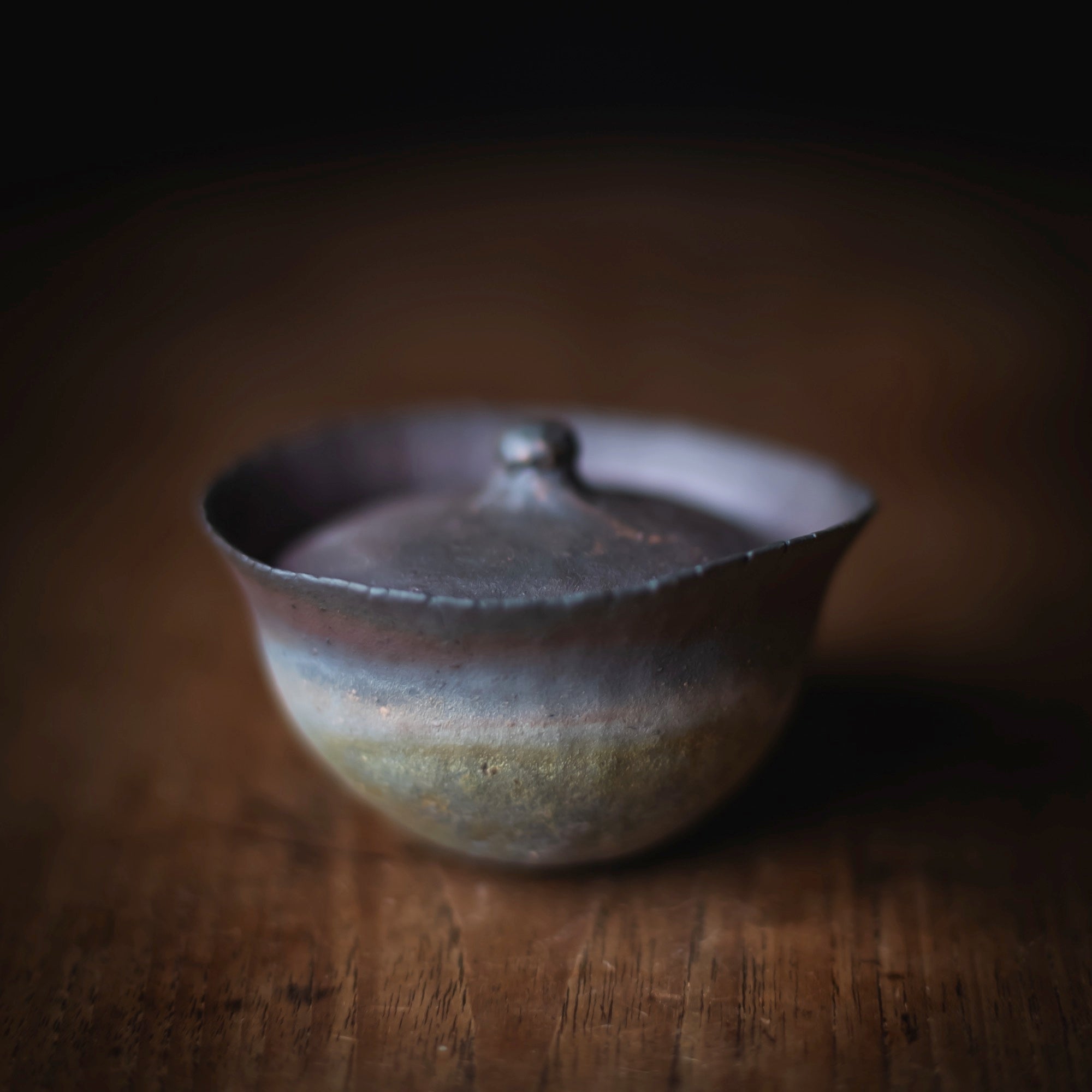
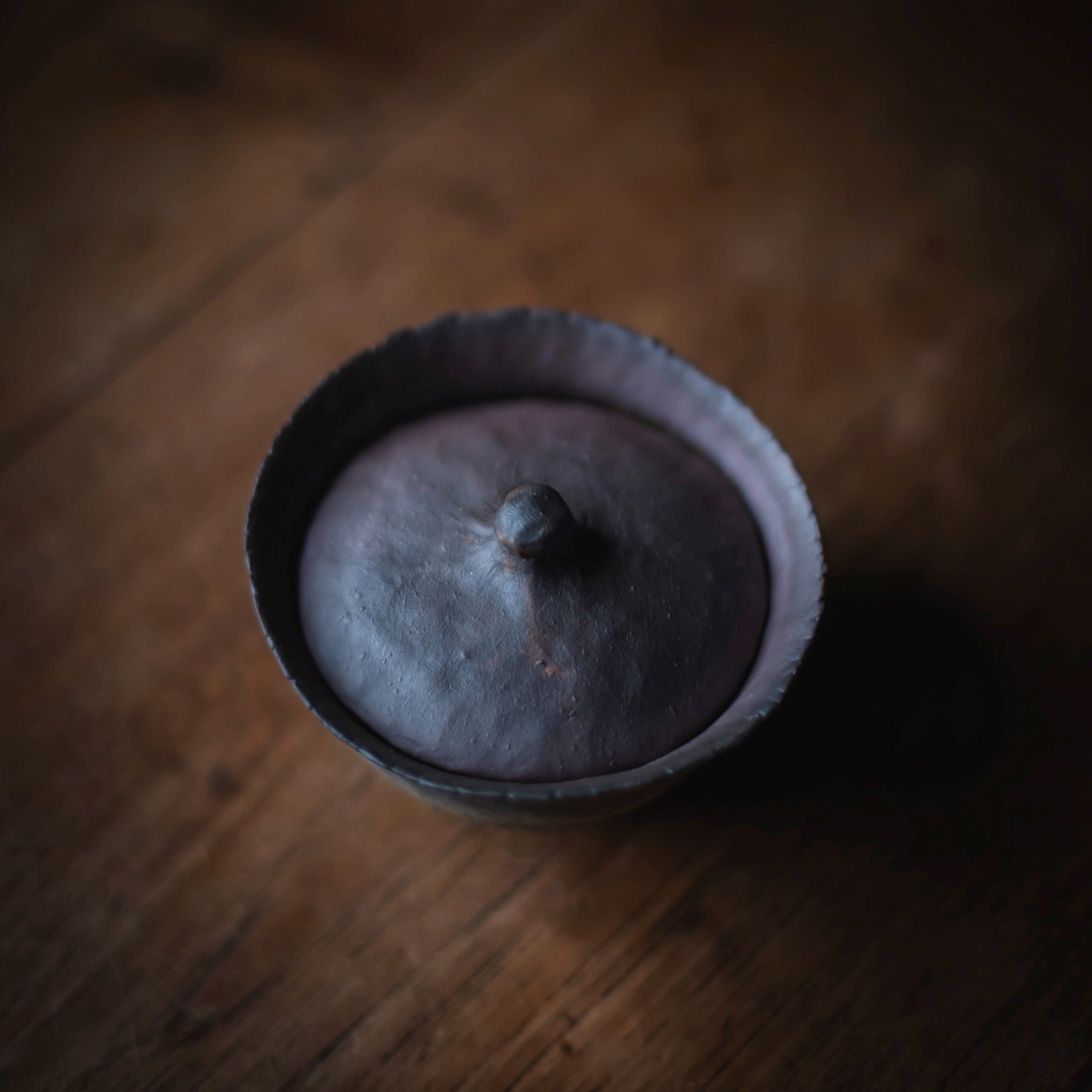
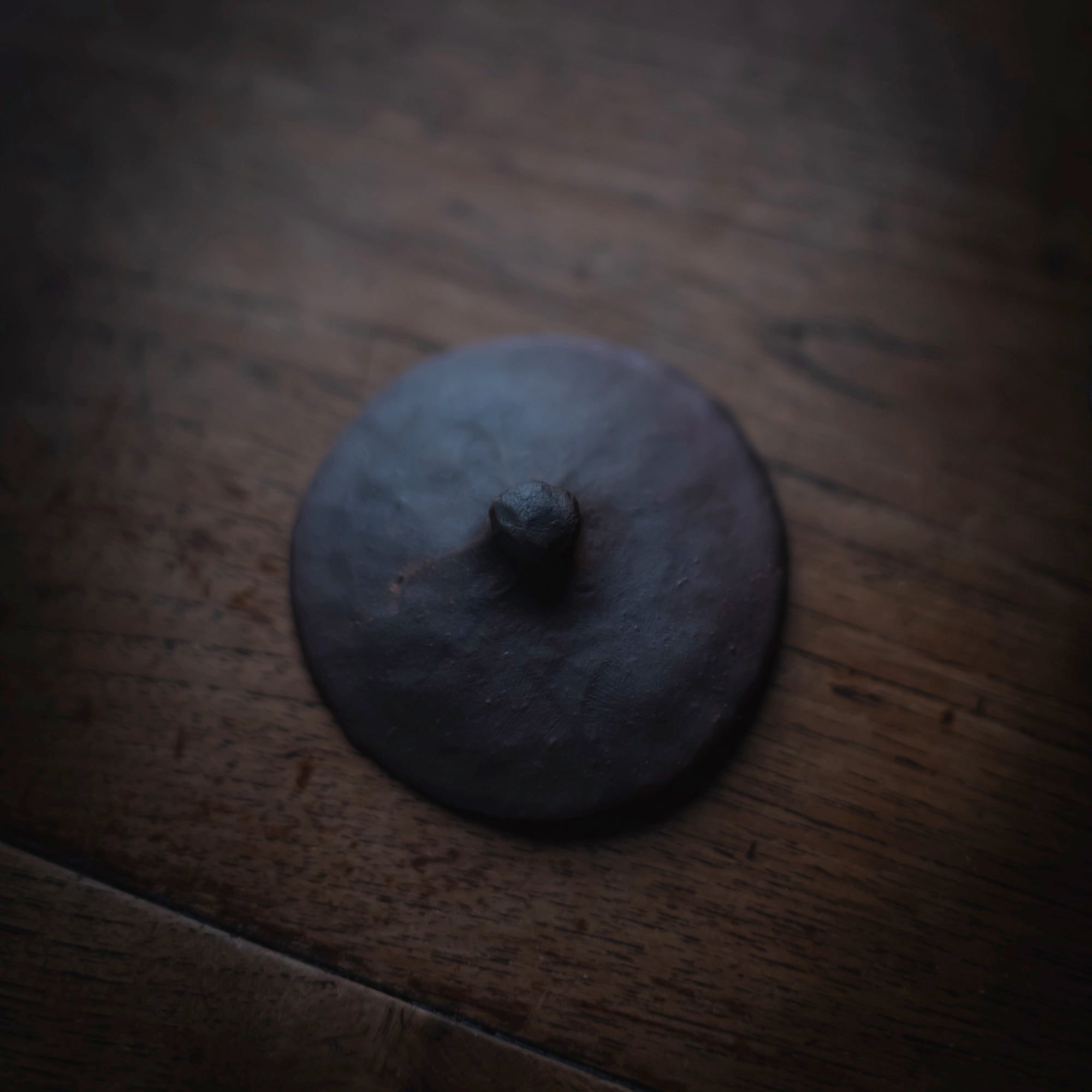
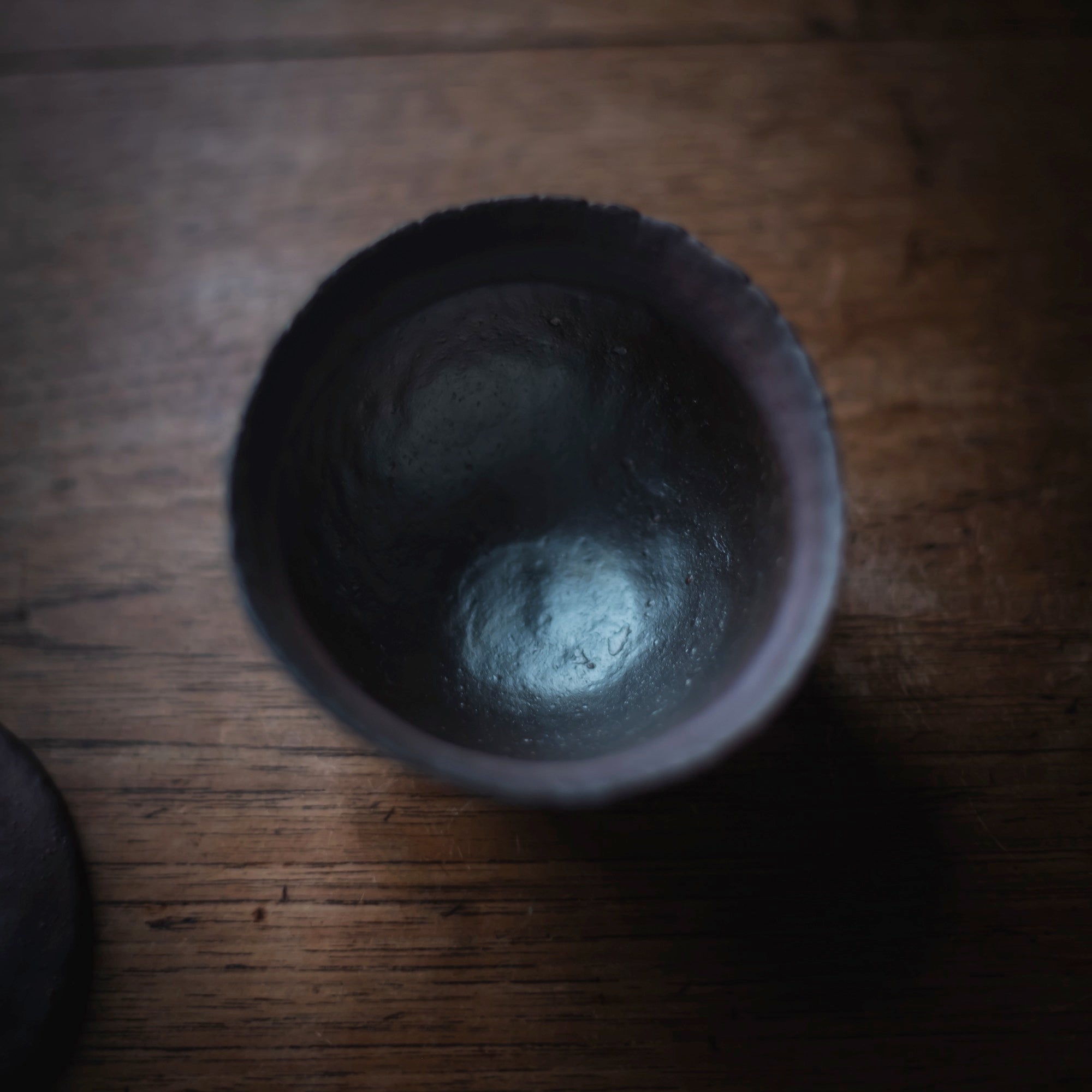
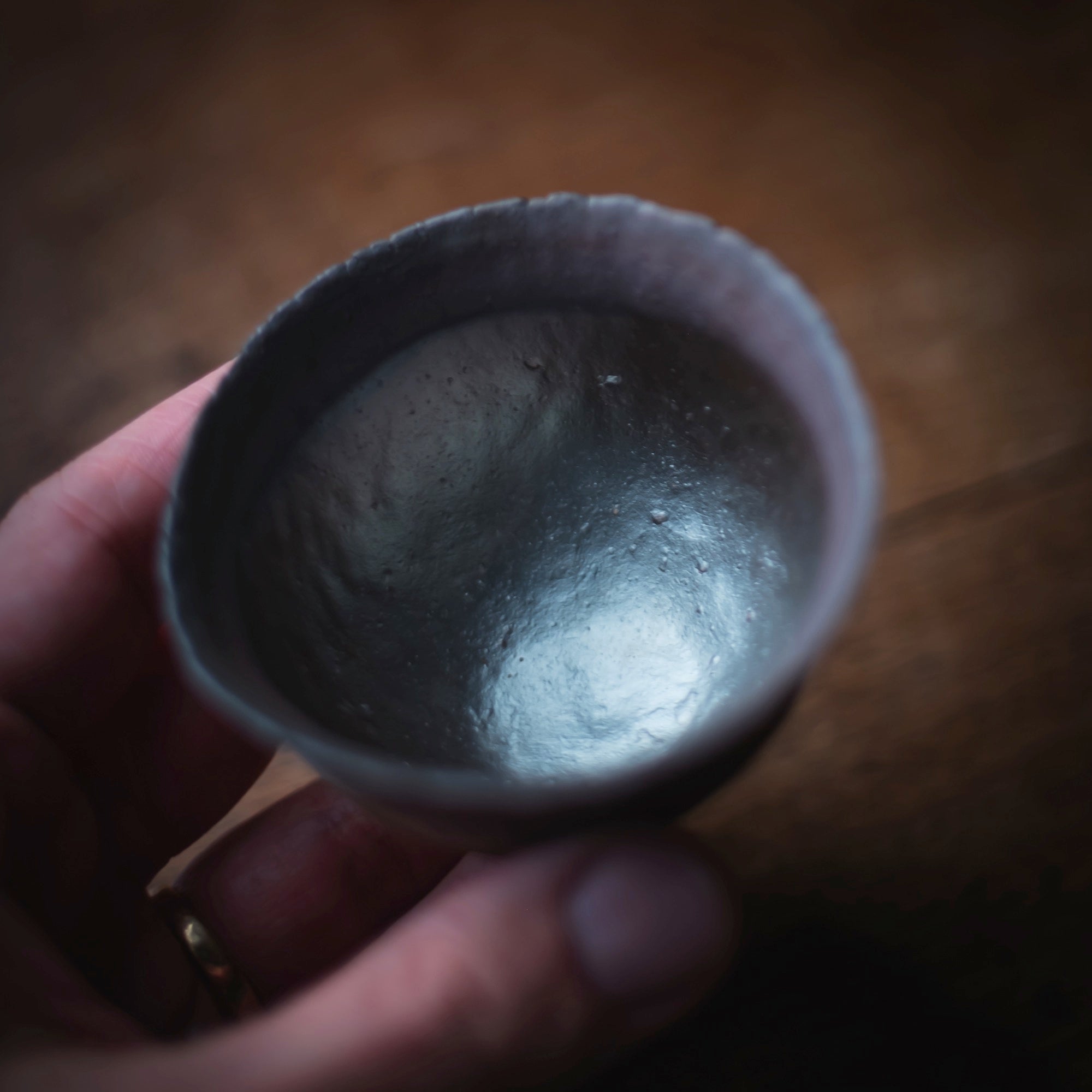
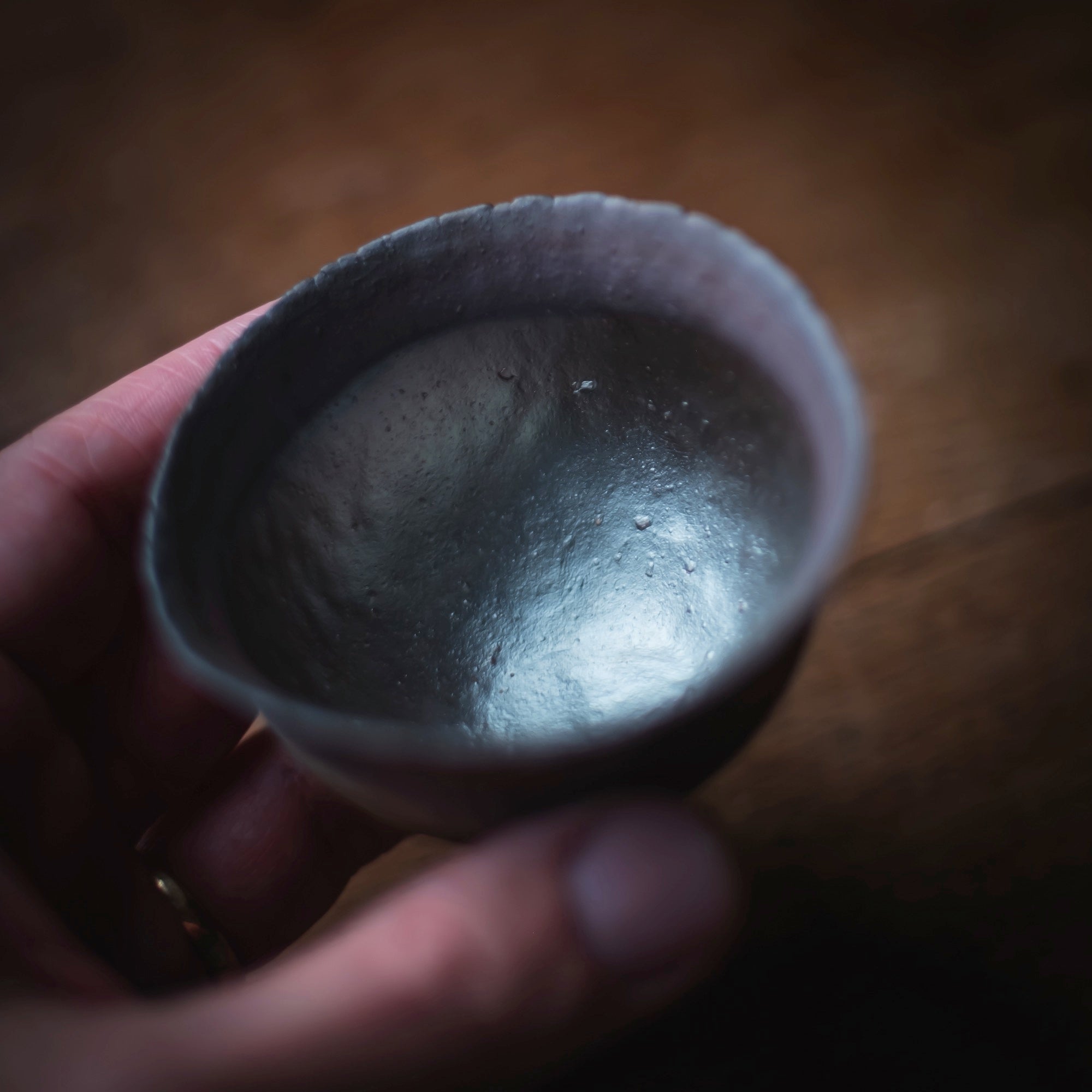
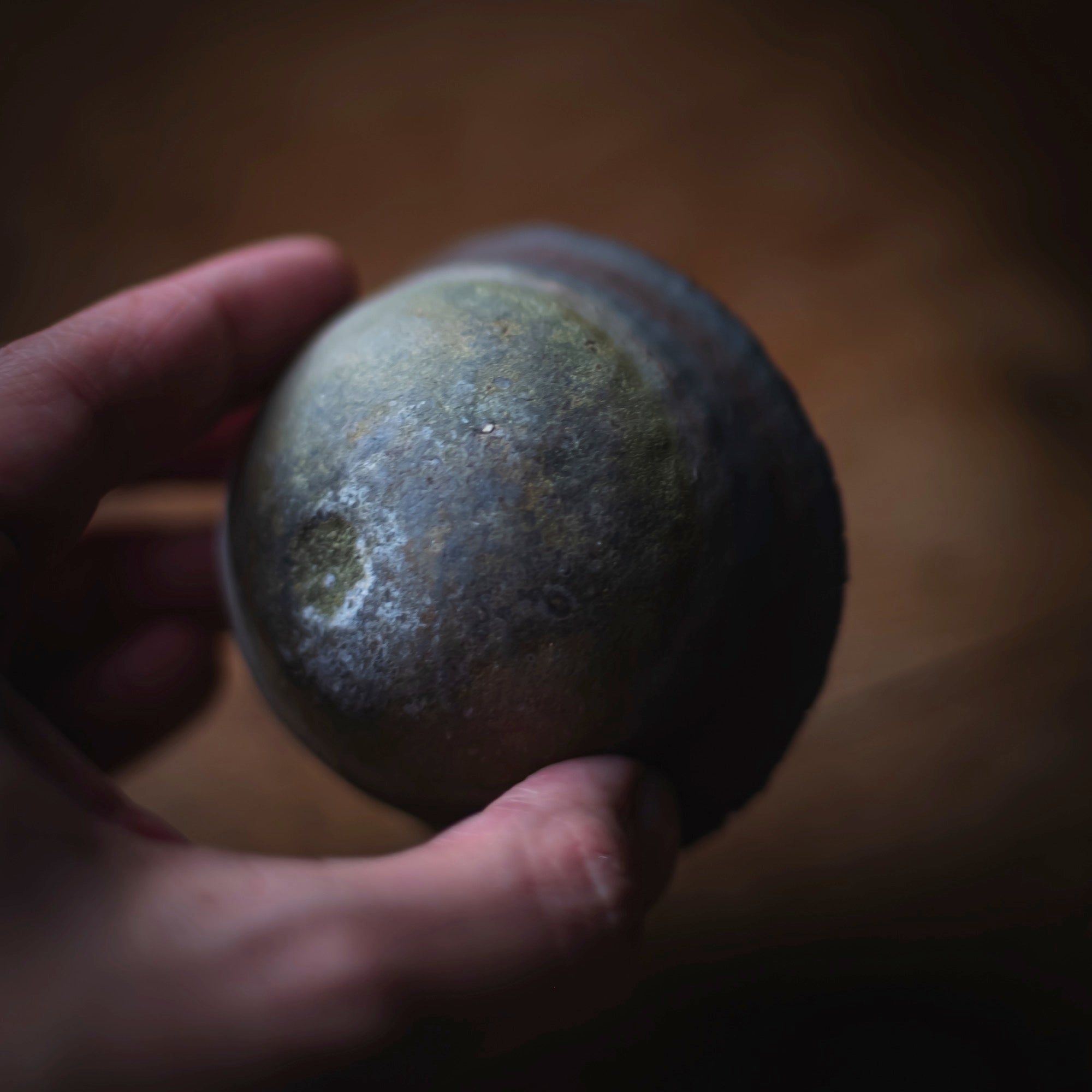
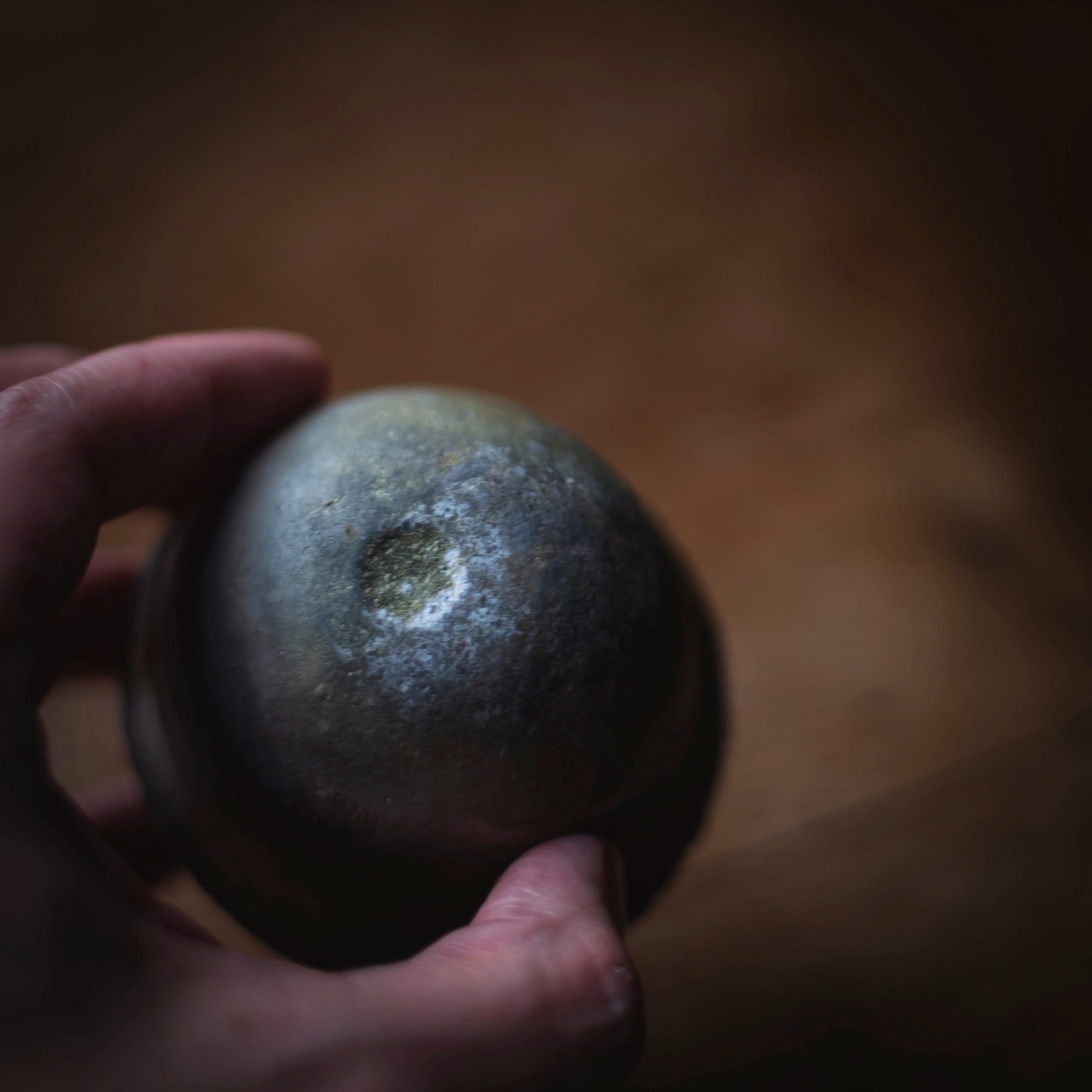
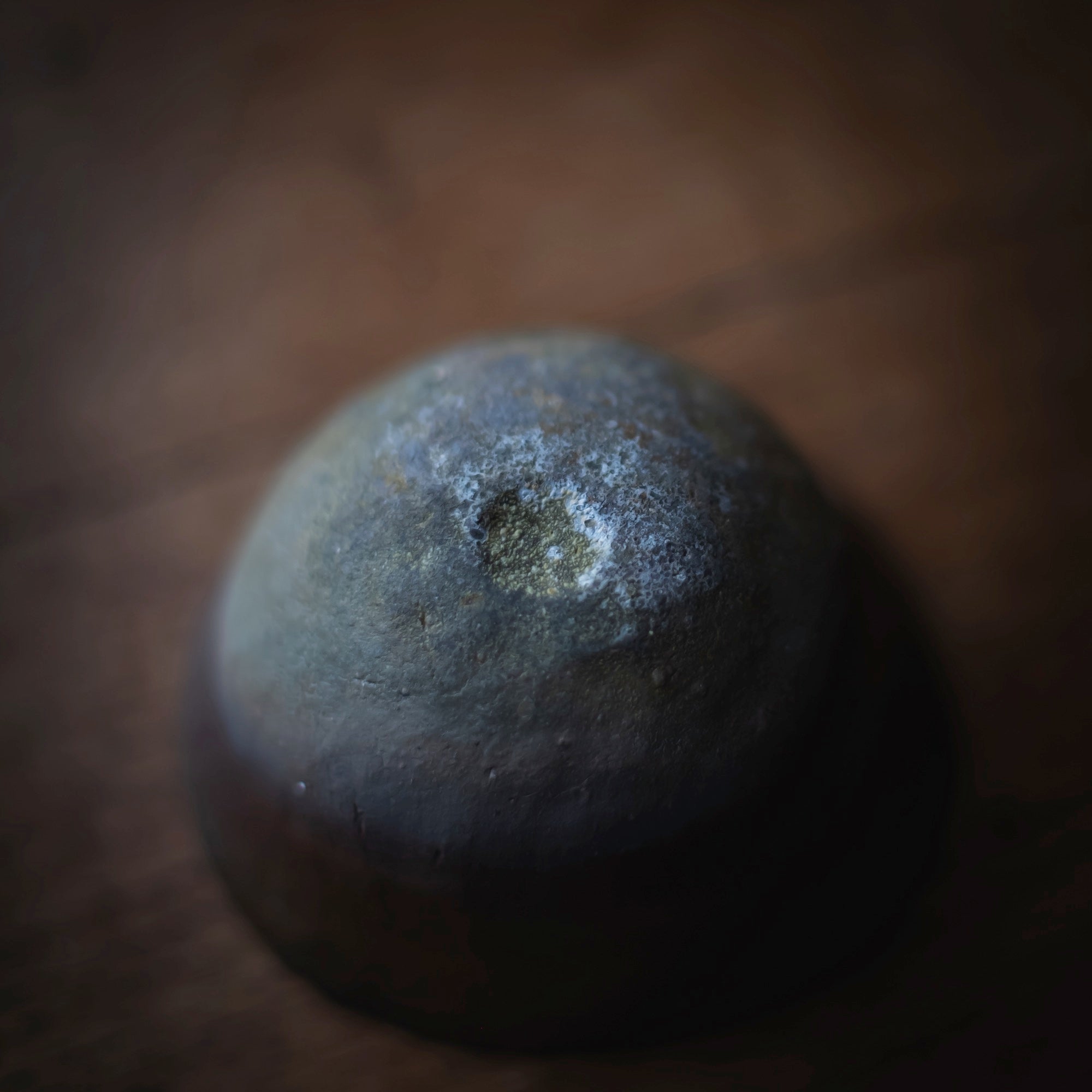
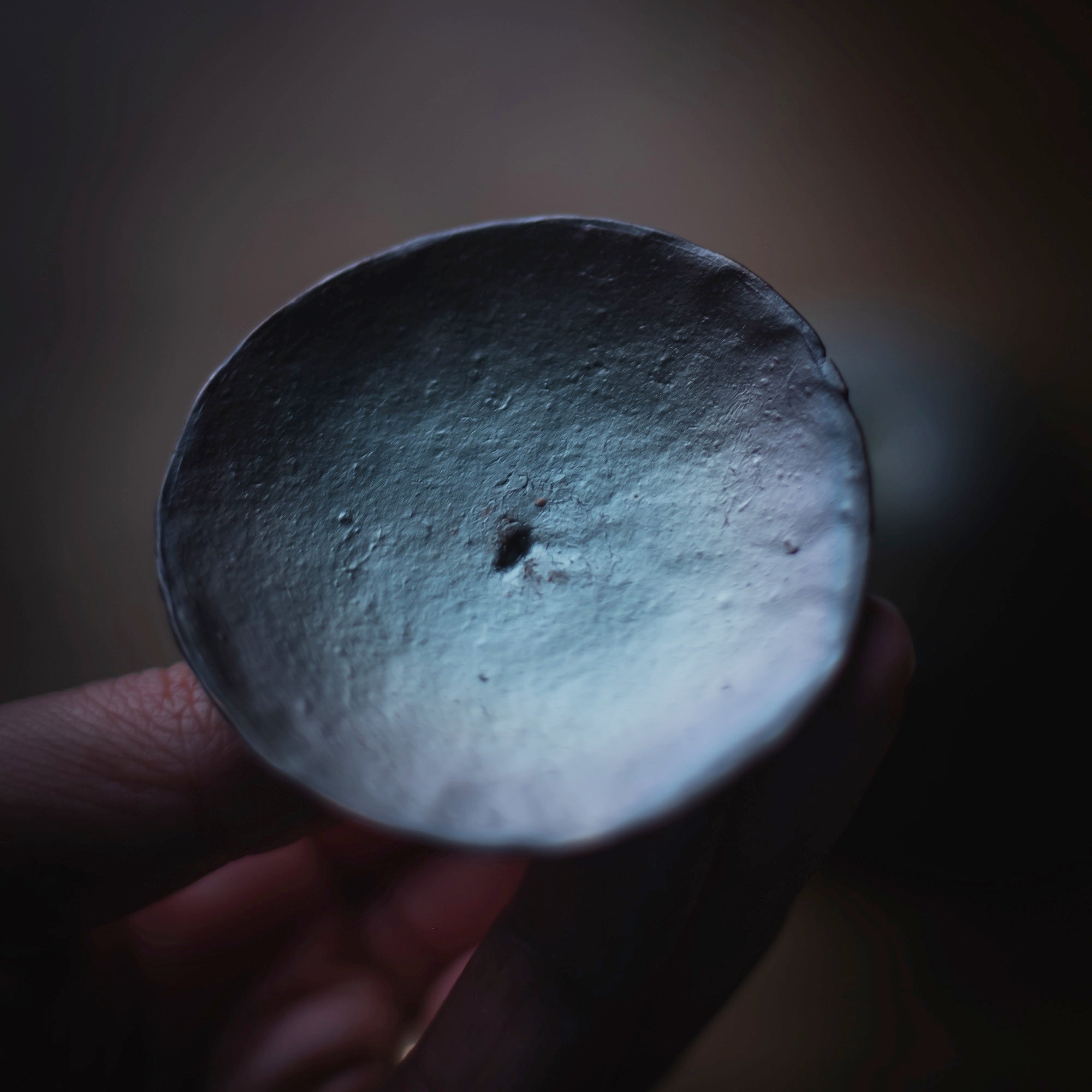
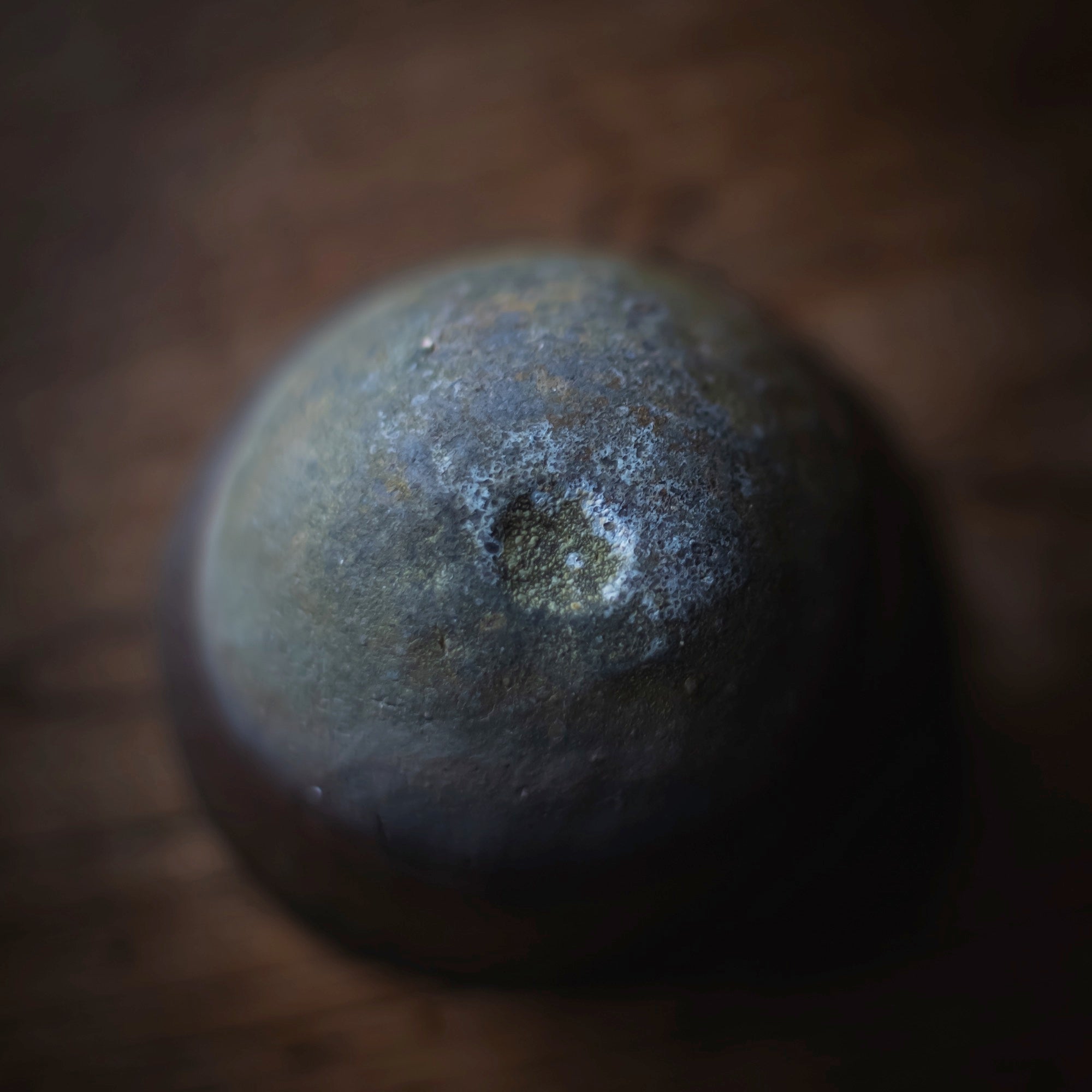
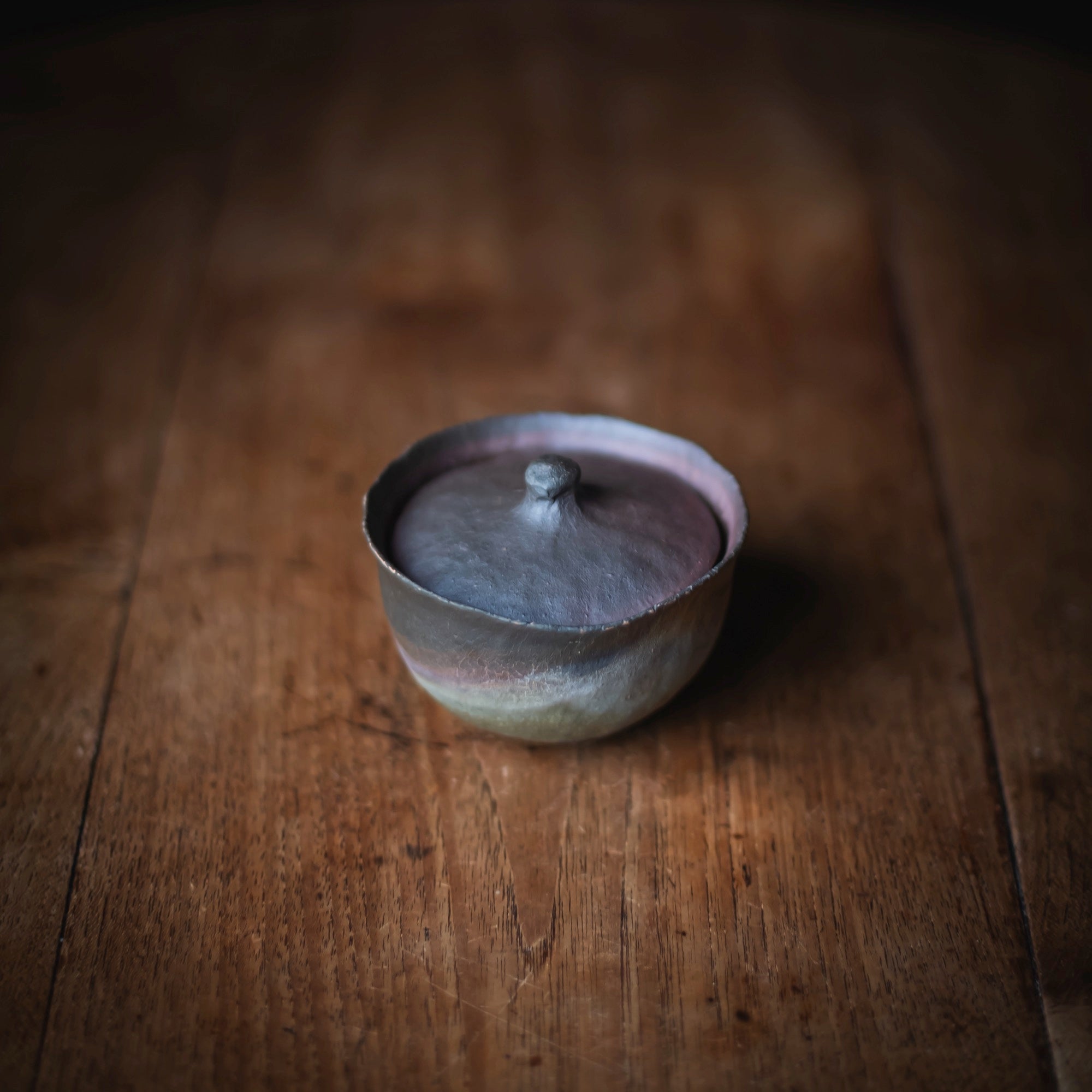
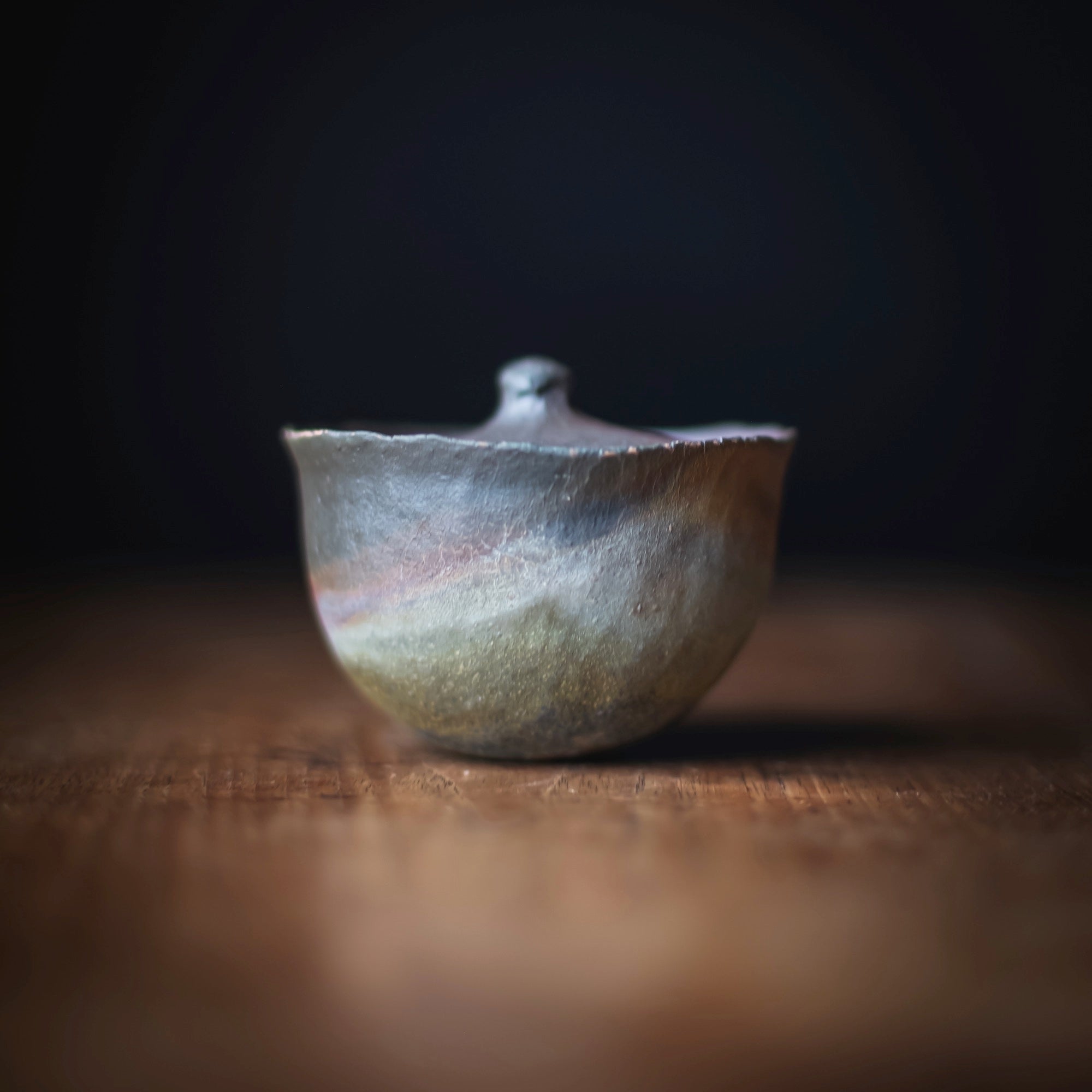
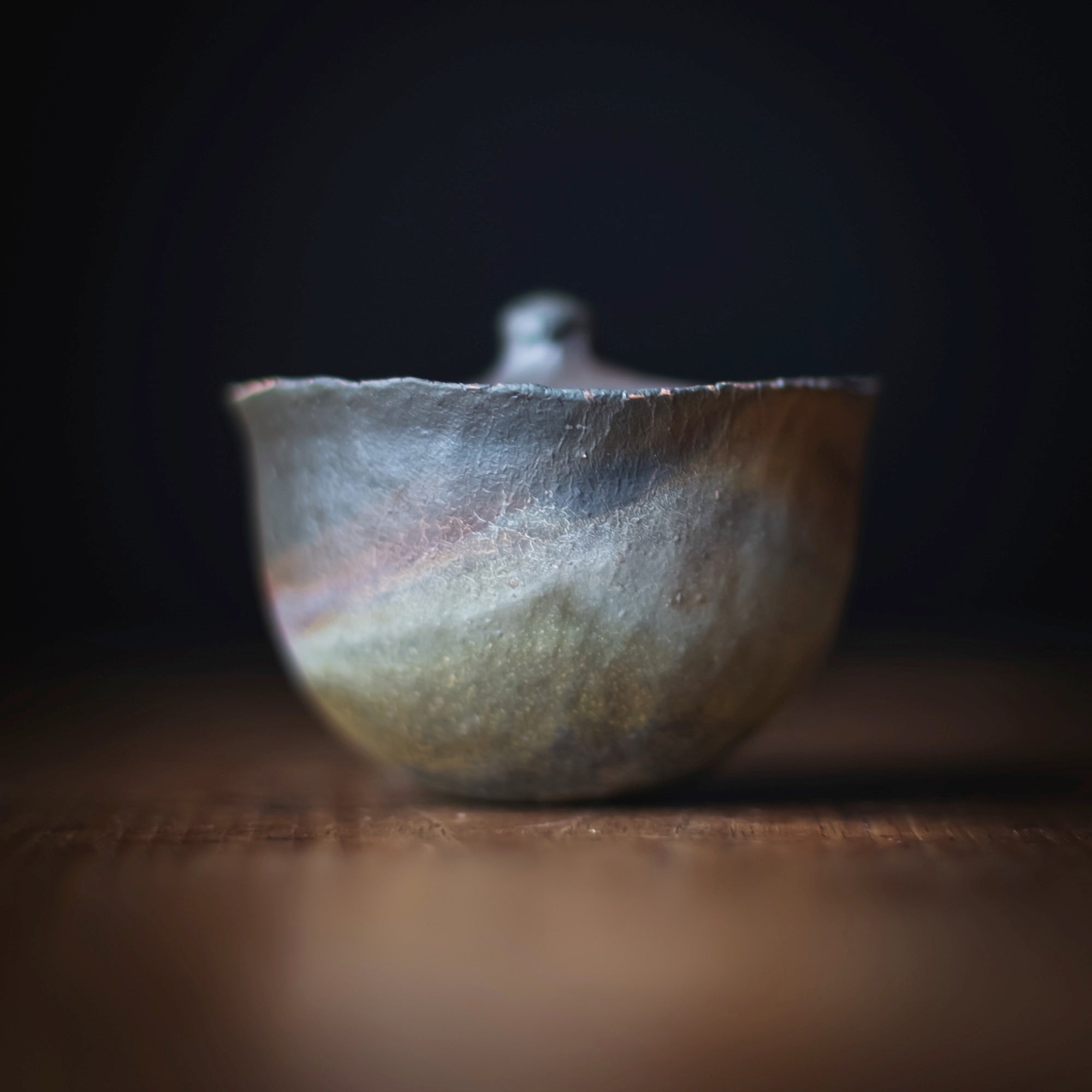
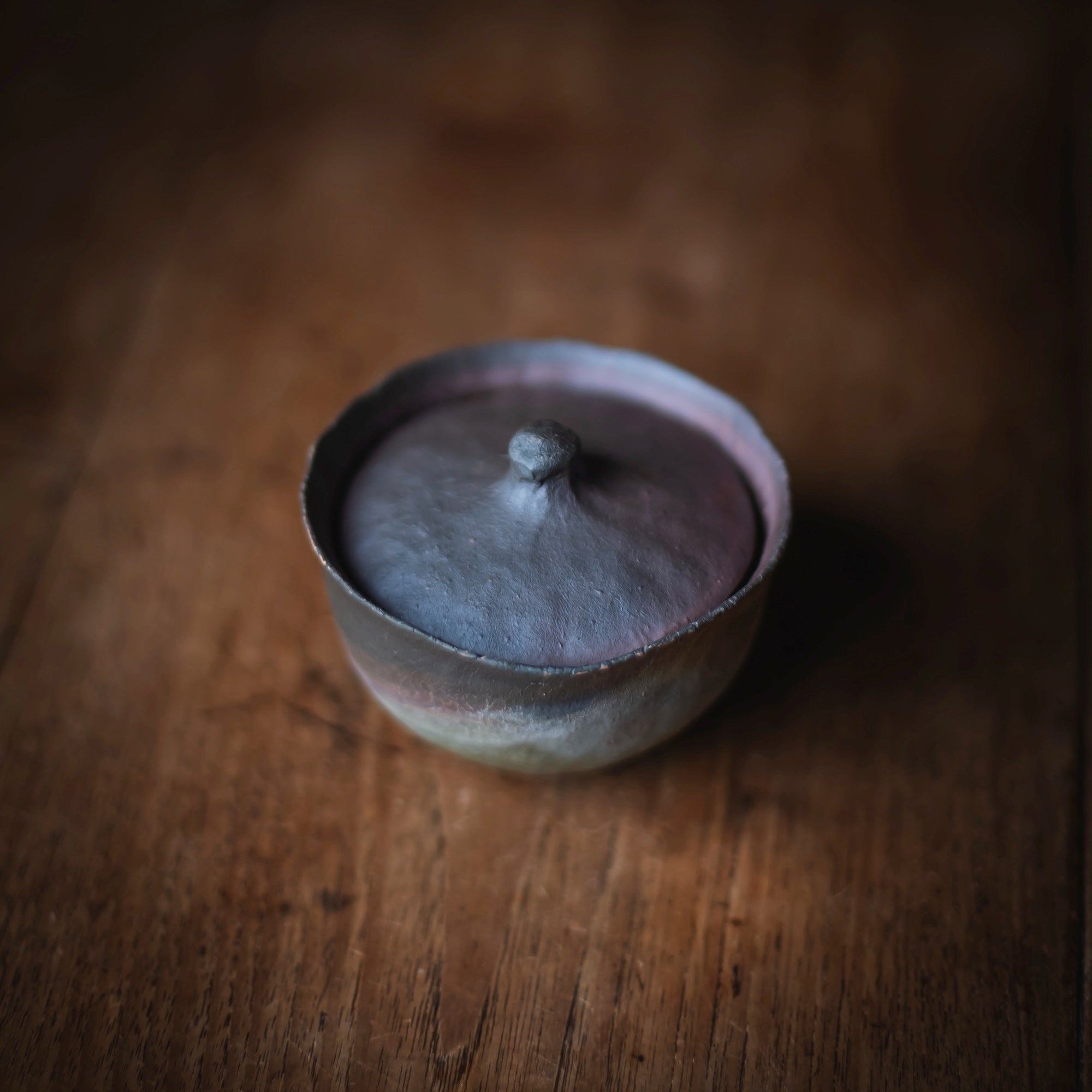
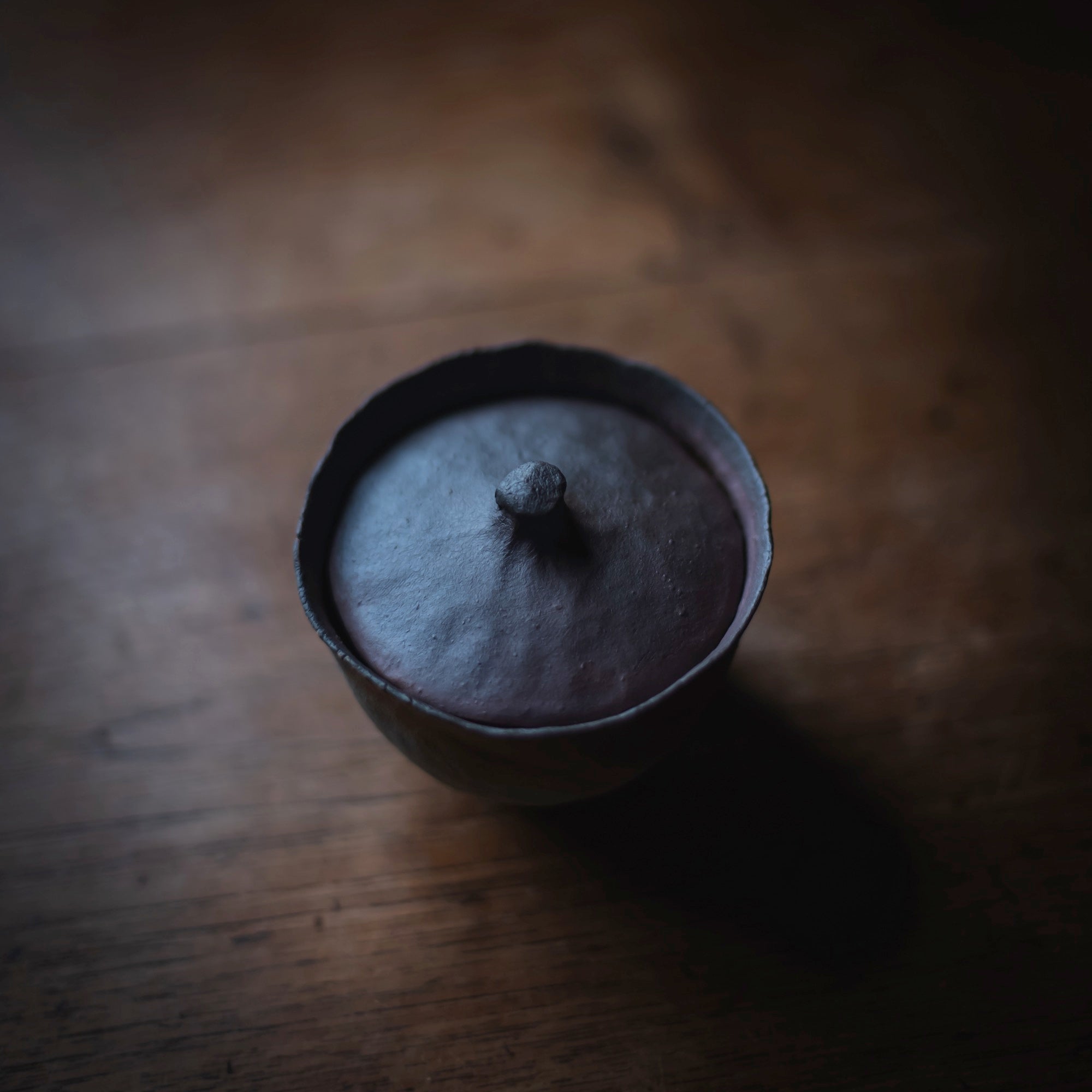
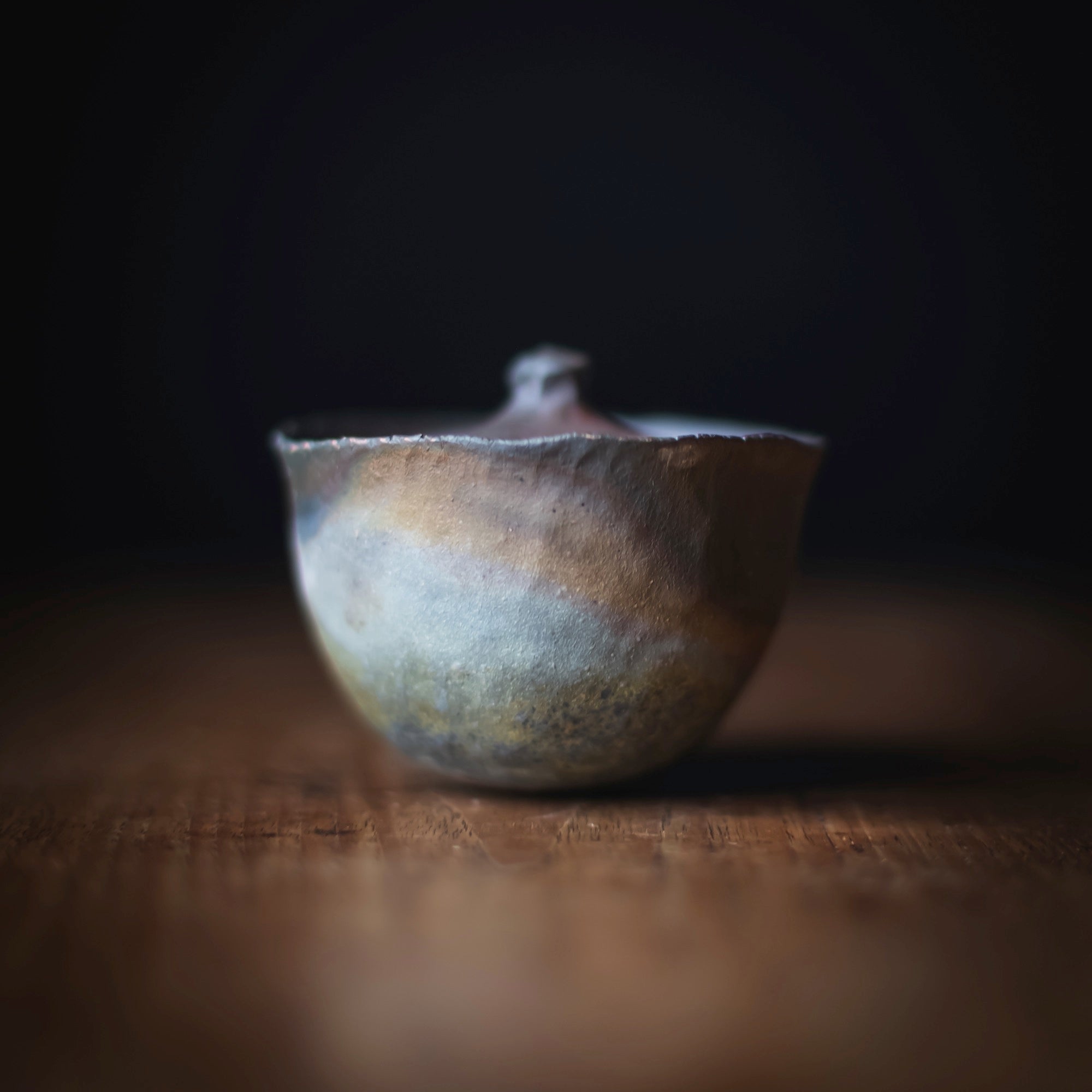
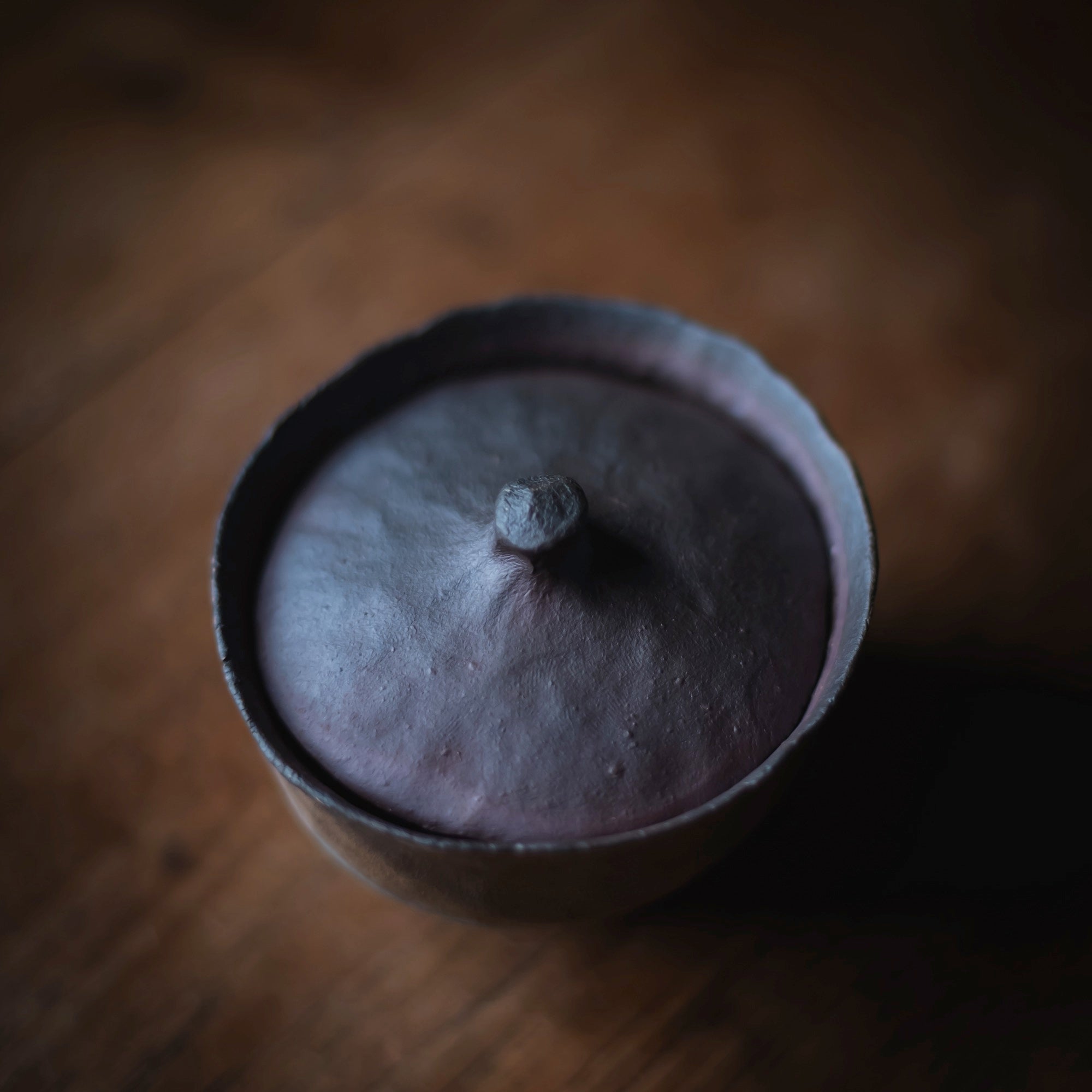
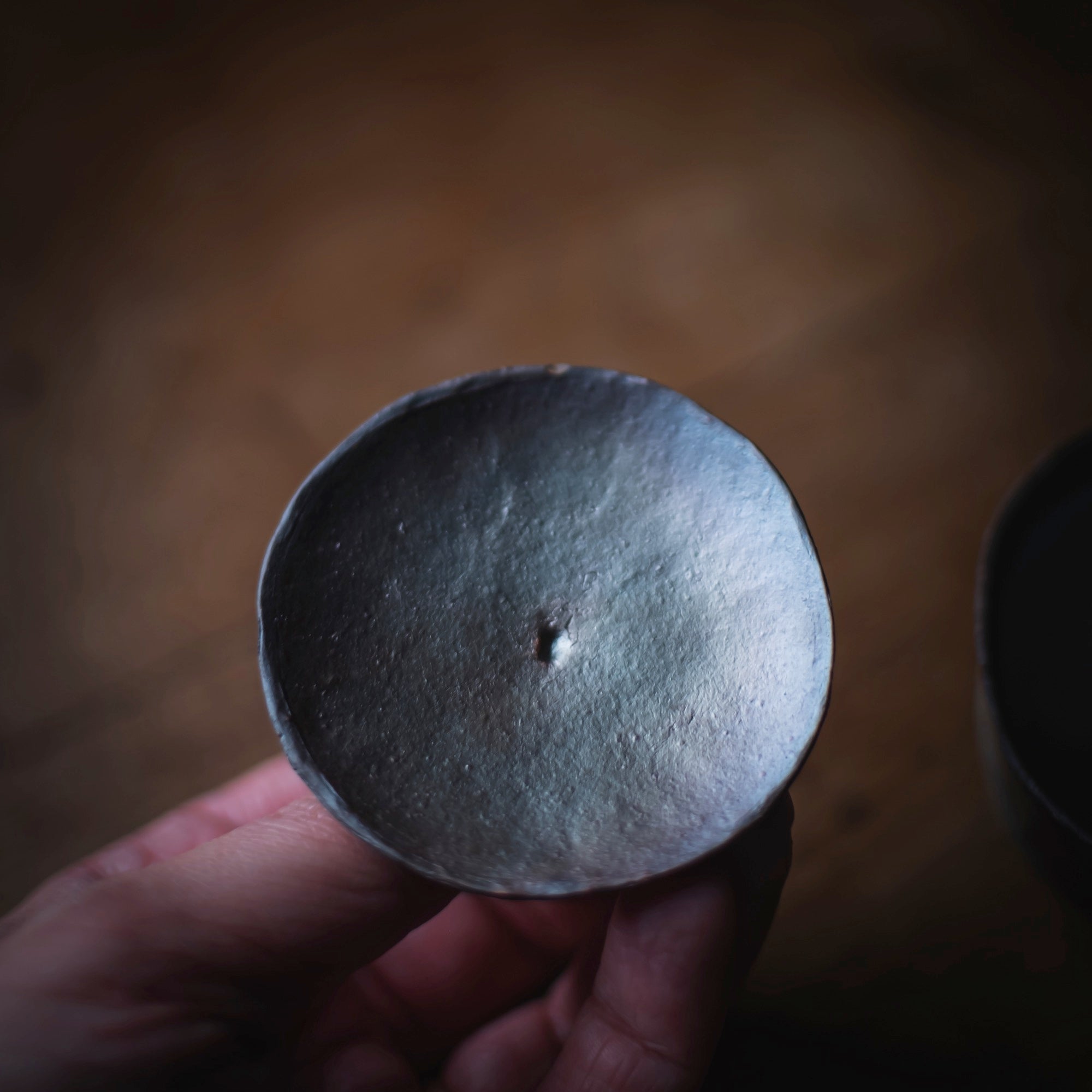
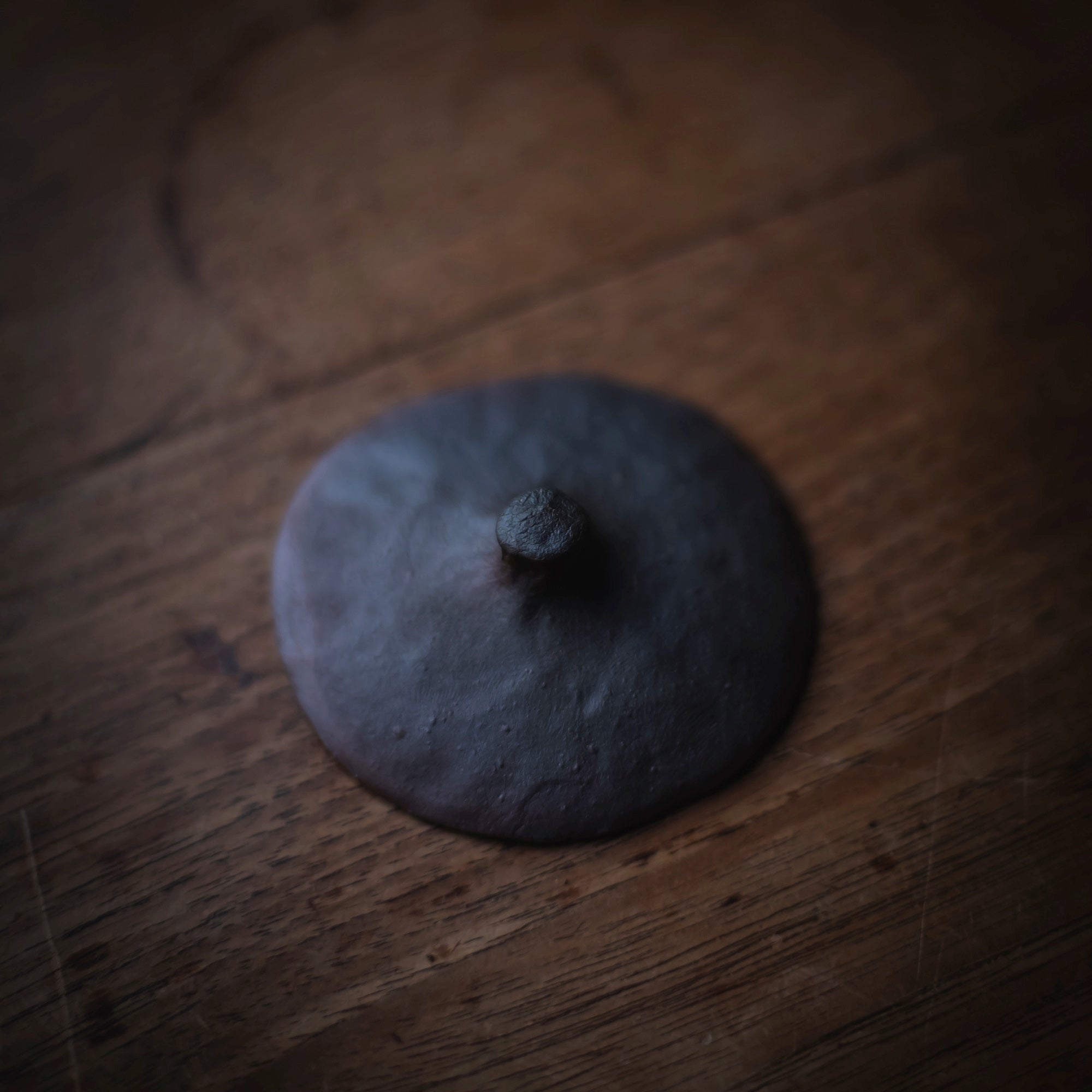
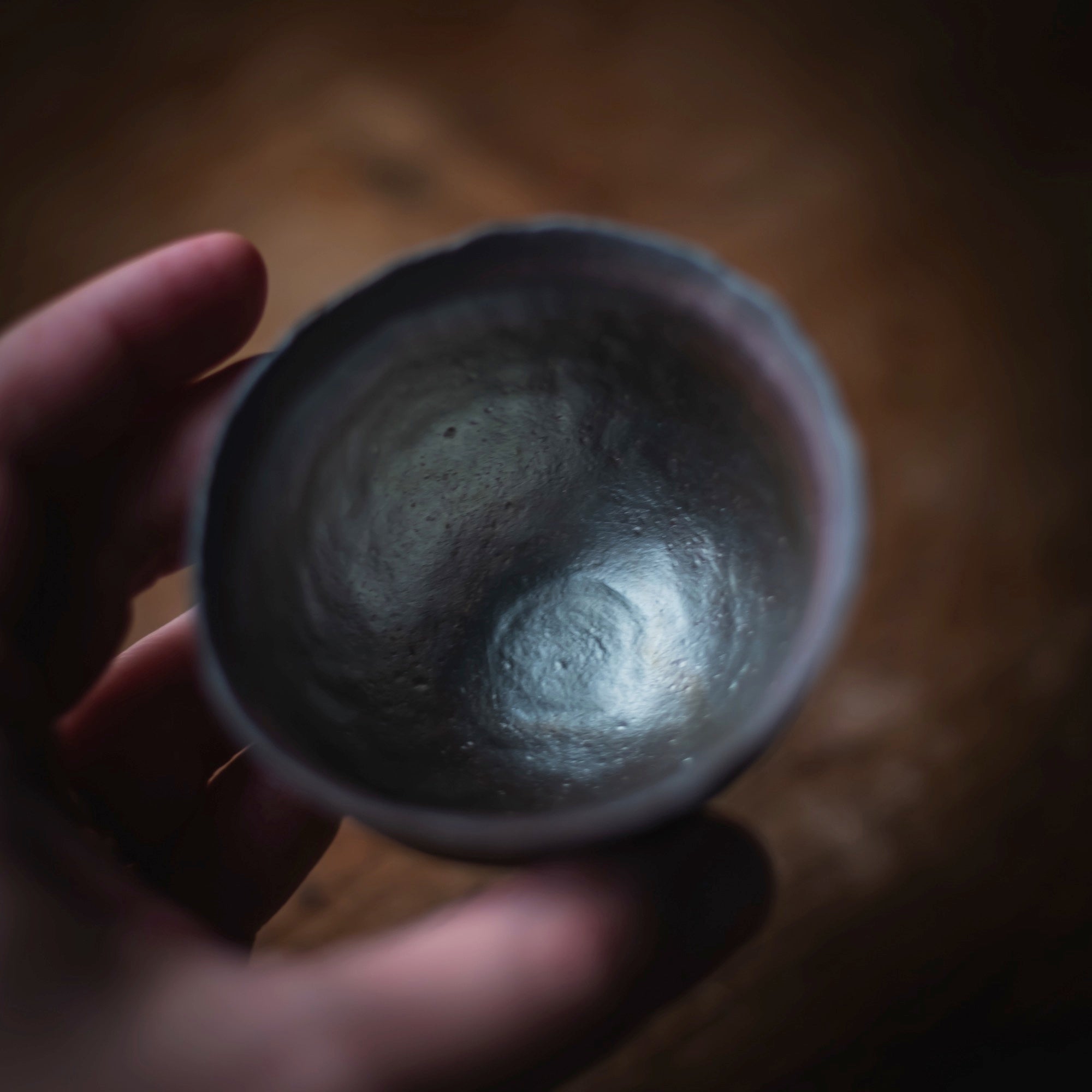
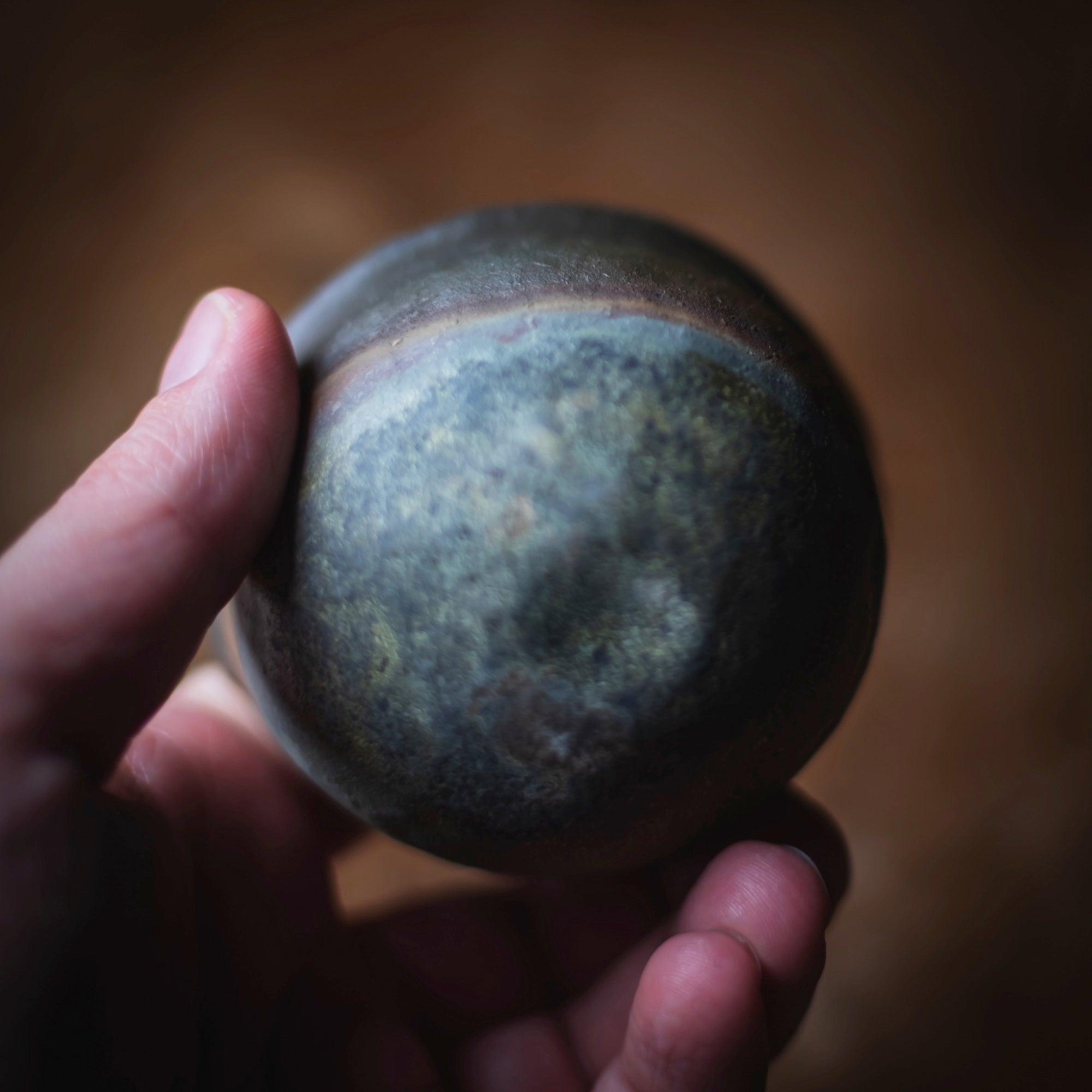
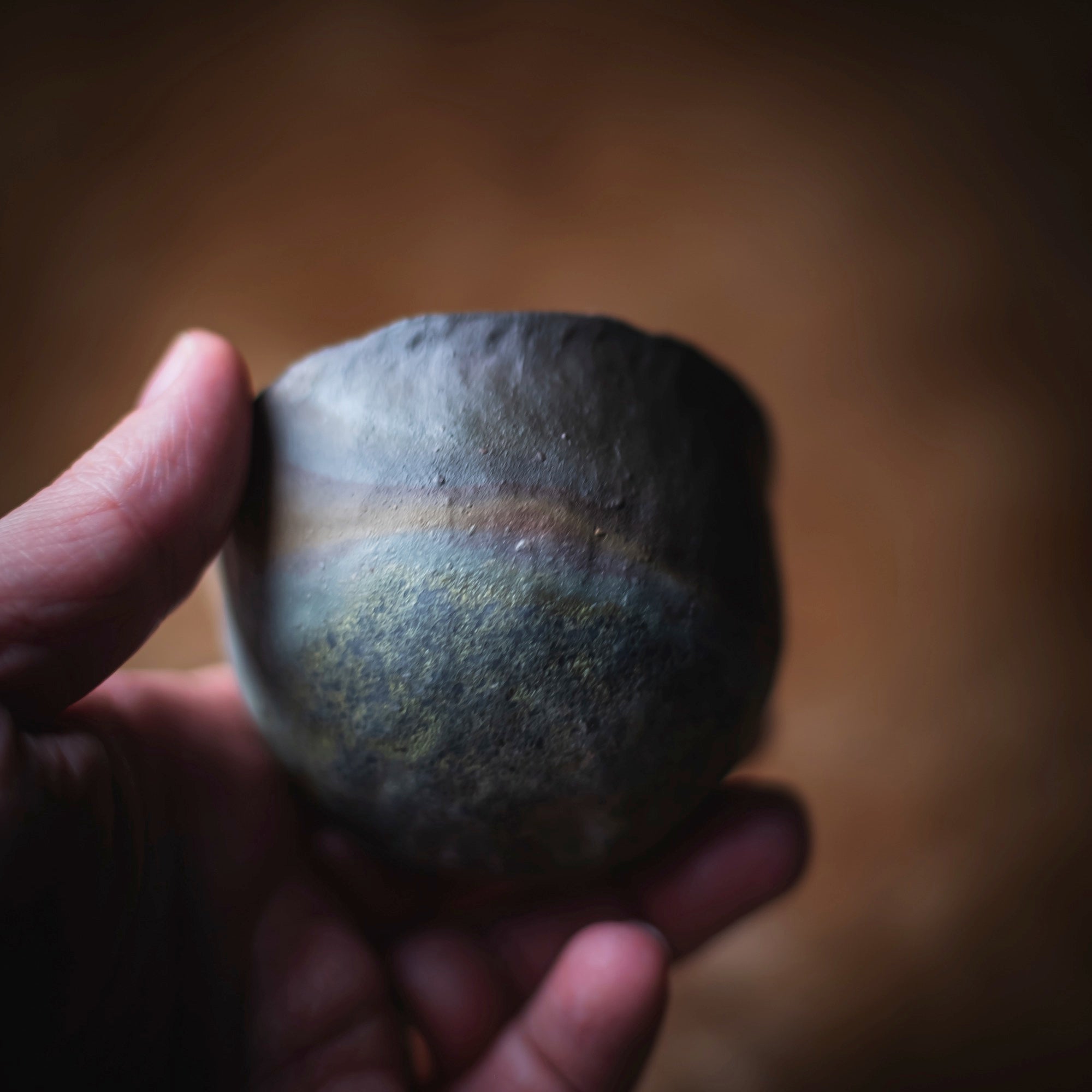
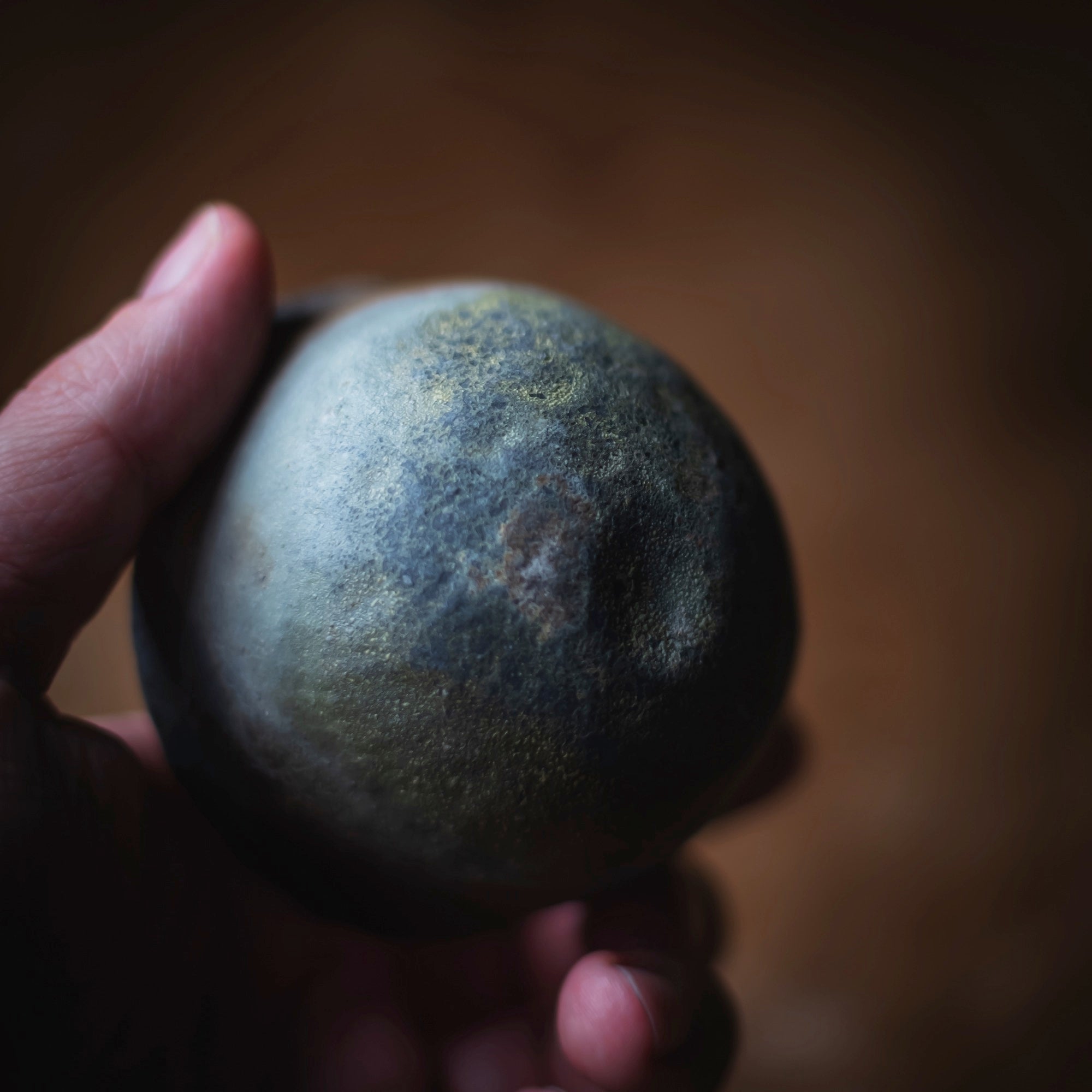
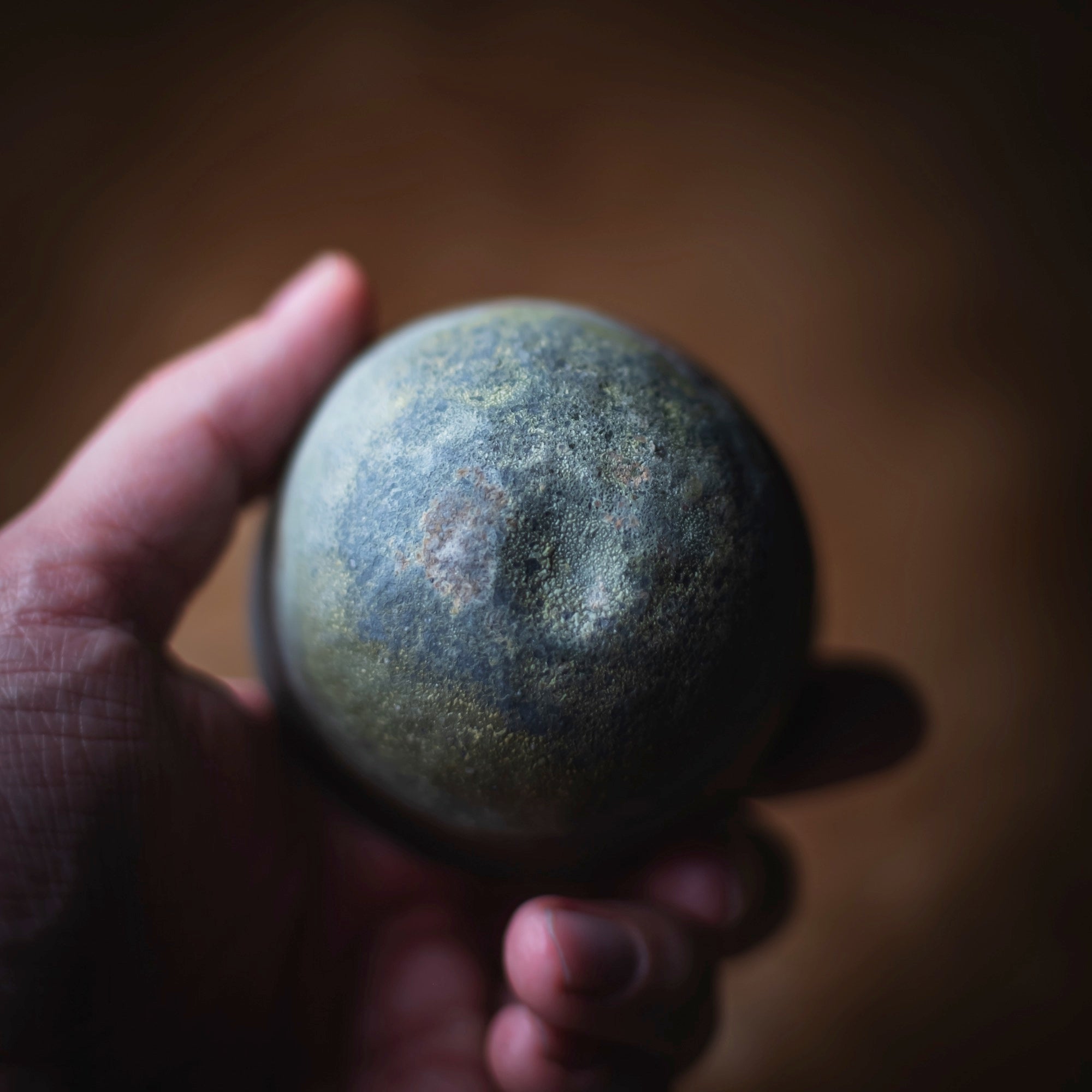
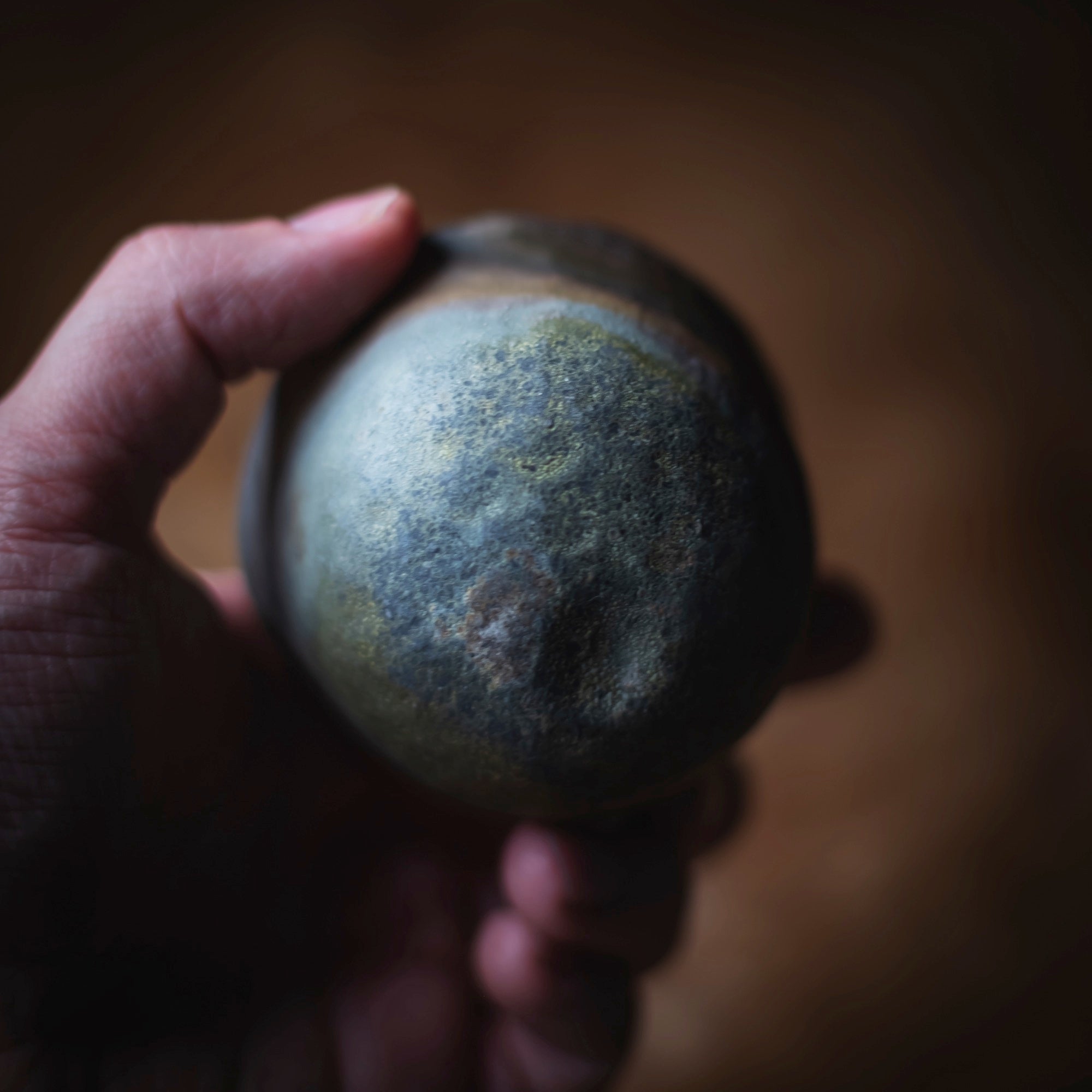
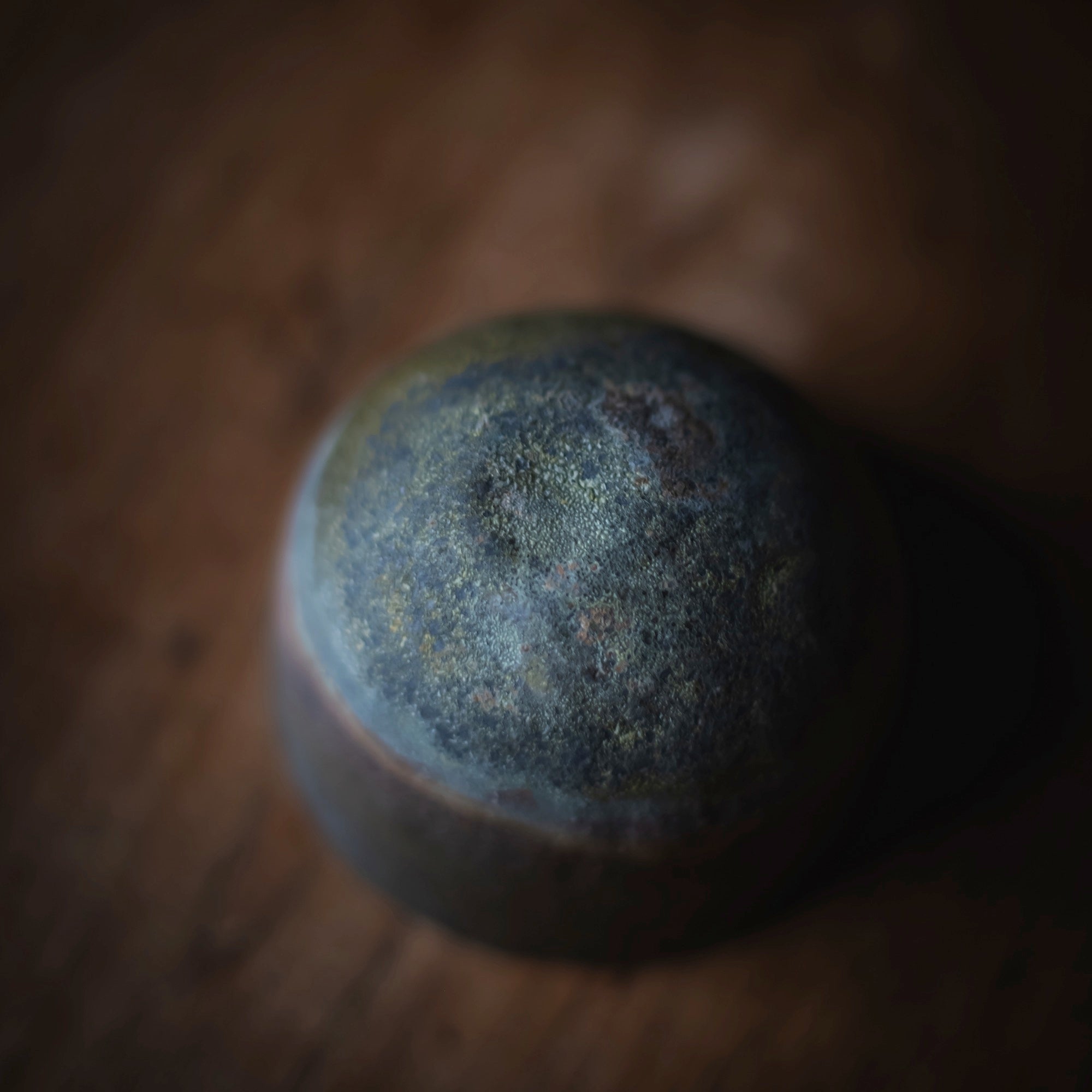
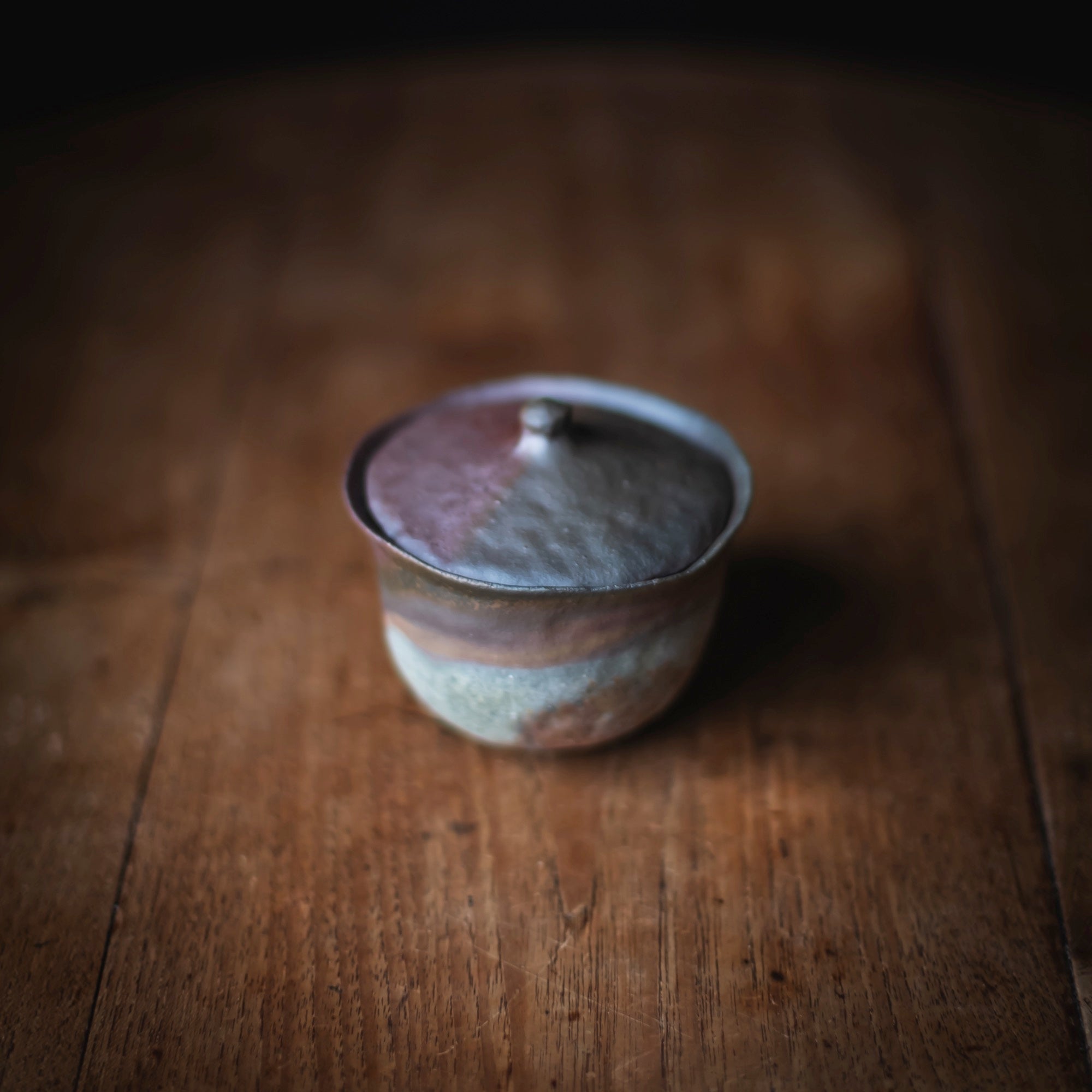
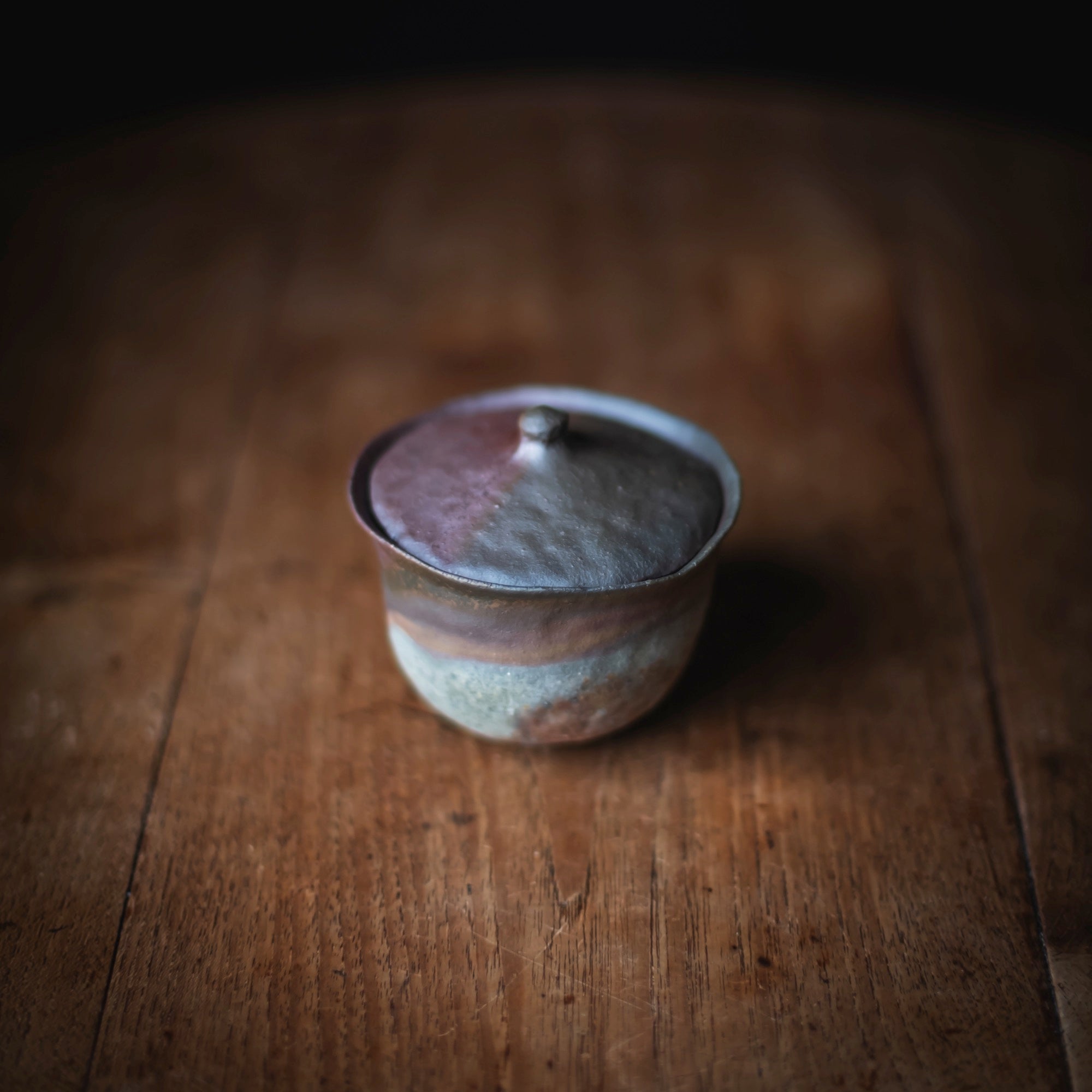
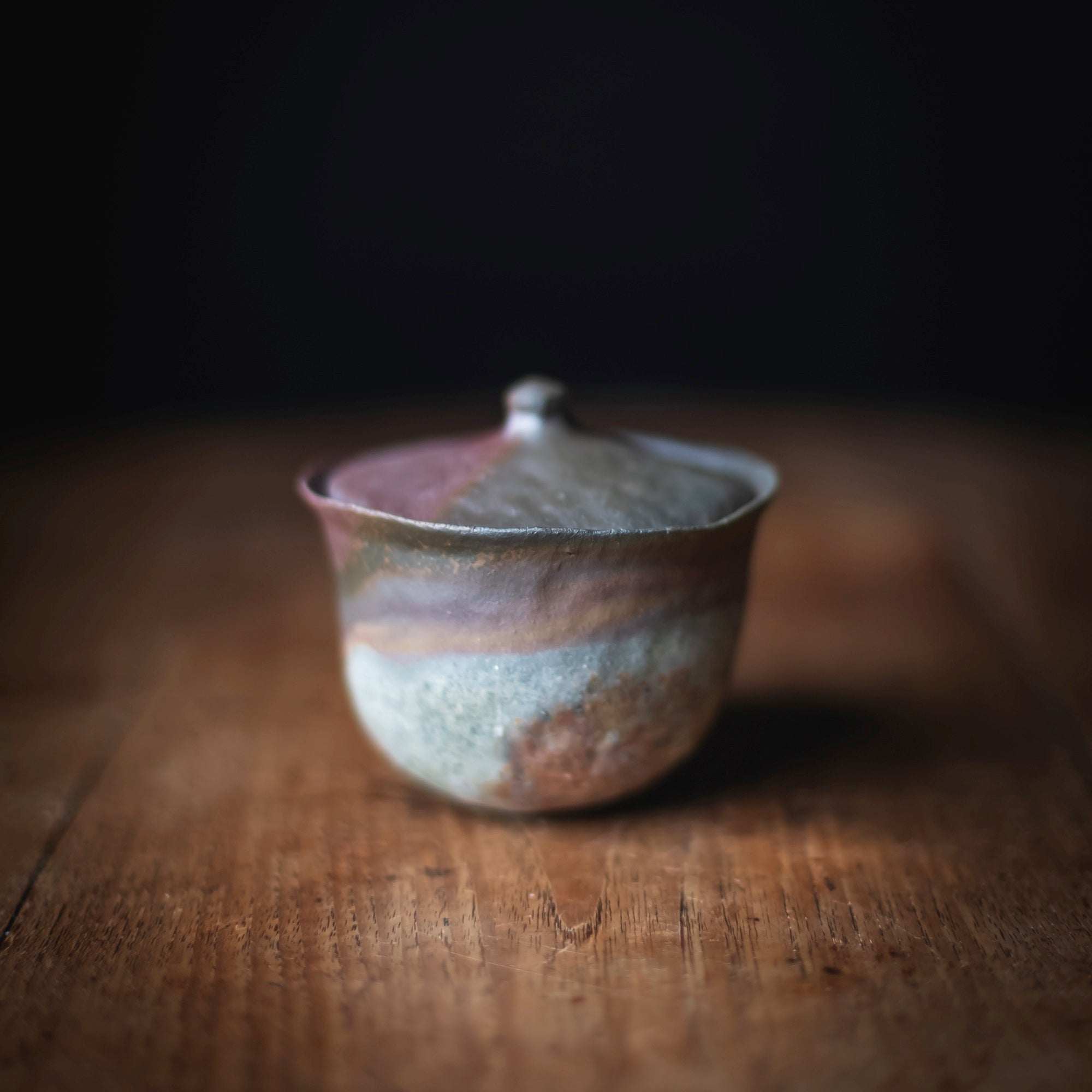
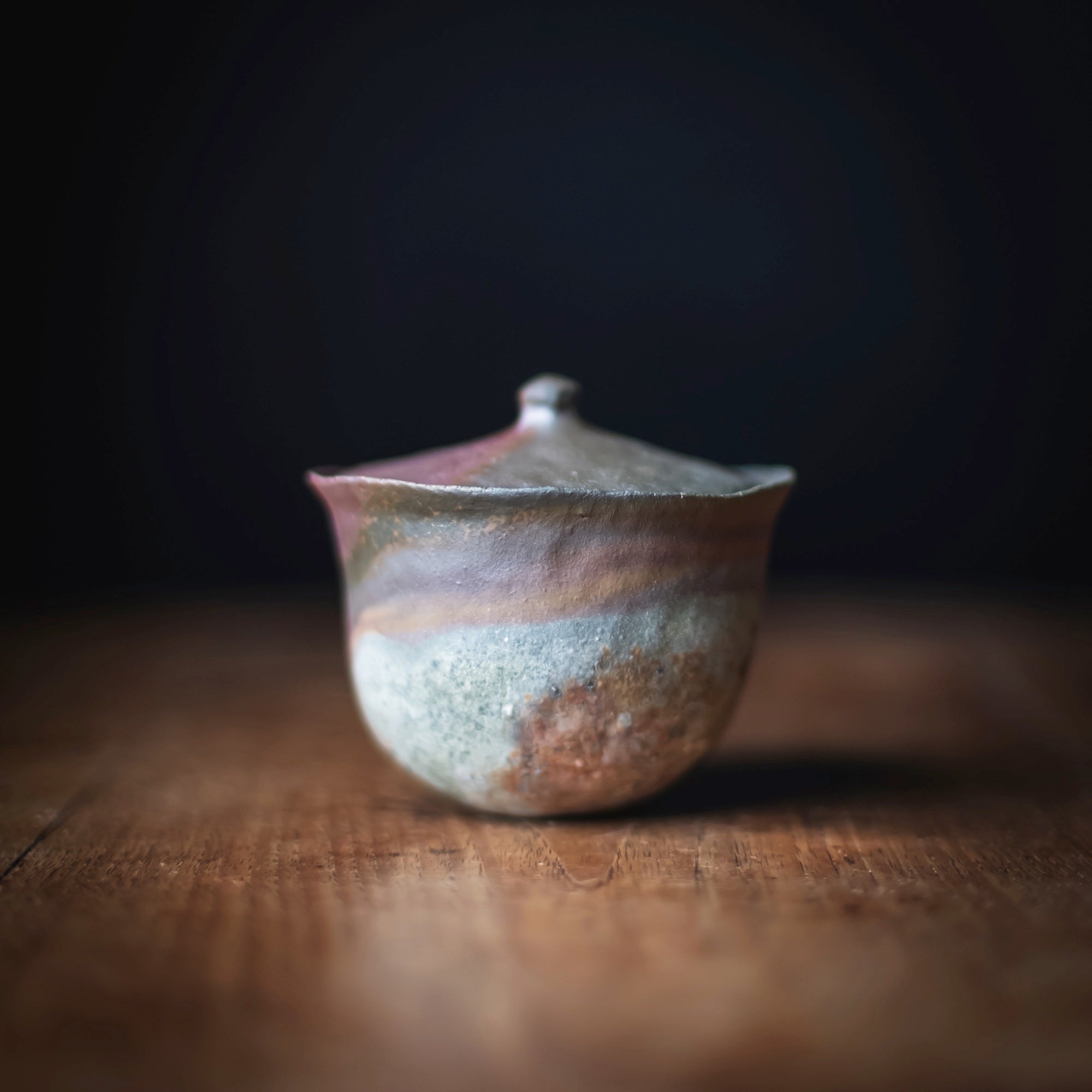
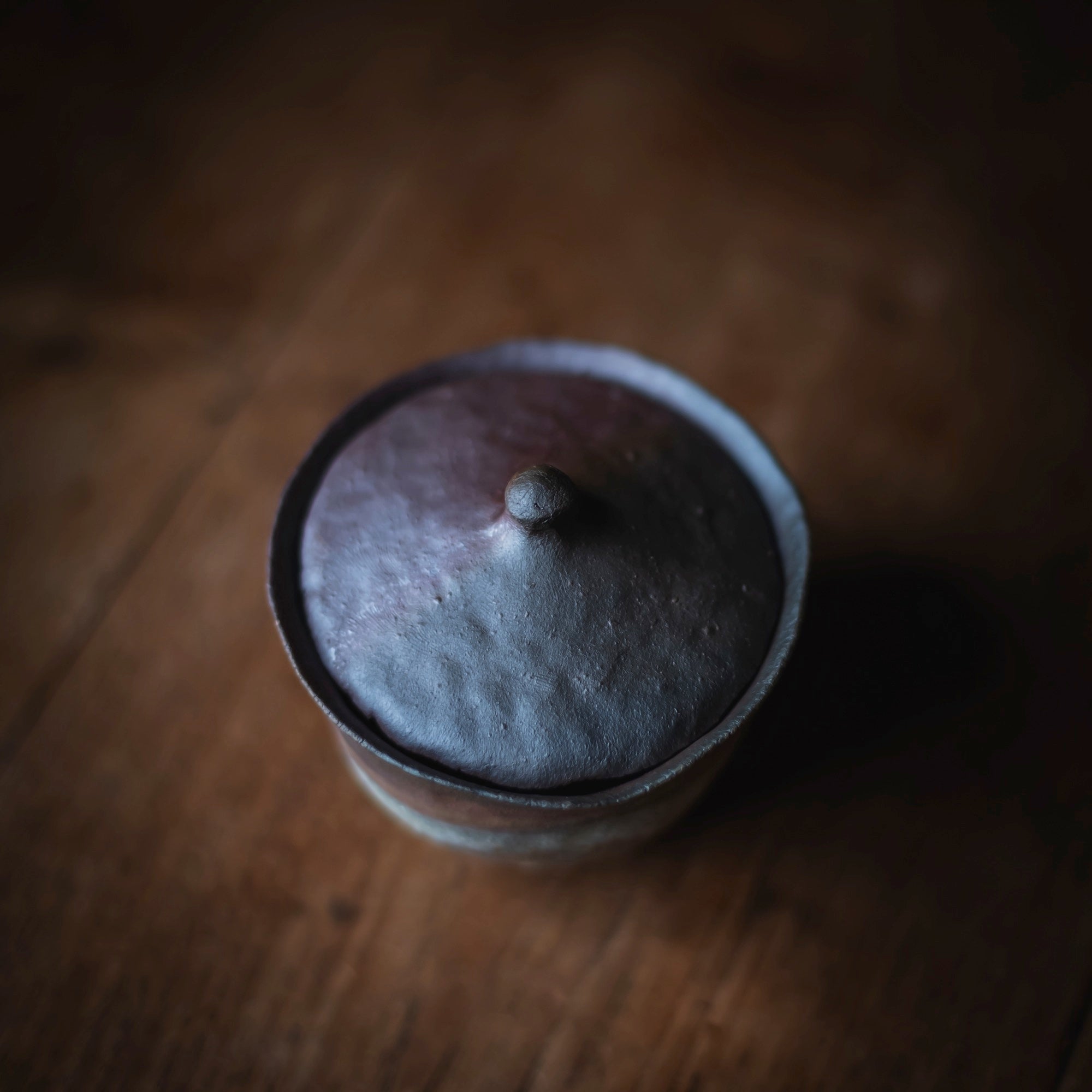
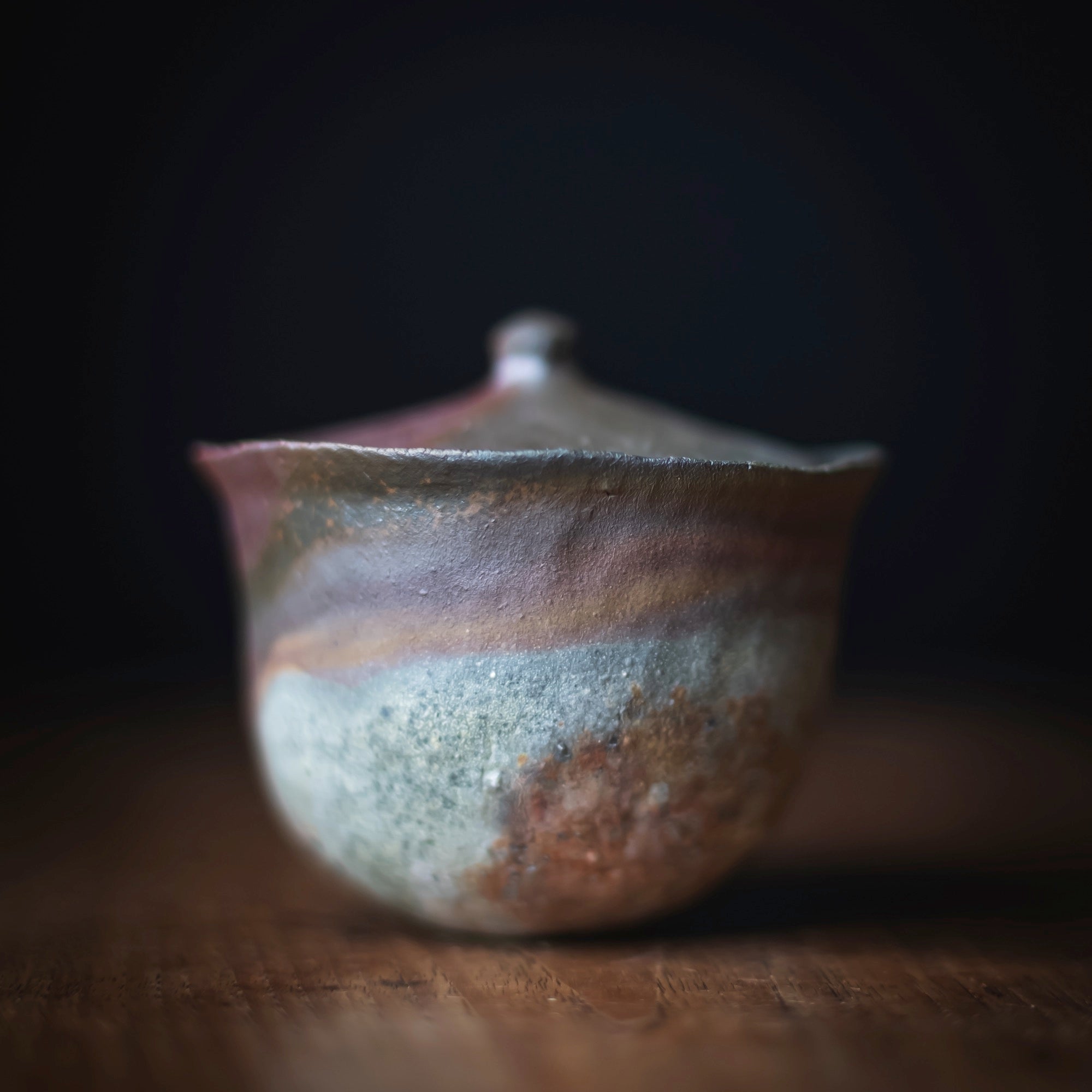
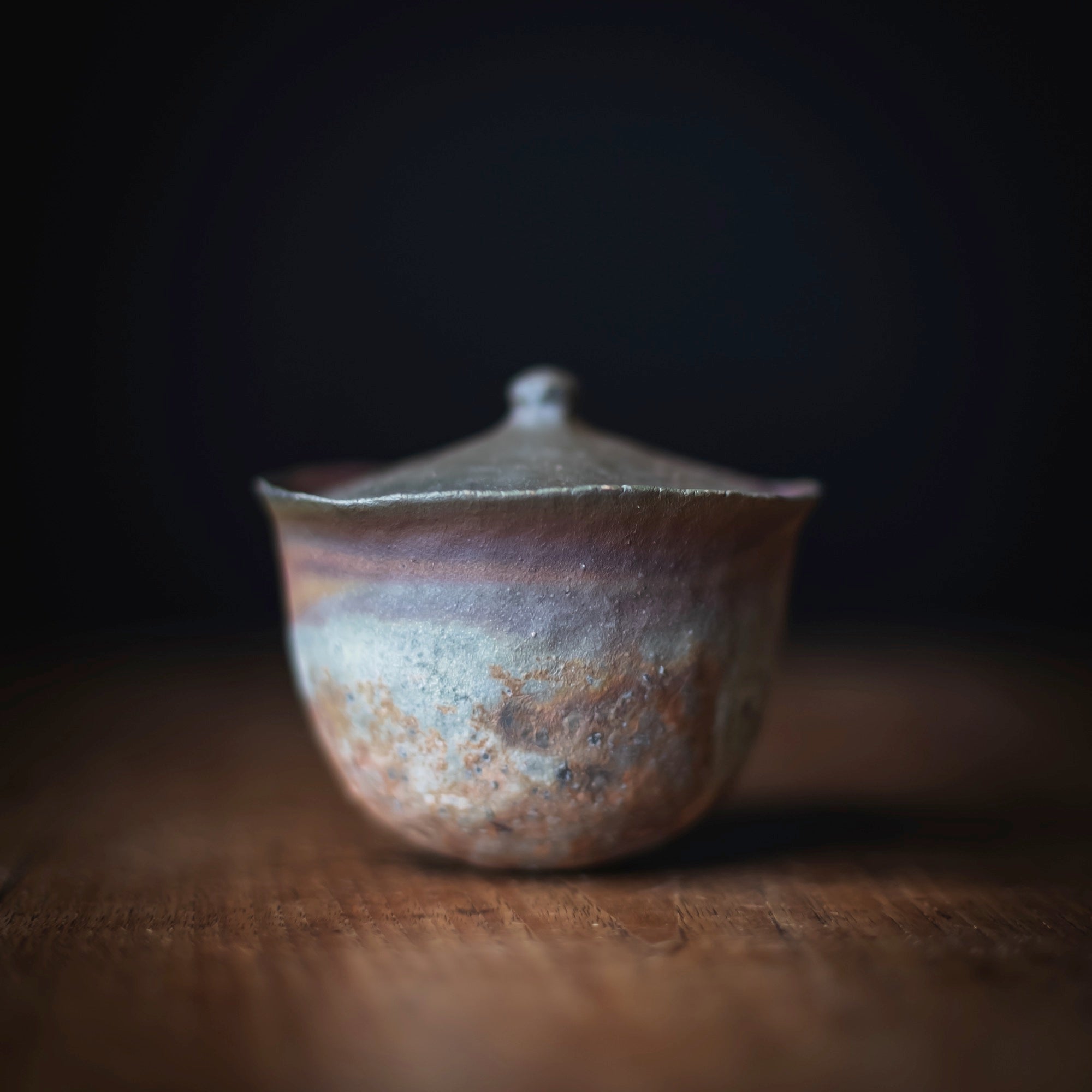
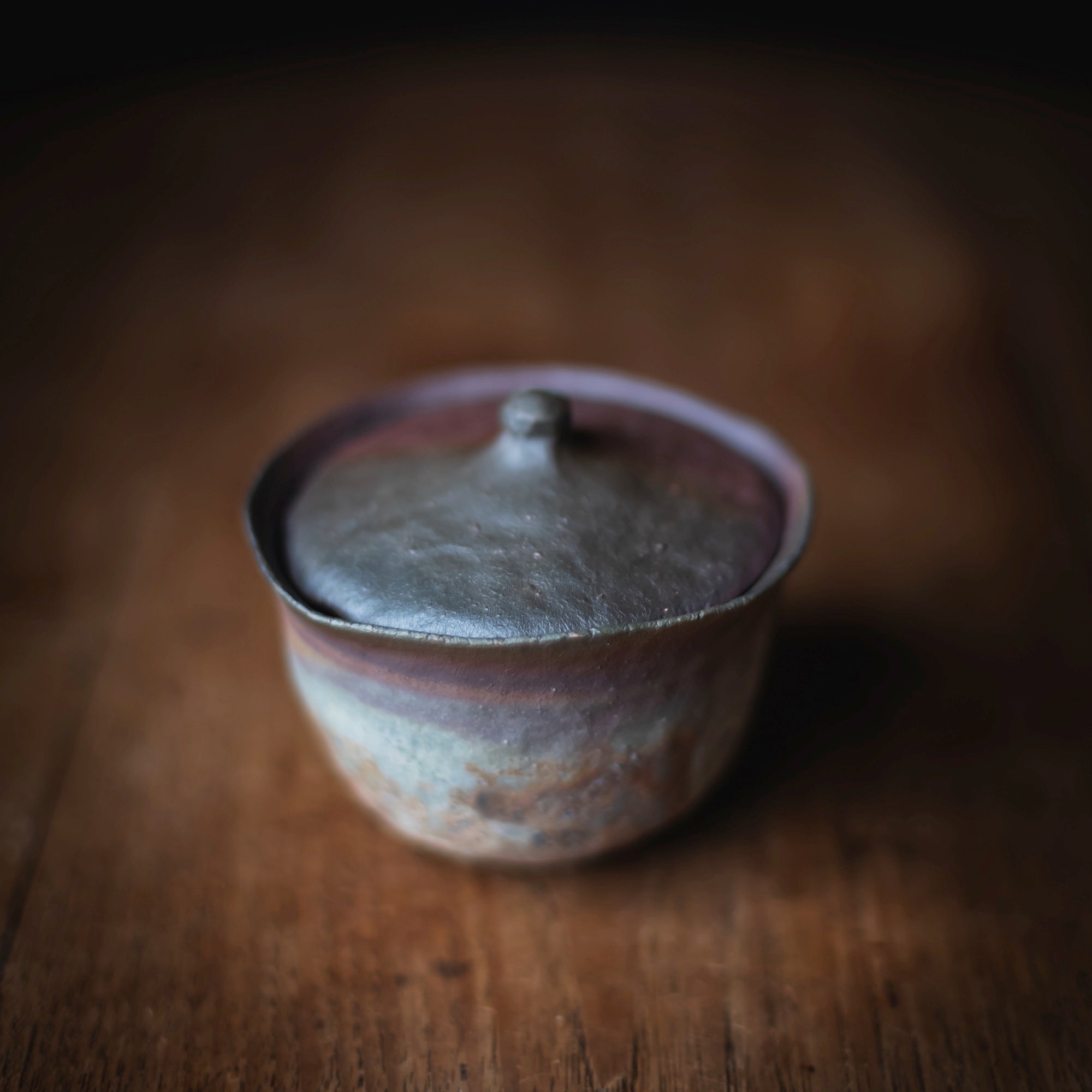
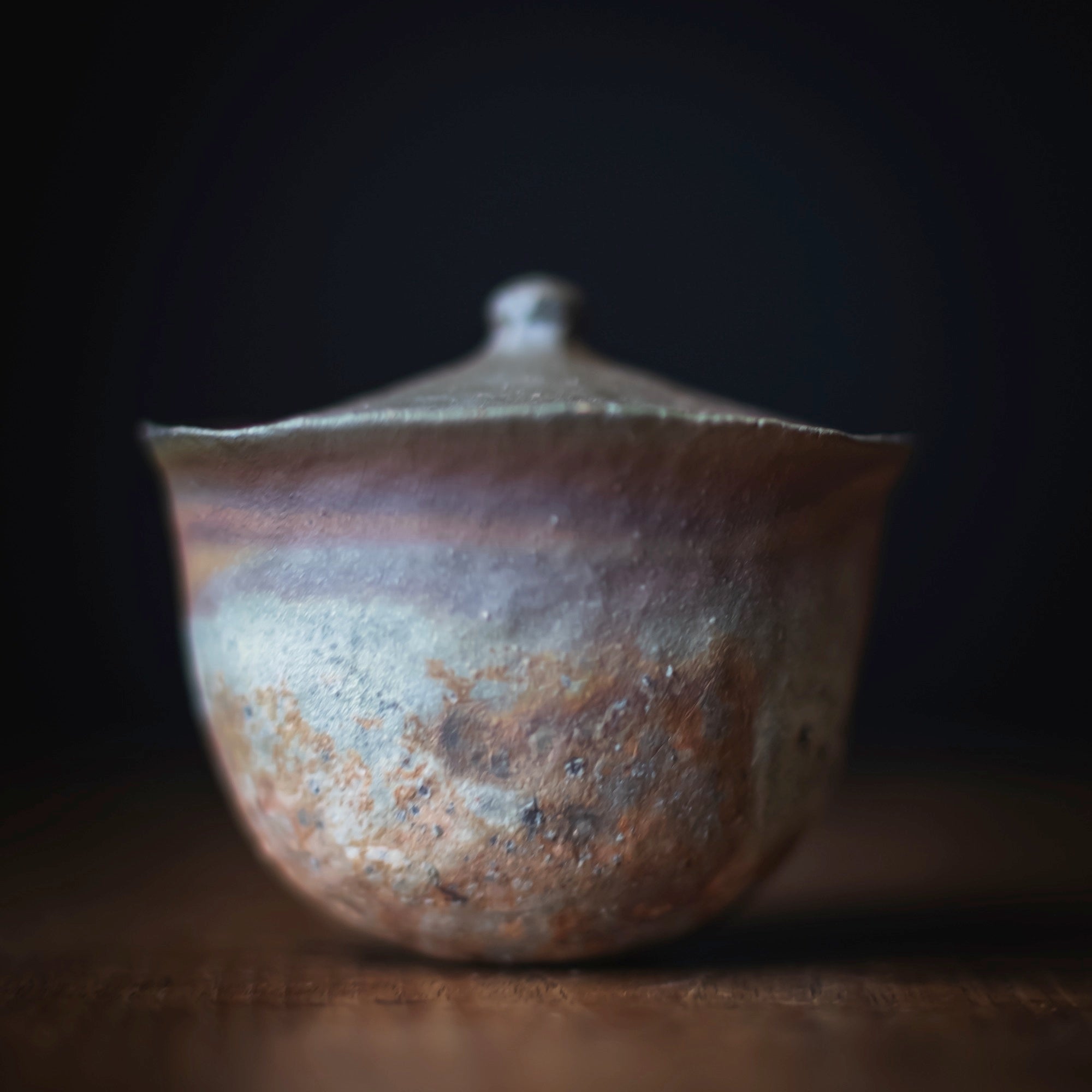
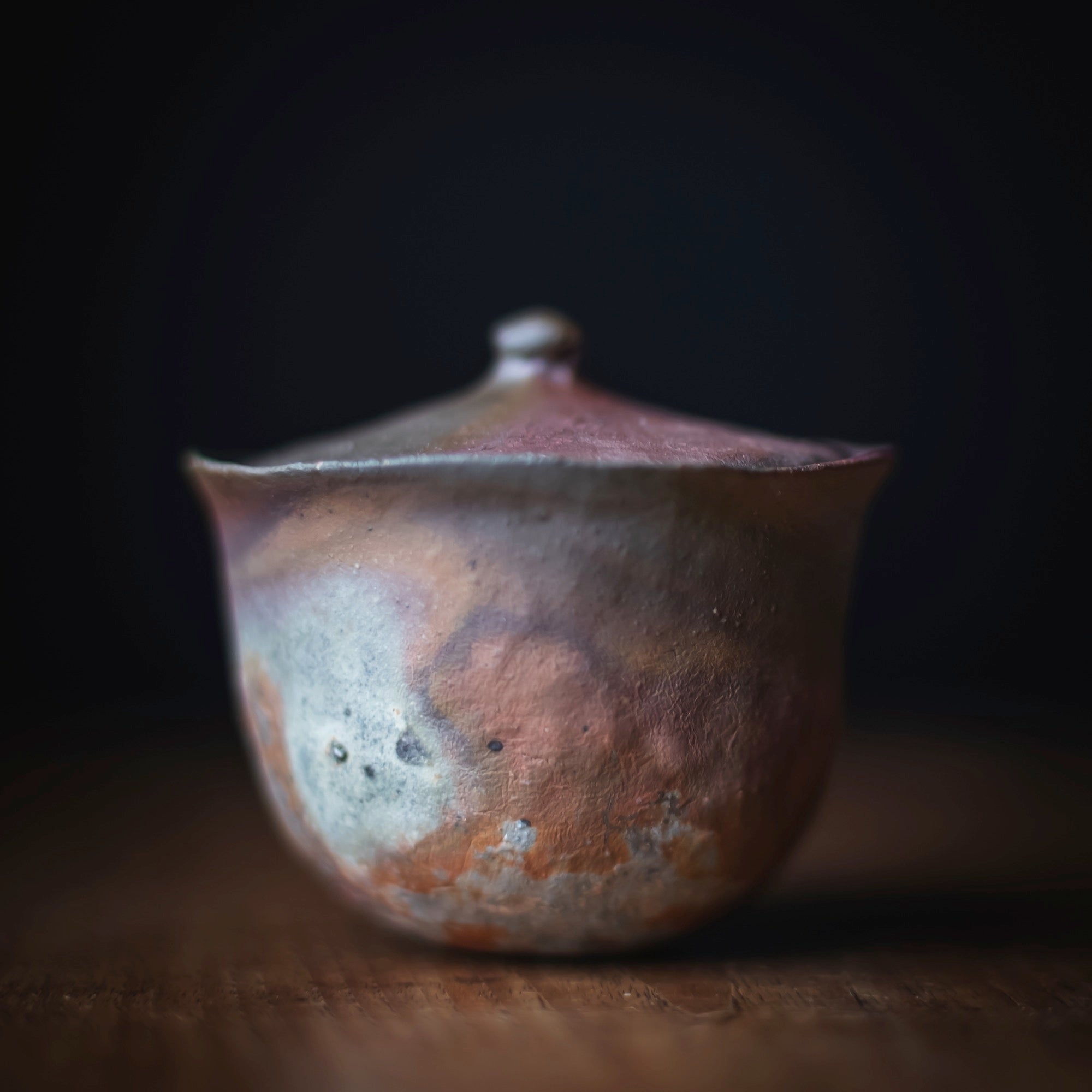
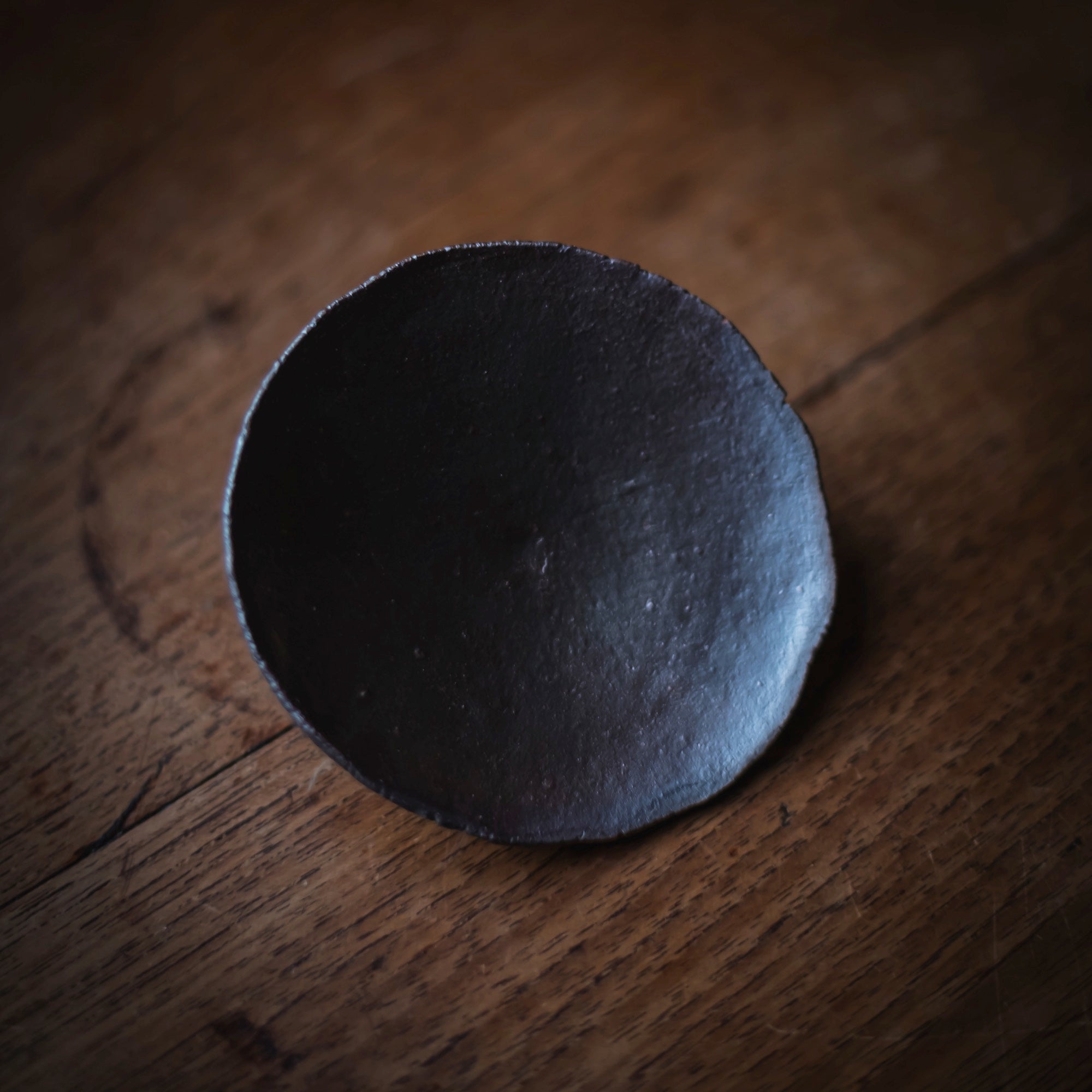
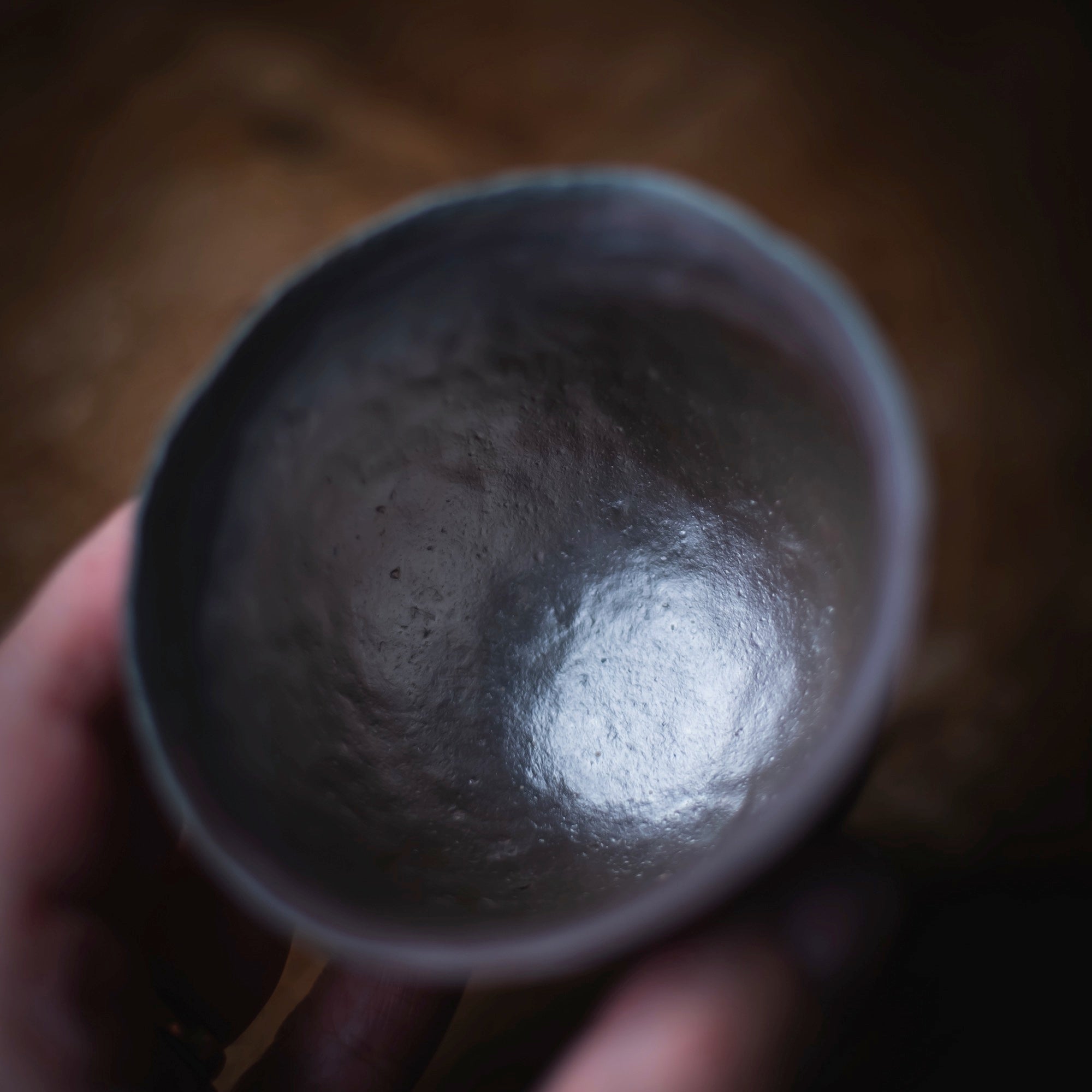
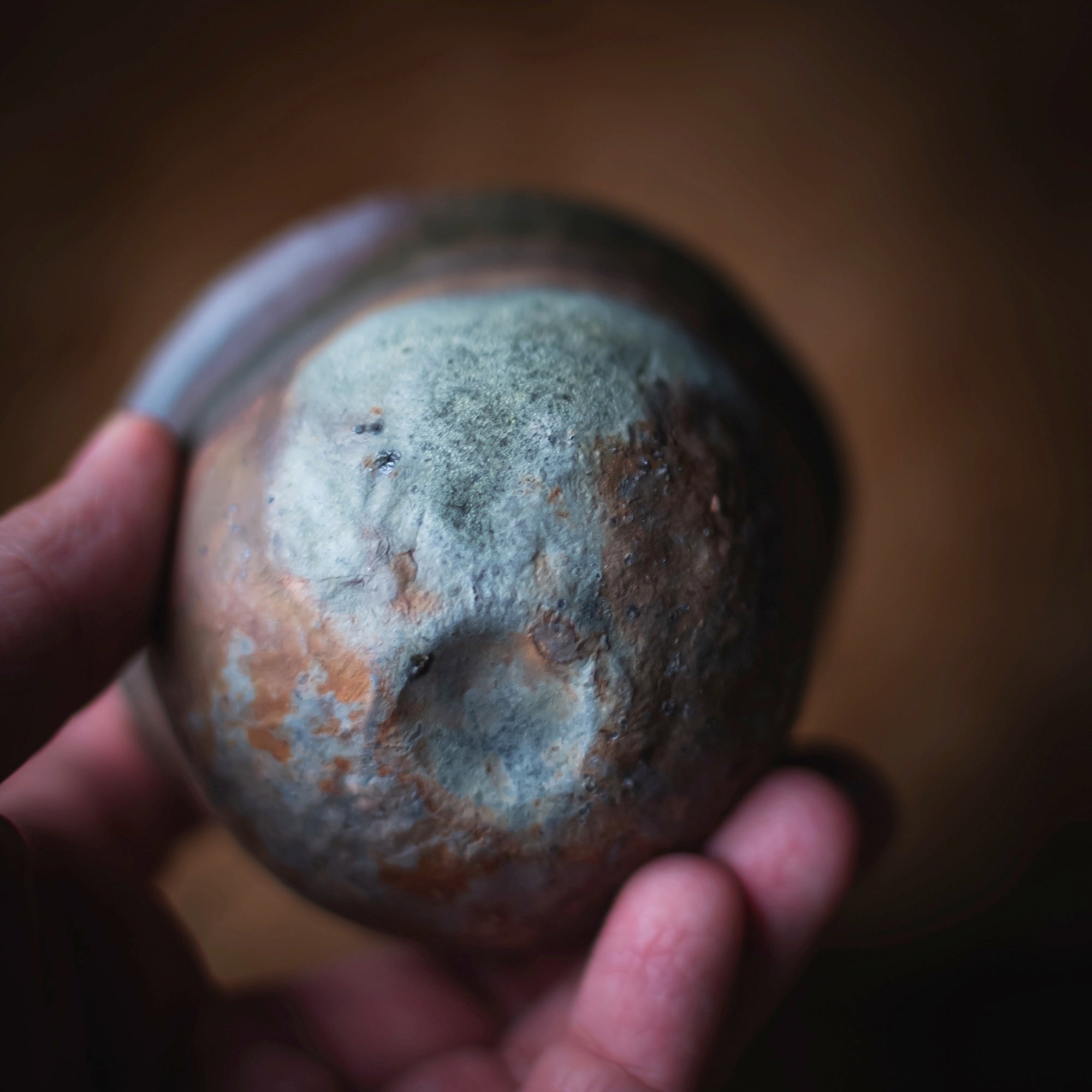
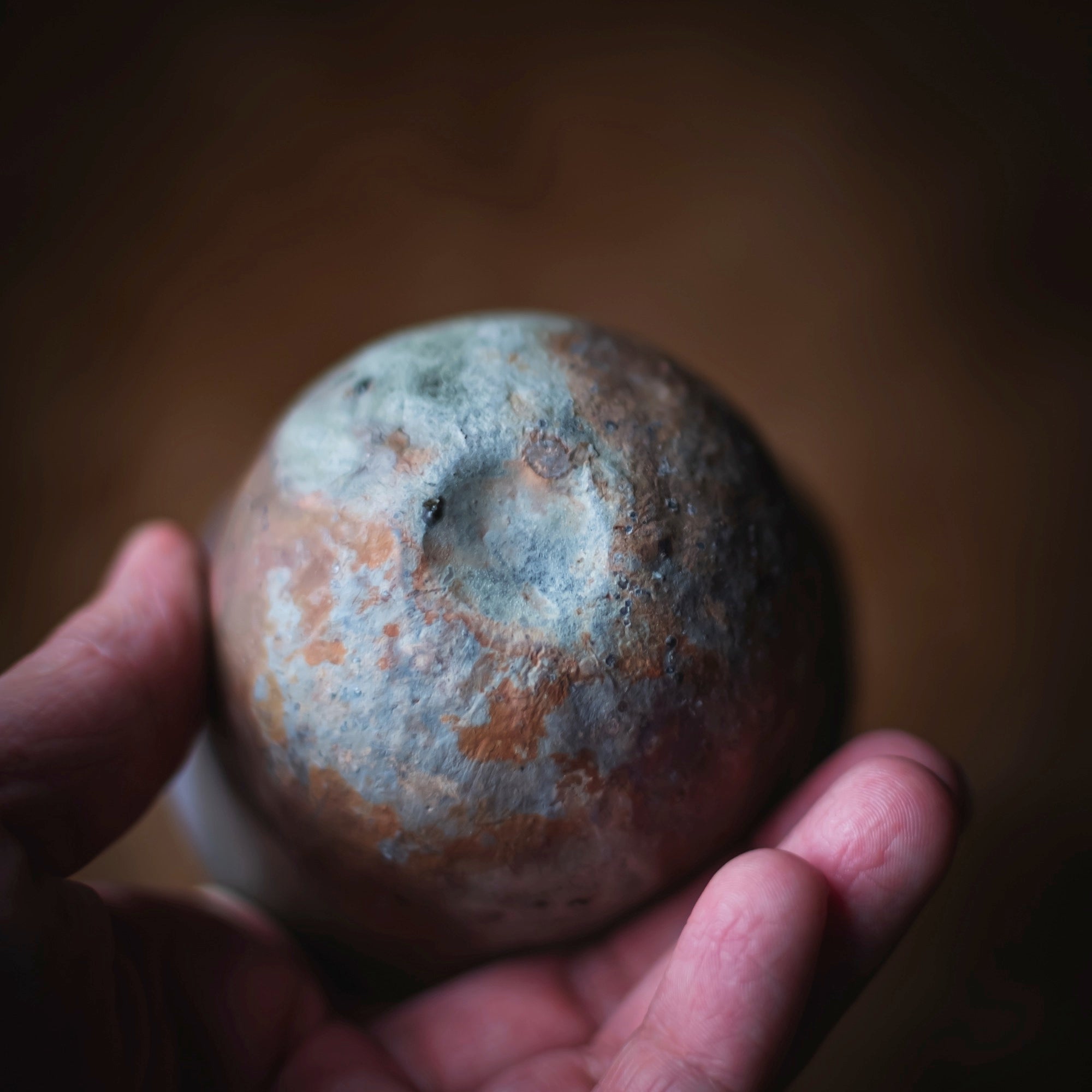
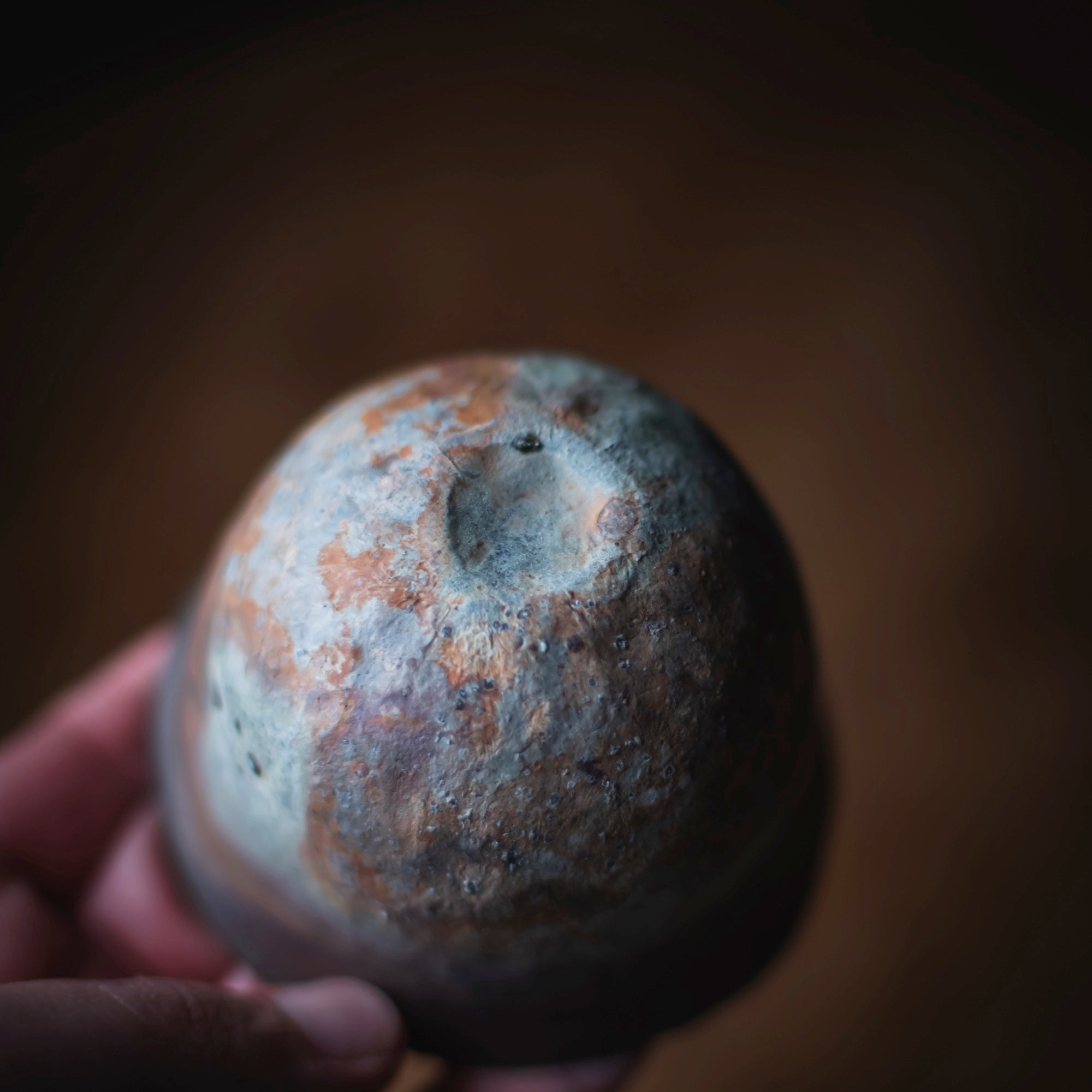
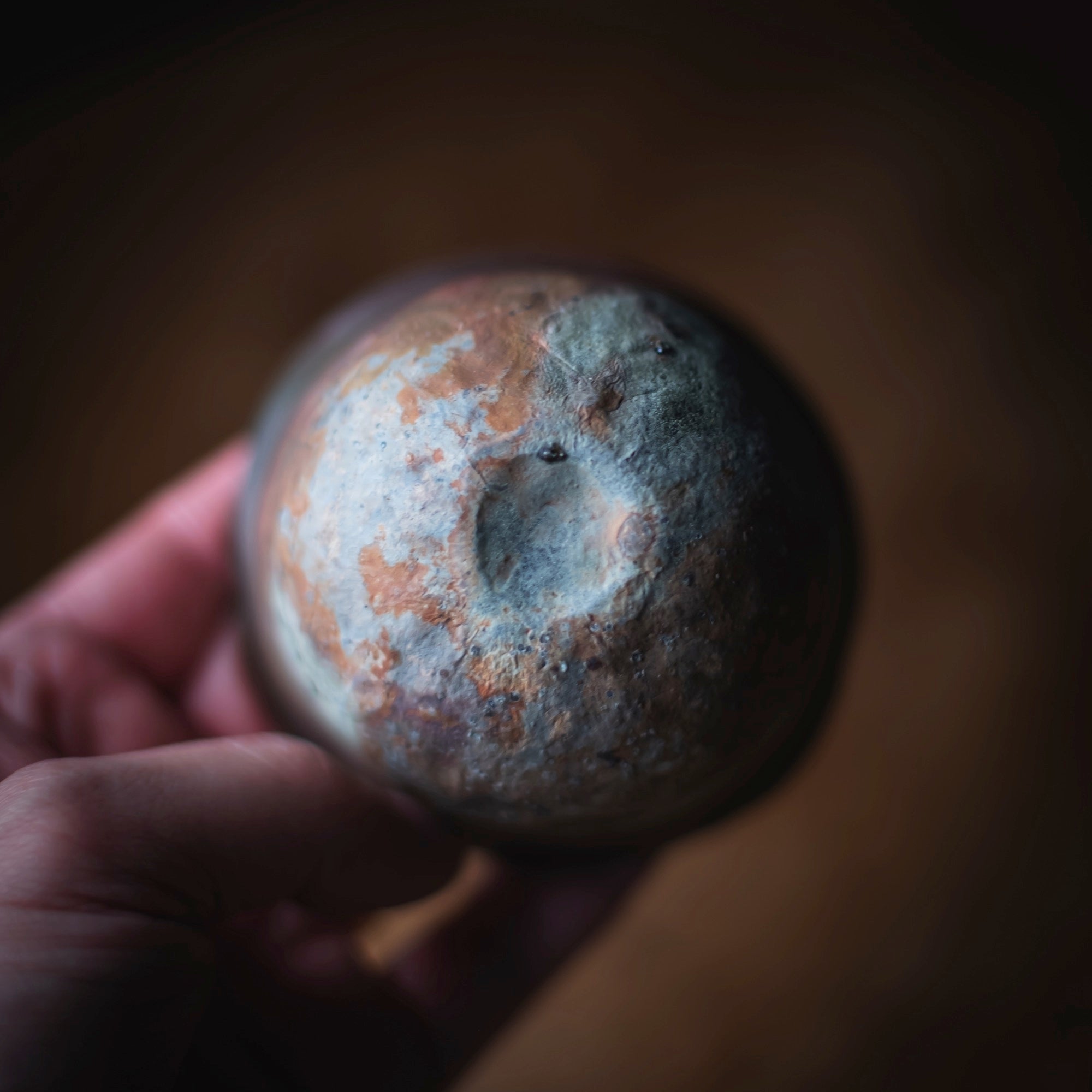
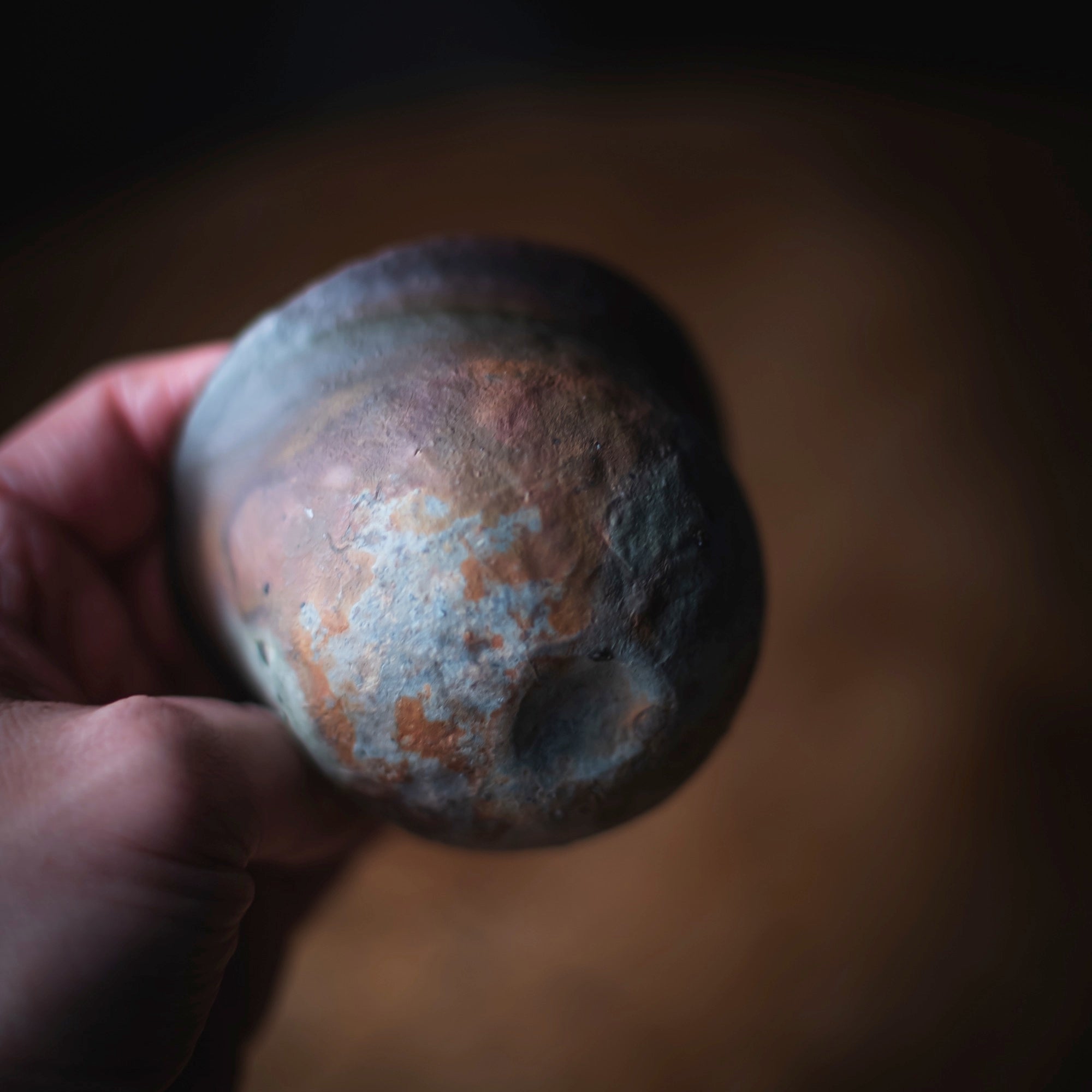
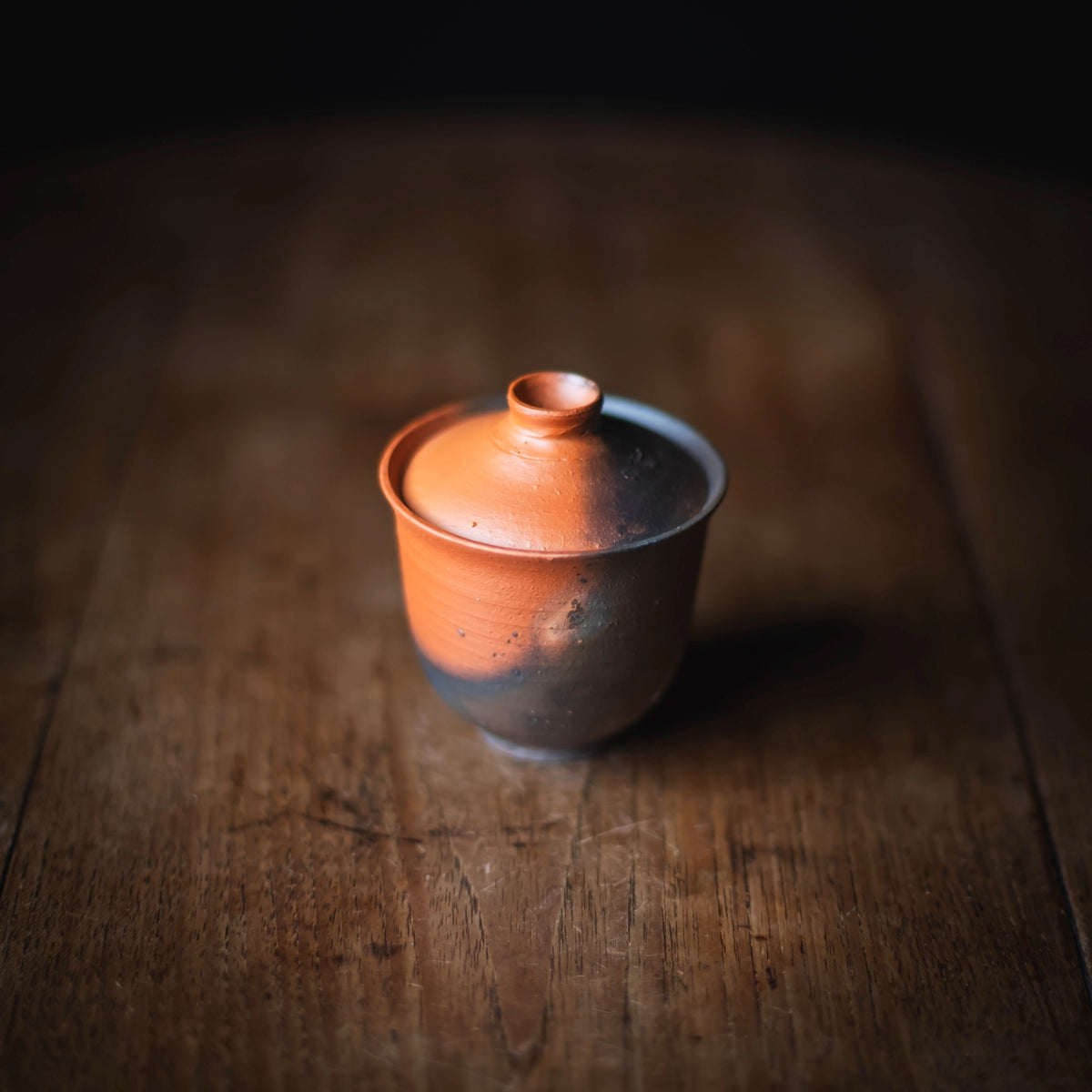
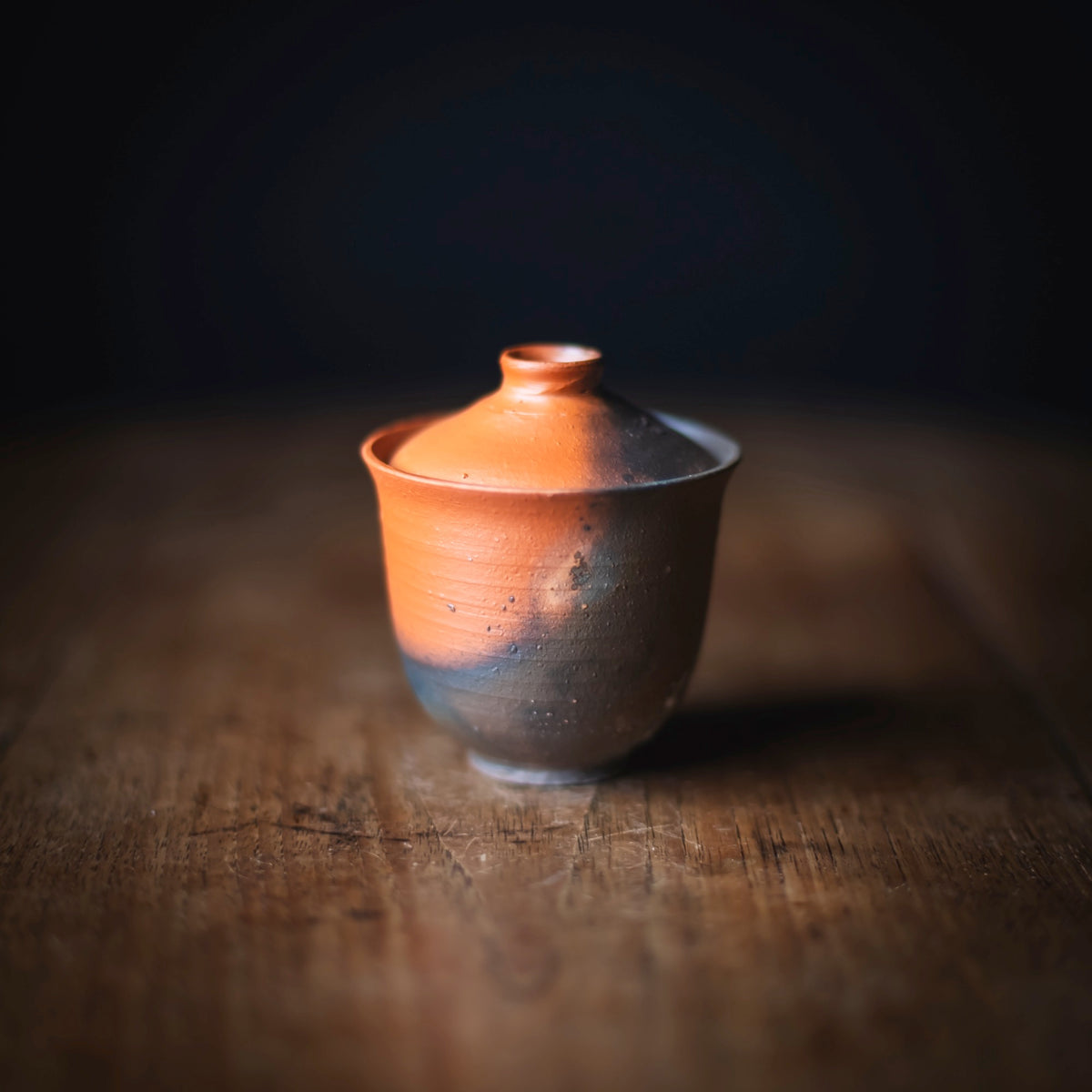
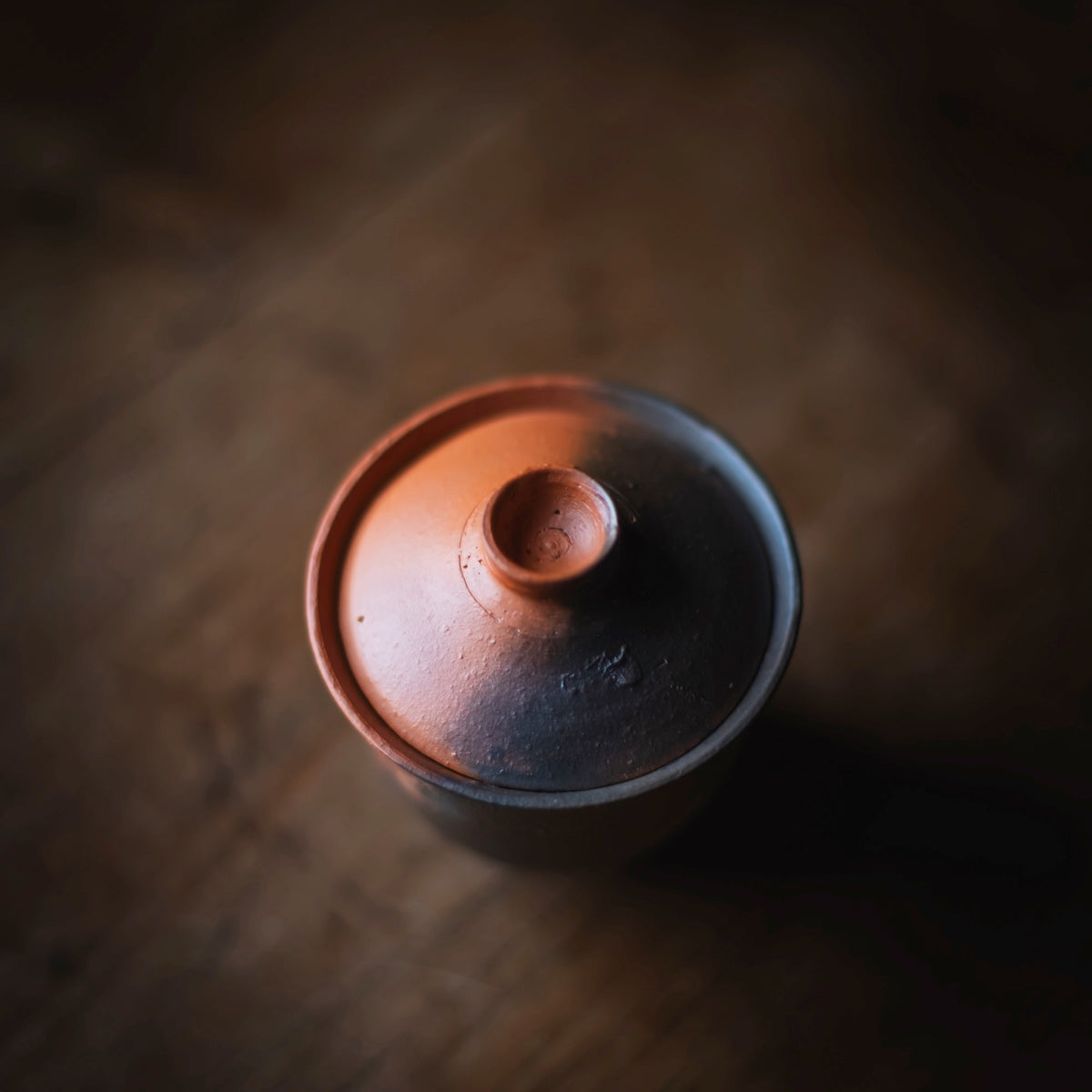
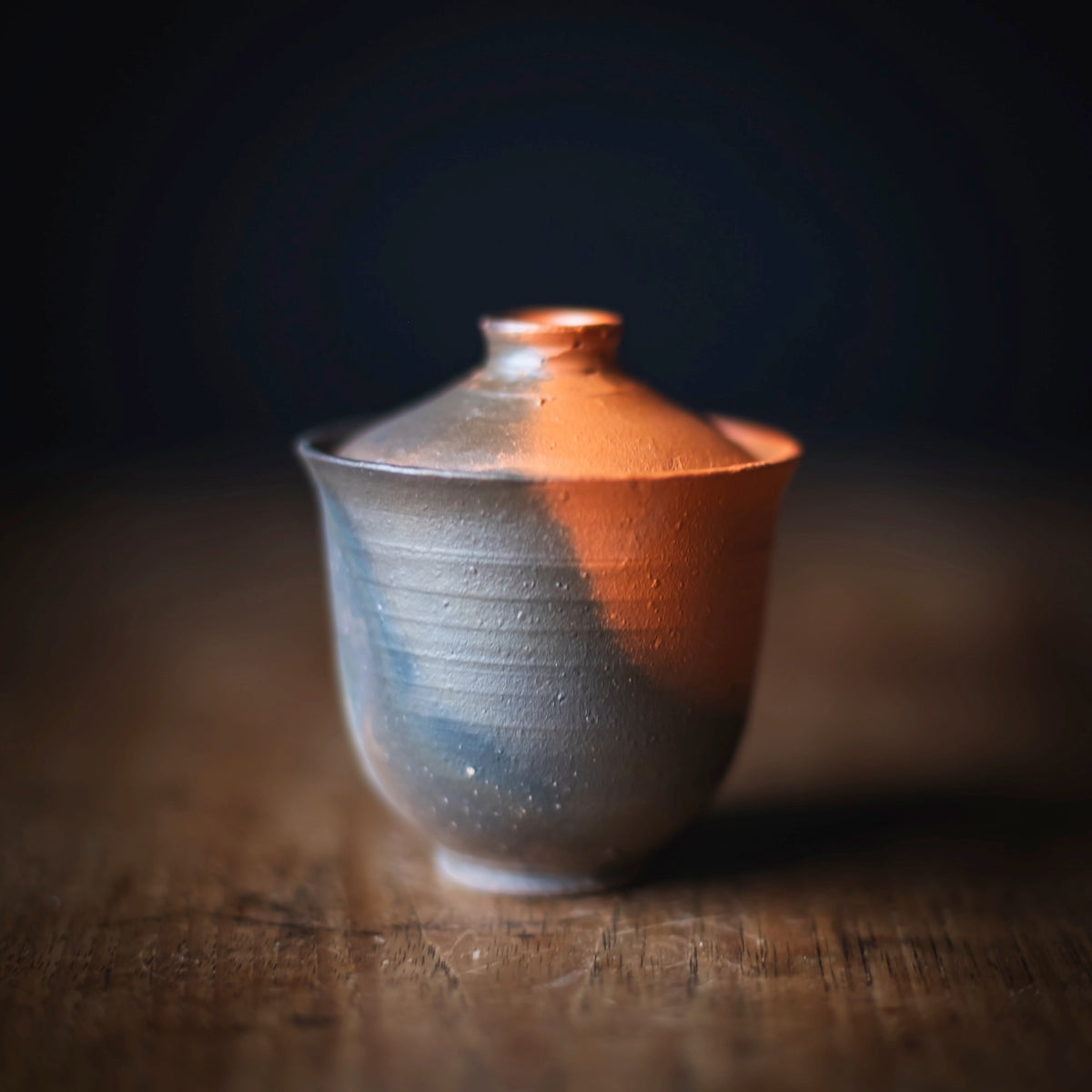
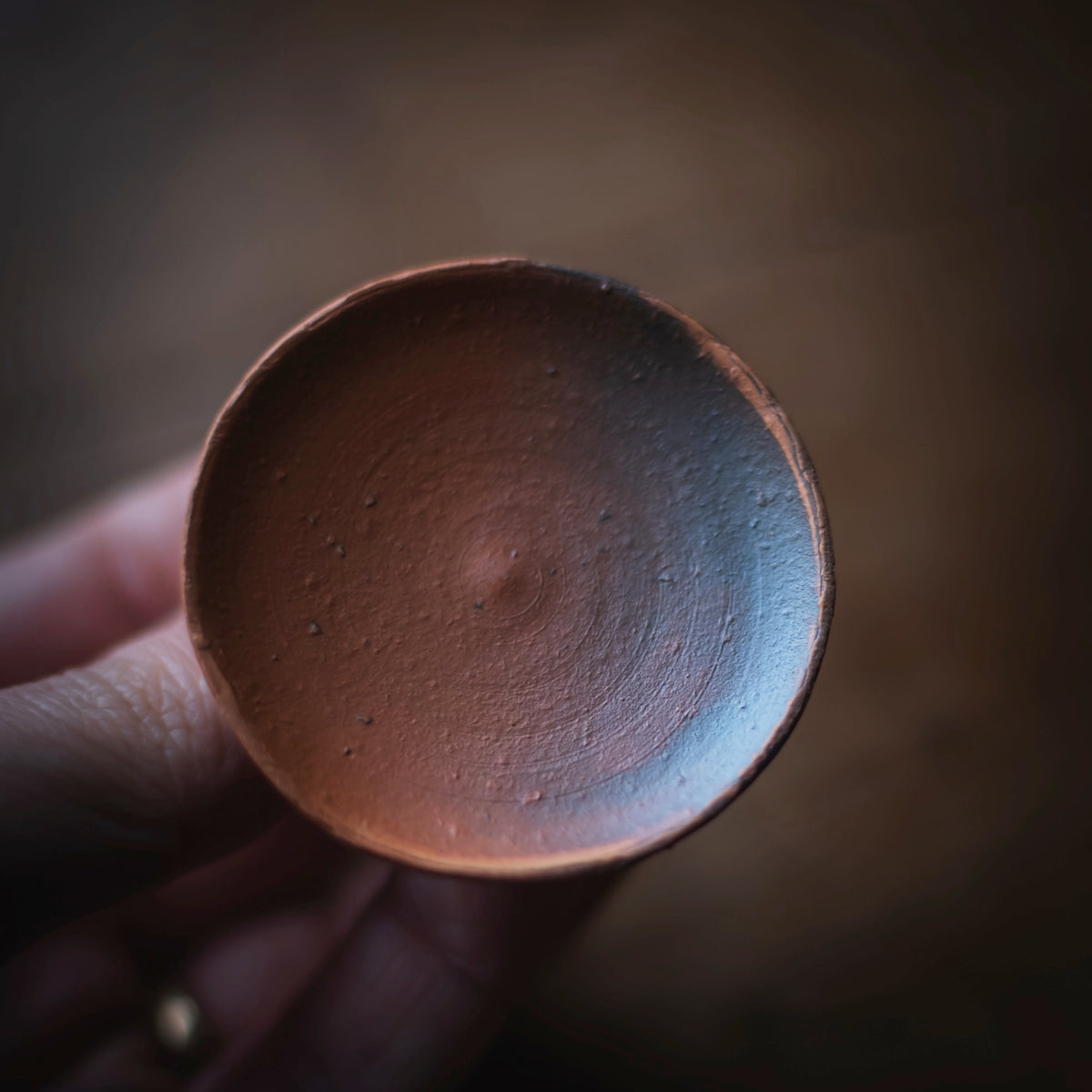
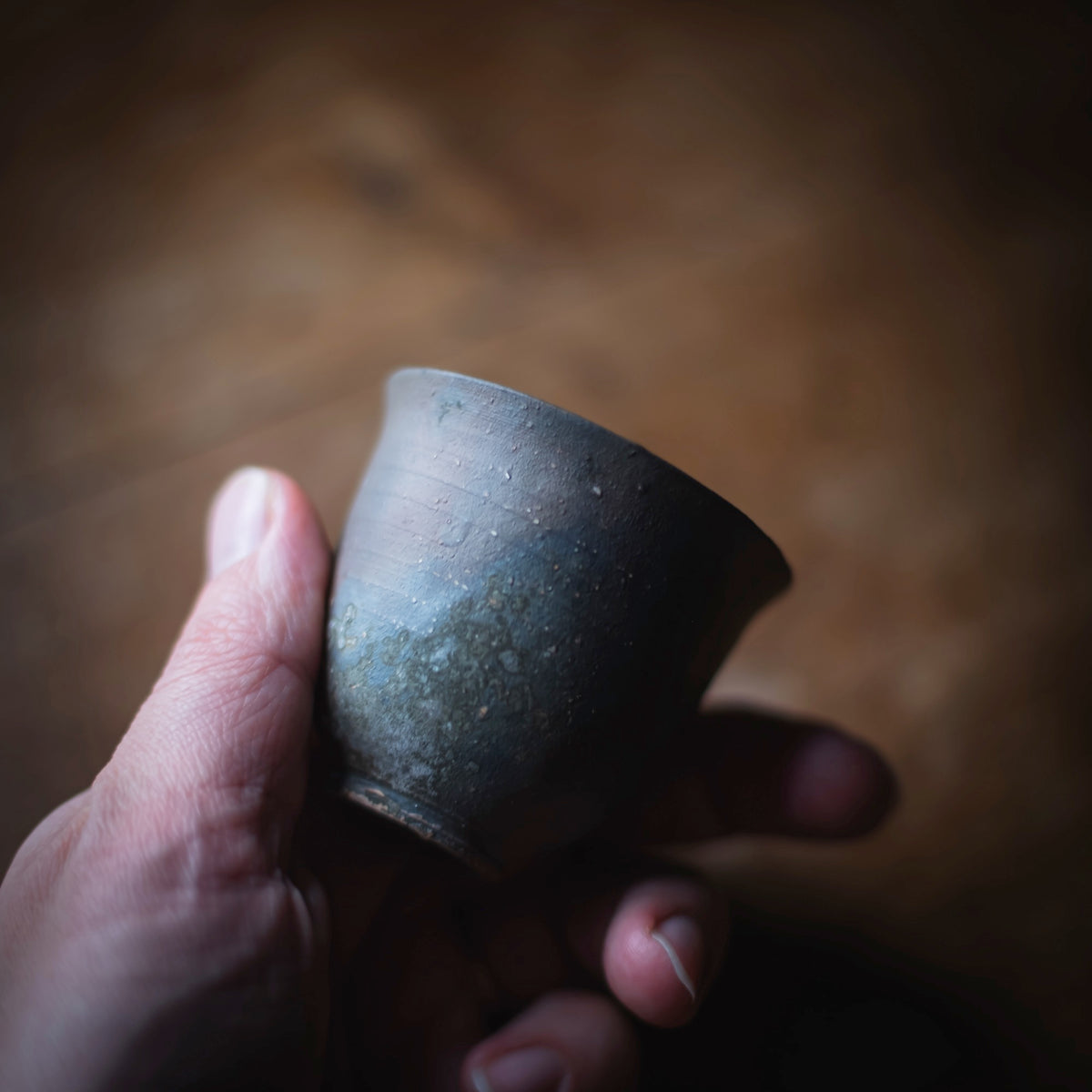
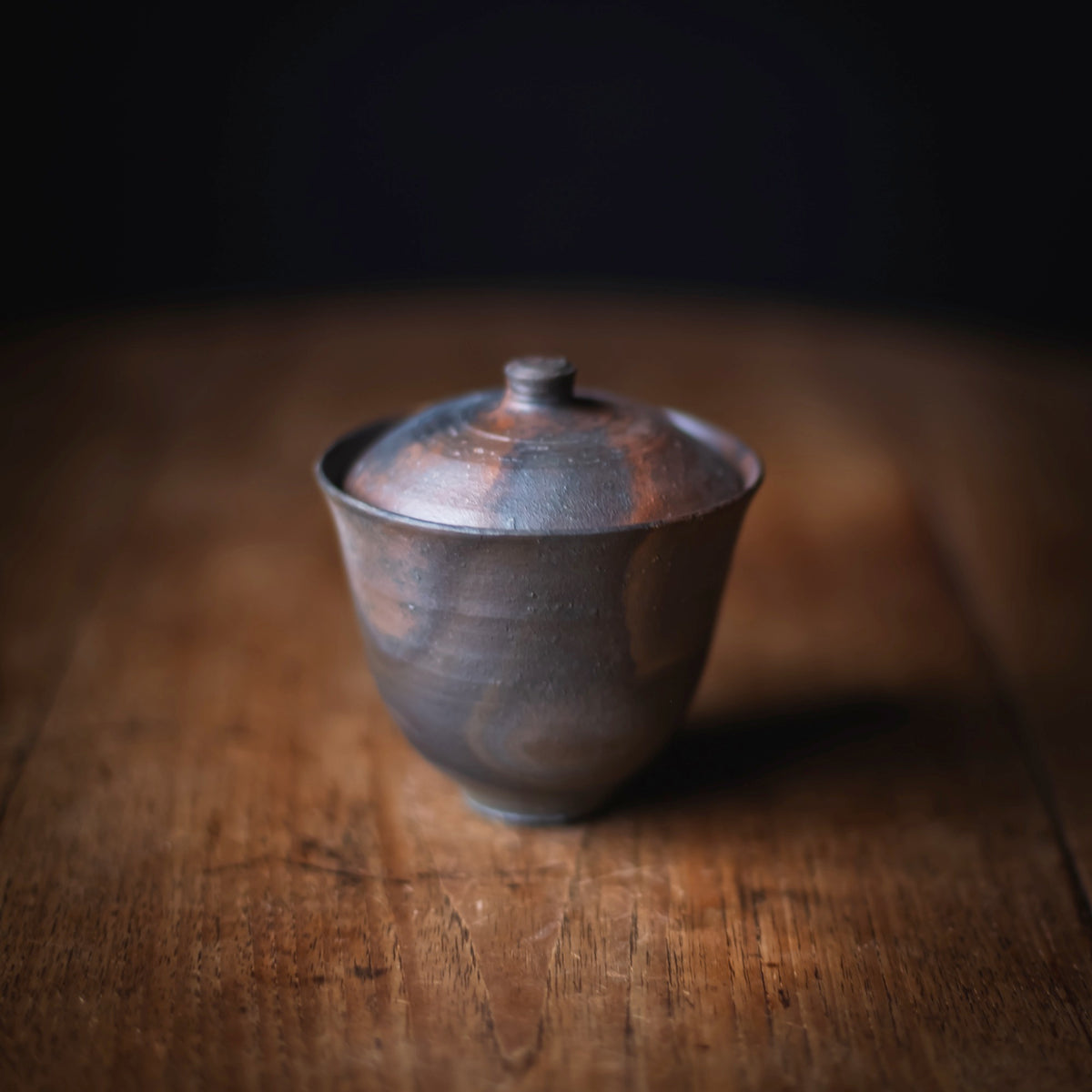
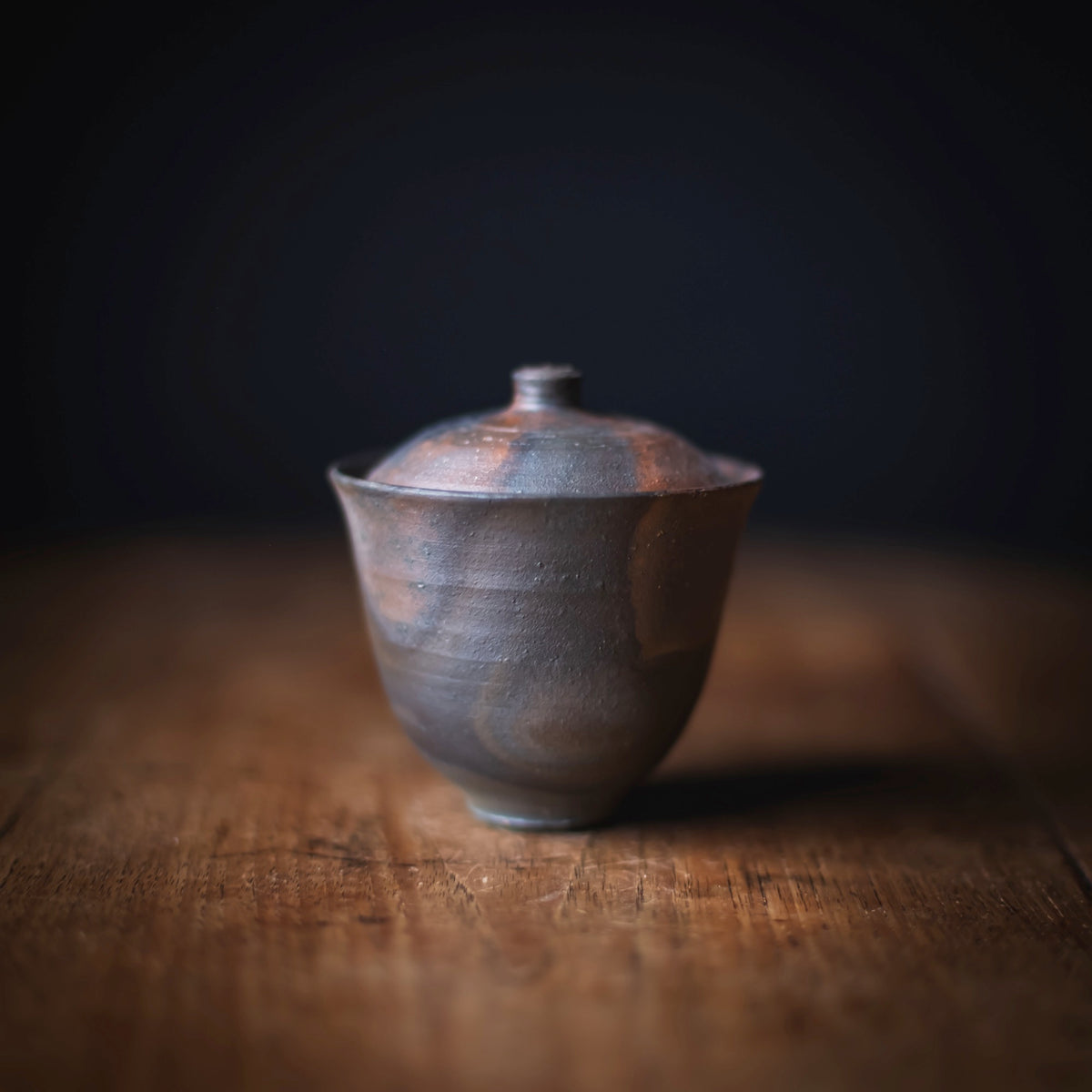
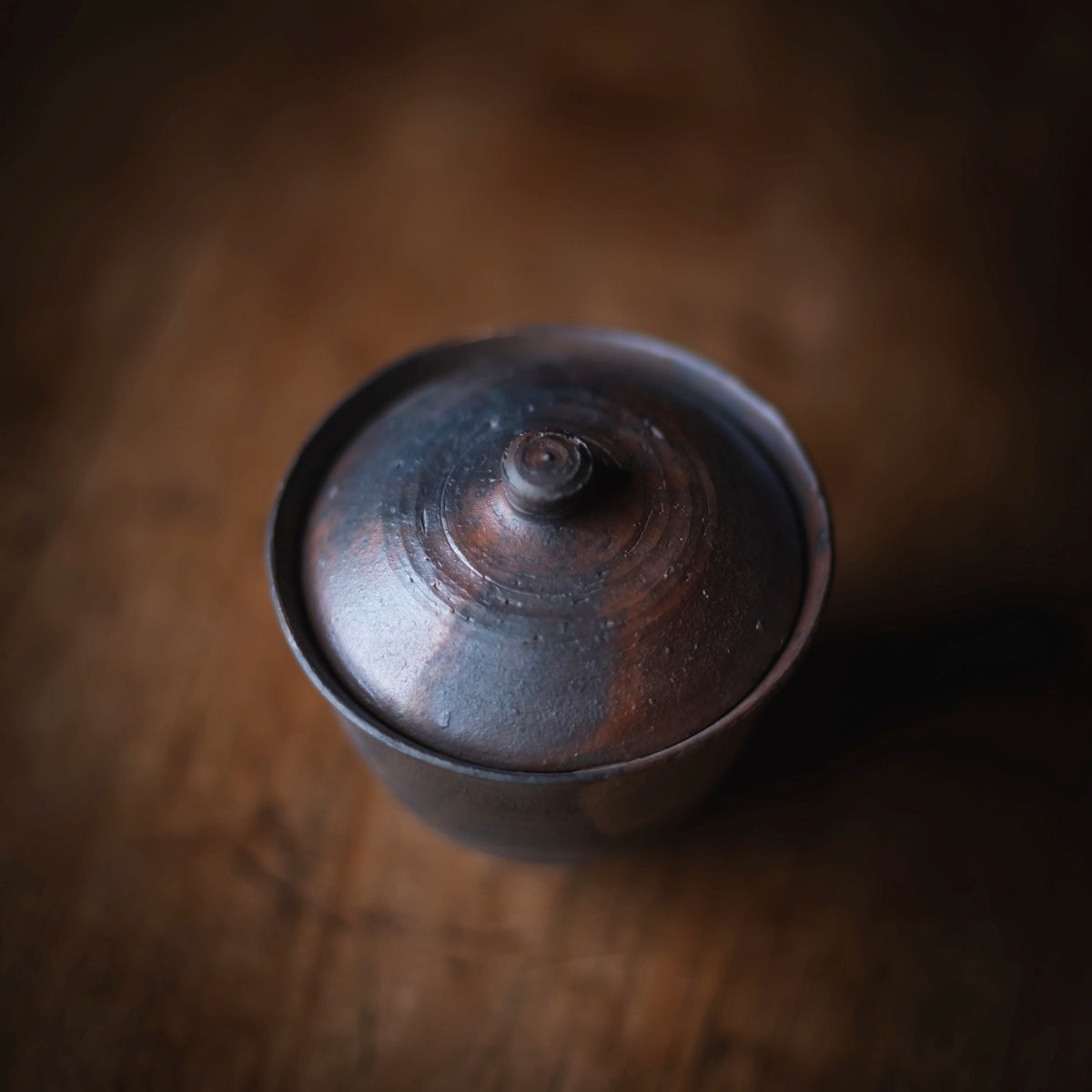
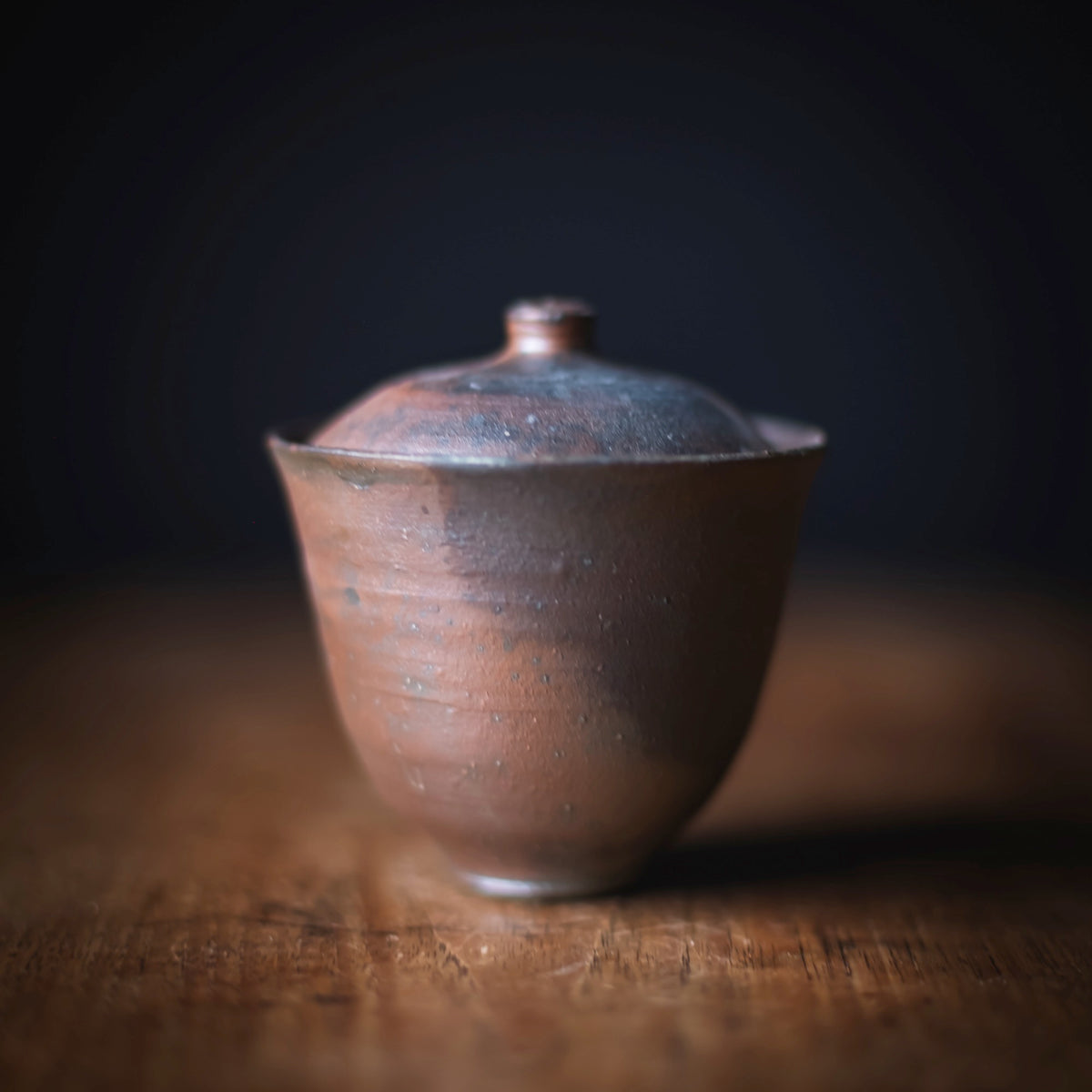

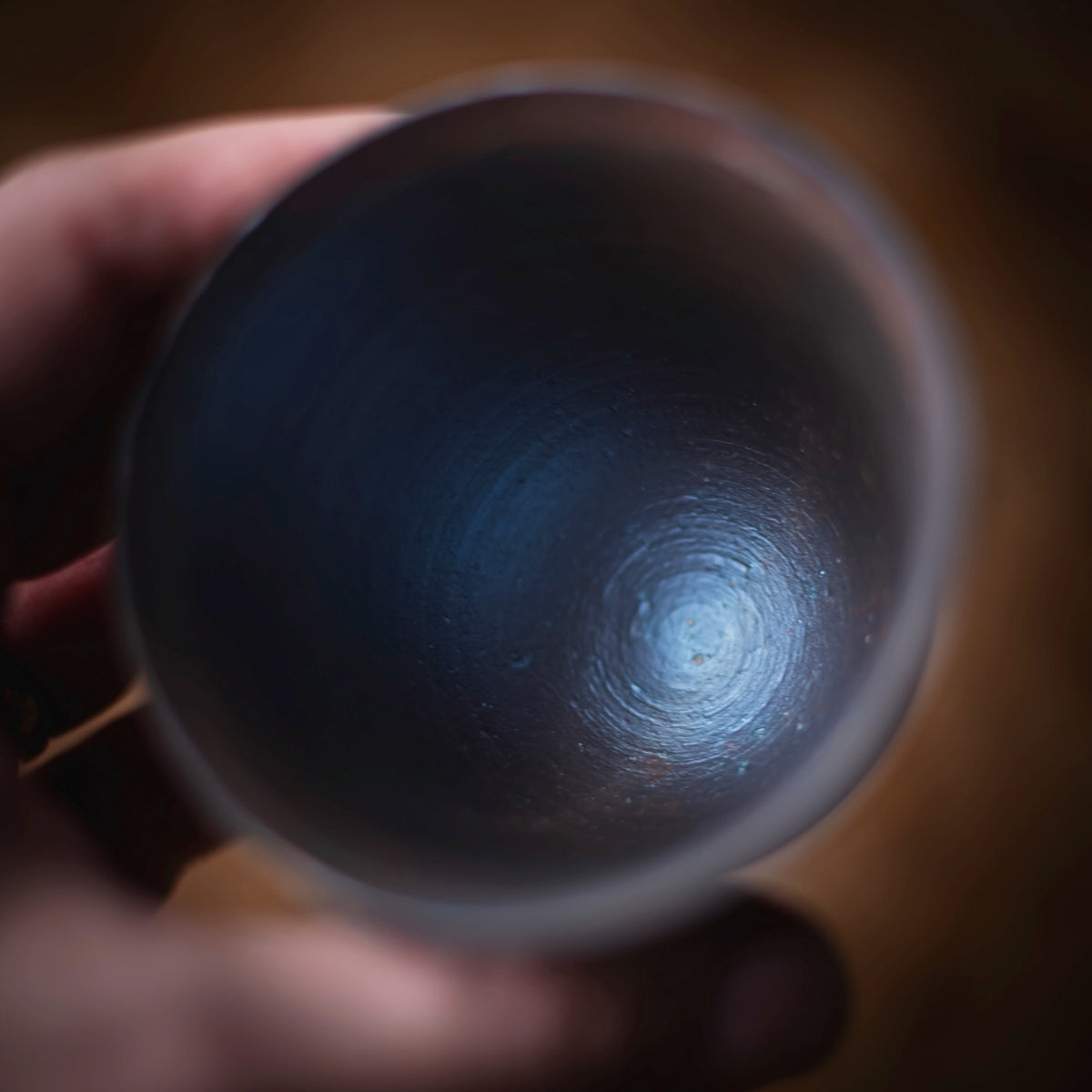
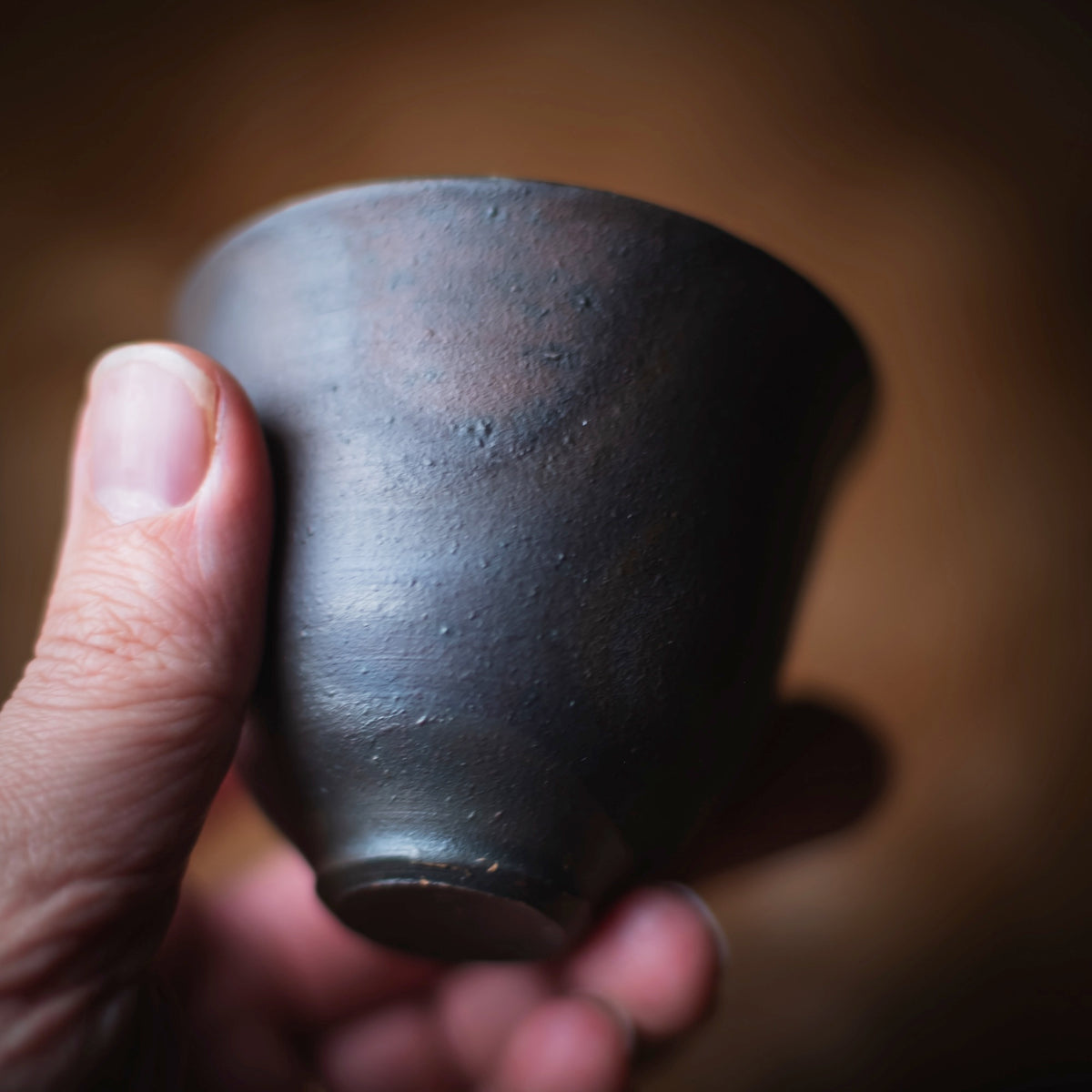
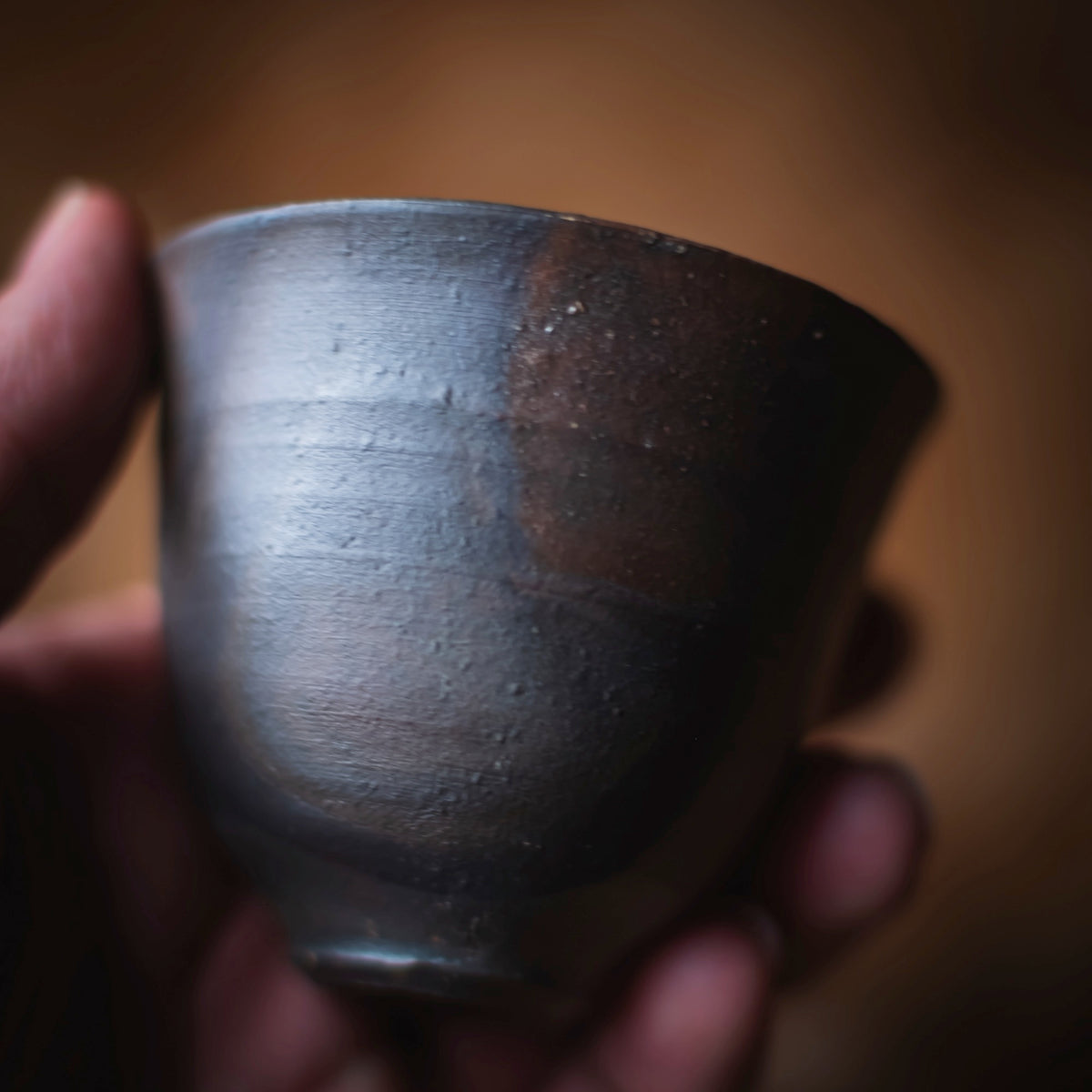
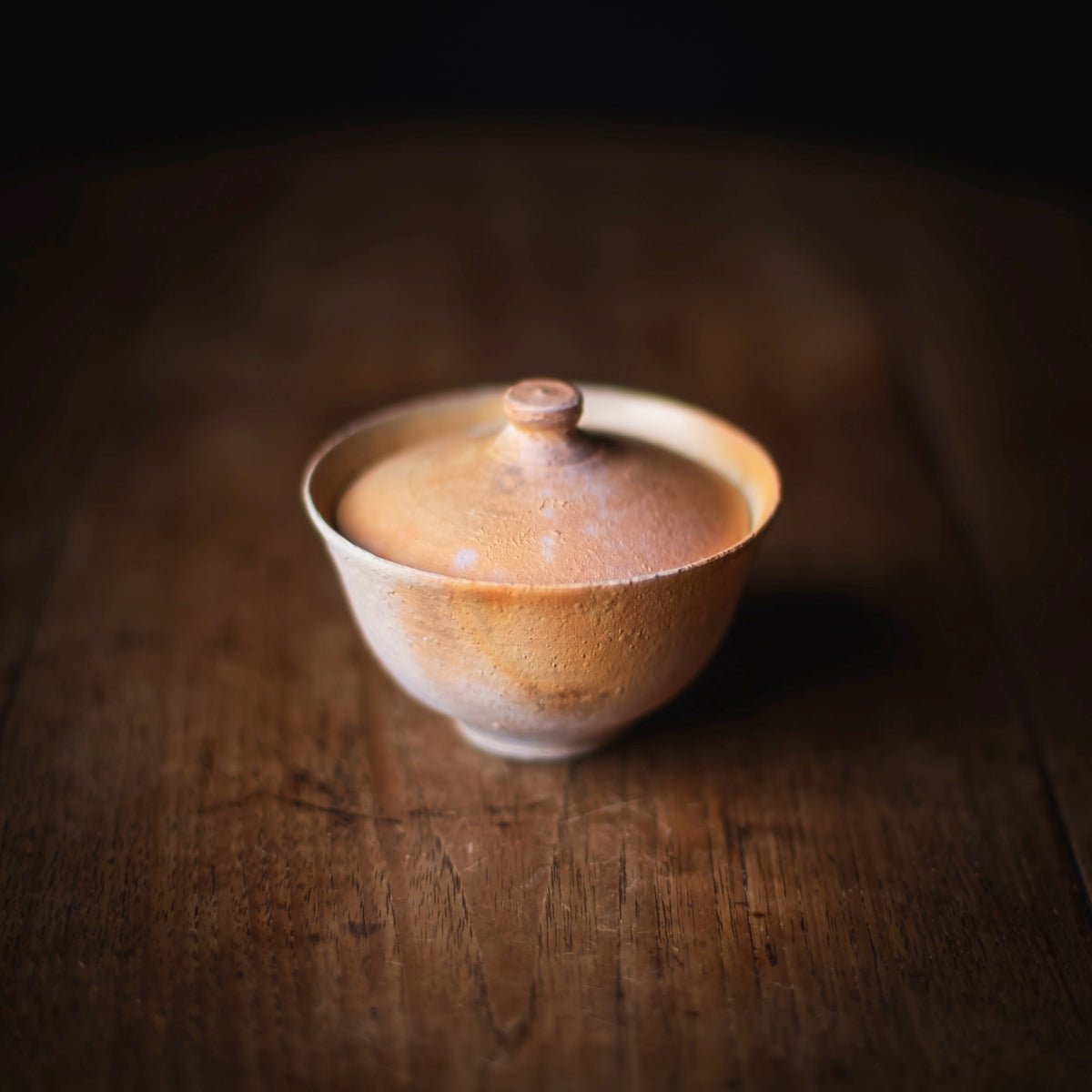
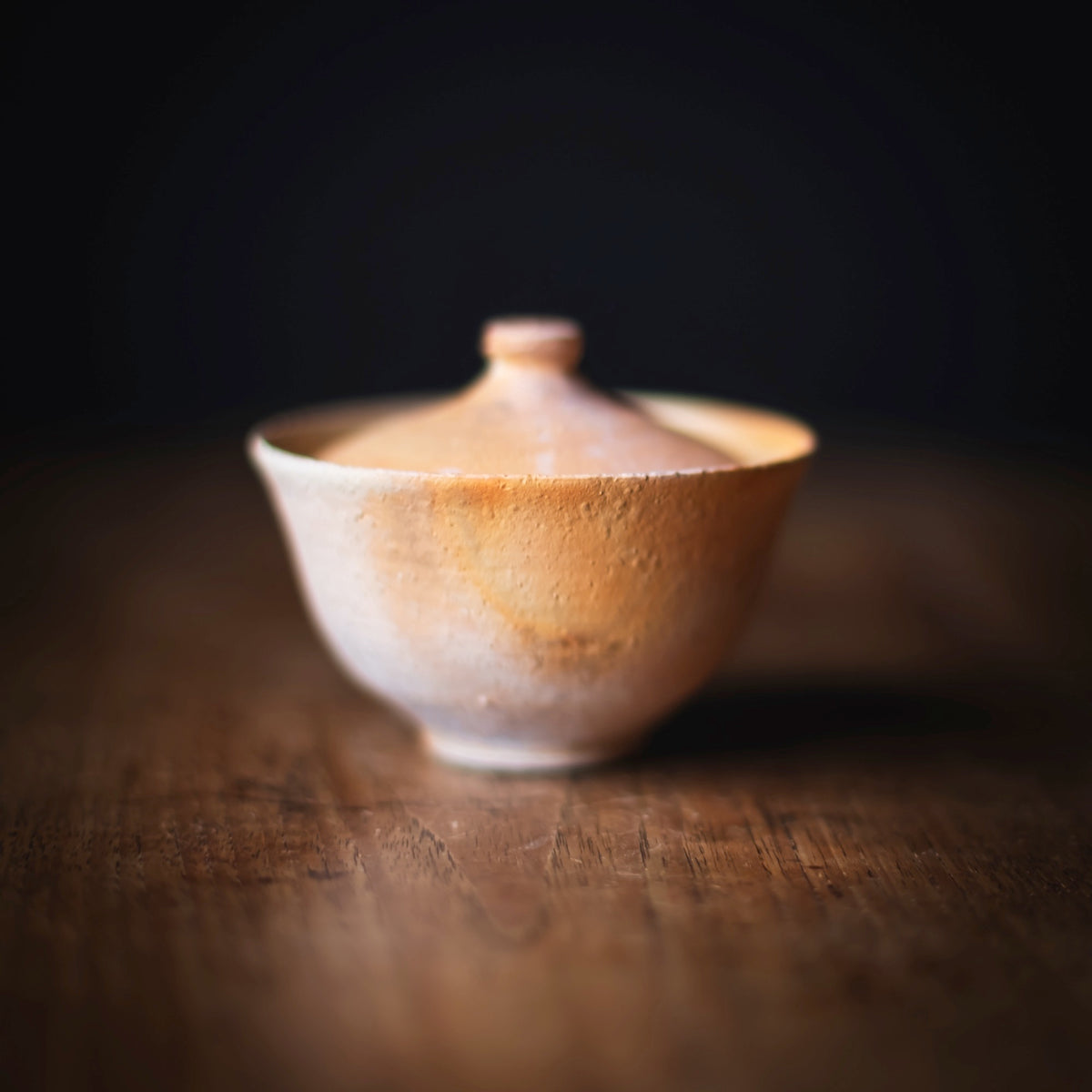
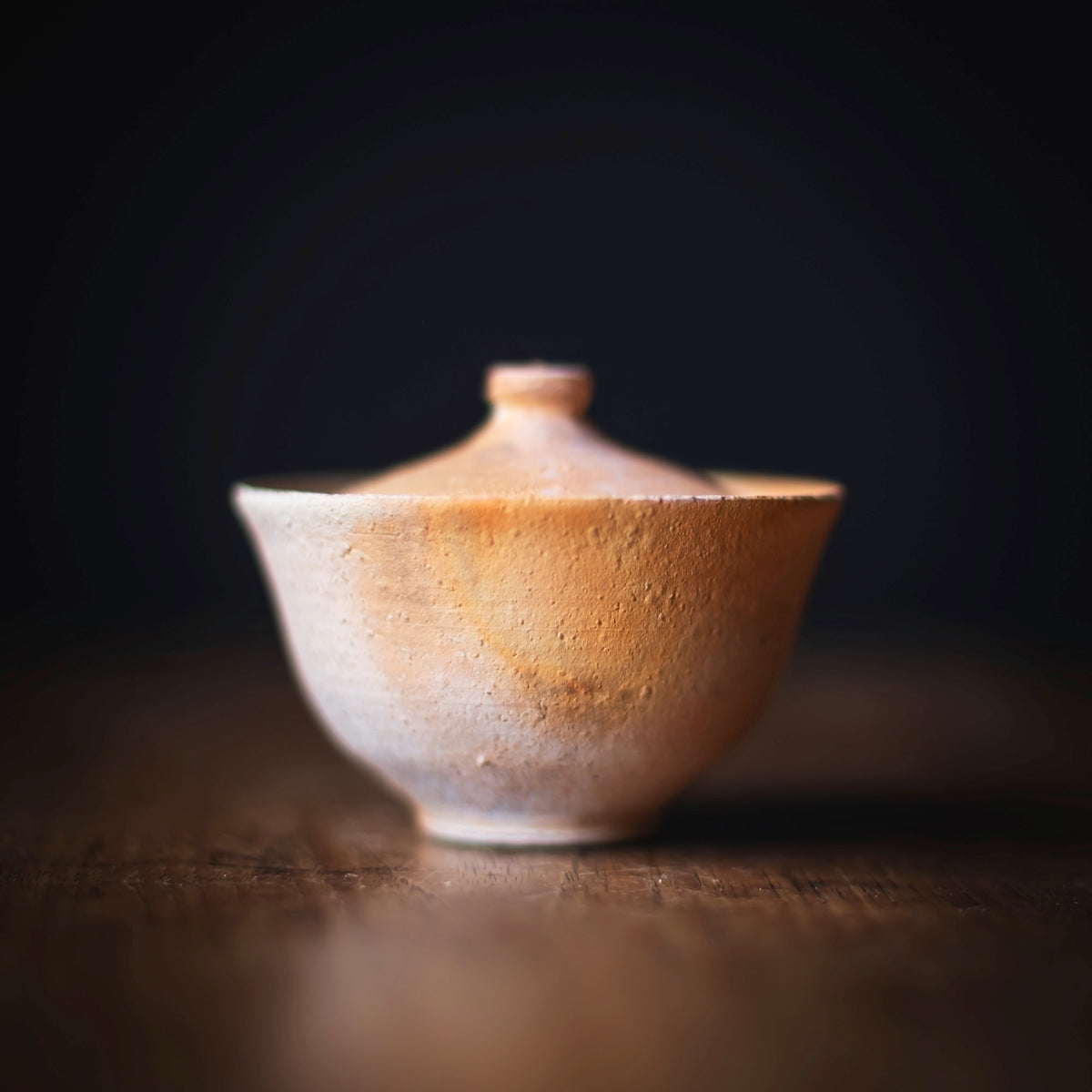
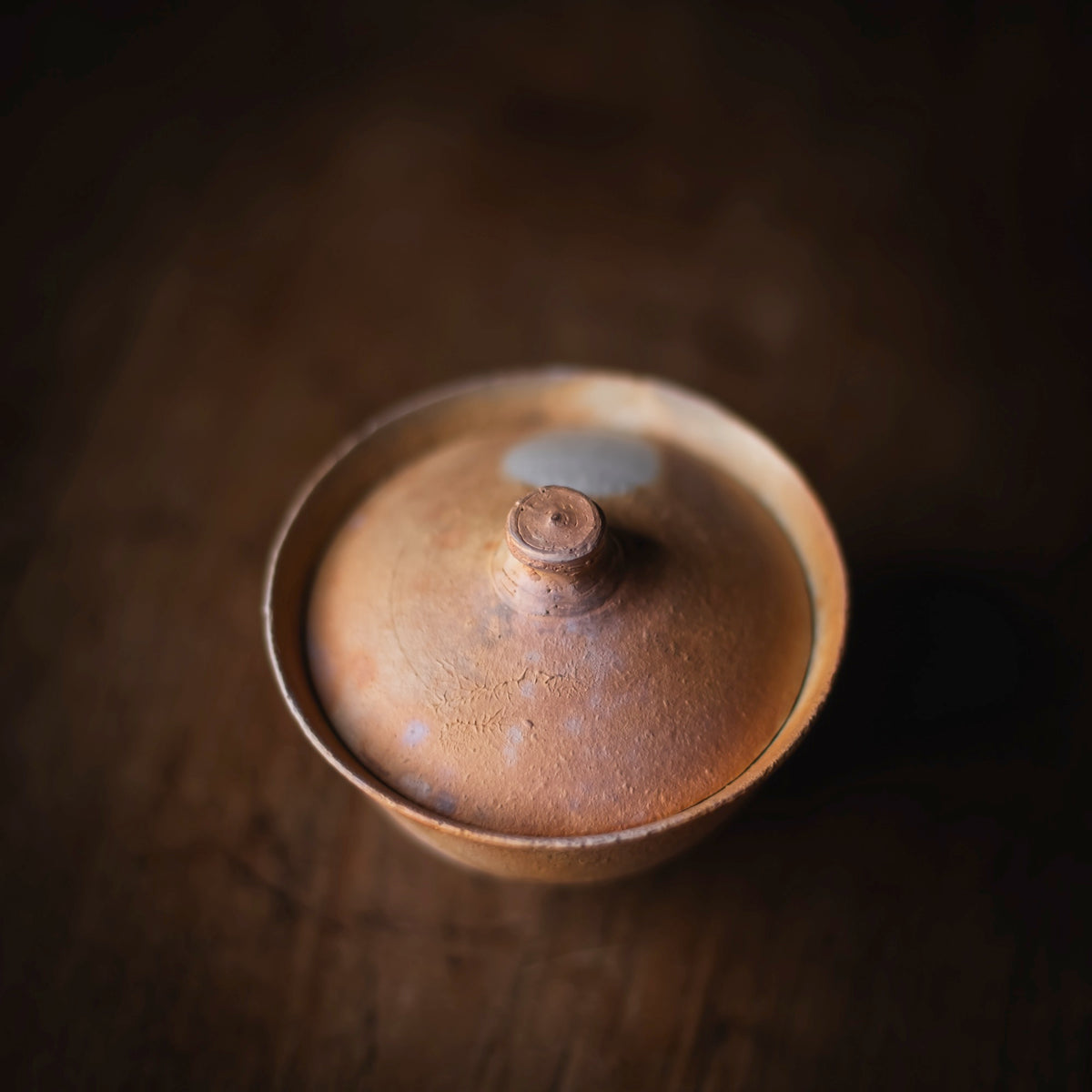
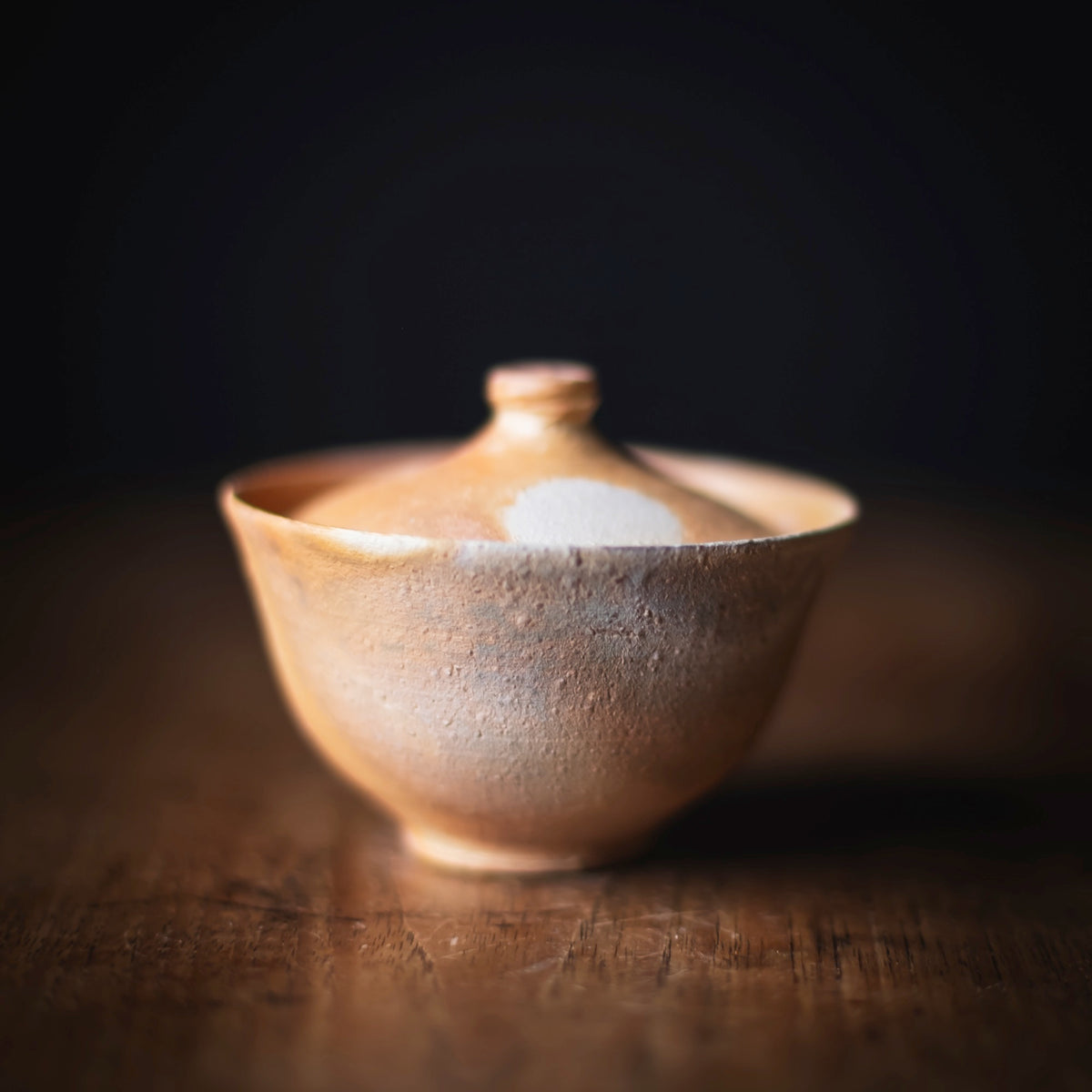
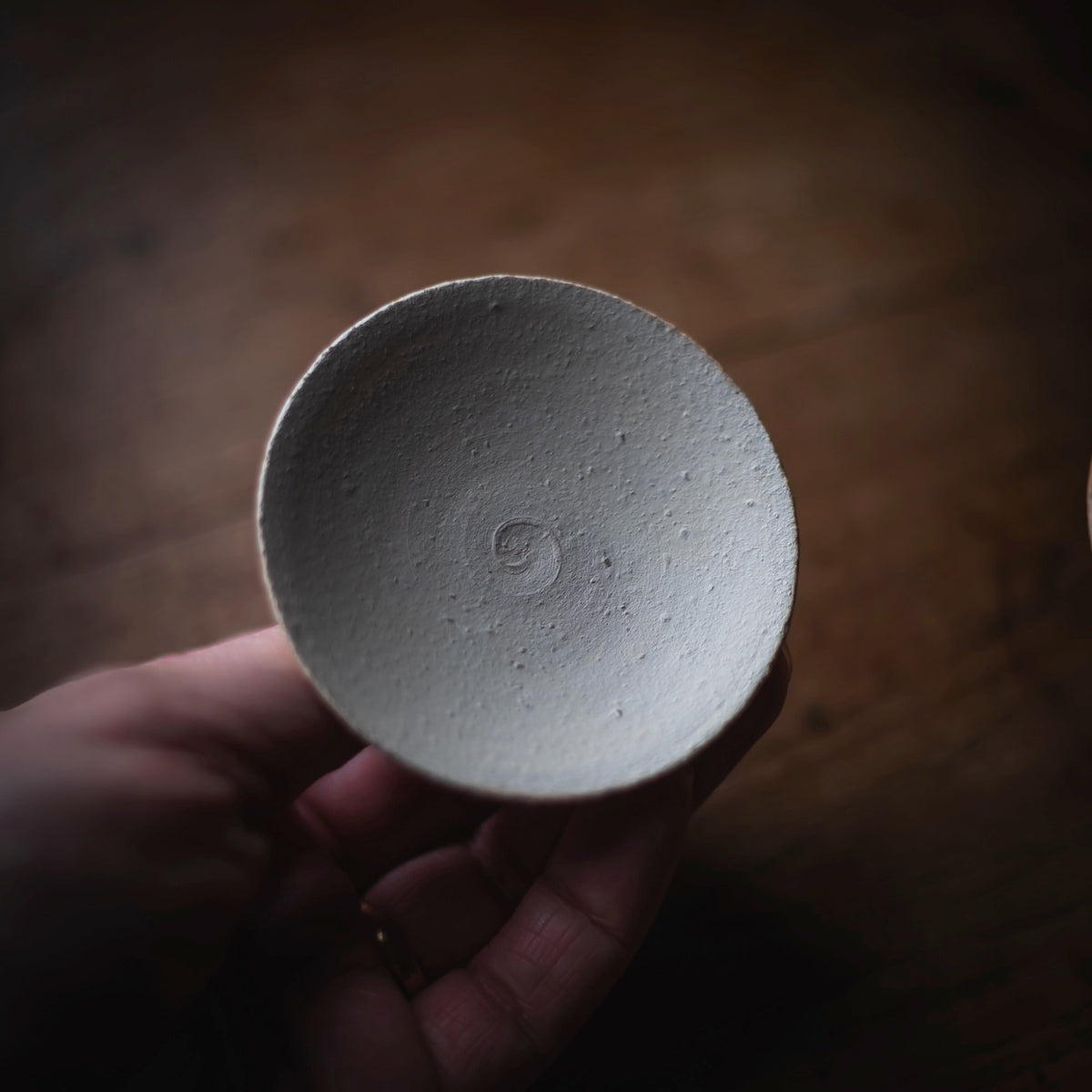
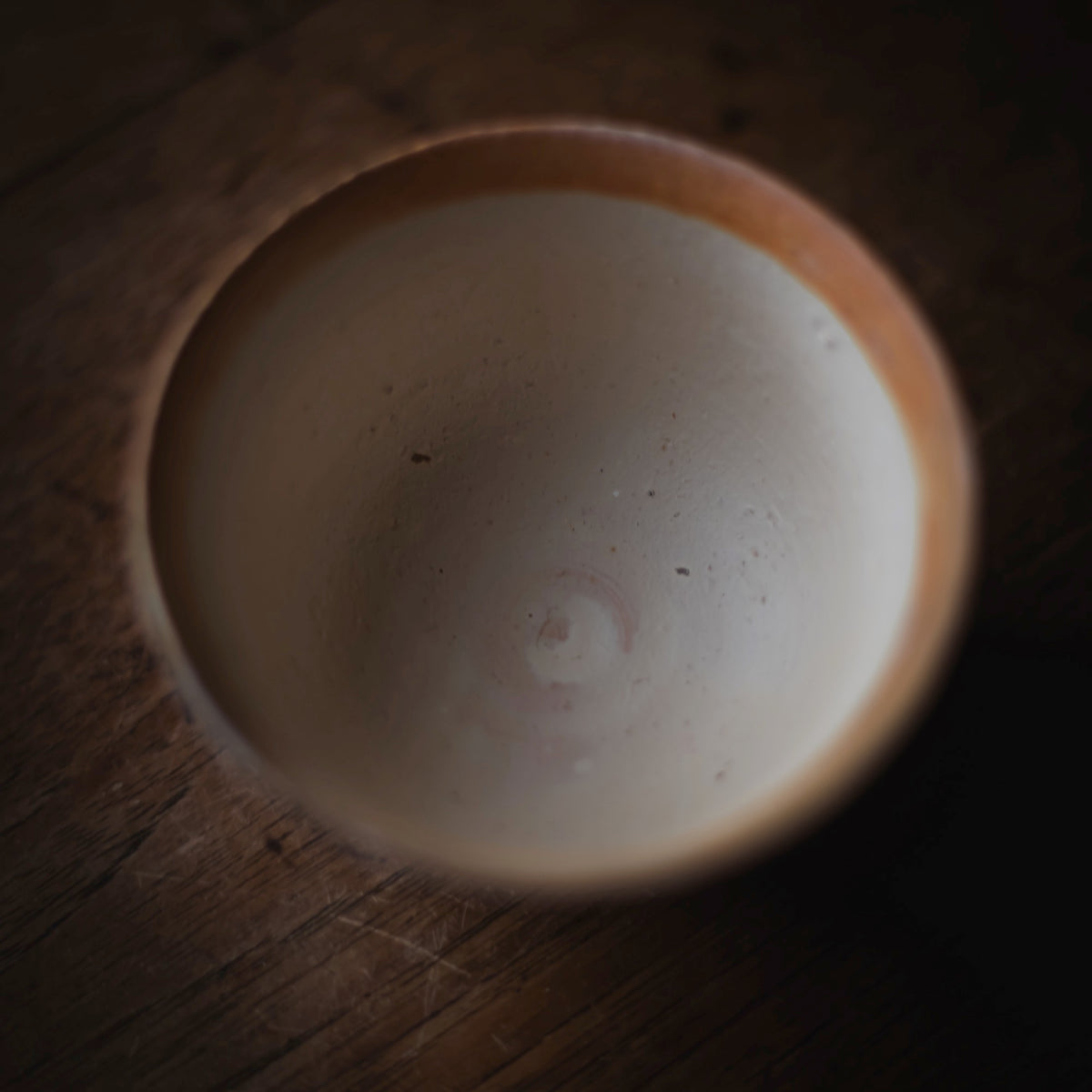
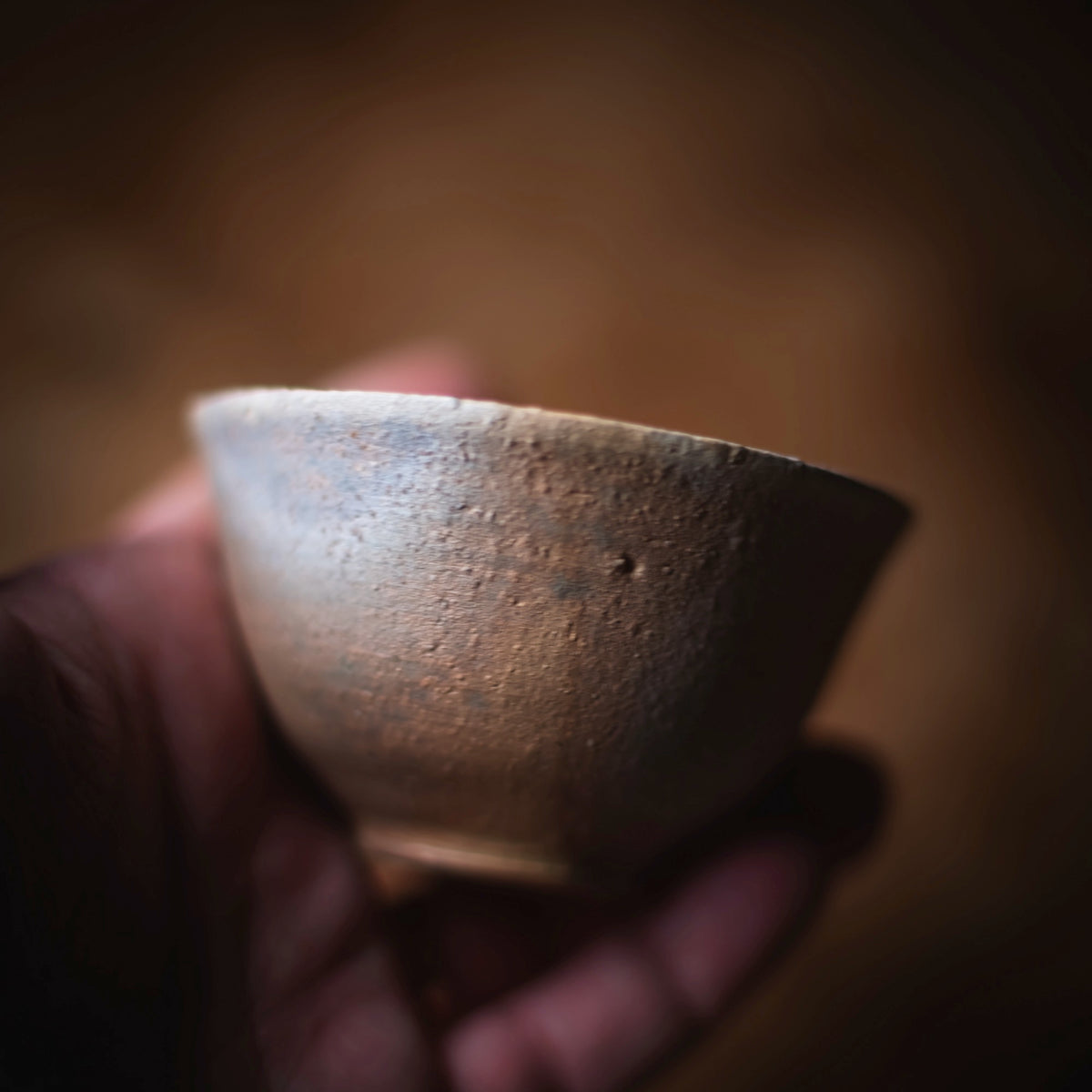
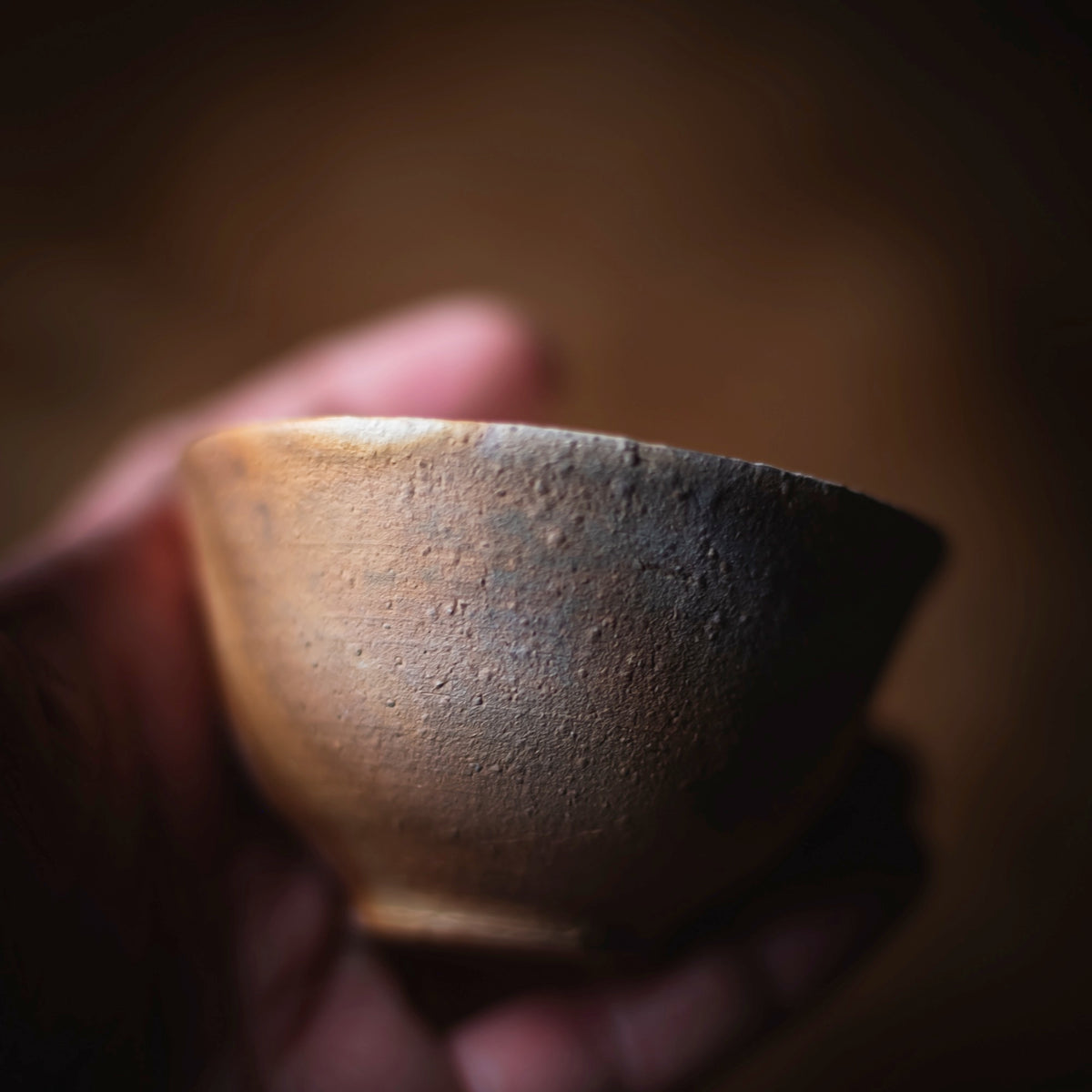
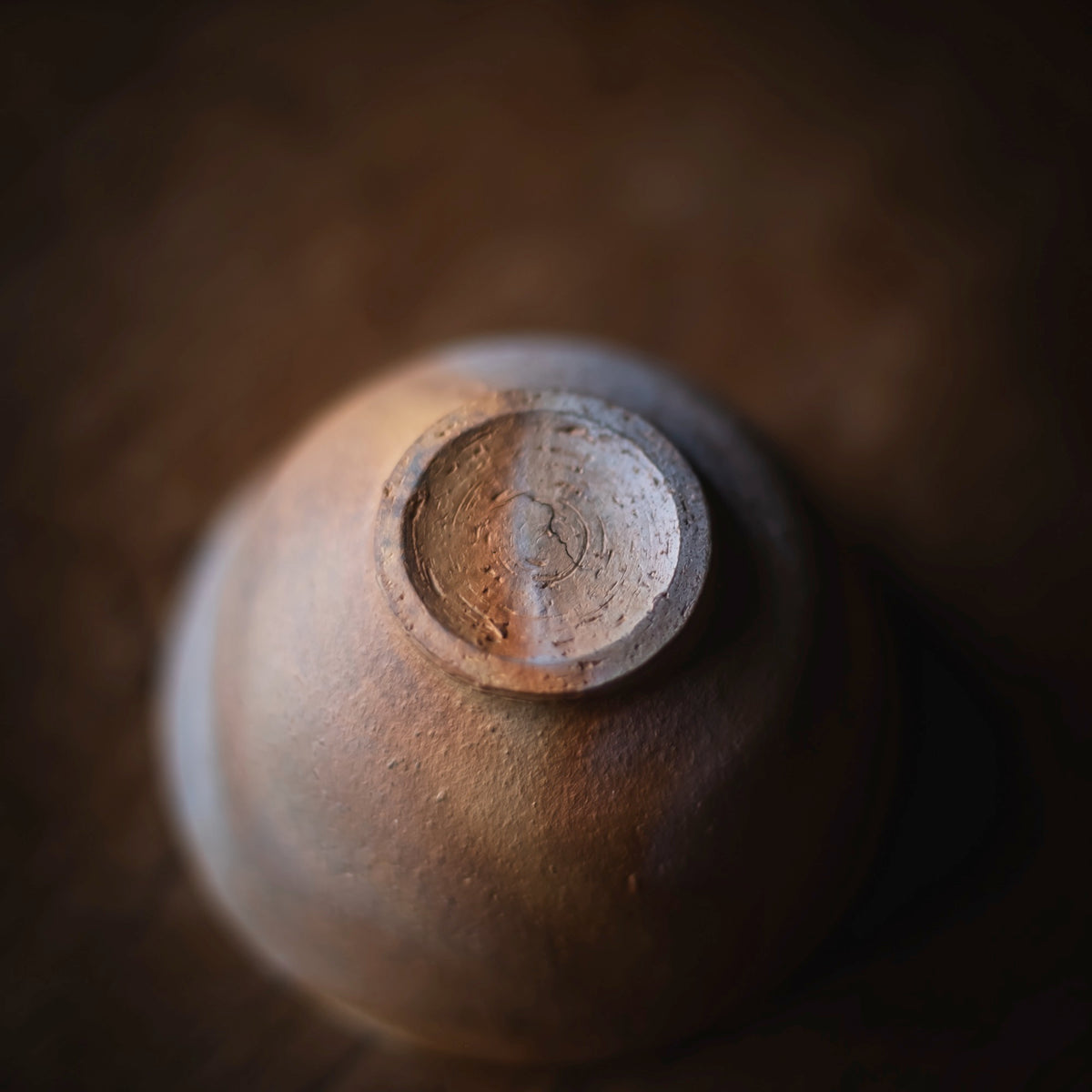
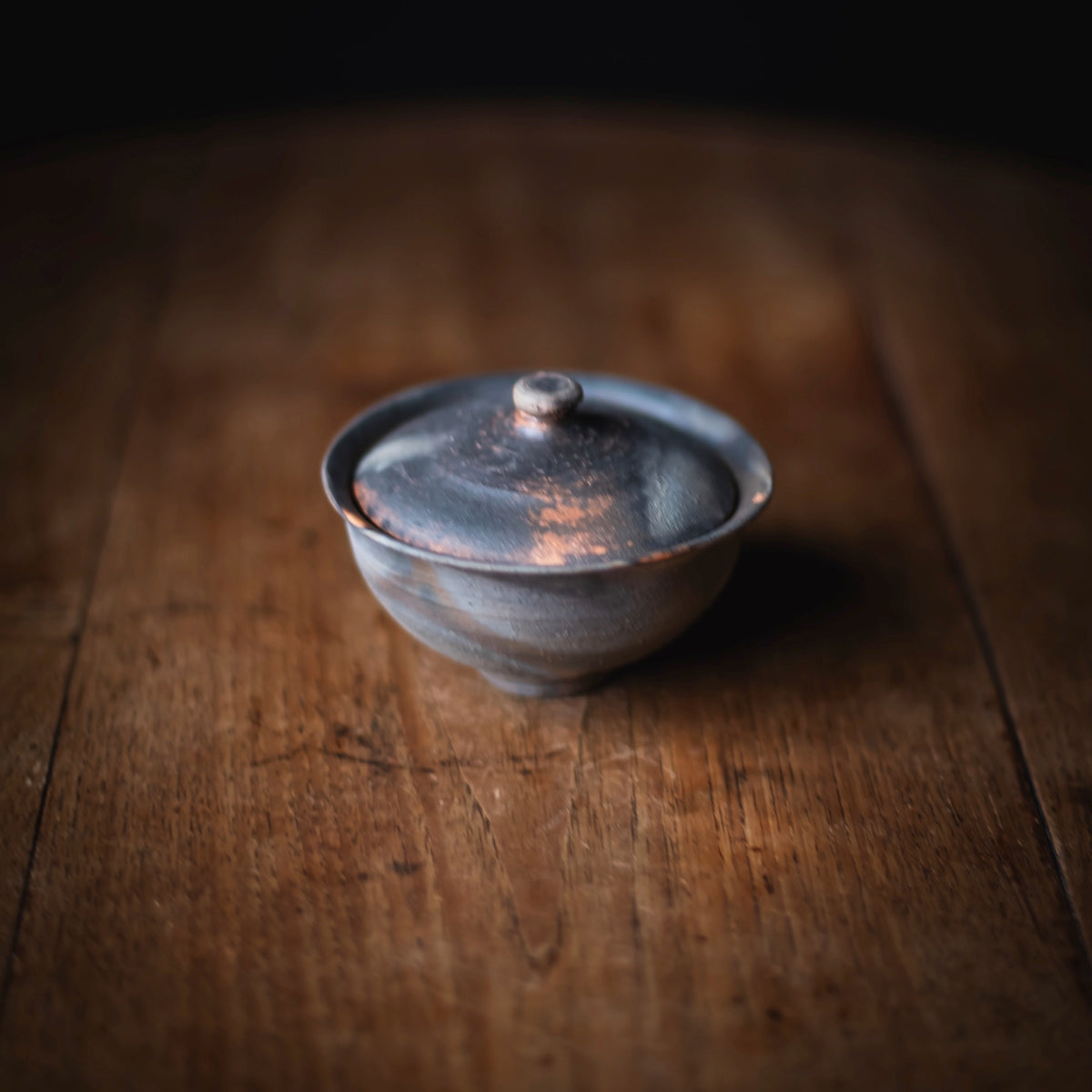
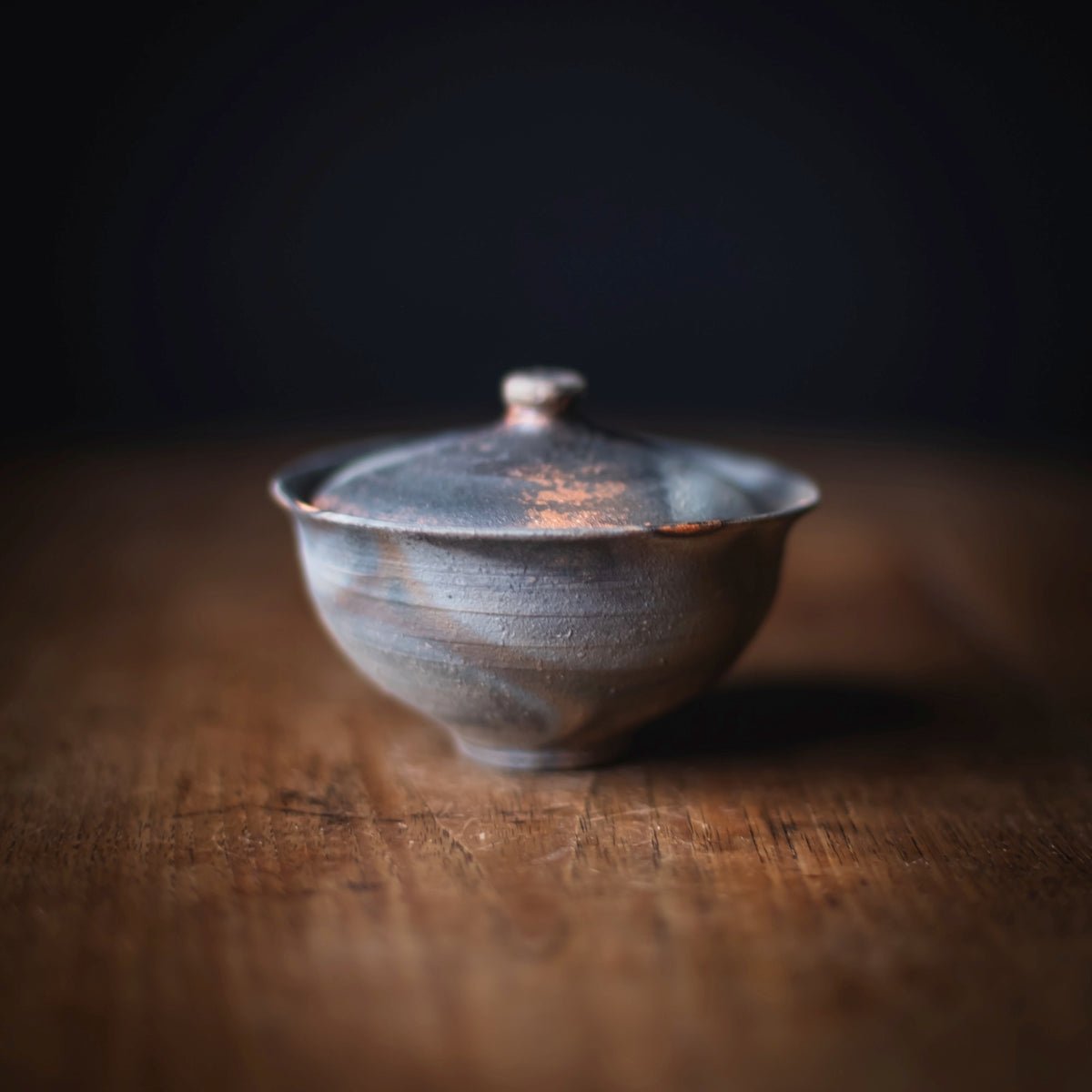
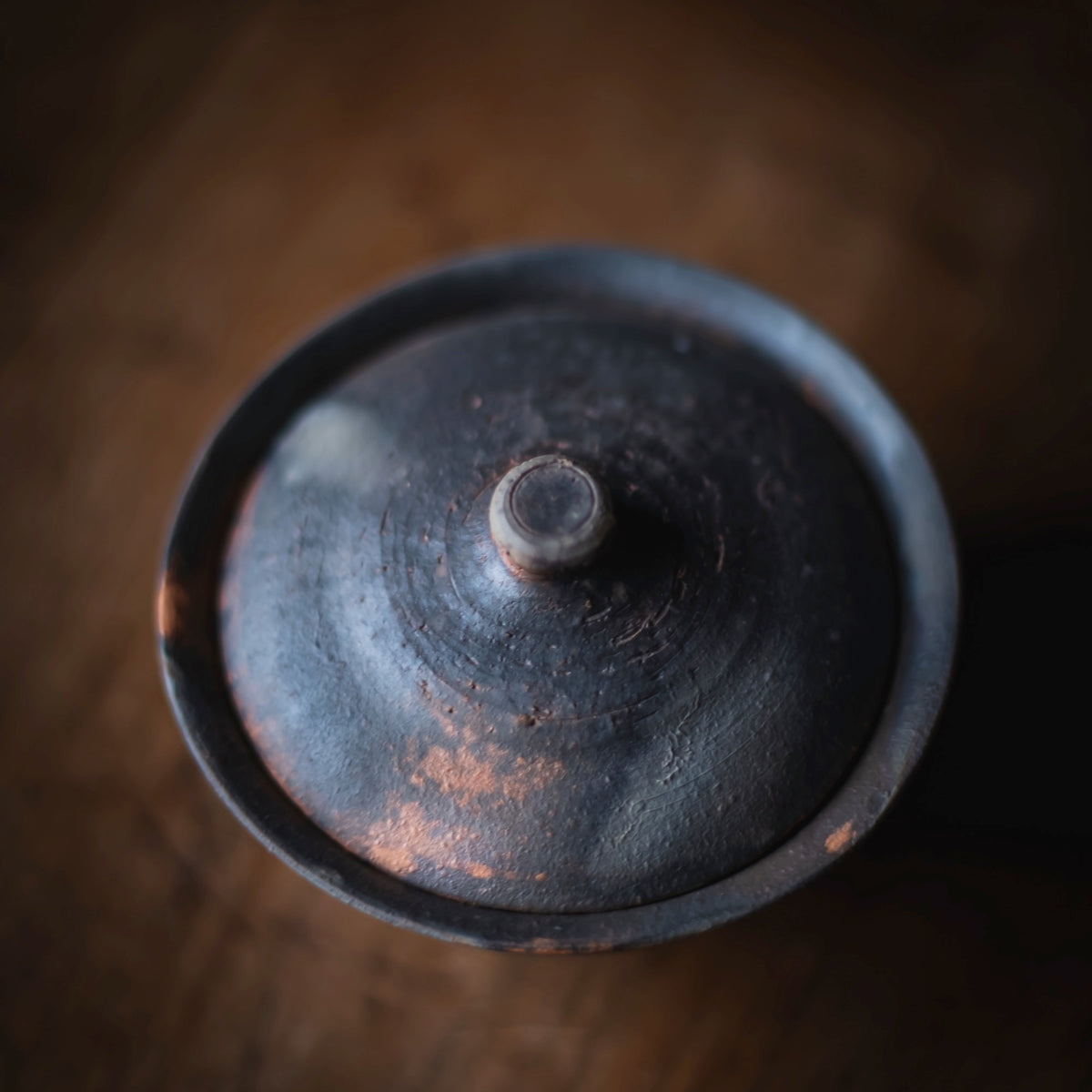
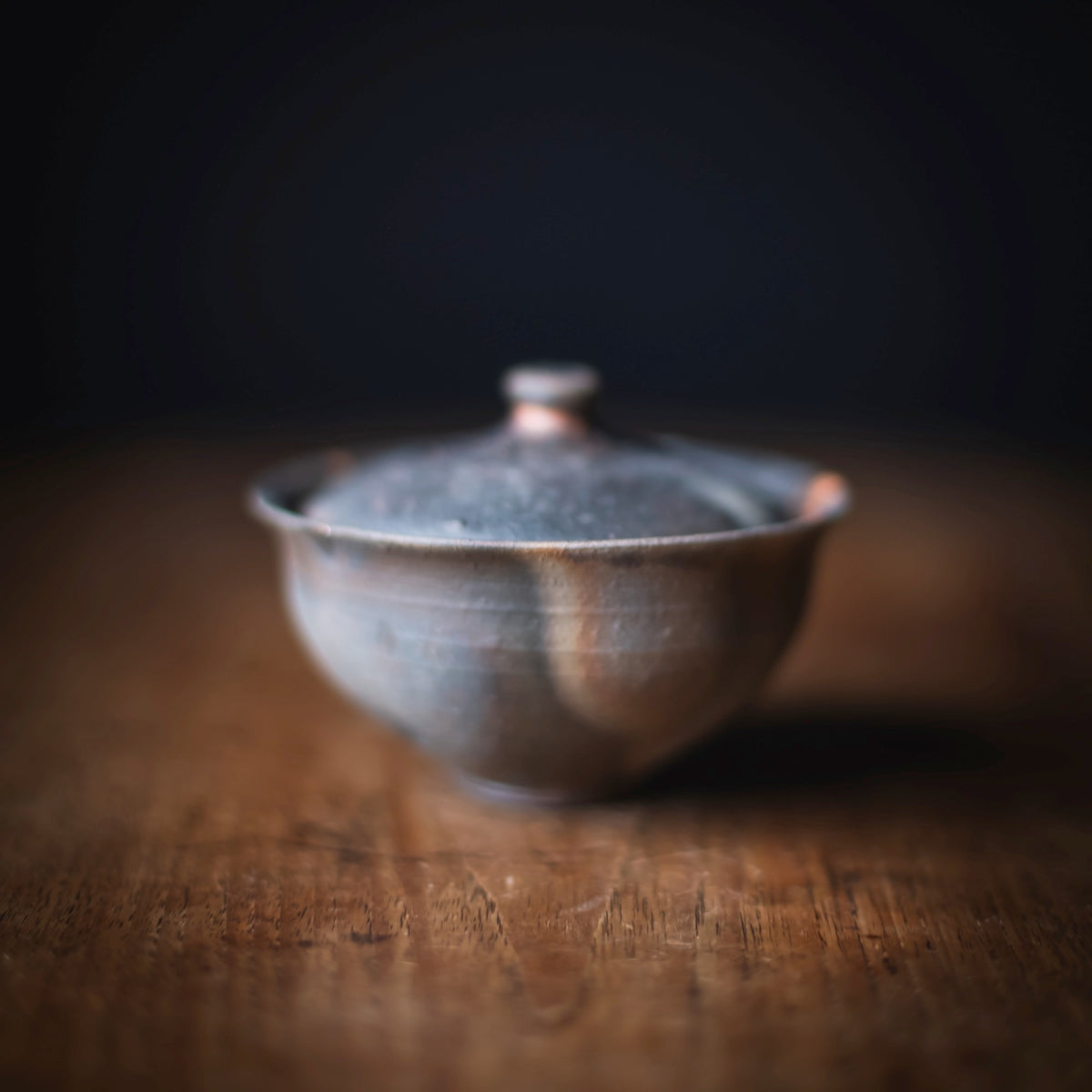
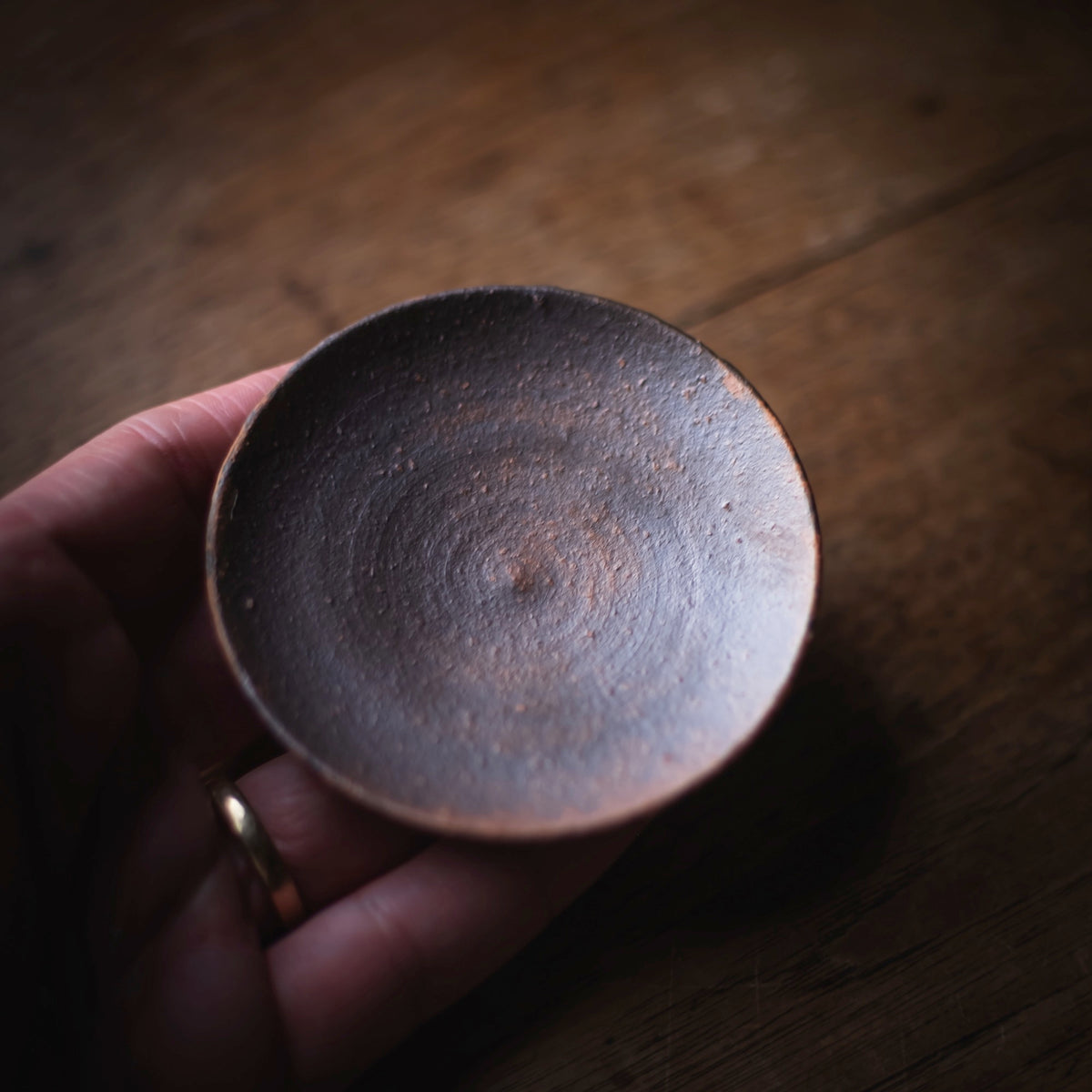
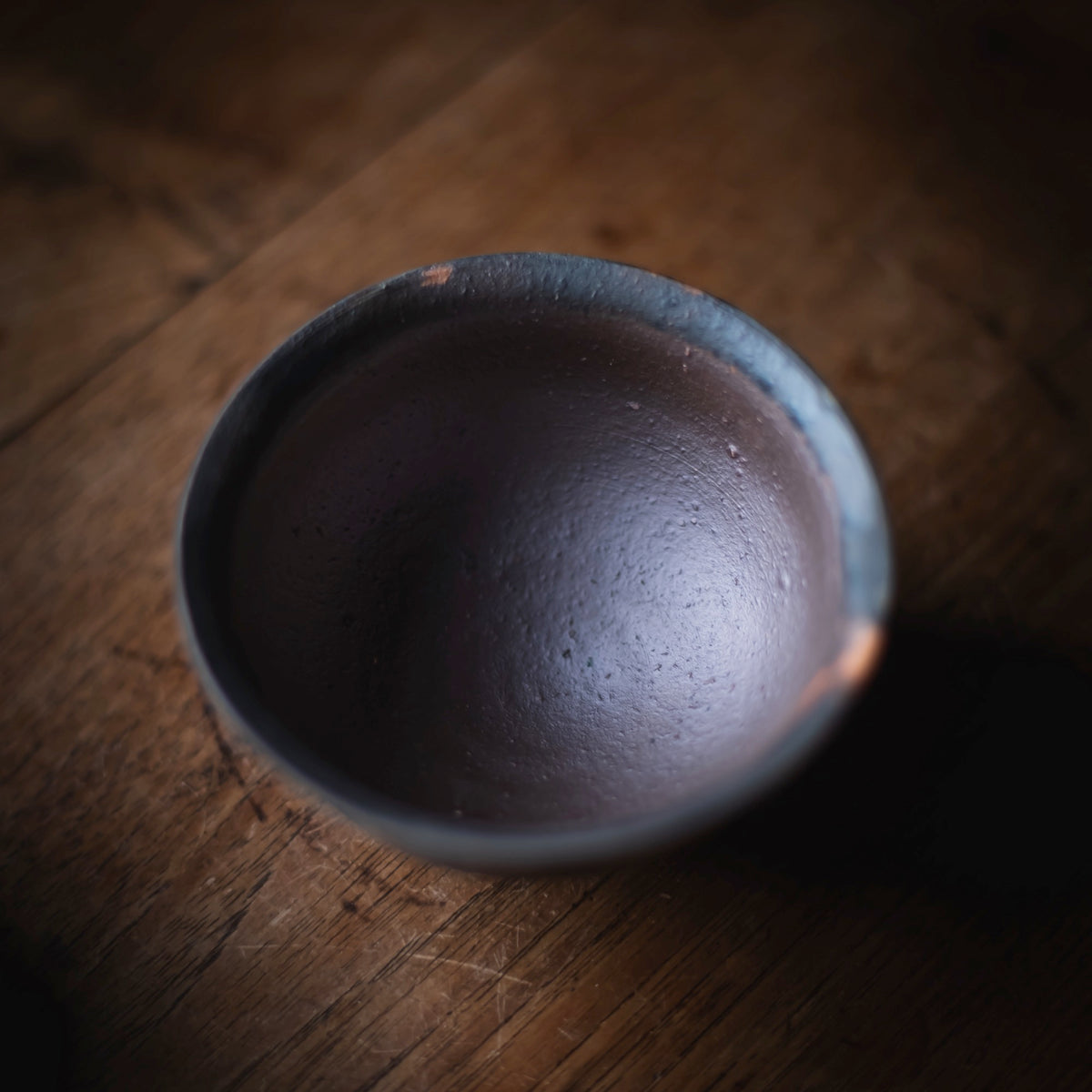
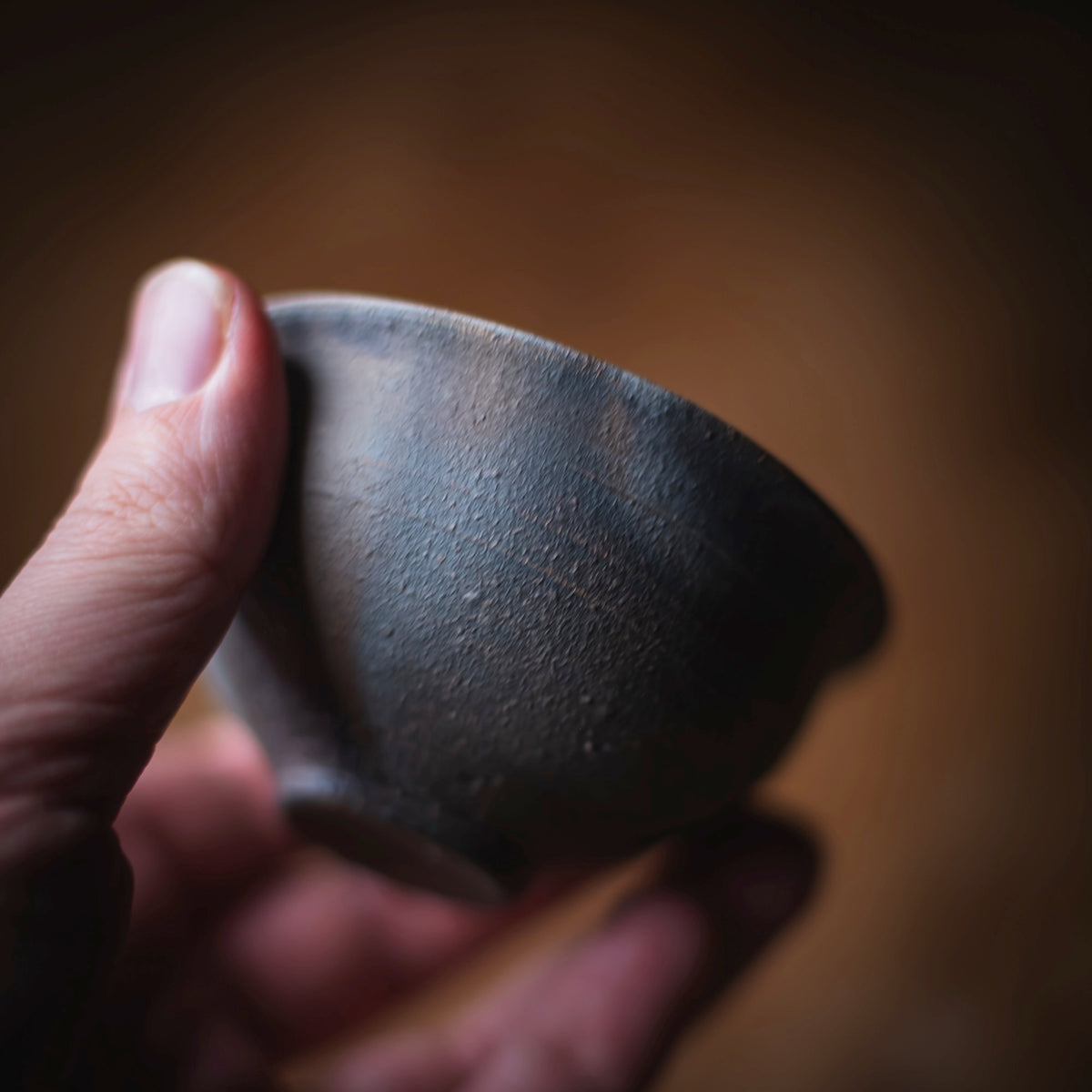
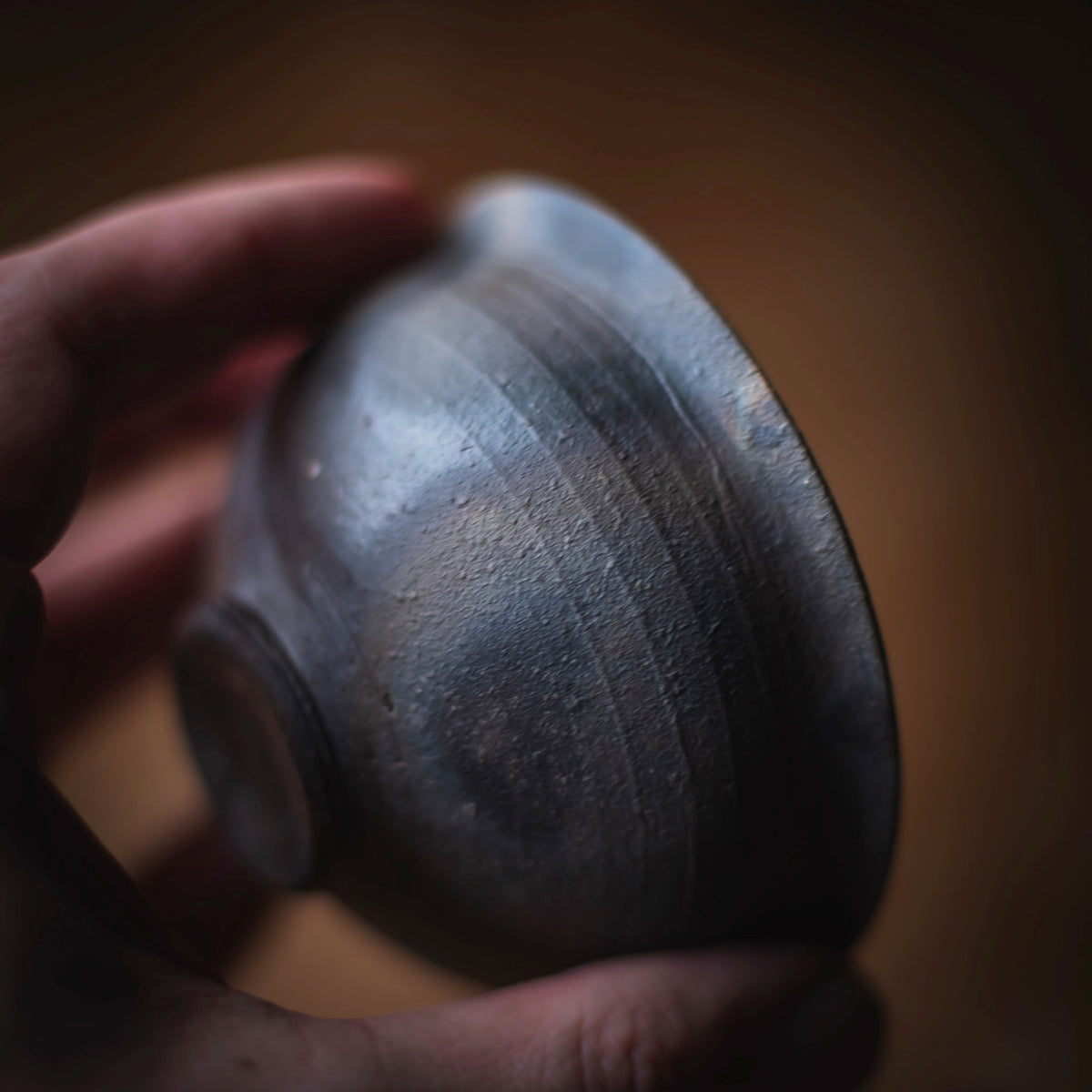
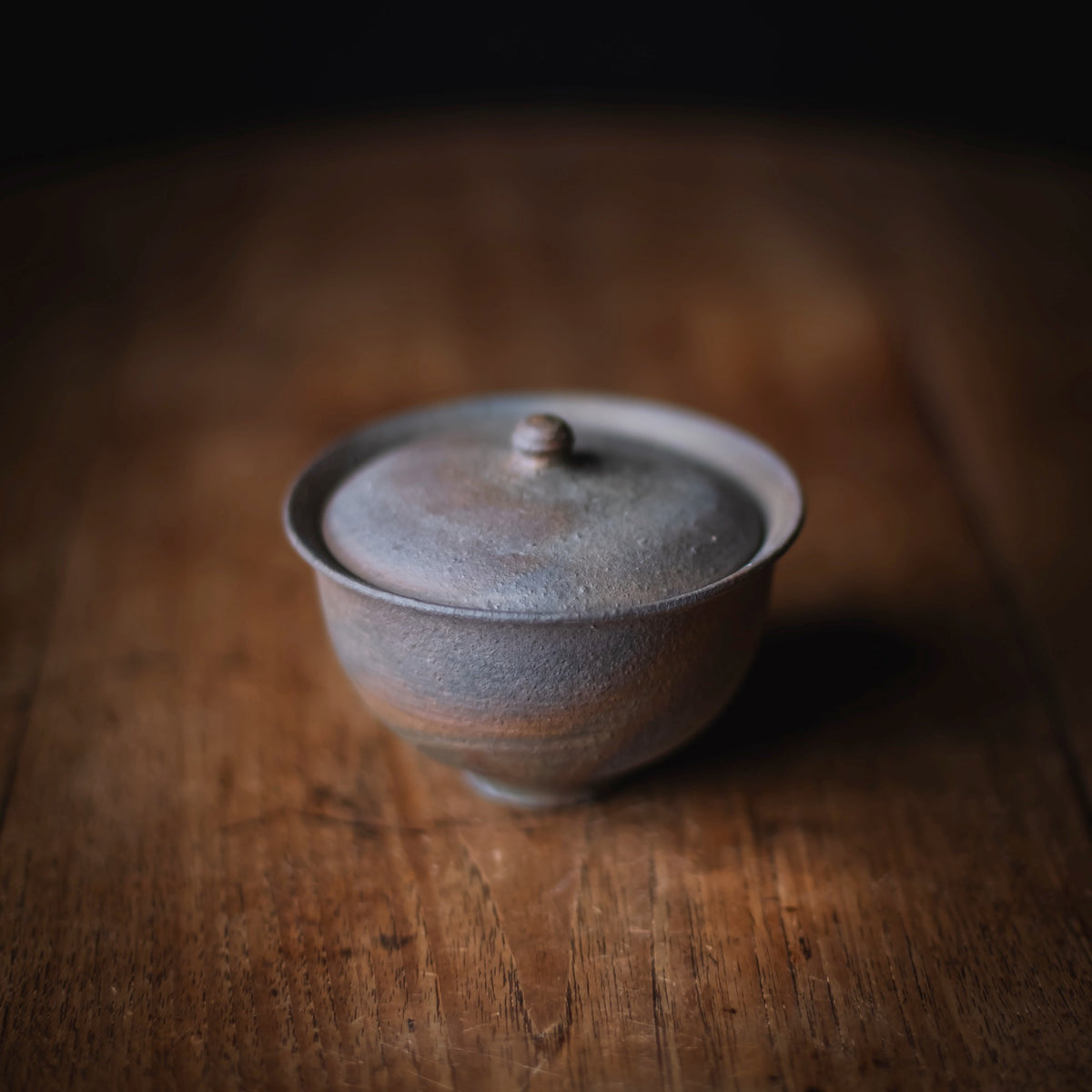
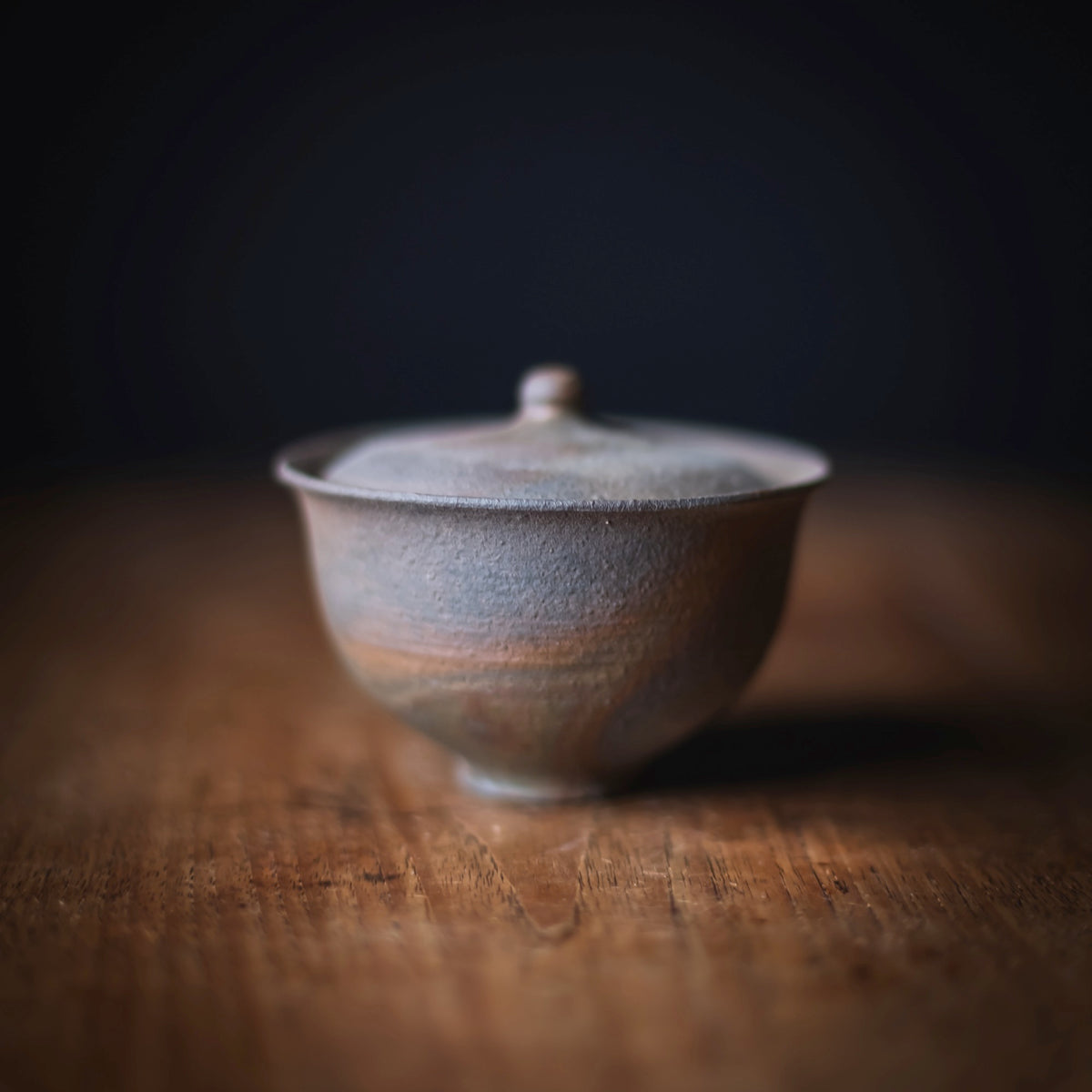
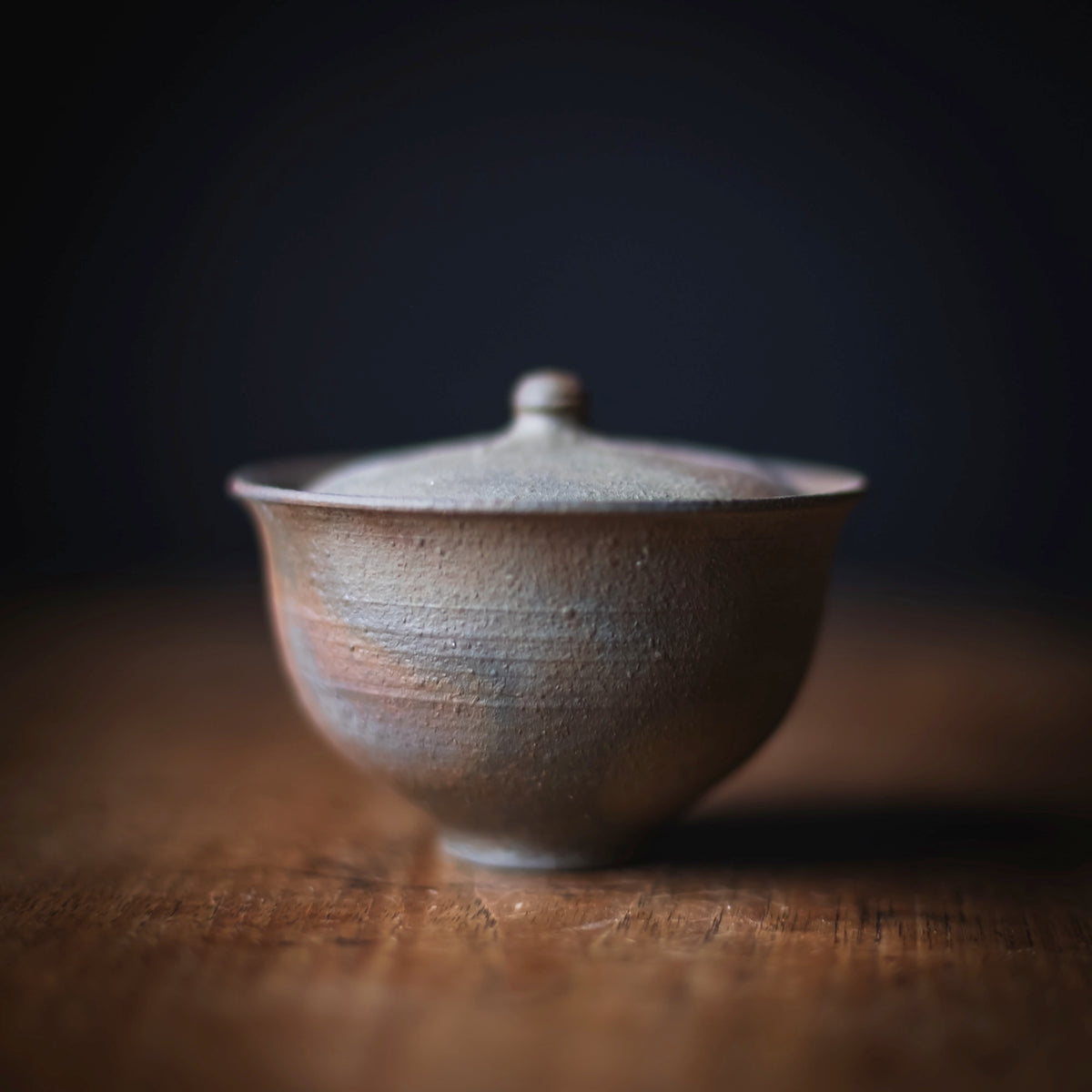
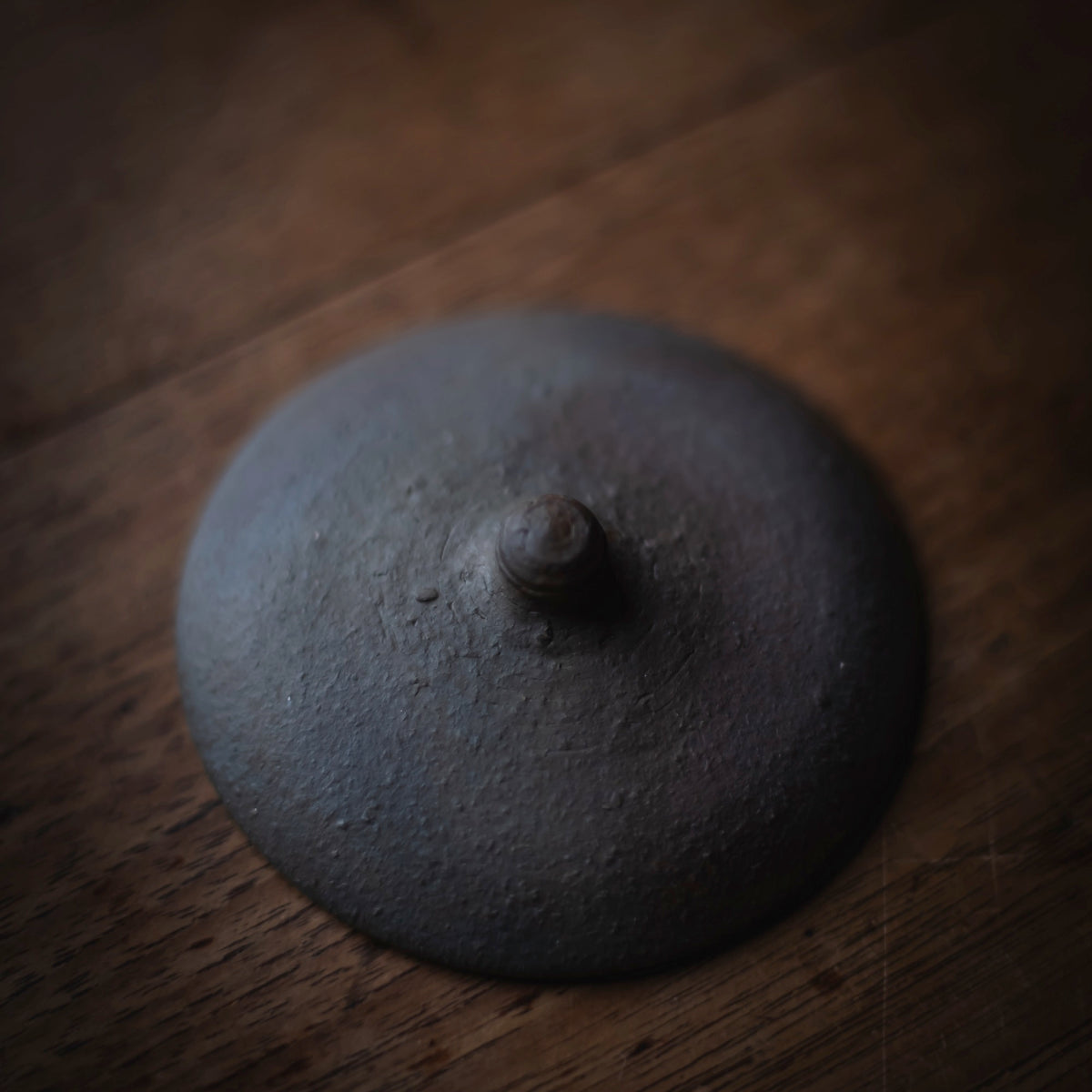
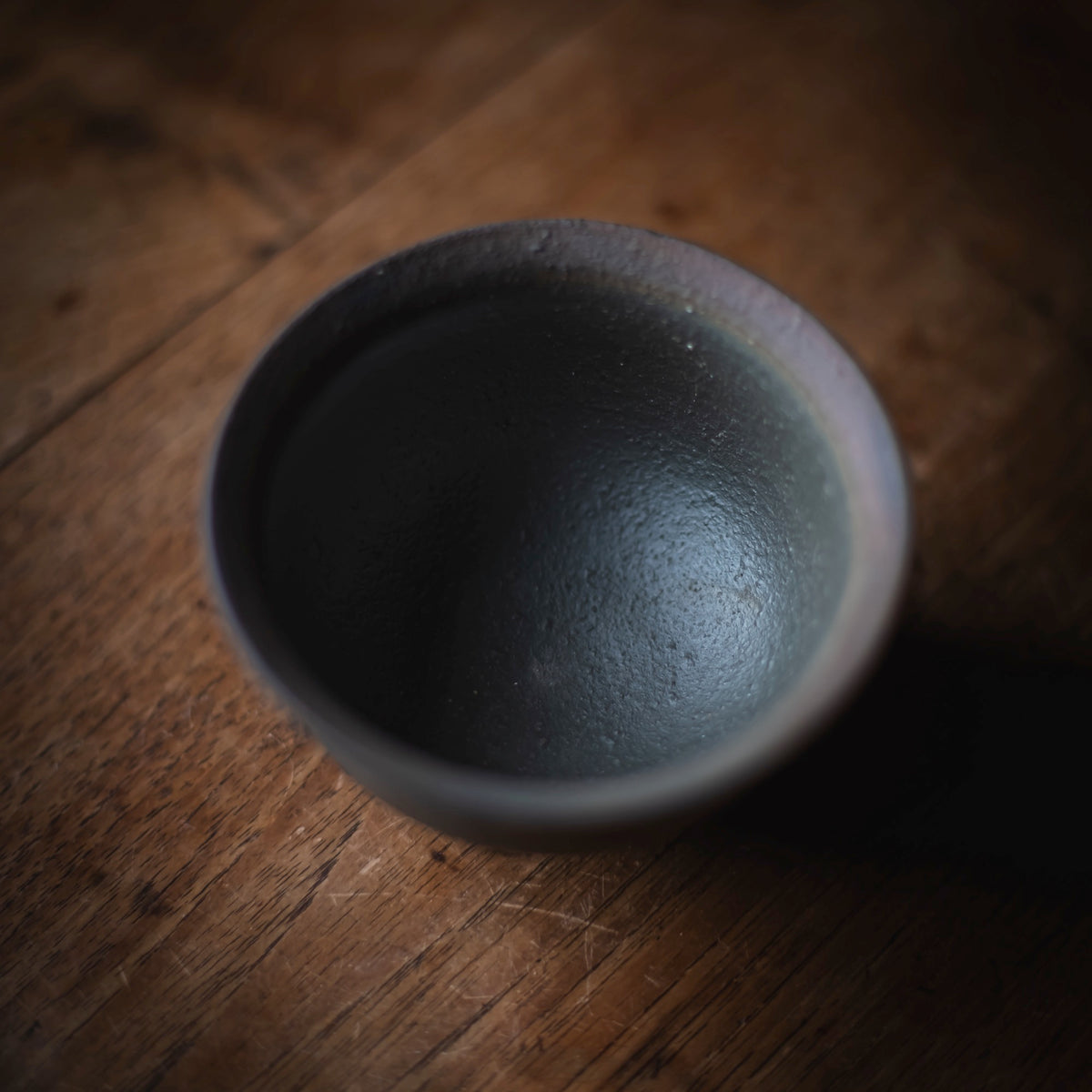
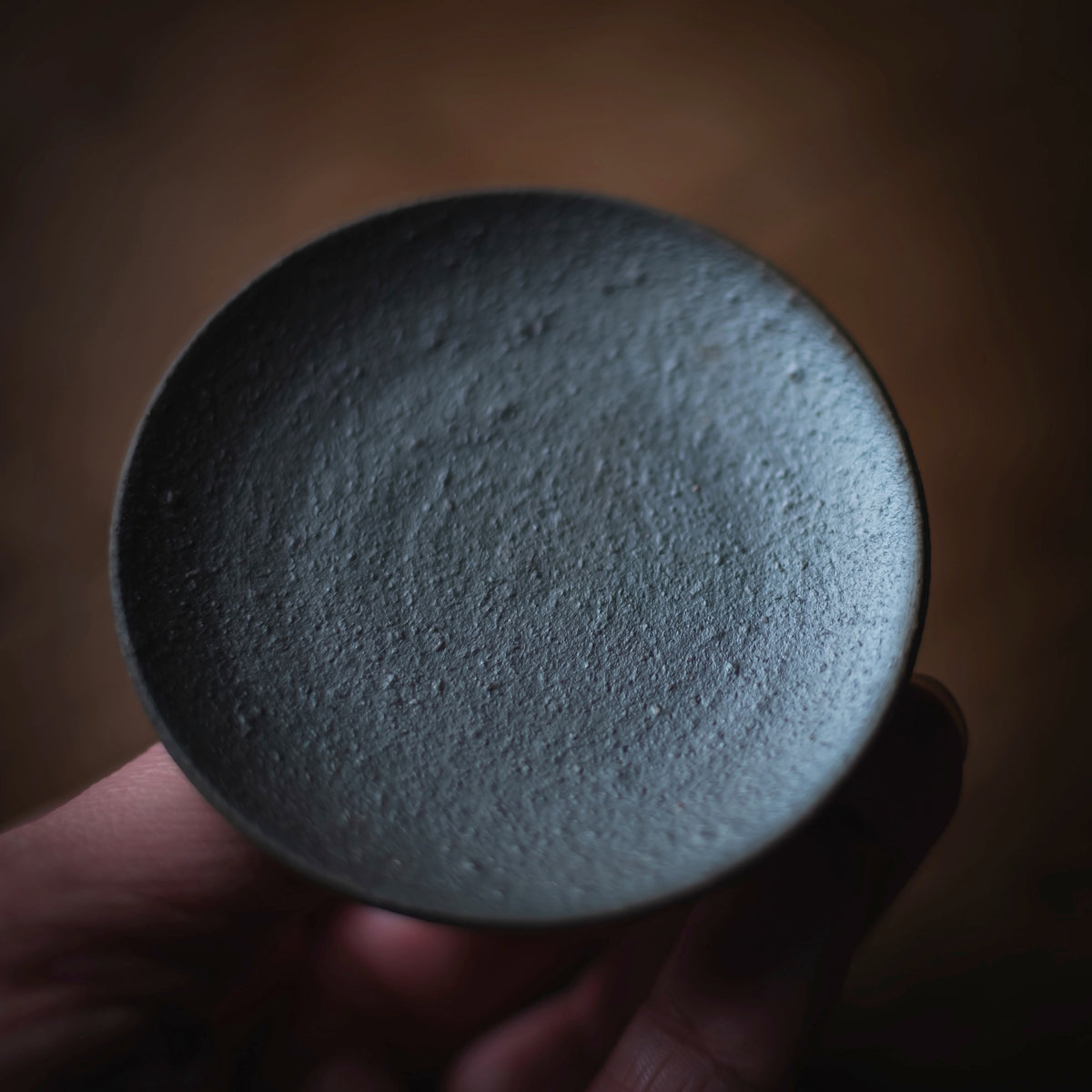
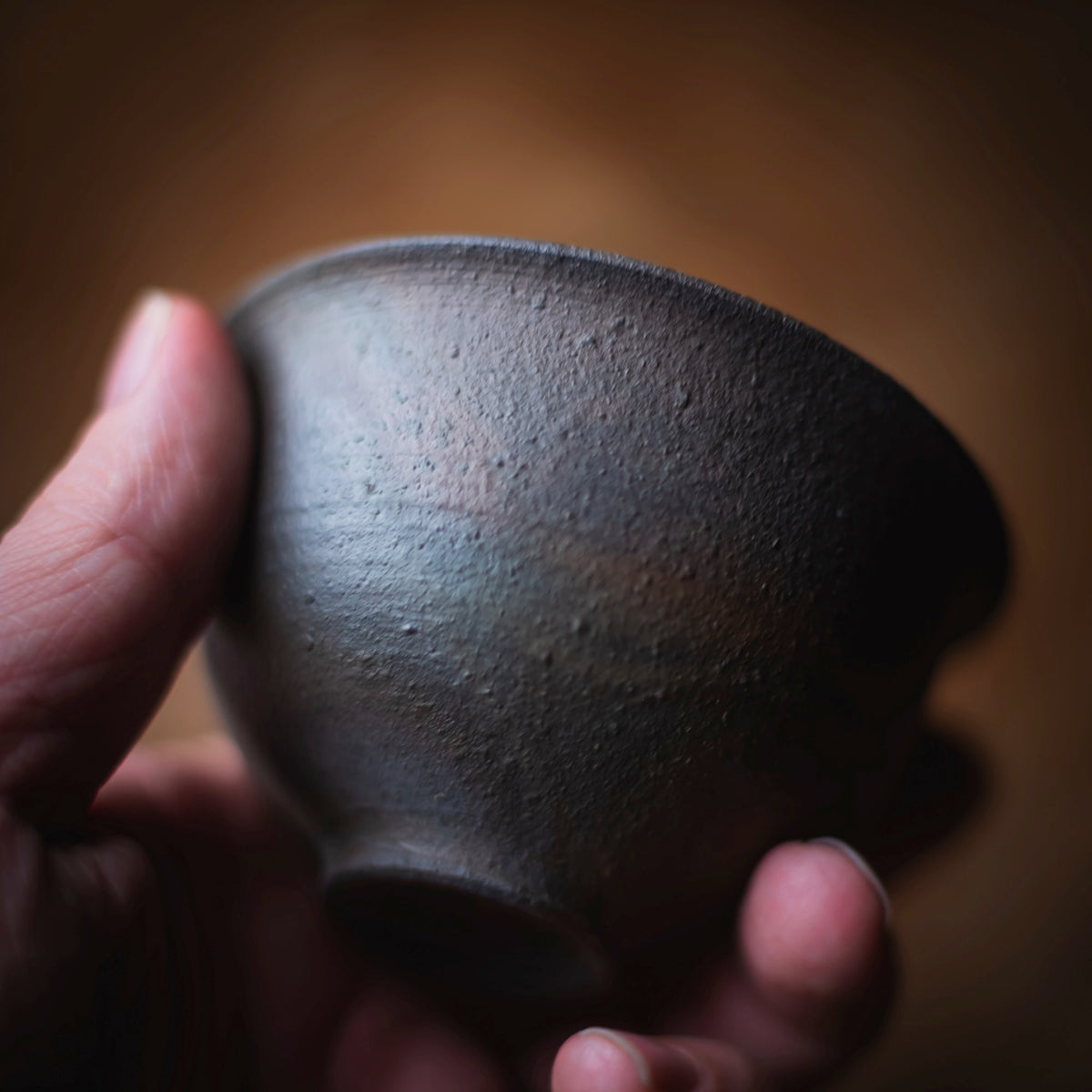
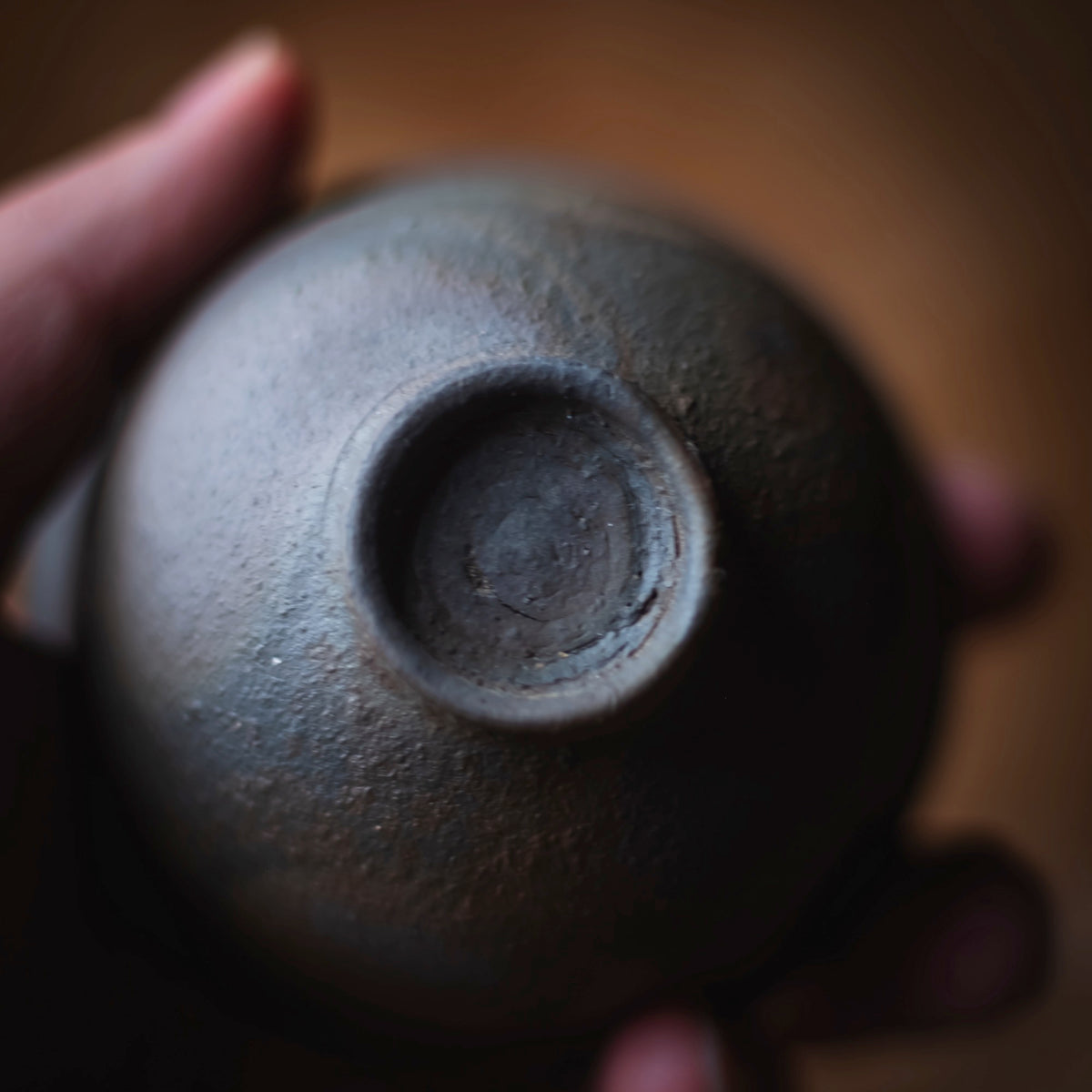
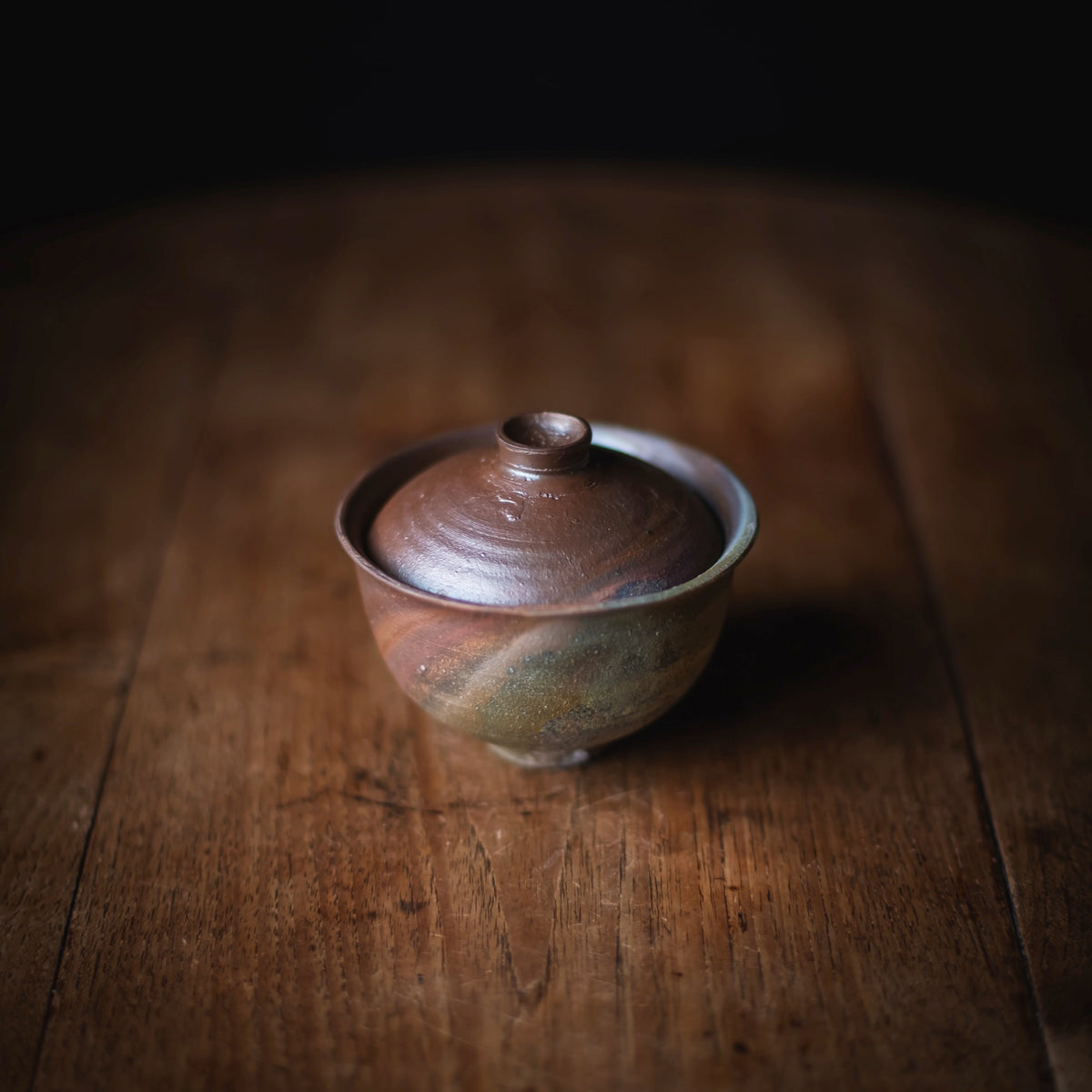
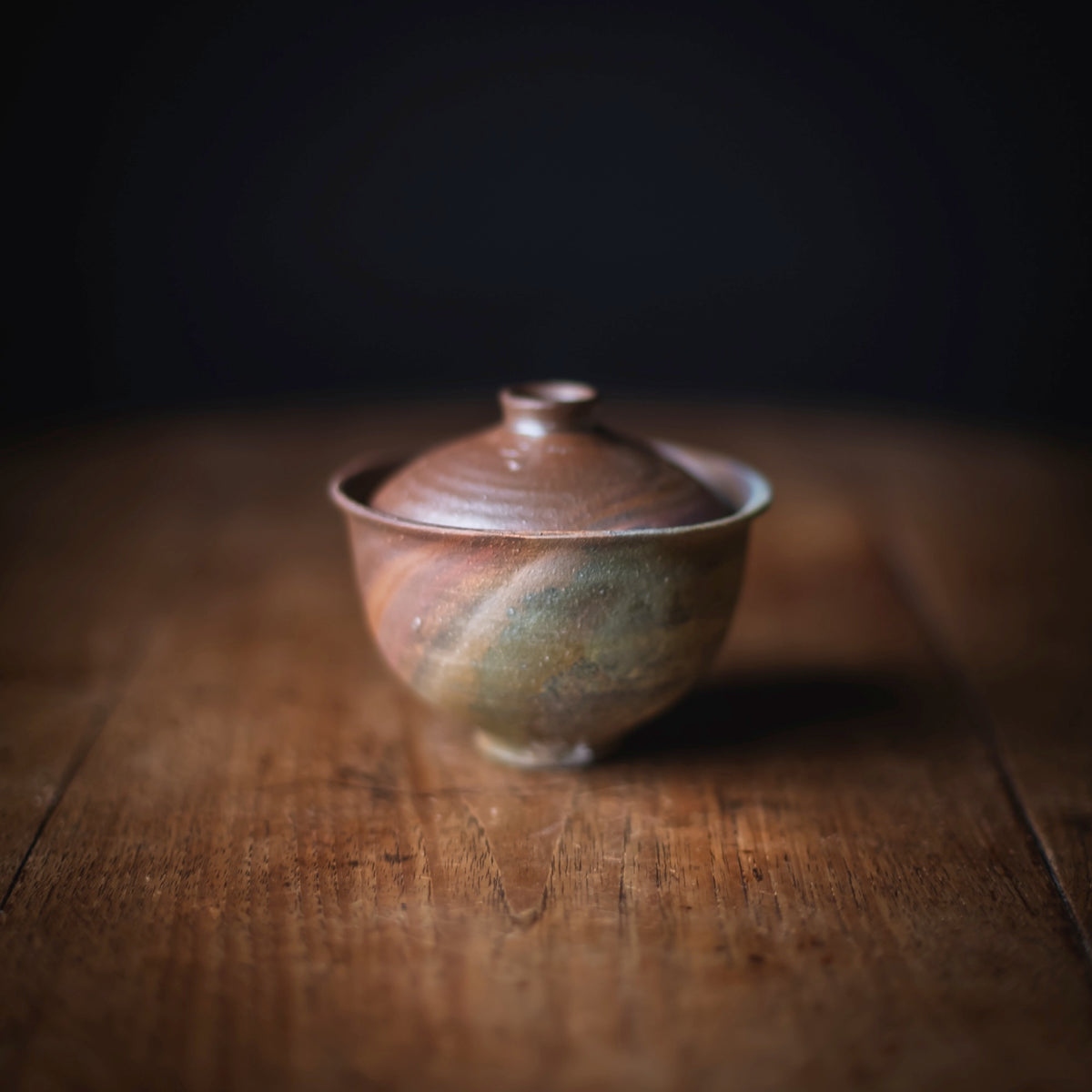
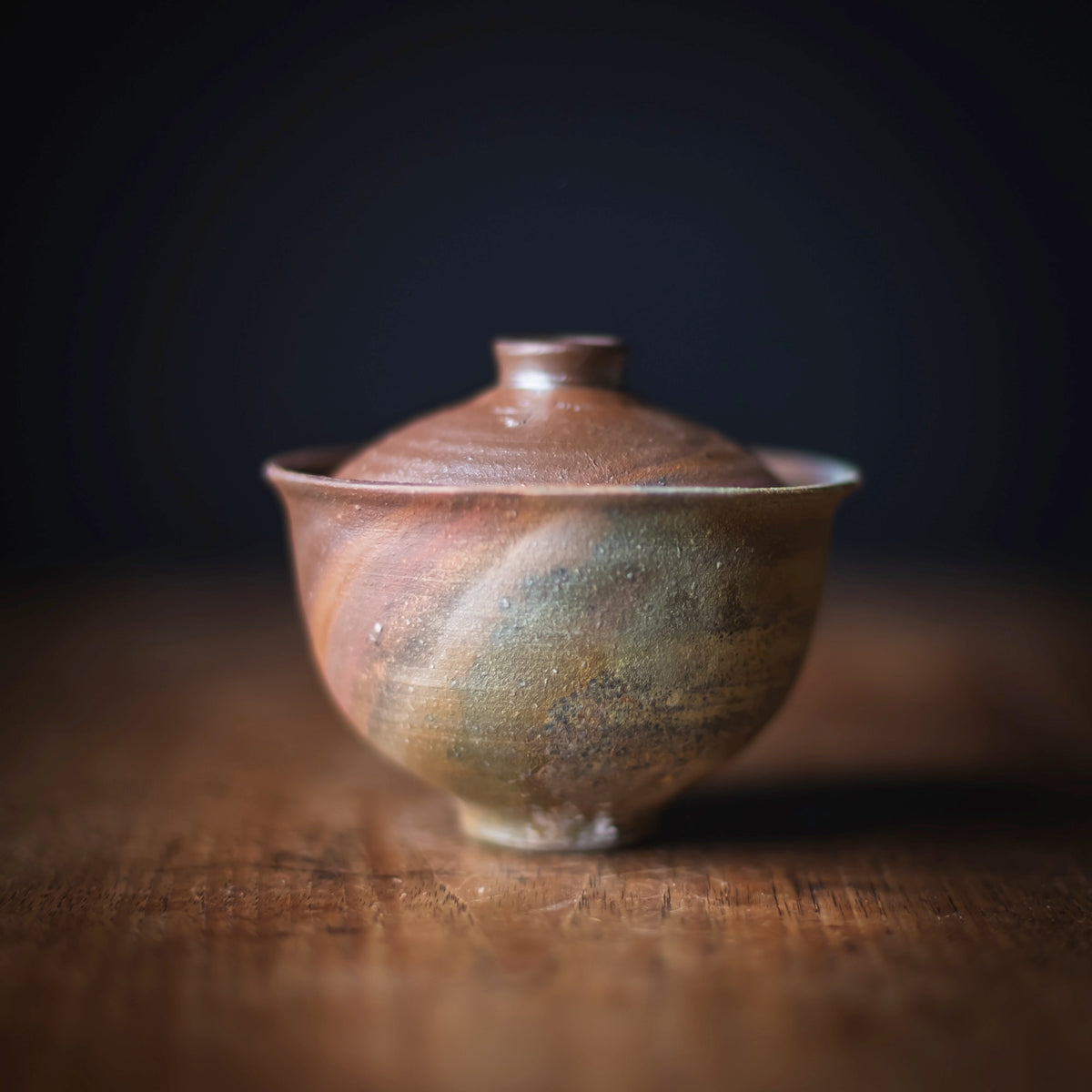
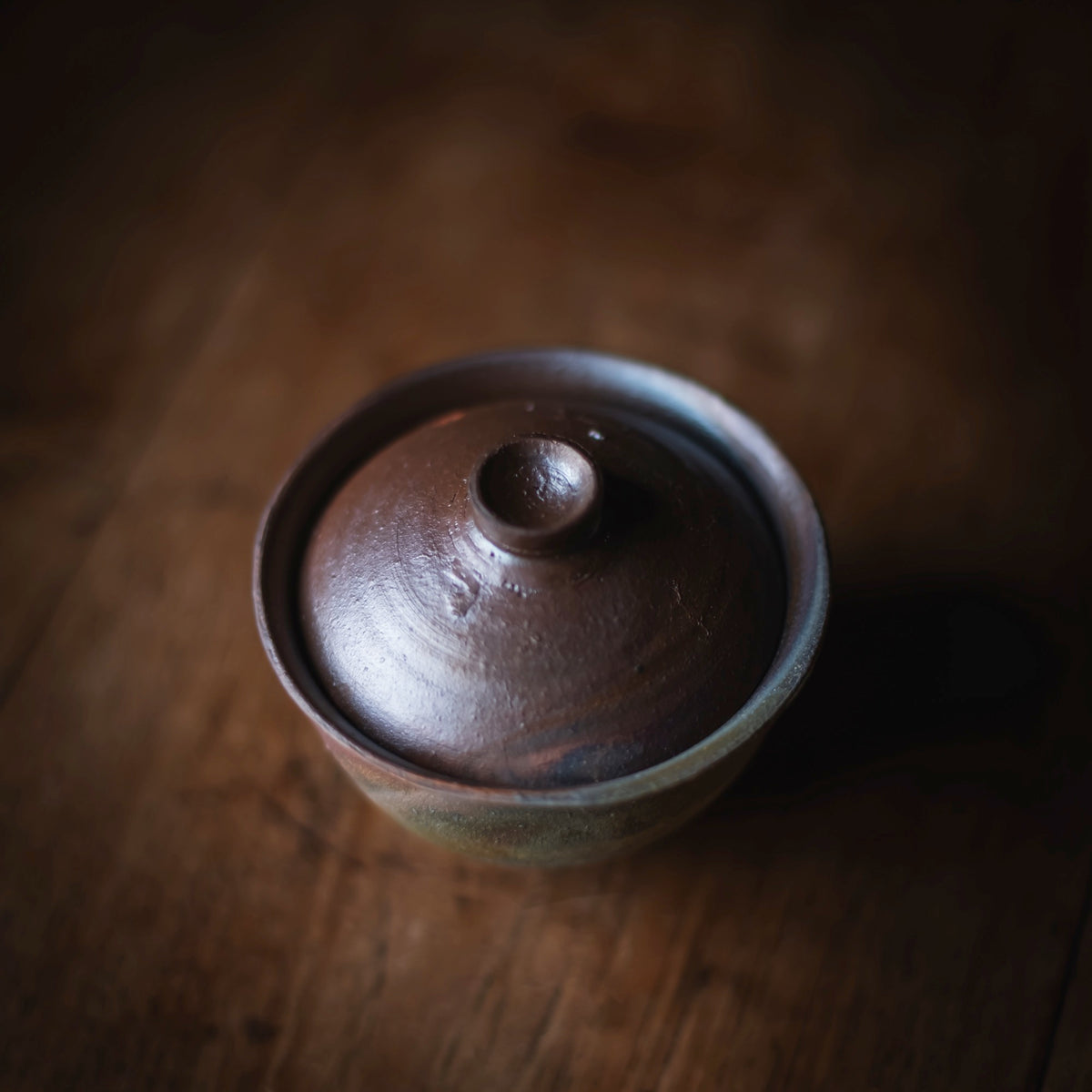
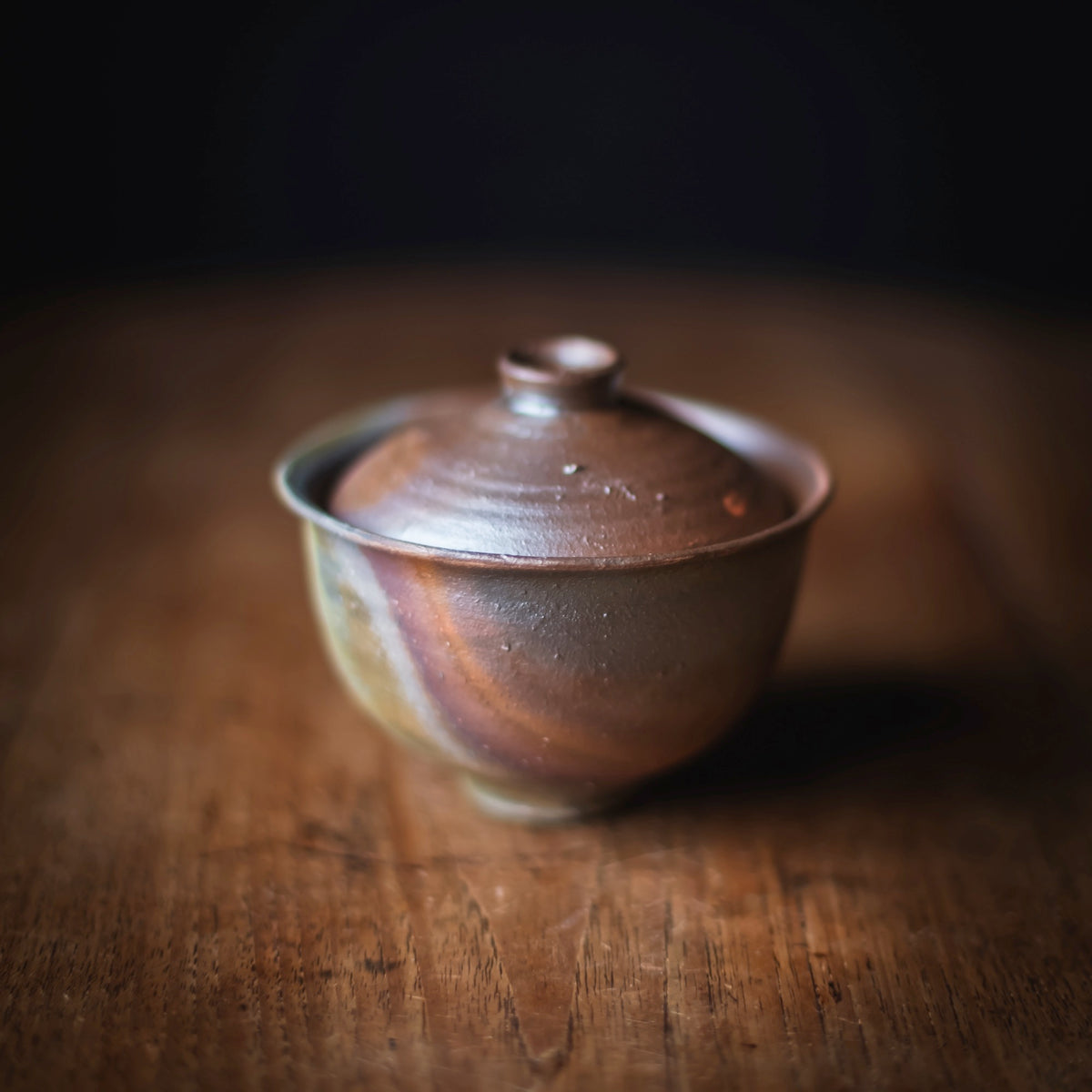
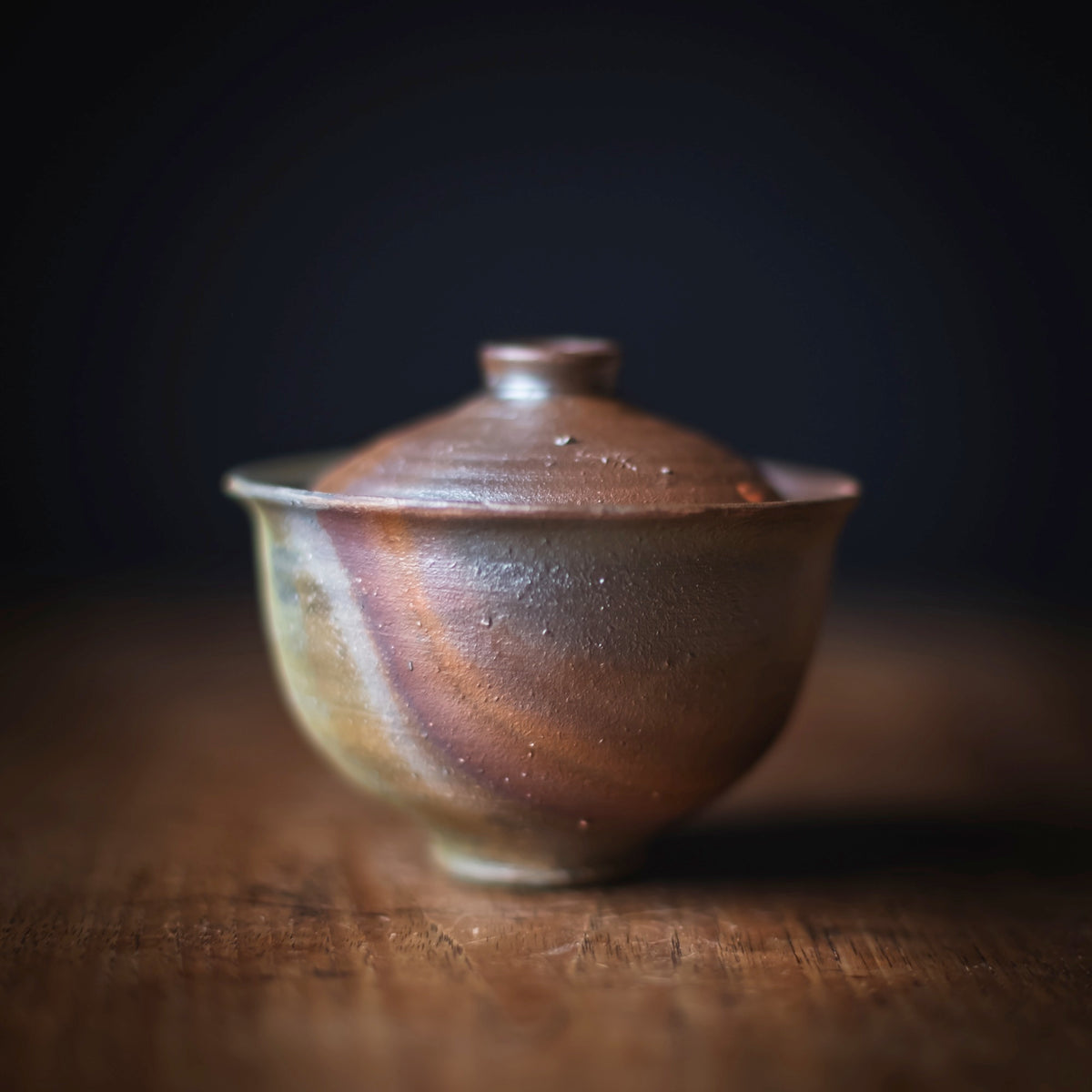
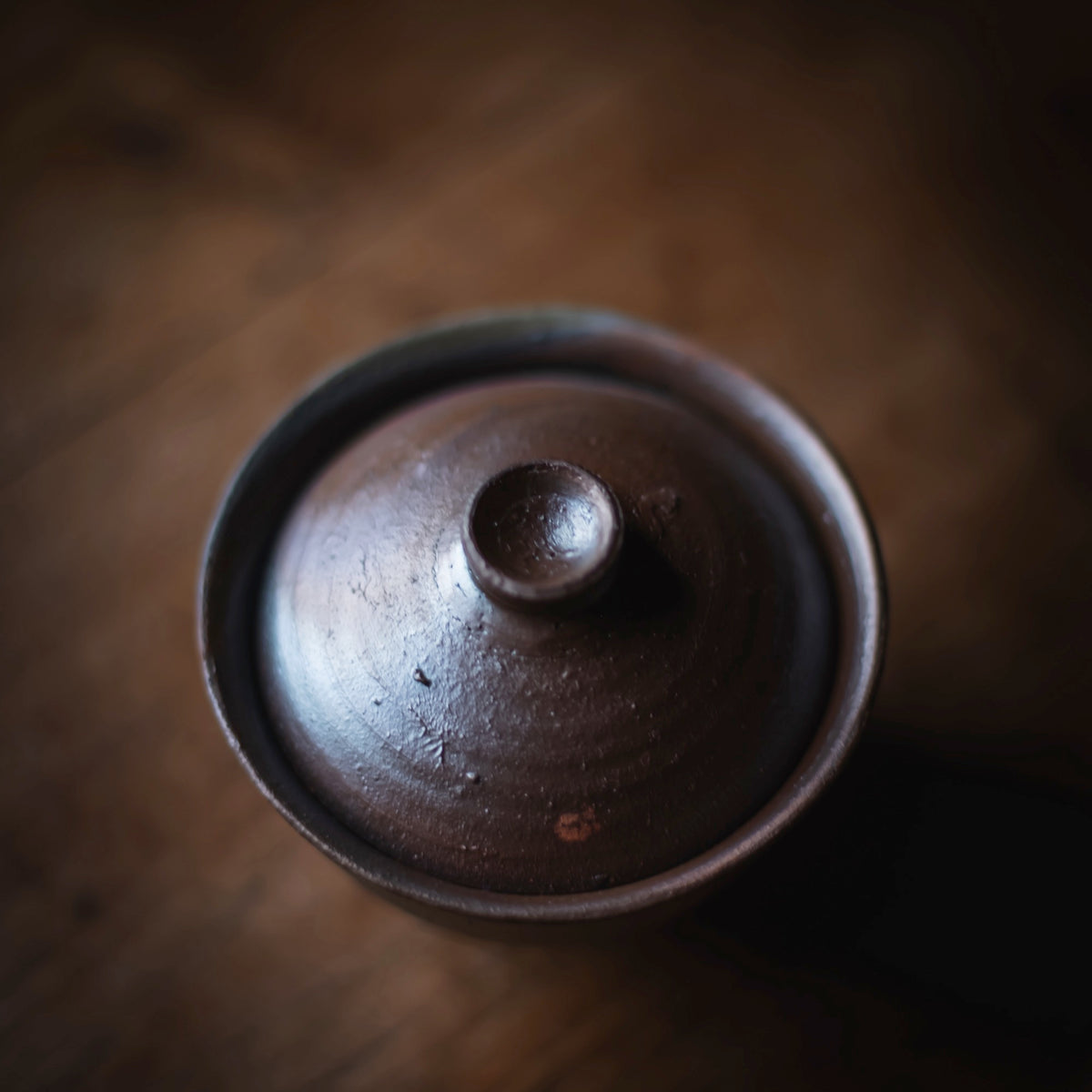
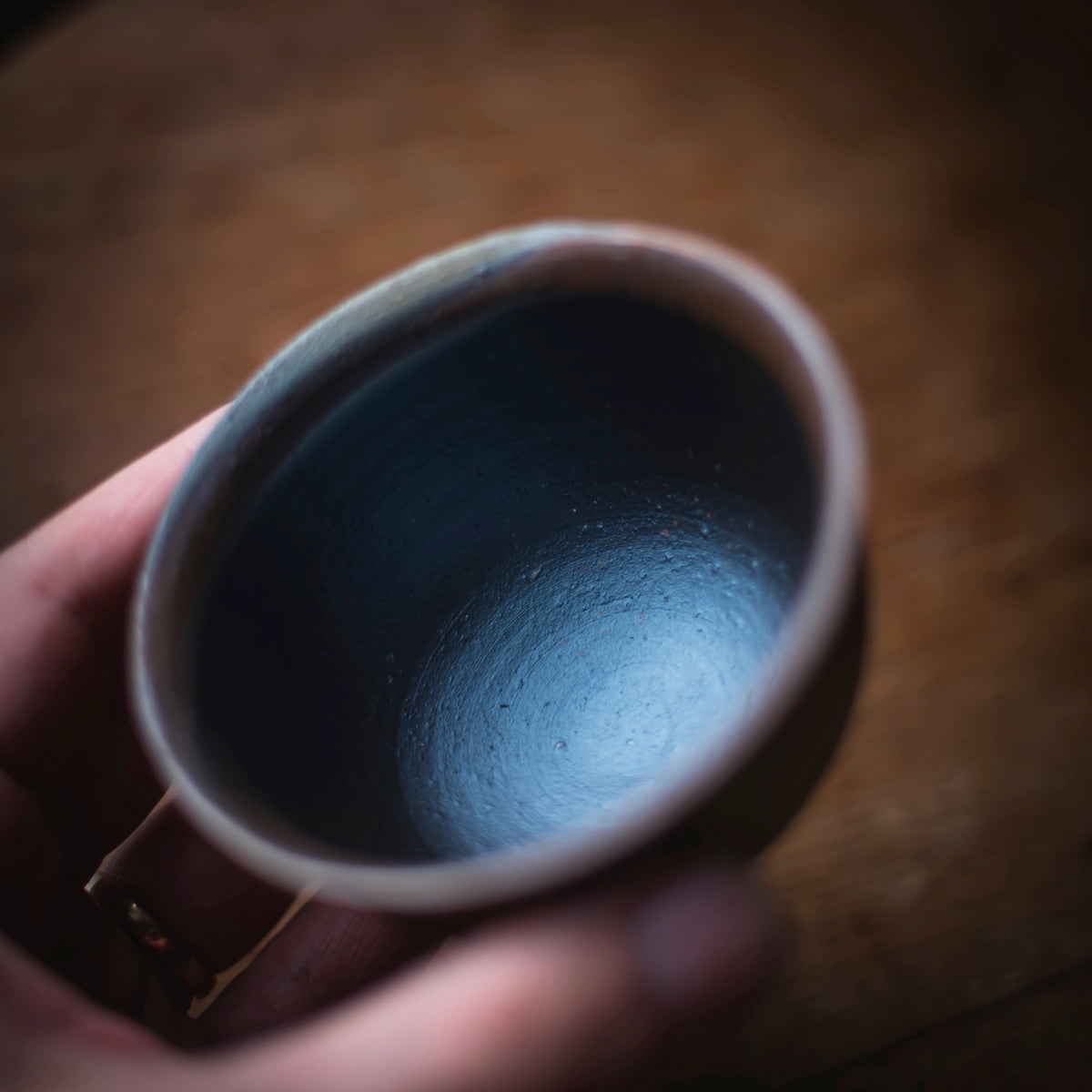
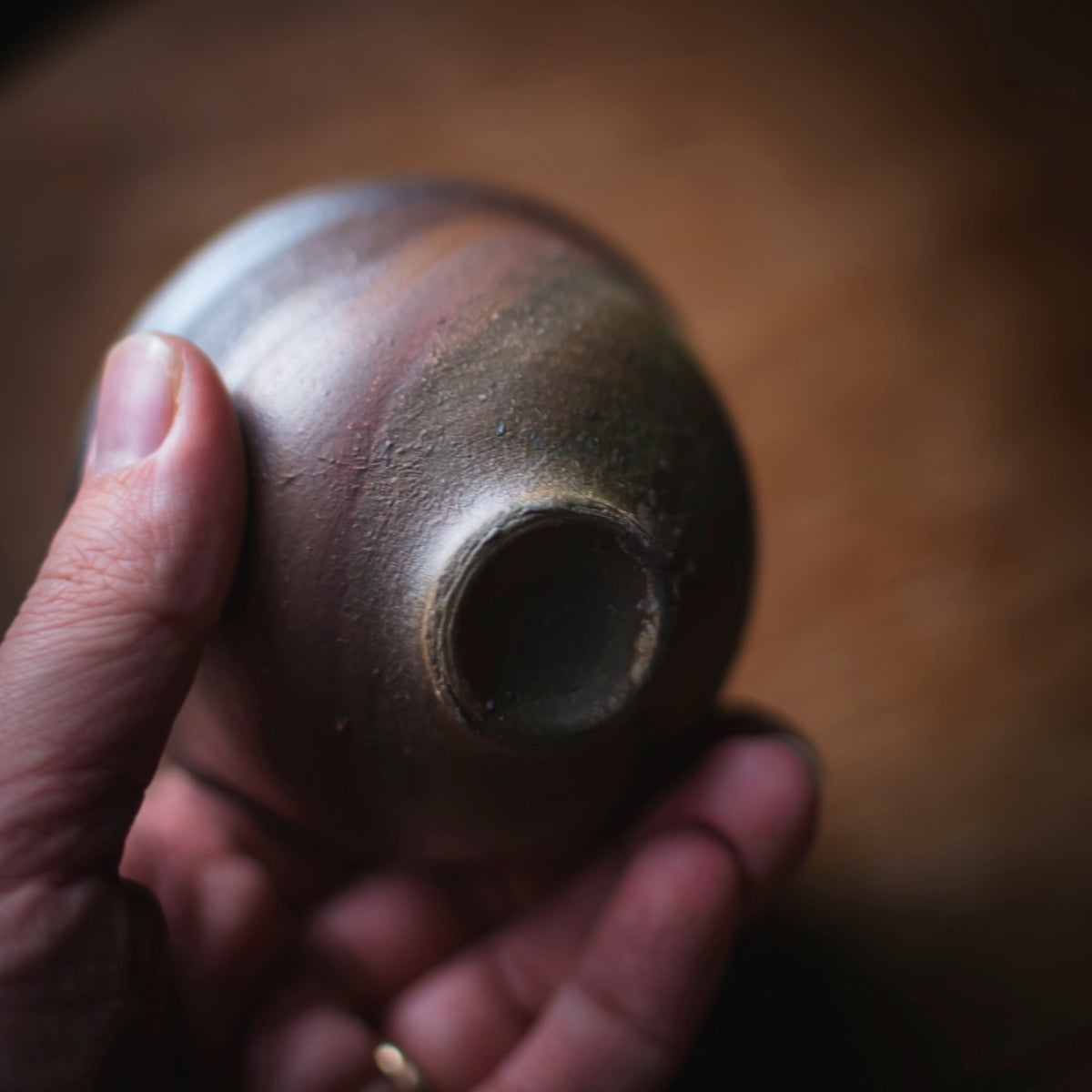
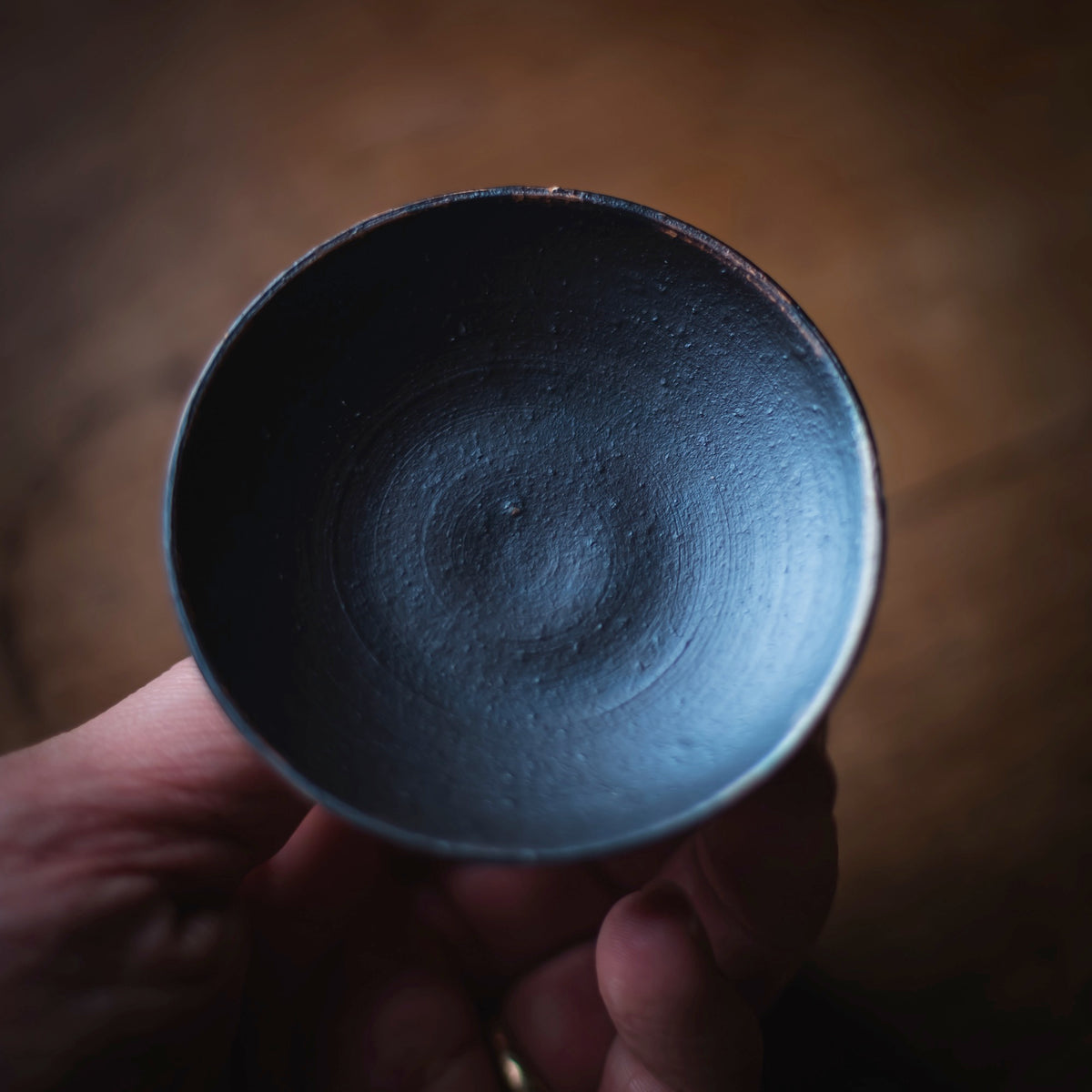
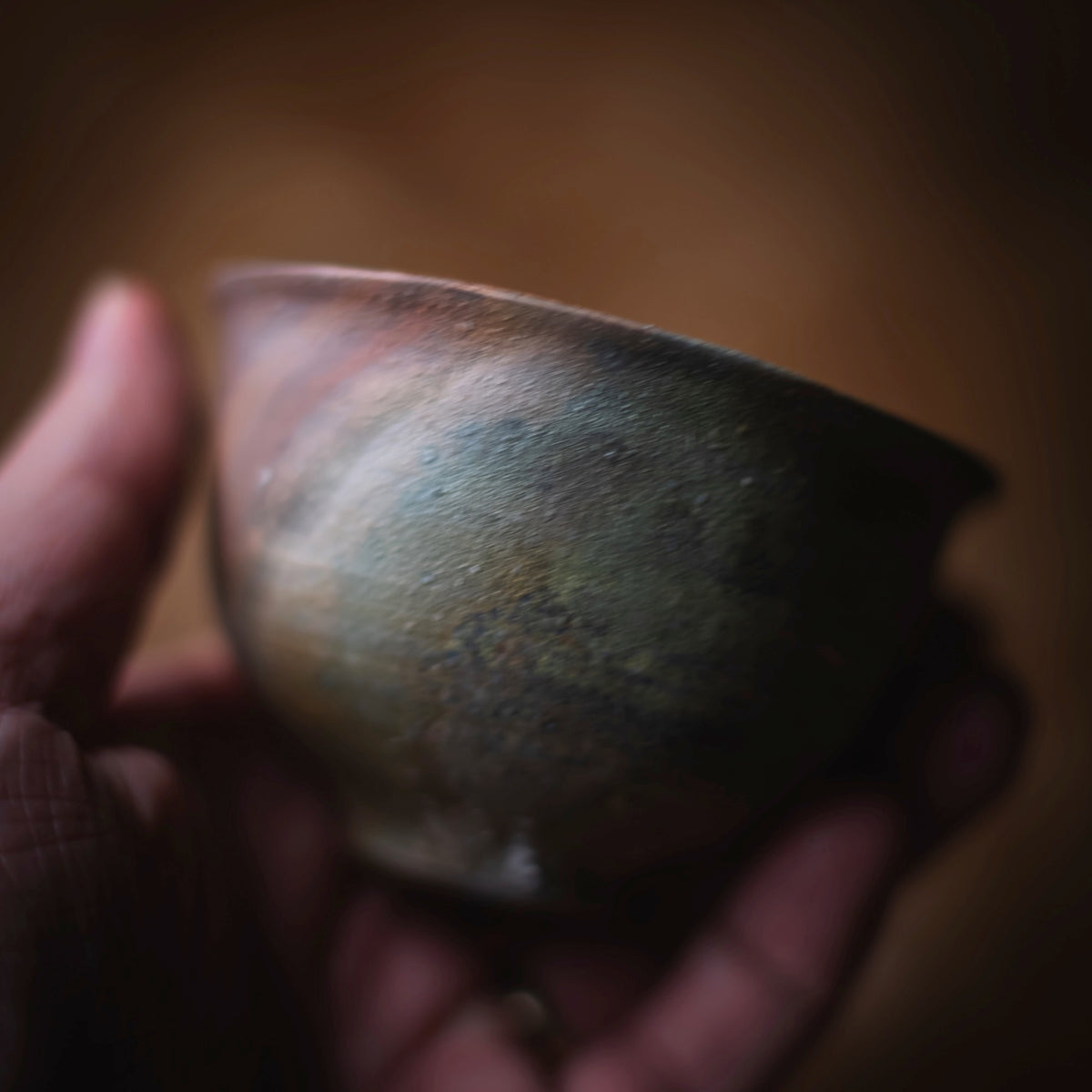
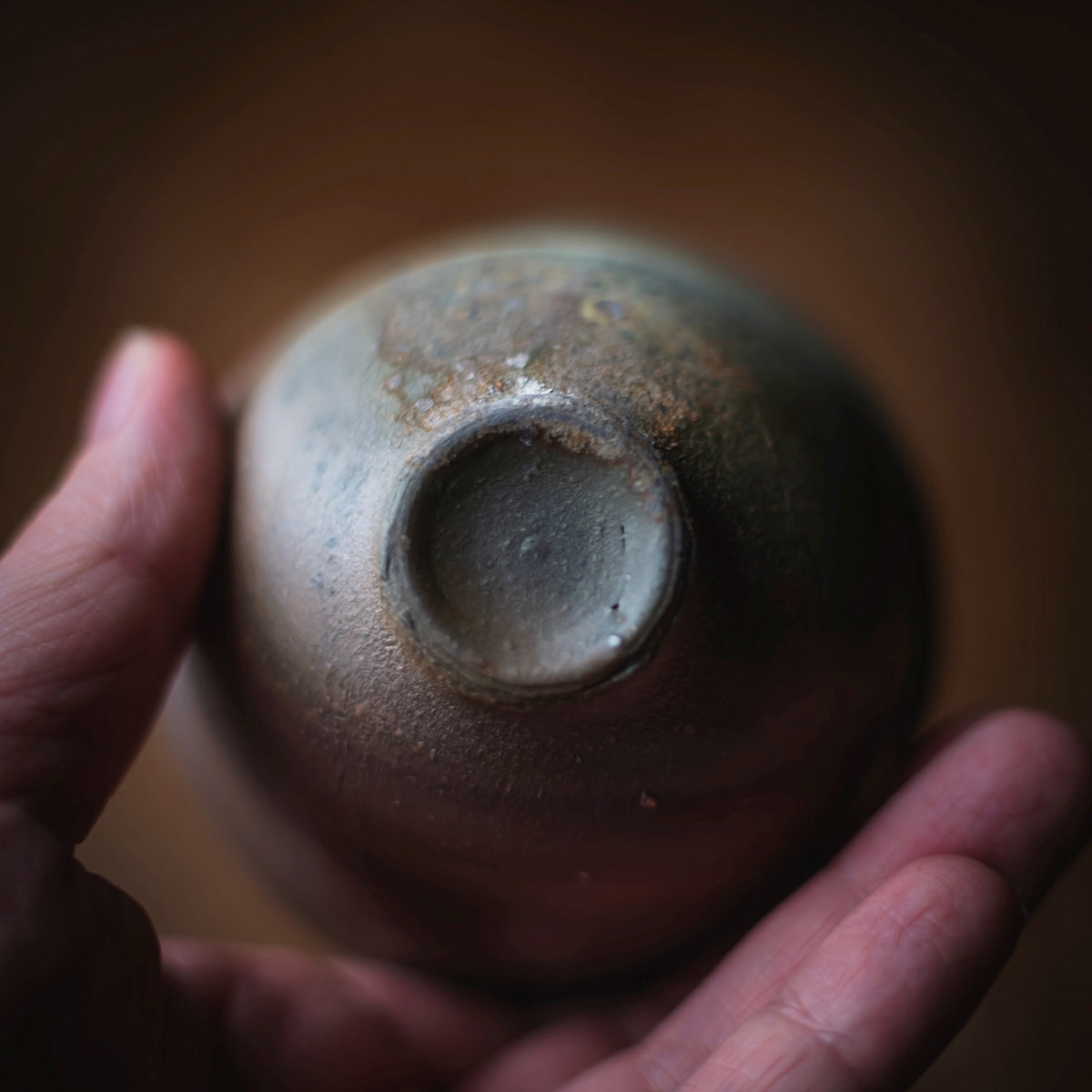
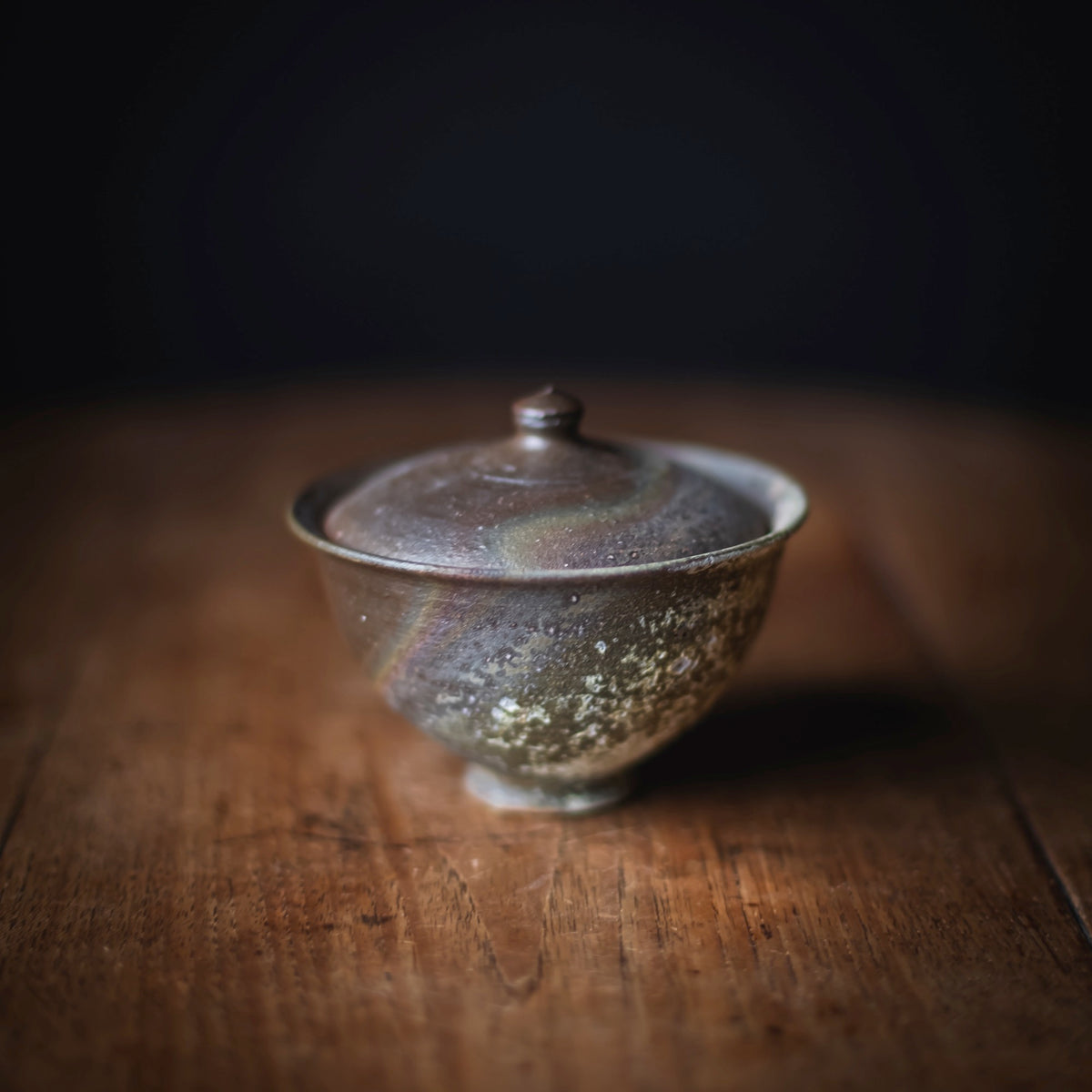
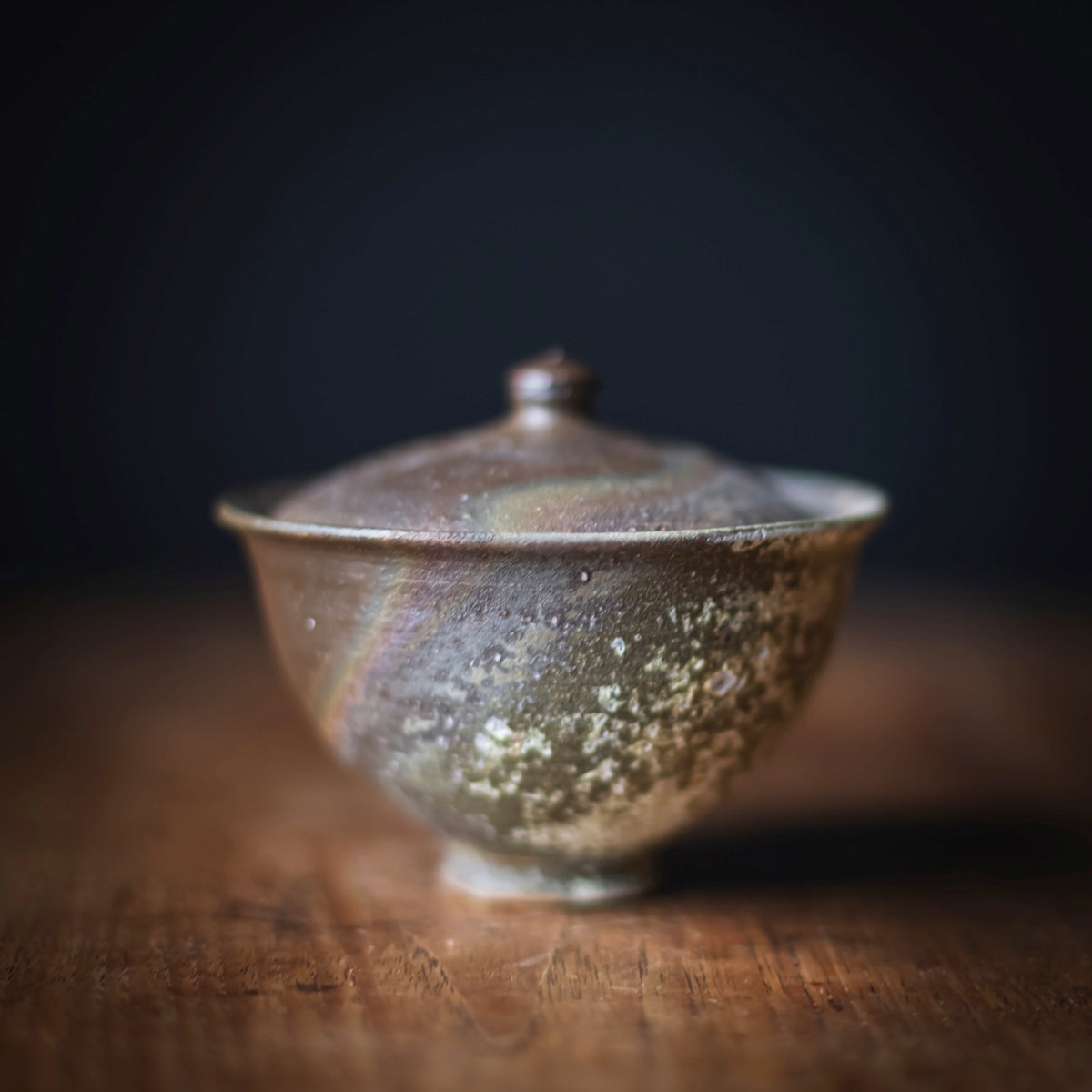
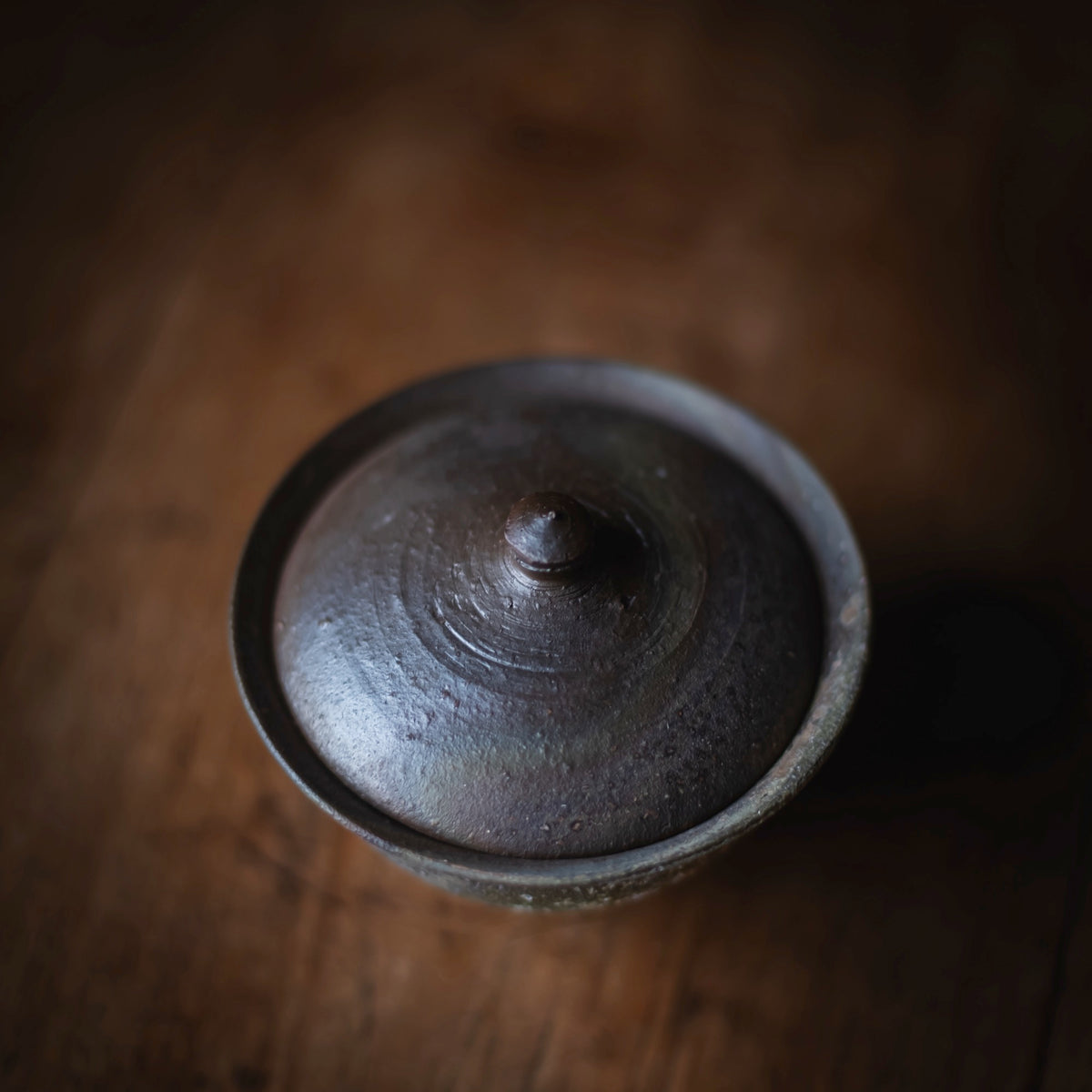
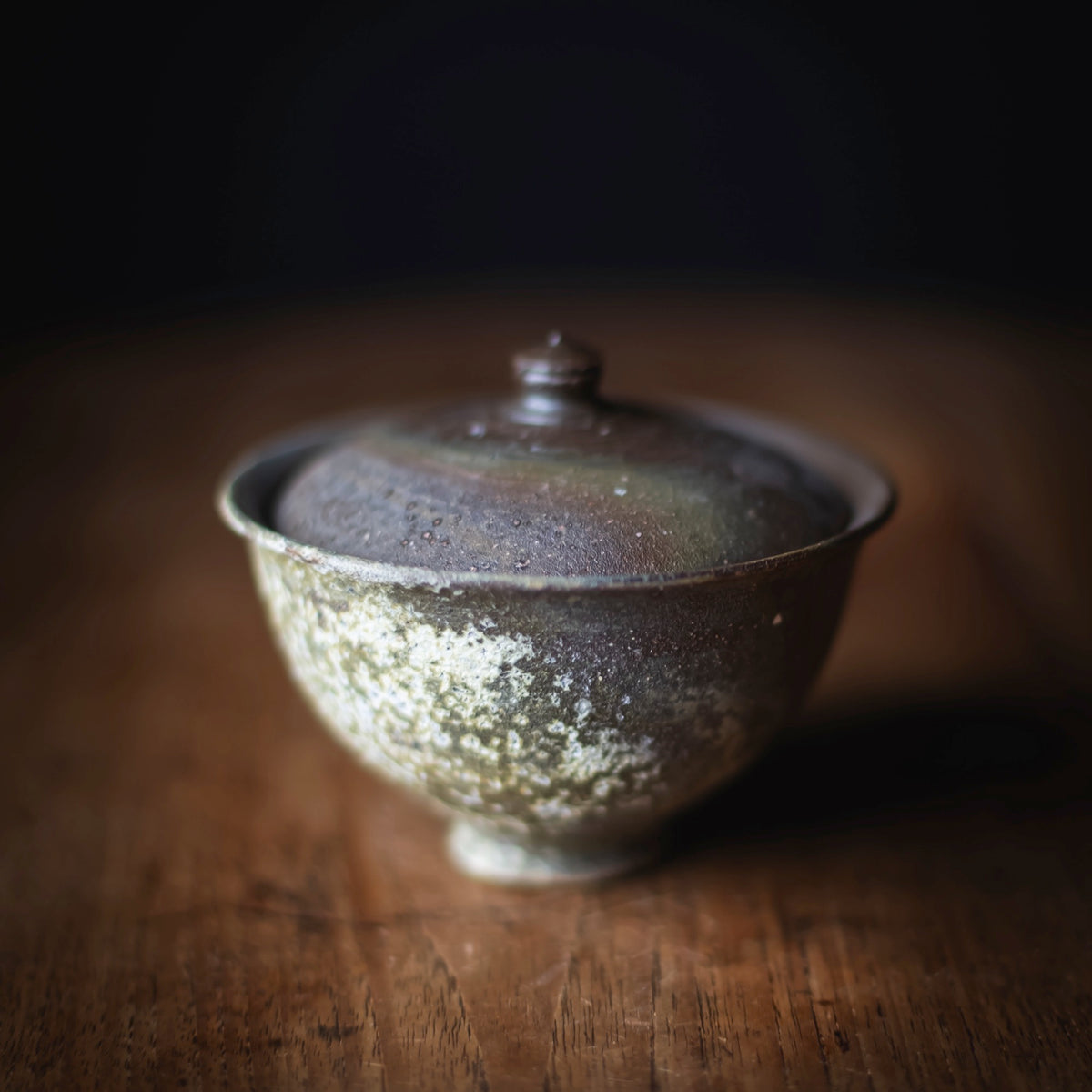
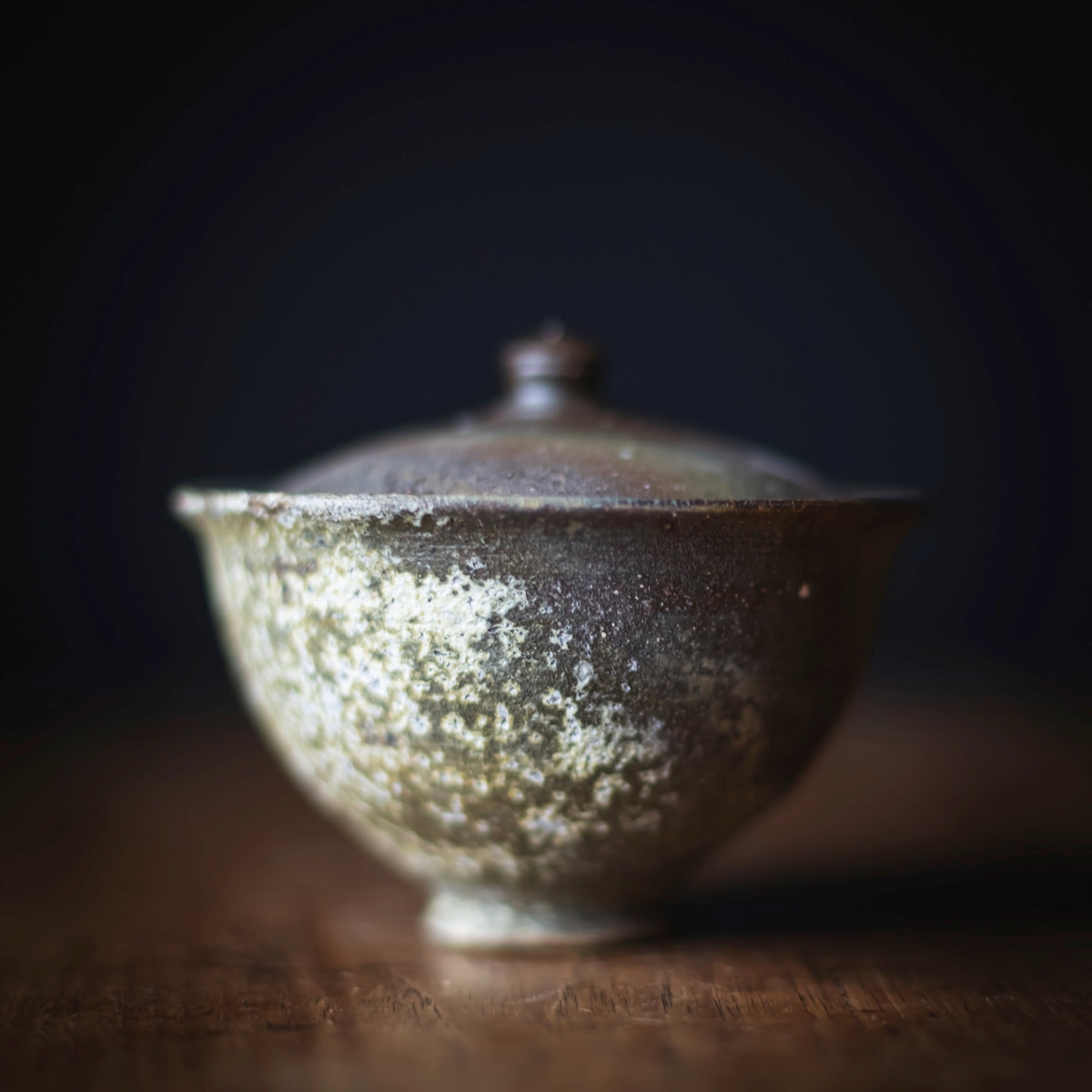
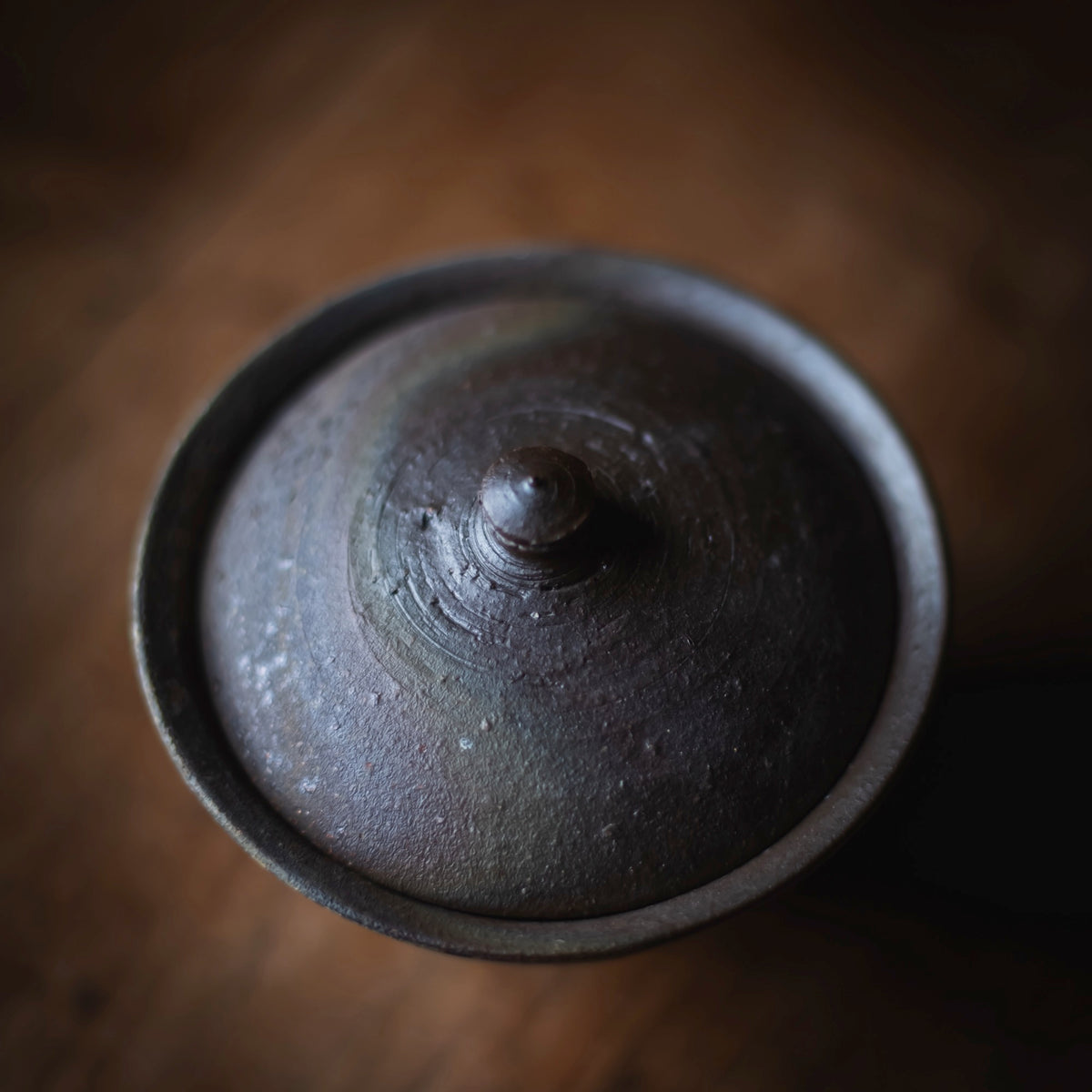
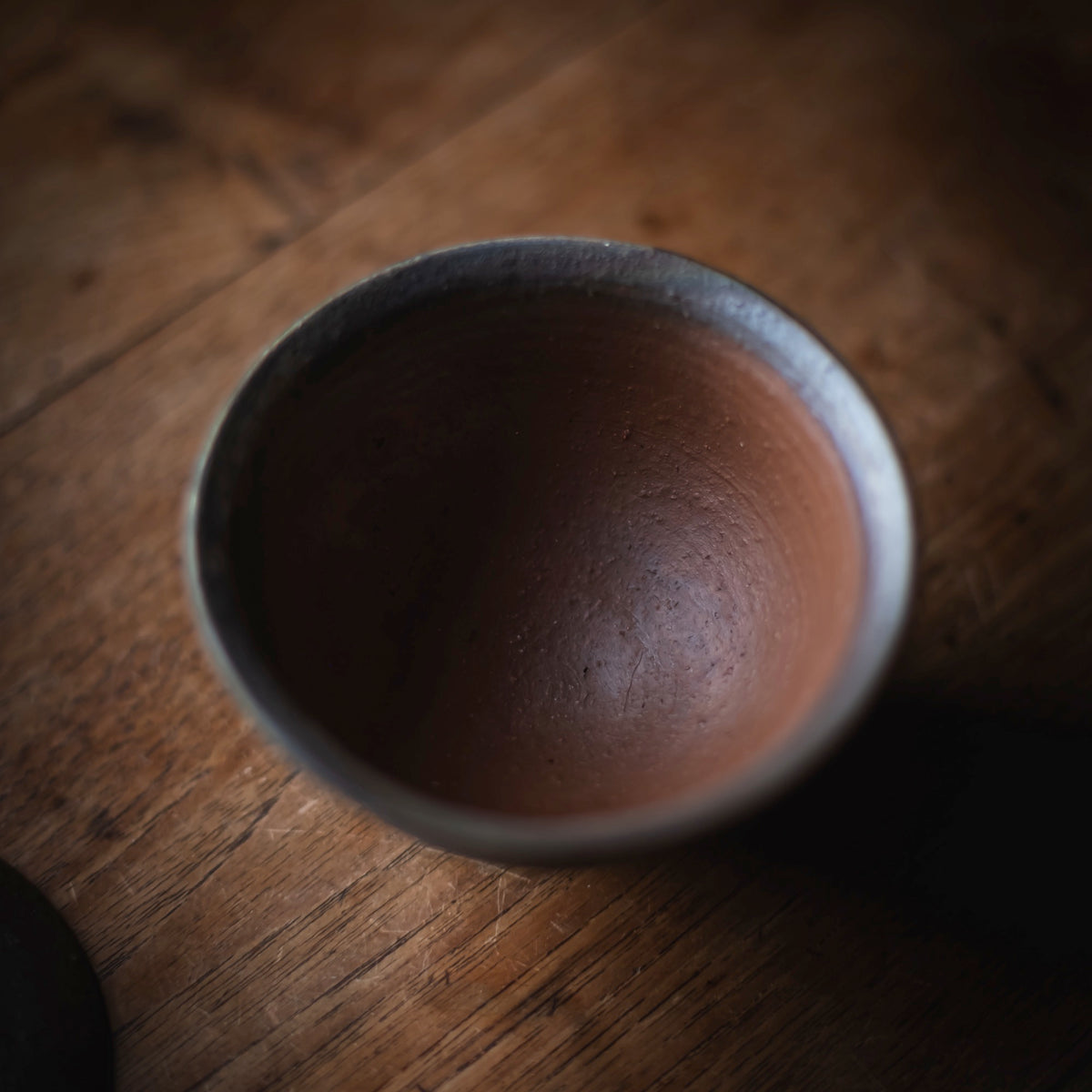
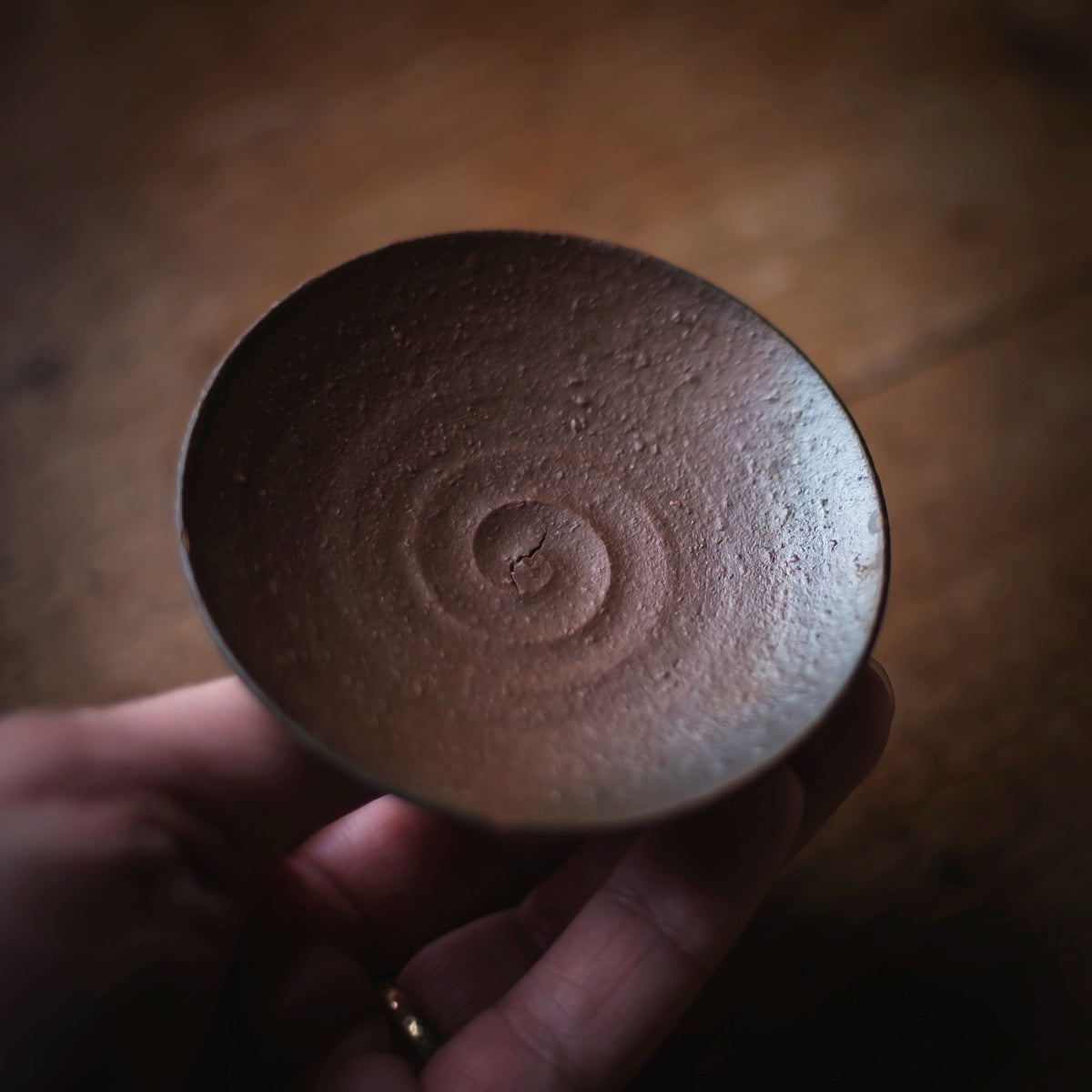
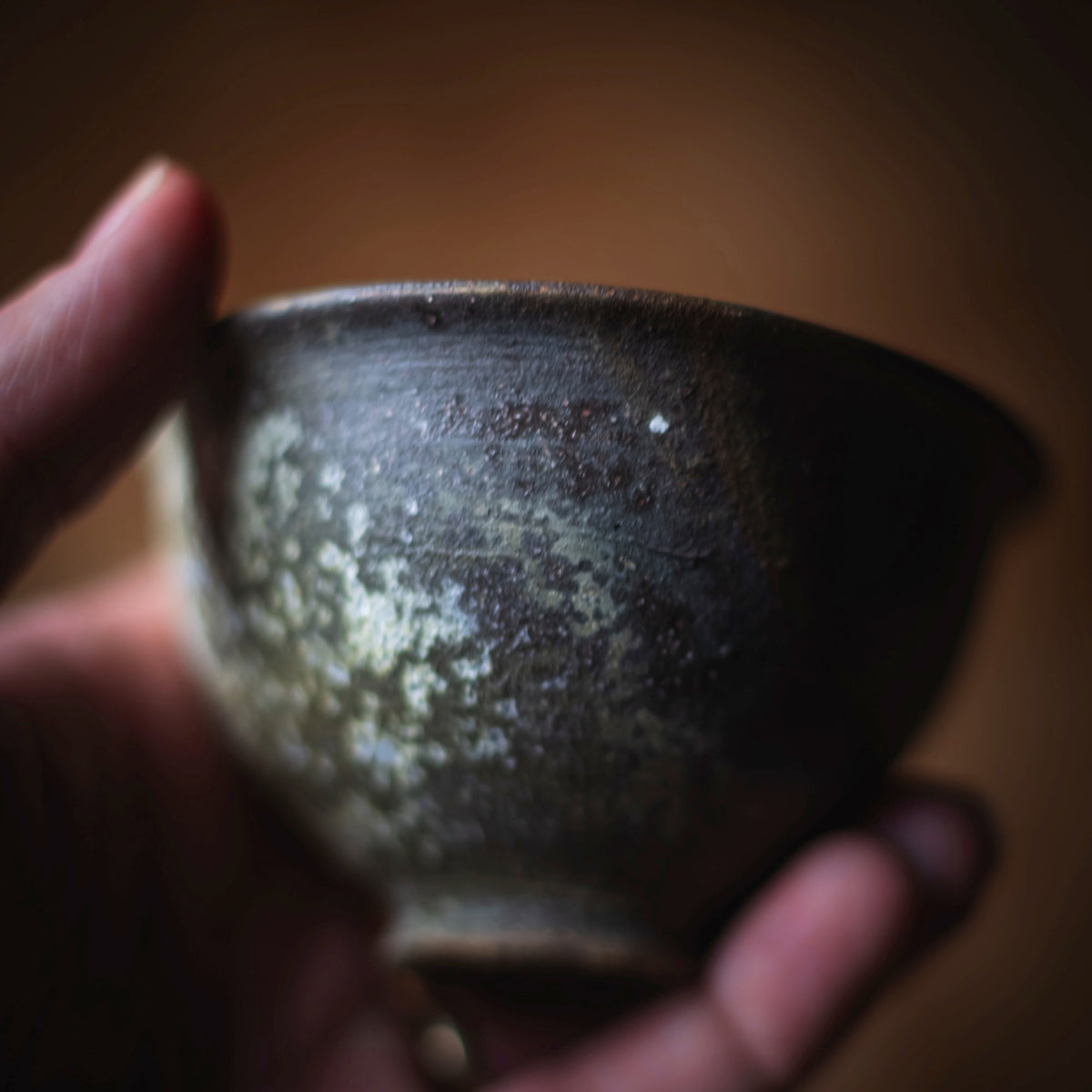
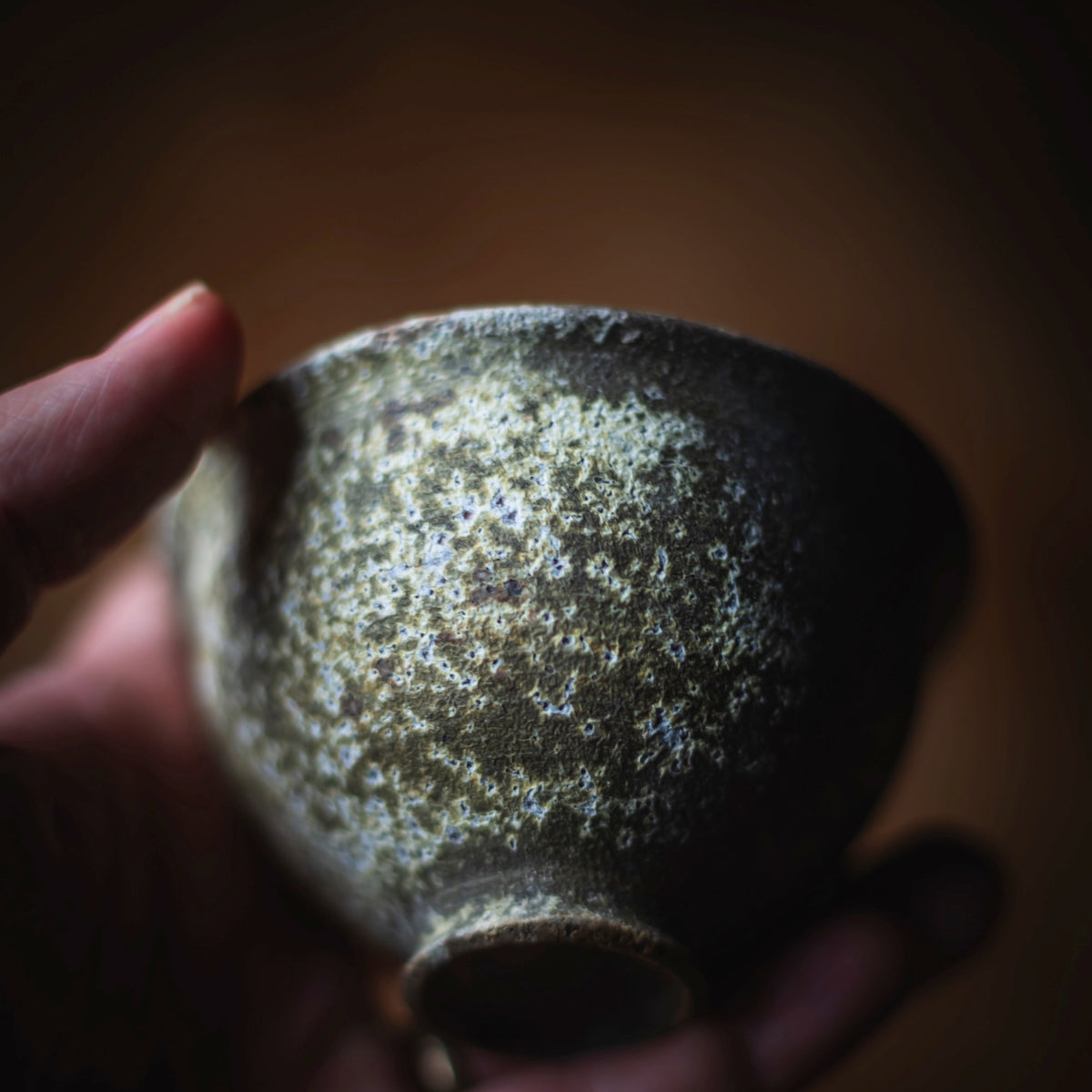
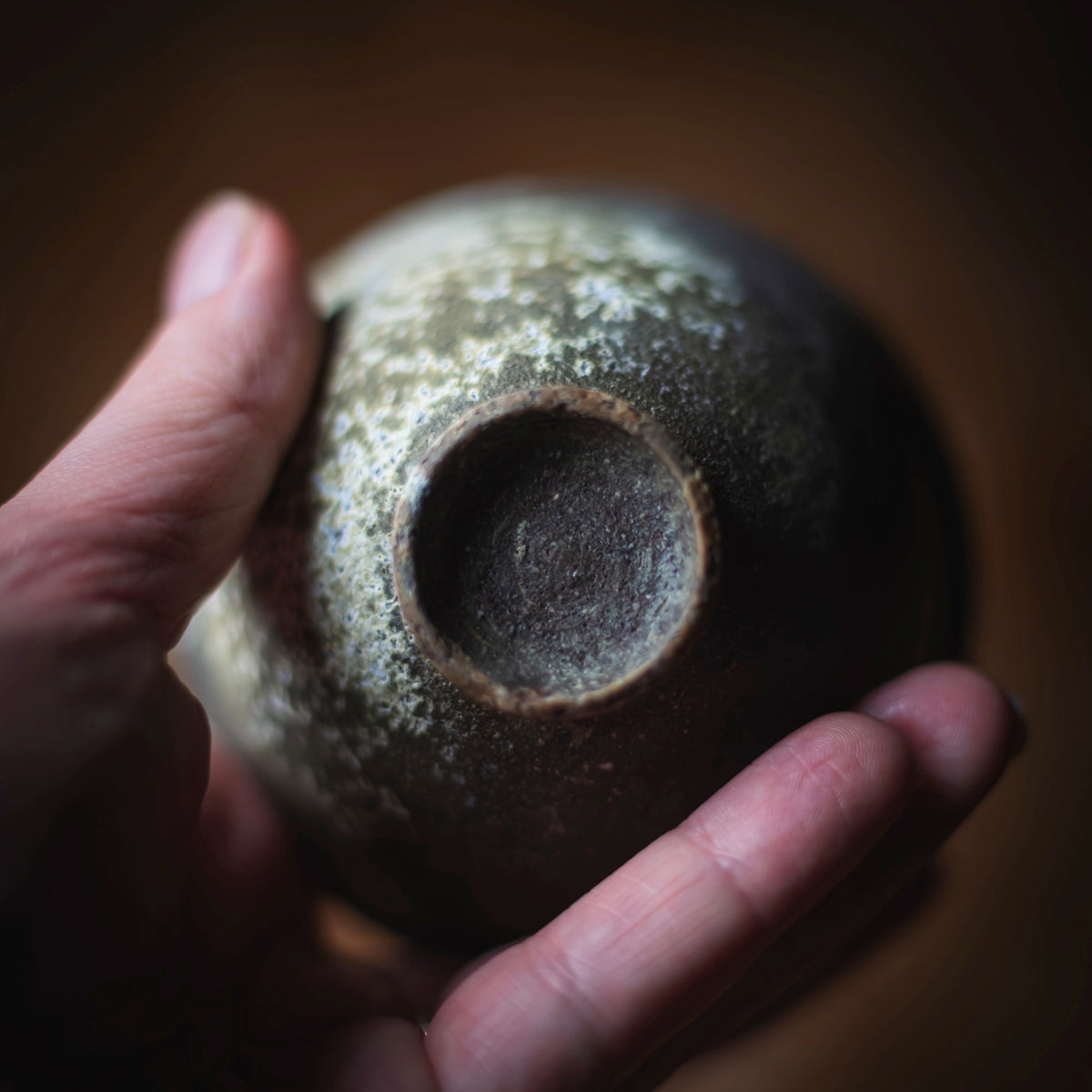
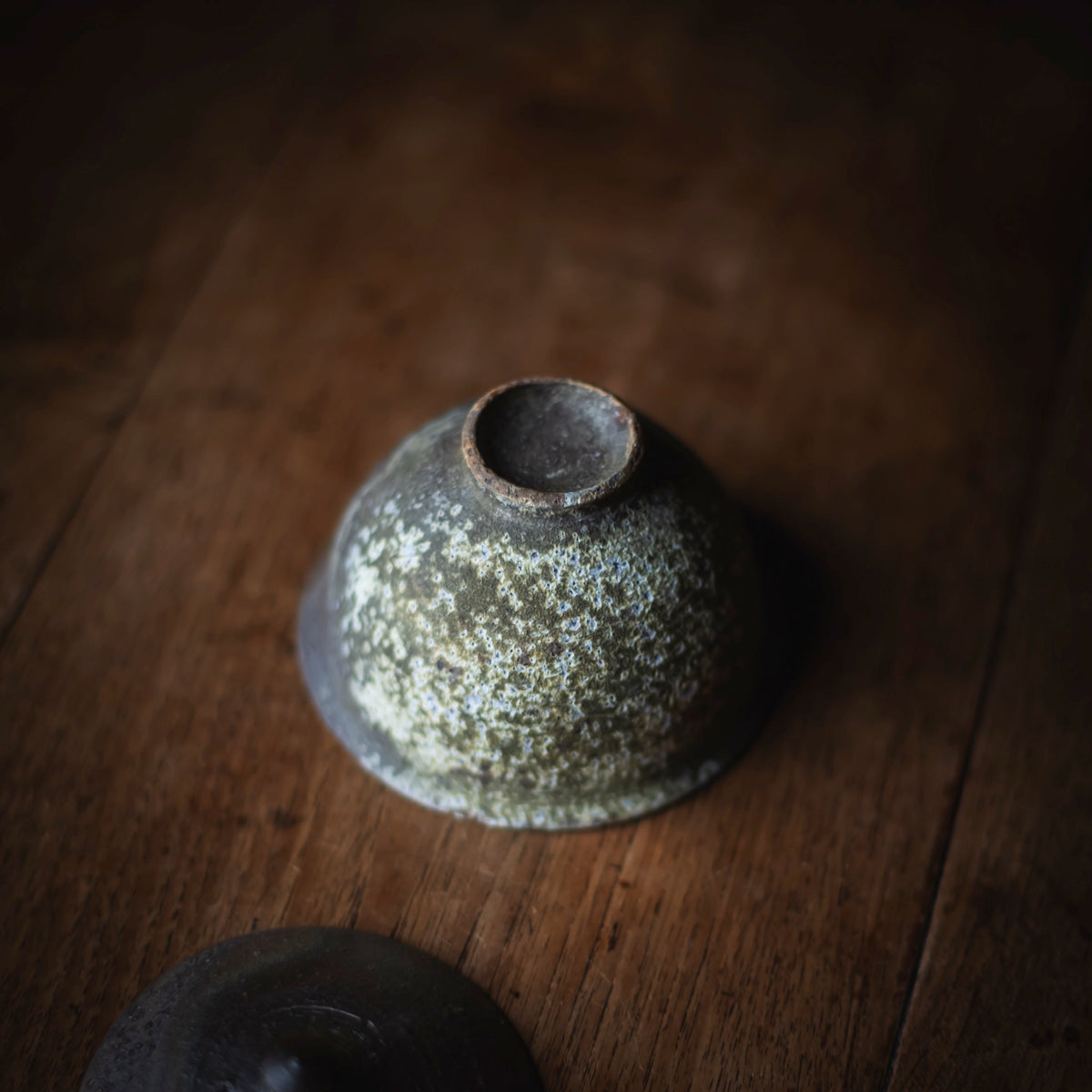
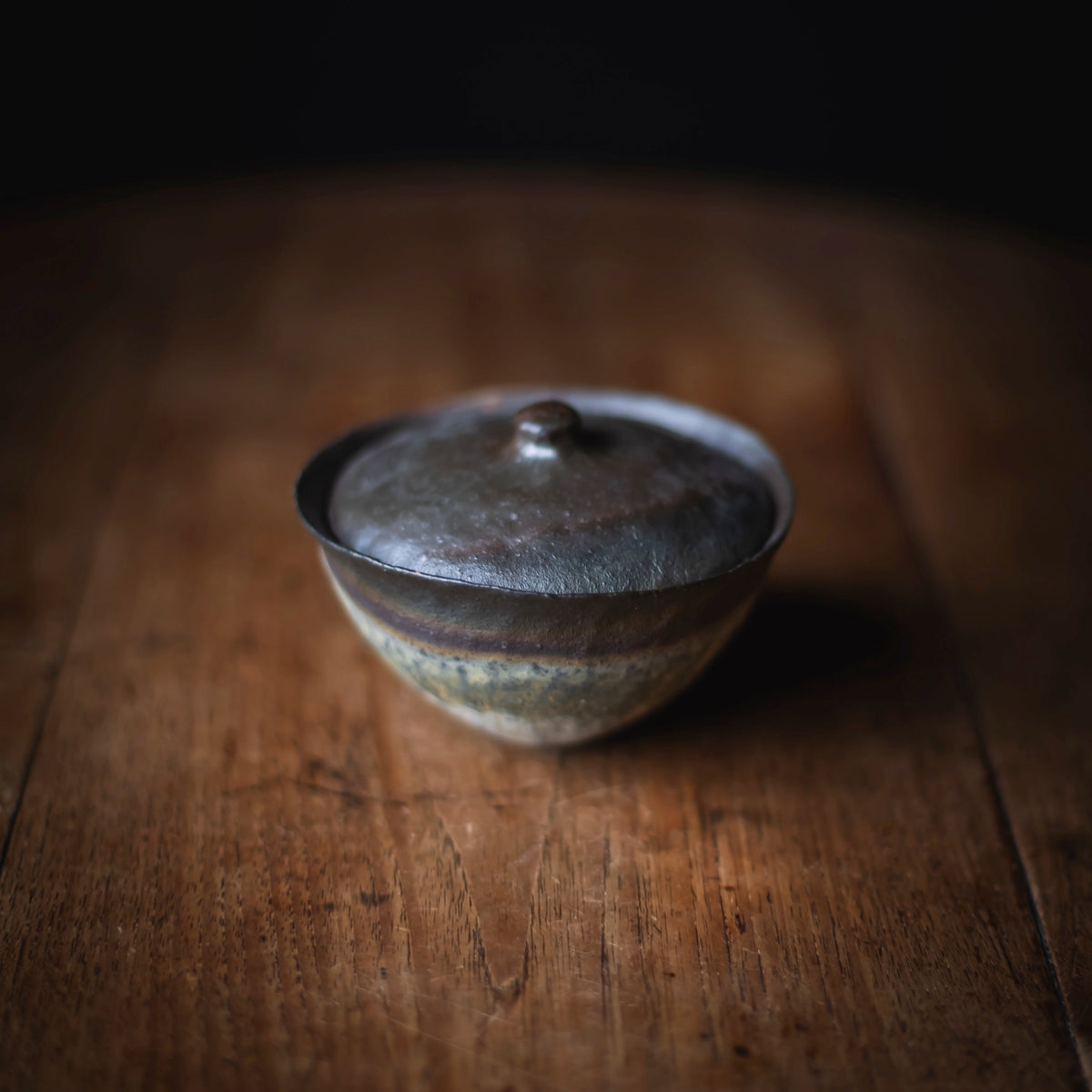
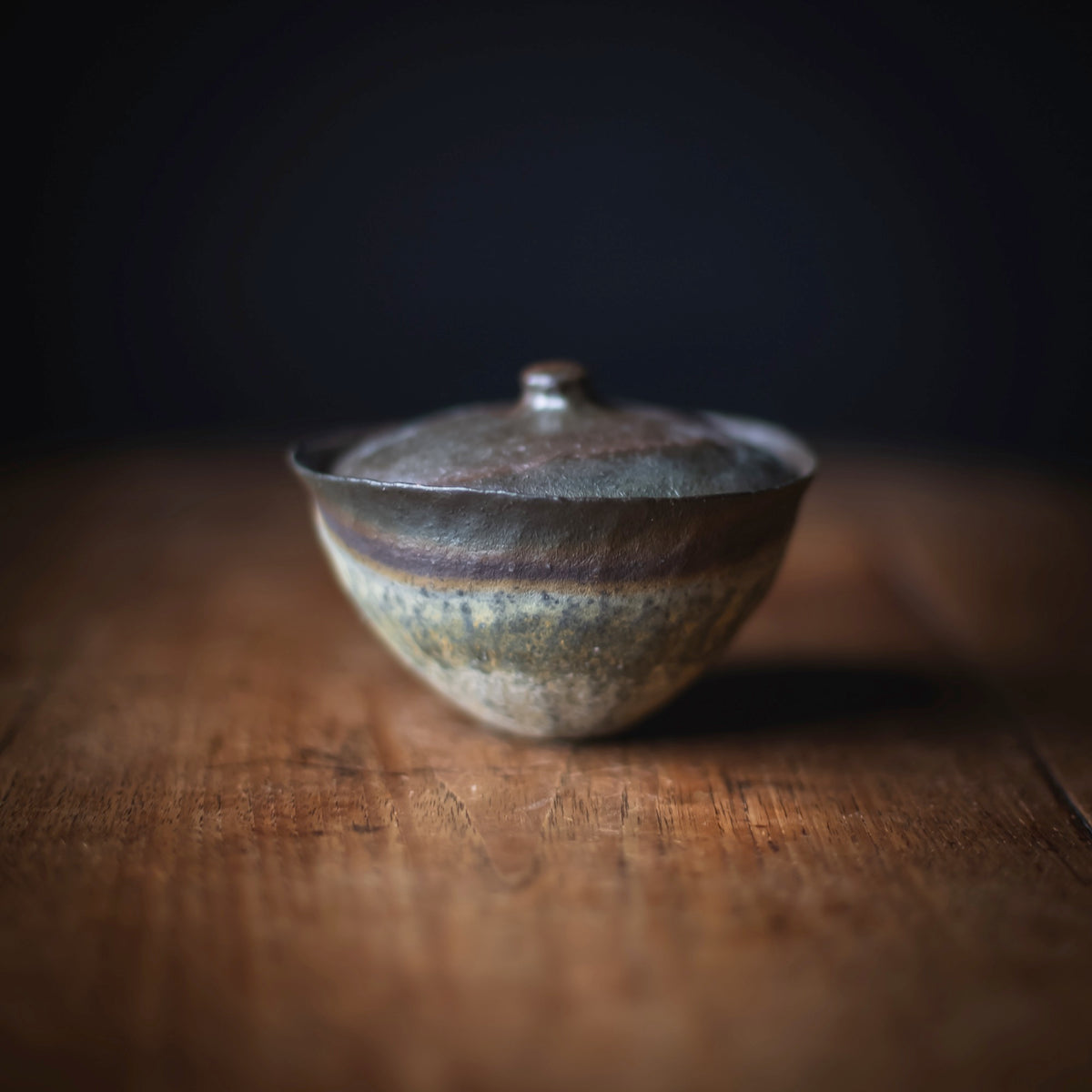
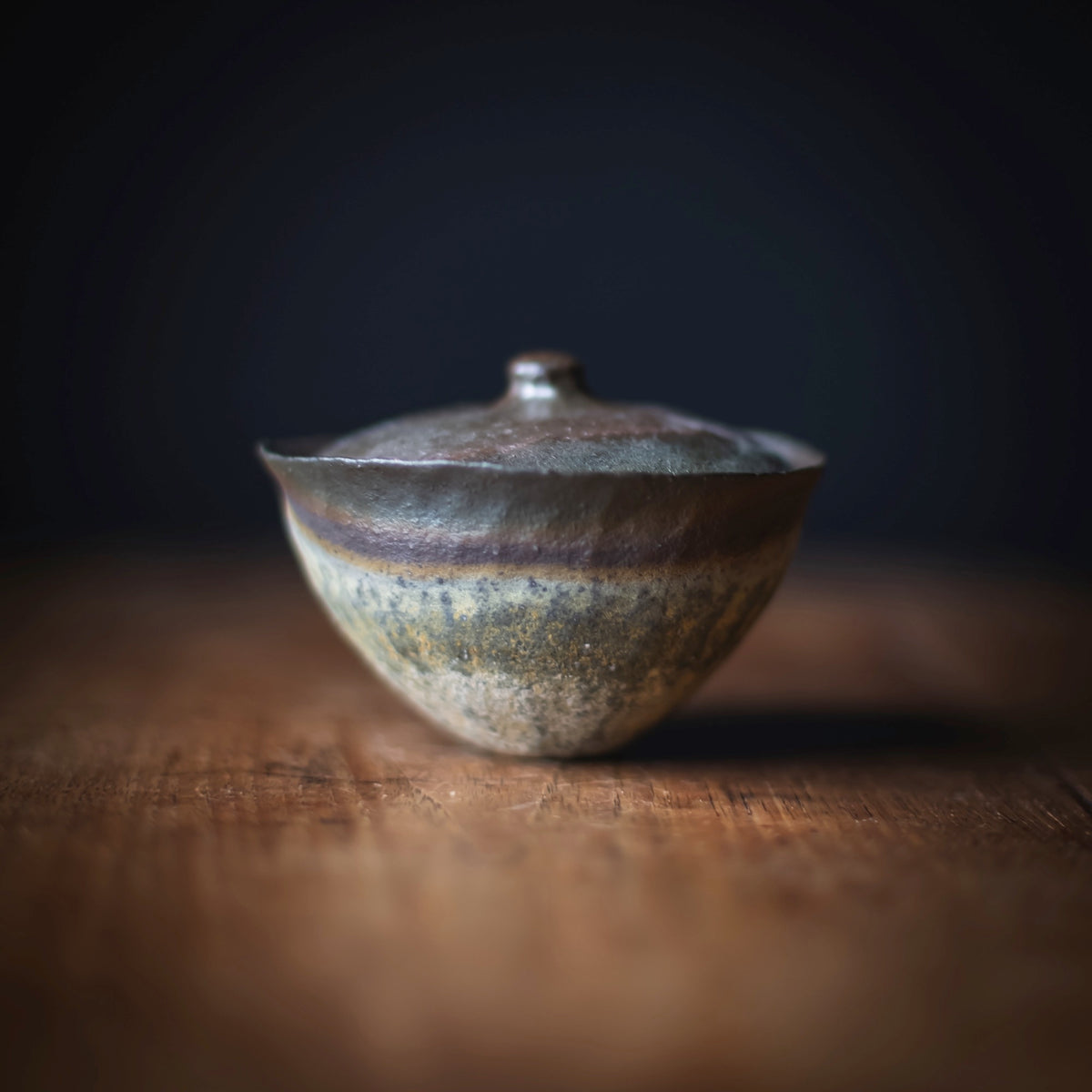
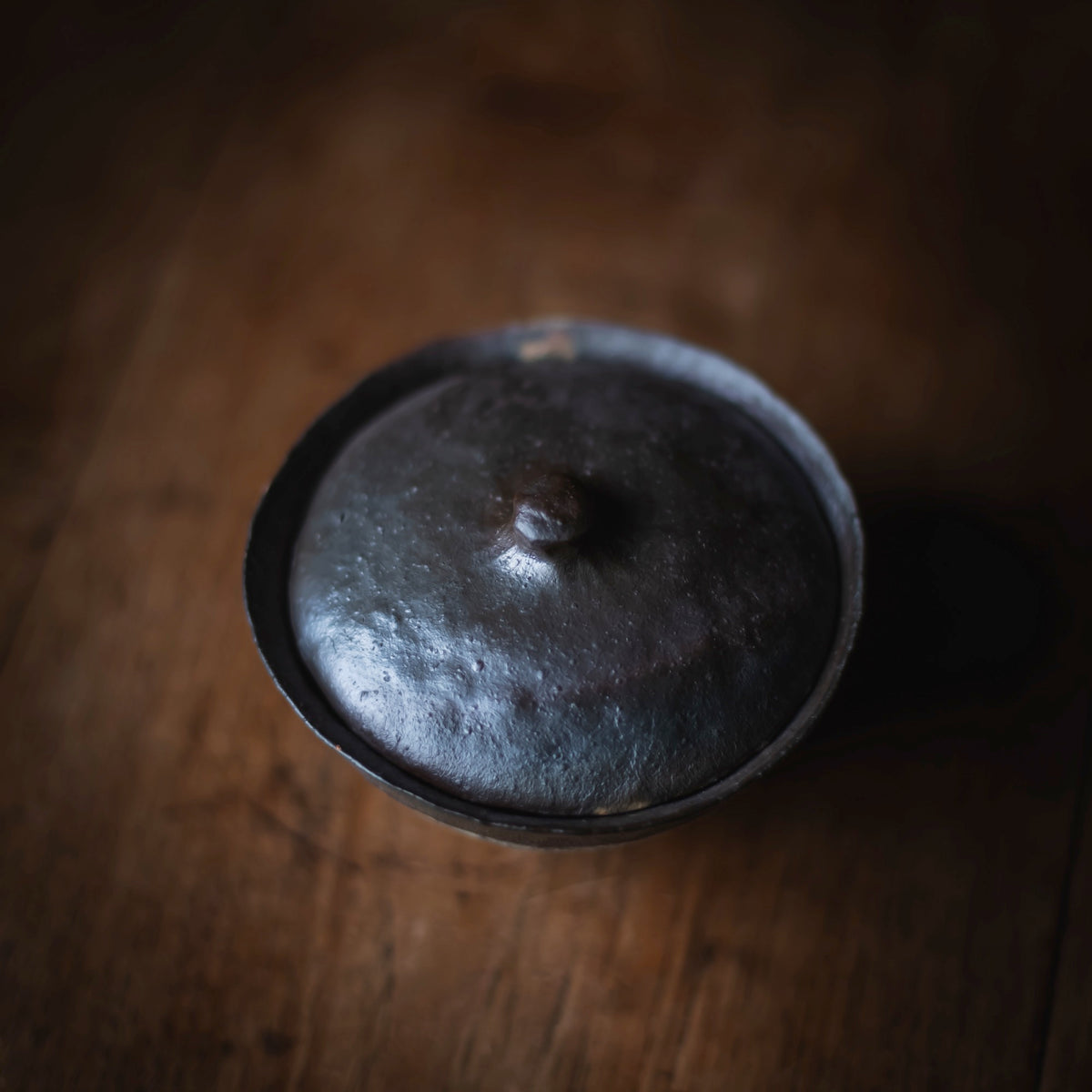
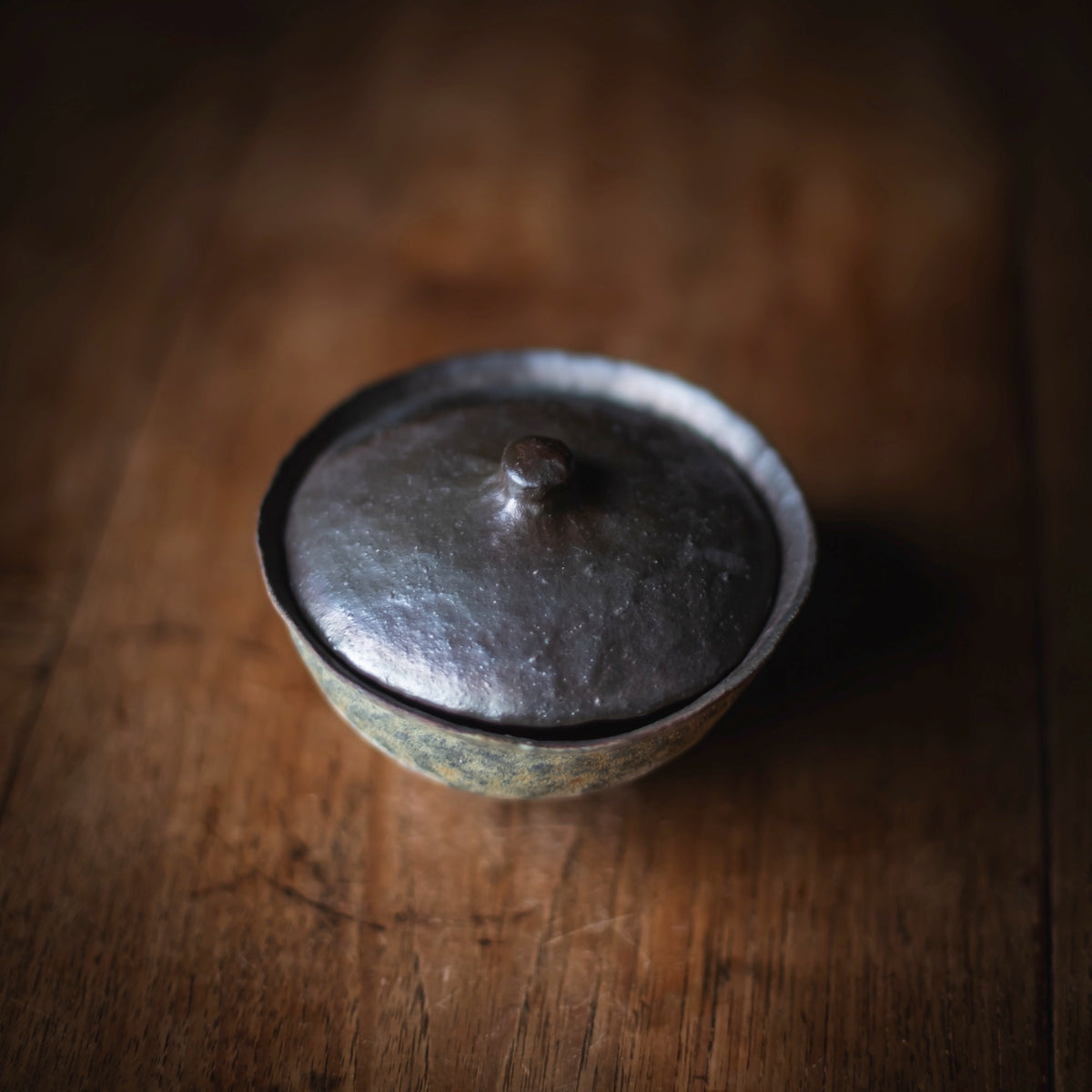
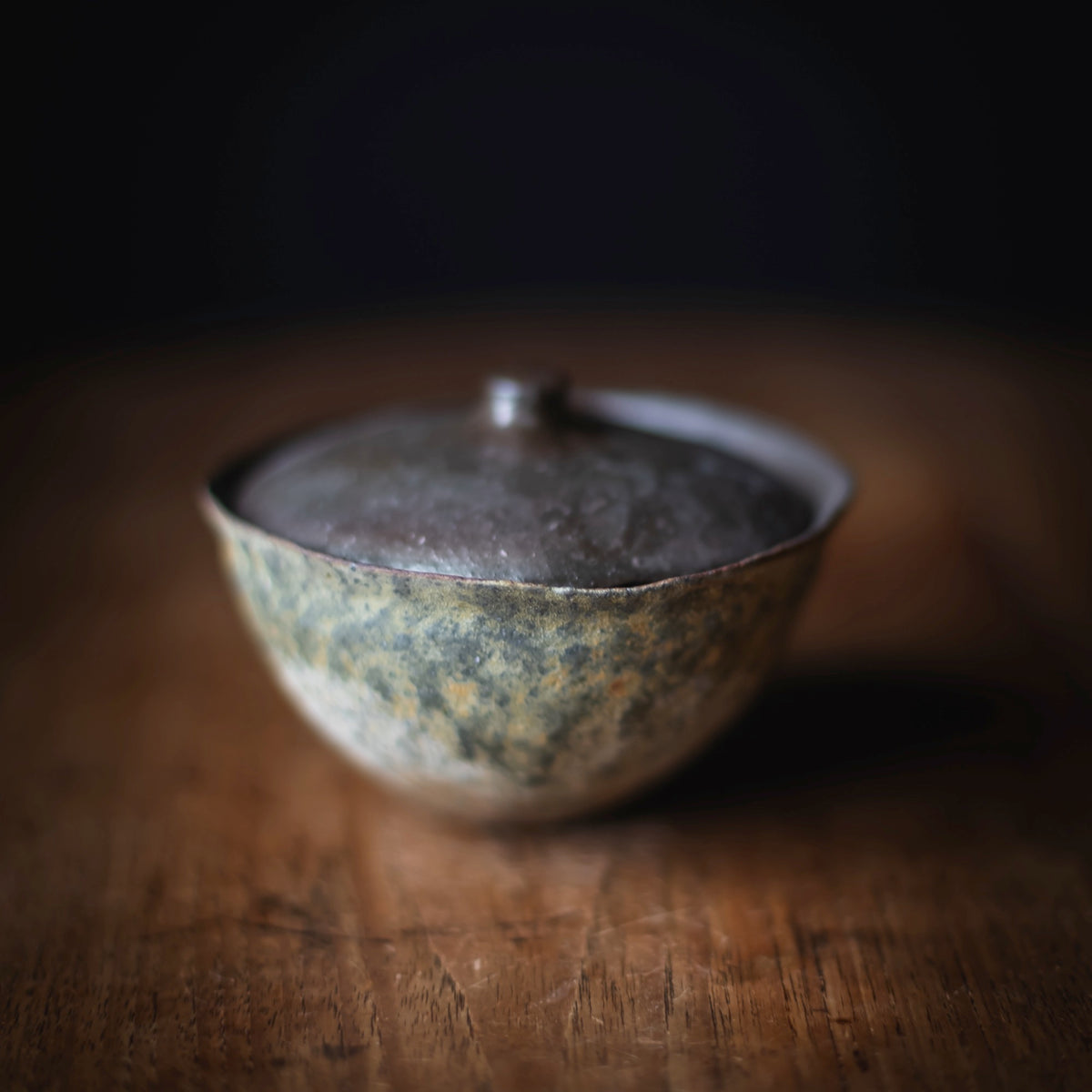
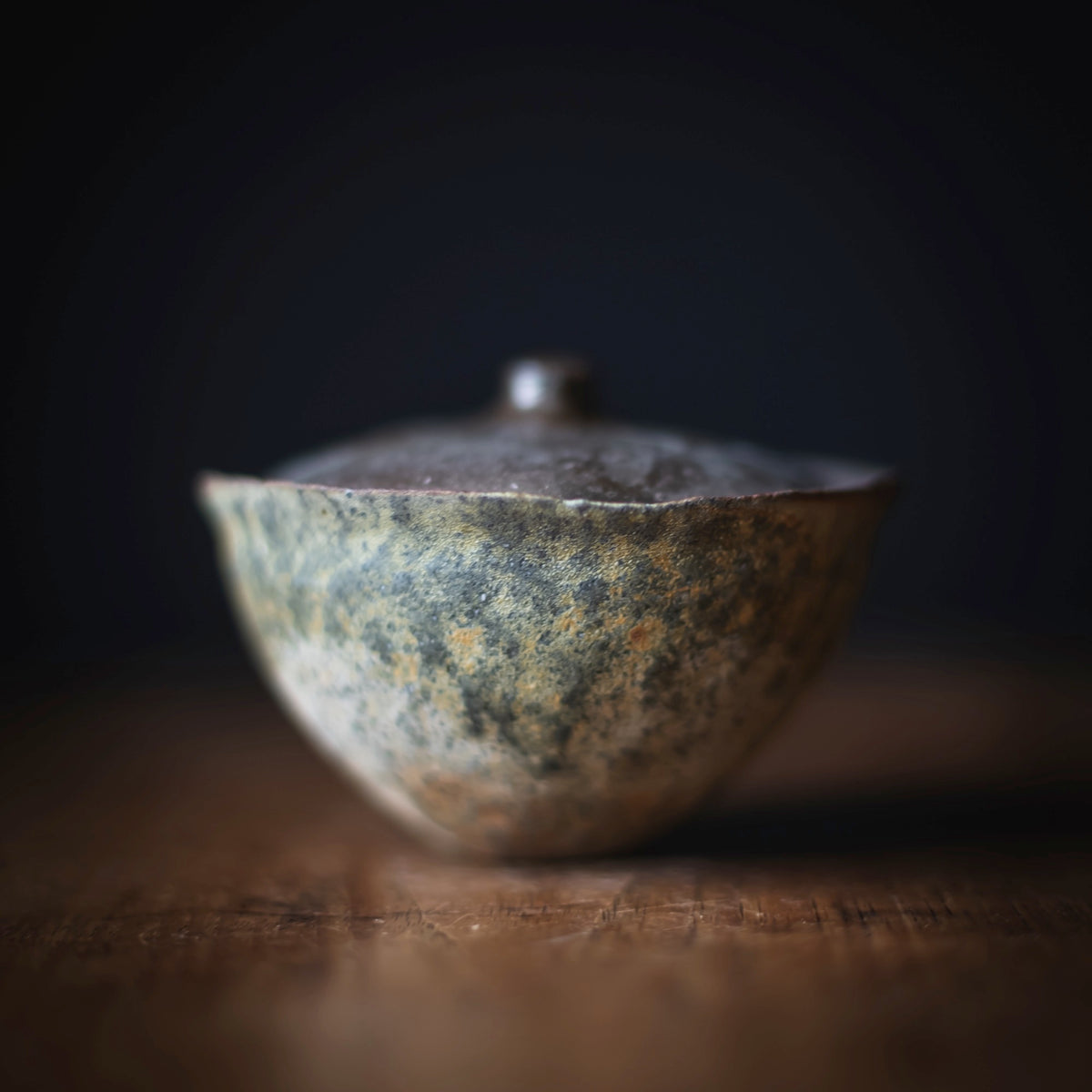
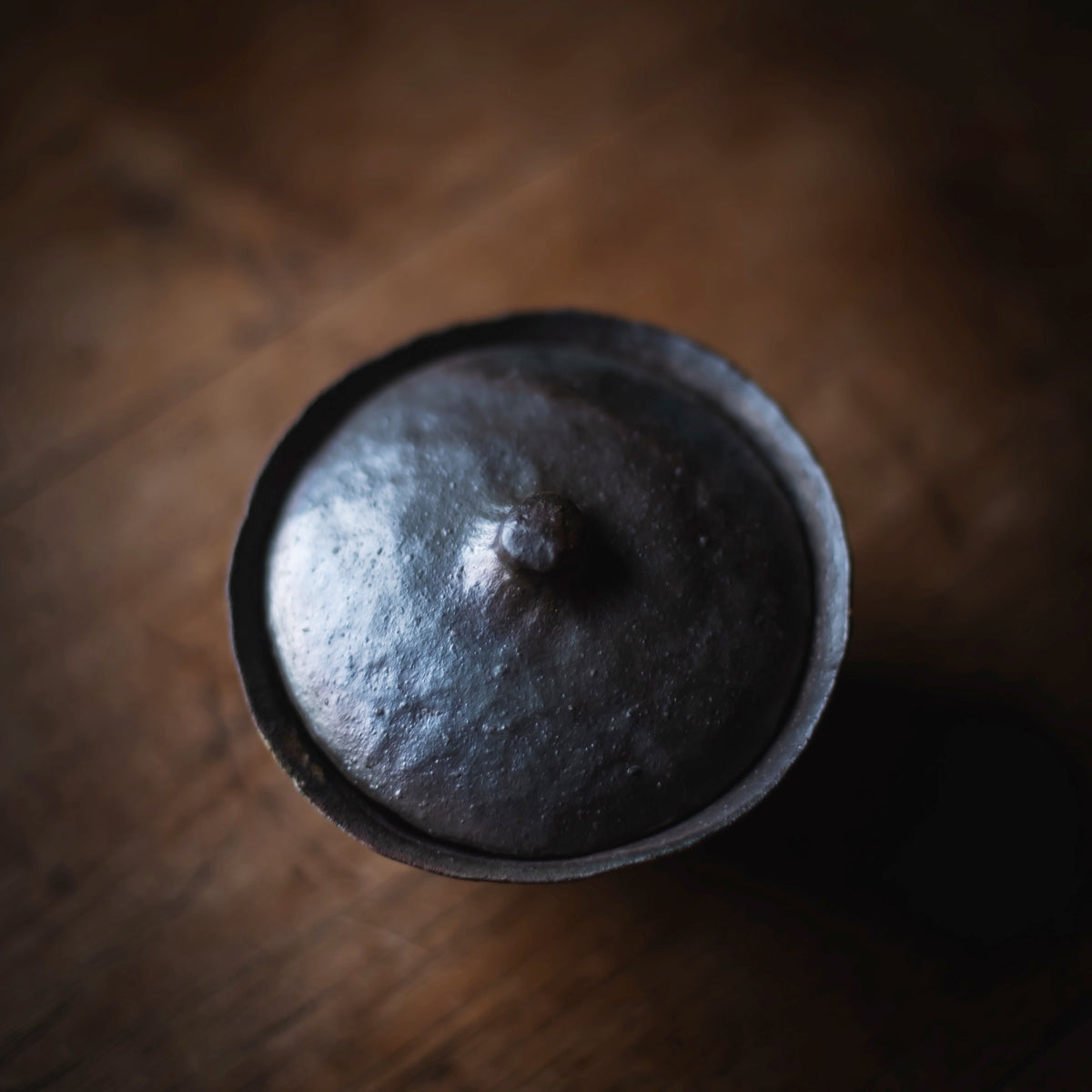
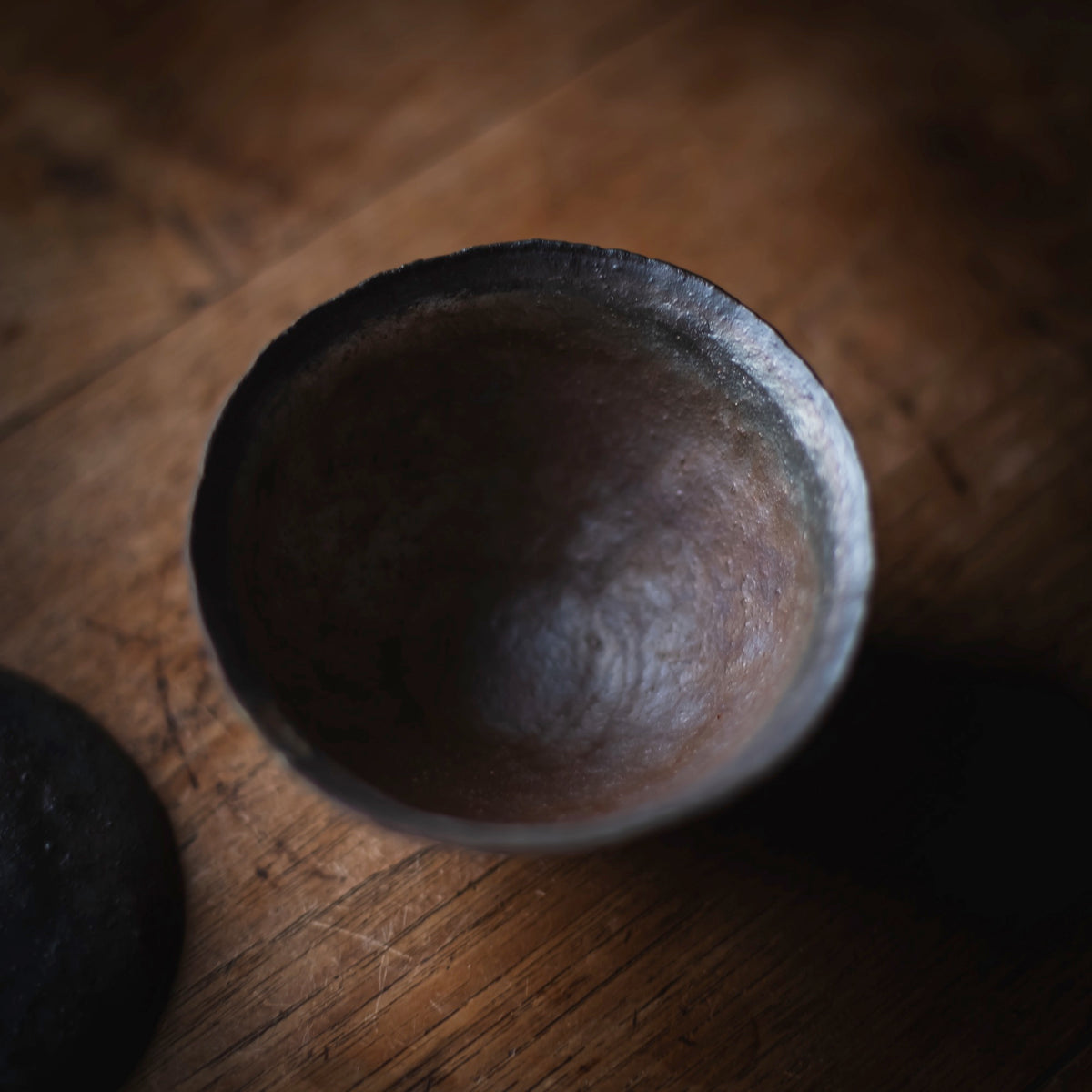
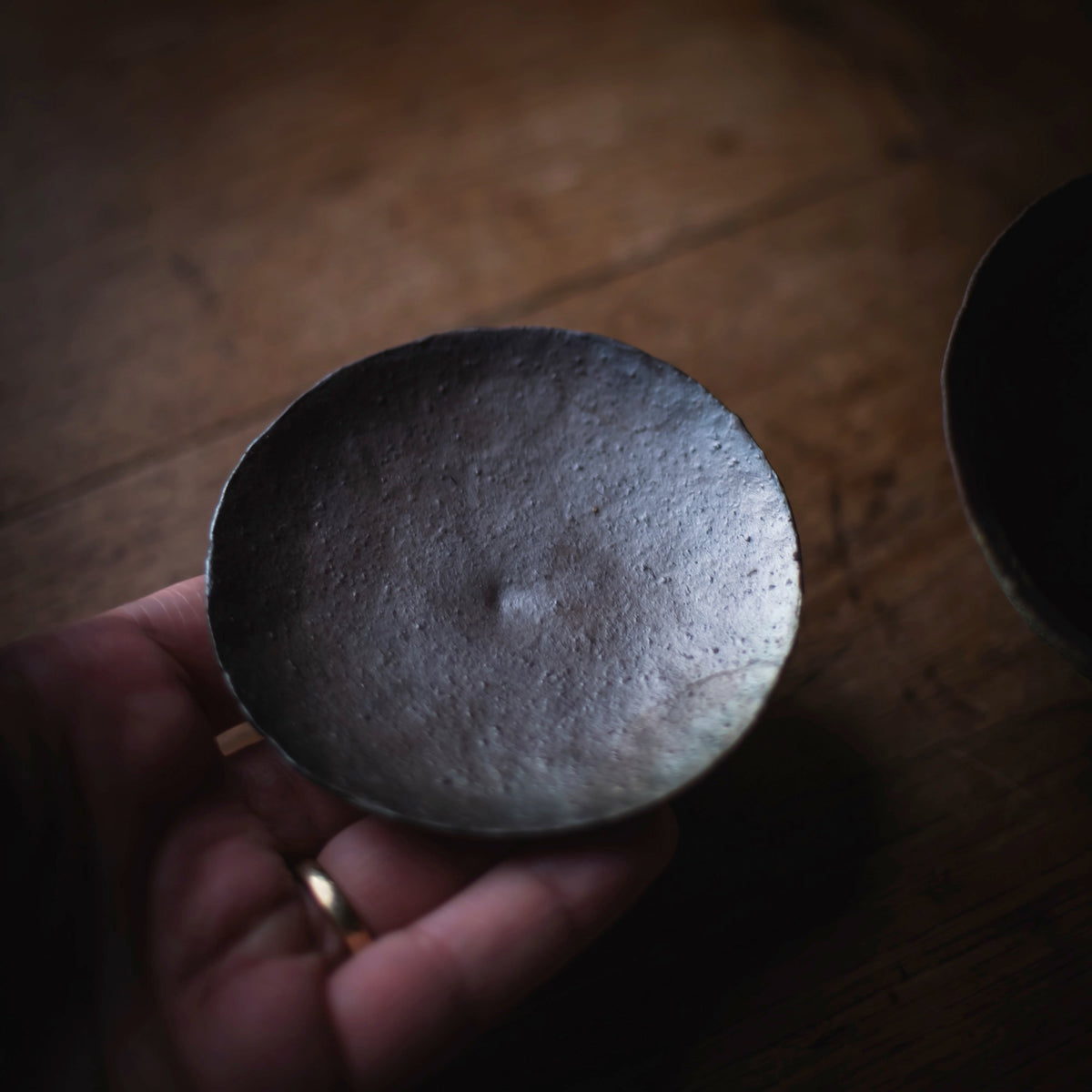
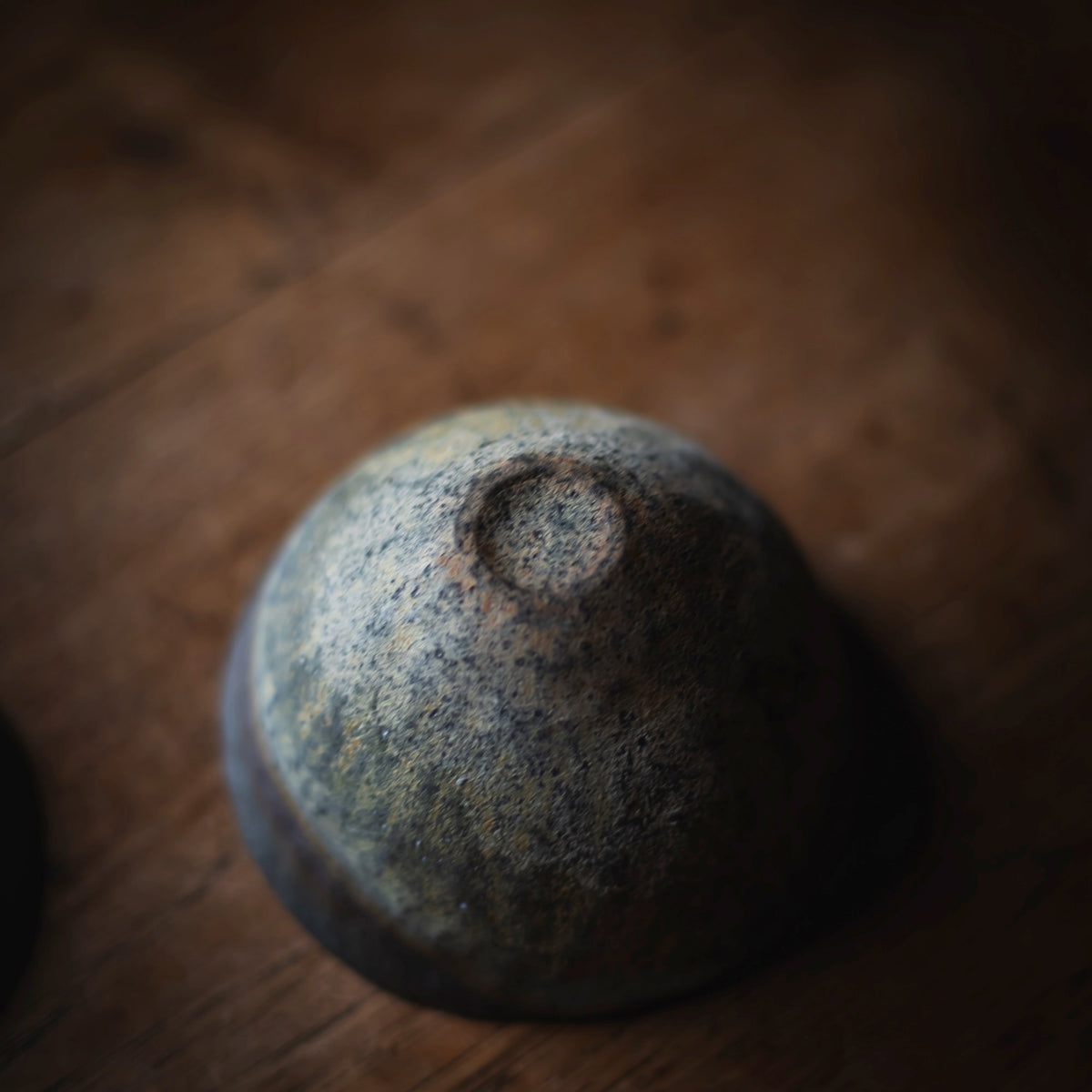
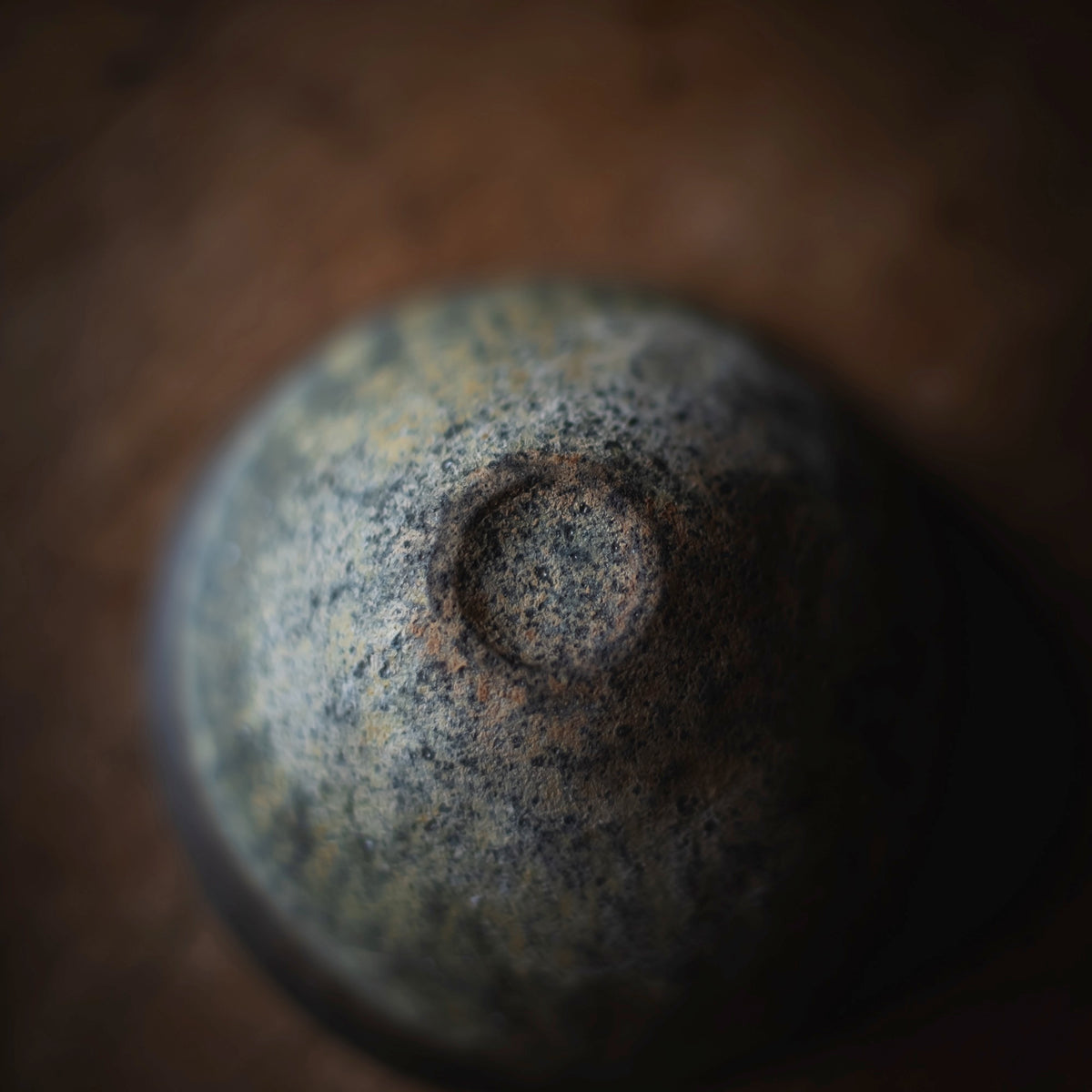
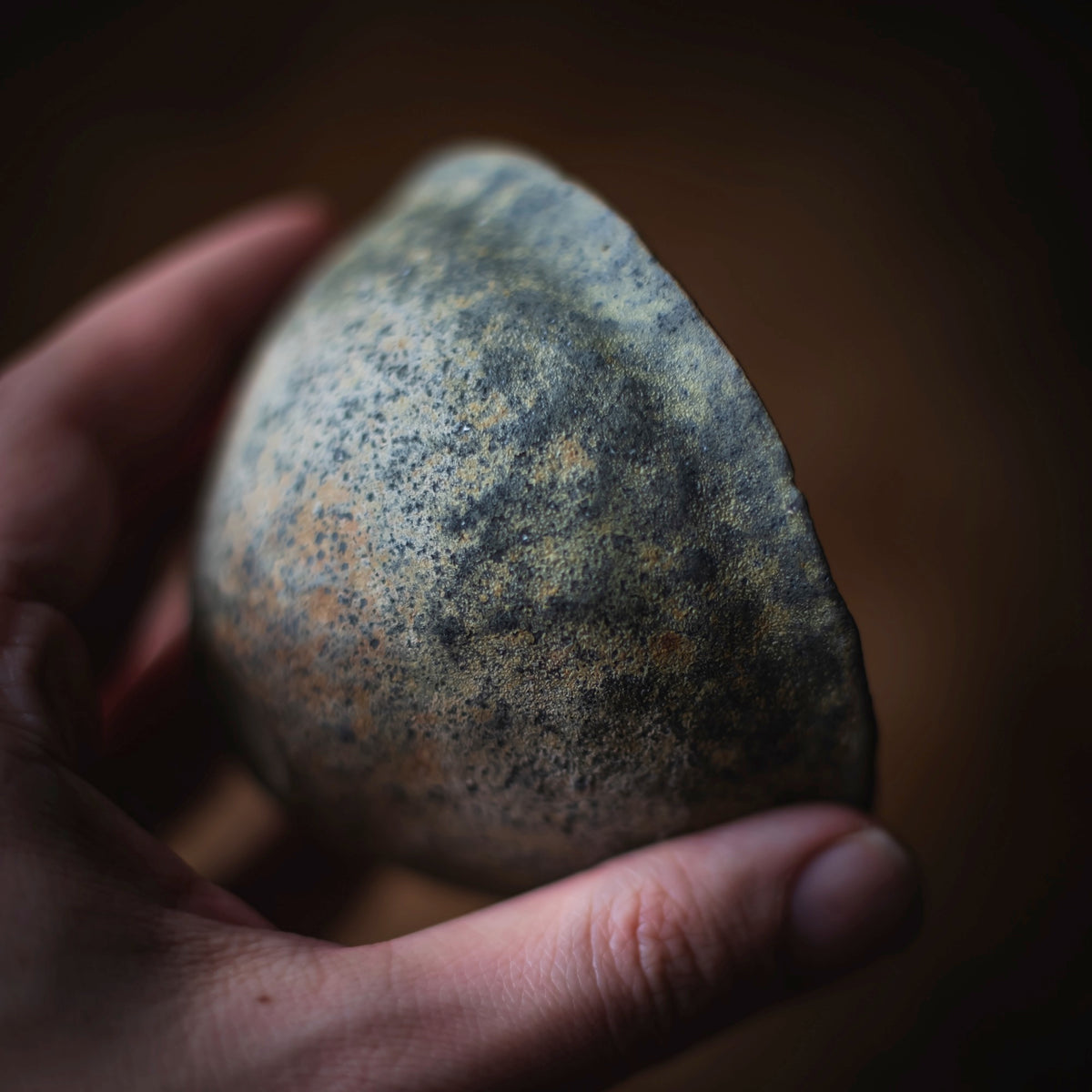
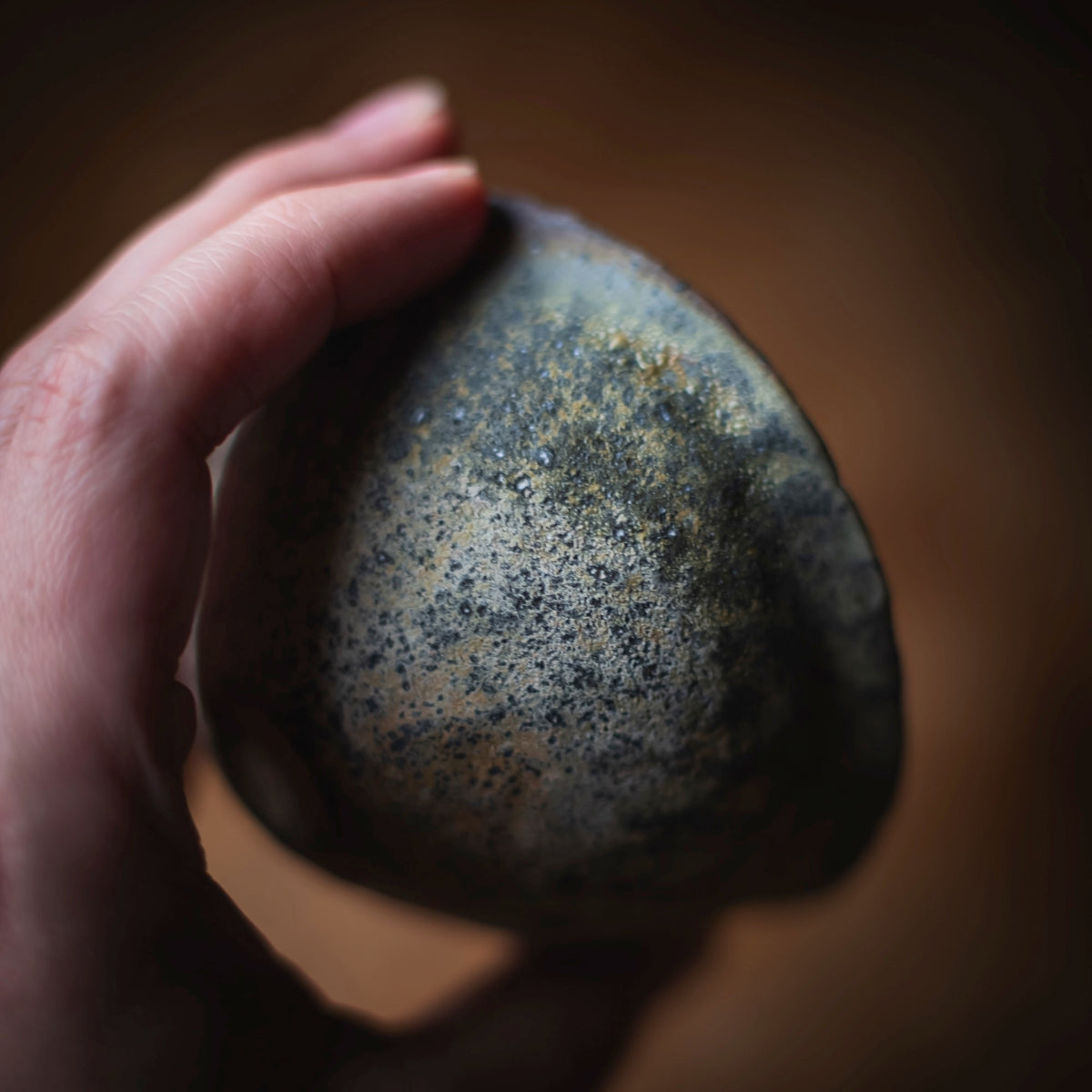
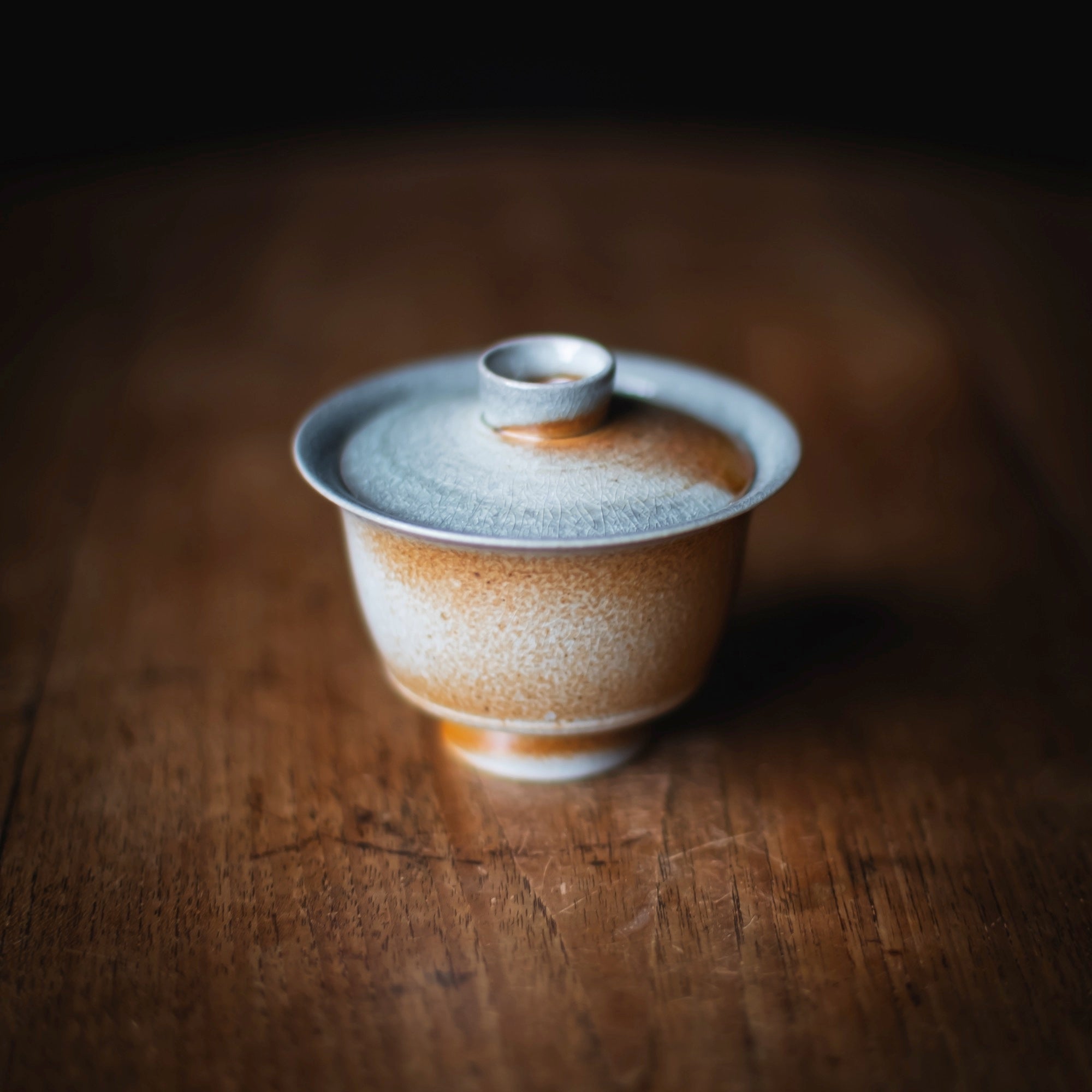
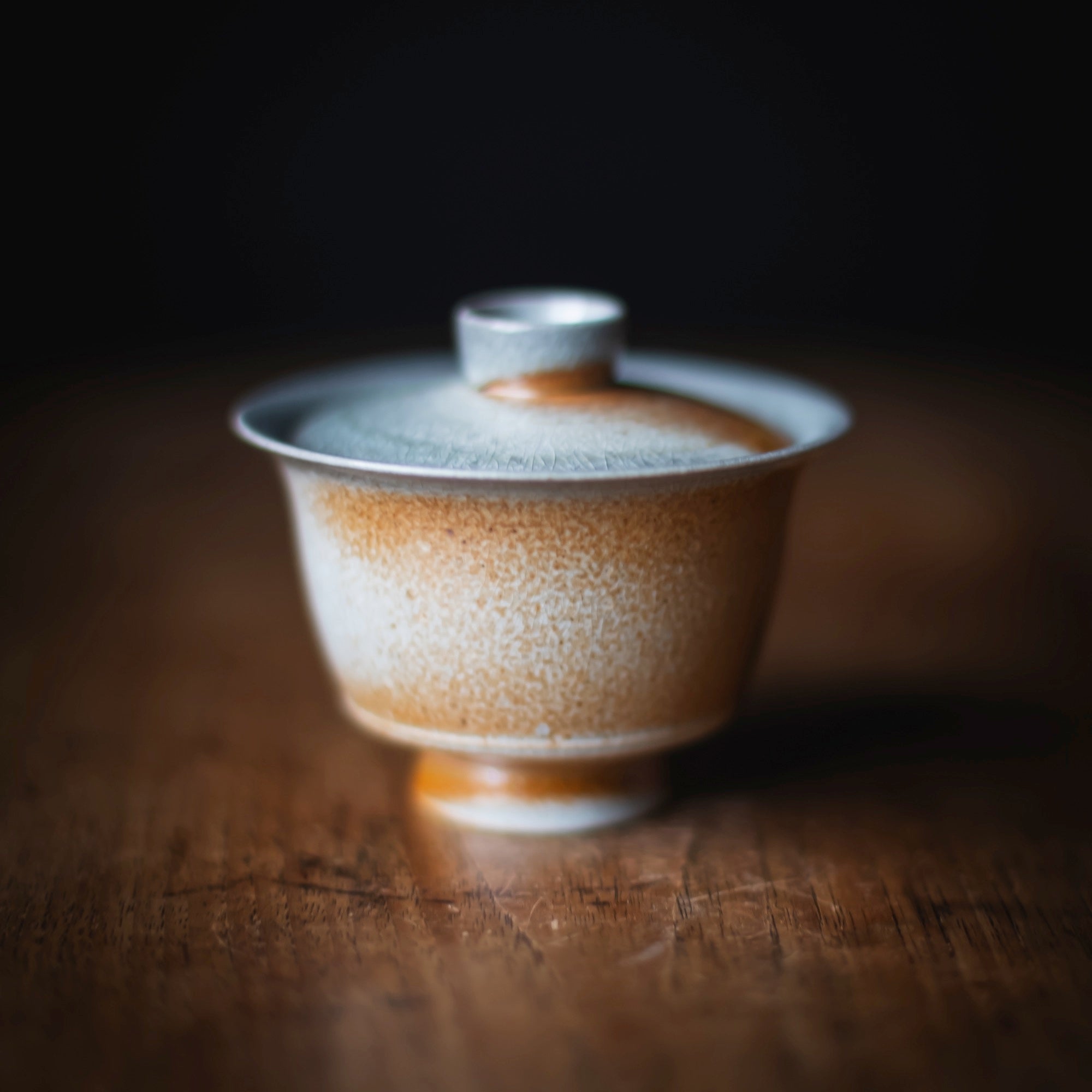
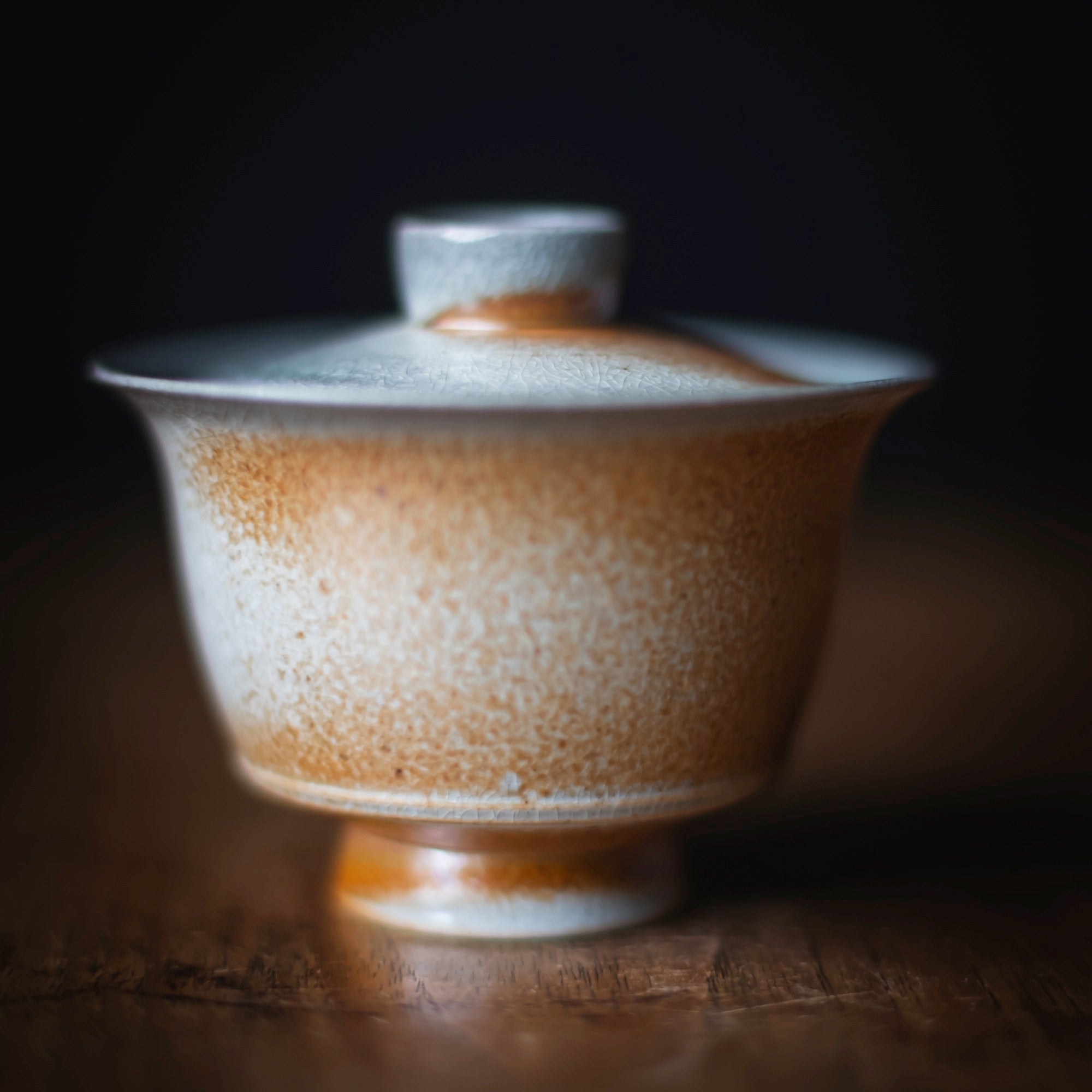
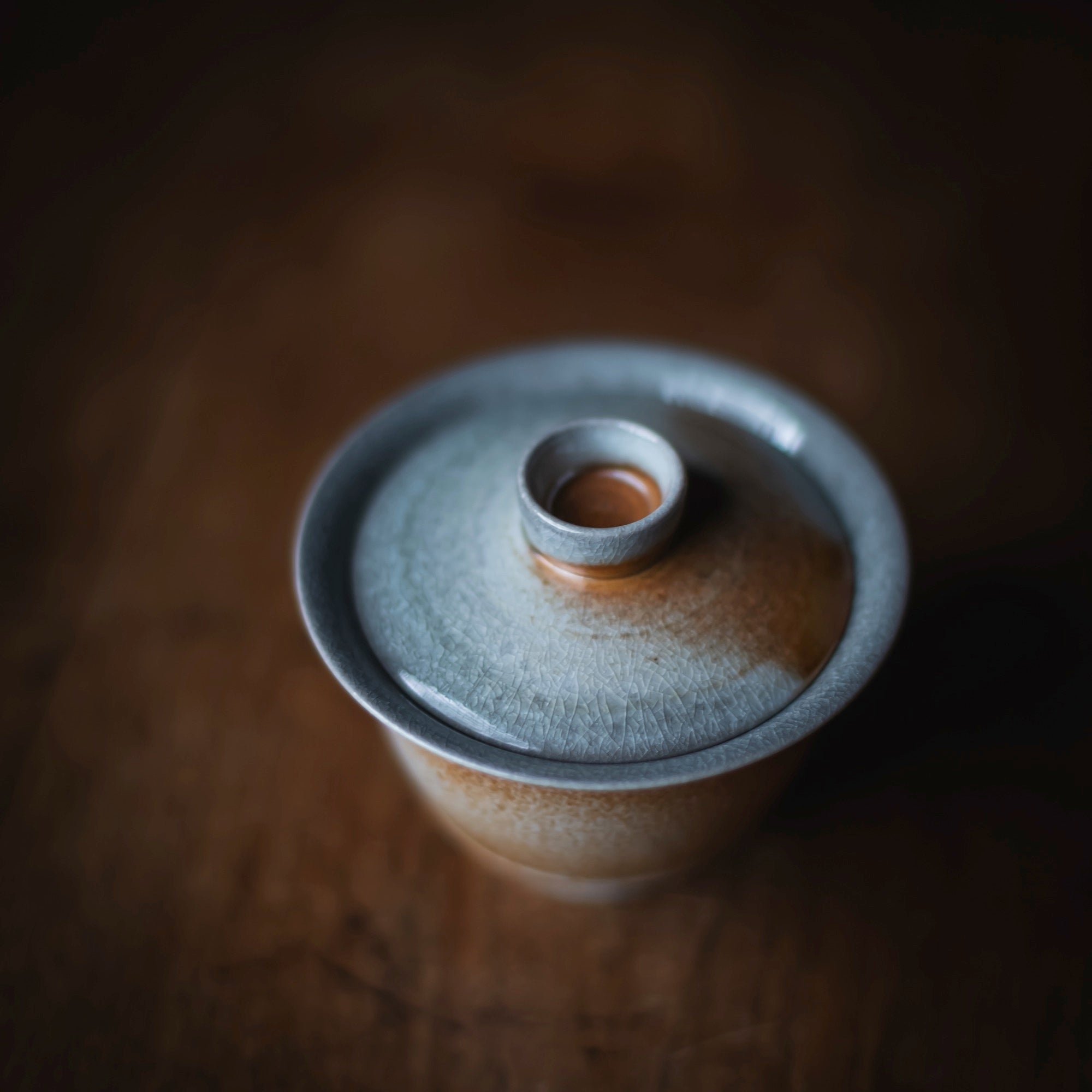
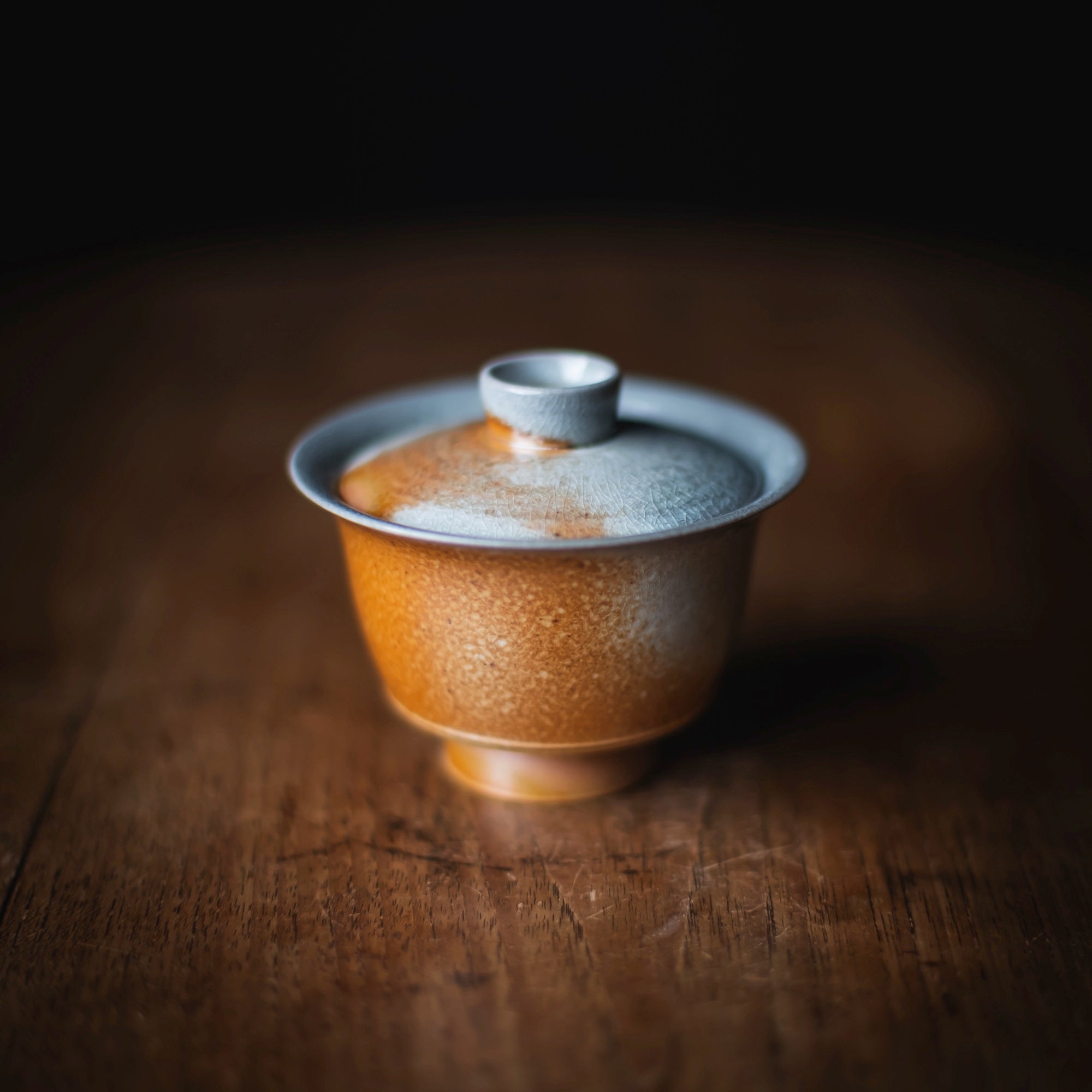
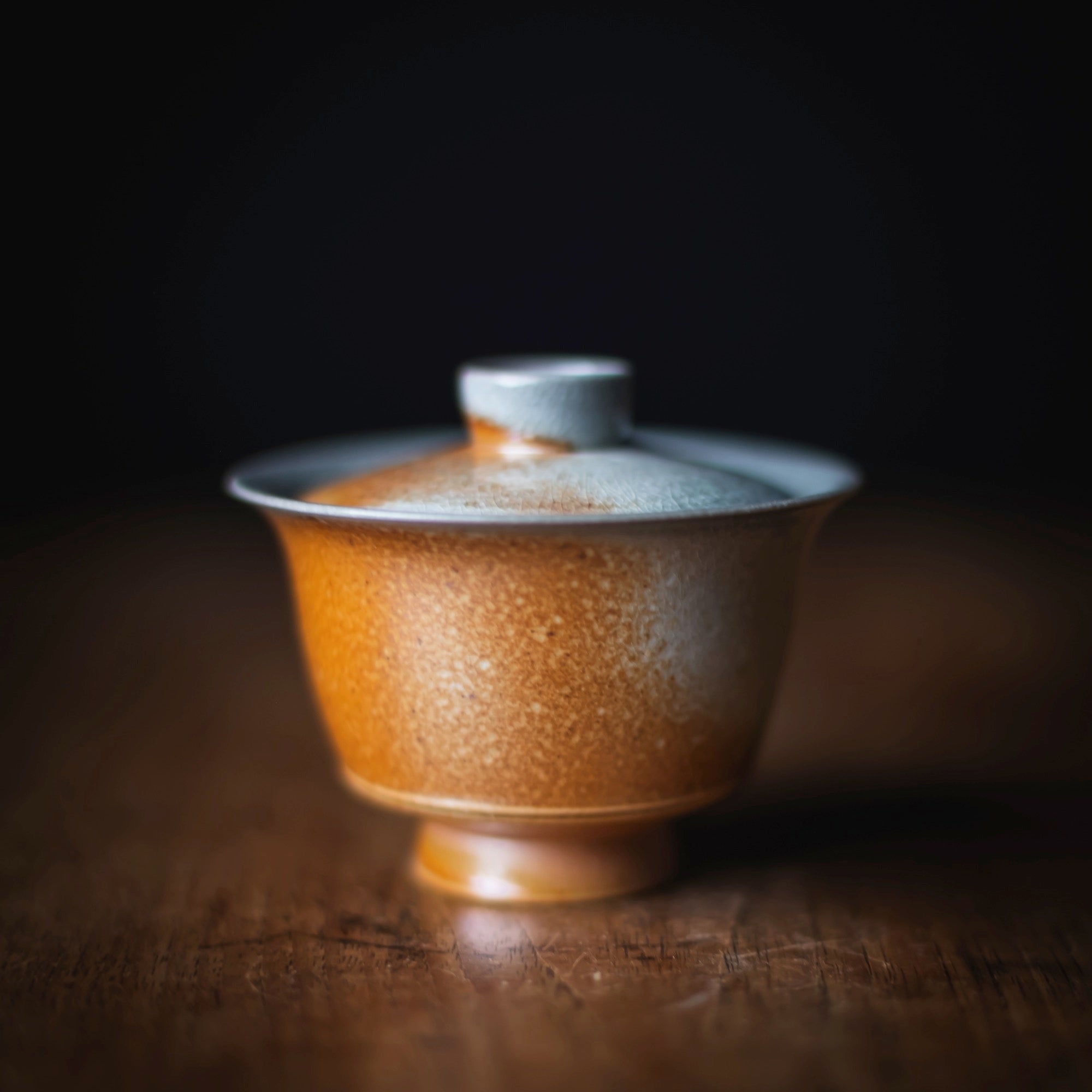
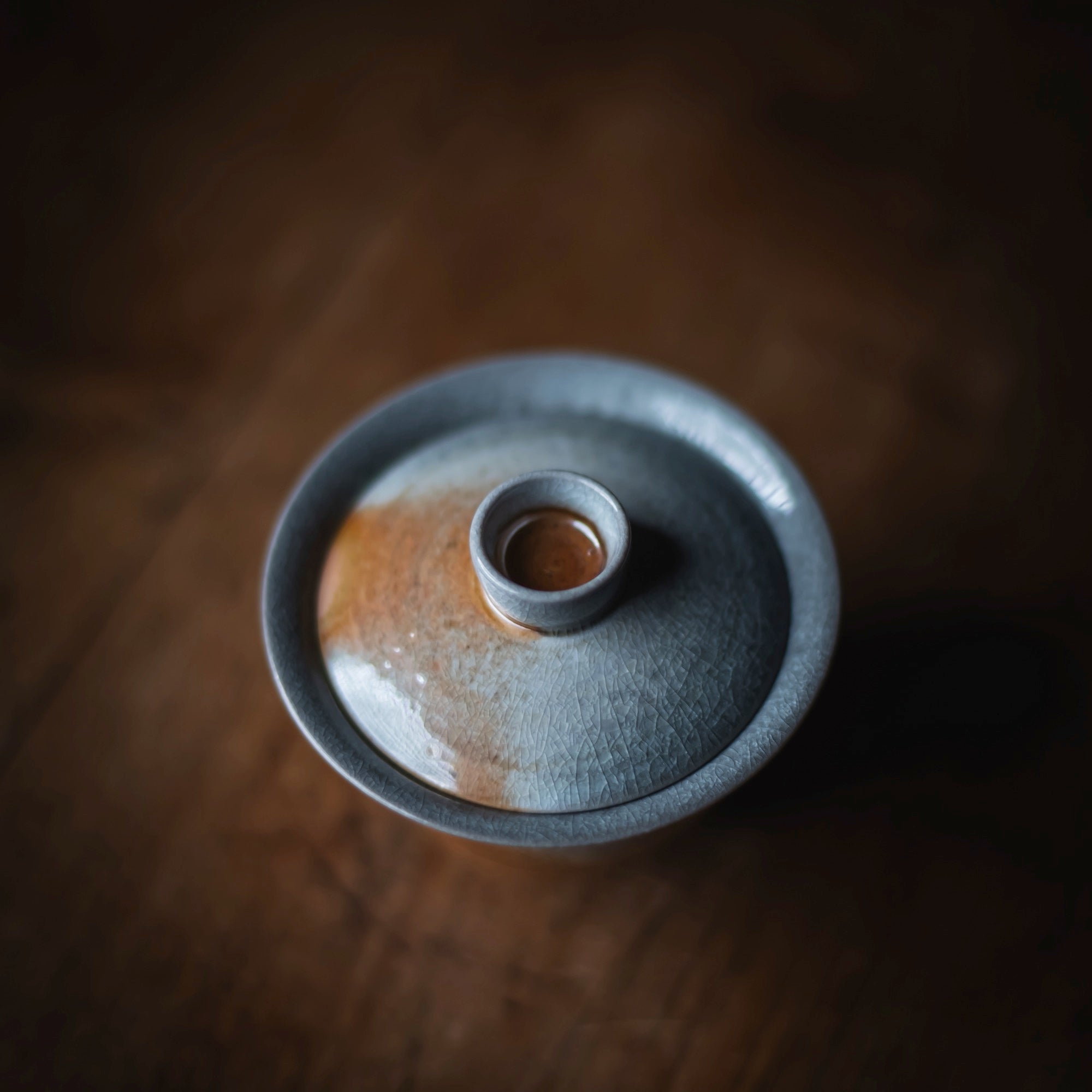
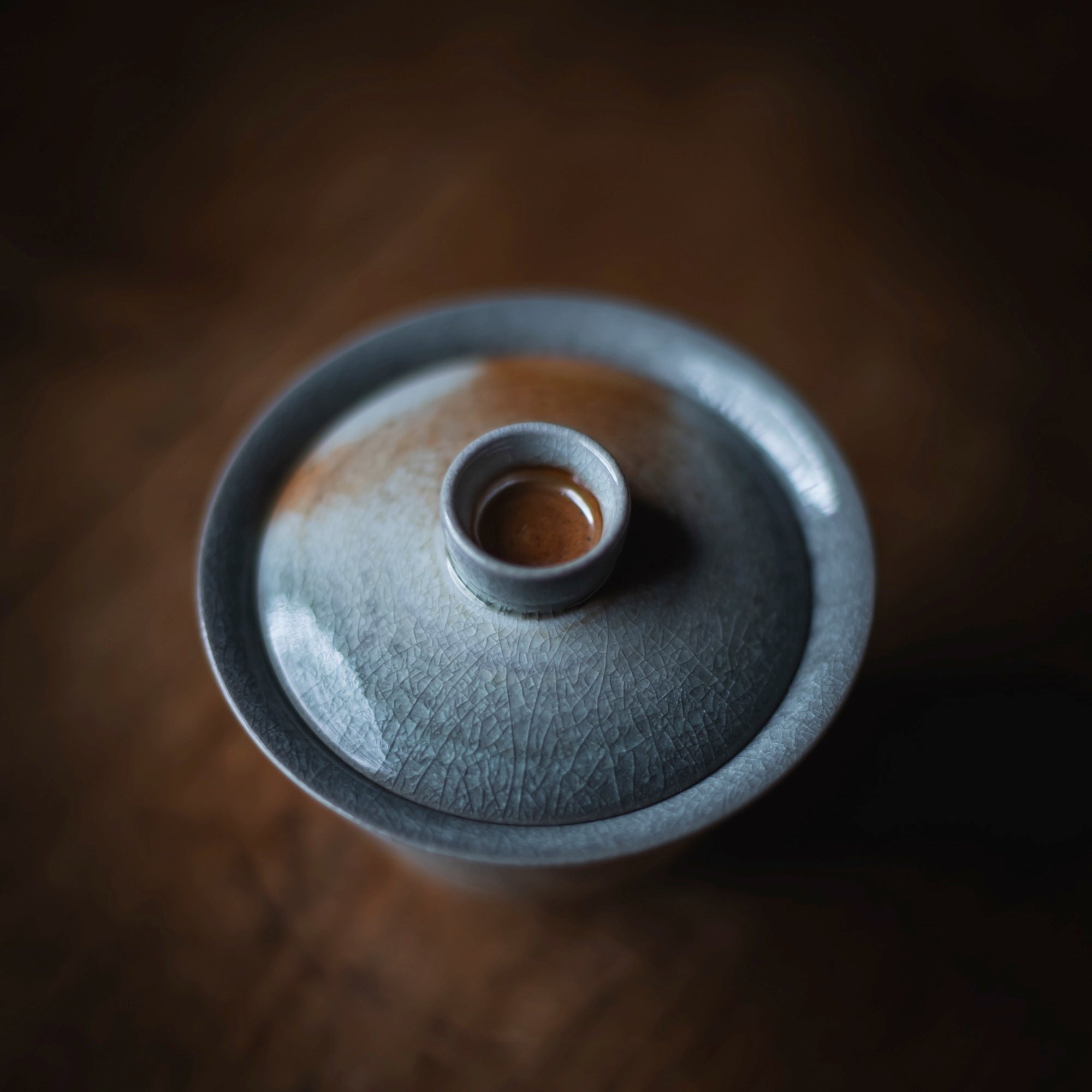
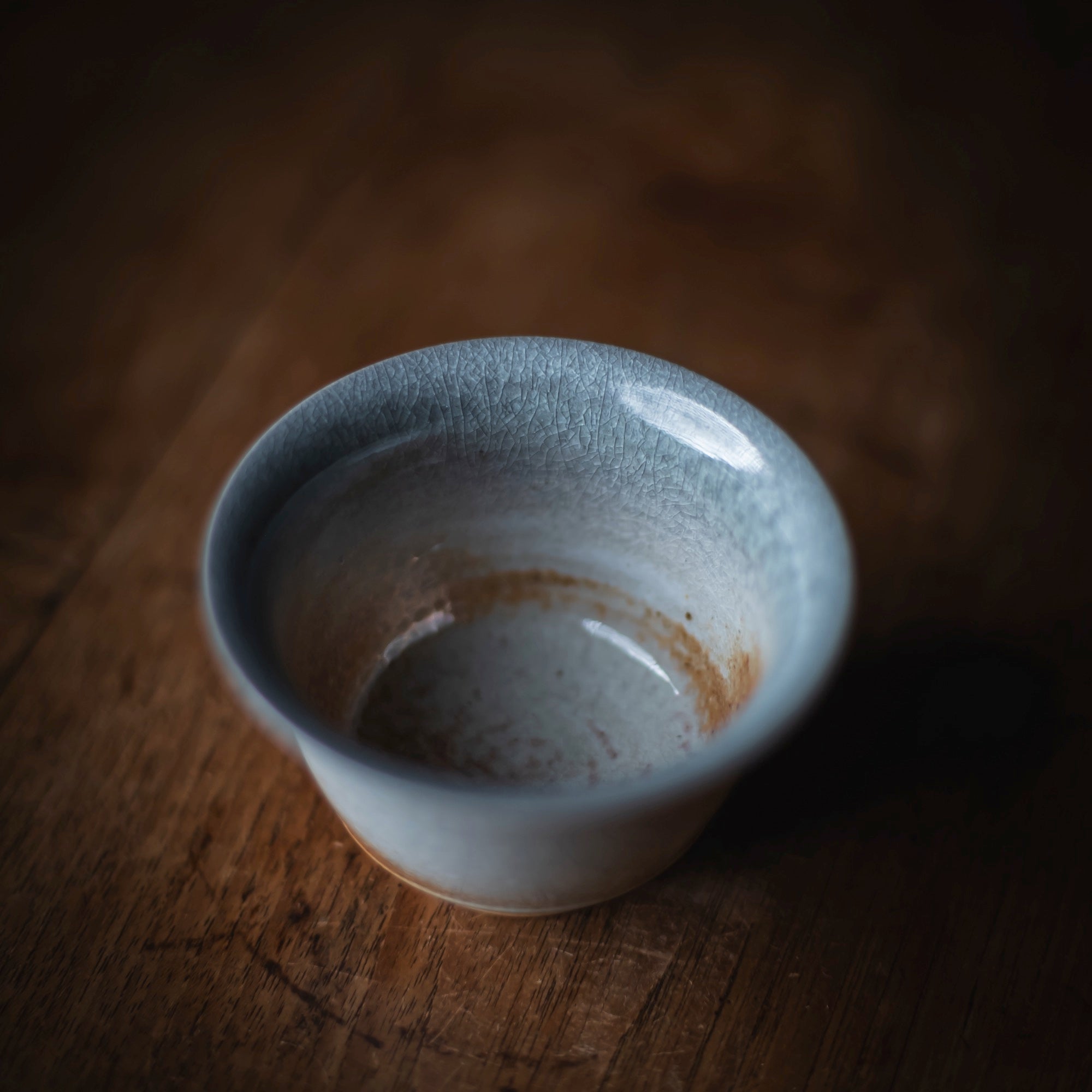
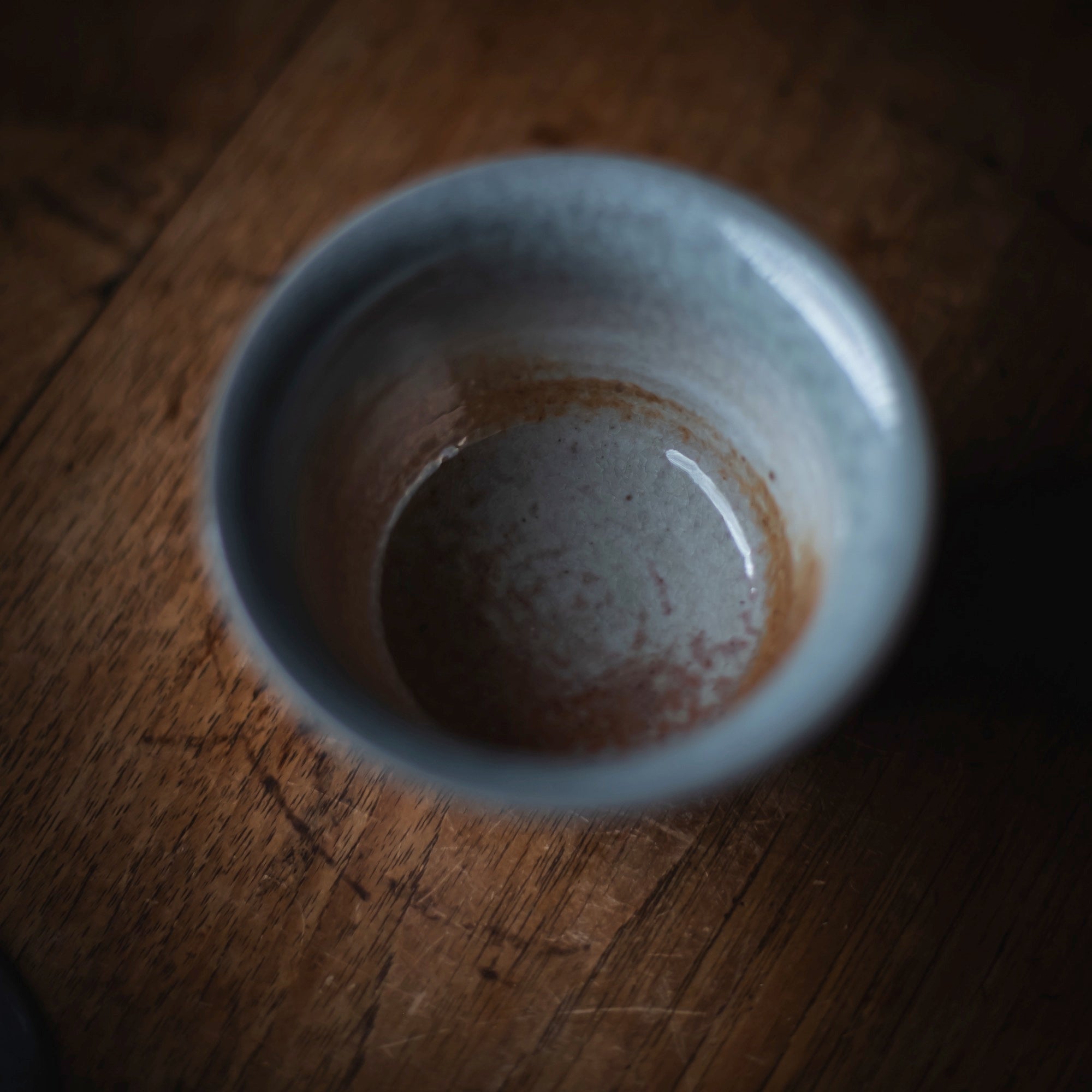
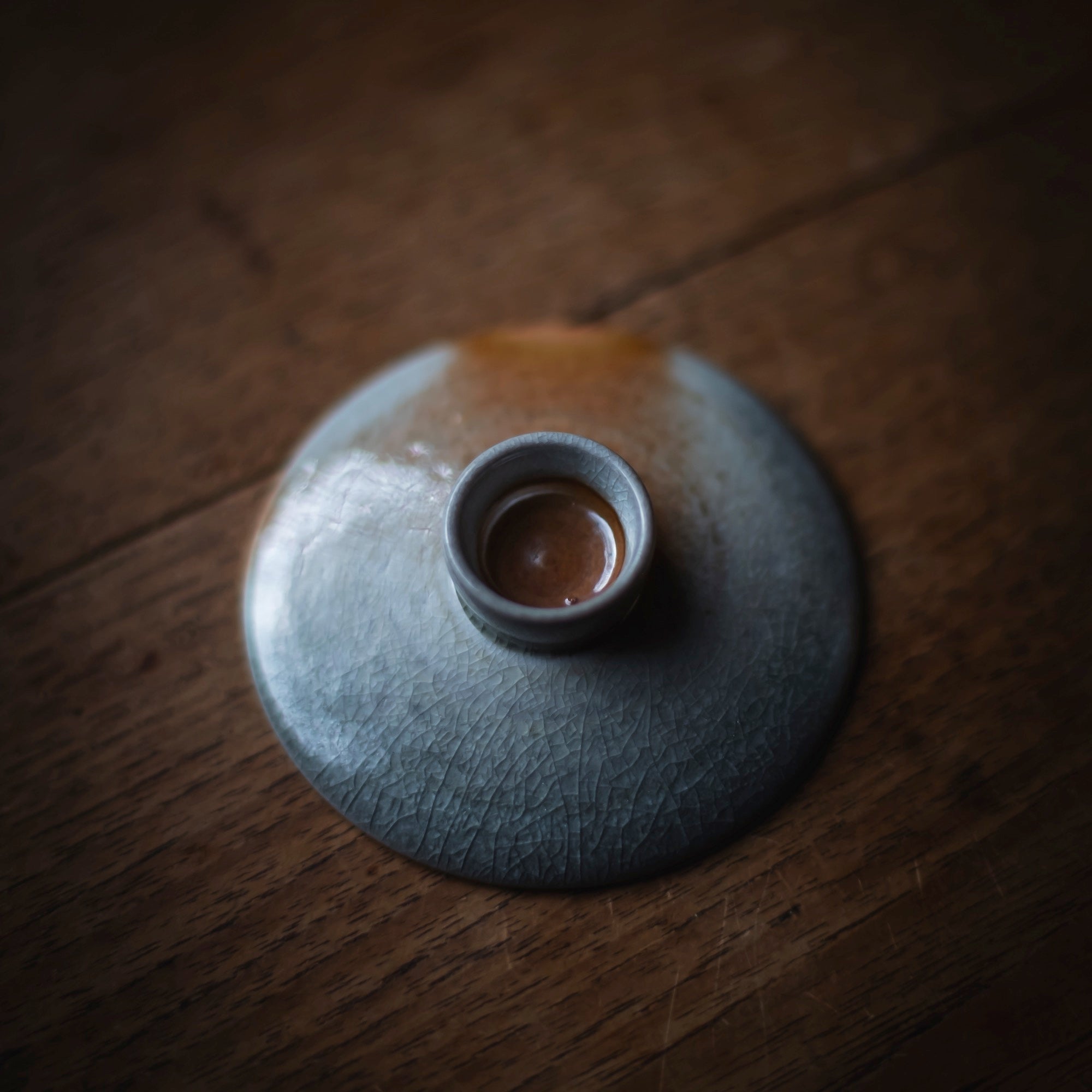
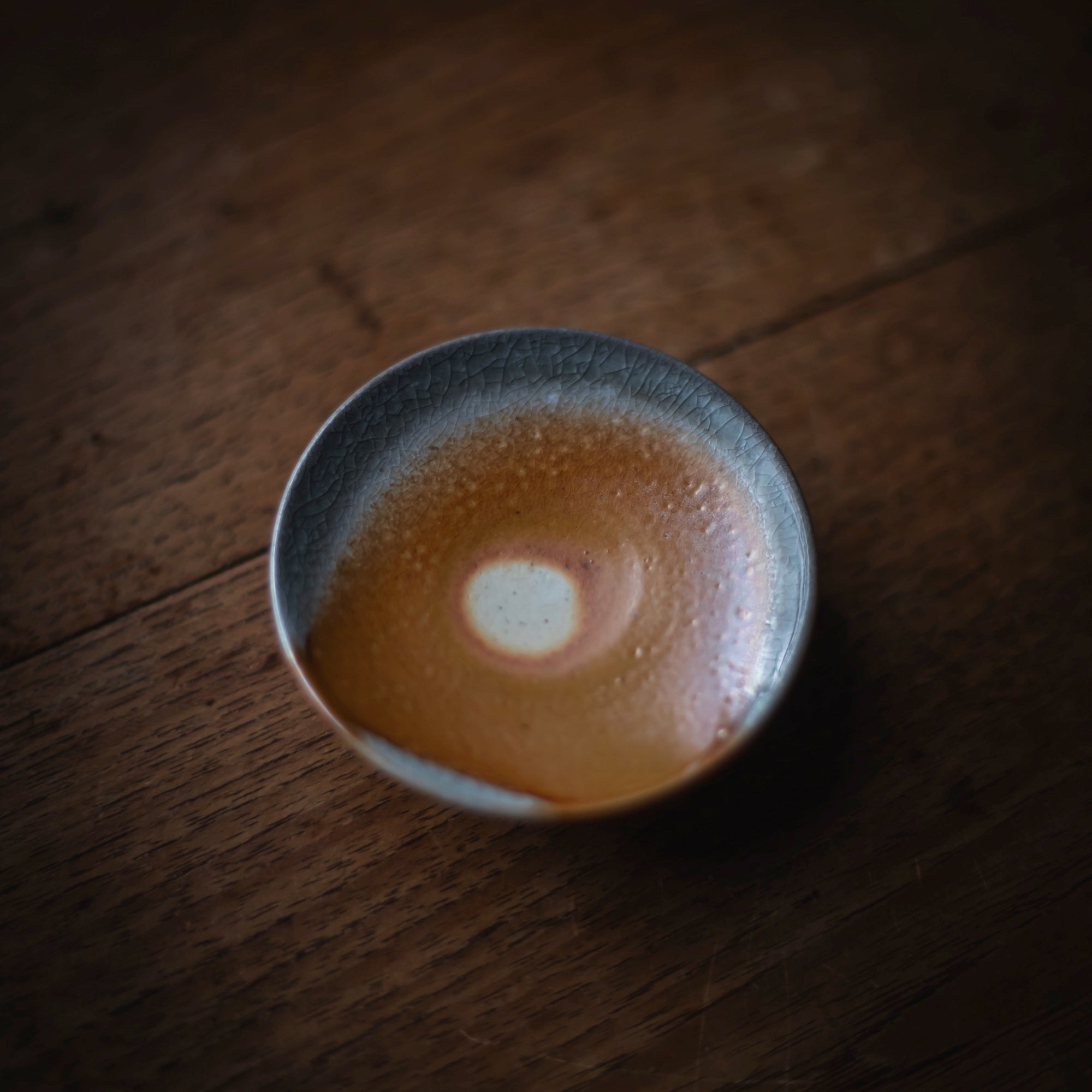
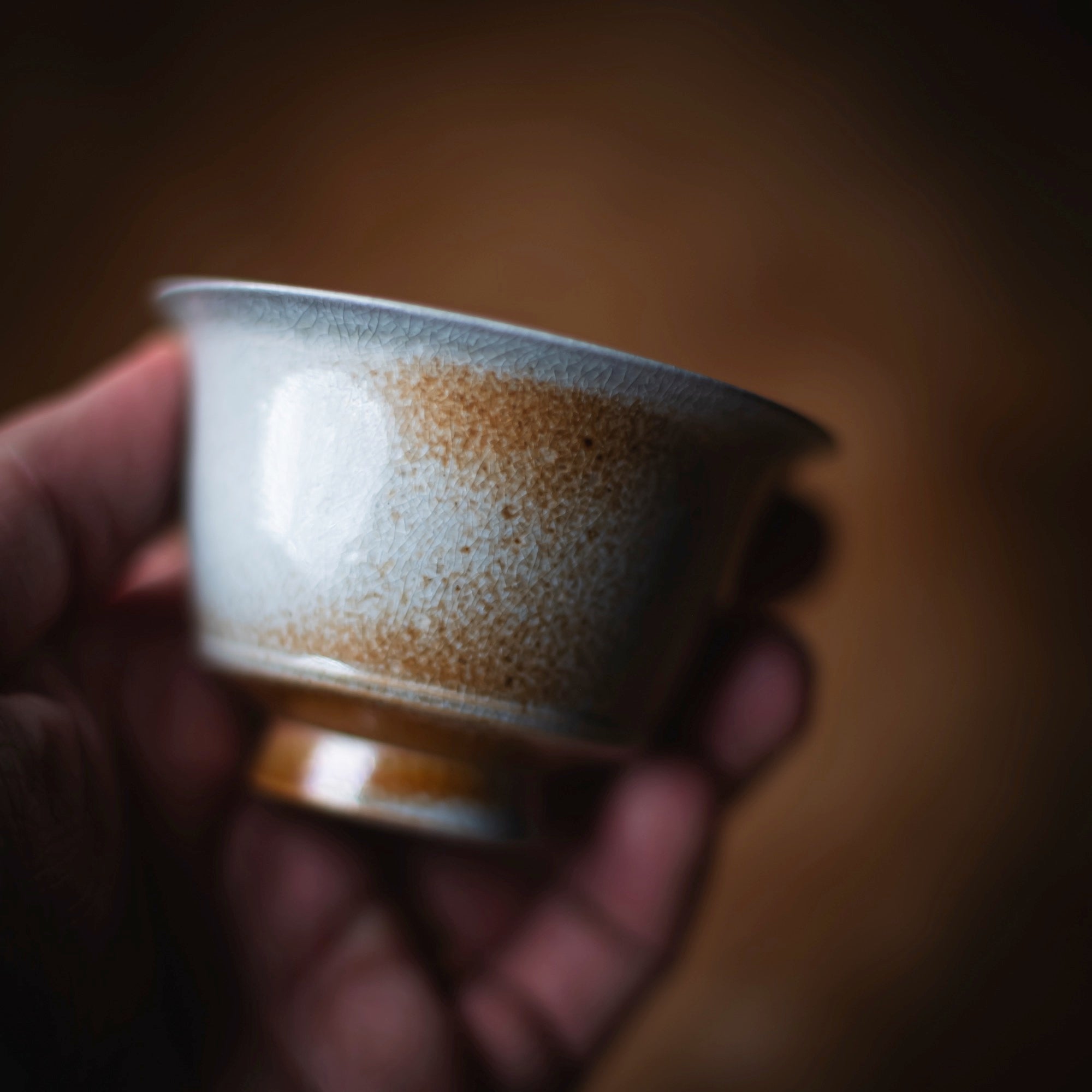
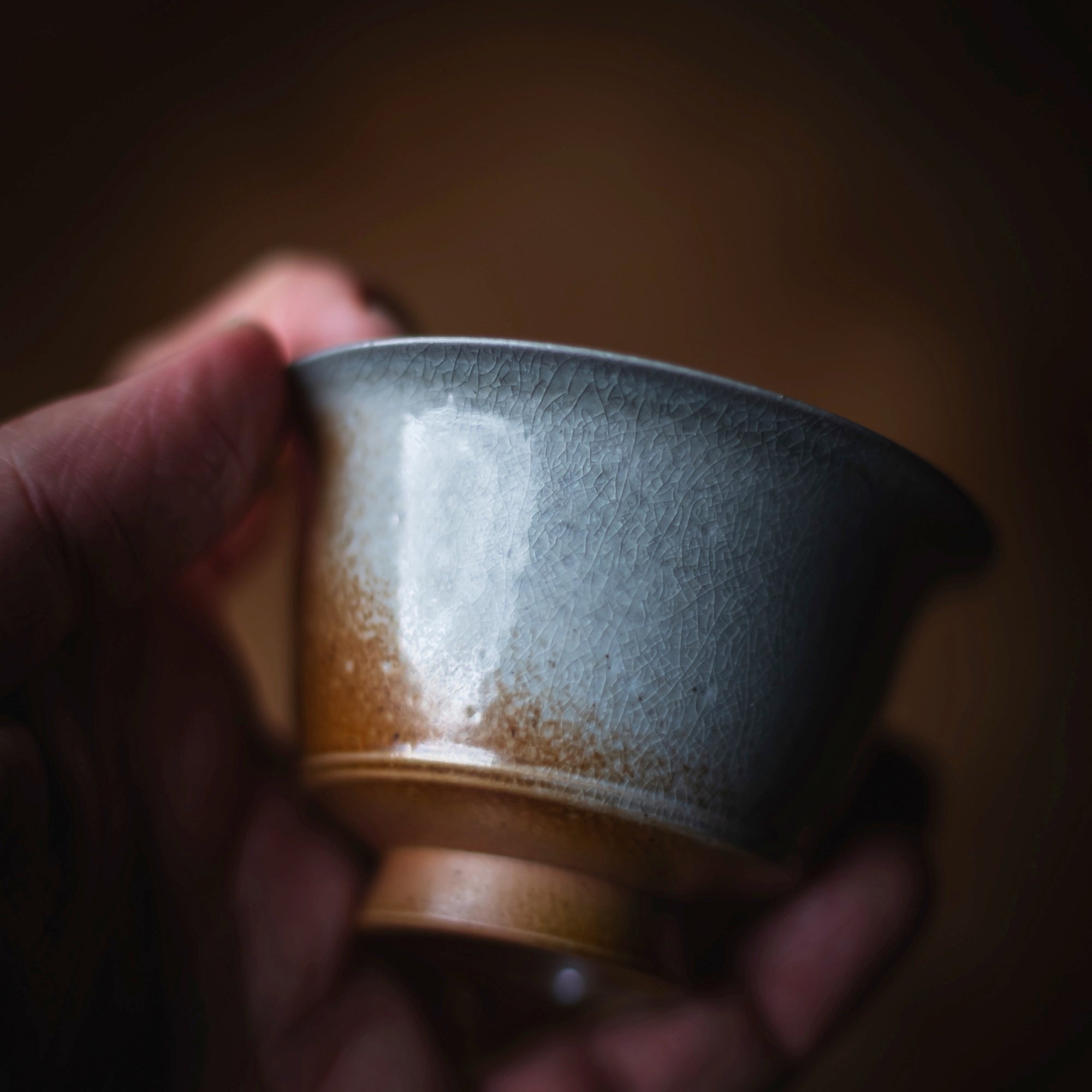
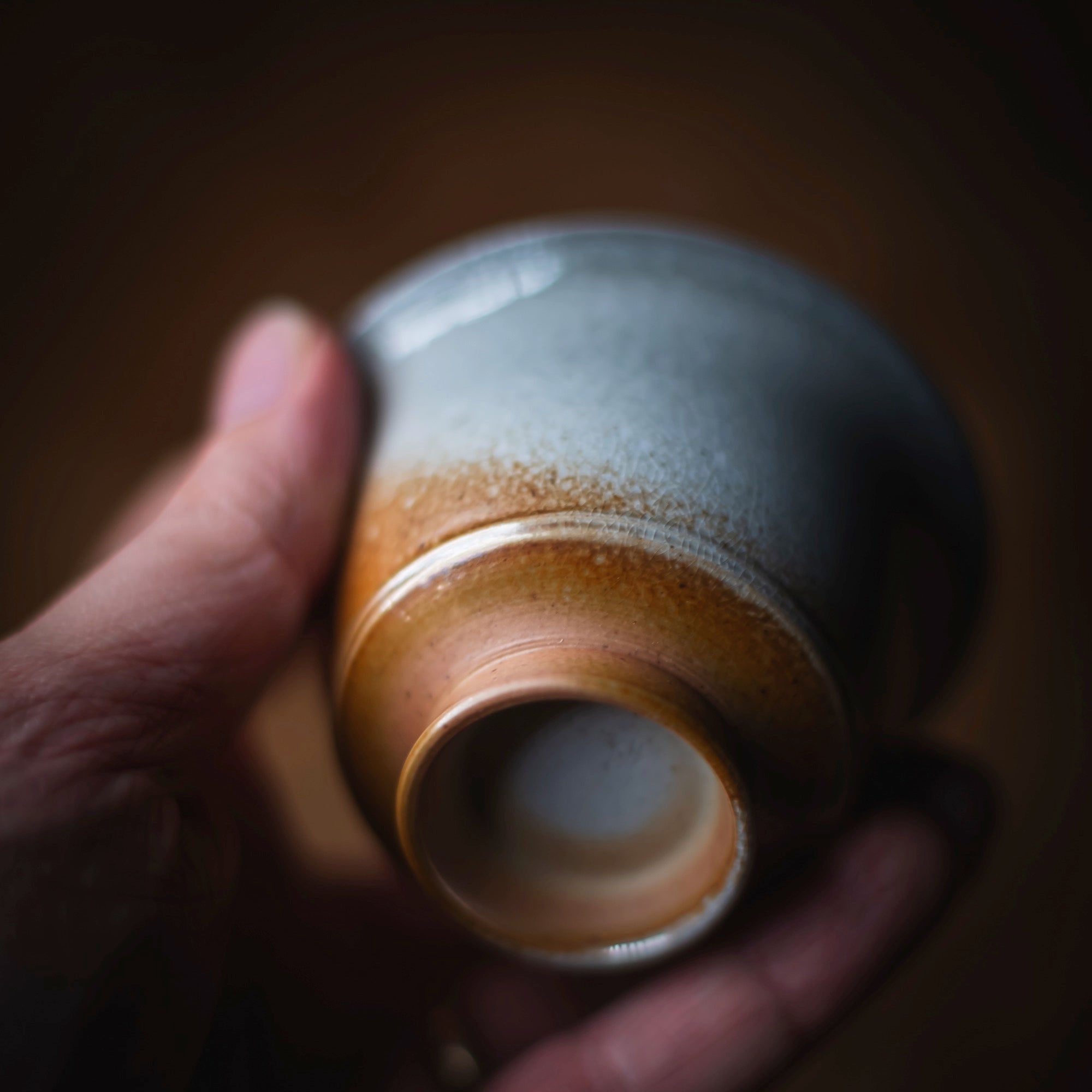
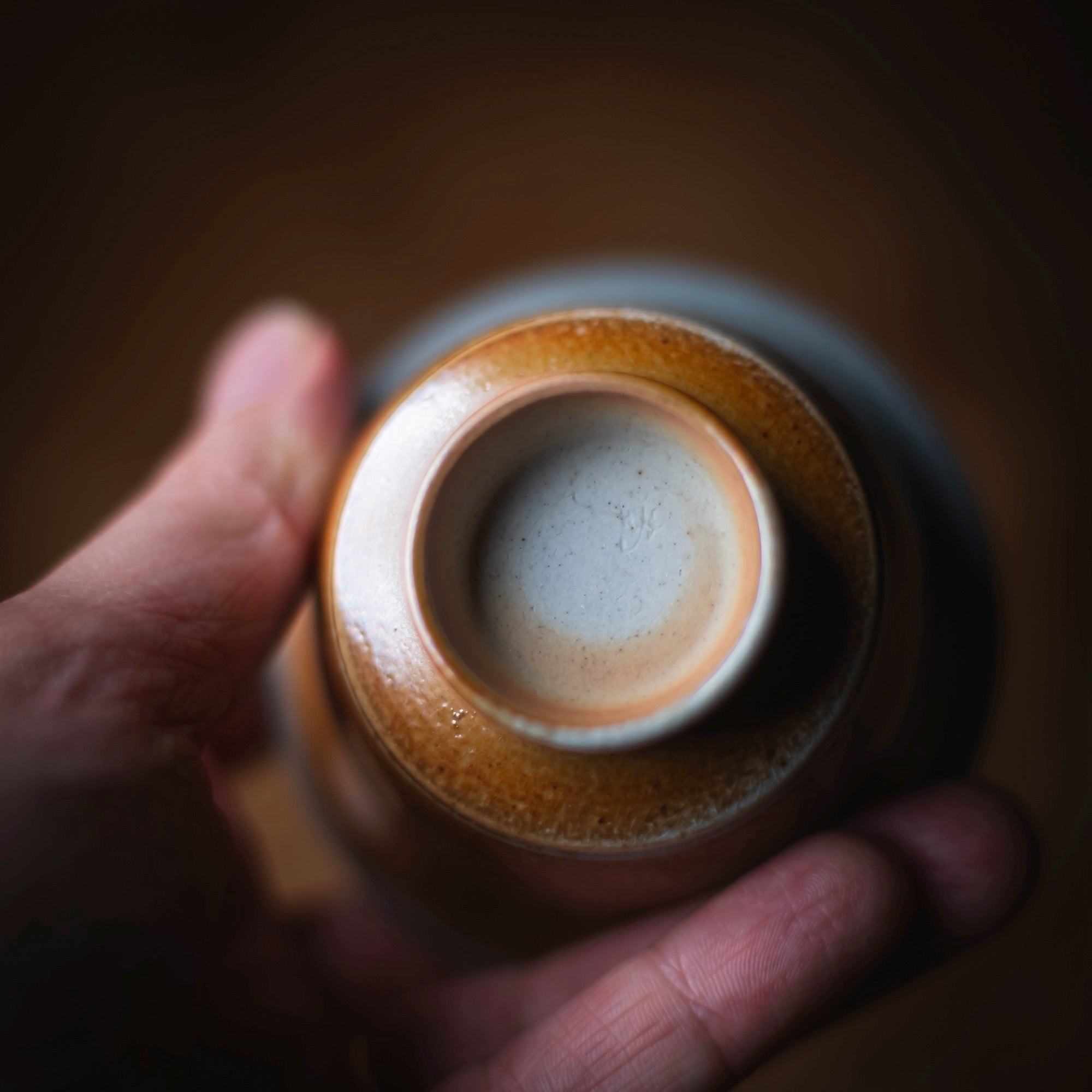
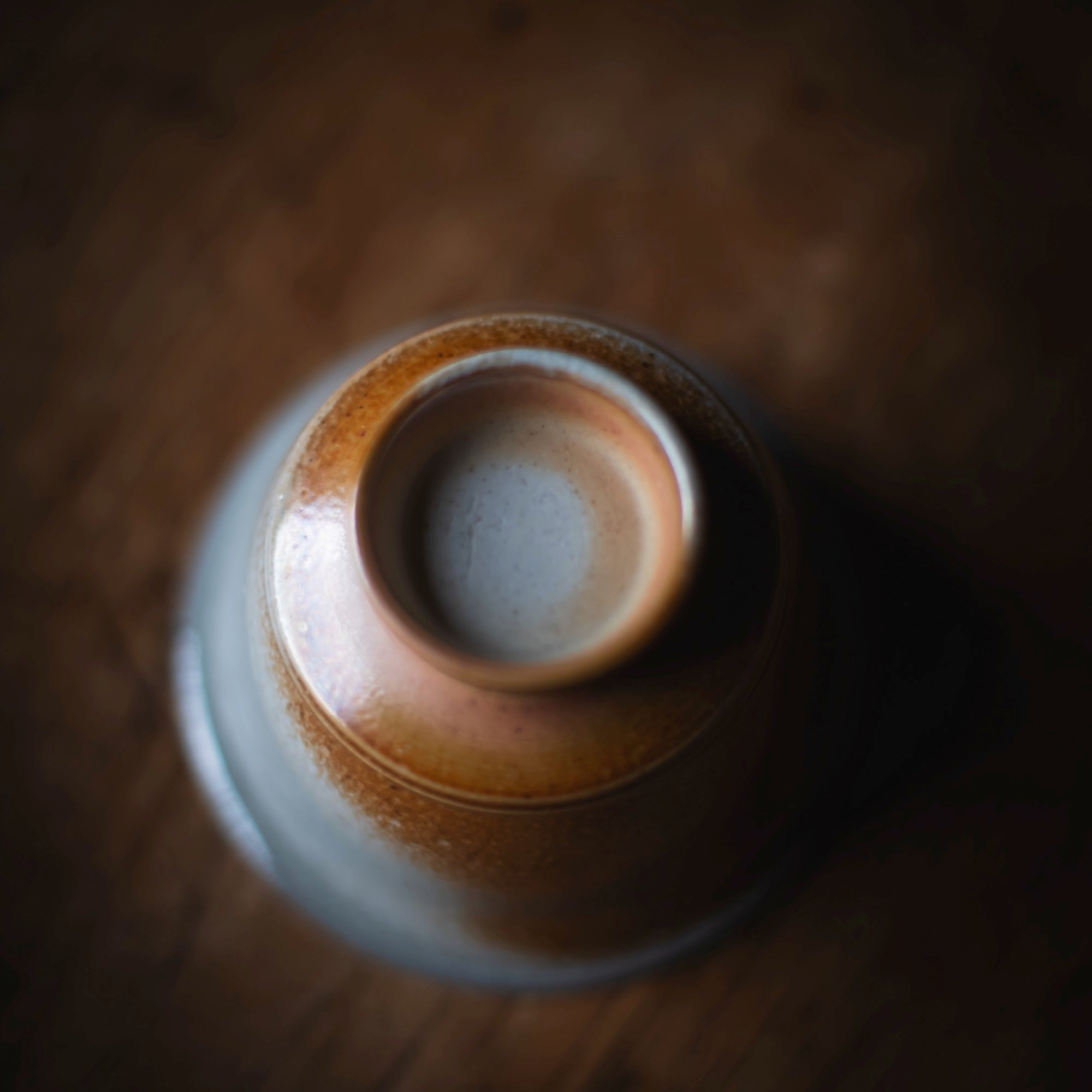
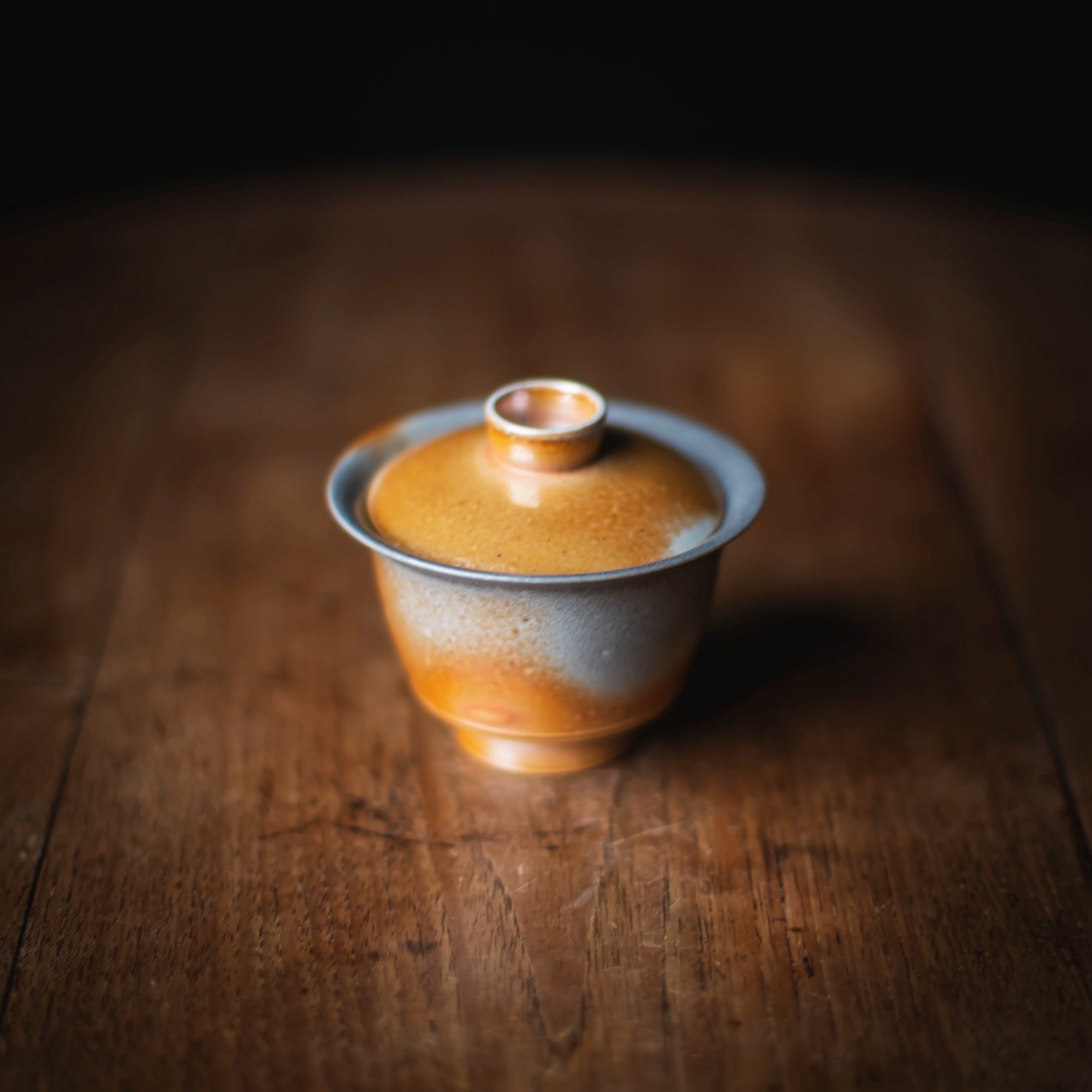
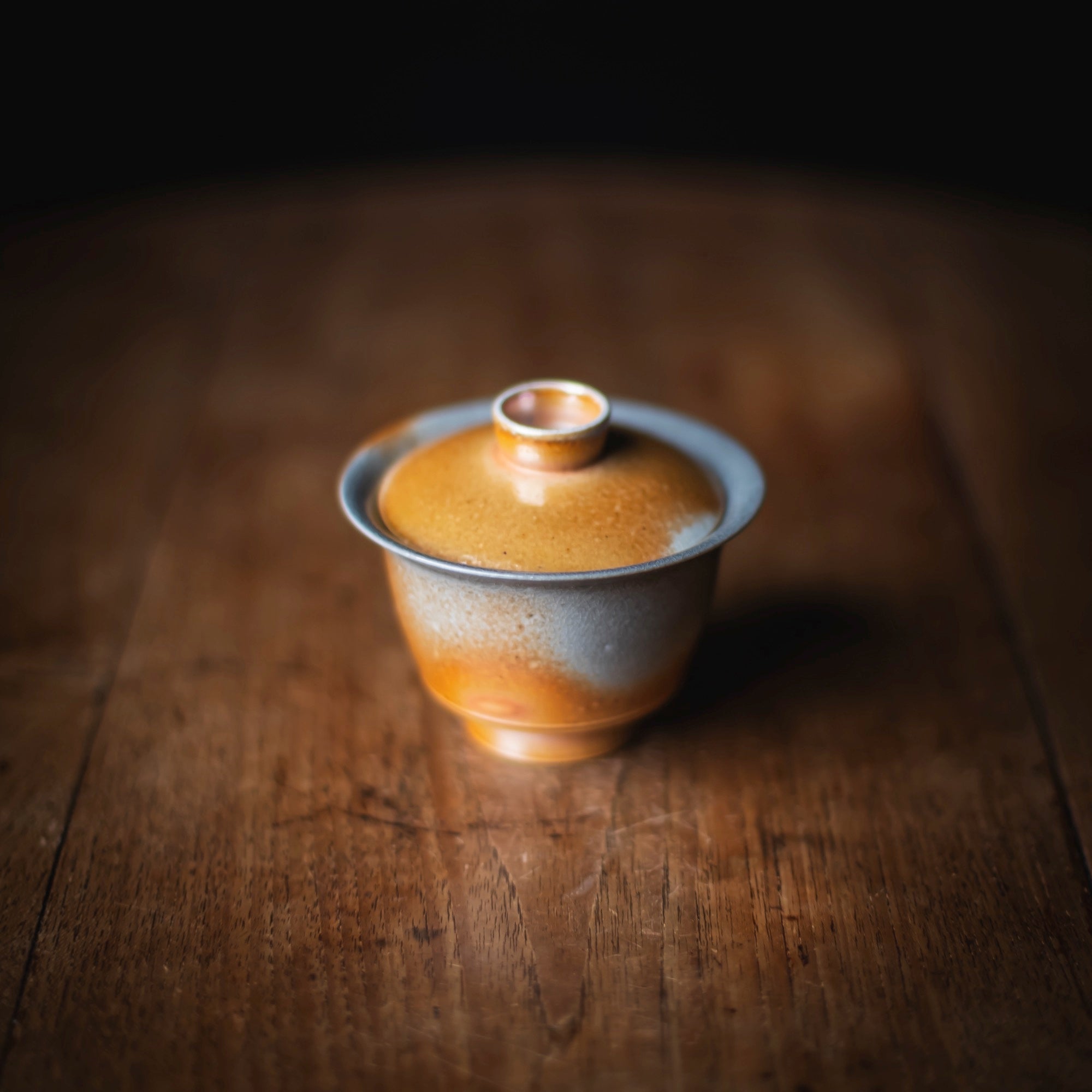
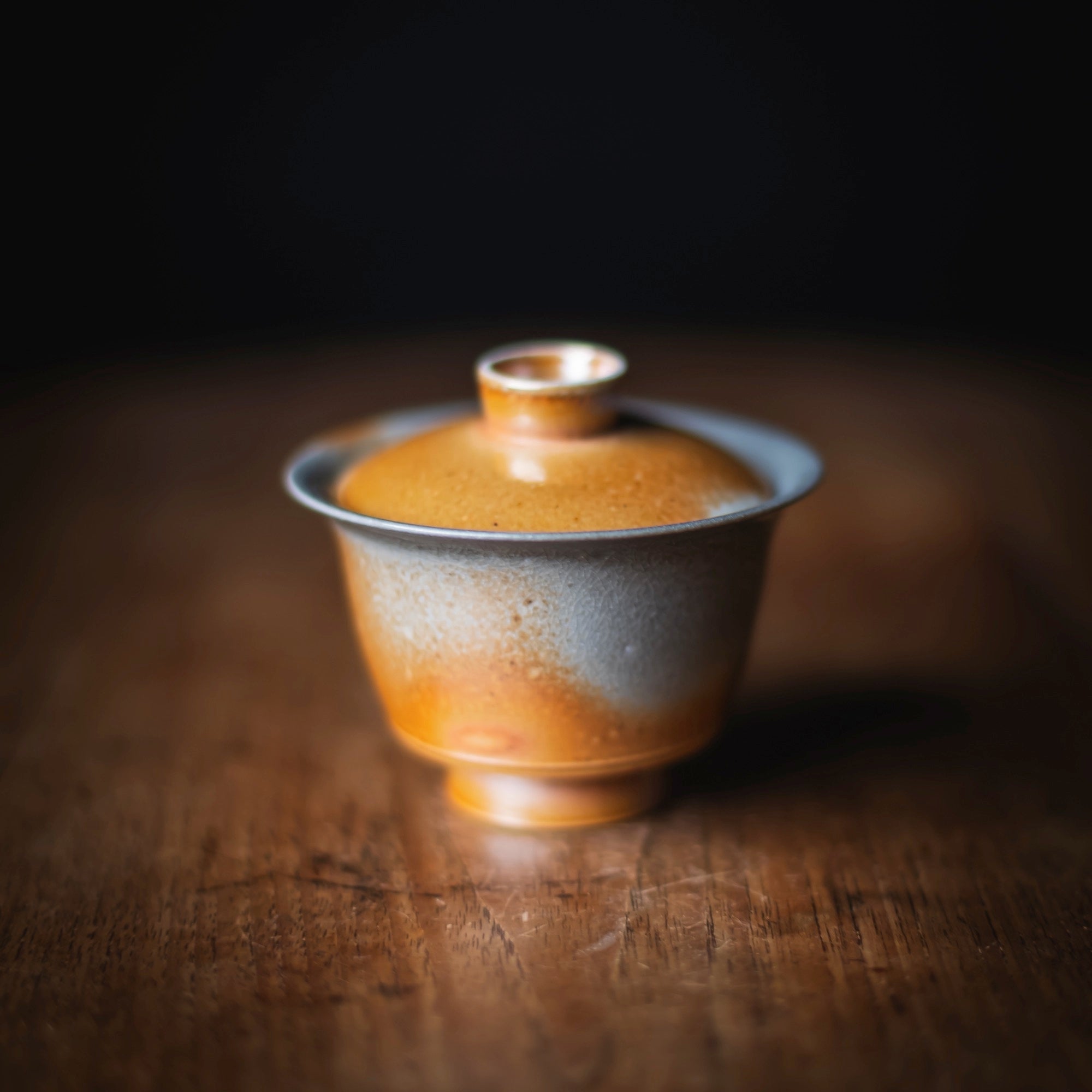
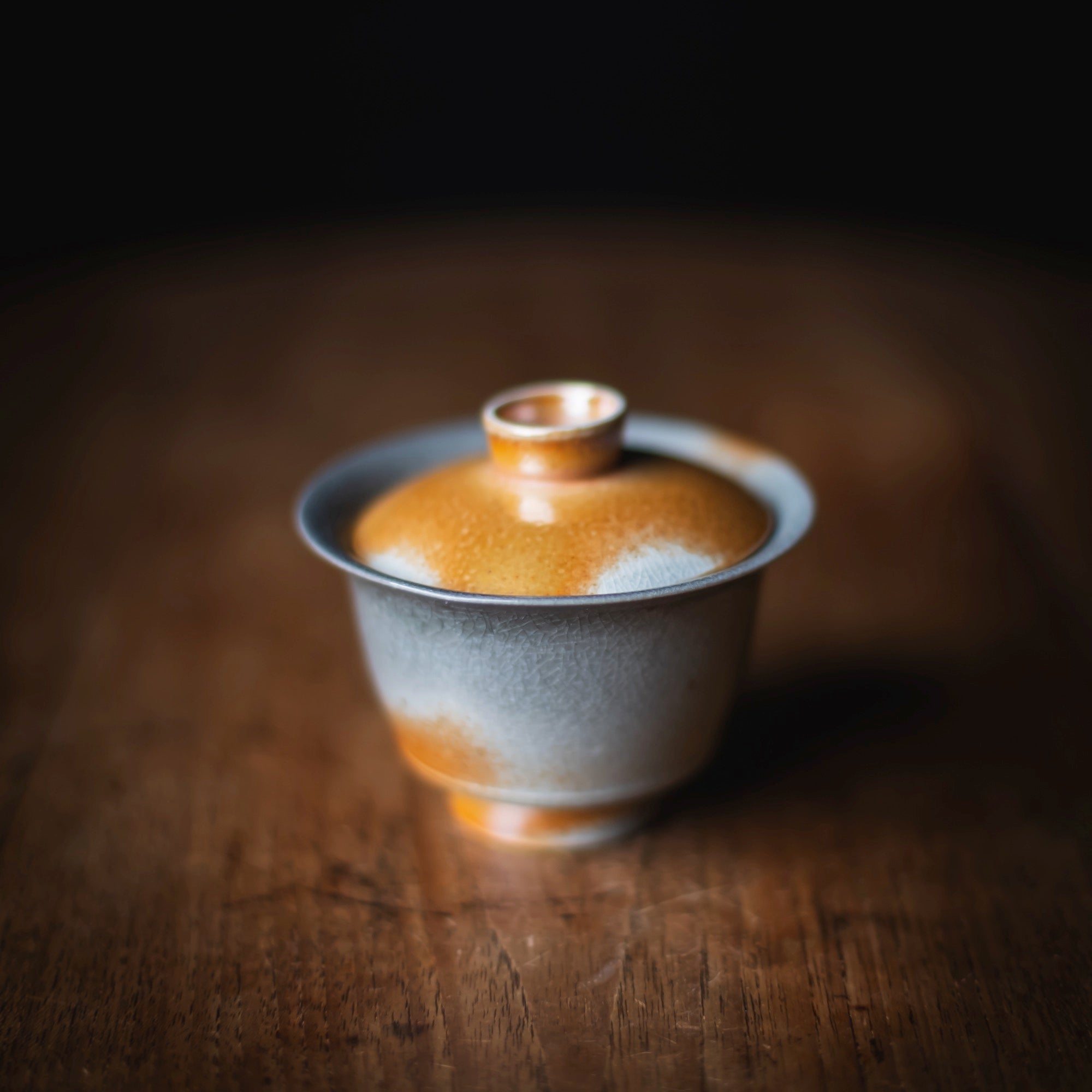
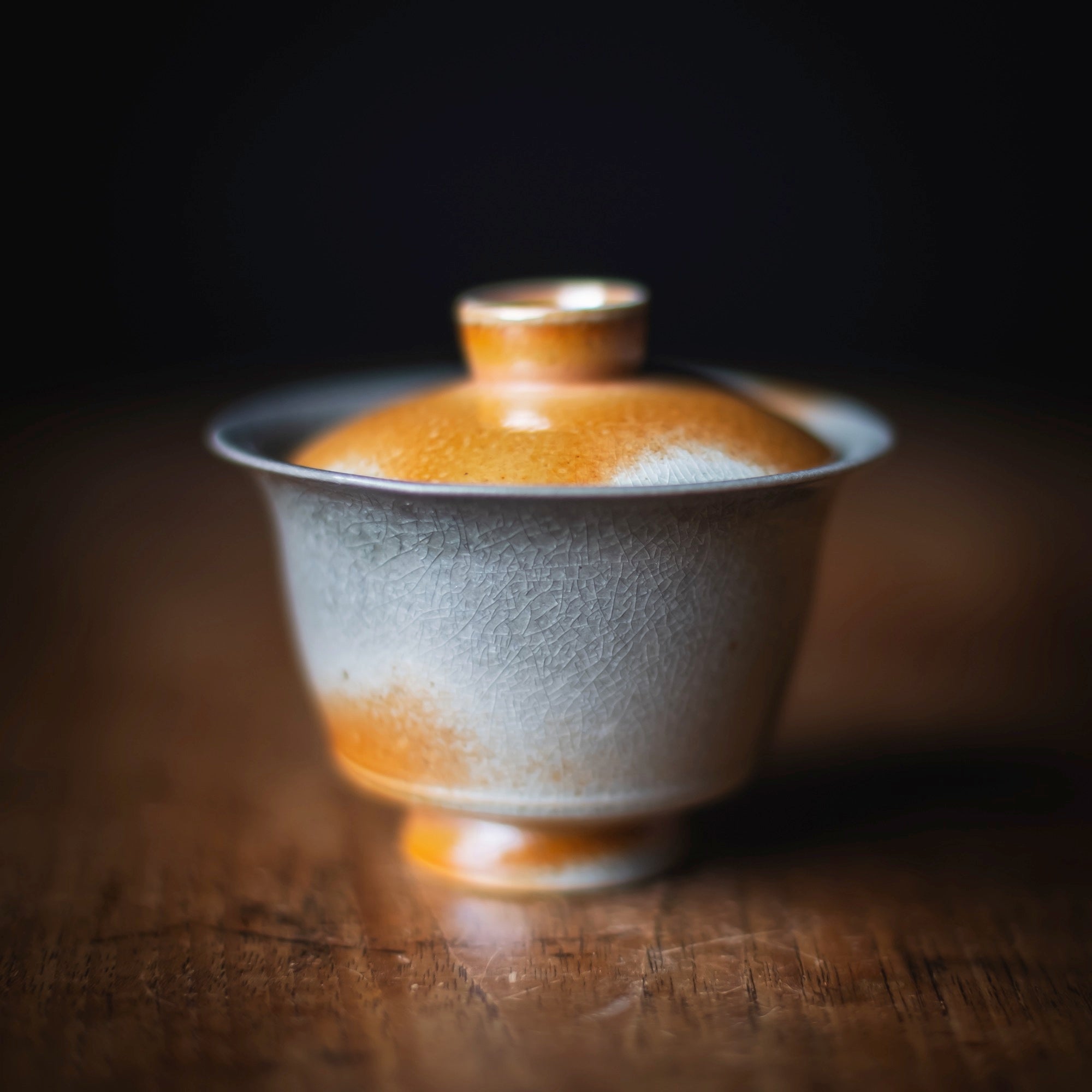
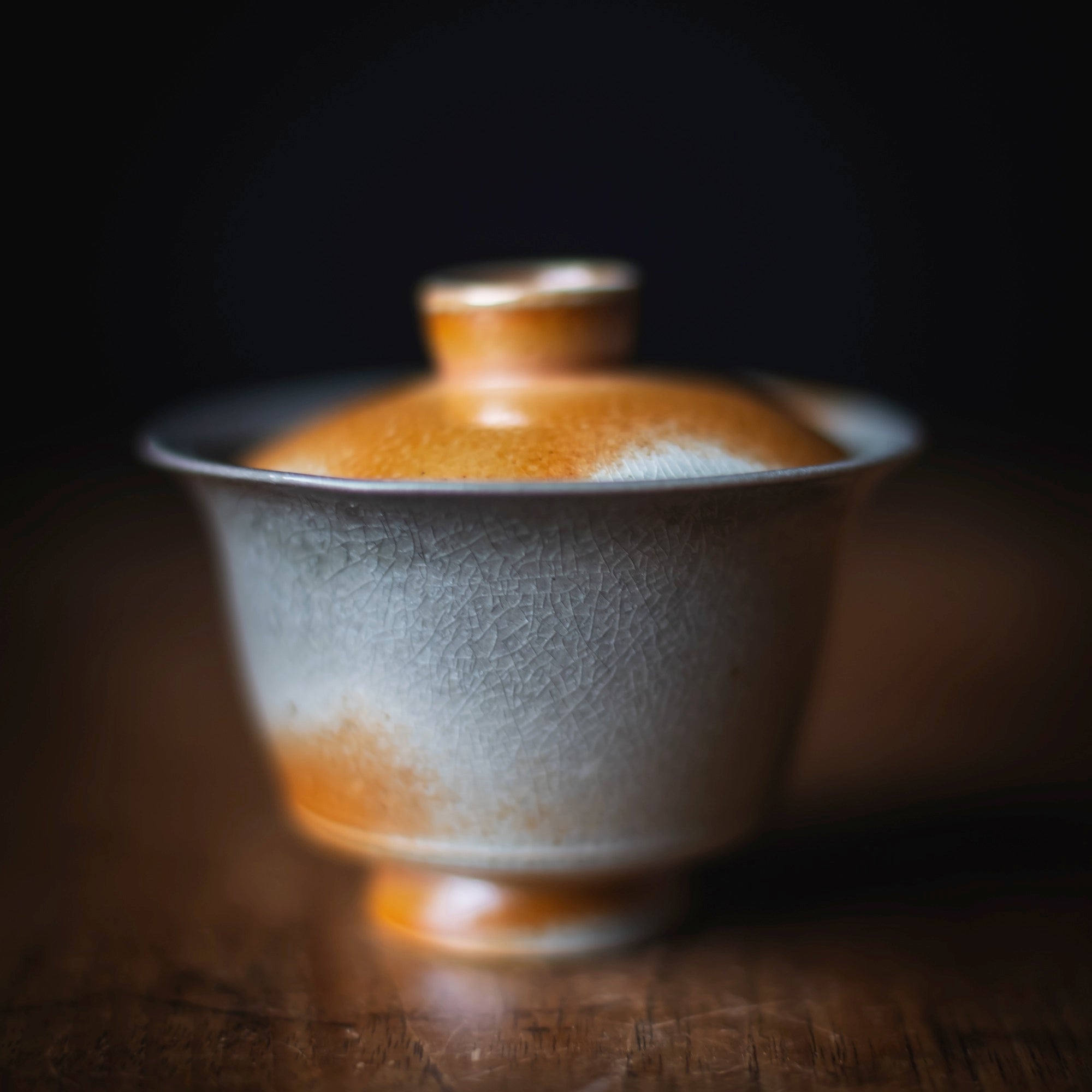
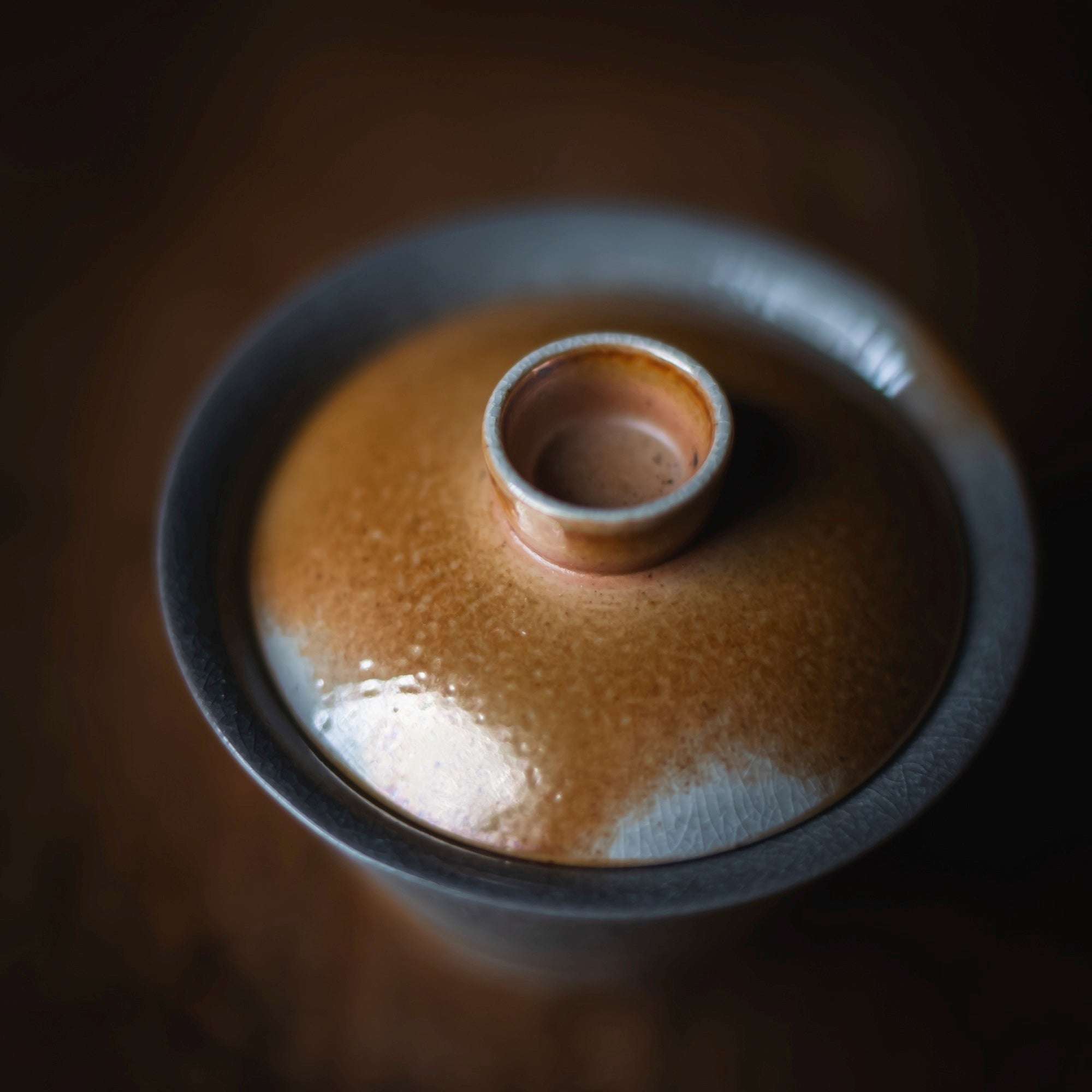
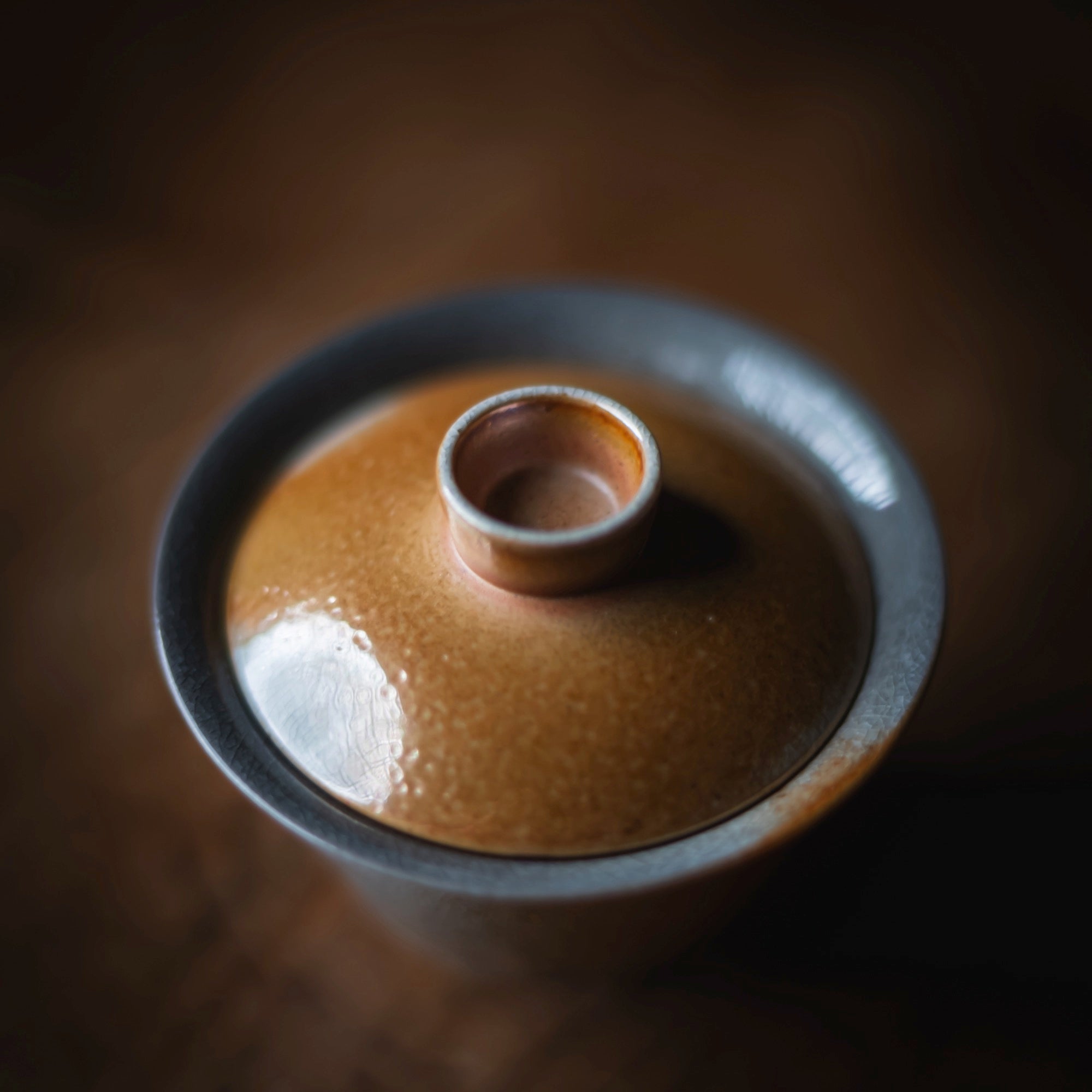
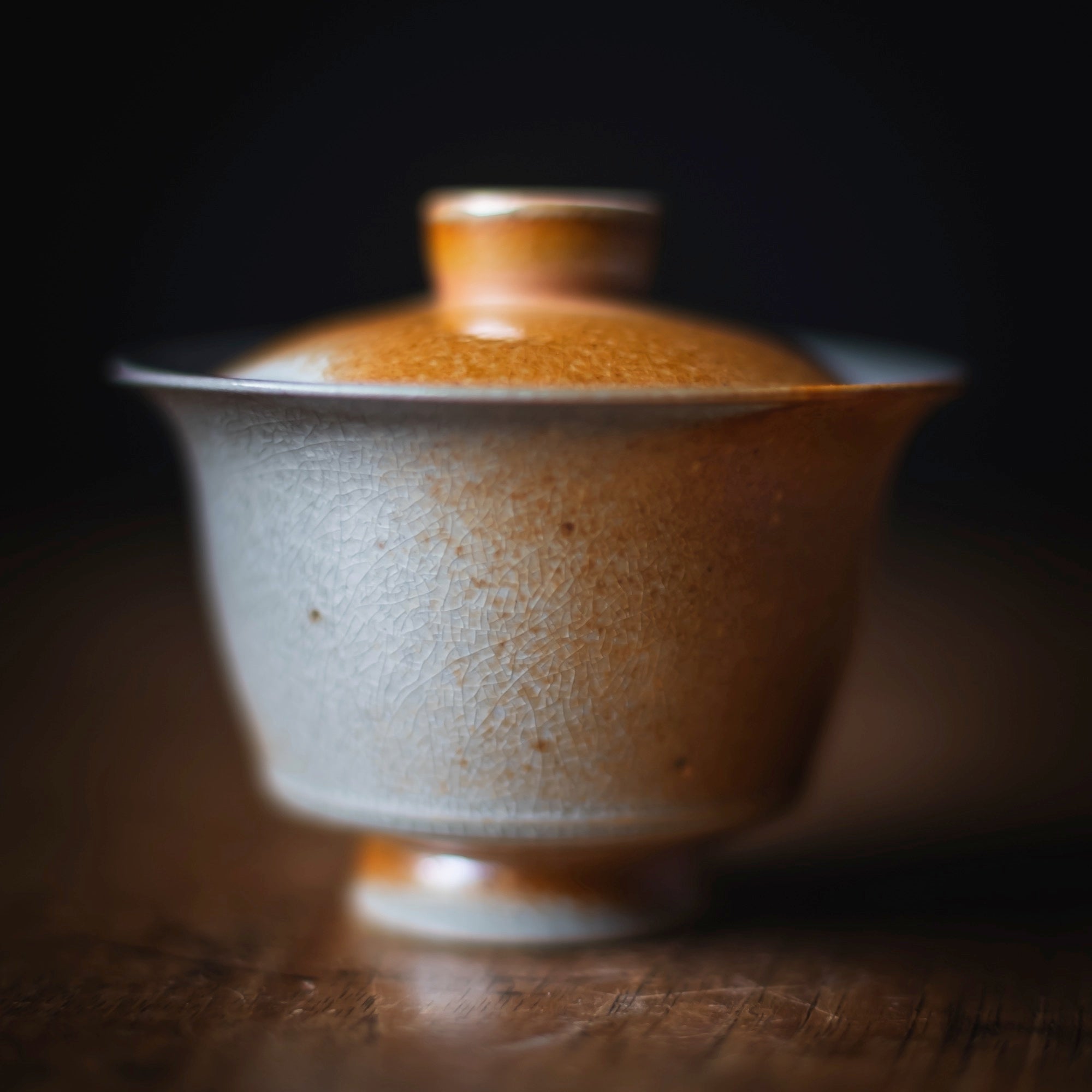
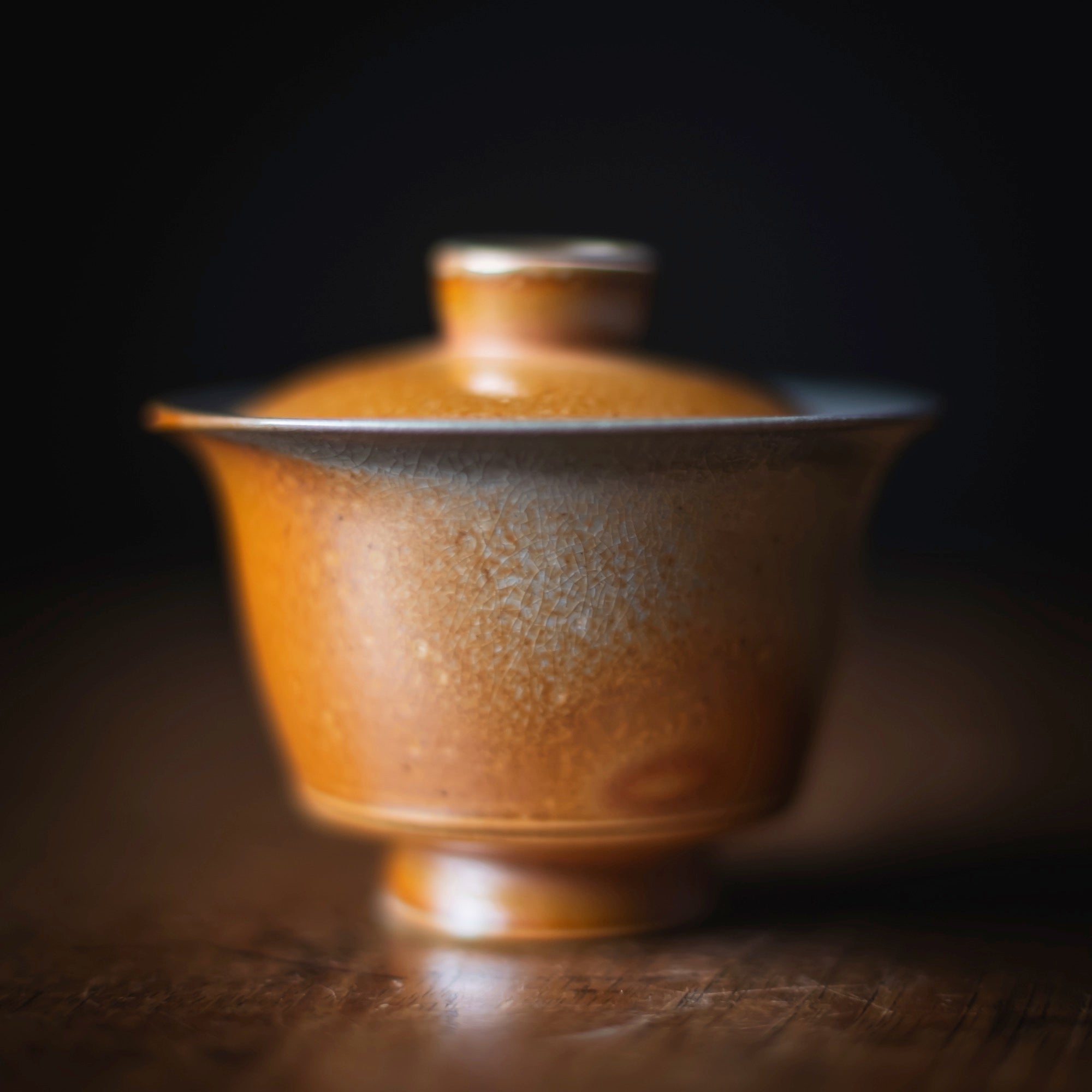
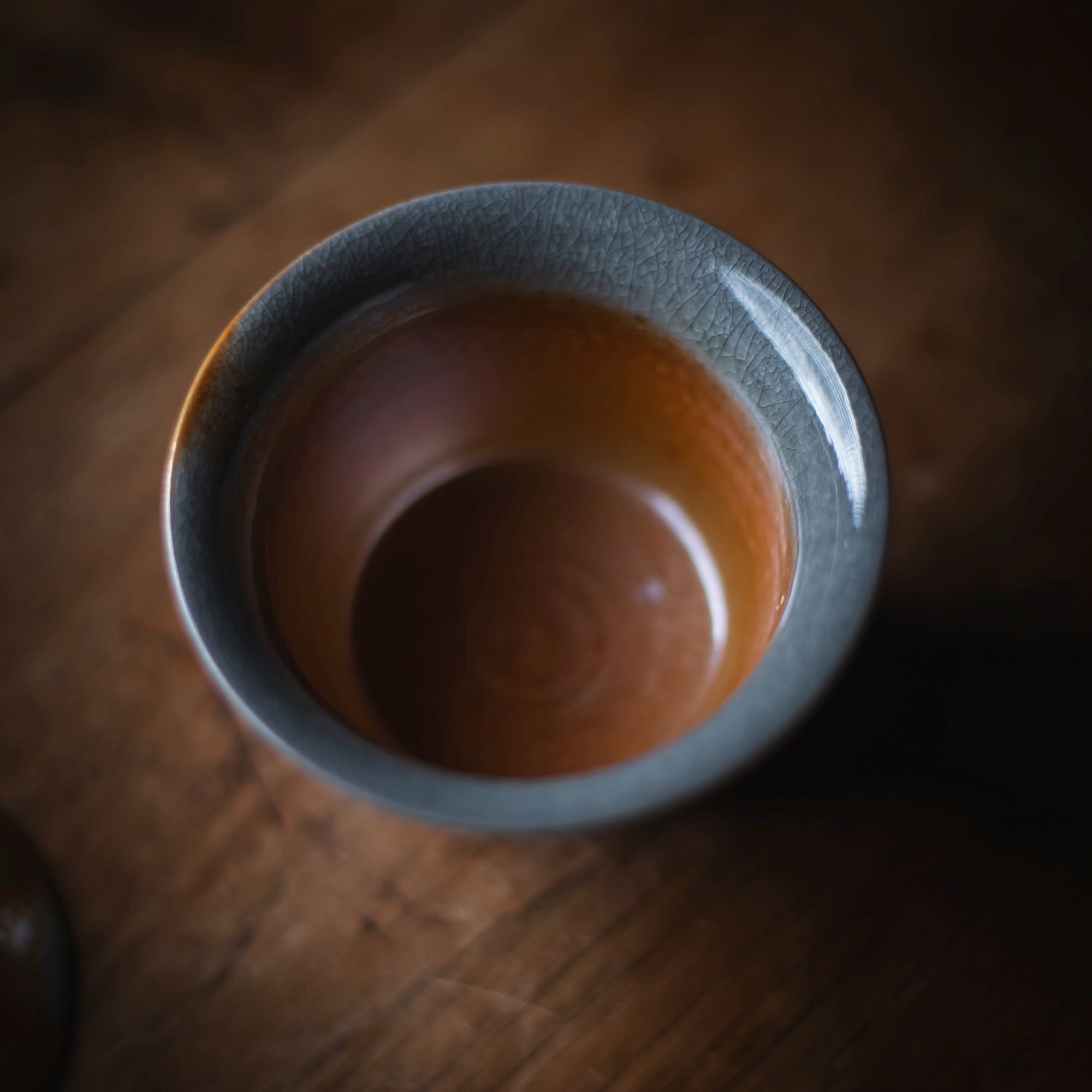
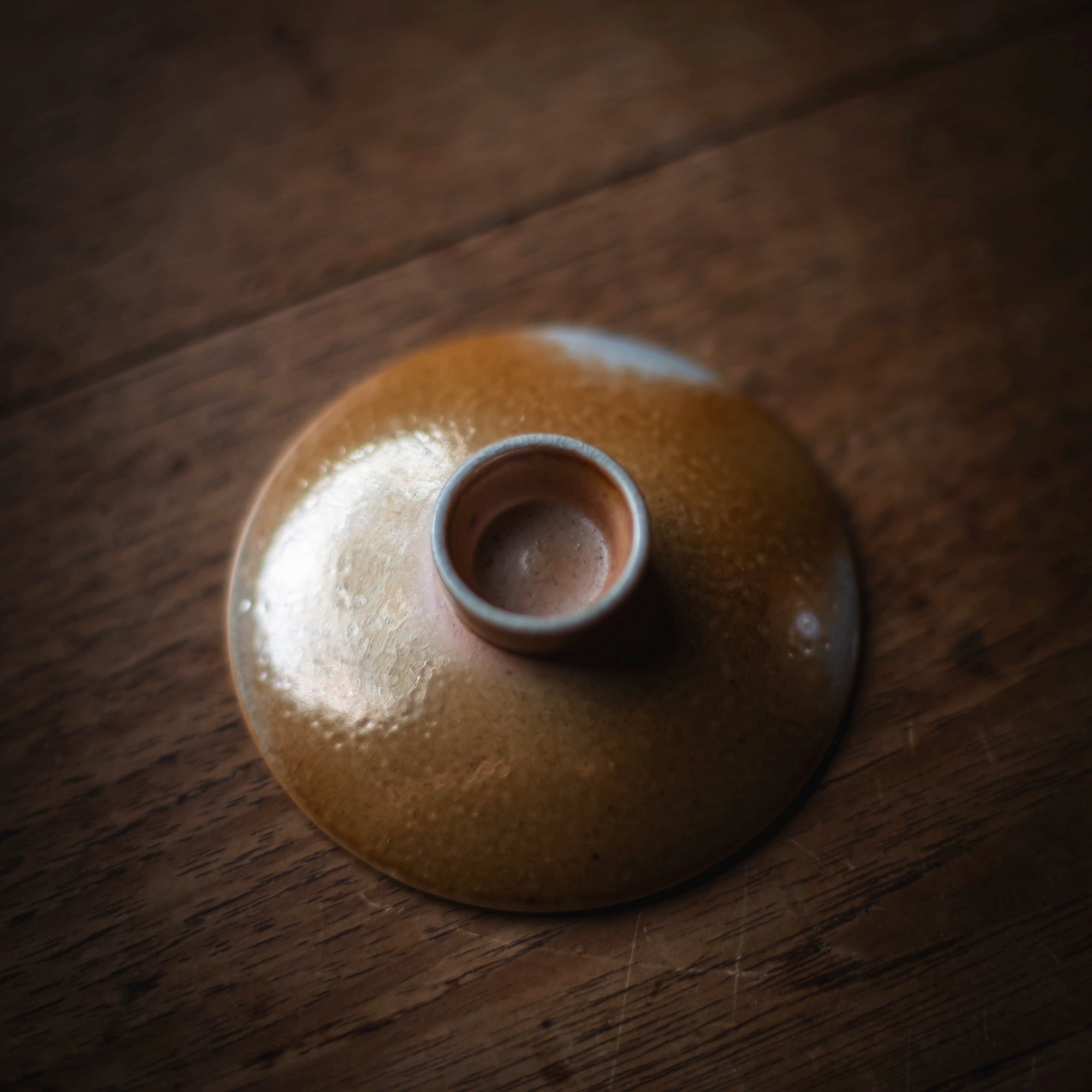
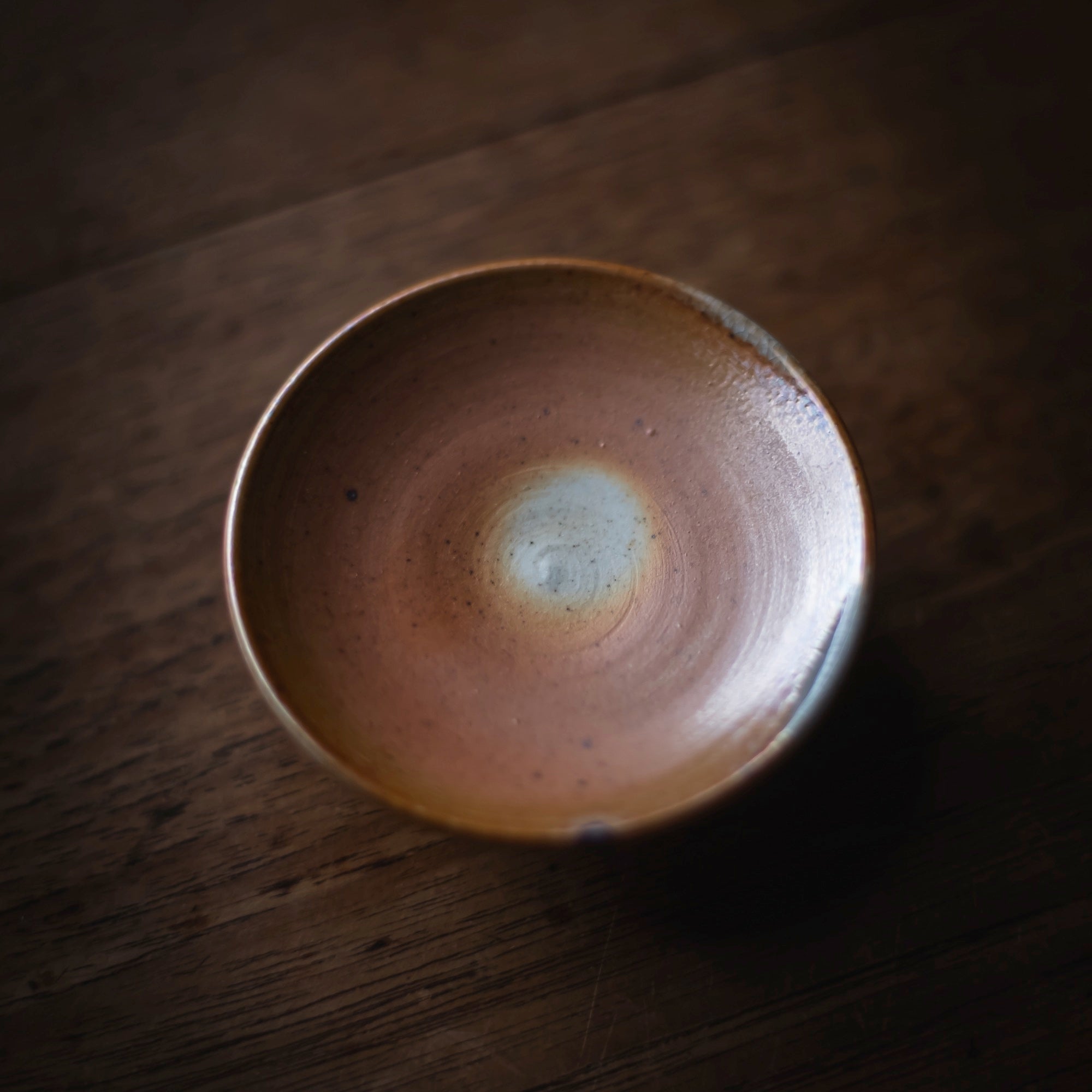
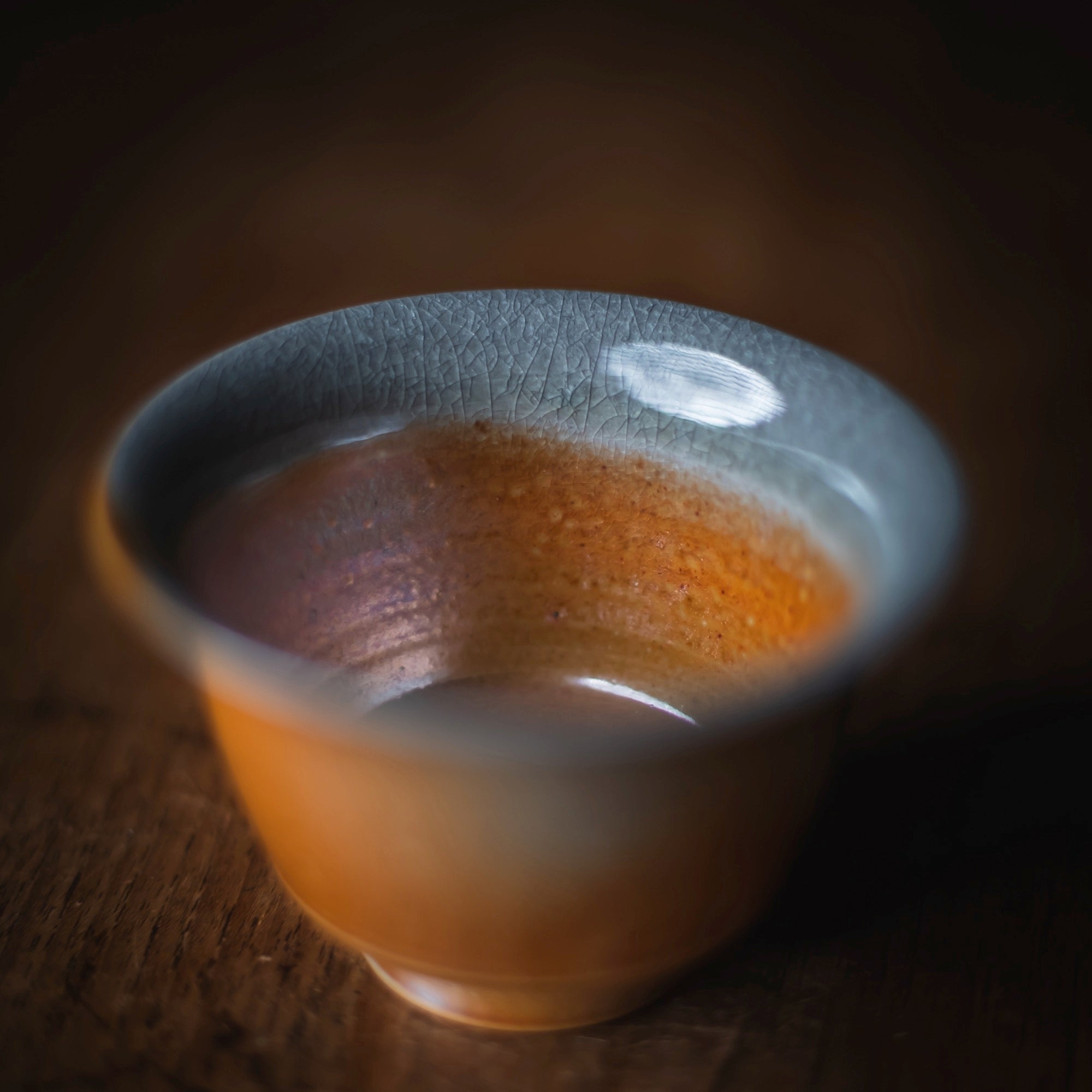
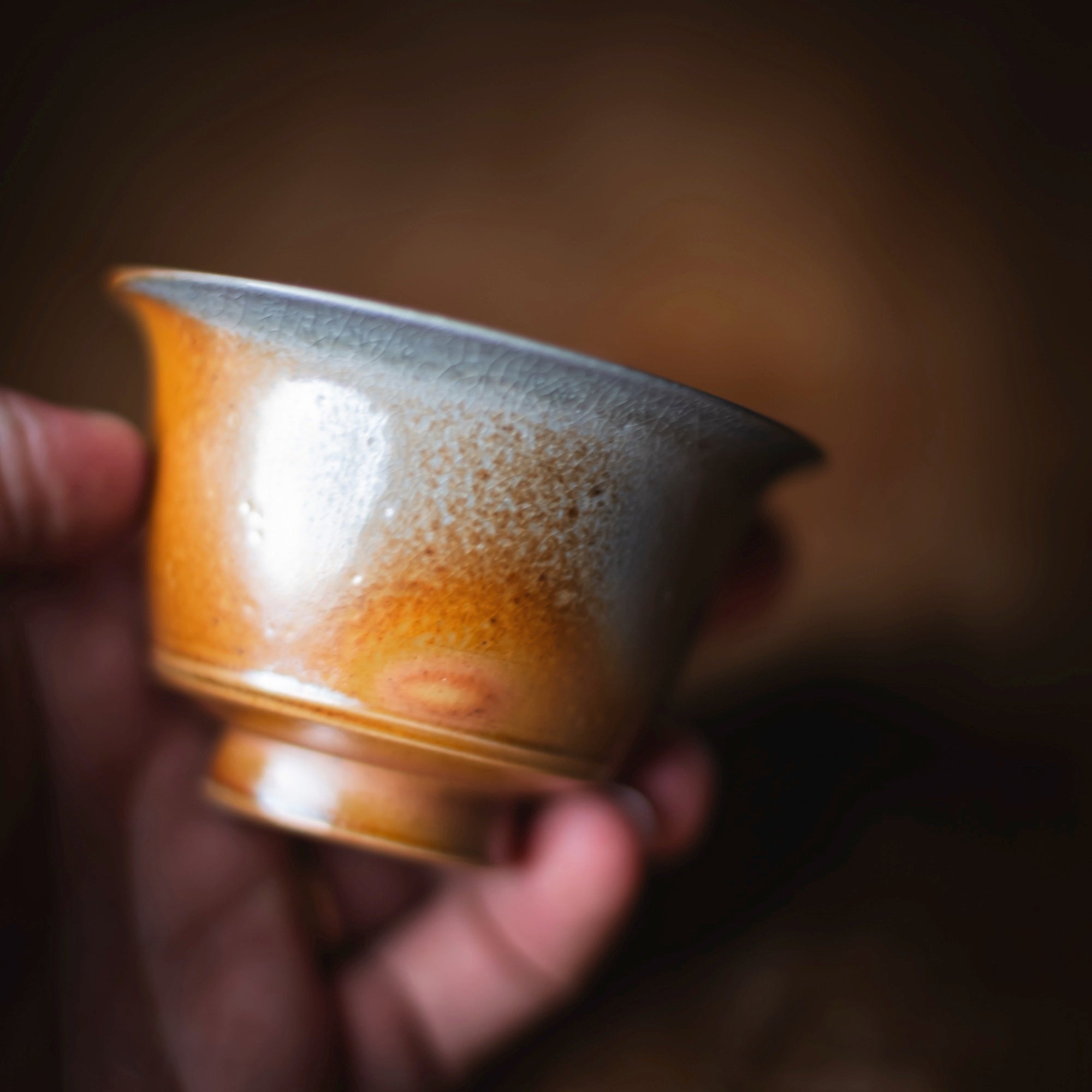
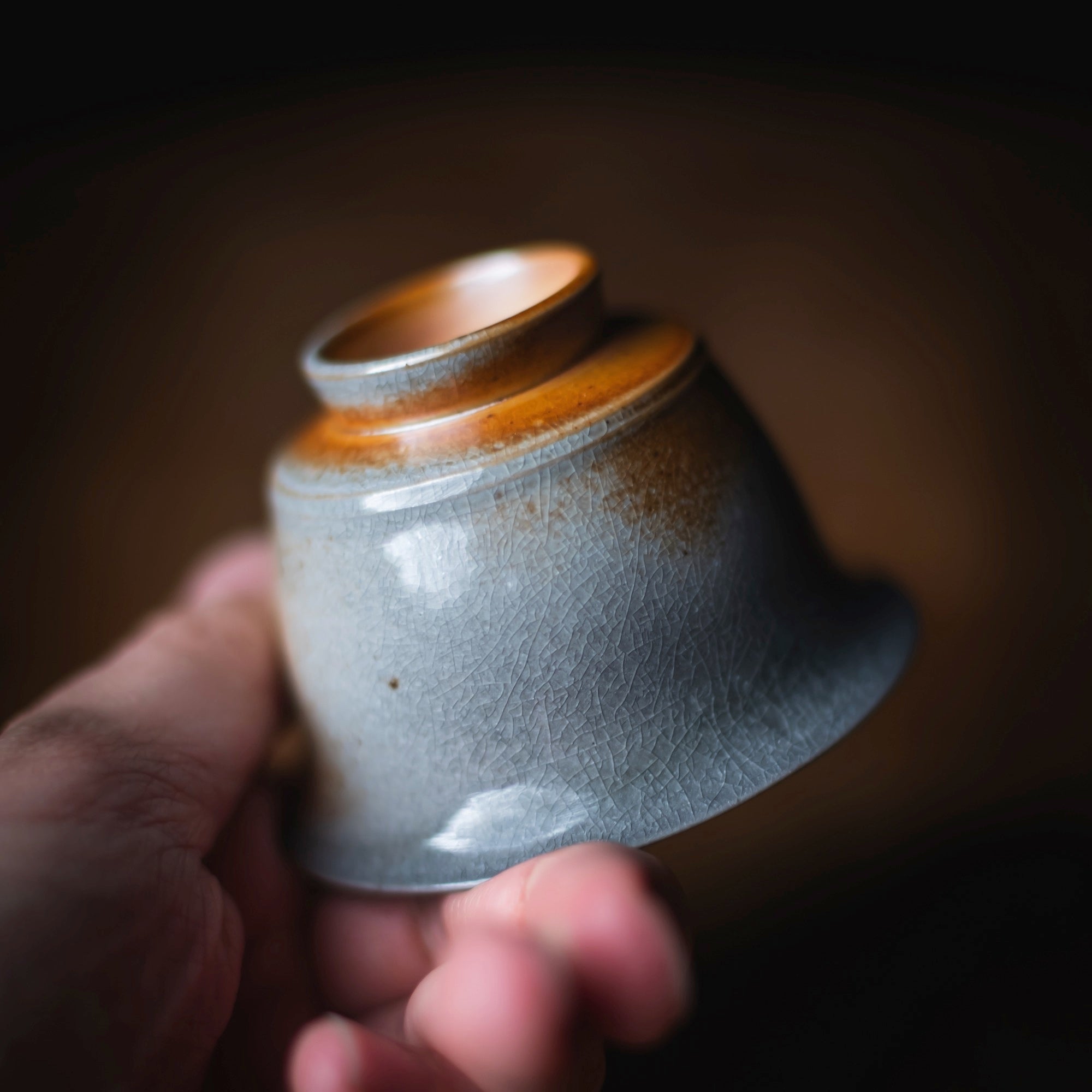
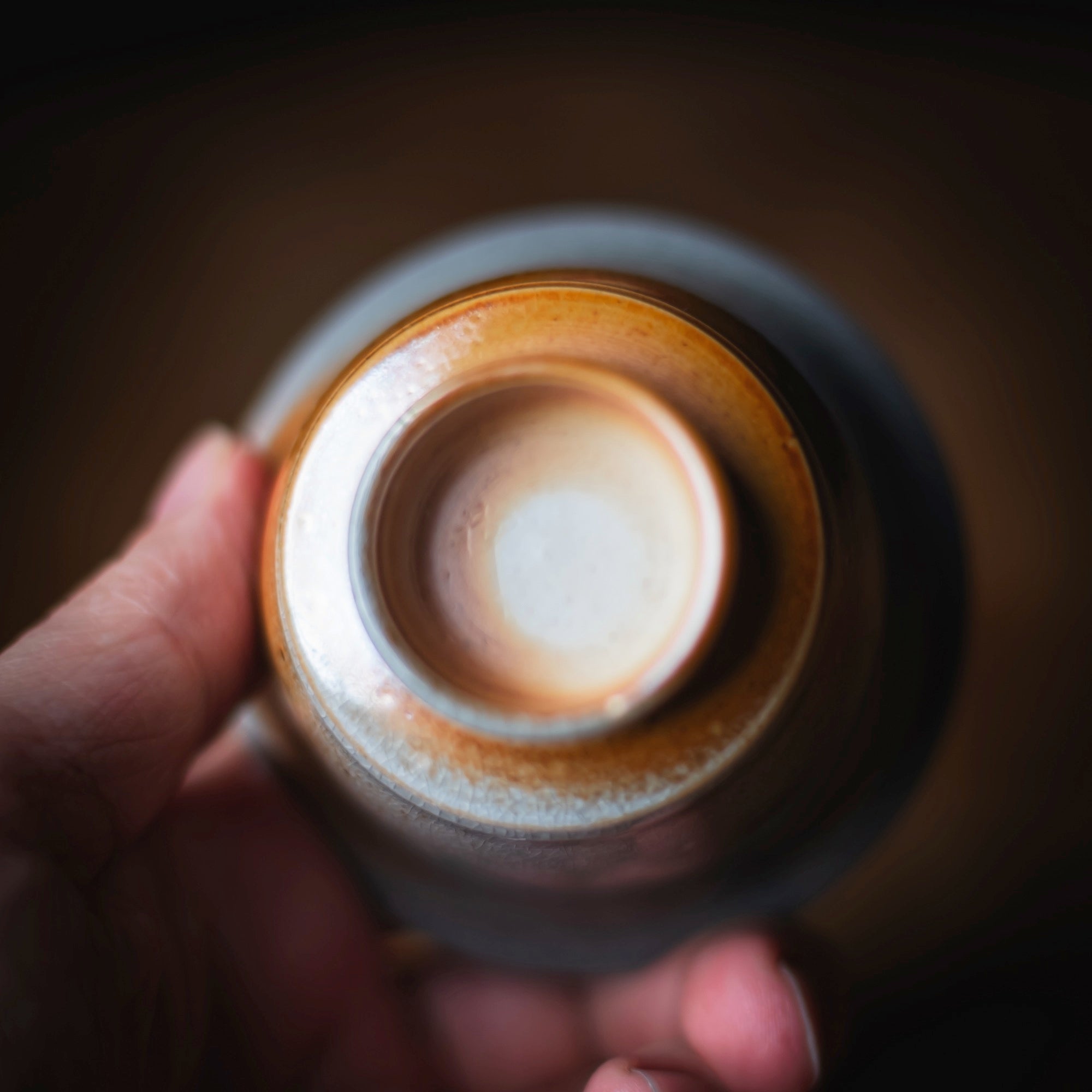
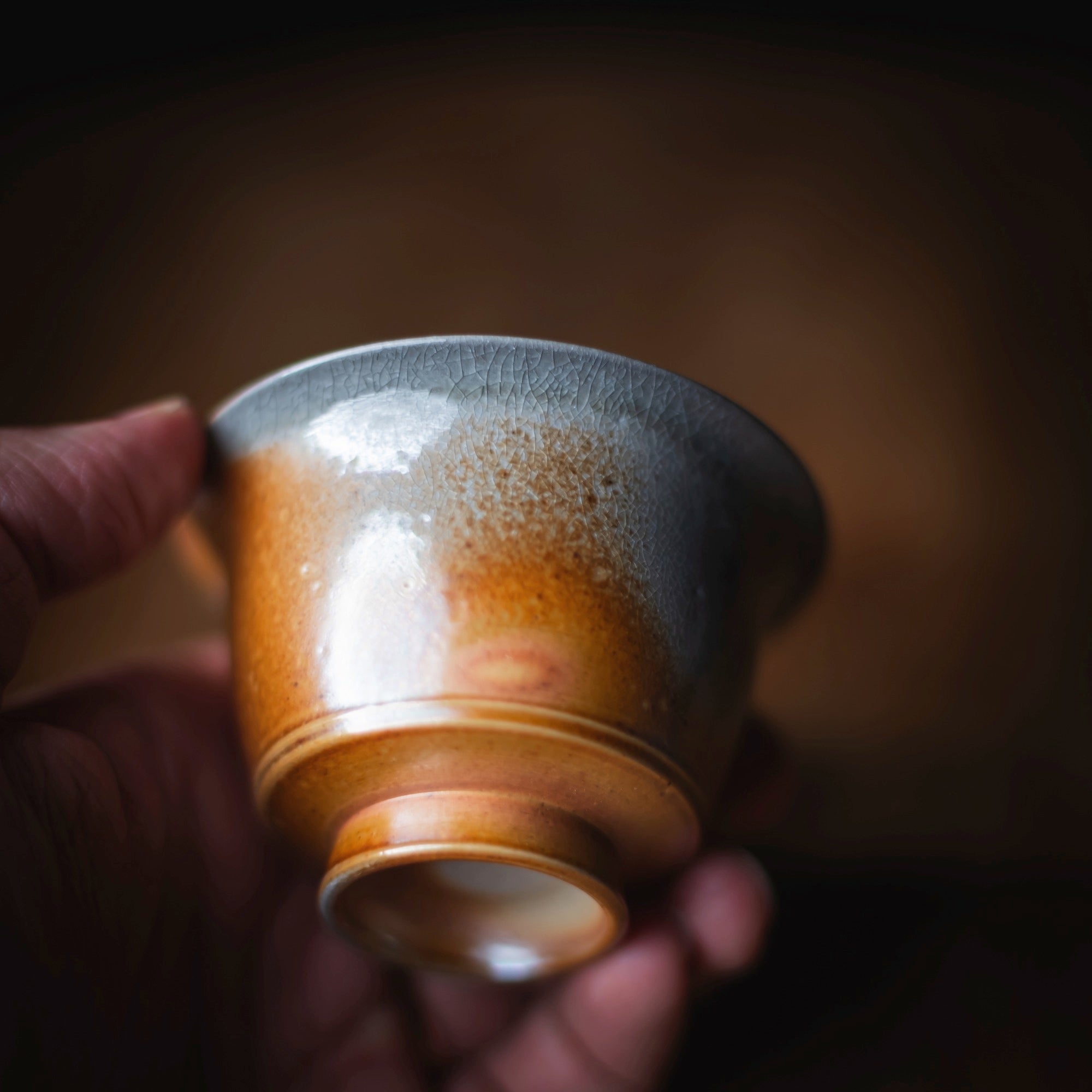
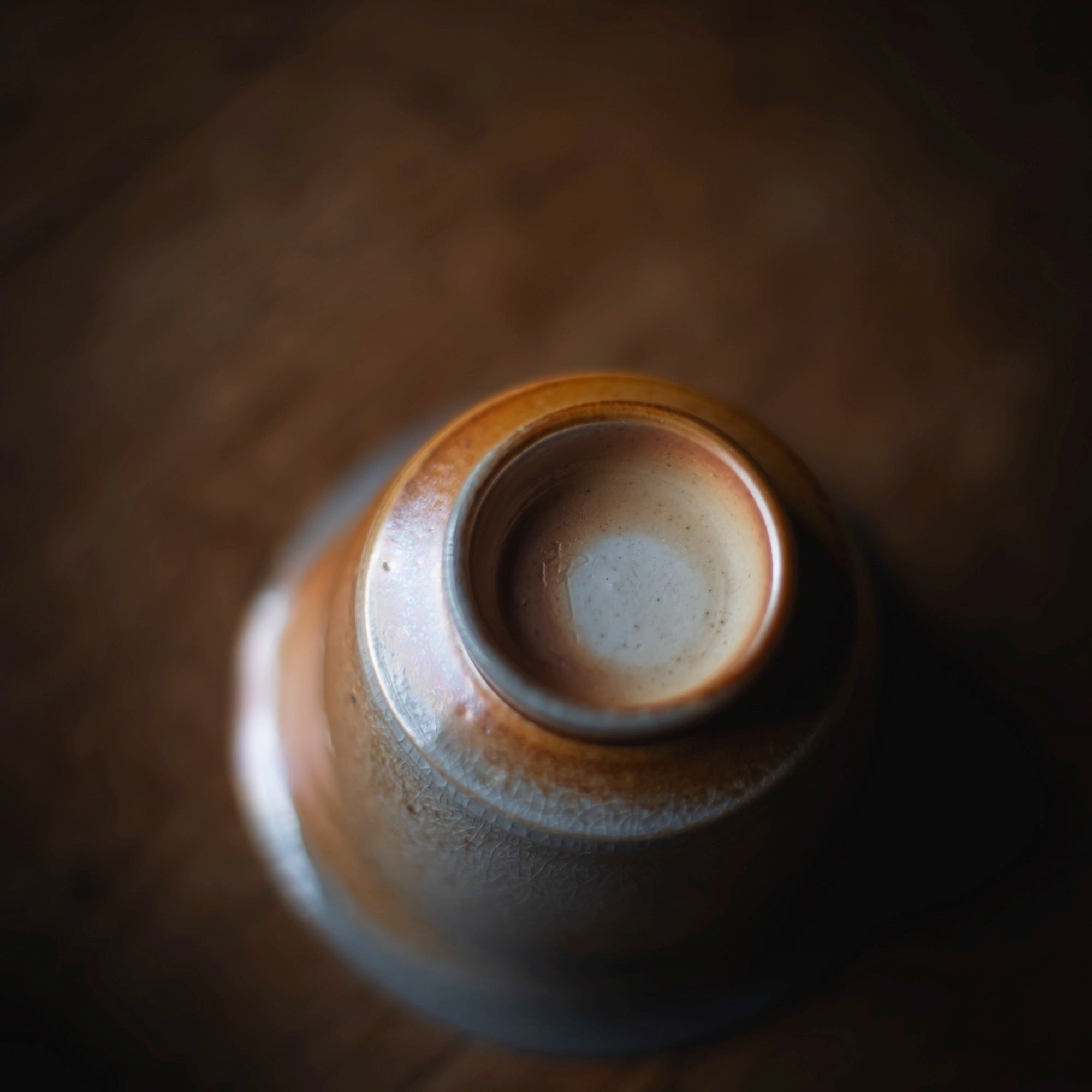
A gaiwan is the Chinese brewing vessel in its simplest form: a bowl, a lid and, on some pieces, a saucer. The leaves go into the bowl and the water on top, and after a short steeping the lid is tilted to leave a small gap and the tea is poured out over it. Because there is no spout and no filter, a gaiwan works for every kind of leaf, and because porcelain does not take on flavour, the same gaiwan can brew an oolong in the morning and a puerh in the evening. Around 60 gaiwan have passed through this collection since 2023, and the pieces in stock are listed first.
Which Size For Which Tea
The gaiwan here hold 40 to 150 ml. 80 to 120 ml is the size for one person at the gongfu table: 5 g of oolong or puerh, filled to just below the rim, poured out completely into a chahai after 10 to 30 seconds and steeped again eight or ten times. 40 to 70 ml is the tasting size for a single cup or for a shaded Japanese tea. 150 ml serves two people. For three or four guests a 200 ml teapot pours more comfortably than a large gaiwan, because a full bowl of that size is heavier and hotter at the rim than two fingers can hold.
Porcelain, Glass Or Clay
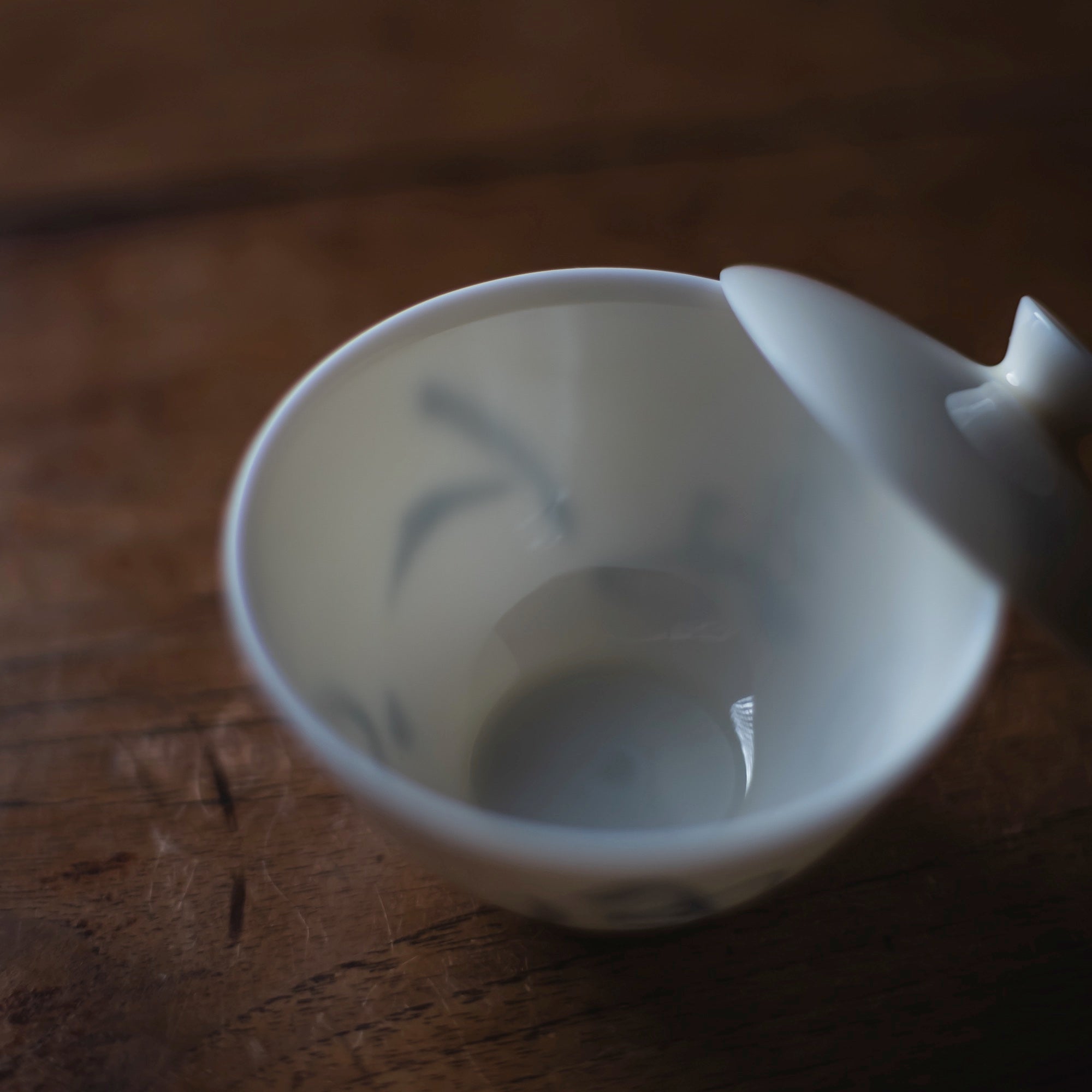
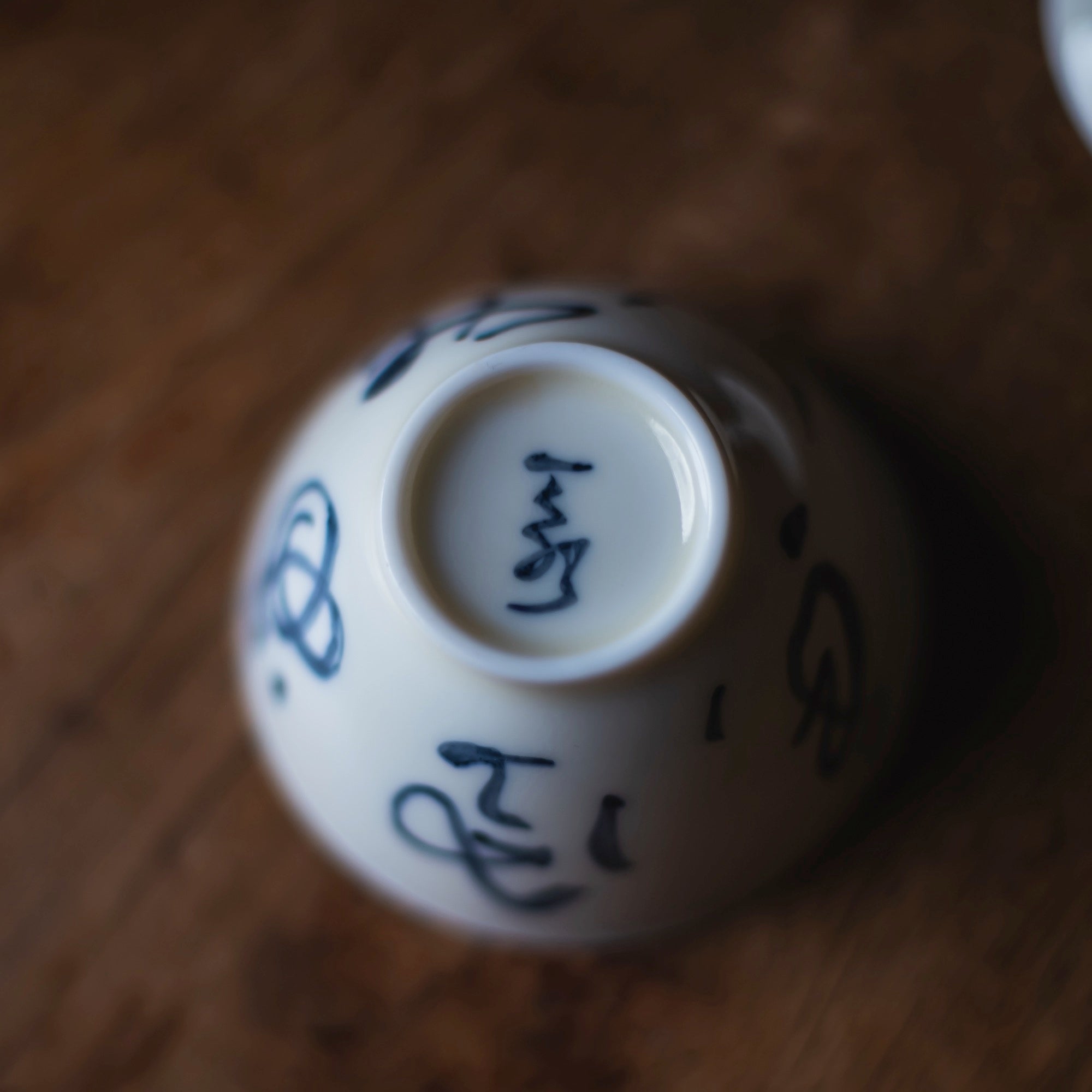
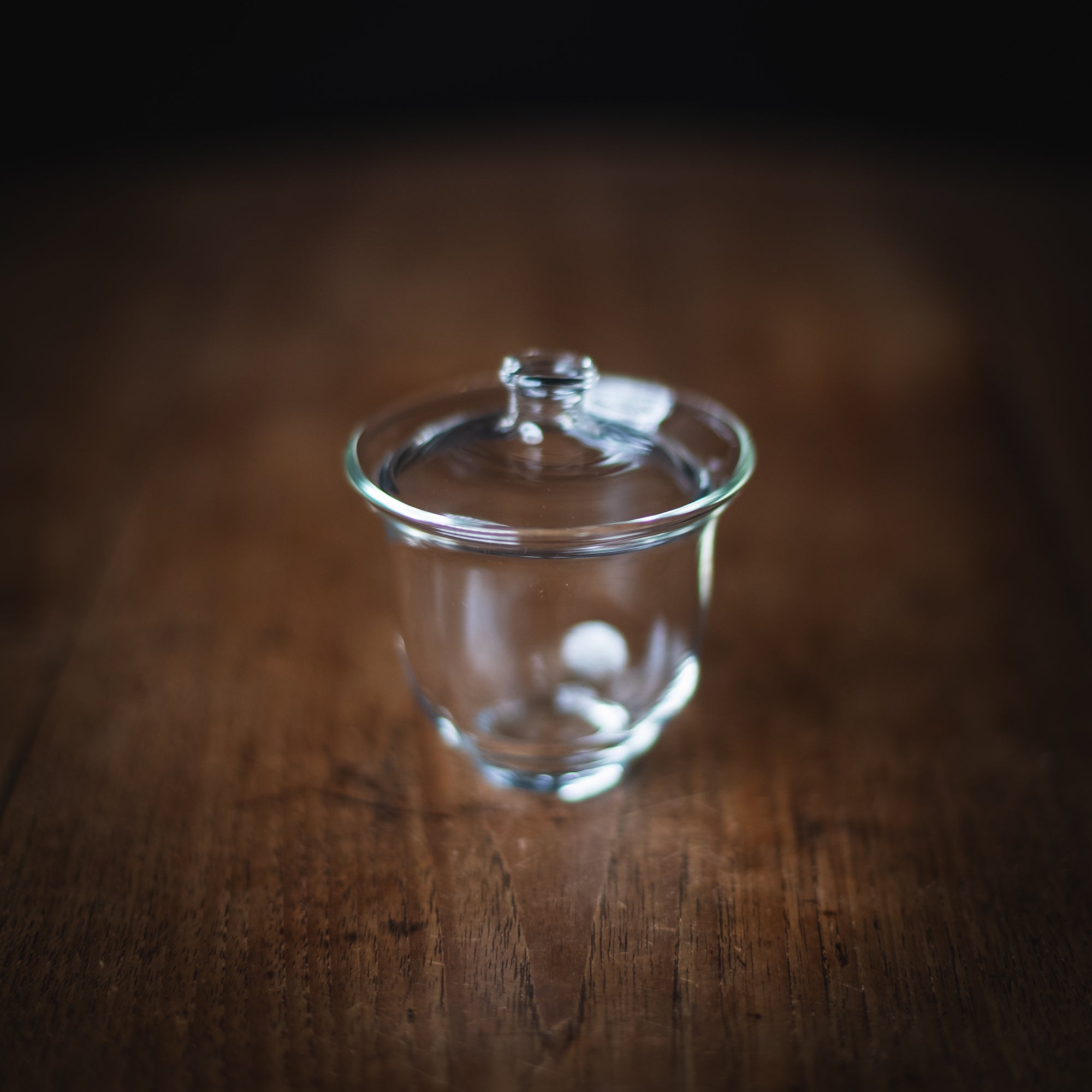
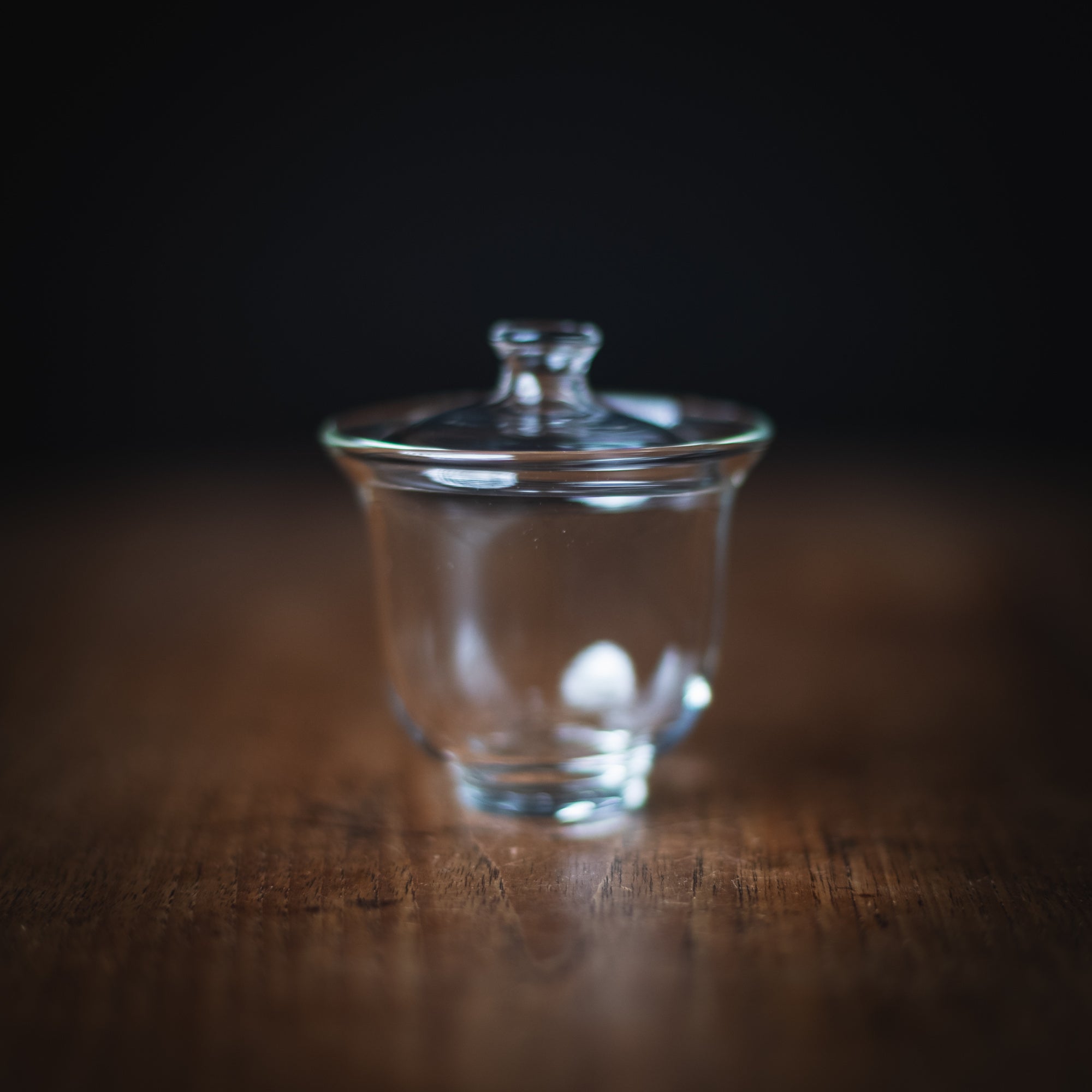
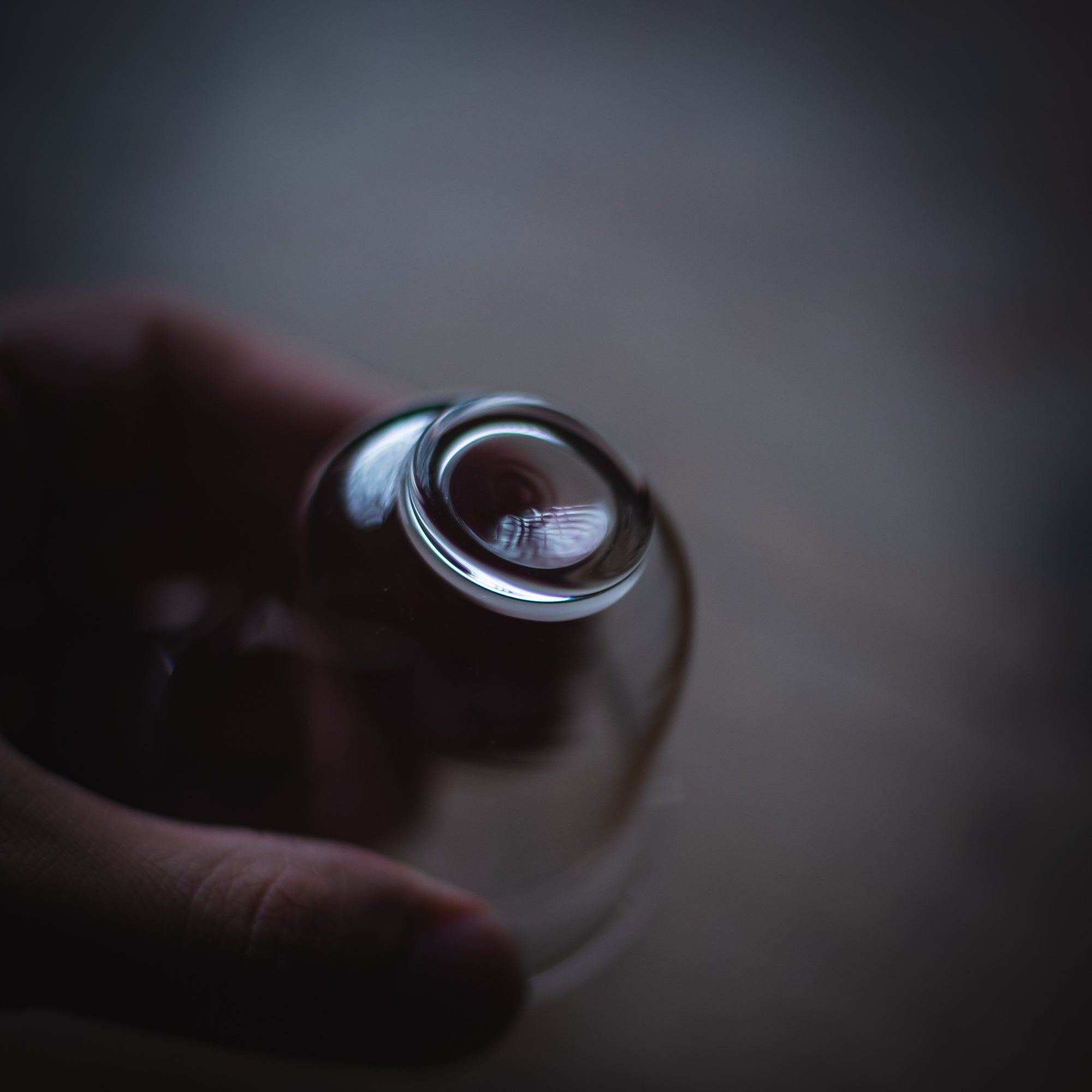
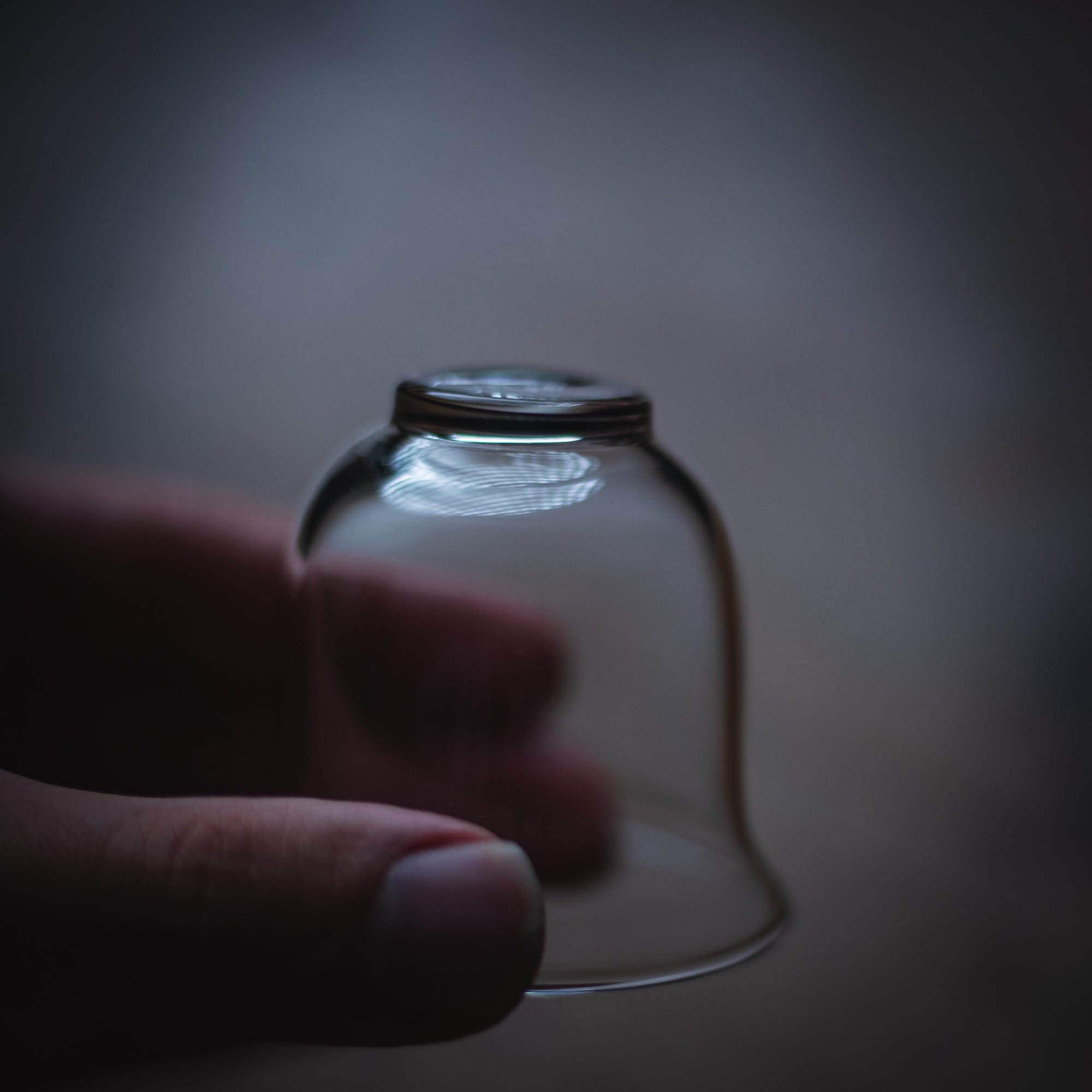
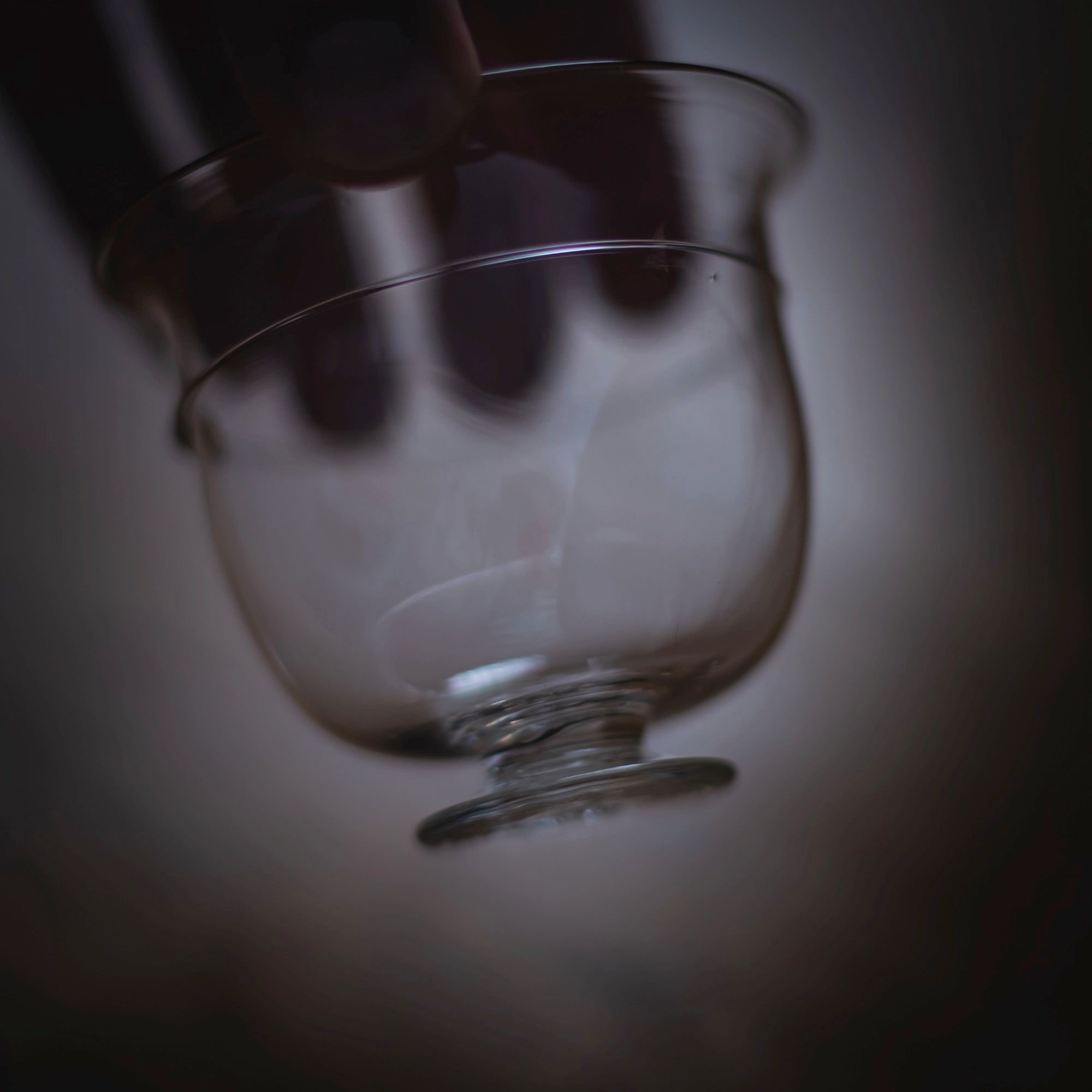
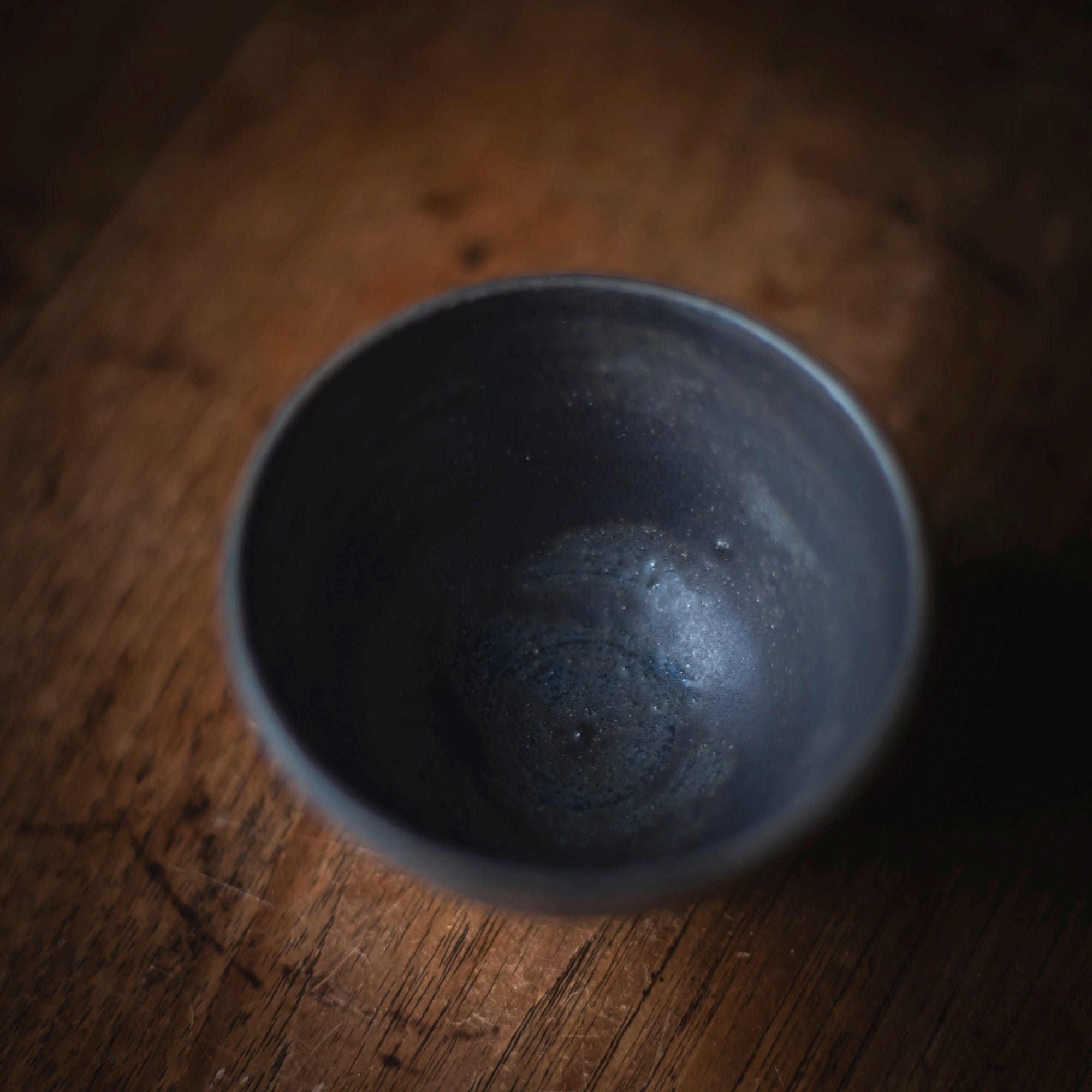
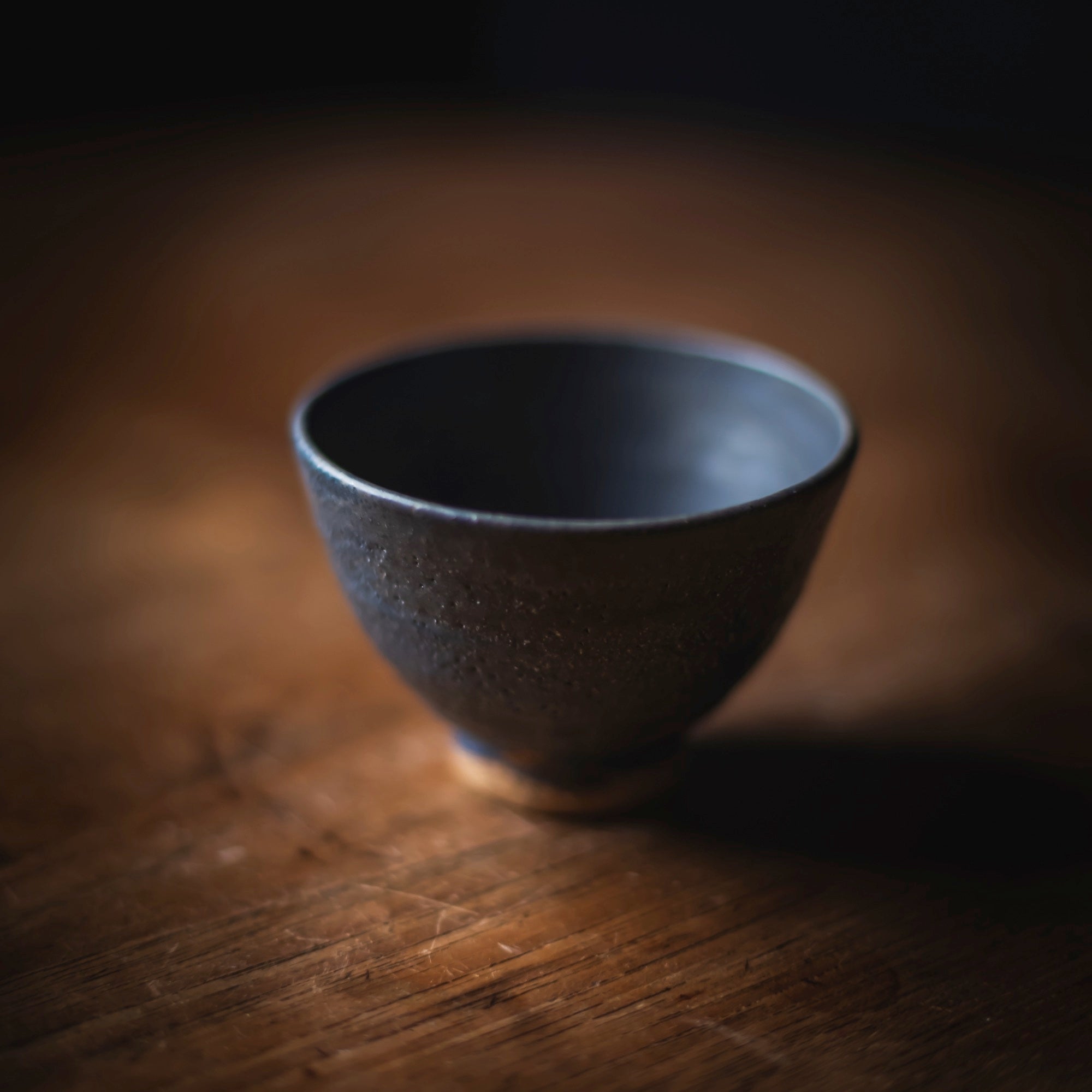
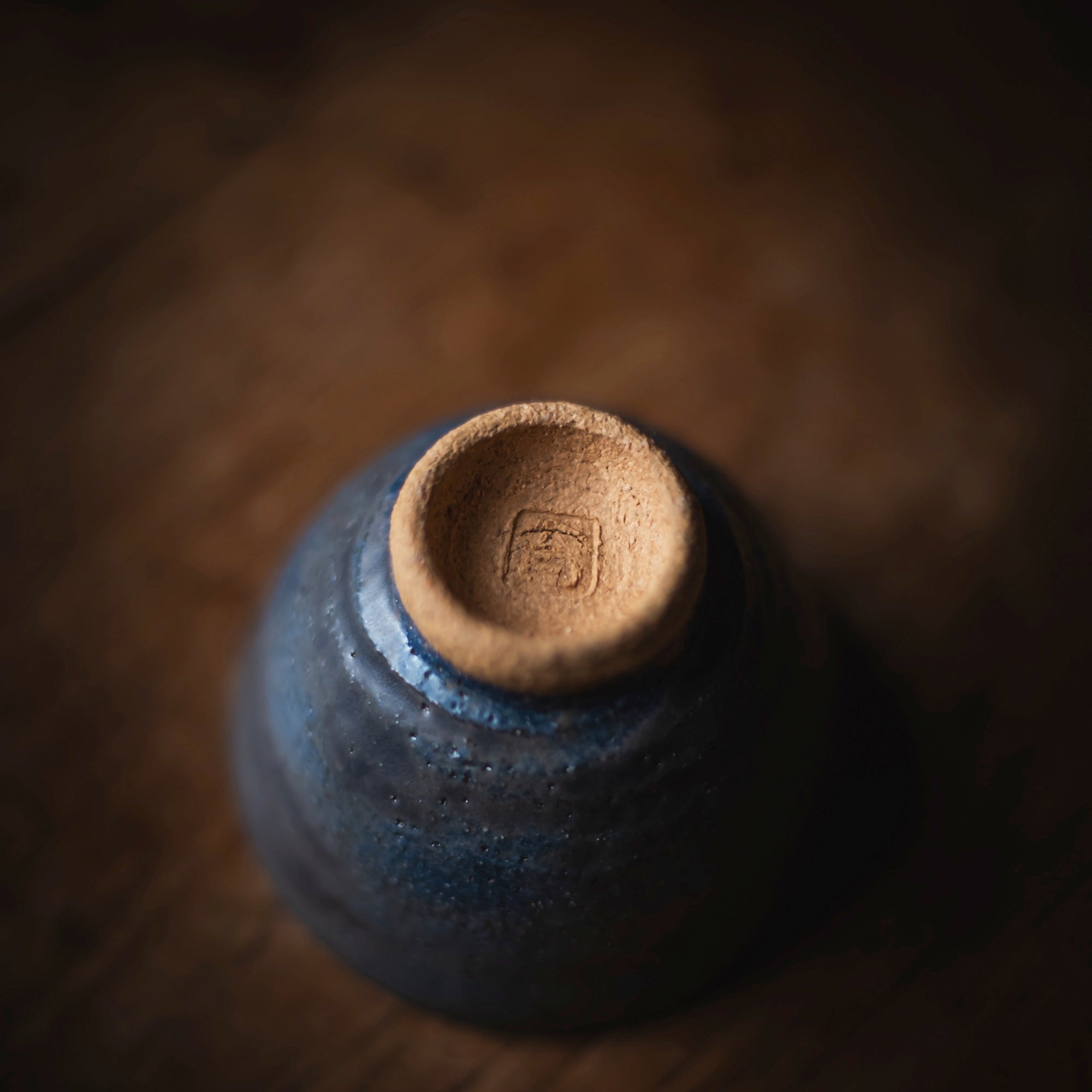
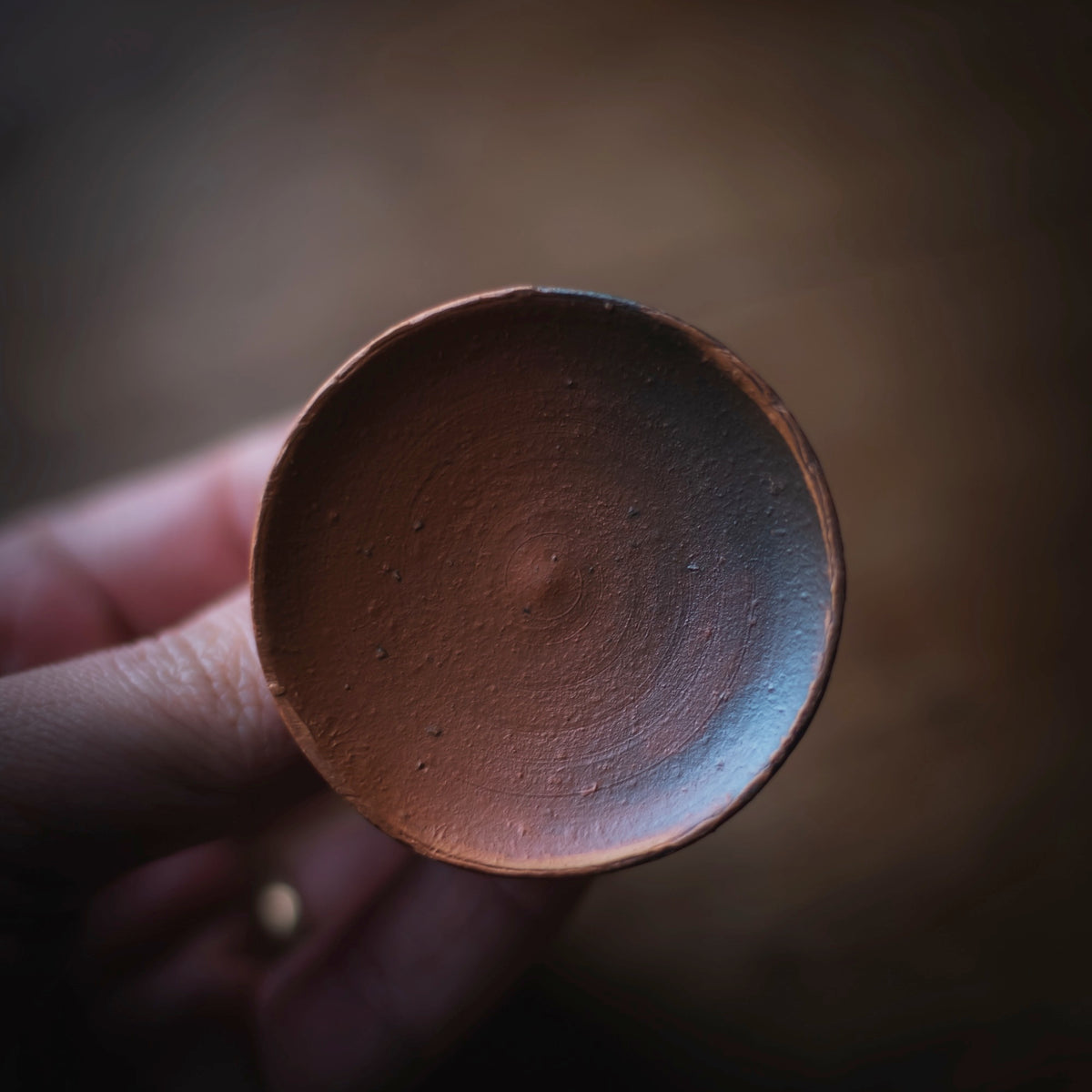
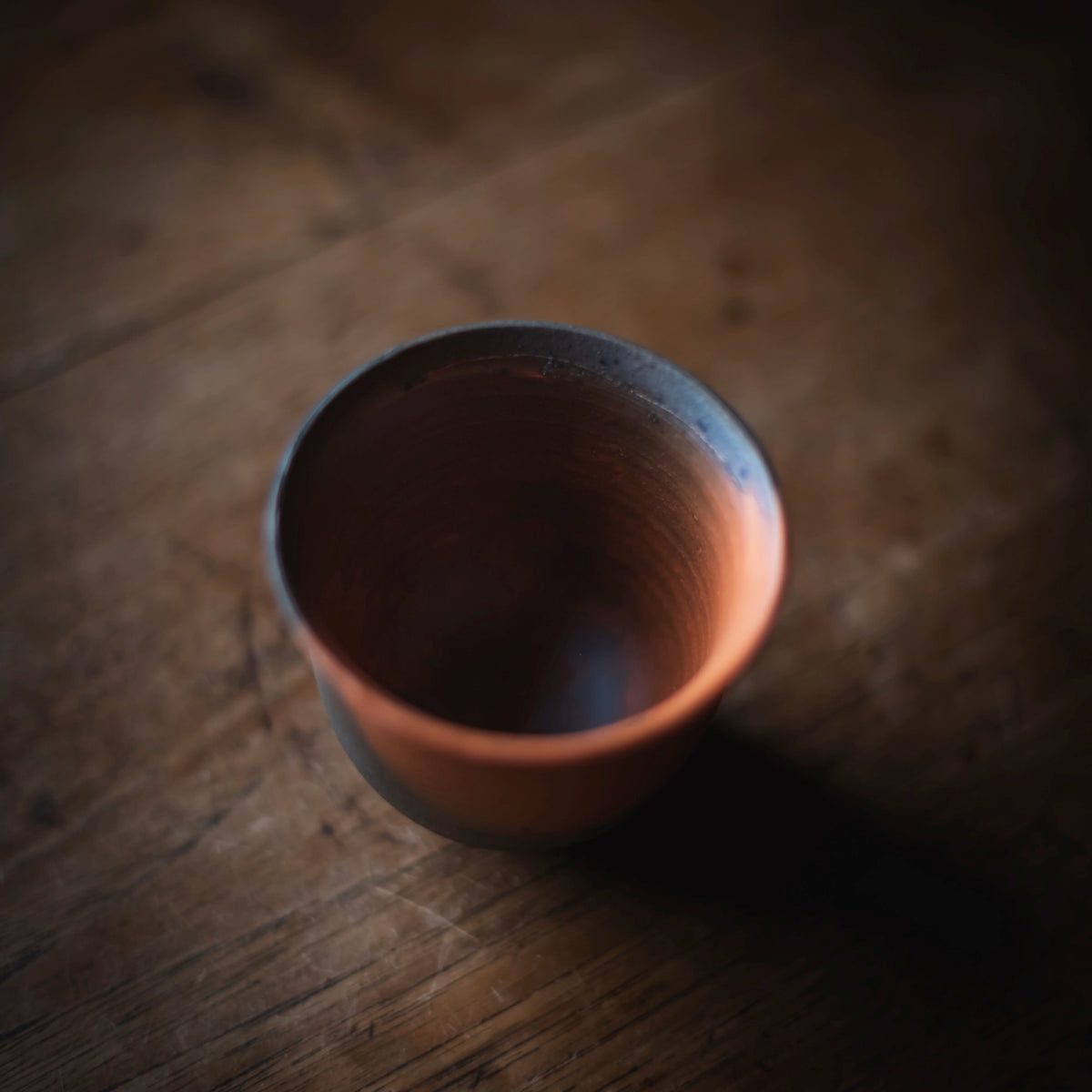
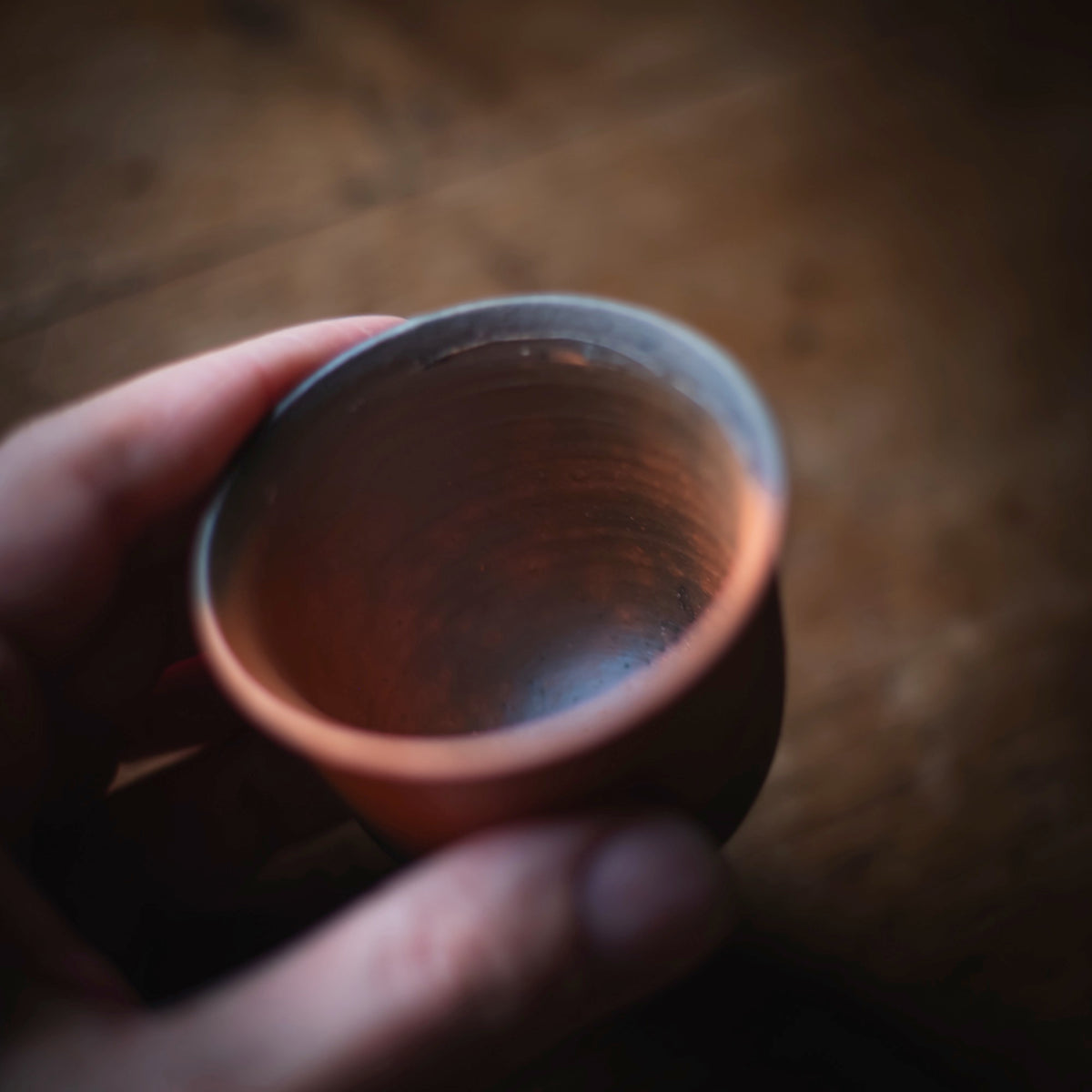
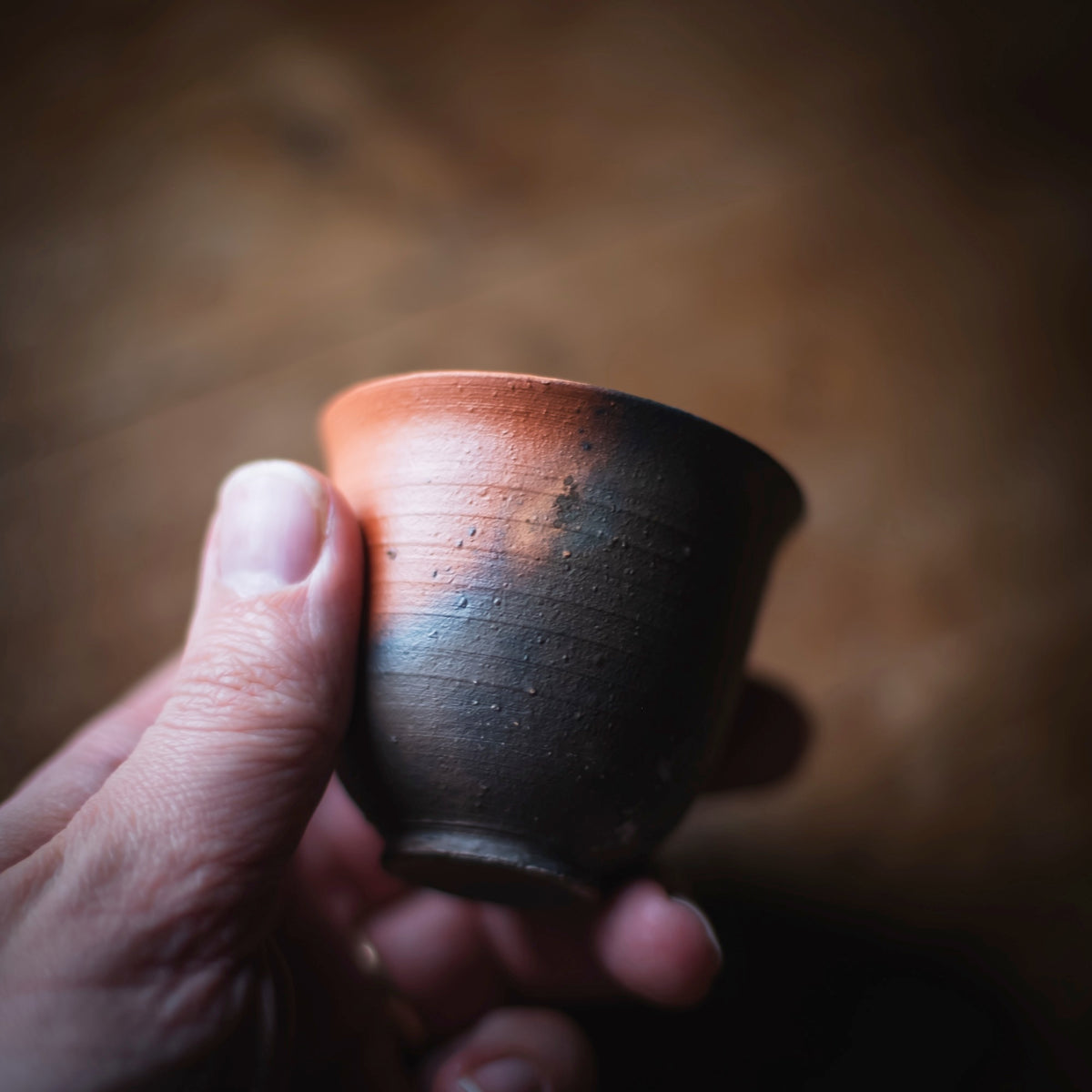
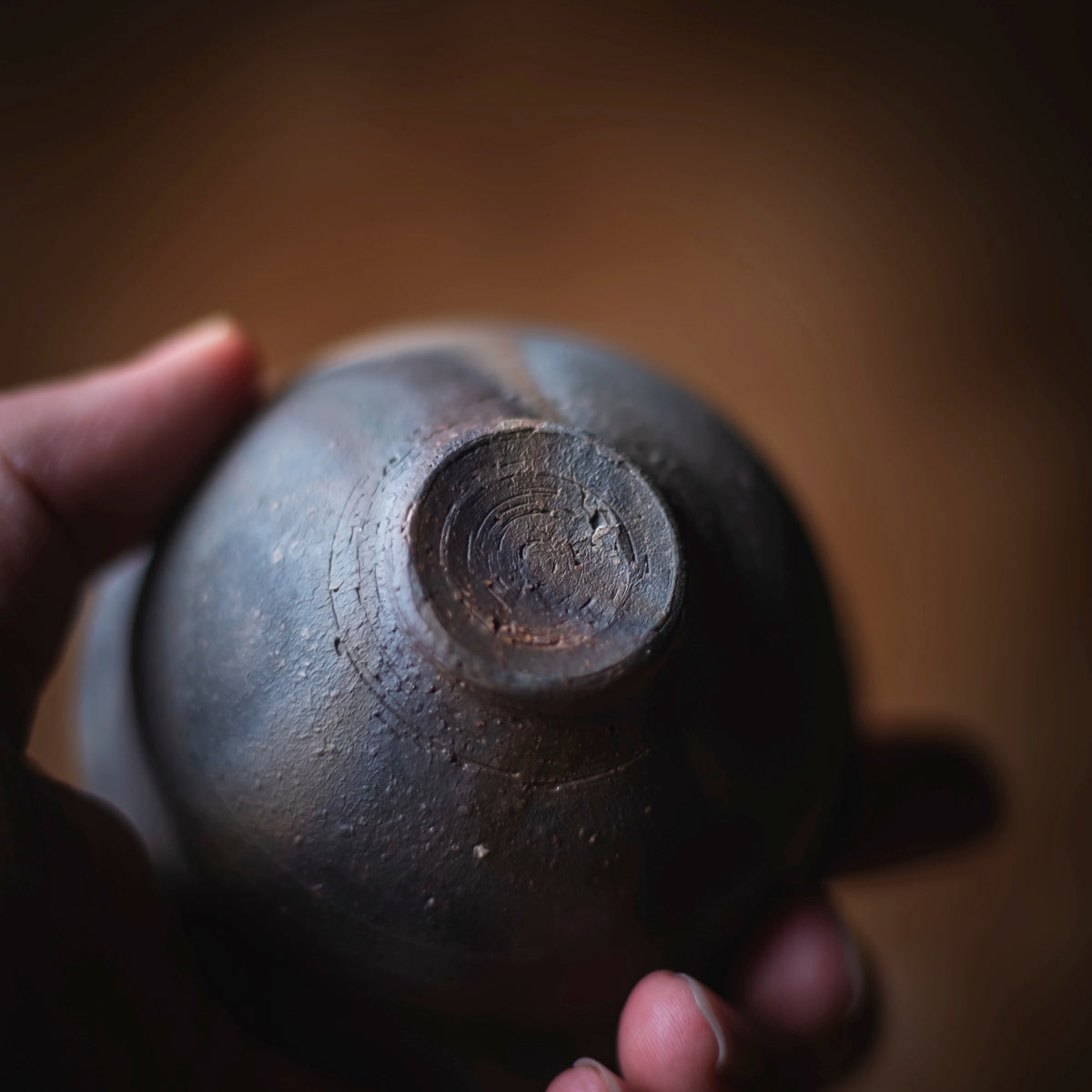
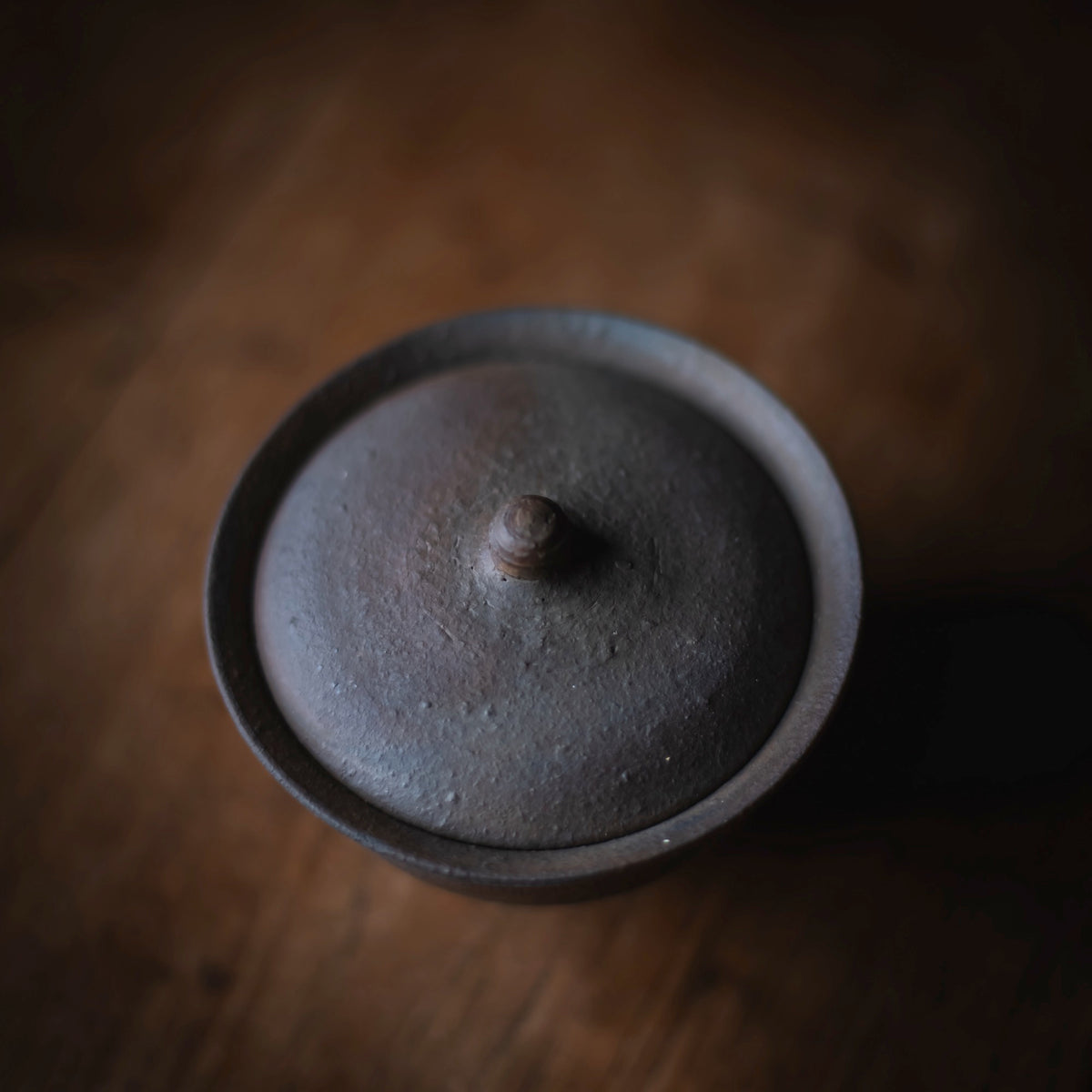
Dehua porcelain by Hong Jianpeng, hand-painted, faceted or plain white, is the classic gaiwan: thin walls, a flared rim that stays cool enough to hold, and a white inside that shows the colour of the tea. David Louveau's hakuji gaiwan are the same idea from a porcelain maker in Sweden who trained in Japan, with a matte white glaze in small sizes. Glass gaiwan by Torimoto Glass Studio from Kyoto and Daigo Kikuchi from Toyama (120 ml) show the leaf opening, which is why many people start with one for green and white tea. Unglazed clay gaiwan, like the terra sigillata pieces by Perrine Pottiez and the Kulun gaiwan by Buchangqi that came through this collection, hold heat longer and take on the tea over time, so they are usually kept for one kind of tea.
How The Gaiwan Is Held
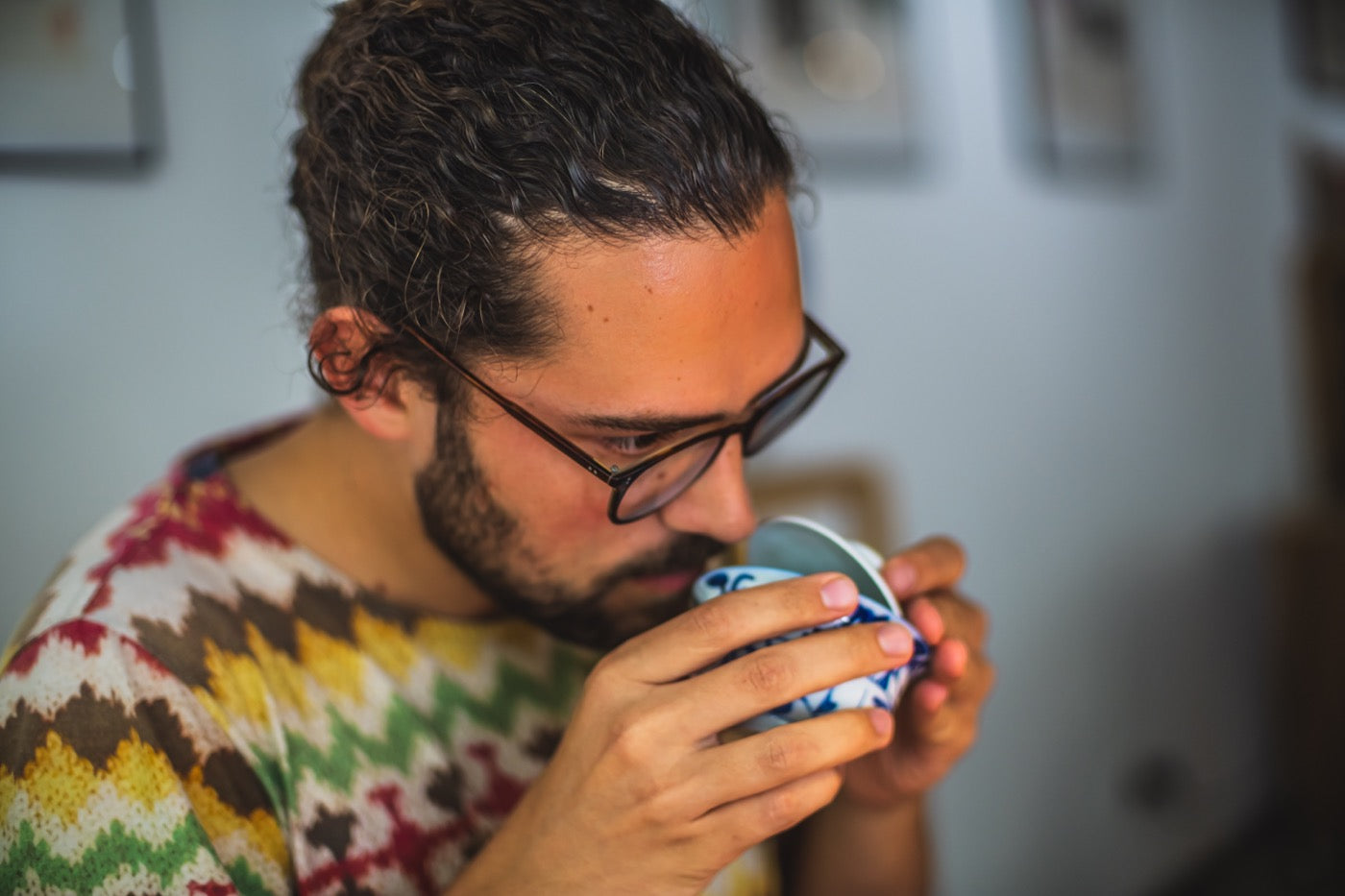
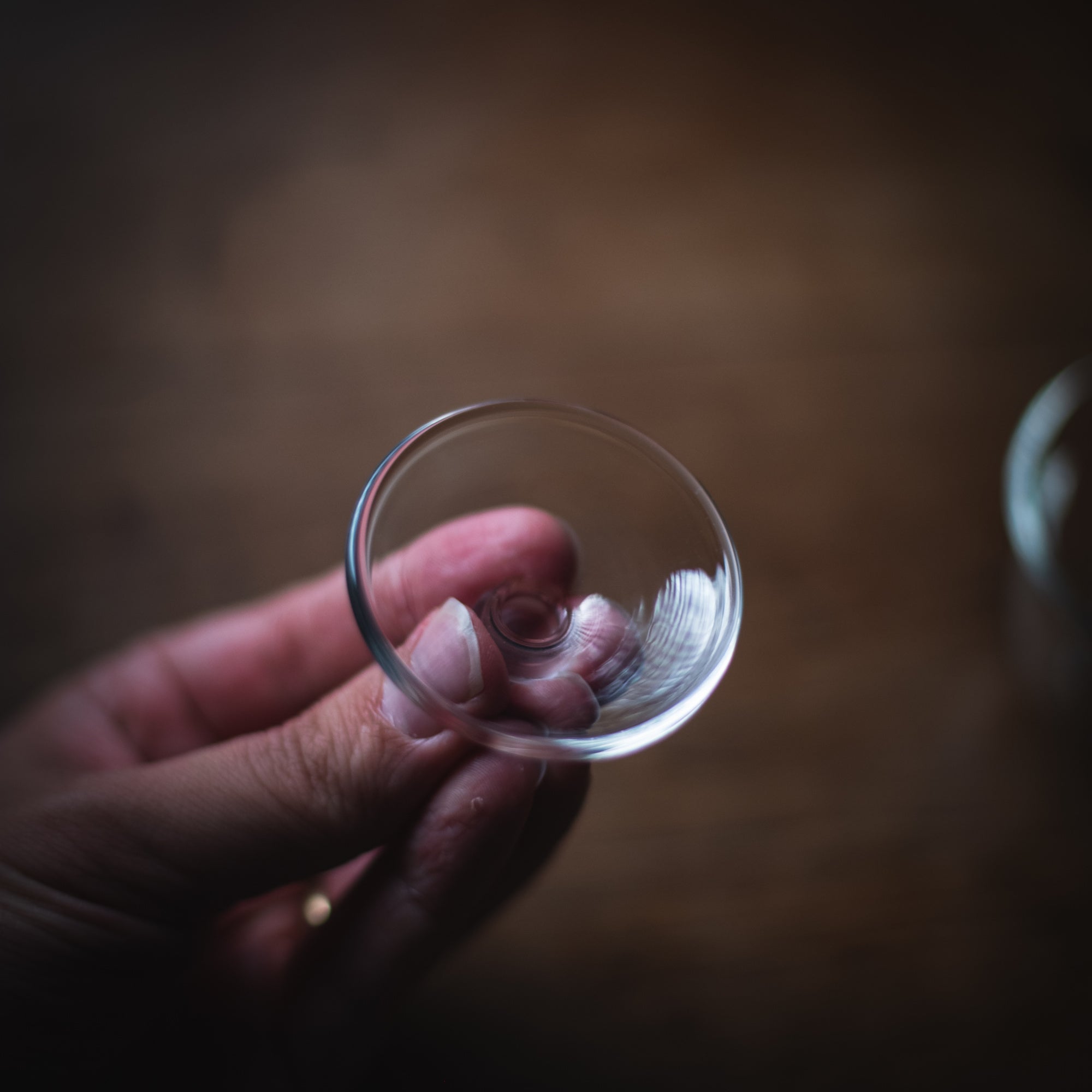
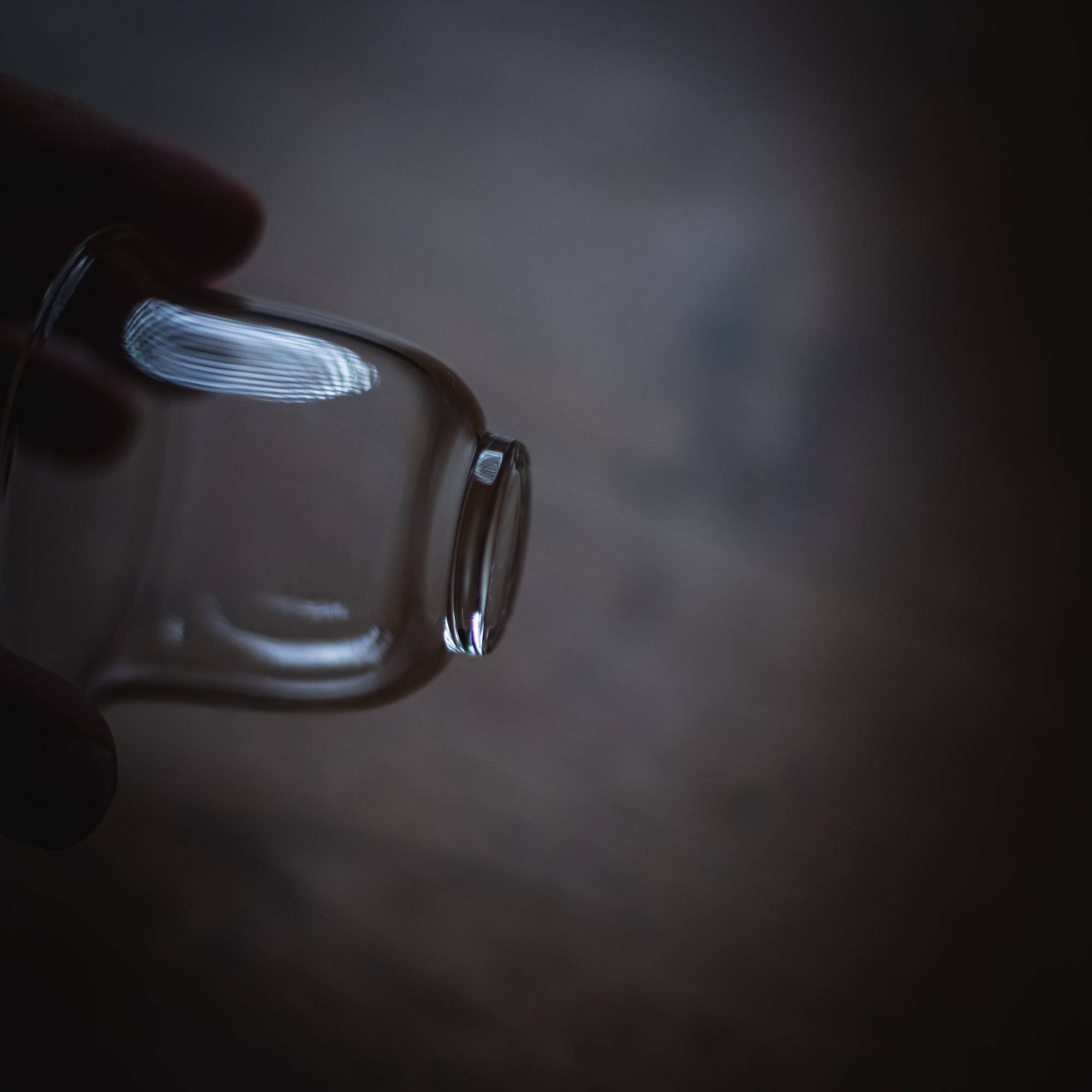
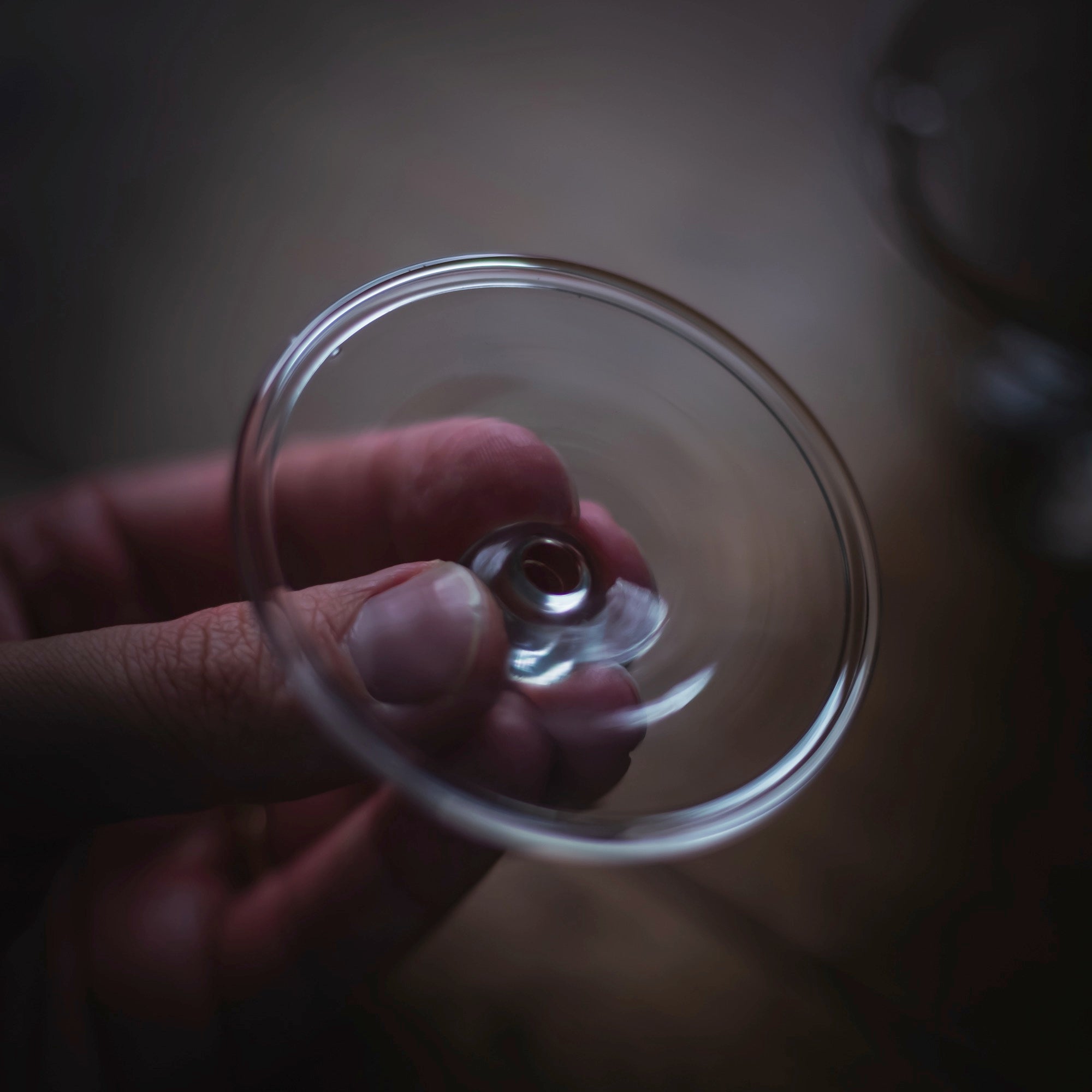
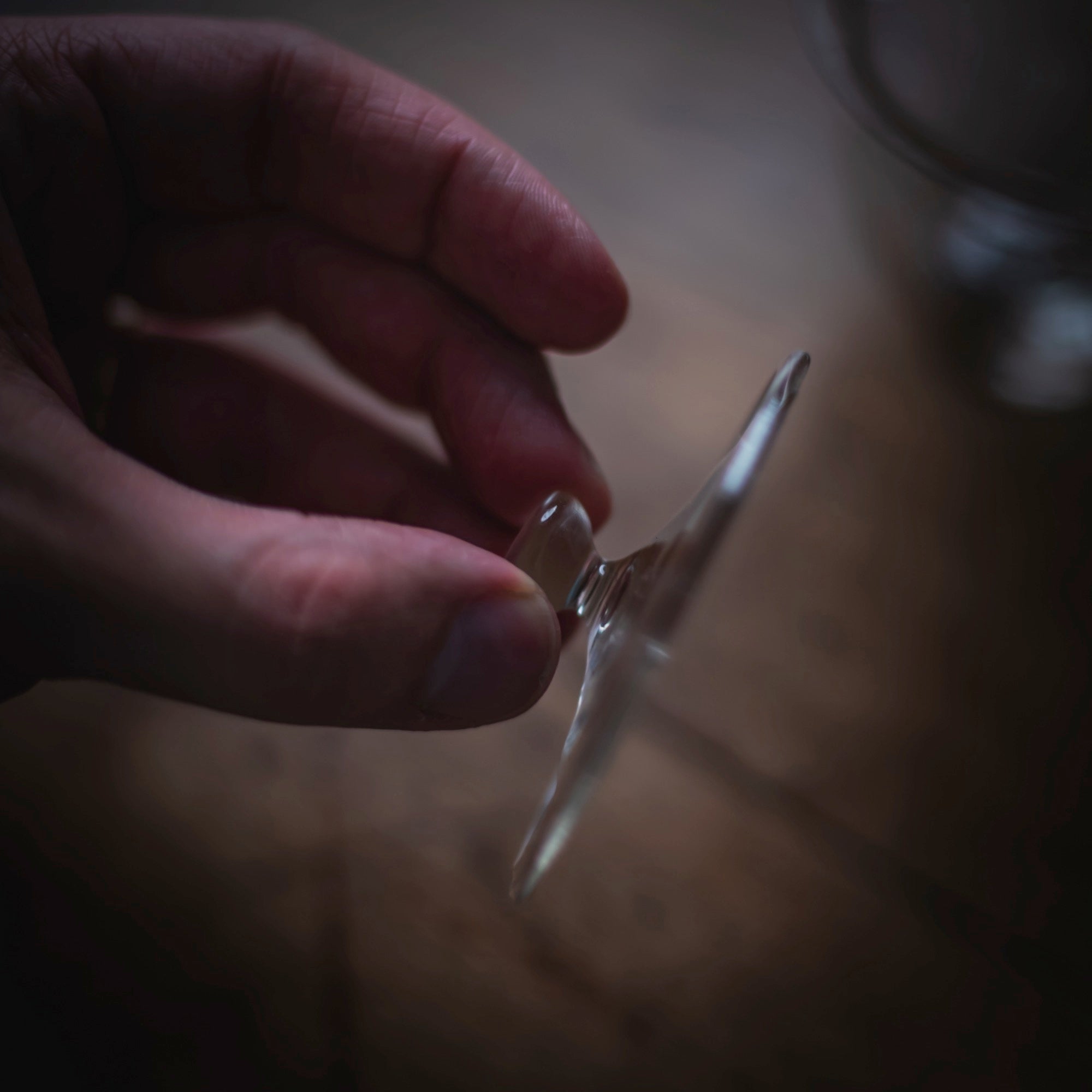
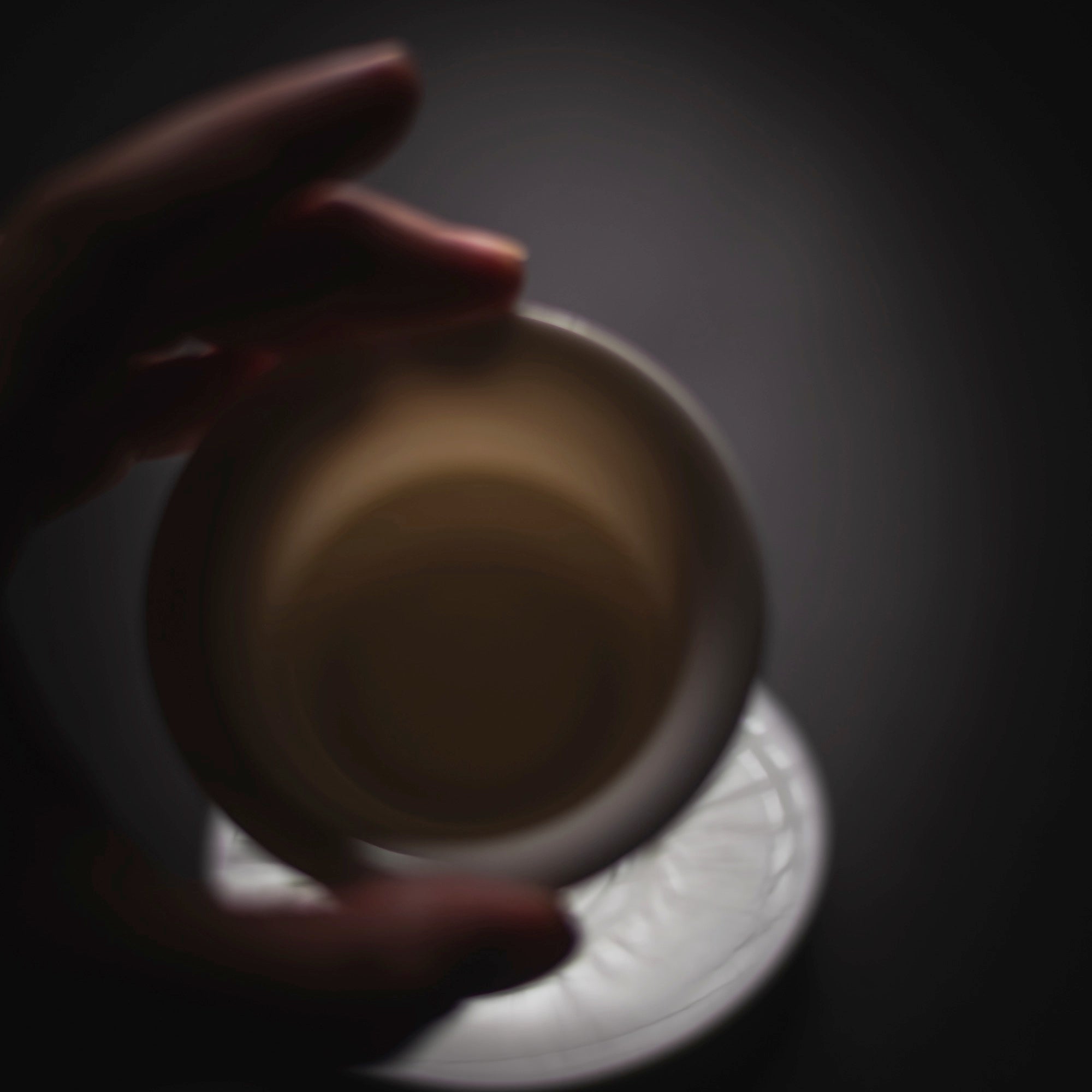
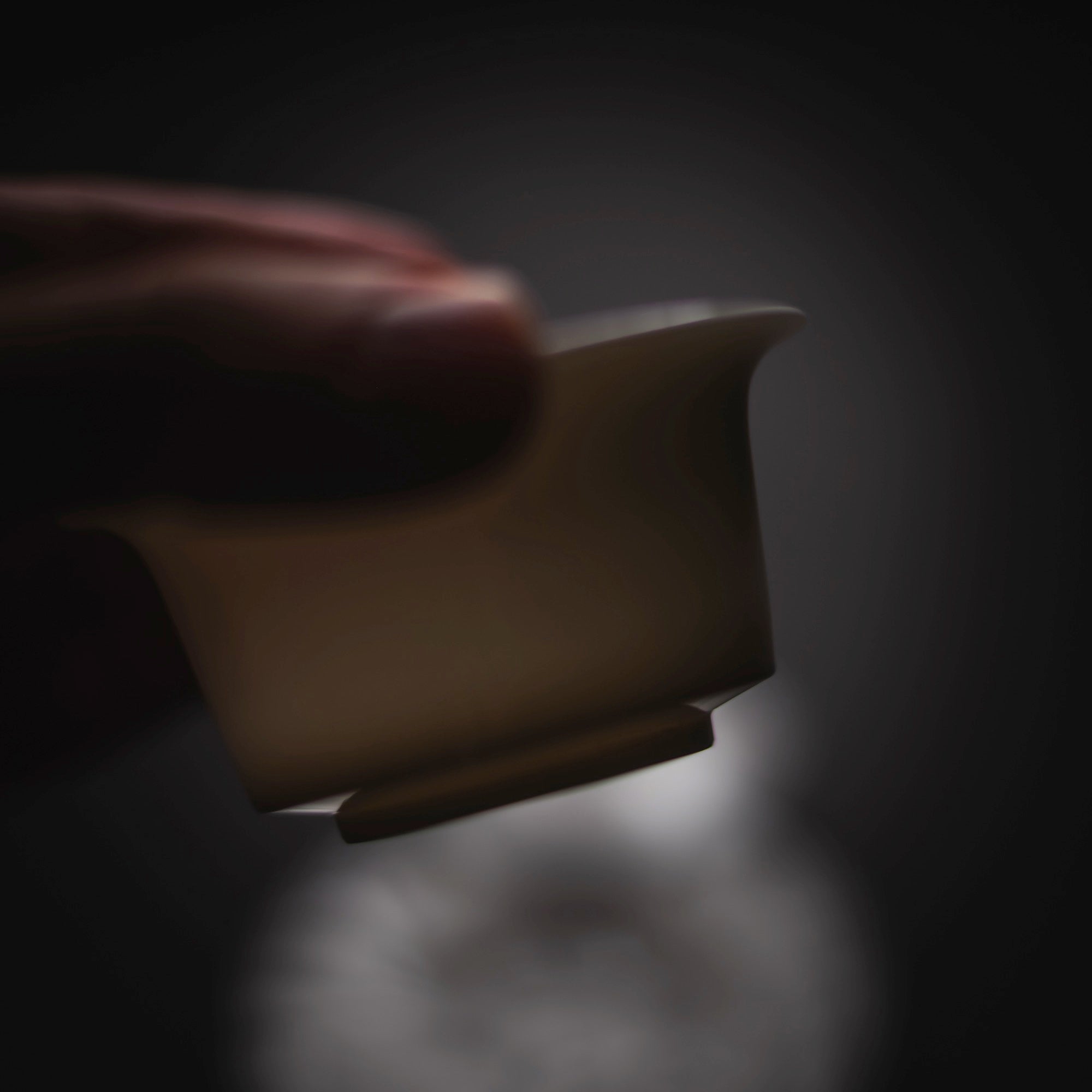
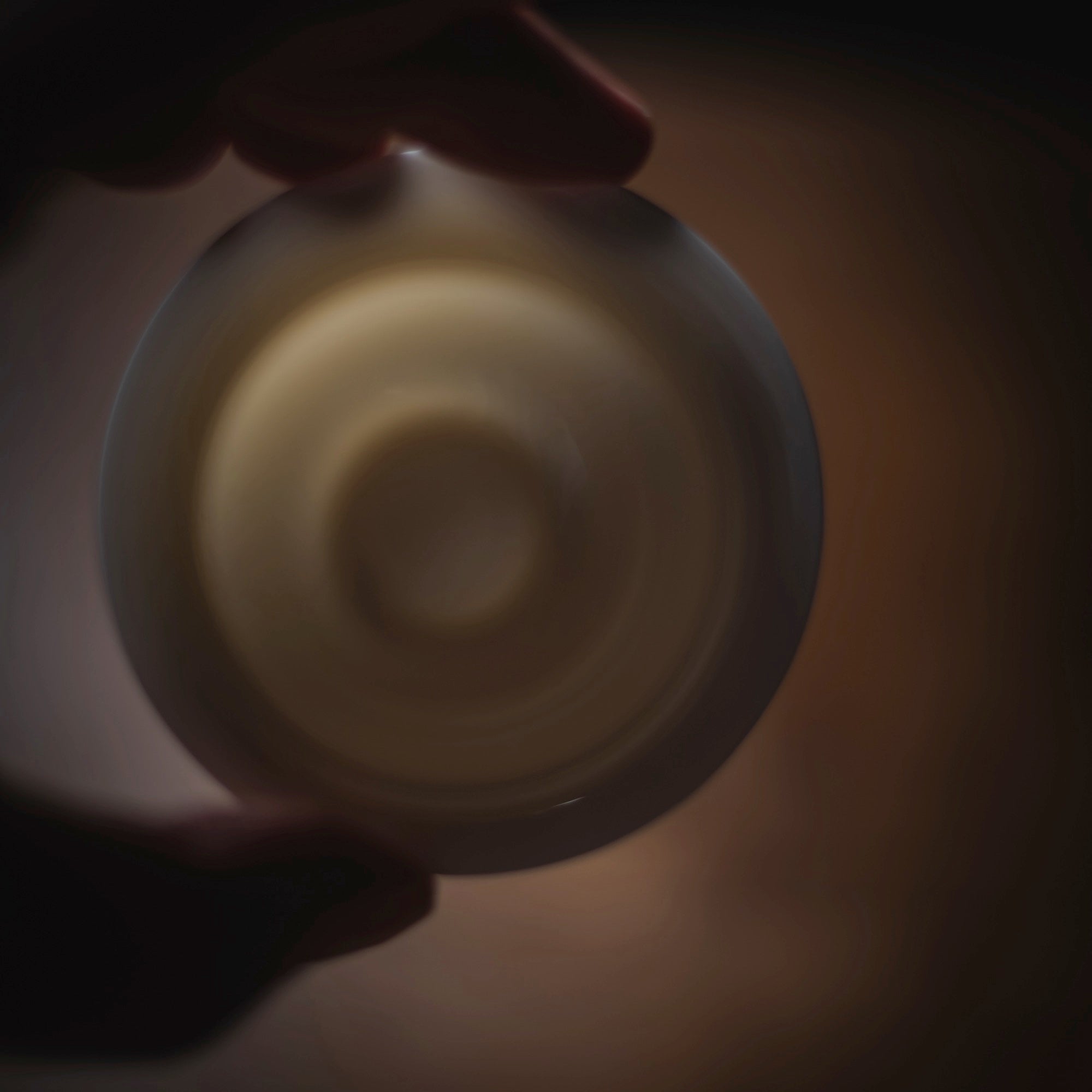
The bowl is held at the rim between thumb and middle finger, the index finger rests on the knob of the lid, and the lid is tilted to a gap of a few millimetres before pouring. Poured in one steady motion, the tea comes out clear and the leaves stay in the bowl. Filling to just below the rim, not to the top, is what keeps the rim cool. Our gaiwan guide goes through this step by step, with the teas that suit it best from the oolong and puerh collections. The Japanese cousins of the gaiwan, the shiboridashi and hohin, and the gongfu cups to drink from have their own rows.