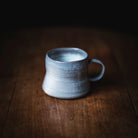
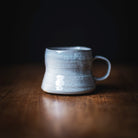
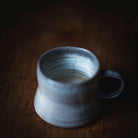
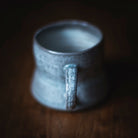
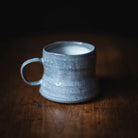
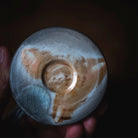
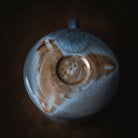
Soda-fired Mug #004
Mug, Porcelain, soda-fired (partial glaze)
ca. 190ml
Mug, Porcelain, soda-fired (partial glaze)
ca. 190ml
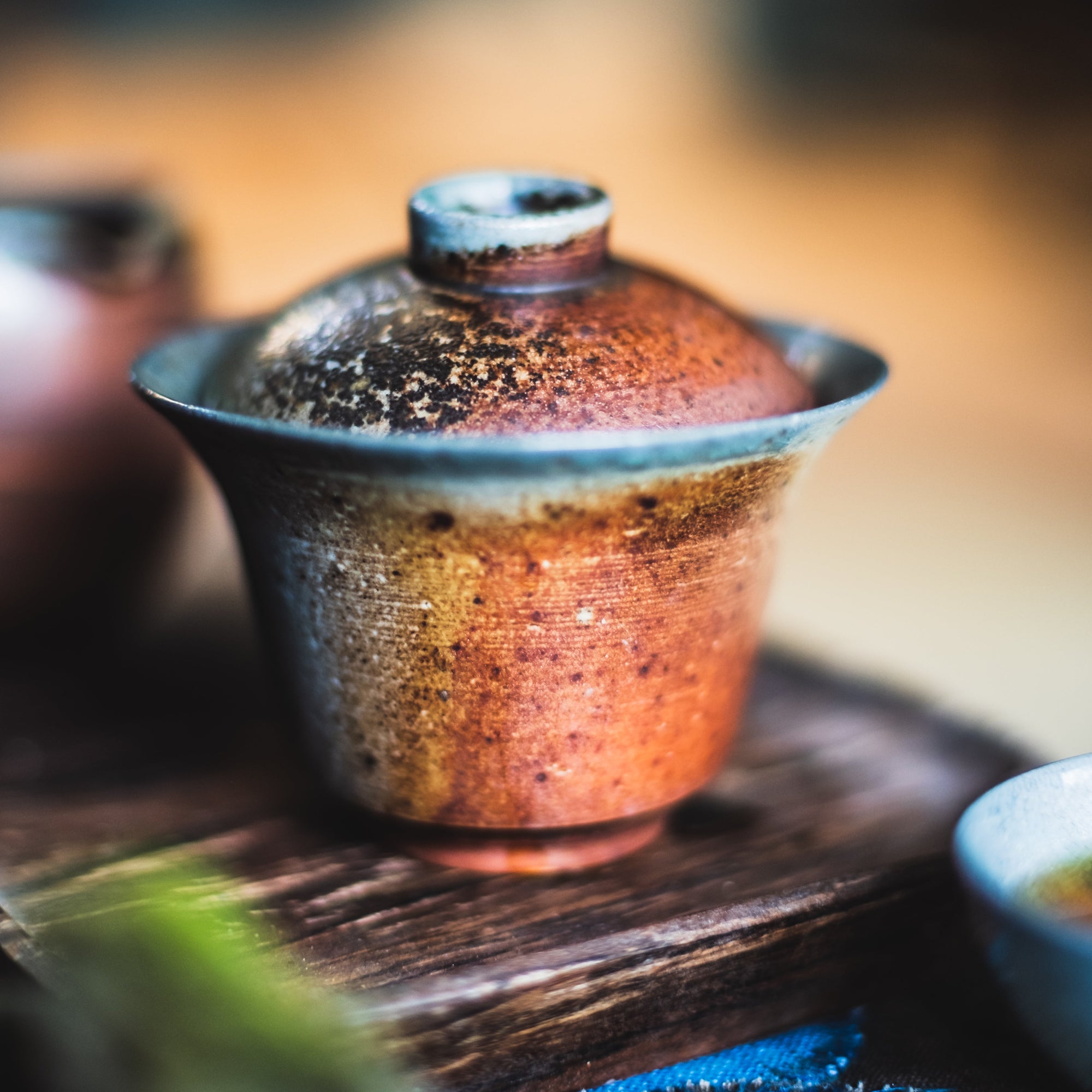
Wang Yufeng gründete das Nánjiāo Studio 2011 mit dem Ziel, Keramiken zu schaffen, die die heilende Kraft der Natur widerspiegeln. Mit über einem Jahrzehnt Hingabe an das Sodabrand-Verfahren strahlen seine Arbeiten eine rustikale Eleganz aus – feine Porzellanformen, gemalt von Feuer und Erde. Jedes Stück ist ein stilles Gespräch zwischen Künstler, Ofen und Natur.
(Jiangxi, China )
Jingdezhen ist nicht nur die Porzellanhauptstadt der Welt, sondern hat sich in den letzten Jahrzehnten auch zu einem wichtigen Zentrum der chinesischen Kunsthandwerksszene entwickelt – insbesondere im Bereich Teekeramik. Dies betrifft nicht nur Porzellankünstler, sondern auch Kunstschaffende, die mit anderen Materialien wie Steinzeug, Glas, Metall, Holz und Textilien arbeiten.

Der Mensch hinter UNEARTHED
Seit über 15 Jahren sammle ich Keramik und trinke sehr ernsthaft Tee. Diese Erfahrung fließt jetzt vollständig in das Finden und Kuratieren von großartigen Stücken und großartigem Tee.
Wir verkaufen nur, was mir persönlich sehr gut gefällt, und dazu gehört auch der Tee, den ich selbst jeden Tag trinke. Ich wähle jeden Maker selbst aus. Ich probiere jeden Tee, bevor er in den Shop kommt. Ich reise nach Japan und China, um die Menschen zu treffen, die herstellen, was wir verkaufen.
Bis heute liegt das gesamte Vorhaben von Anfang bis Ende in meinen Händen: Einkauf, Logistik, Fotografie, Wissensvermittlung, Etikettierung und das Packen deiner Pakete.
Unsere Galerie, unser Atelier und unser Teeraum sind ein Ort, an dem die Kunst der Keramik und des Tees erlebt und geteilt wird.
Ähnlich dem Konzept der „Utsuwa-Galerien" in Japan zeigen wir monatlich wechselnde Ausstellungen besonderer Keramiker aus Japan, China und Europa.
Darüber hinaus veranstalten wir regelmäßig Workshops und Tea Experiences und beliefern Cafés und Läden mit Matcha und Zubehör zu Großhandelspreisen.
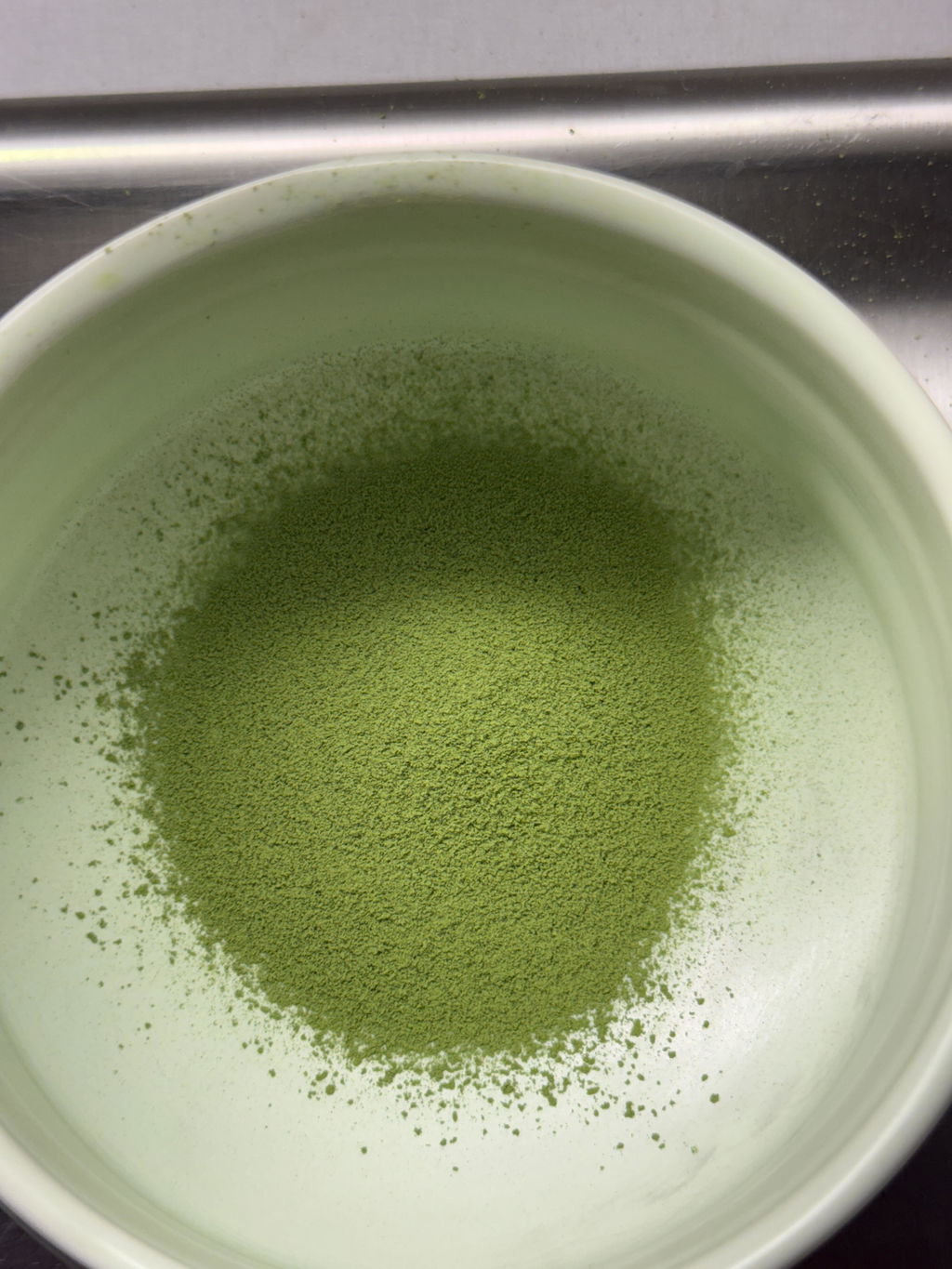
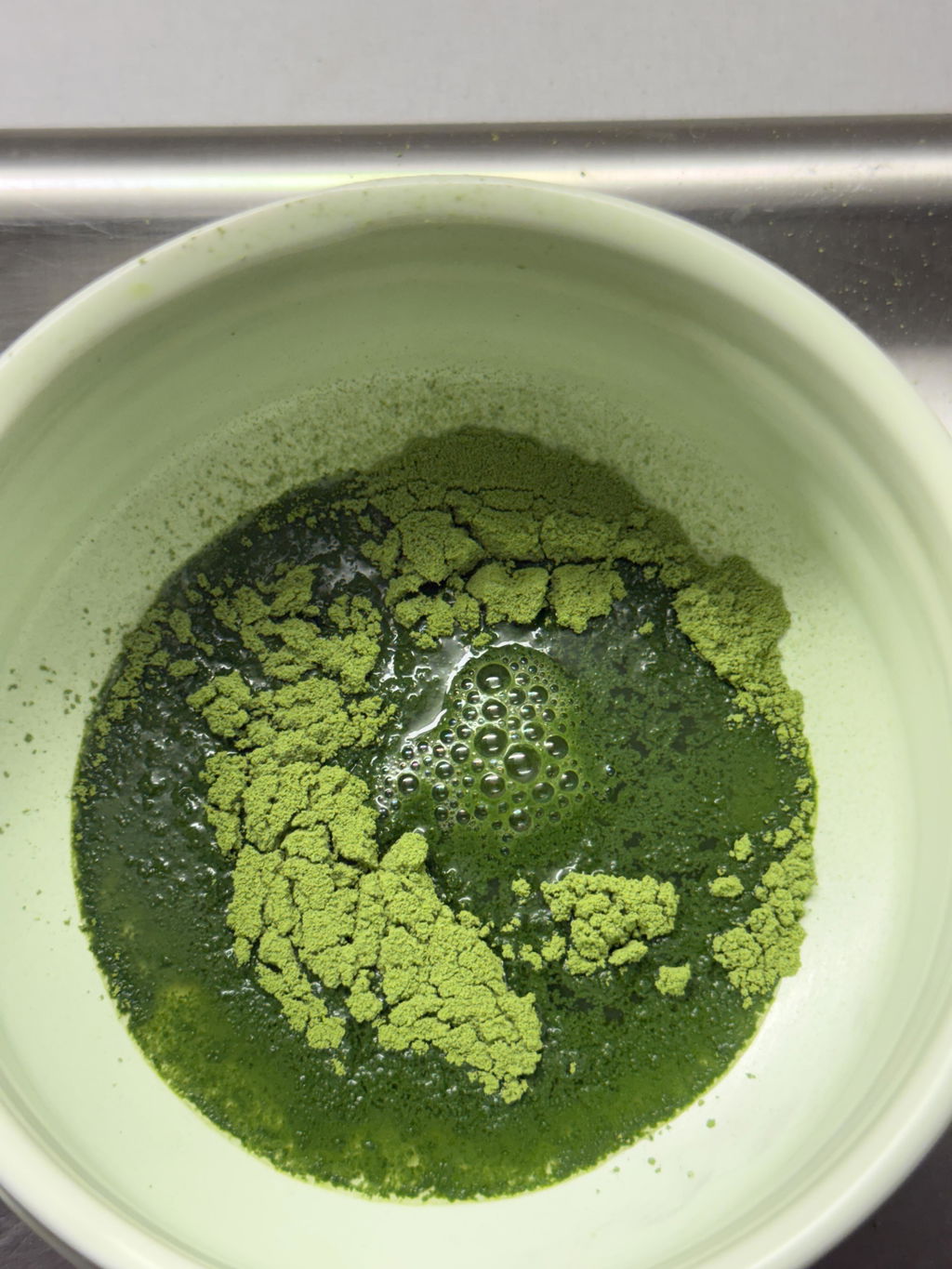
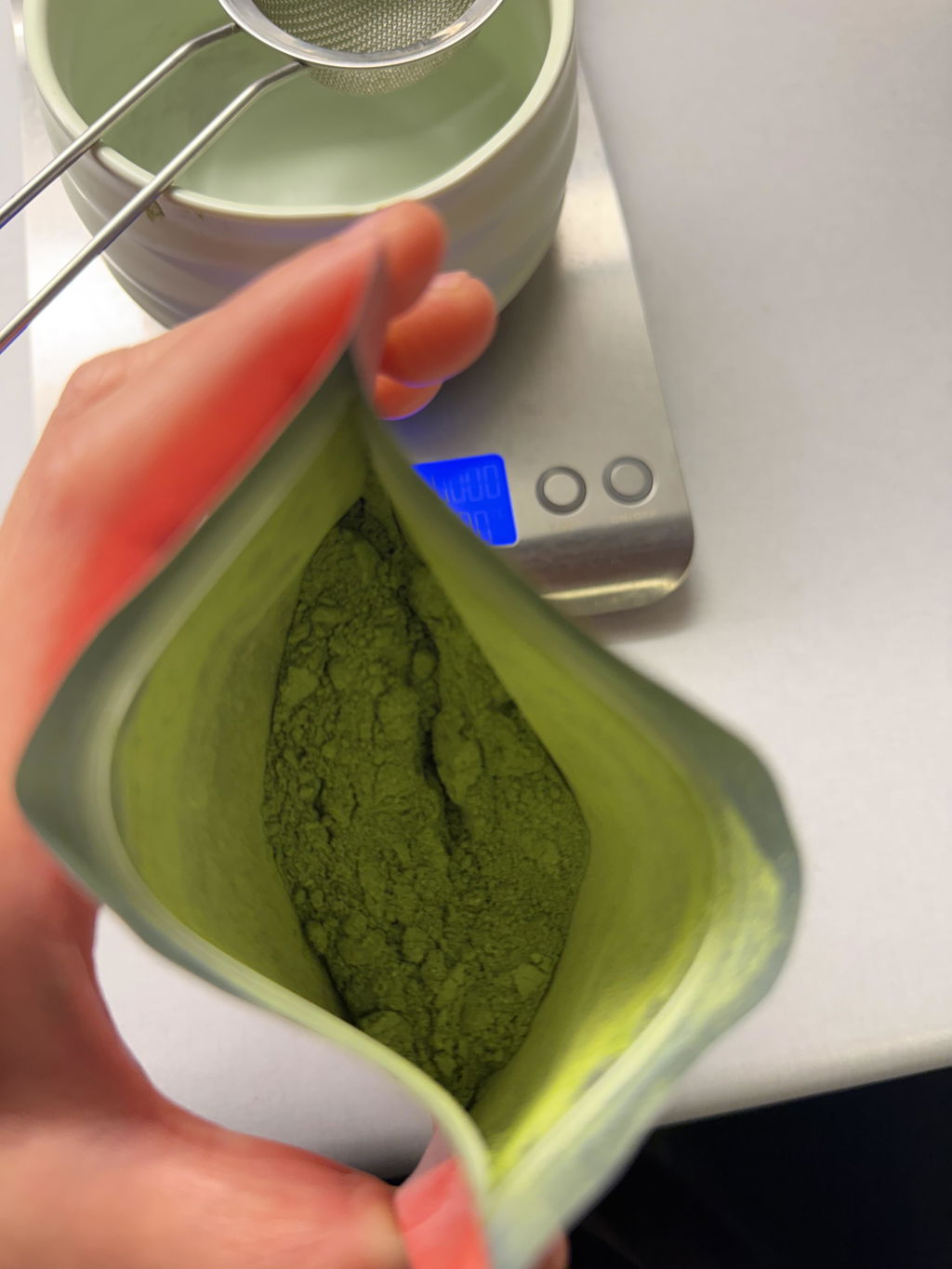
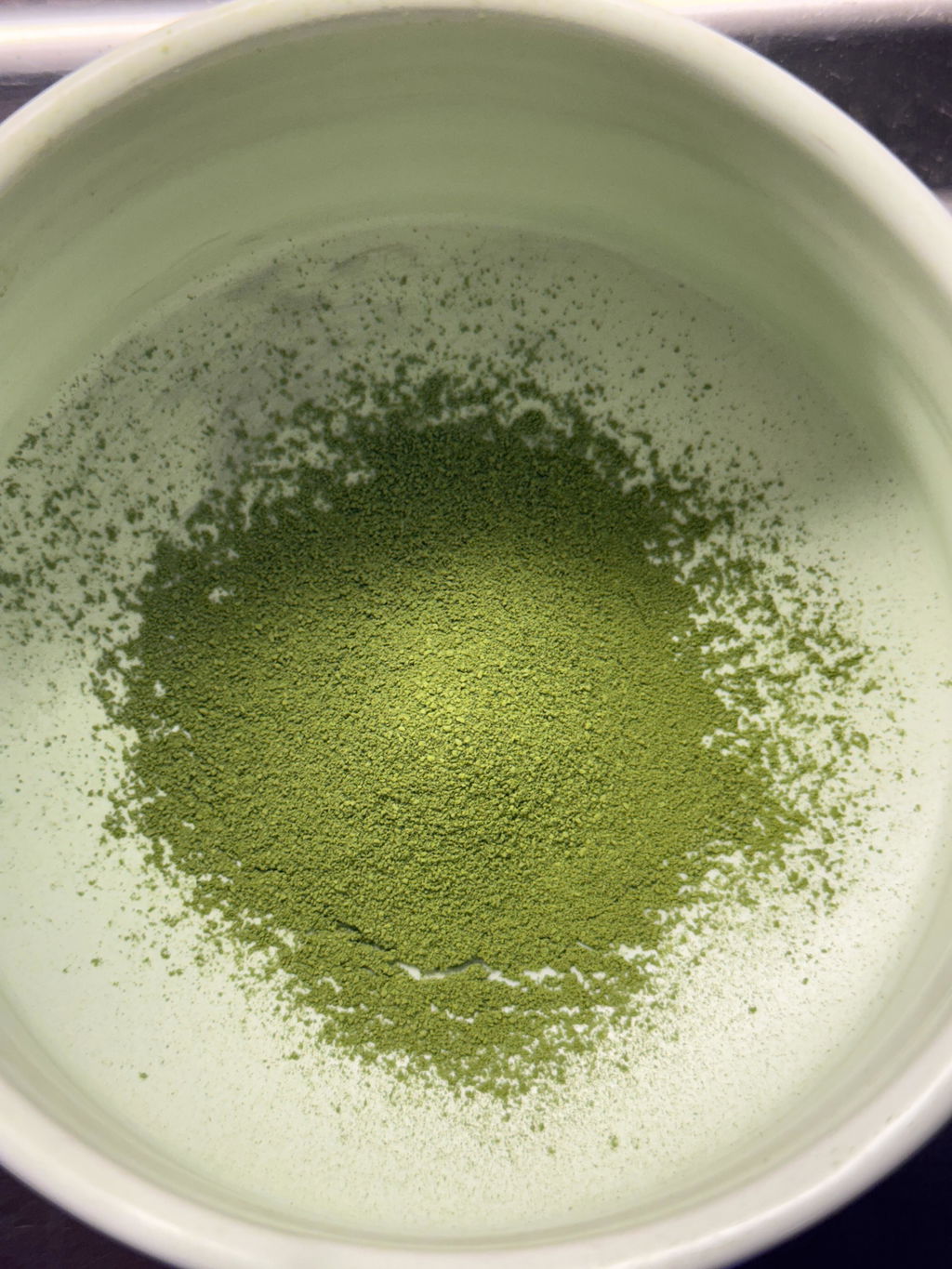
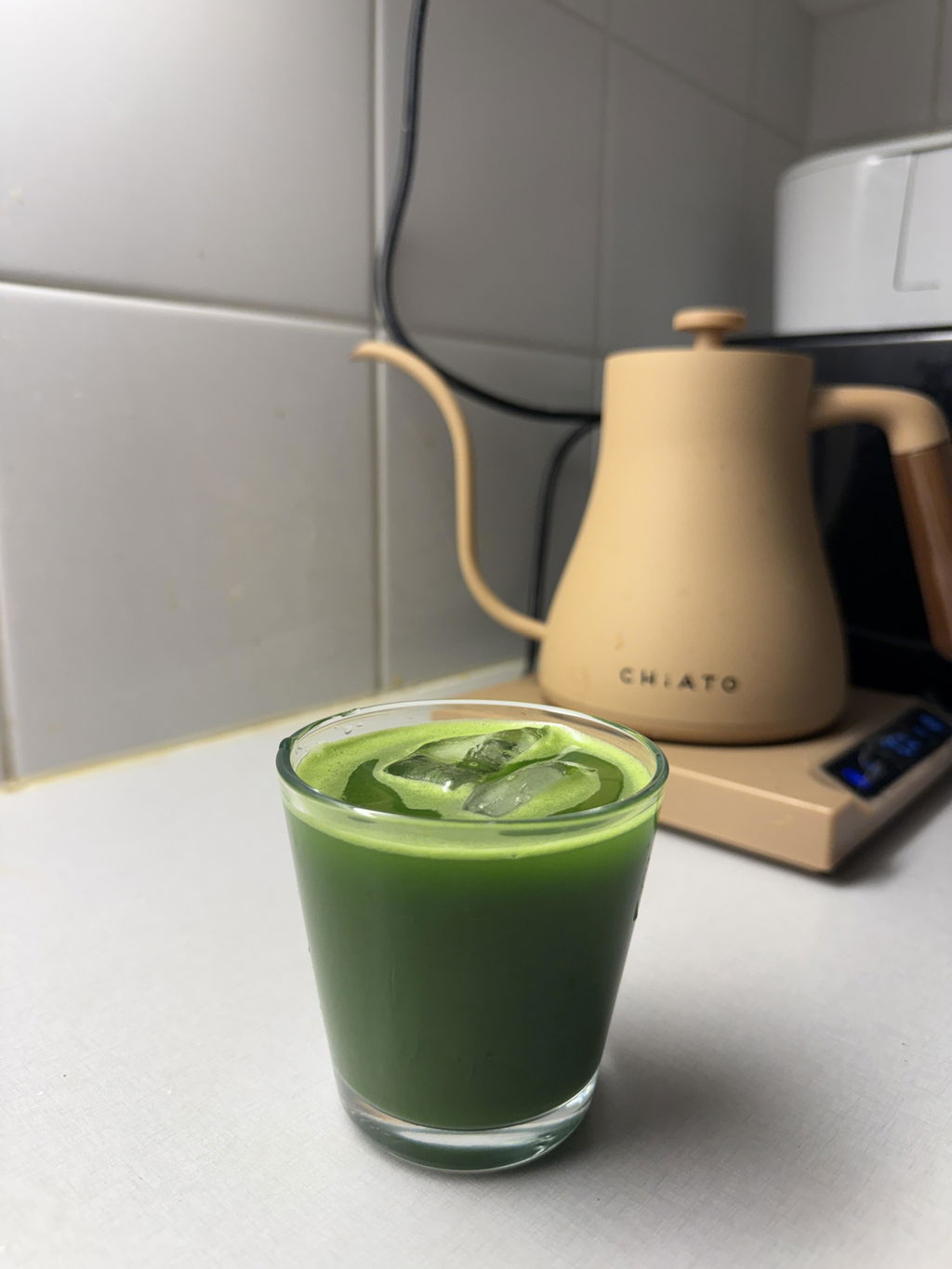
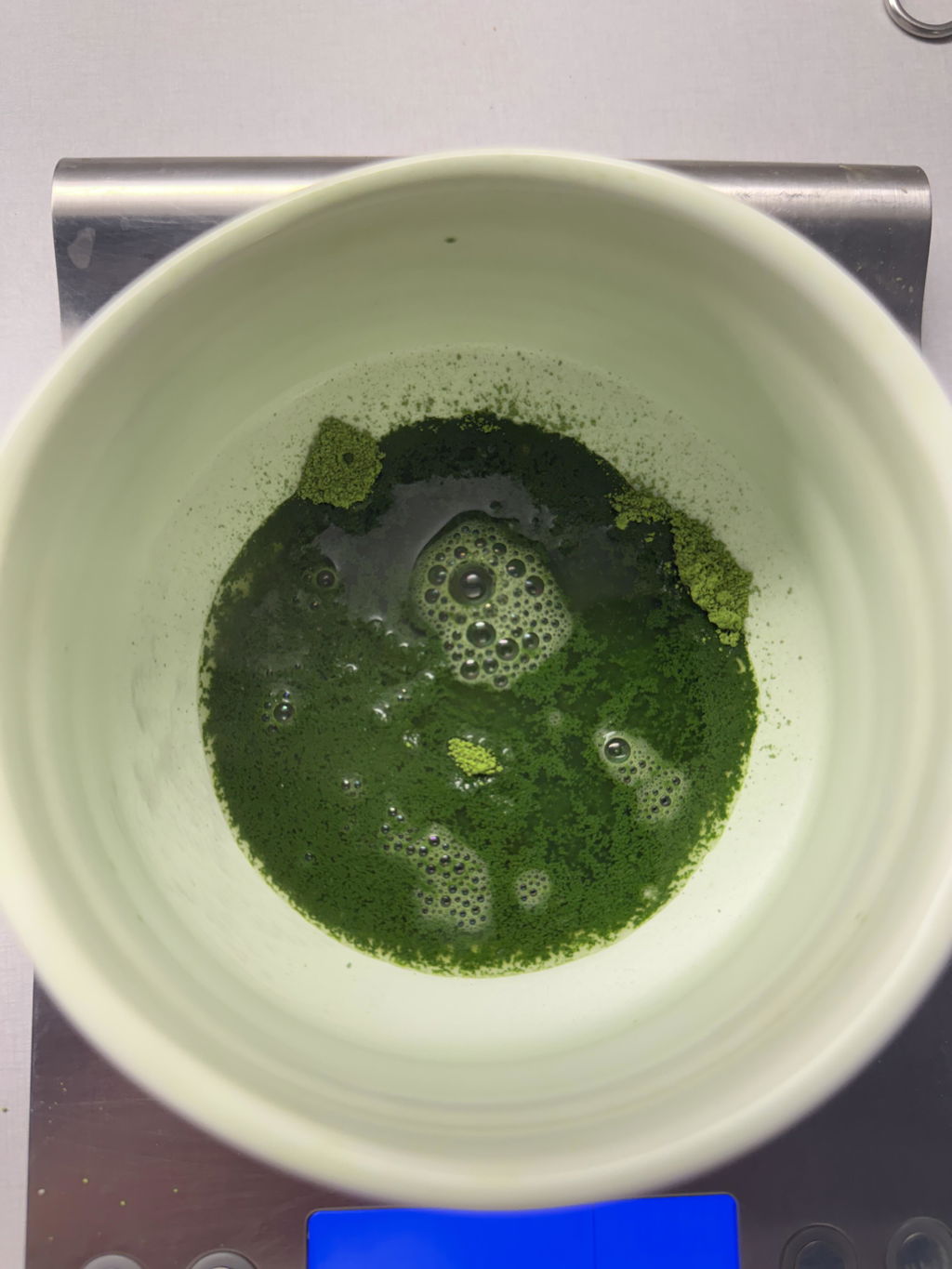
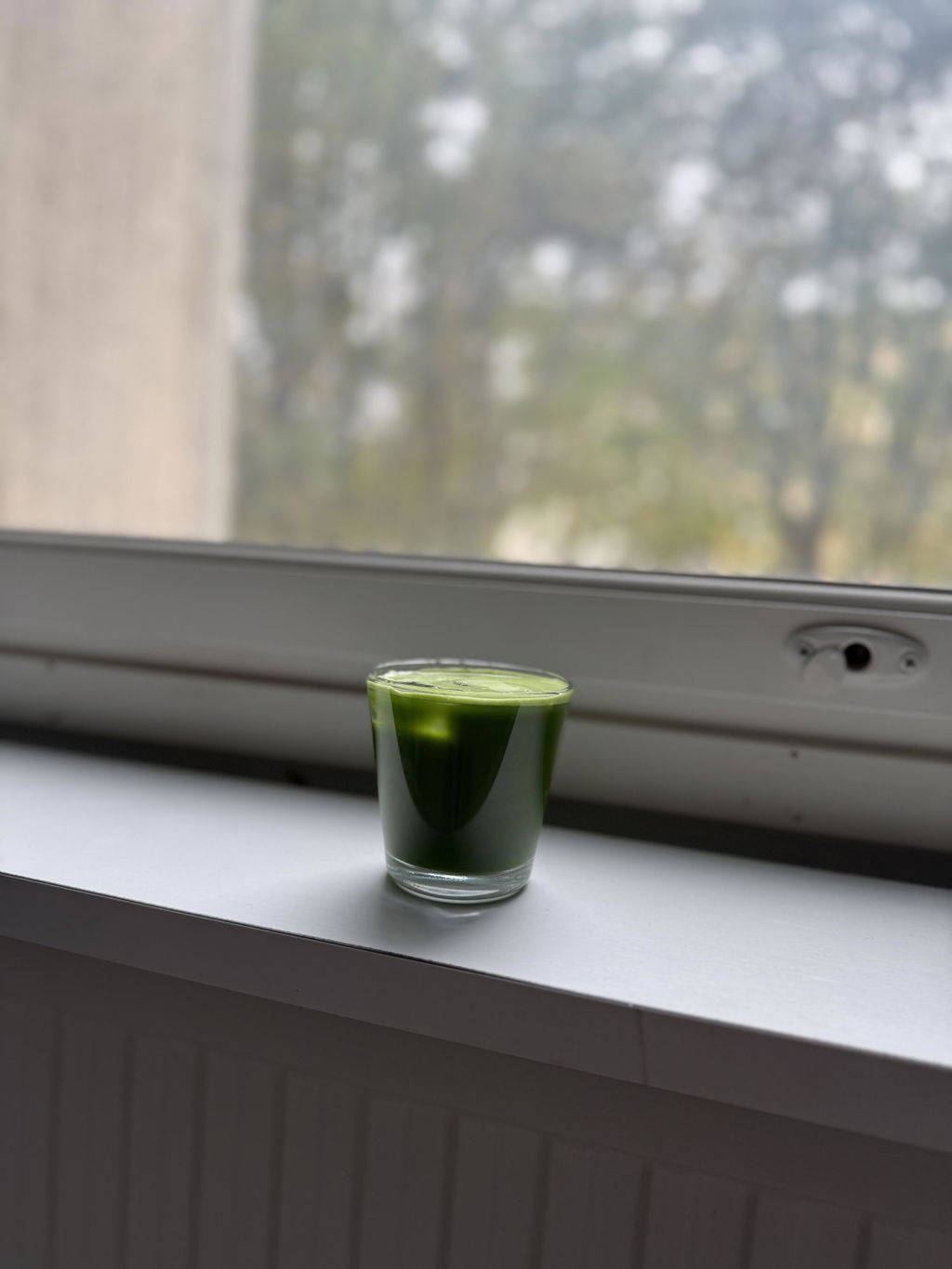
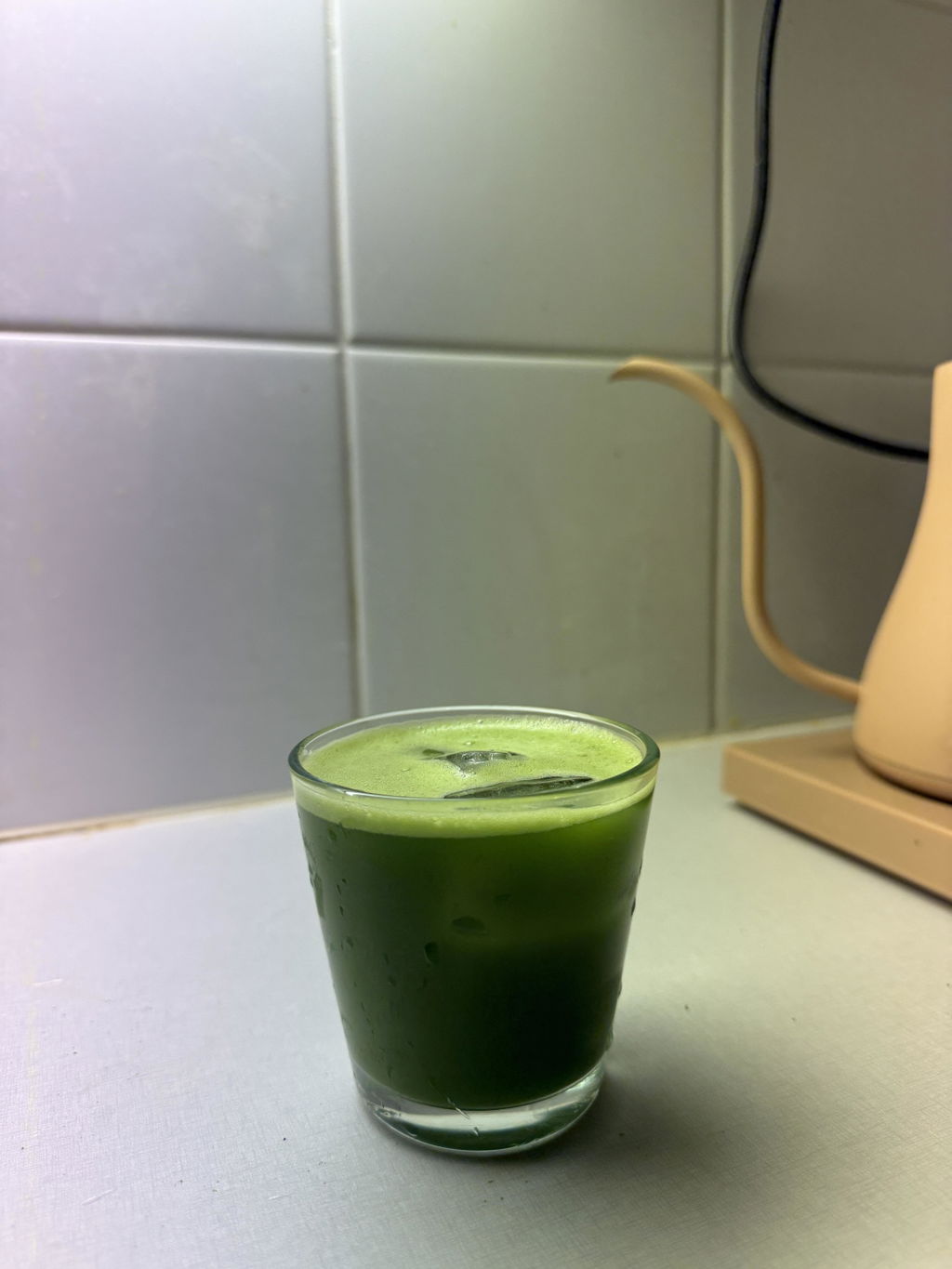
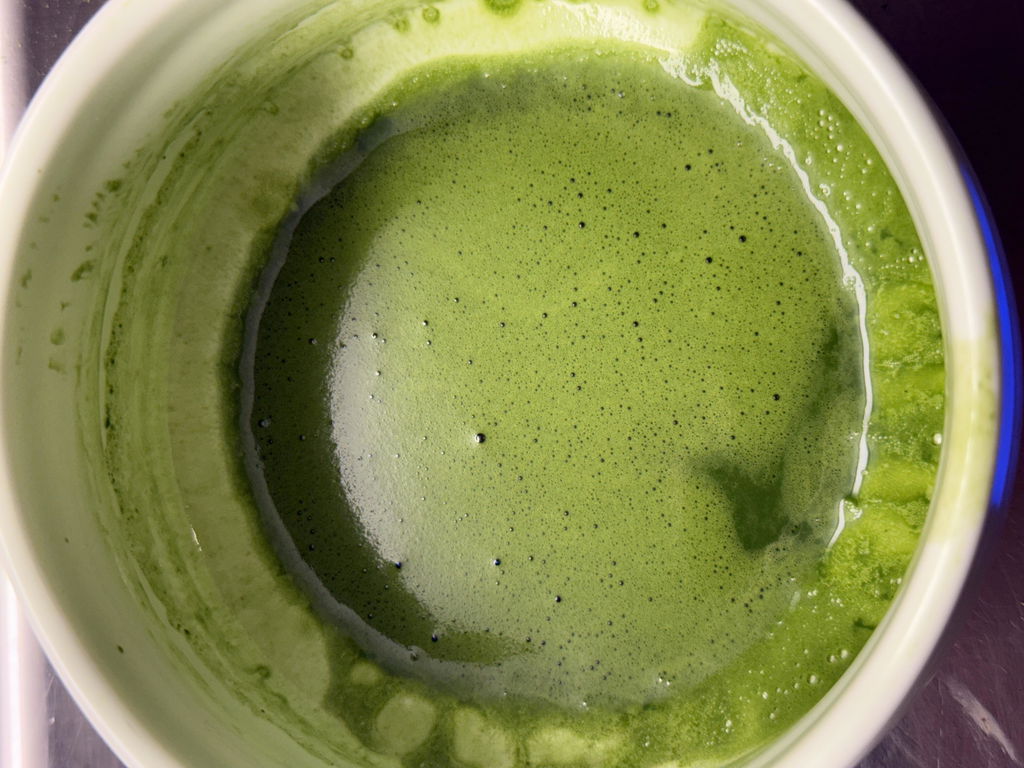
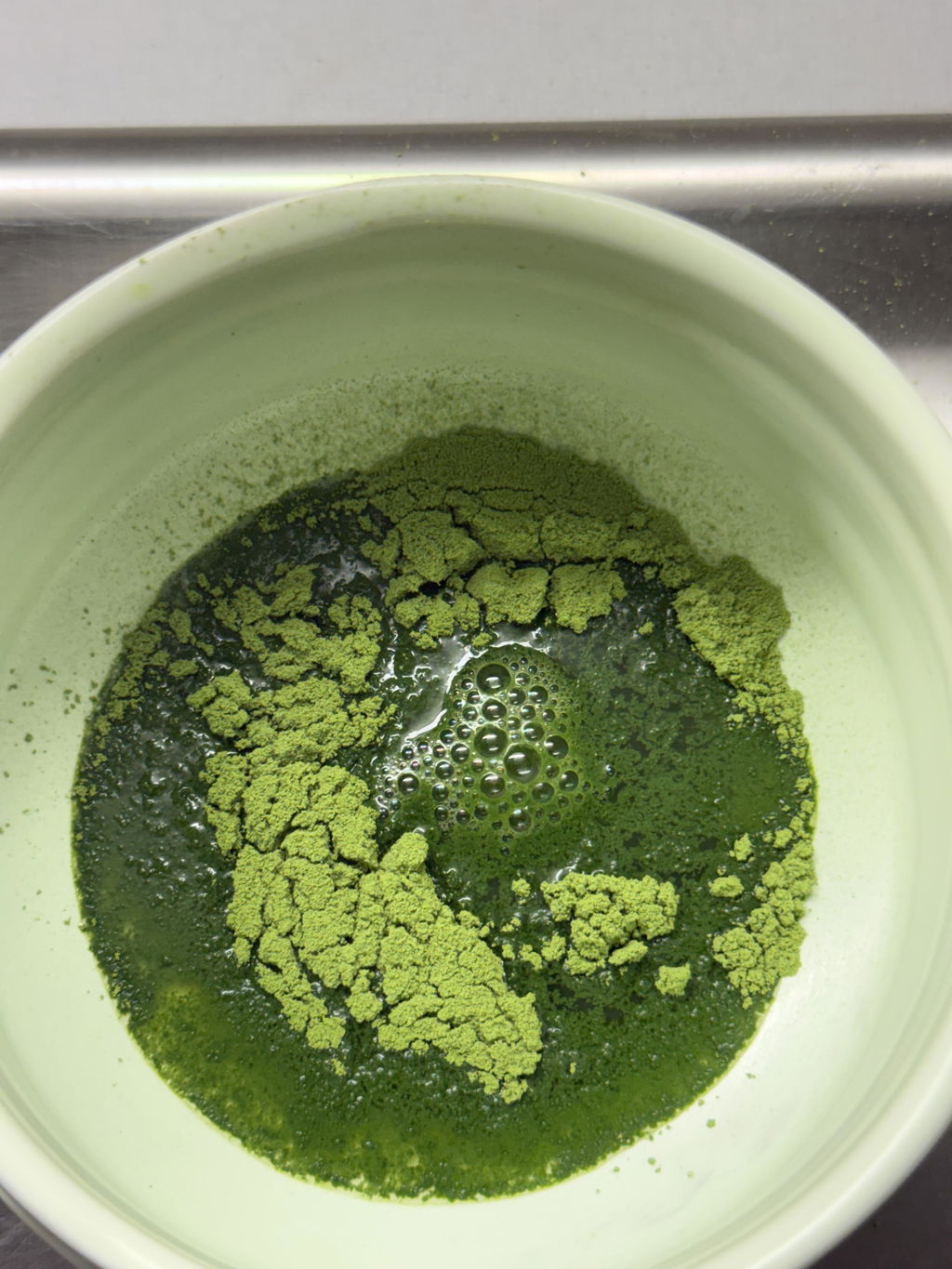
I tried this matcha in four ways: as a classic latte, with water only, cold-whisked with dairy milk, and cold-whisked with oat milk.
With water, it was very bitter and the bitterness stayed on my tongue for a long time. The flavor reminded me of dark leafy greens, herbs, and small herbal medicine lozenges.
It tasted better with milk, but with oat milk it still felt like the water-prepared matcha with milk added afterward. The original bitter and herbal character remained very clear. It is a very distinctive matcha, although the flavor was not really for me.
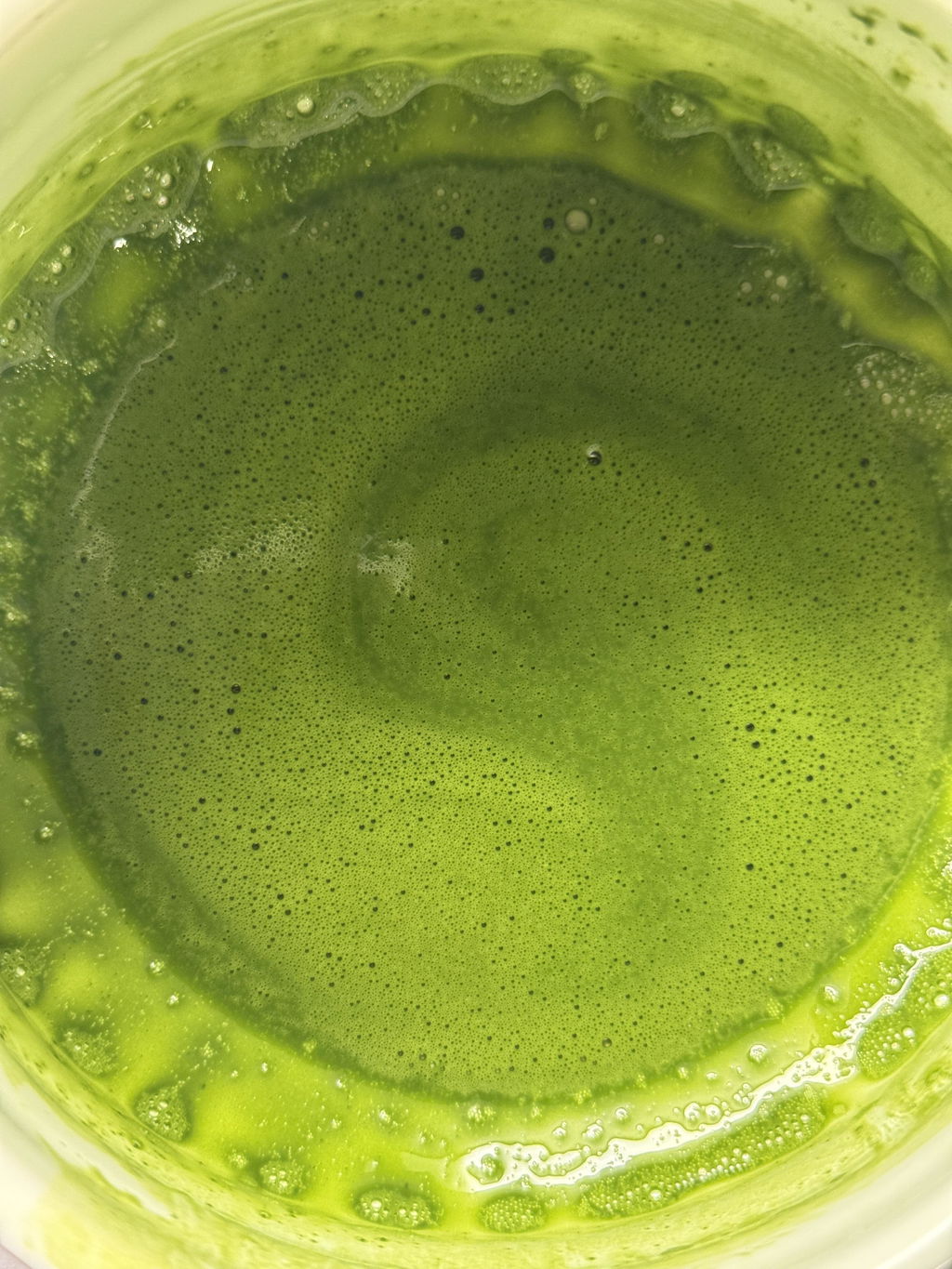
I tried this matcha in four ways: as a classic latte, with water only, cold-whisked with dairy milk, and cold-whisked with oat milk. It had a sweet aroma and a gentle sweetness that reminded me of boiled peas or sweet cooked vegetables. The sweetness came first, followed by a soft umami taste and a mild creamy feeling. It was smooth, mellow, and enjoyable in different preparations.
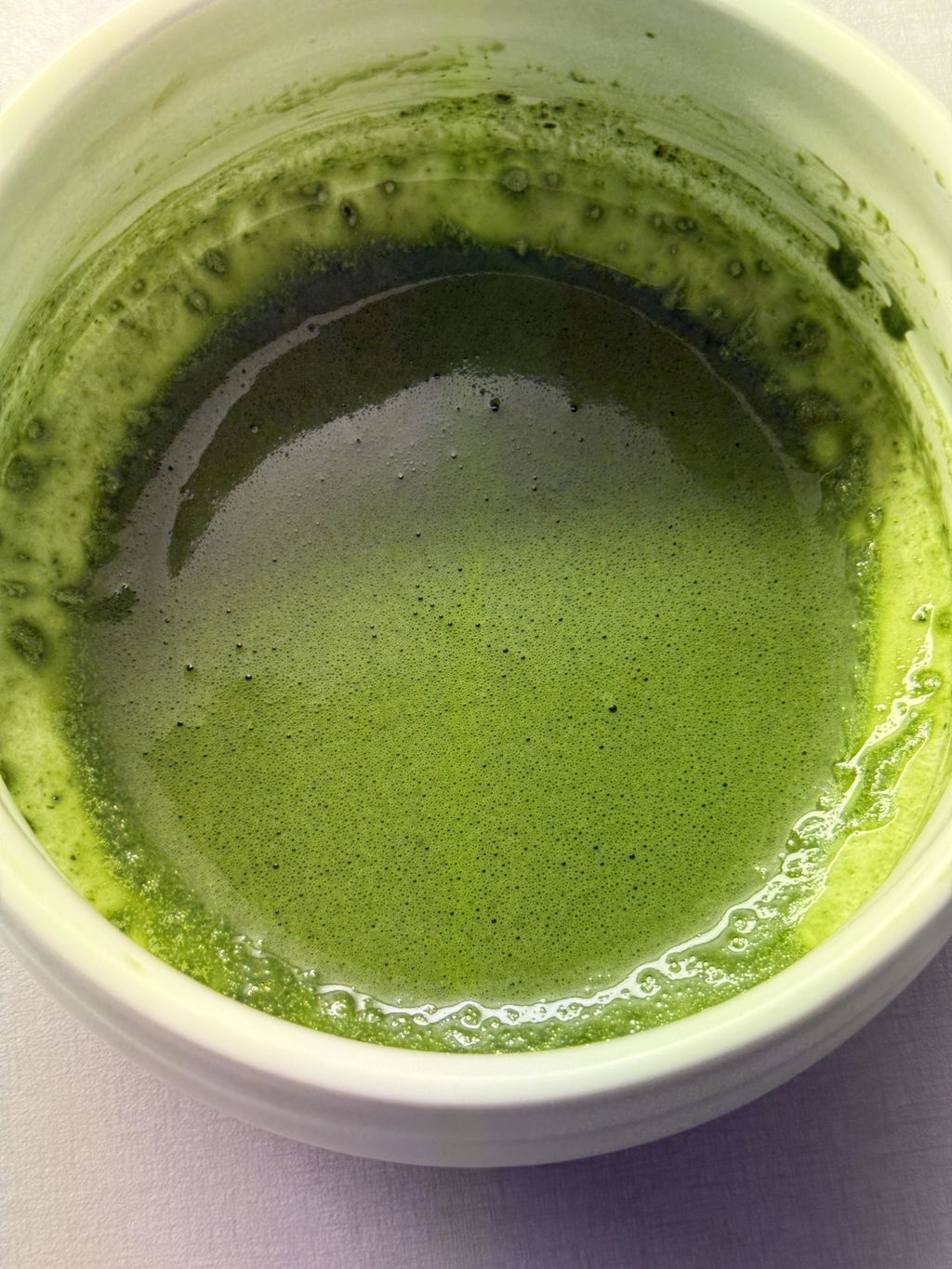
My first impression of this matcha in a latte was quite ordinary. The flavor was mild, slightly bitter, and a little rough in texture, so I did not notice any clear character at first.
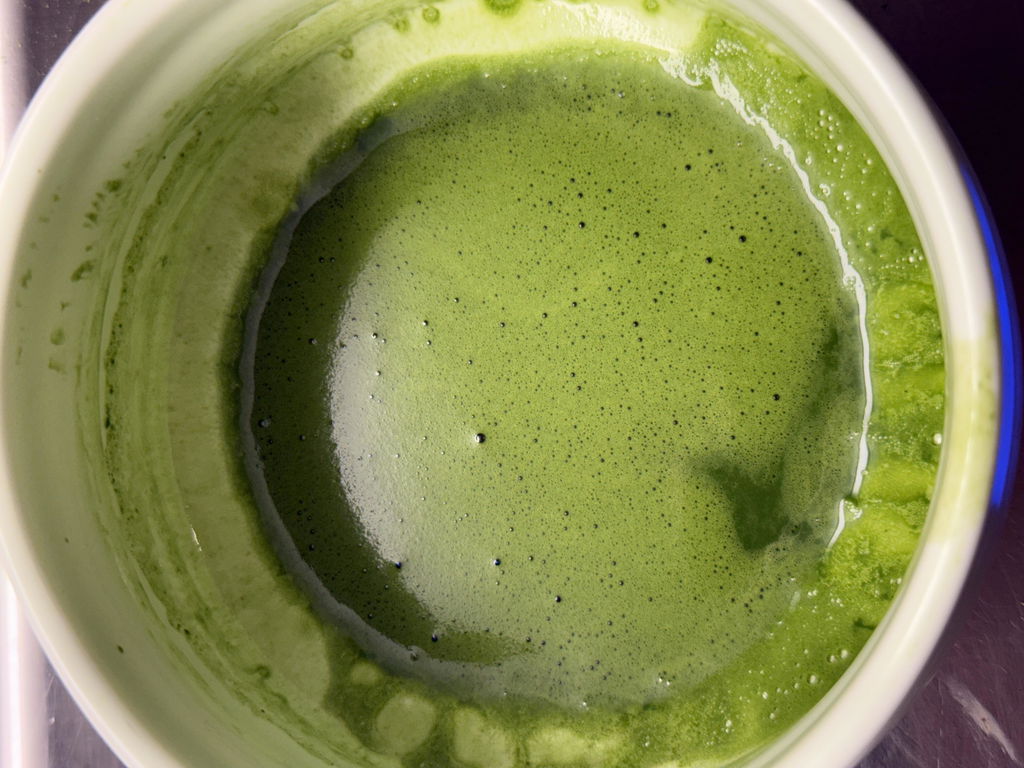
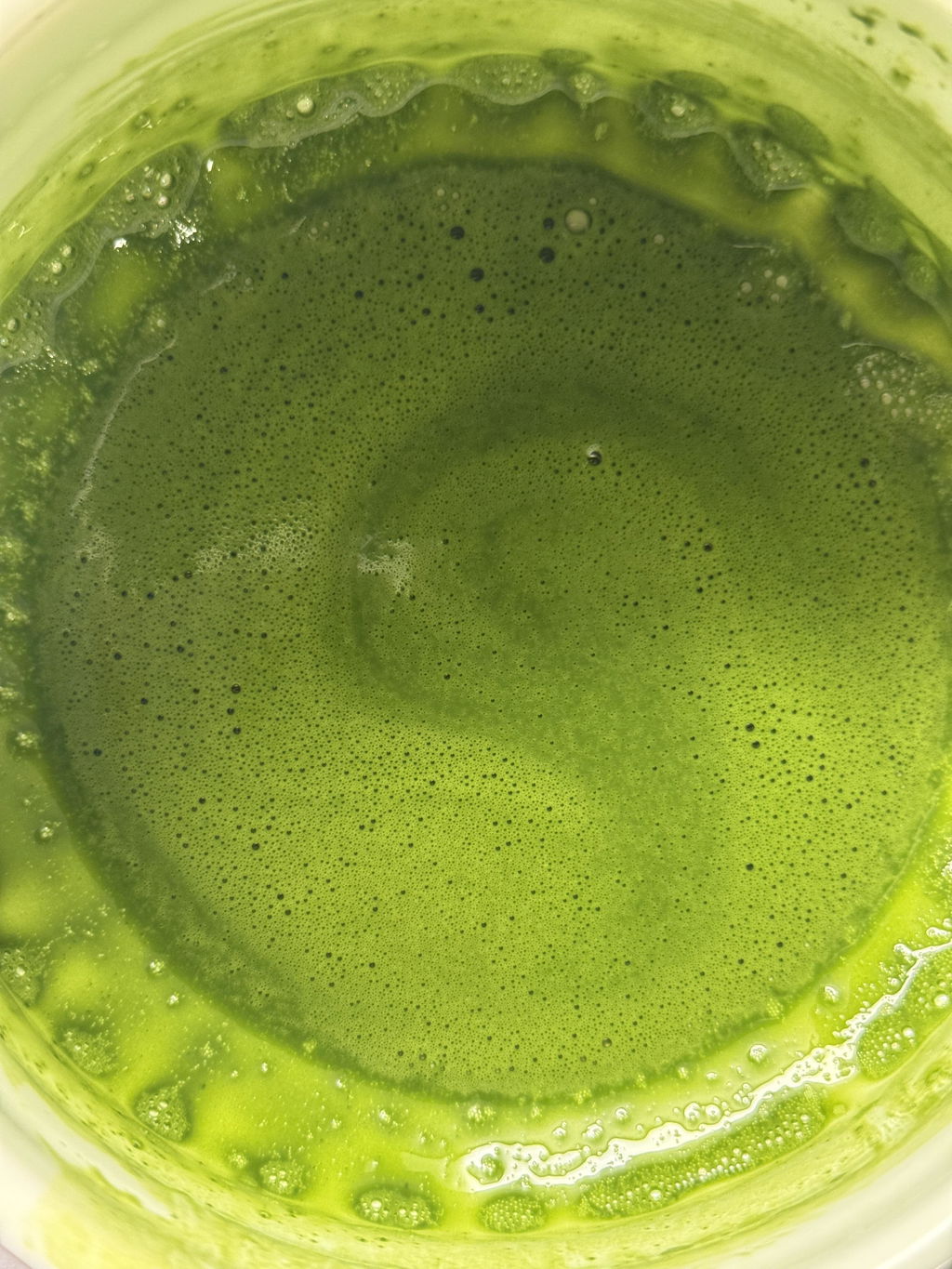
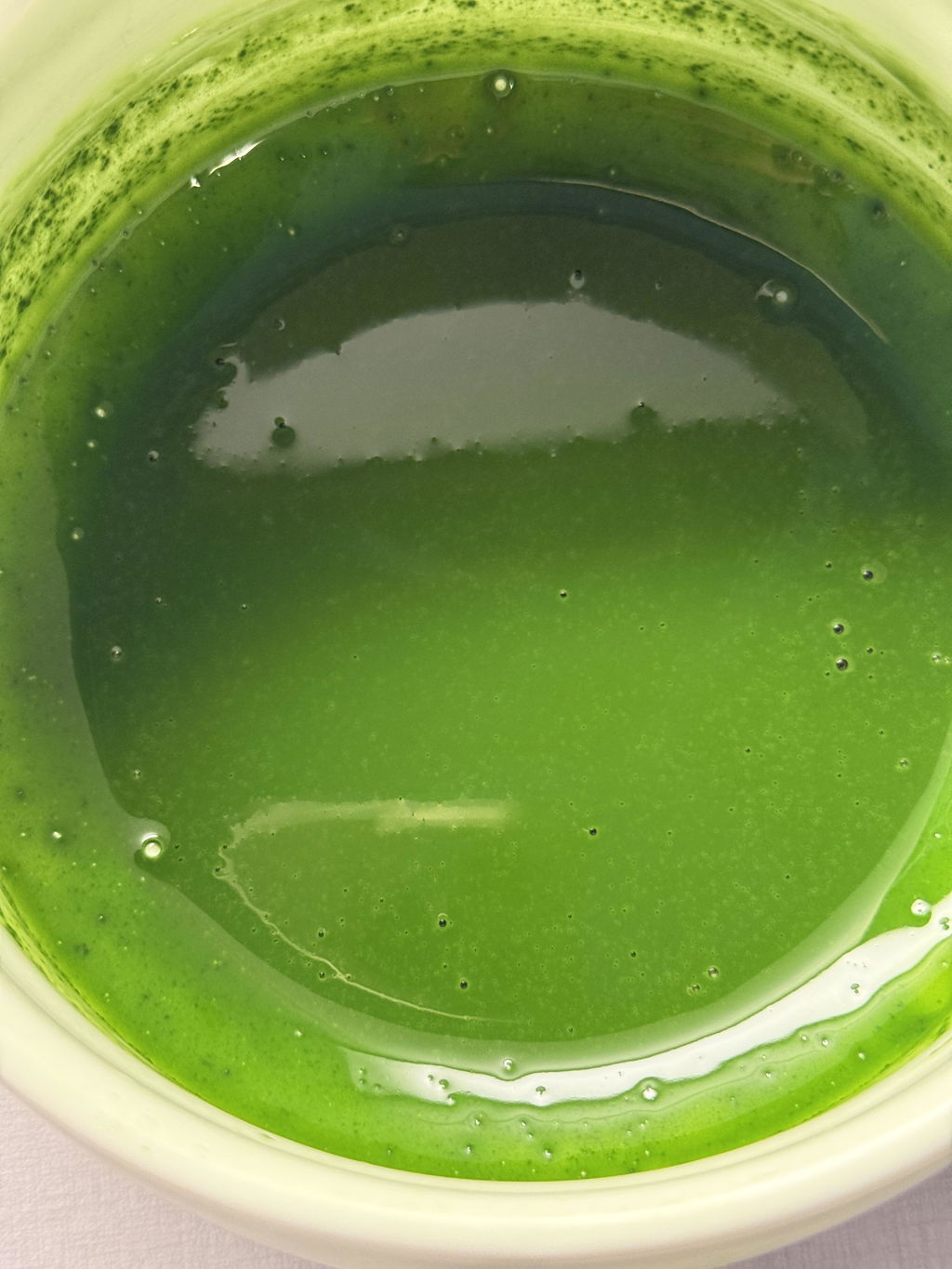
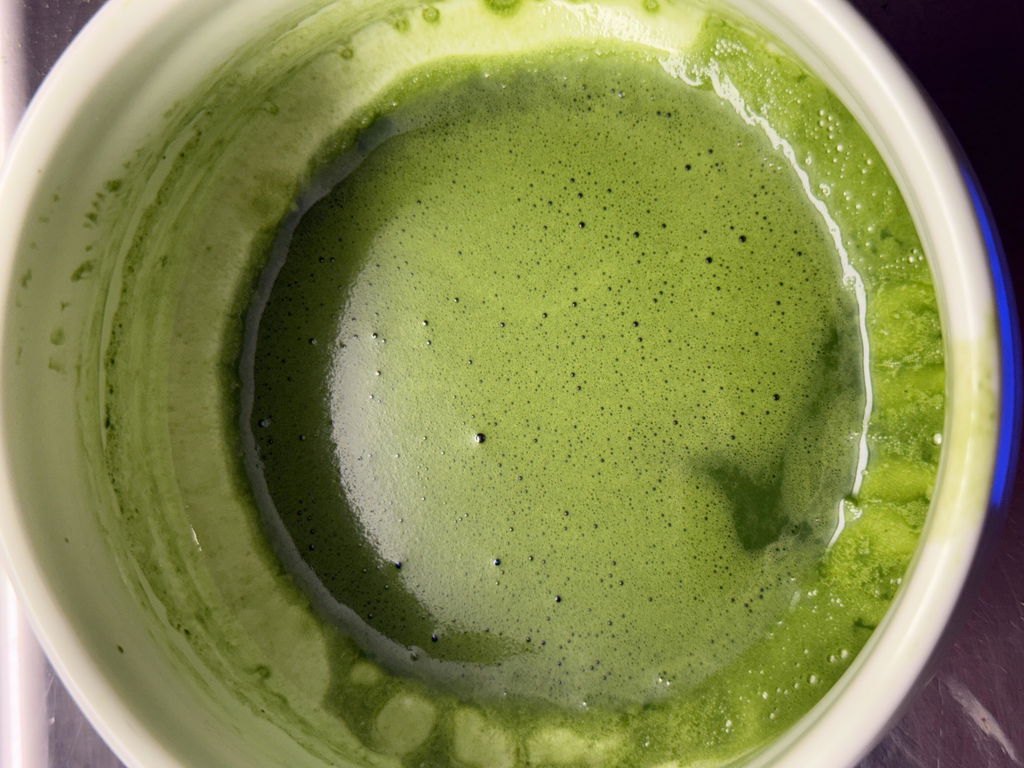
However, it tasted much better when prepared with water at 70°C. It became creamy, slightly nutty, and much more enjoyable. The aroma was soft and pleasant without being sharp, and the vibrant green color was especially beautiful.
For me, this matcha works much better with water than cold-whisked milk and a classic latte. Cold-whisked with milk was a bit too much creamy.
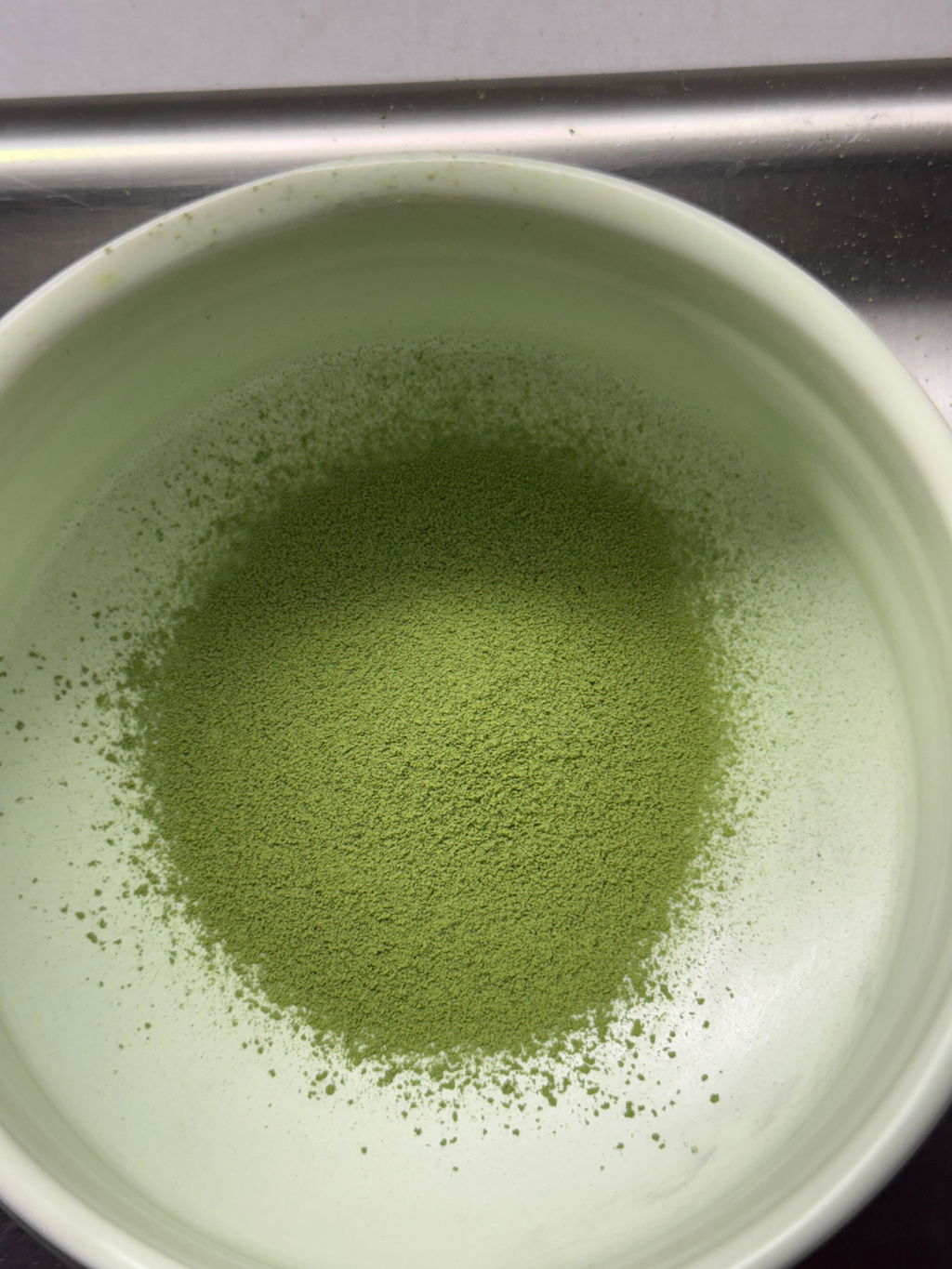
I tried this matcha in four ways: as a classic latte, with water only, cold-whisked with dairy milk, and cold-whisked with oat milk. It was smooth, clean, and not rough, with a flavor that reminded me of cooked leafy green vegetables. It had a mild green-vegetable bitterness rather than a strong tea bitterness. Its character remained quite consistent across the different preparation methods, with a smooth and pleasant texture in each one.
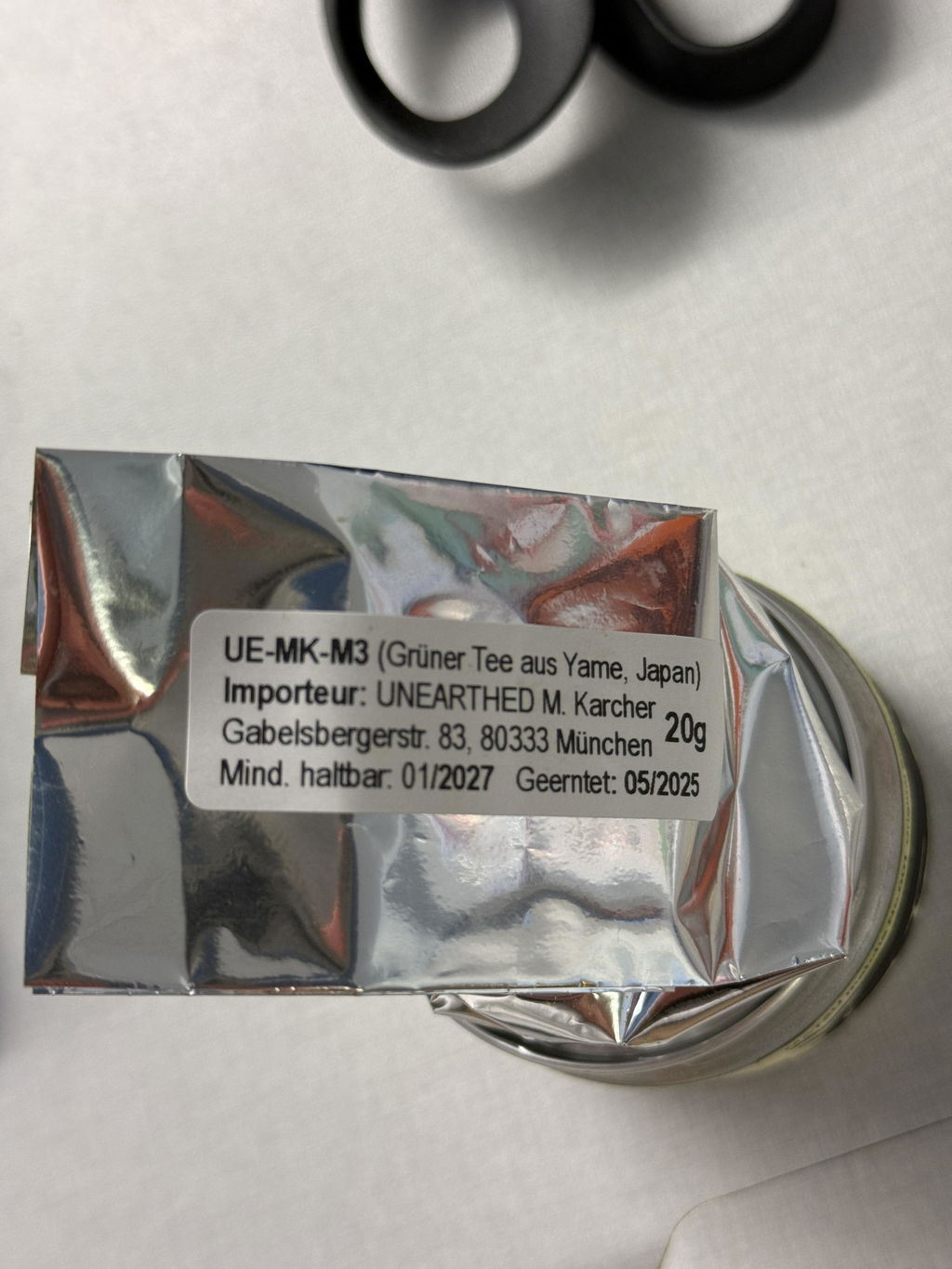
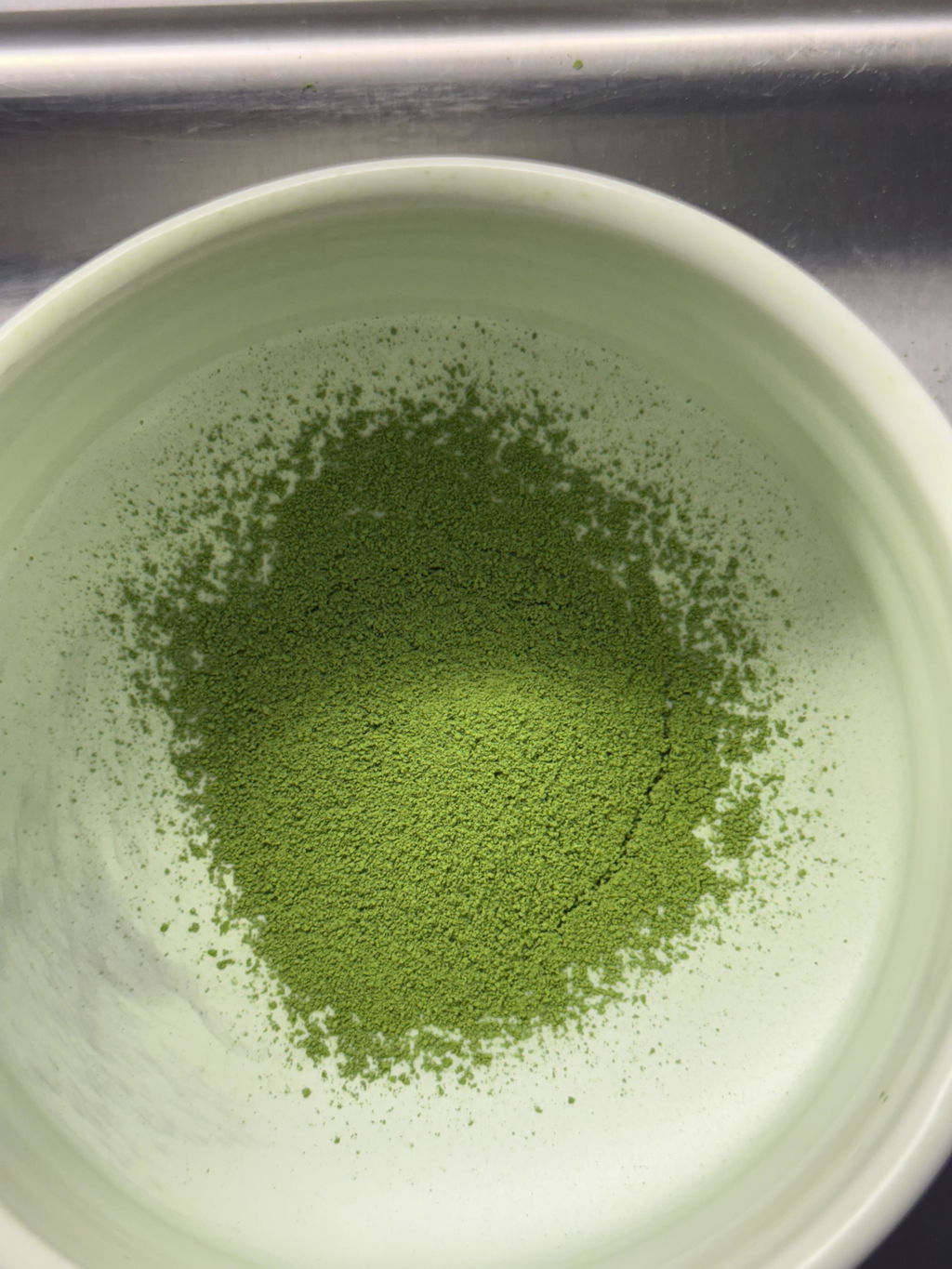
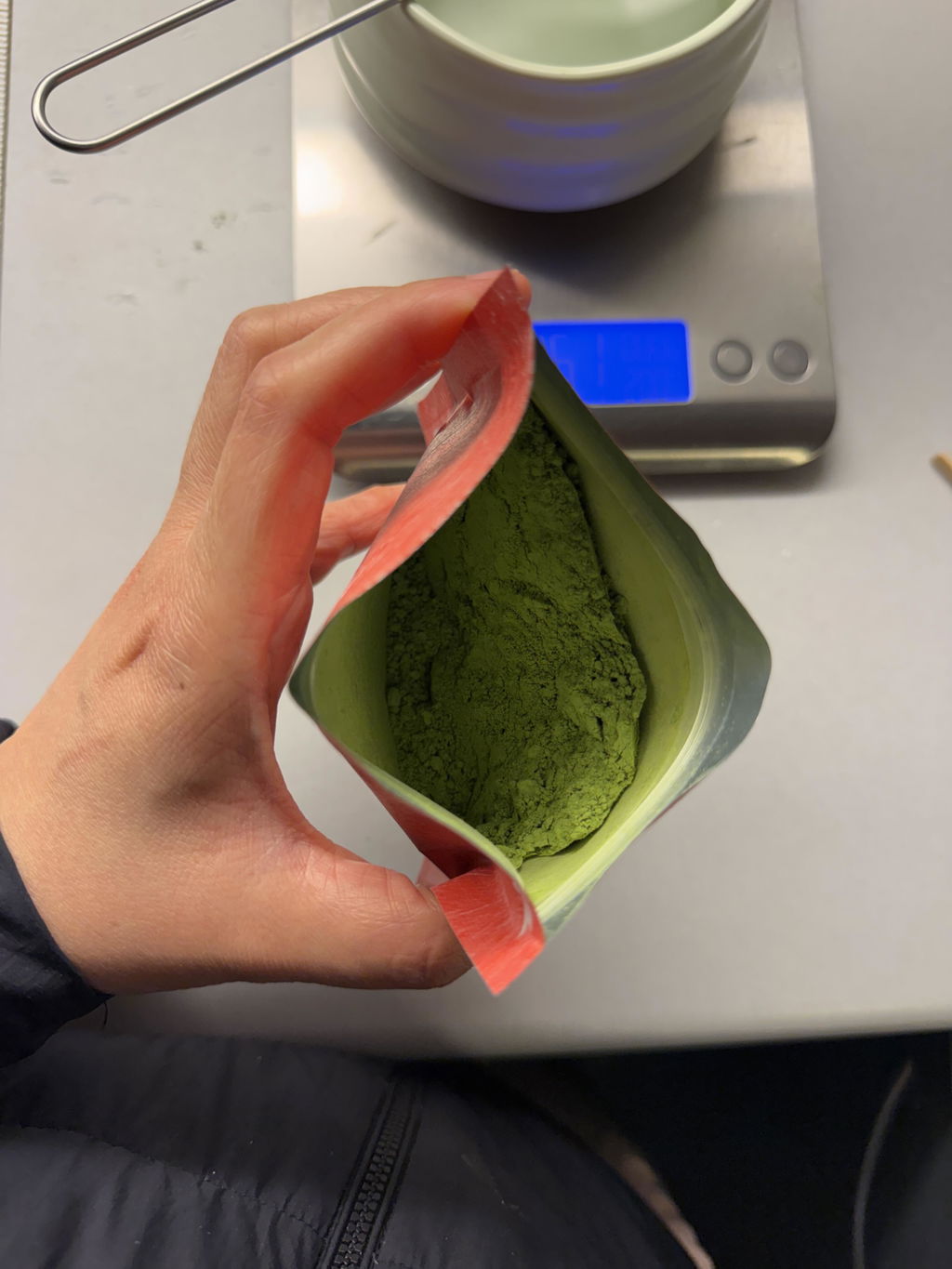
I bought this set because I wanted to compare three different matcha cultivars. Okuhikari was the most bitter and herbal. It reminded me of dark leafy greens, herbs, and small herbal medicine lozenges. The bitterness stayed on my tongue for a long time, but it had a very distinctive and interesting character. Saemidori was sweet, smooth, and mellow. Its flavor reminded me of boiled peas or sweet cooked vegetables, followed by soft umami and a mild creamy feeling.Tsuyuhikari was smooth and clean, with a mild cooked leafy-green flavor and gentle vegetable-like bitterness. Overall, the three cultivars had noticeably different characters, which made them interesting to compare.