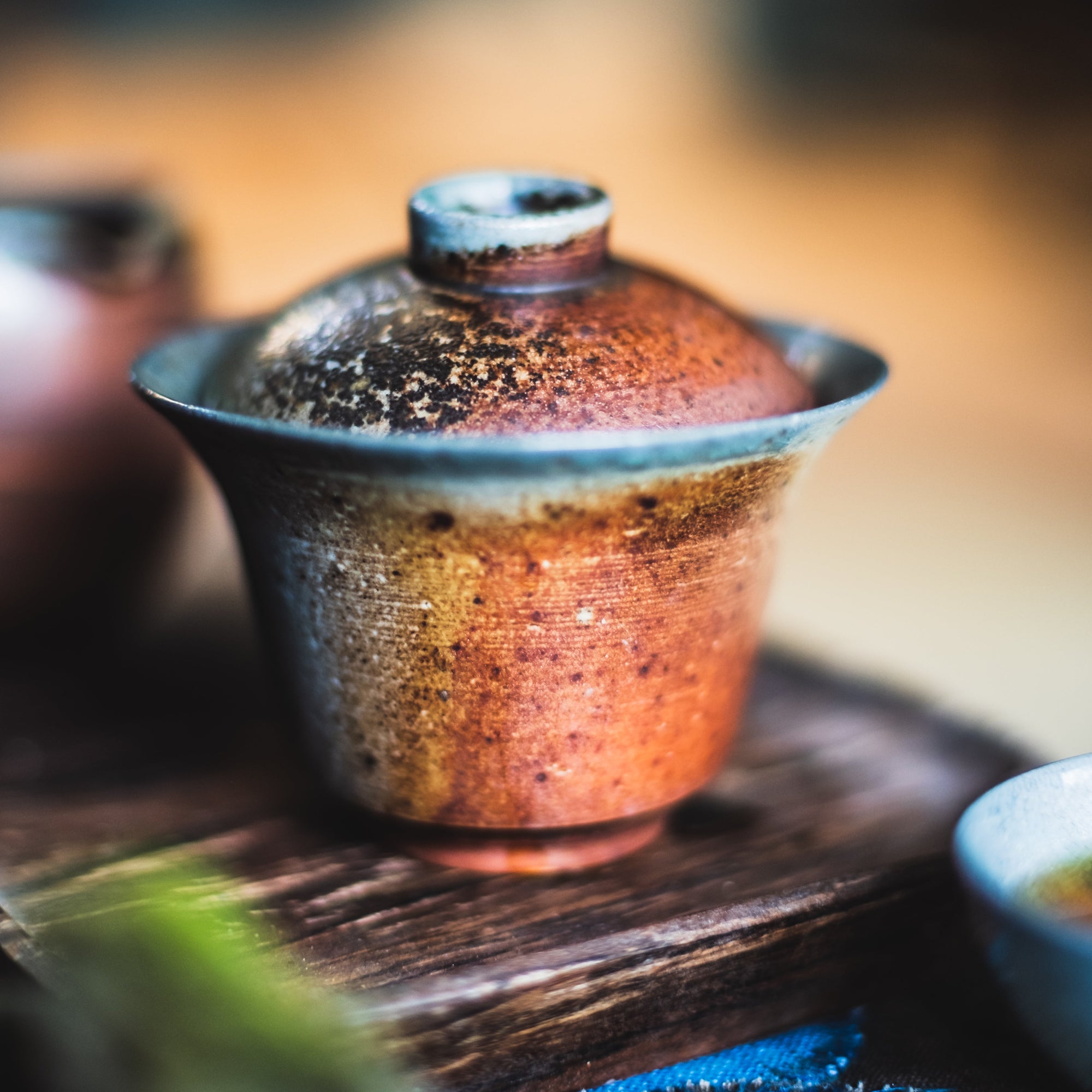
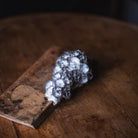
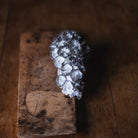
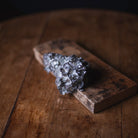
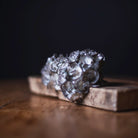
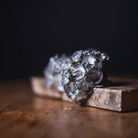
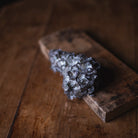
Xū Tǔ (Virtual Soil) Object #006
Object, 虚土 Object/Sculpture by Yufeng Wang
Porcelain, soda-fired (partial glaze)
ca. D= 11cm, H= 17cm
Object, 虚土 Object/Sculpture by Yufeng Wang
Porcelain, soda-fired (partial glaze)
ca. D= 11cm, H= 17cm
Wang Yufeng founded Nánjiāo Studio in 2011 to explore ceramics that reflect nature’s healing power. With over a decade of dedication to soda firing, his works radiate rustic elegance—fine porcelain forms painted by fire and earth. Each piece is a quiet conversation between artist, kiln, and nature.
(Jiangxi, China )
The city of Jingdezhen is not only the porcelain capital of the world but also in recent decades became a major hub of the Chinese arts and crafts scene in general, especially with regards to teaware. This does not only concern porcelain makers but also artists working with other materials like stoneware, glas, metal, wood and textiles.

The person behind UNEARTHED
For over 15 years I have been collecting ceramics and drinking tea very seriously. Now I am funnelling all of that experience into finding and curating great wares and tea.
We only sell what I personally like a lot, and that includes the tea I drink myself every day. I choose every maker. I taste every tea before it goes into the shop. I travel to Japan and China to meet the people who make what we sell.
Until now the entire endeavour is in my hands from end to end: sourcing, logistics, photography, education, labelling and packing your parcels.
Our gallery, studio, and tea space are a hub for experiencing and sharing the art of ceramics and tea.
Similar to the concept of “Utsuwa-galleries” in Japan, we are holding monthly exhibitions of unique ceramicists from Japan, China and Europe.
We also regularly host Workshops and Tea Experiences, and we supply cafés and shops with matcha and equipment at wholesale prices.
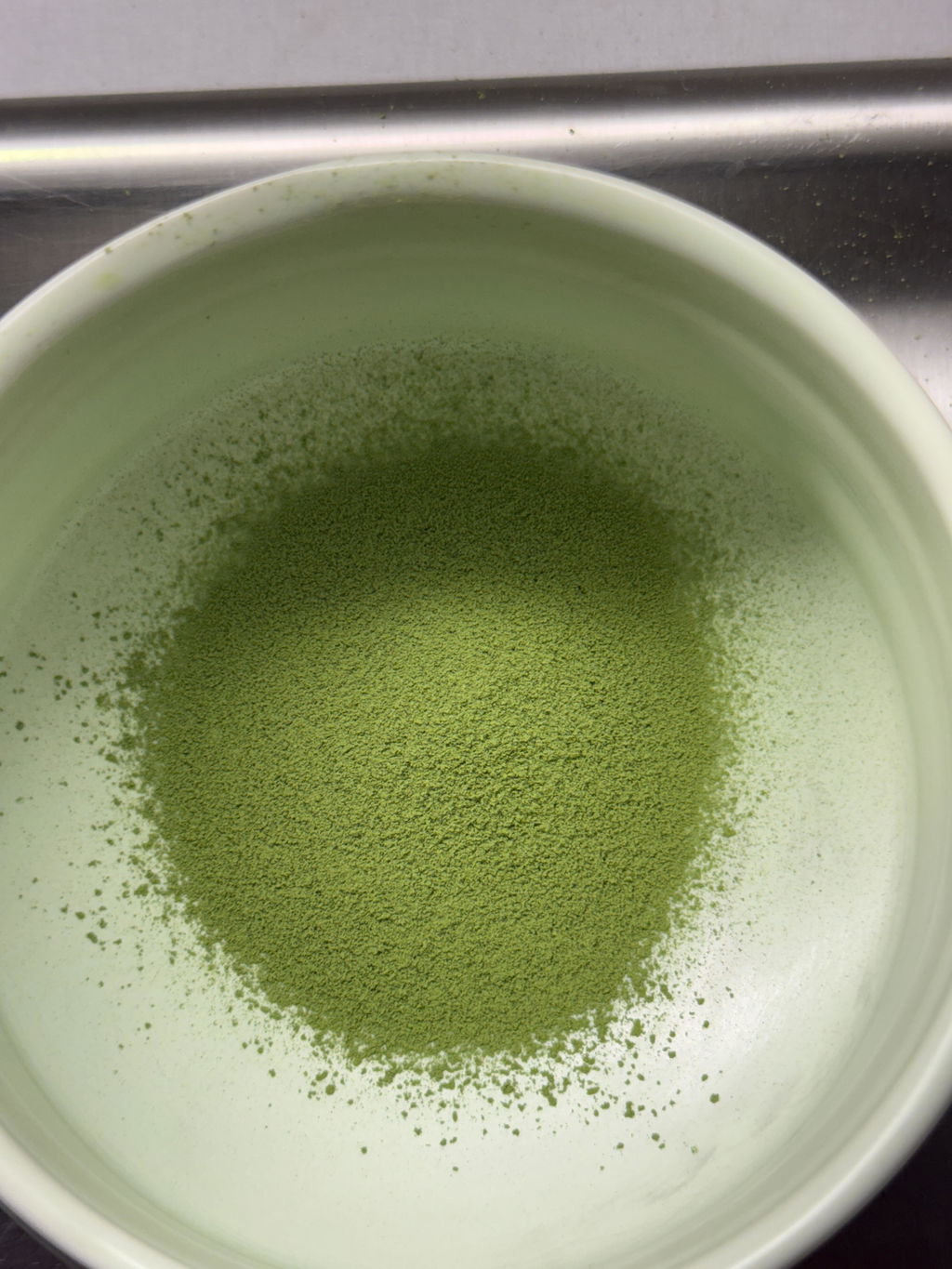
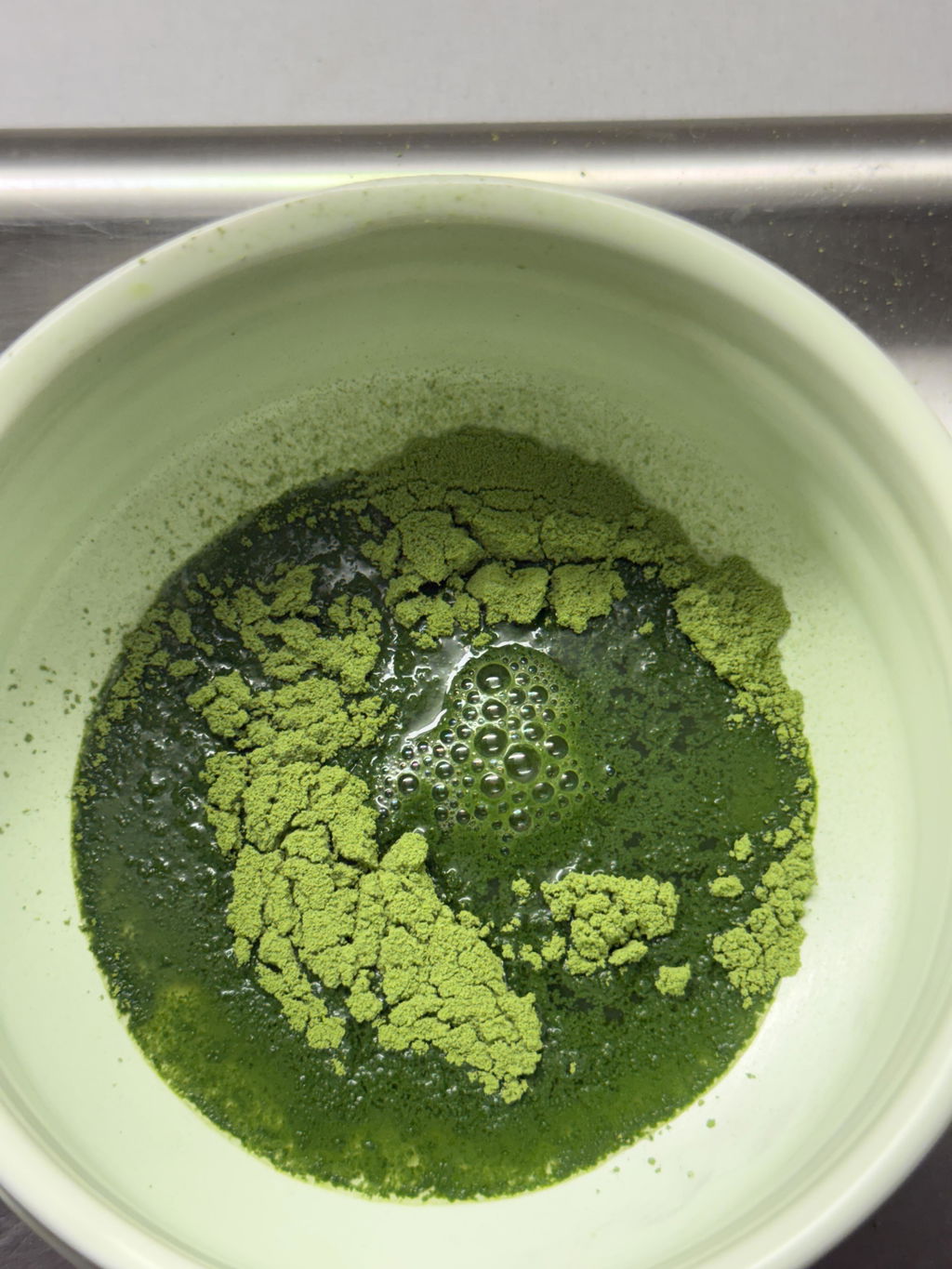
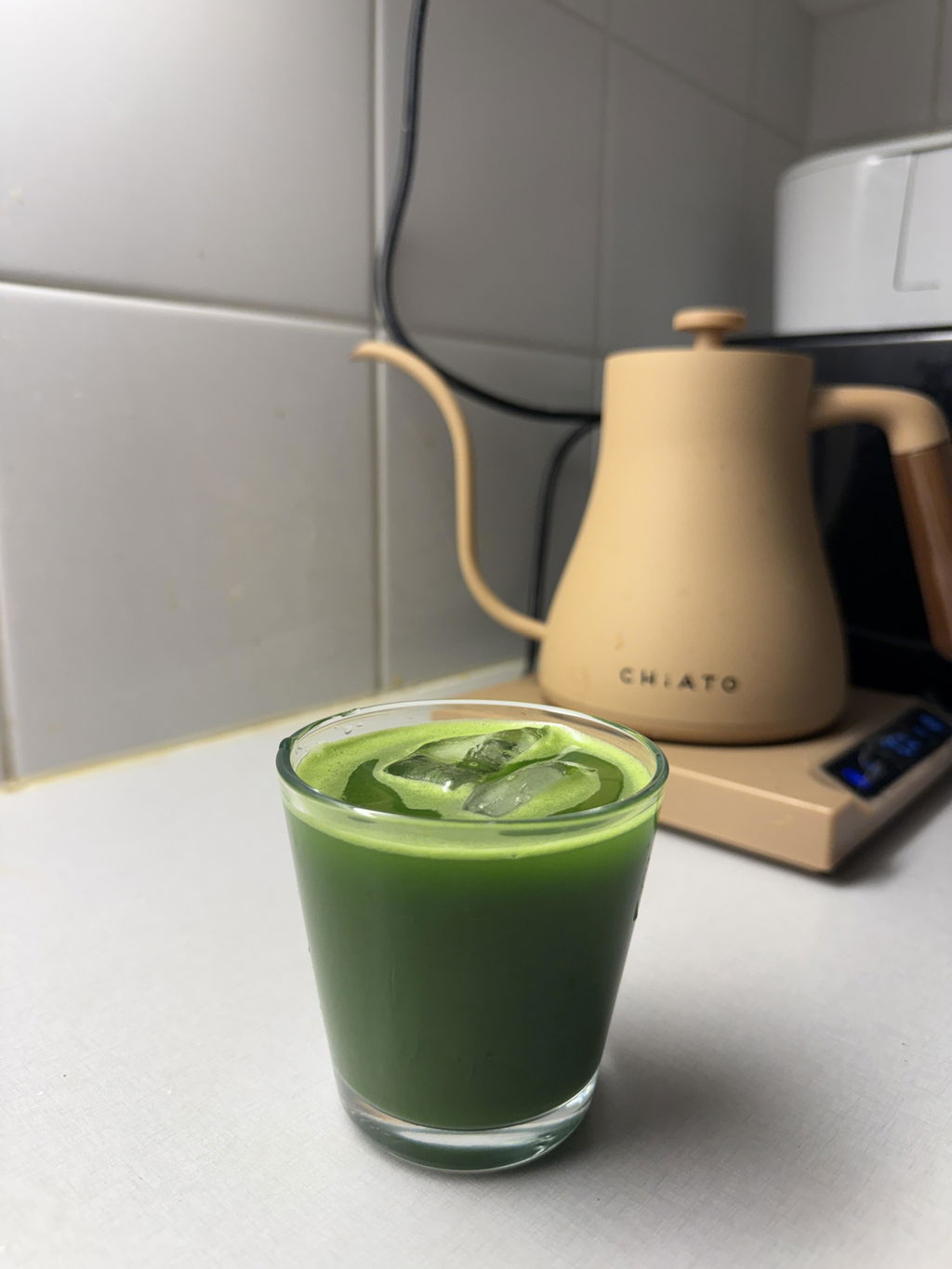
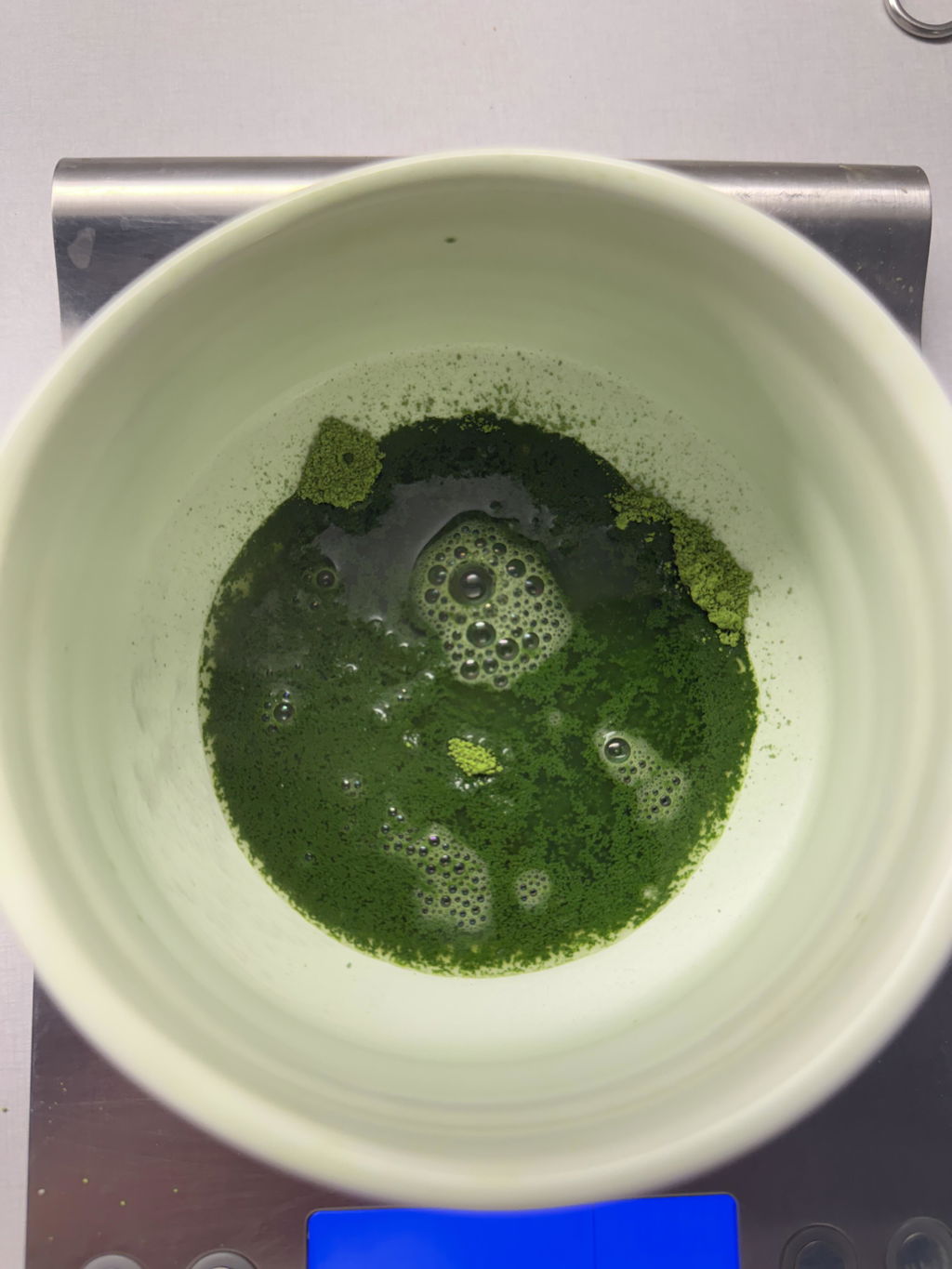
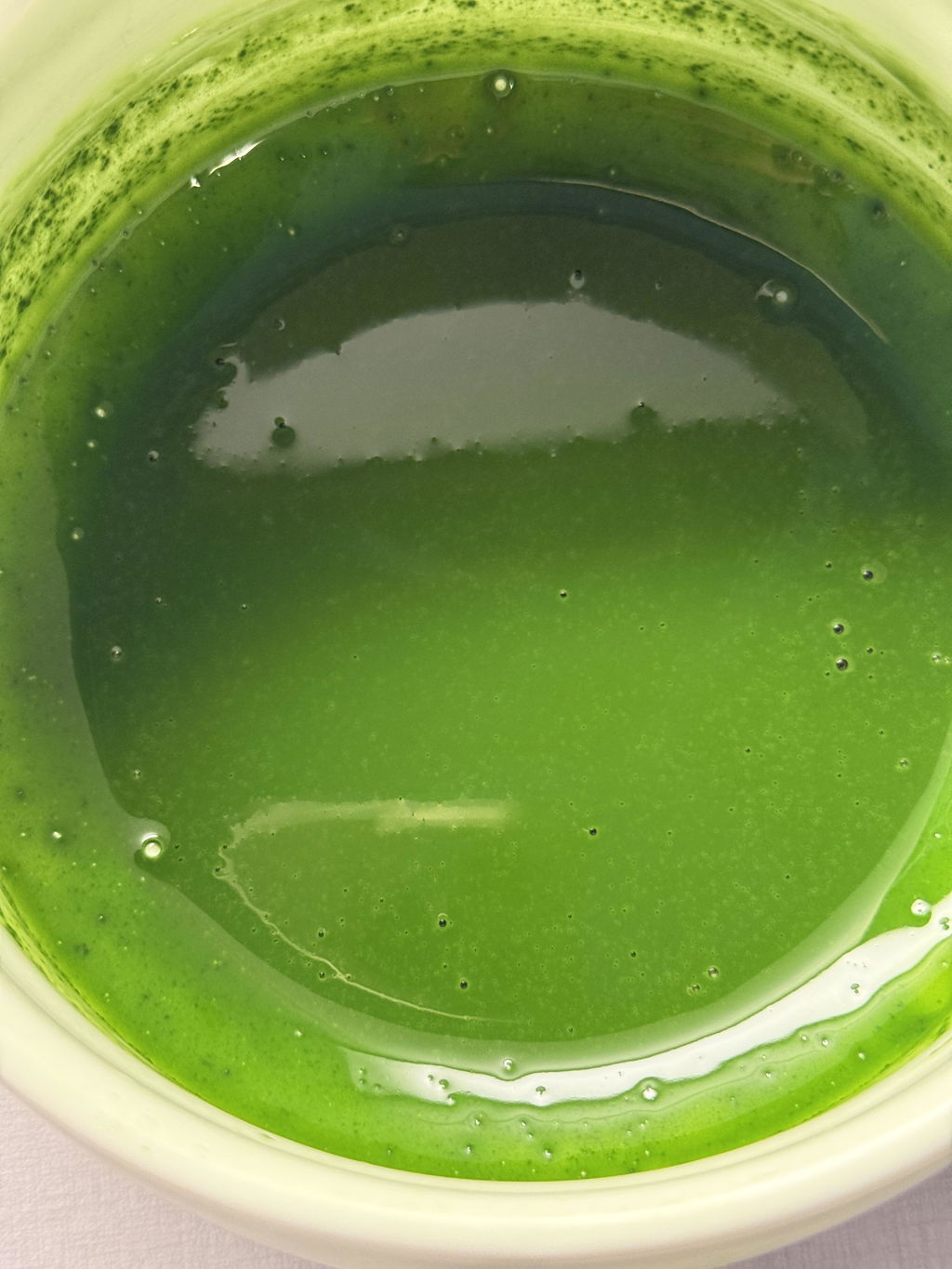
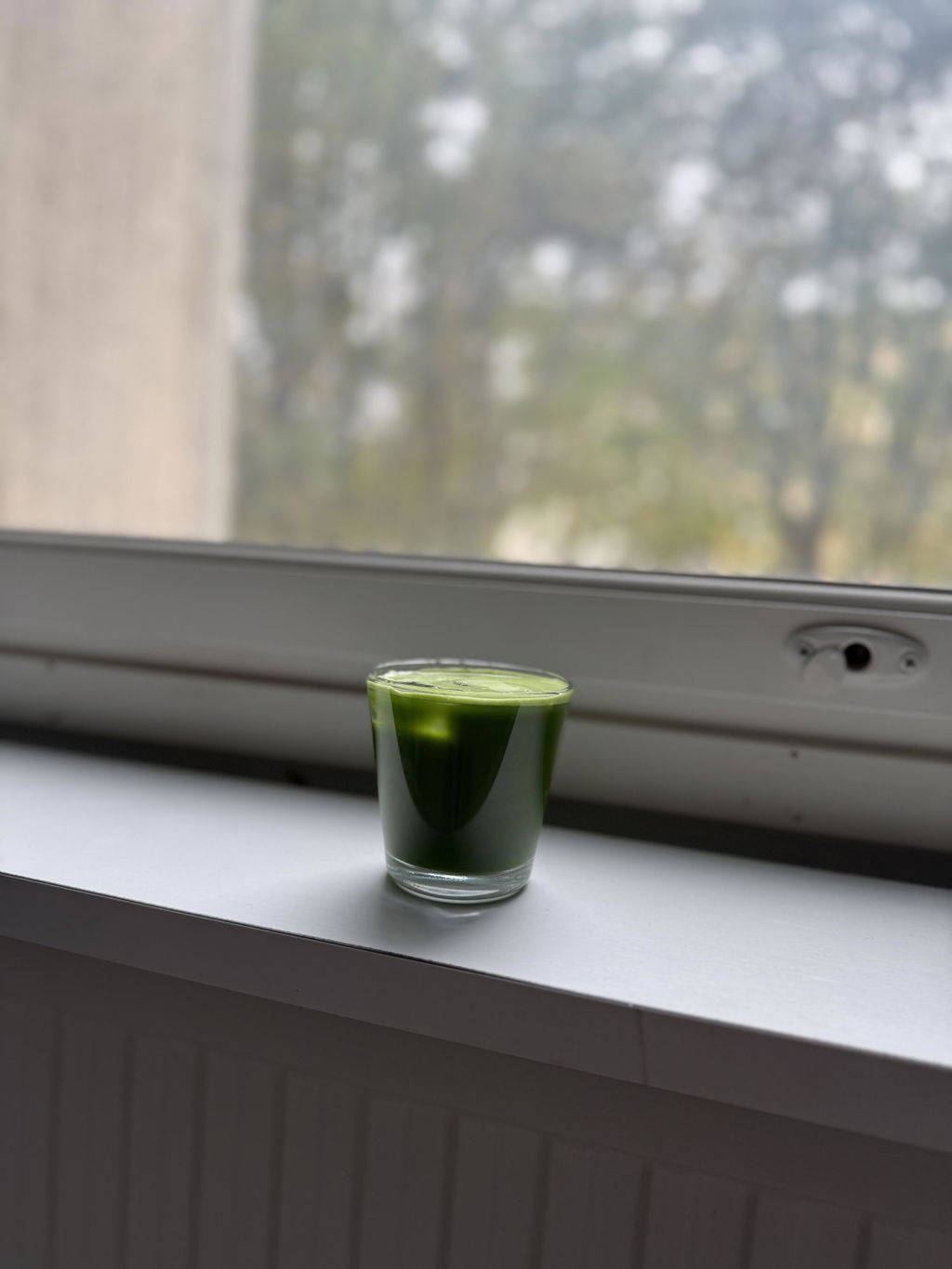
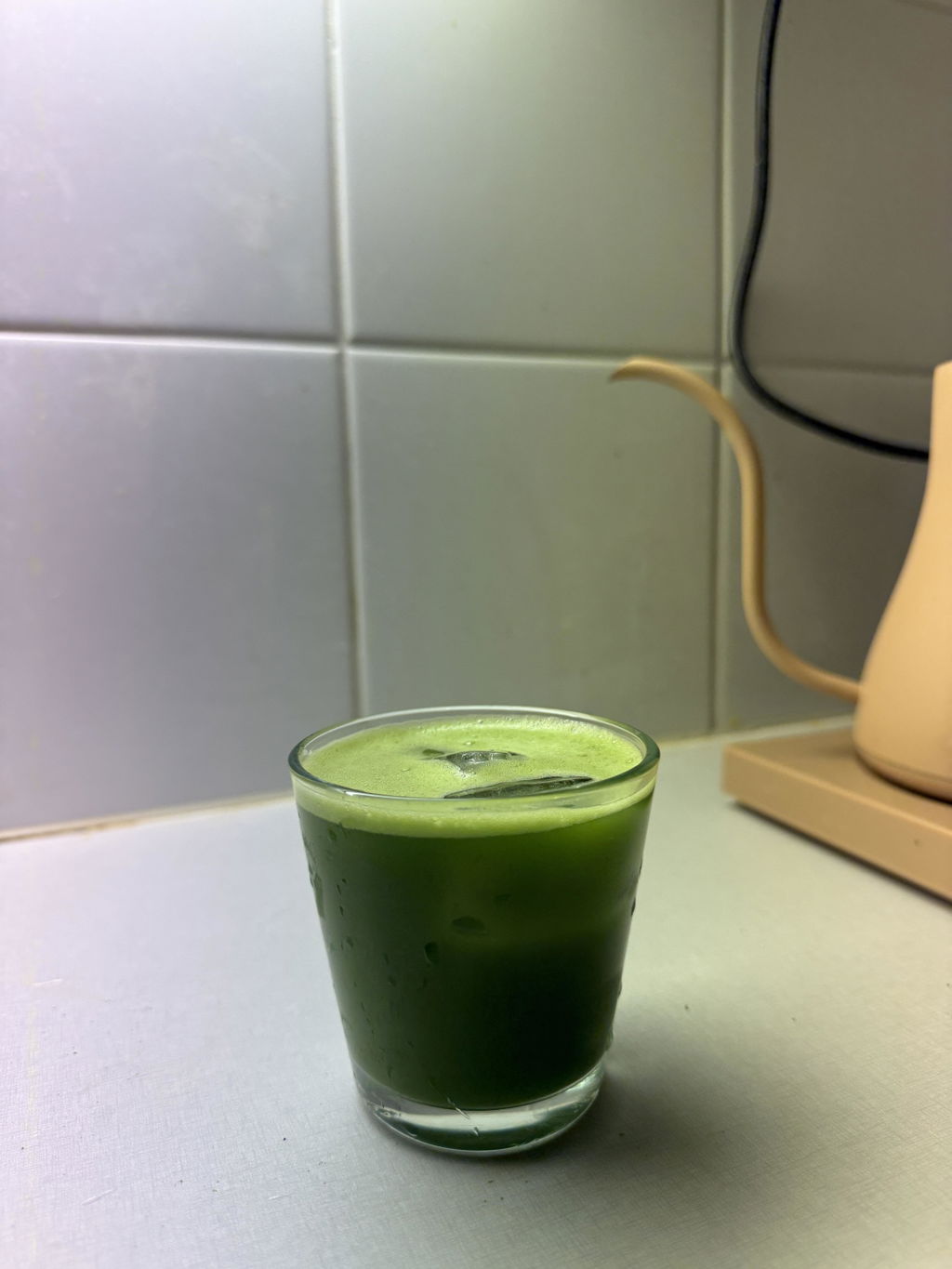
I tried this matcha in four ways: as a classic latte, with water only, cold-whisked with dairy milk, and cold-whisked with oat milk.
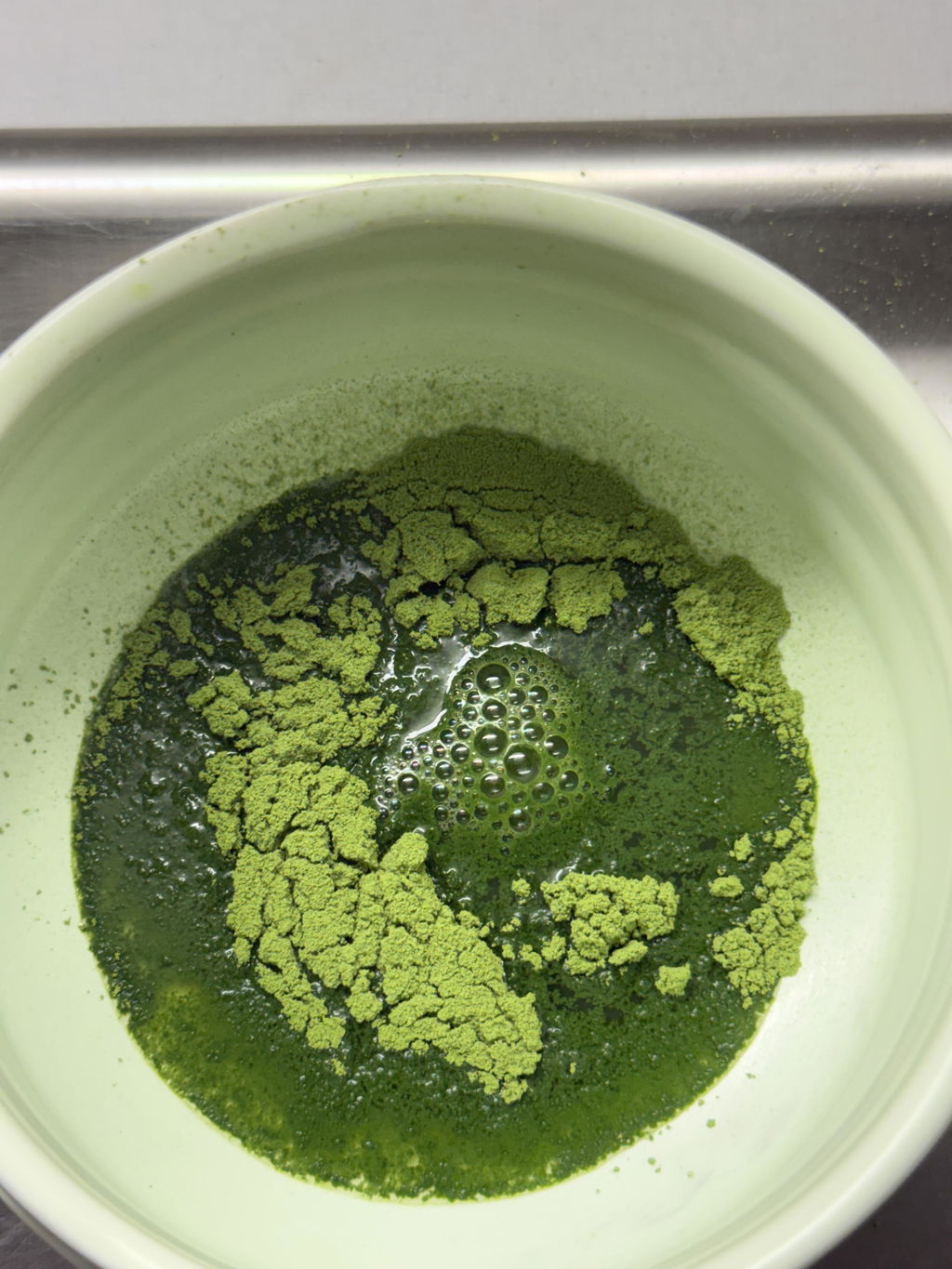
With water, it was very bitter and the bitterness stayed on my tongue for a long time. The flavor reminded me of dark leafy greens, herbs, and small herbal medicine lozenges.
It tasted better with milk, but with oat milk it still felt like the water-prepared matcha with milk added afterward. The original bitter and herbal character remained very clear. It is a very distinctive matcha, although the flavor was not really for me.
I tried this matcha in four ways: as a classic latte, with water only, cold-whisked with dairy milk, and cold-whisked with oat milk. It had a sweet aroma and a gentle sweetness that reminded me of boiled peas or sweet cooked vegetables. The sweetness came first, followed by a soft umami taste and a mild creamy feeling. It was smooth, mellow, and enjoyable in different preparations.
My first impression of this matcha in a latte was quite ordinary. The flavor was mild, slightly bitter, and a little rough in texture, so I did not notice any clear character at first.
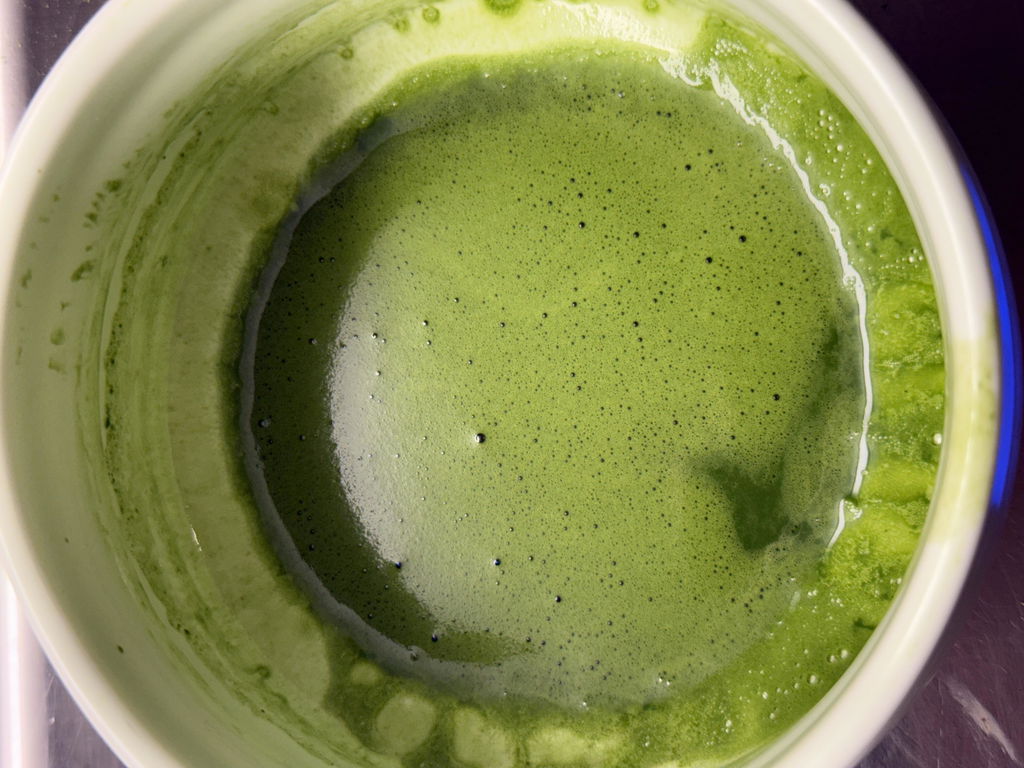
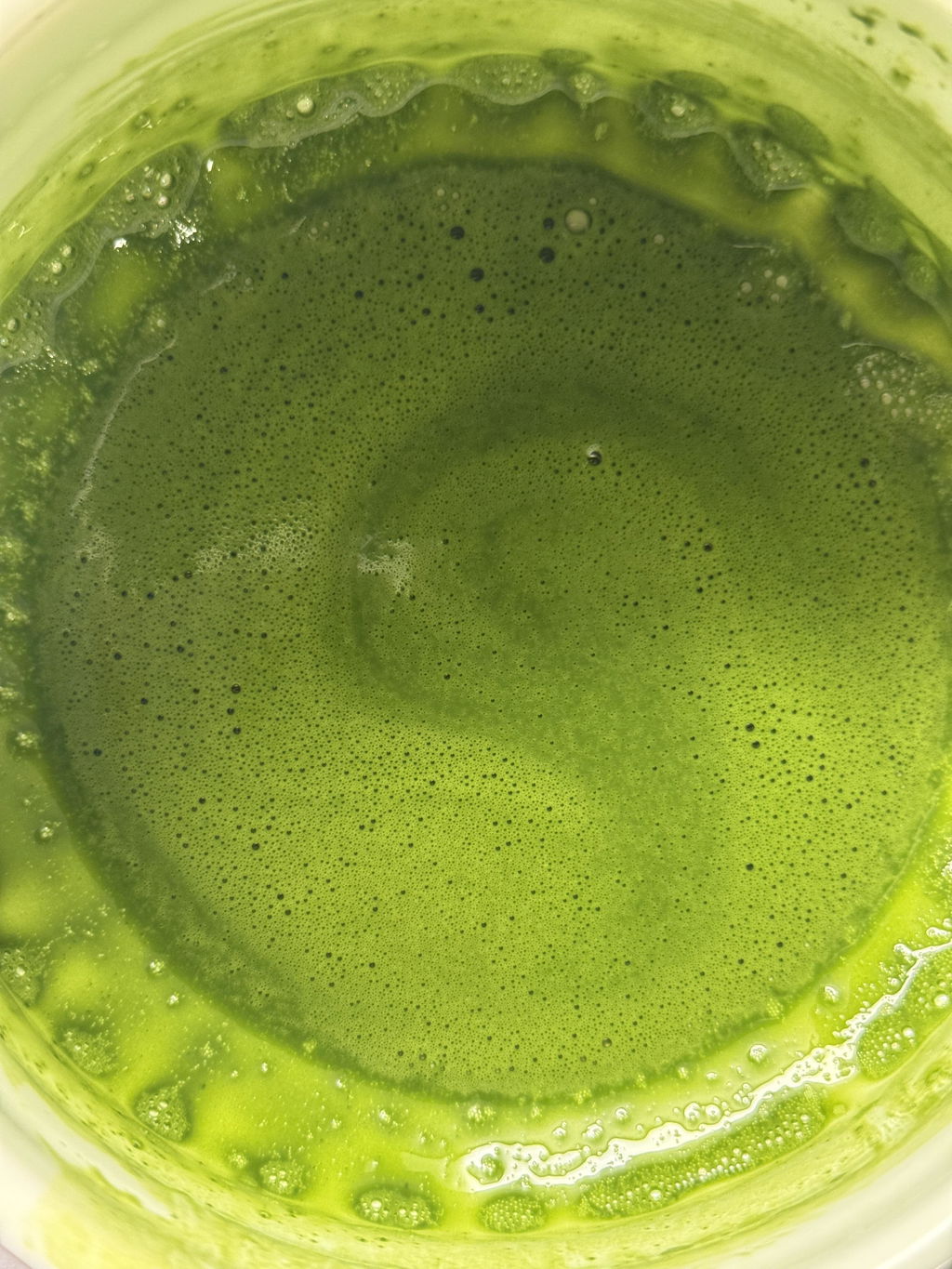
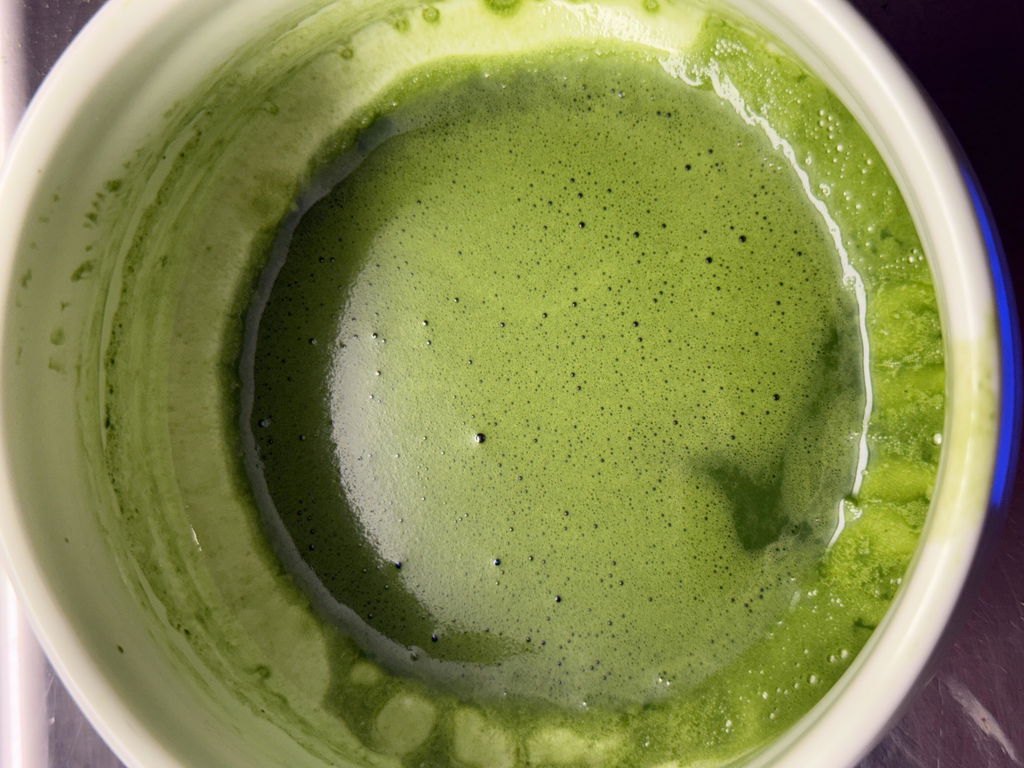
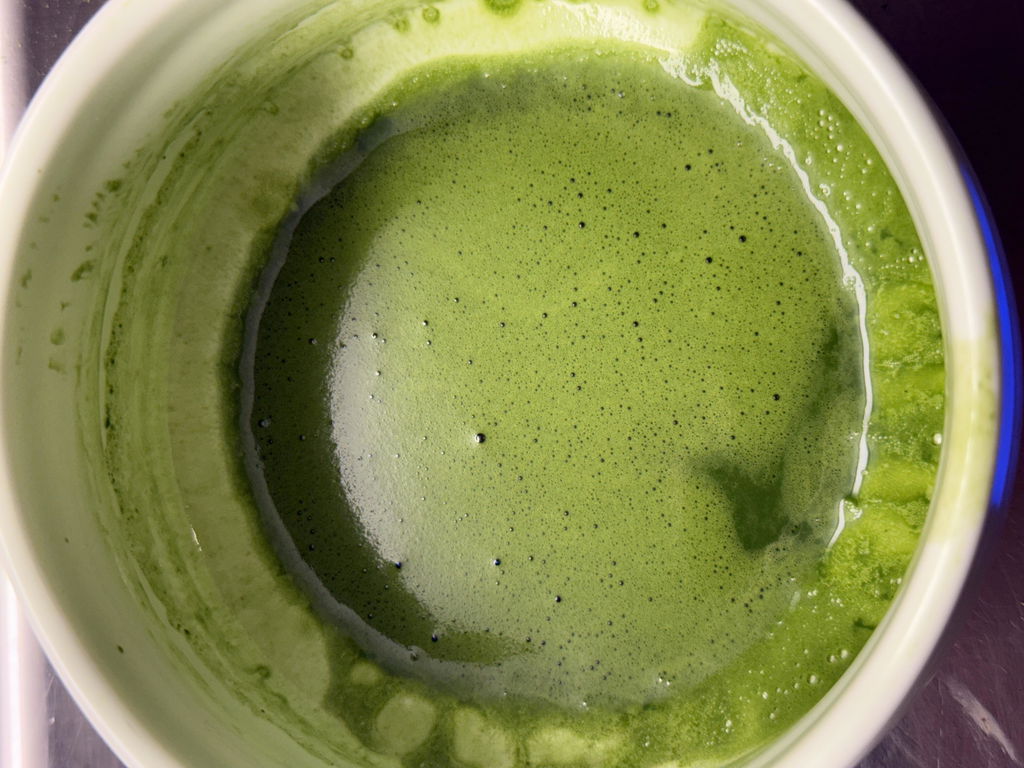
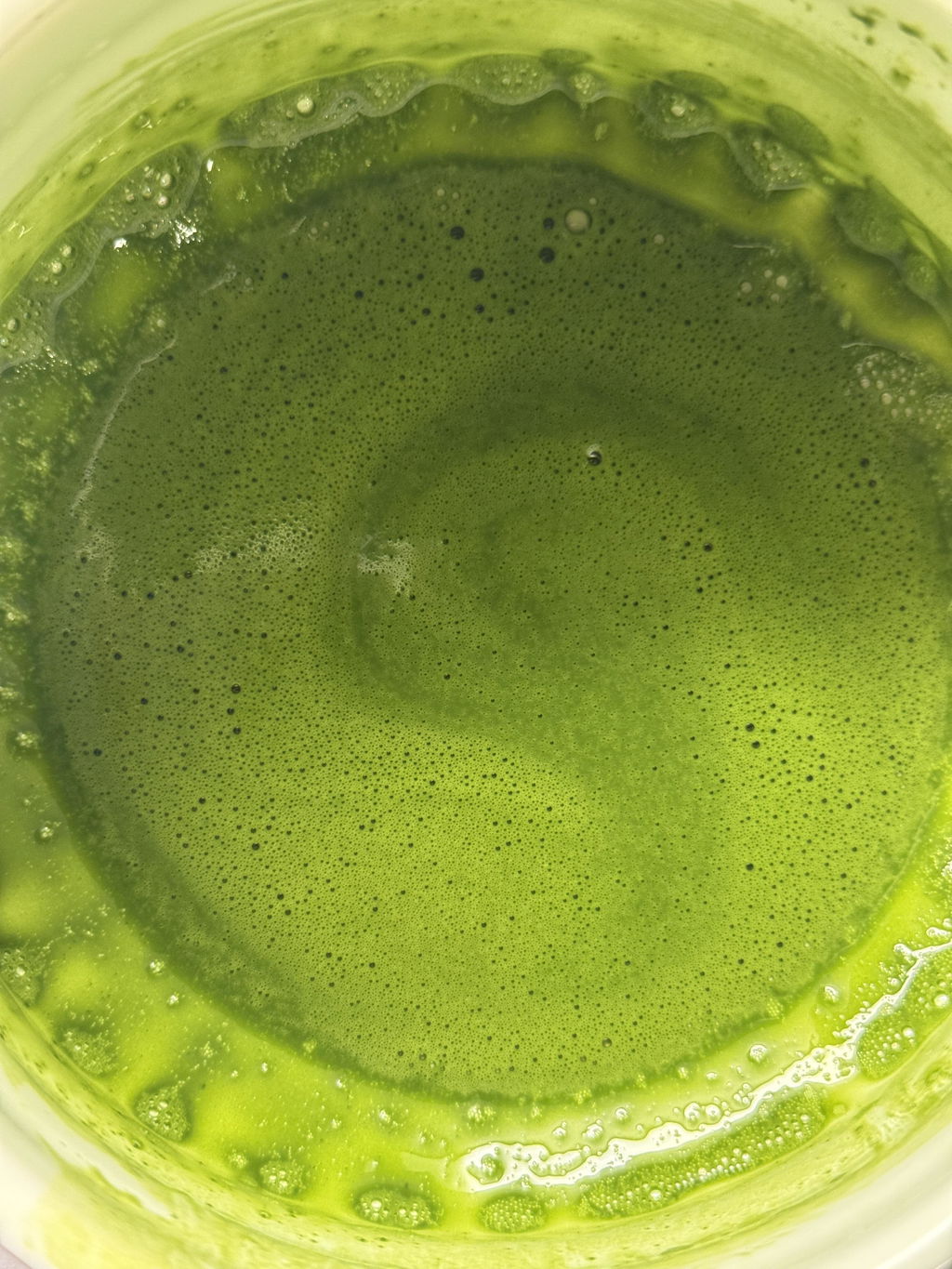
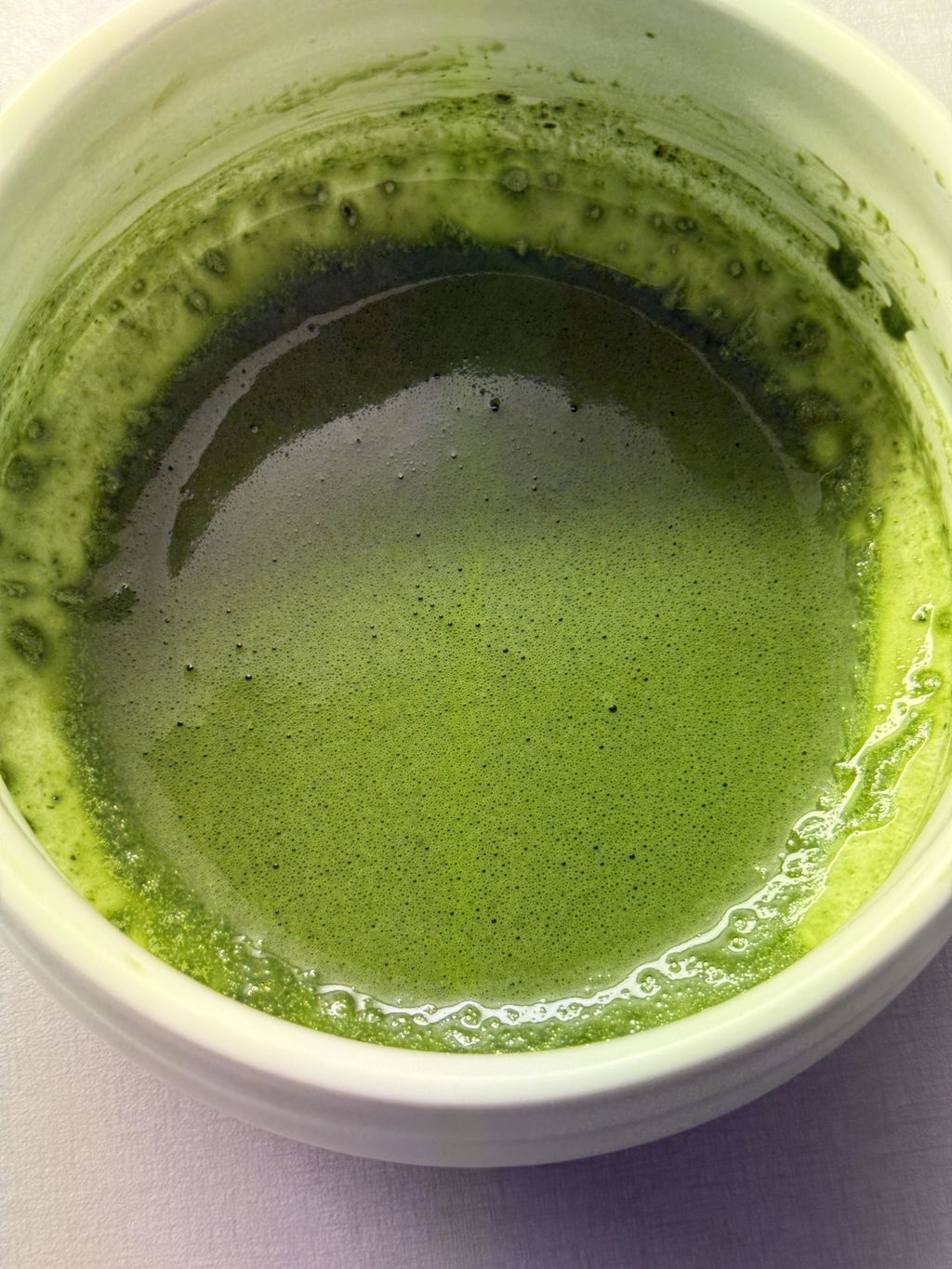
However, it tasted much better when prepared with water at 70°C. It became creamy, slightly nutty, and much more enjoyable. The aroma was soft and pleasant without being sharp, and the vibrant green color was especially beautiful.
For me, this matcha works much better with water than cold-whisked milk and a classic latte. Cold-whisked with milk was a bit too much creamy.
I tried this matcha in four ways: as a classic latte, with water only, cold-whisked with dairy milk, and cold-whisked with oat milk. It was smooth, clean, and not rough, with a flavor that reminded me of cooked leafy green vegetables. It had a mild green-vegetable bitterness rather than a strong tea bitterness. Its character remained quite consistent across the different preparation methods, with a smooth and pleasant texture in each one.
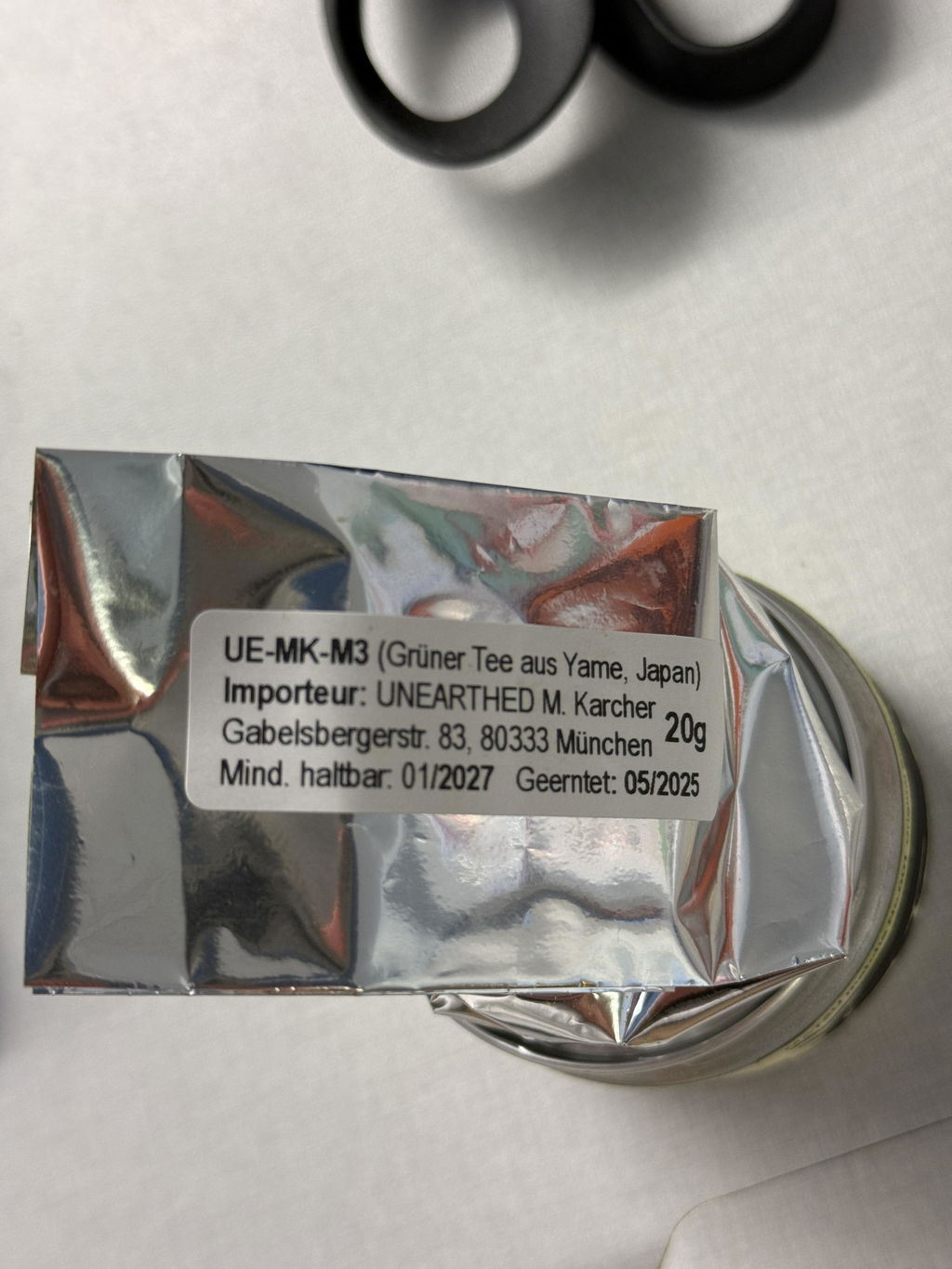
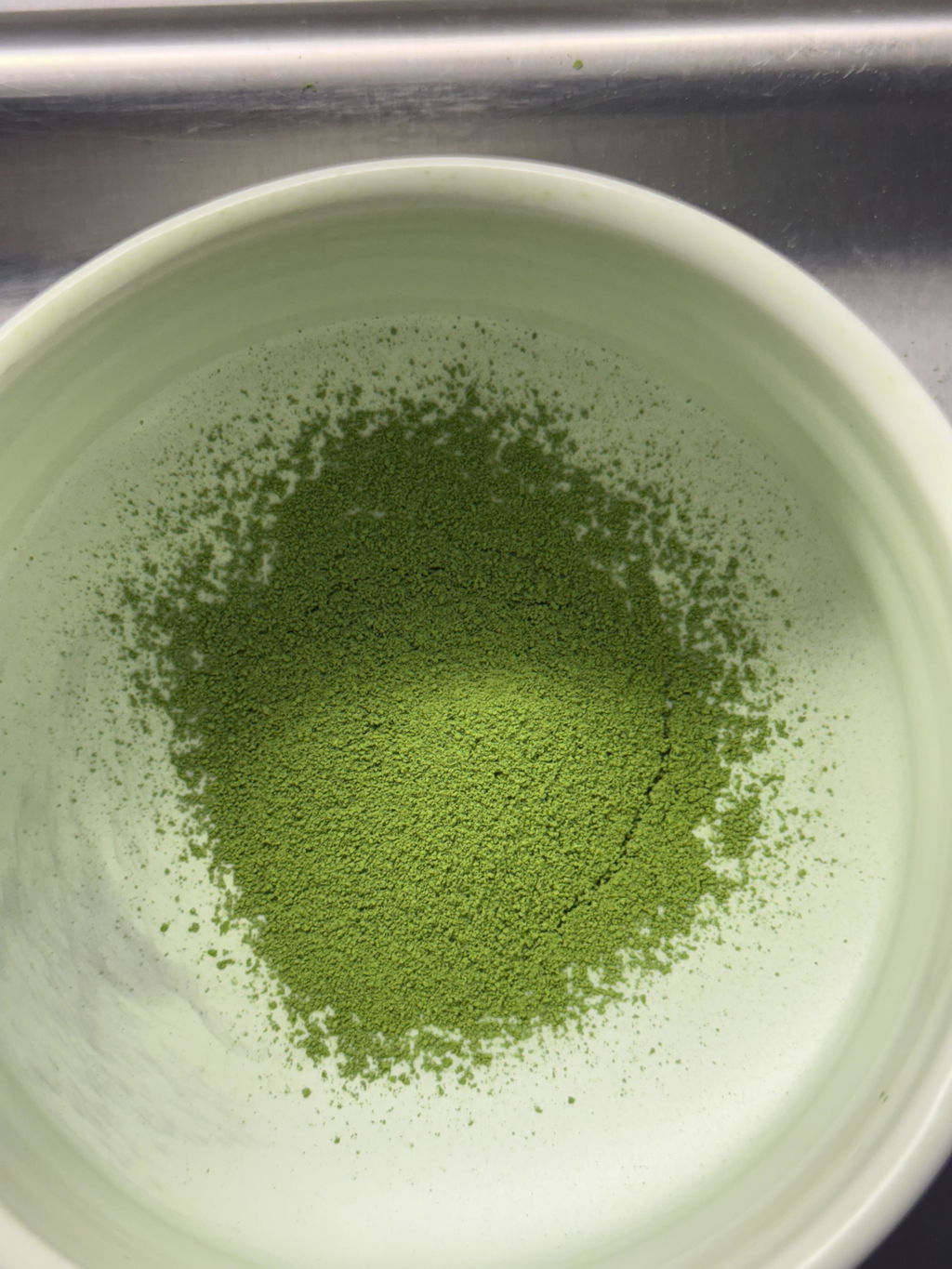
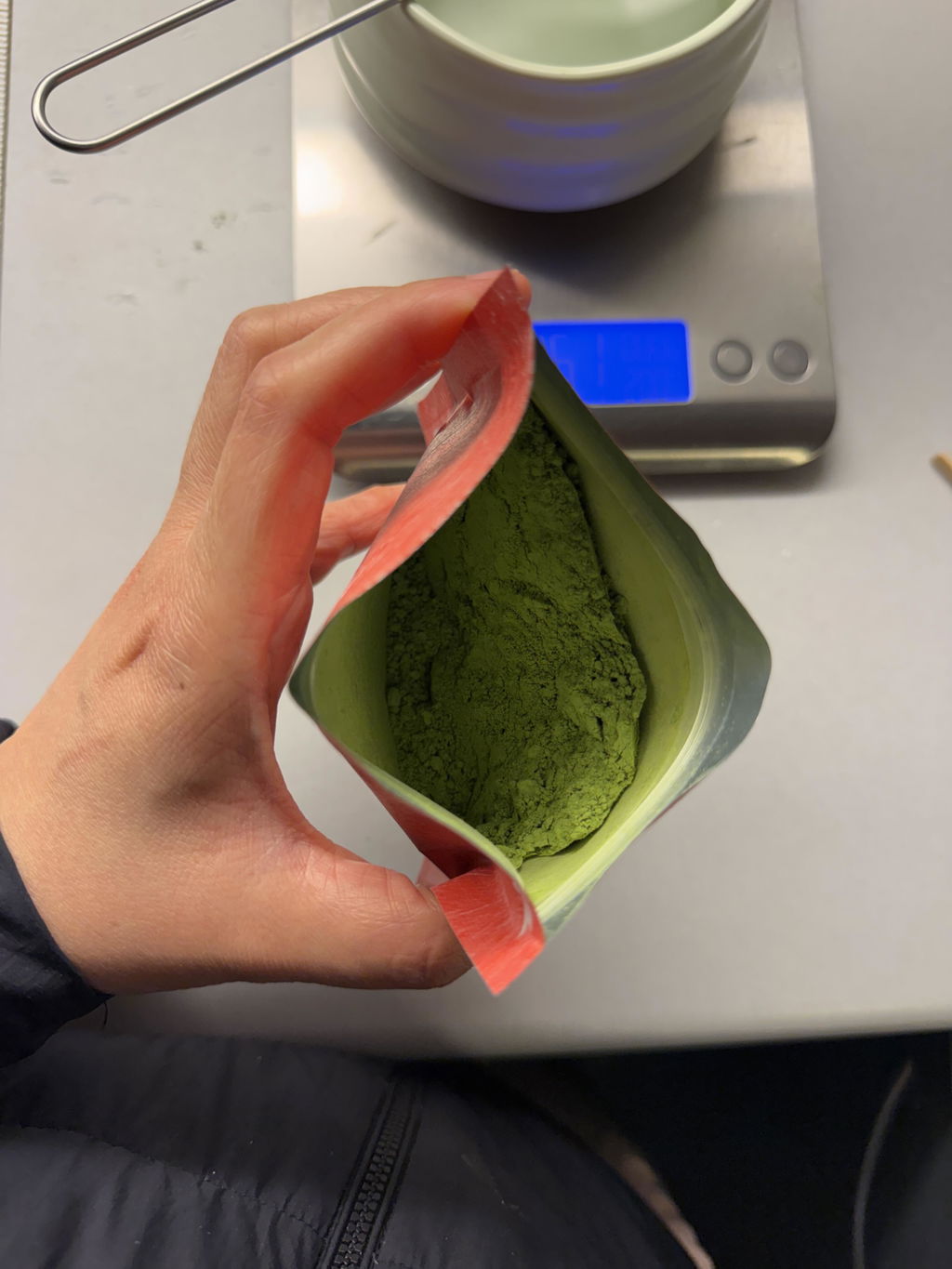
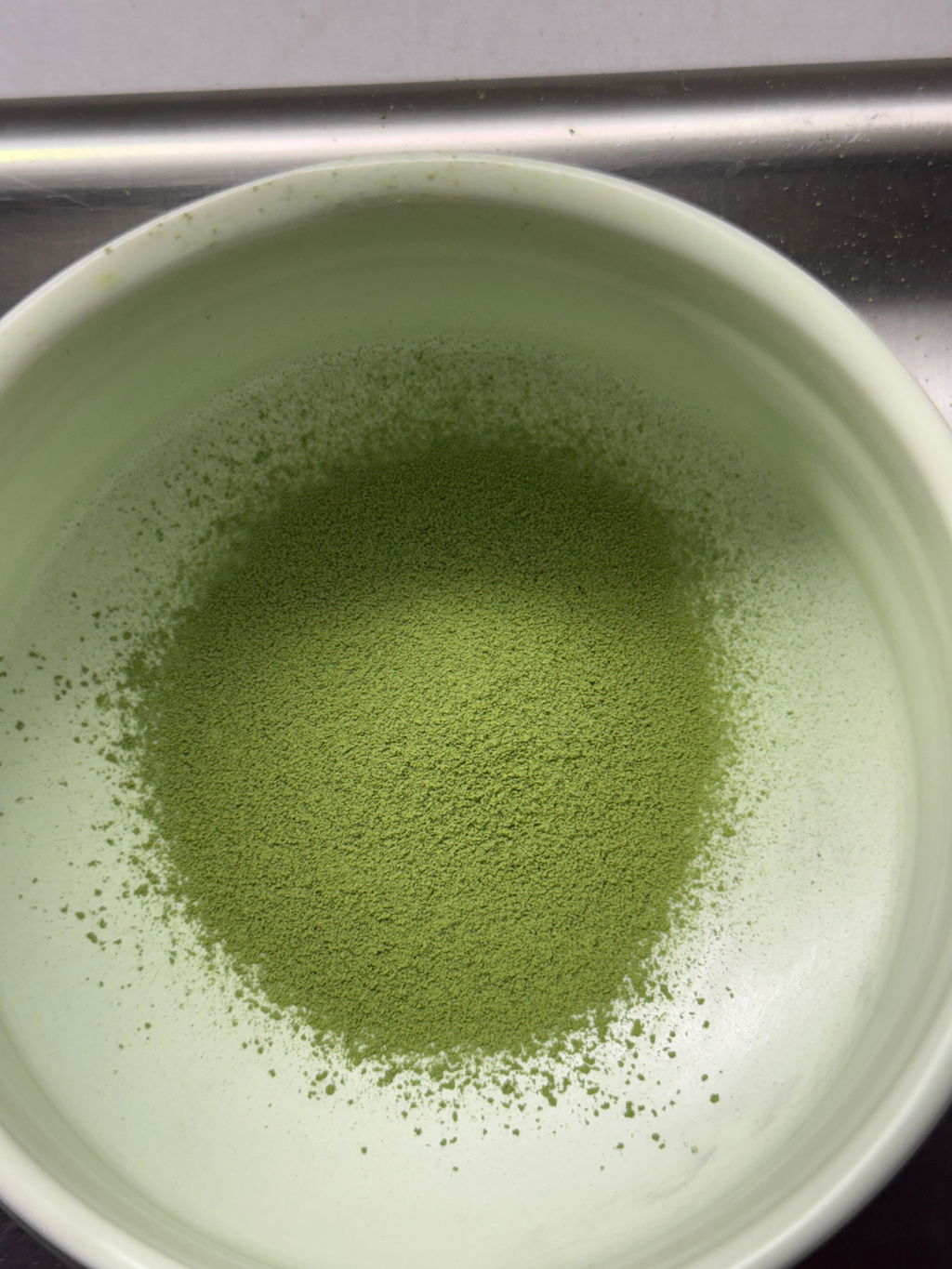
I bought this set because I wanted to compare three different matcha cultivars. Okuhikari was the most bitter and herbal. It reminded me of dark leafy greens, herbs, and small herbal medicine lozenges. The bitterness stayed on my tongue for a long time, but it had a very distinctive and interesting character. Saemidori was sweet, smooth, and mellow. Its flavor reminded me of boiled peas or sweet cooked vegetables, followed by soft umami and a mild creamy feeling.Tsuyuhikari was smooth and clean, with a mild cooked leafy-green flavor and gentle vegetable-like bitterness. Overall, the three cultivars had noticeably different characters, which made them interesting to compare.