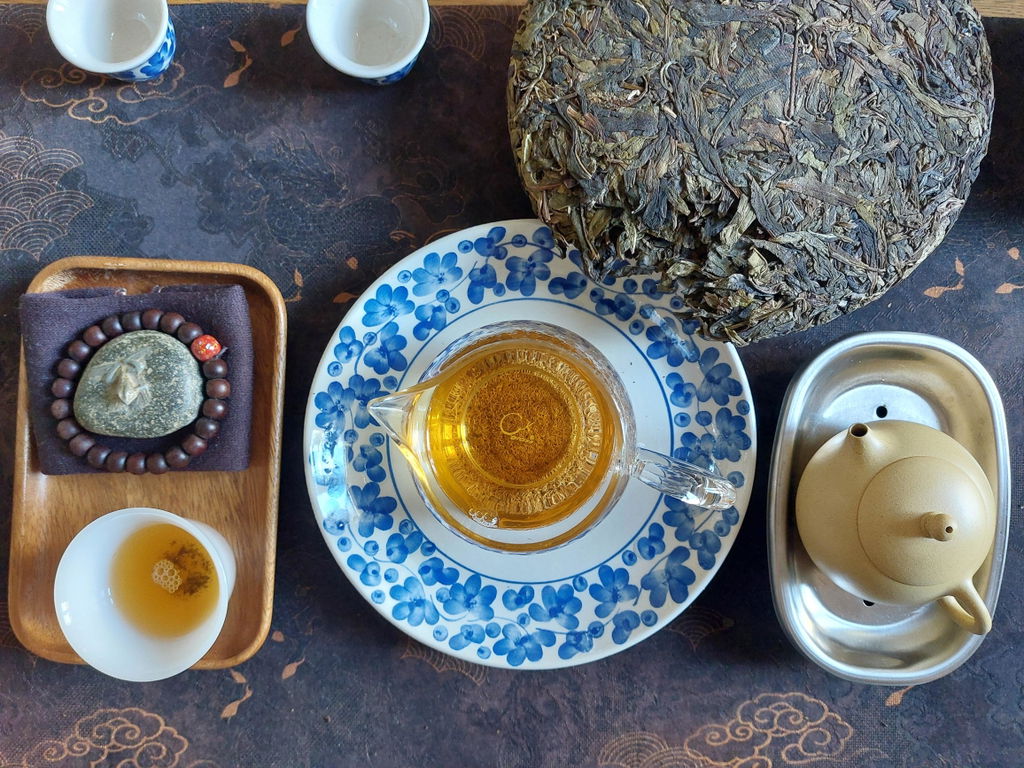


Teaware


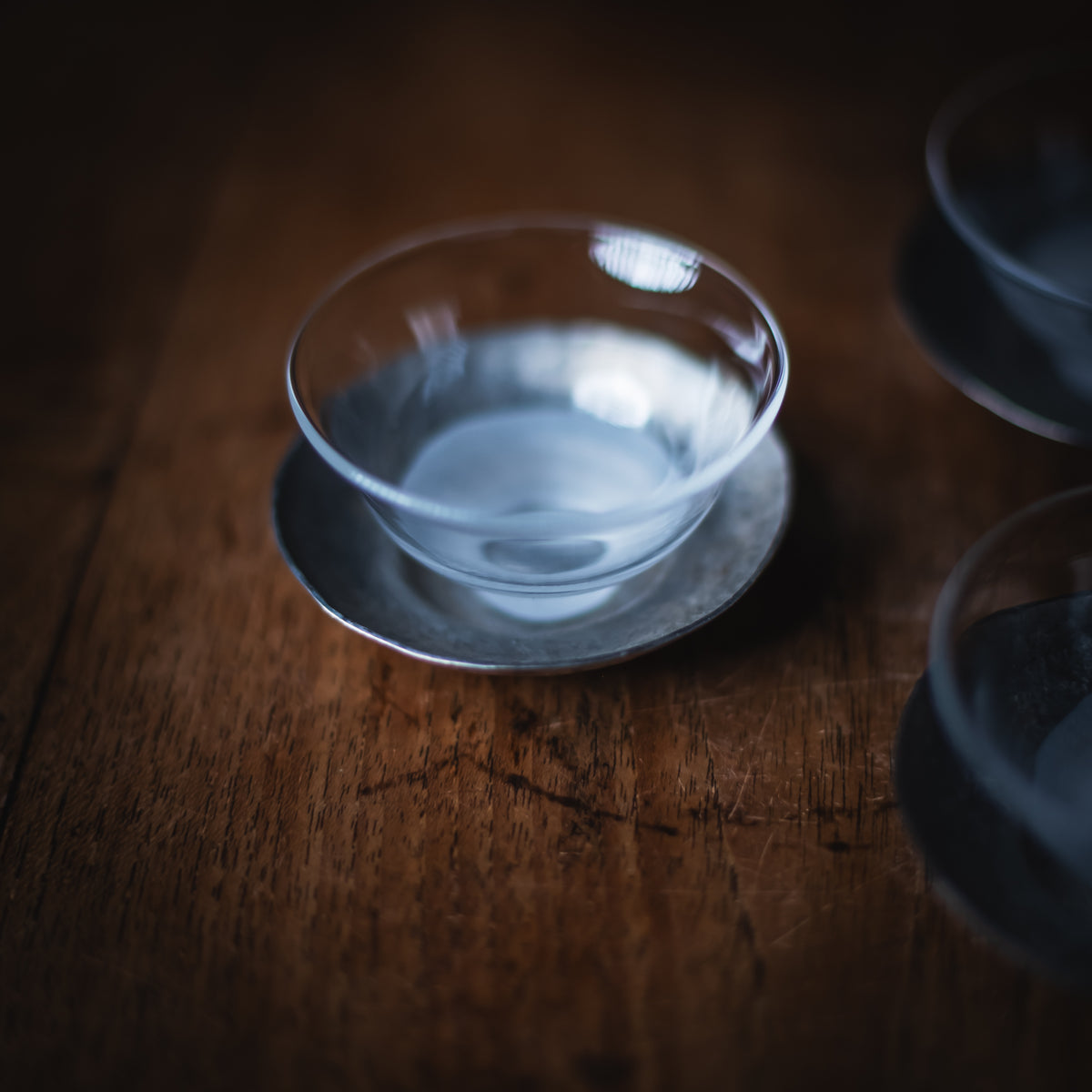
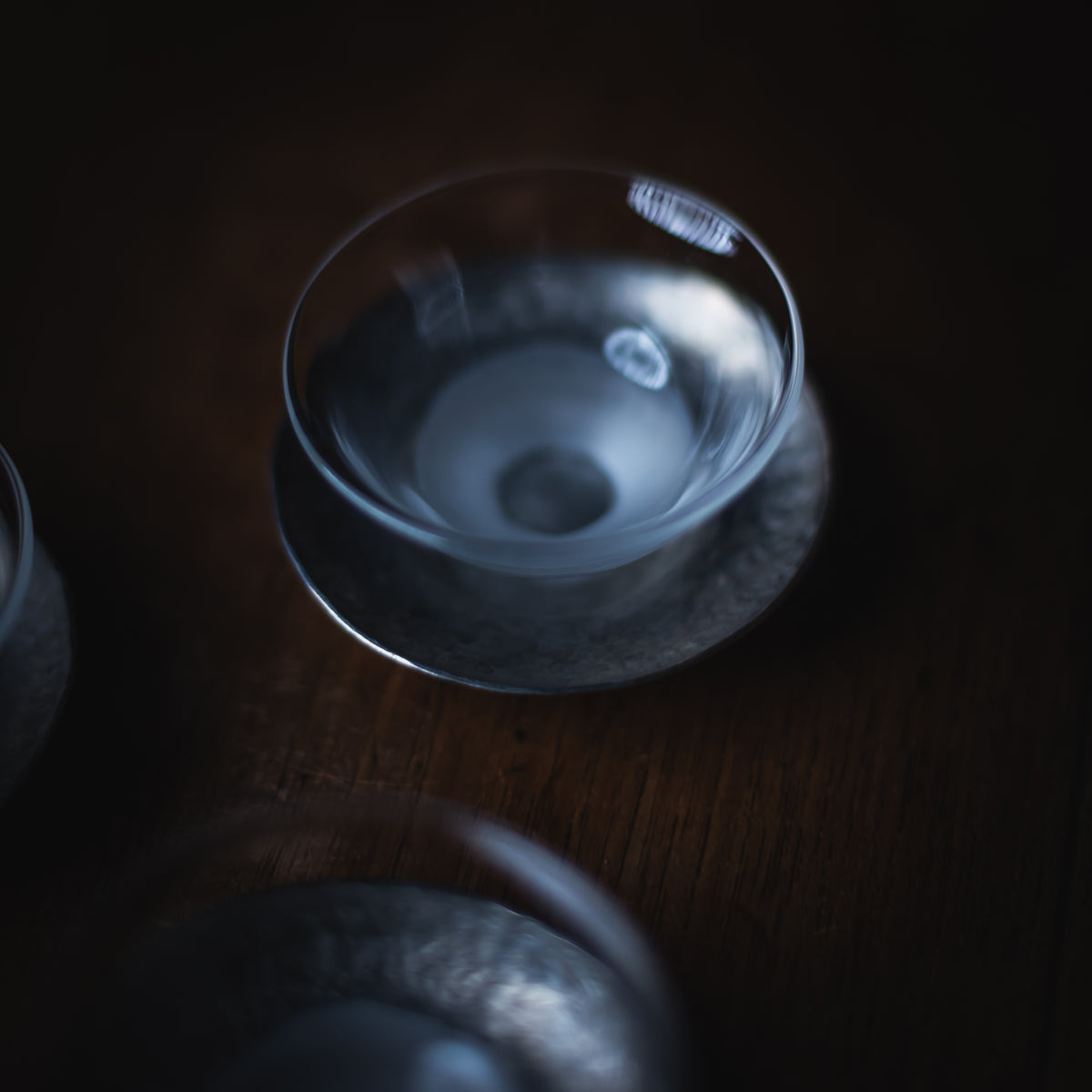

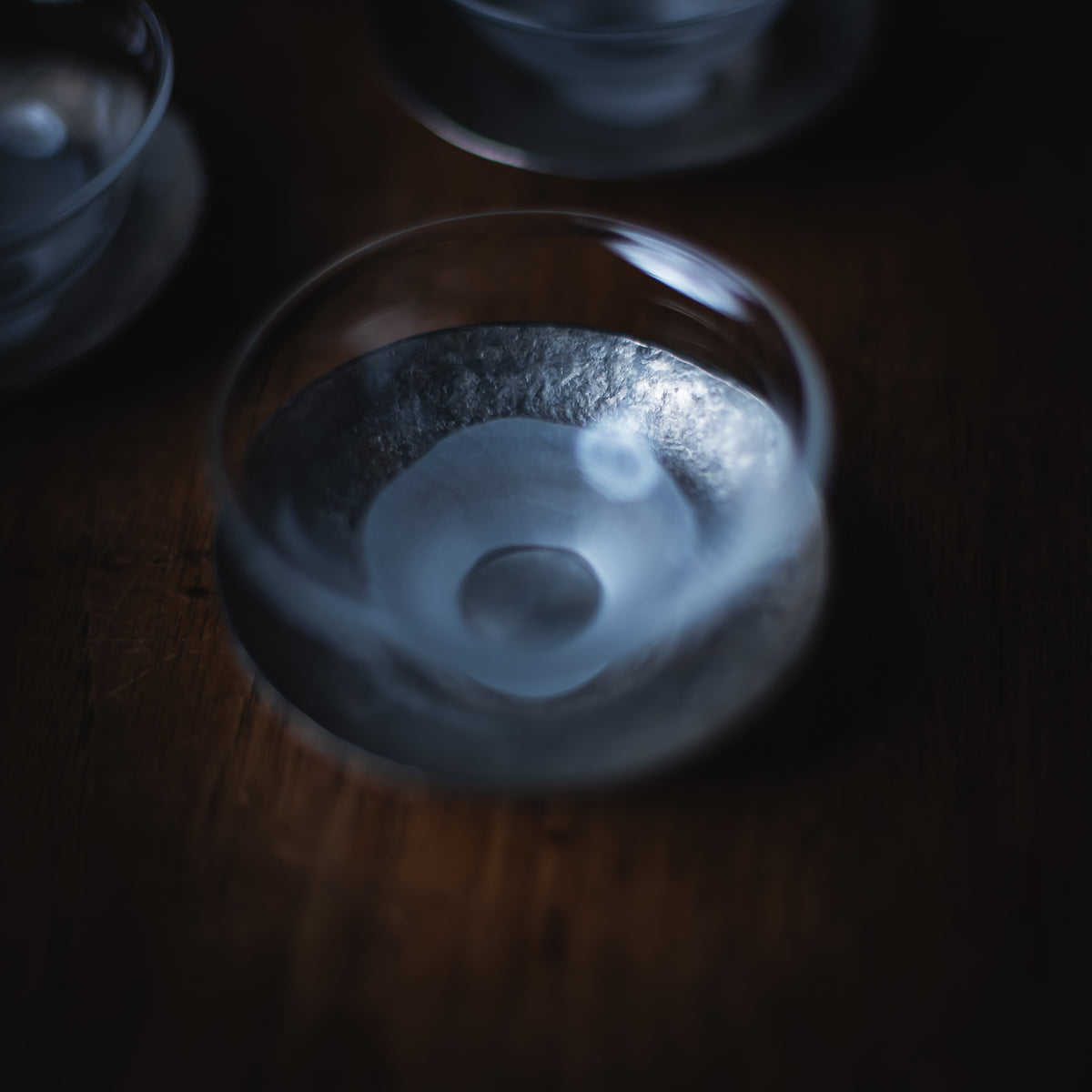
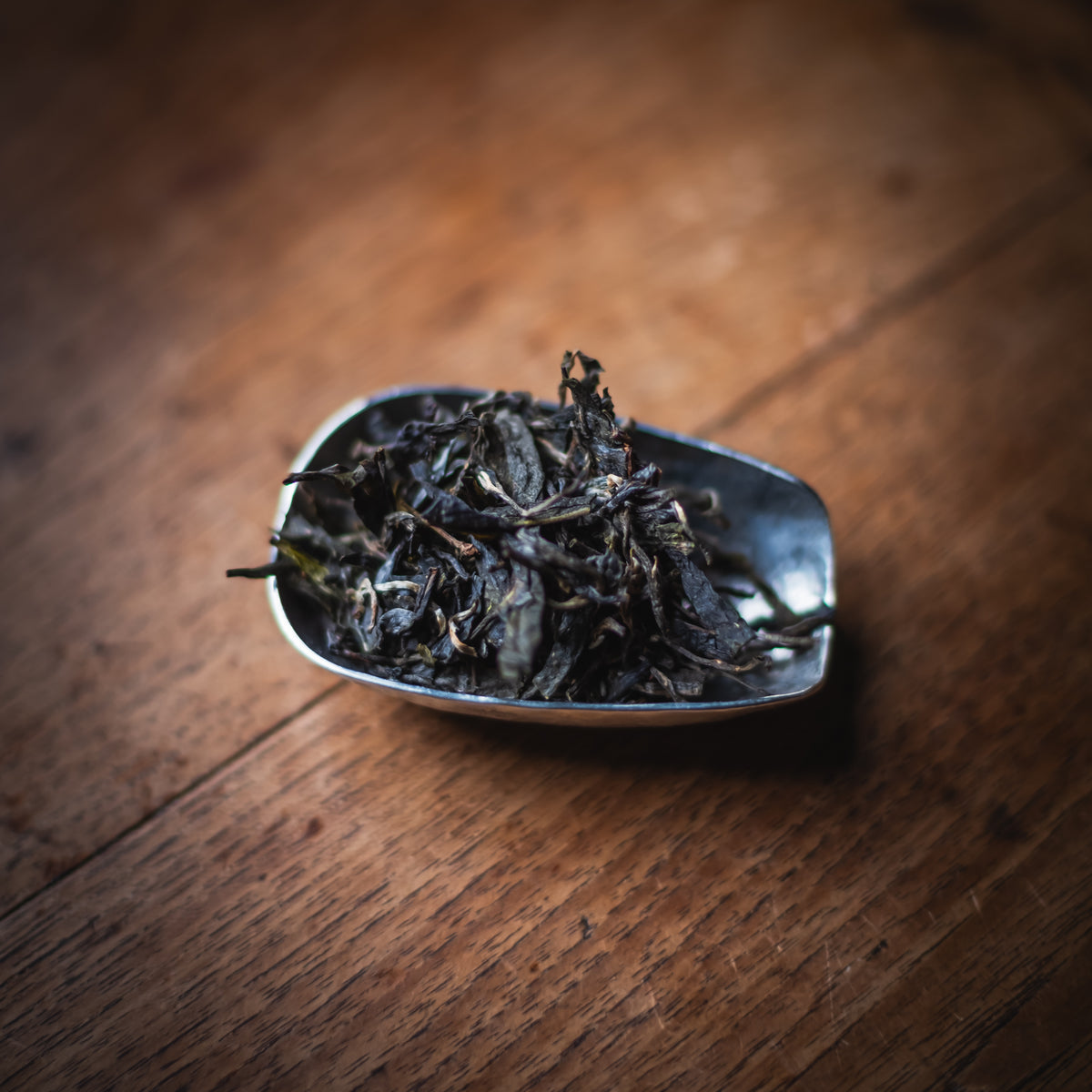


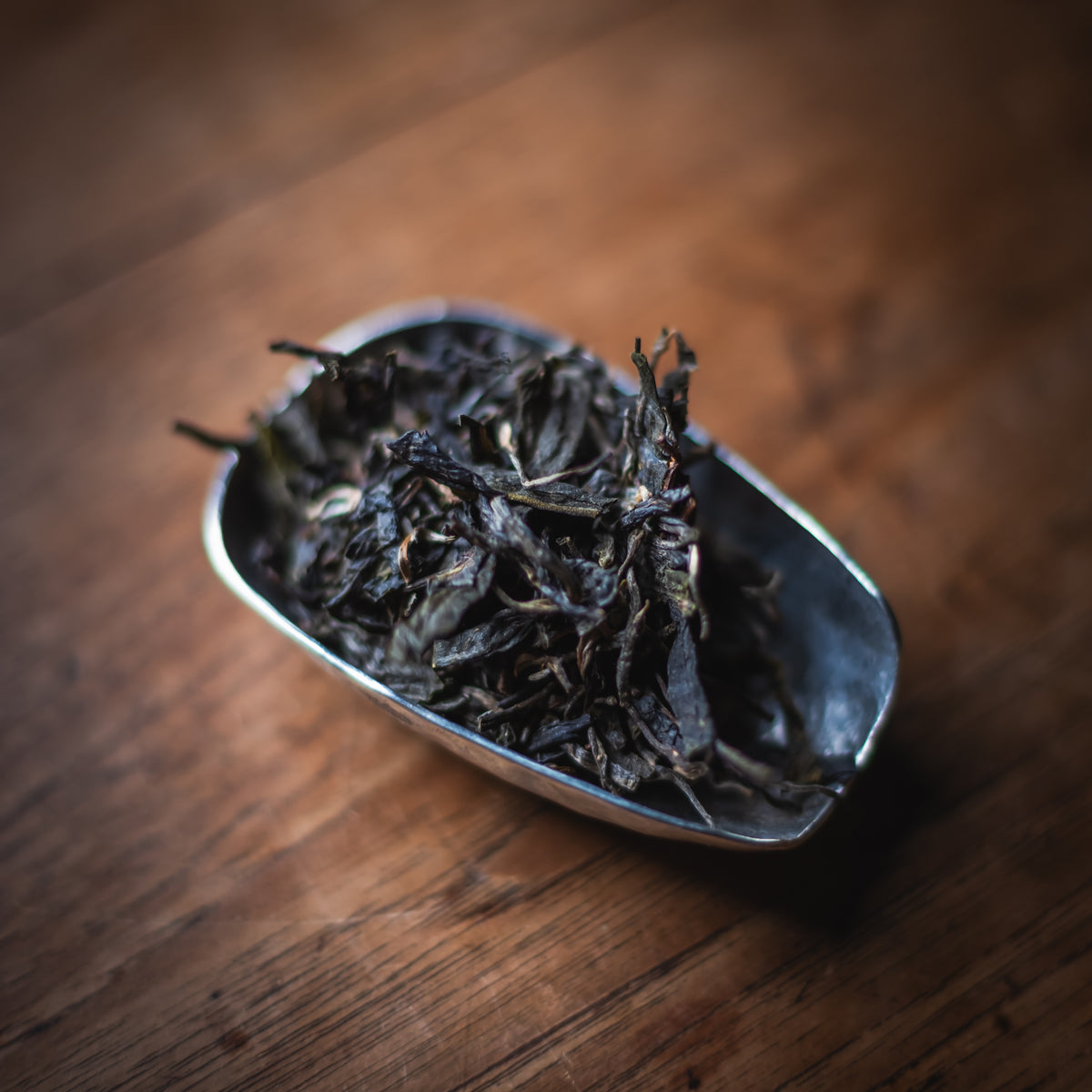
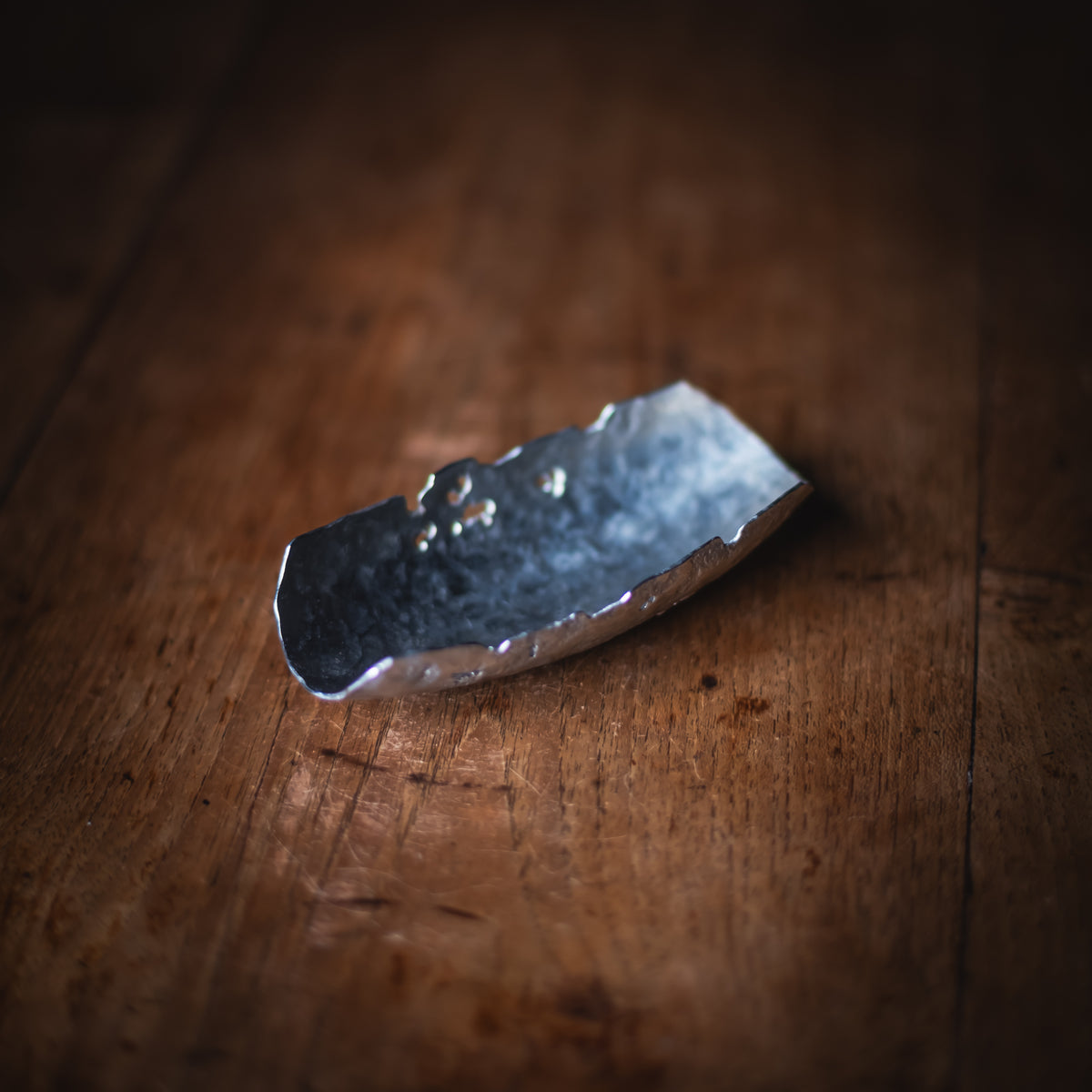


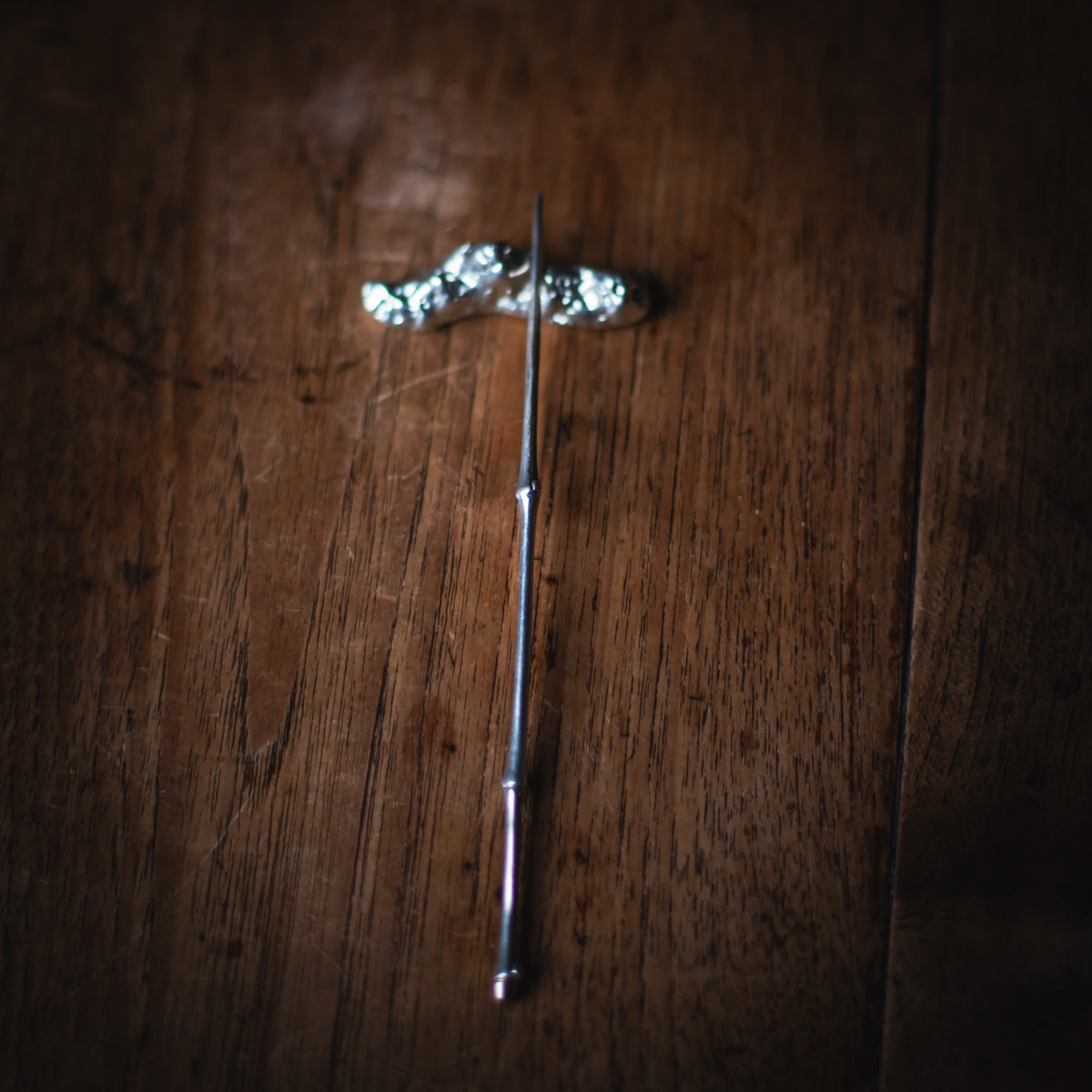




This is the whole ceramics and glass side of the gallery on one page: more than 1,000 pieces for brewing, serving and drinking tea, made by more than 40 potters, glassmakers, woodworkers and silversmiths. Most of them are one-of-a-kind and photographed individually, so the piece you see is the piece you receive.
What Is In Here
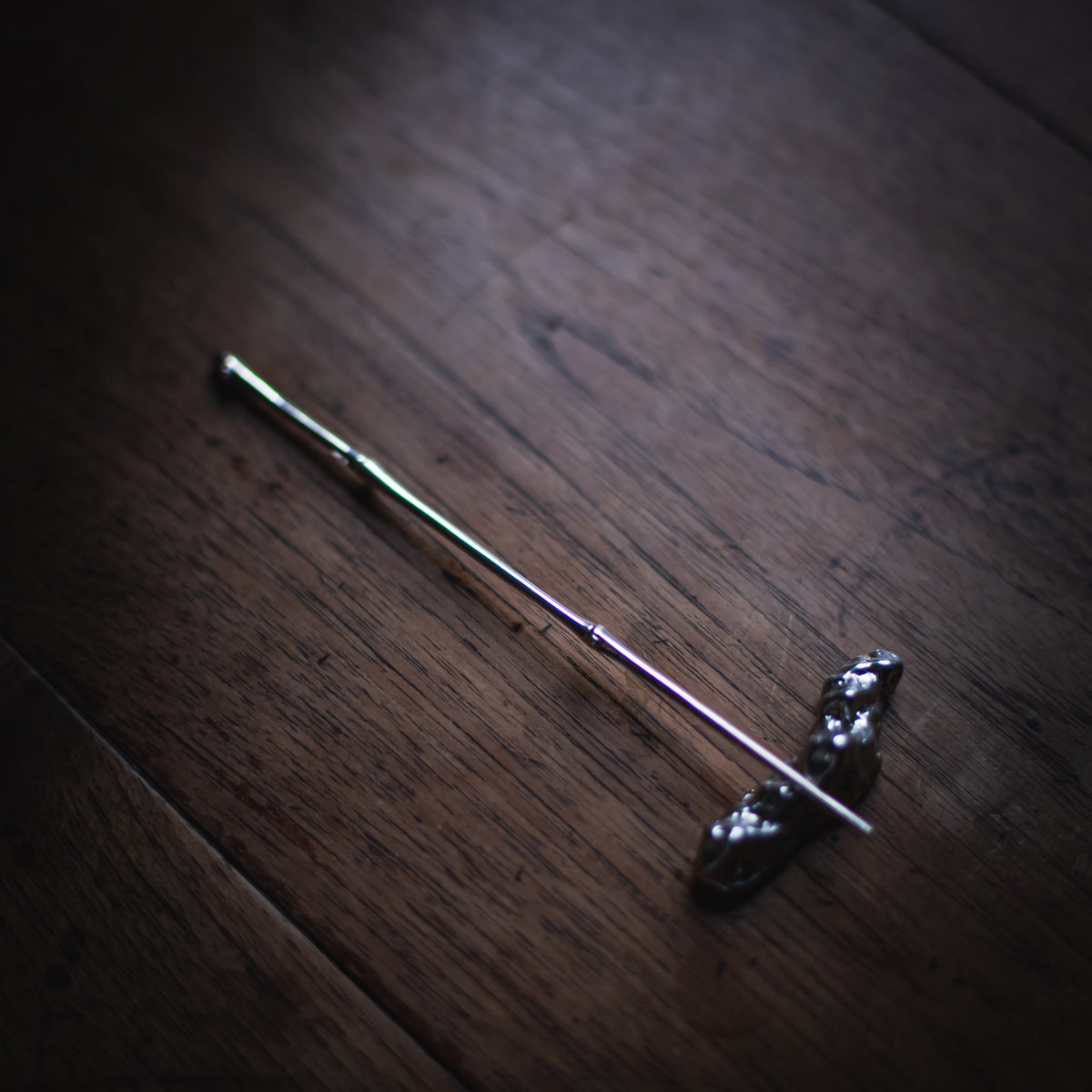
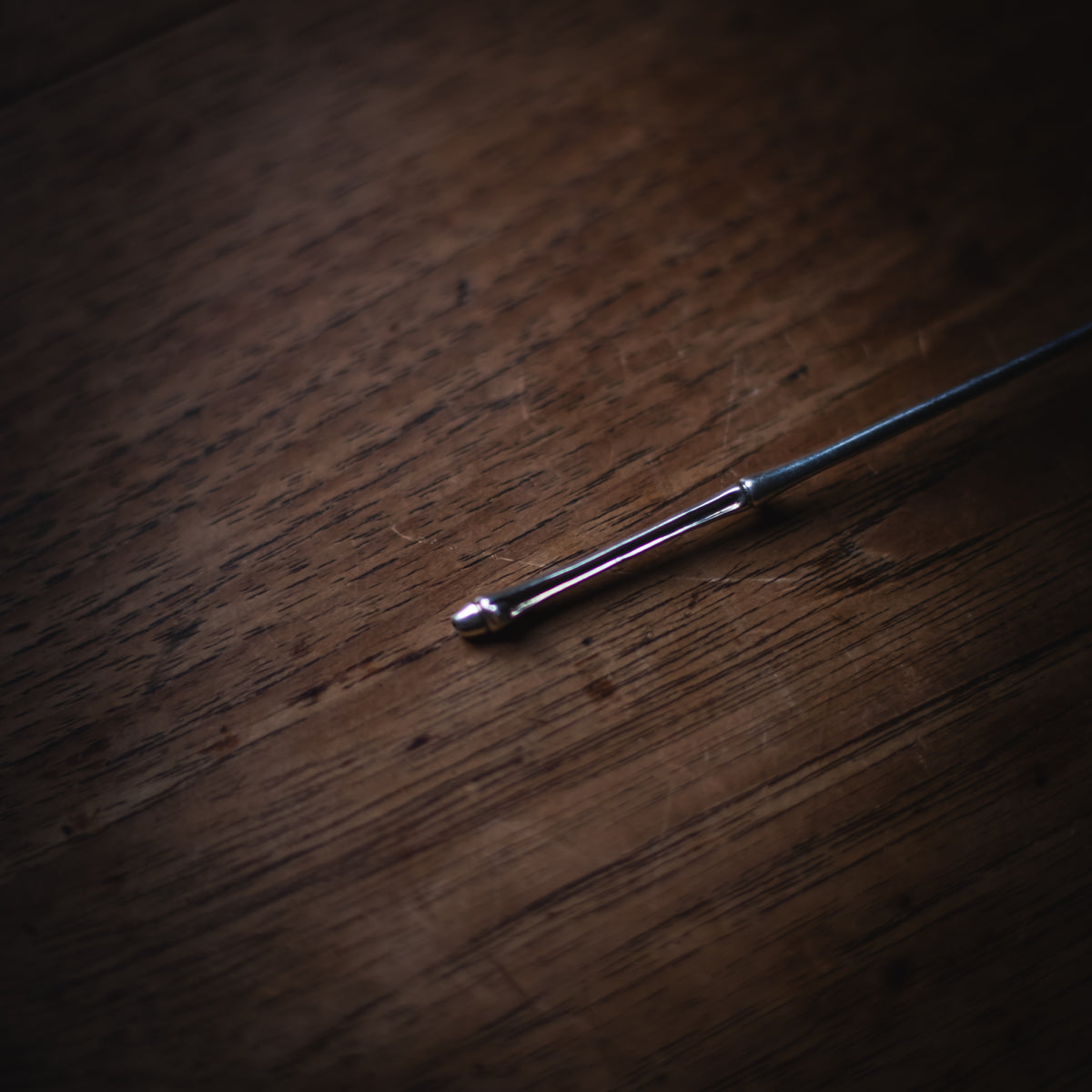
The collection follows the way tea is prepared. Kyusu and side-handle teapots, back-handle teapots, gaiwan and shiboridashi and hohin are the brewing vessels. Cups and pitchers covers tea cups, guinomi and sakazuki, chawan and bowls, yunomi, chahai serving pitchers and katakuchi. Accessories and objects holds chasen, tea scoops, trays, caddies, plates and vases. Every piece that came through one of our exhibitions since 2023 is also gathered under exhibition pieces.
Where The Pieces Come From
Japan is the largest part: Tokoname kyusu by Seiji Ito, Yutaro Yamada, Kanjo Omata, Yokei Mizuno and Teruyuki Isobe, Hagi ware from Yamaguchi, Oribe pieces by Takuya Kanamoto, Bizen by Kazuya Ishida, and glass from Toyama by Daigo Kikuchi and Miki Inoue. From China we carry Yixing zisha by Studio Li, Chaozhou gongfu pots by Zhang Xuefen and Su Mingzhi, Dehua porcelain by Buchangqi and Hong Jianpeng, soda-fired work by Wang Yufeng and silver and tin by Duan Aiqin from Jingdezhen. The European makers include David Louveau, Andrzej Bero, Perrine Pottiez, Vlastimil Hanuš and Chiaki Asanuma, and some of them work here in Bavaria. We buy the ceramics directly from the potters and studios, and many of them have shown in the gallery in person.
How To Narrow It Down
The filters on the left let you cut the collection by origin (Tokoname, Hagi, Yixing, Chaozhou, Jingdezhen, Dehua, Bizen), by material (ceramic, glass, wood, metal, textile), by maker and by price. If you are choosing for a specific tea, the size matters more than the style: 100 to 150 ml pots and 20 to 40 ml cups suit gyokuro and shaded teas, 200 to 300 ml is the everyday sencha size, and Chinese pots with 60 to 90 ml cups are the gongfu setup for oolong and puerh. Our guides on the Japanese teapot, the chawan and Hagi ware explain the differences in more depth.
Everything ships from Munich, and you are welcome to see the pieces at Gabelsbergerstraße 83 before you decide.