

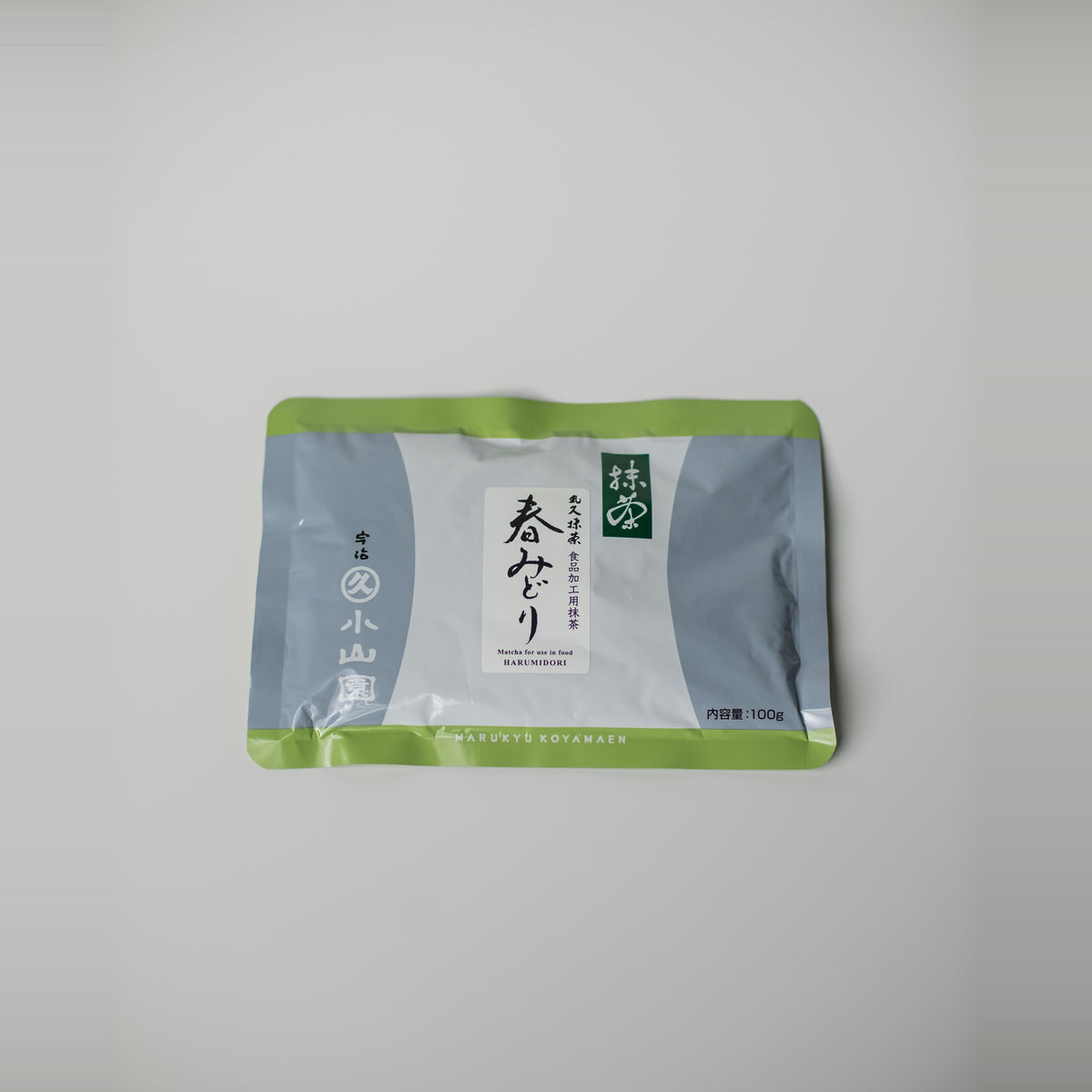





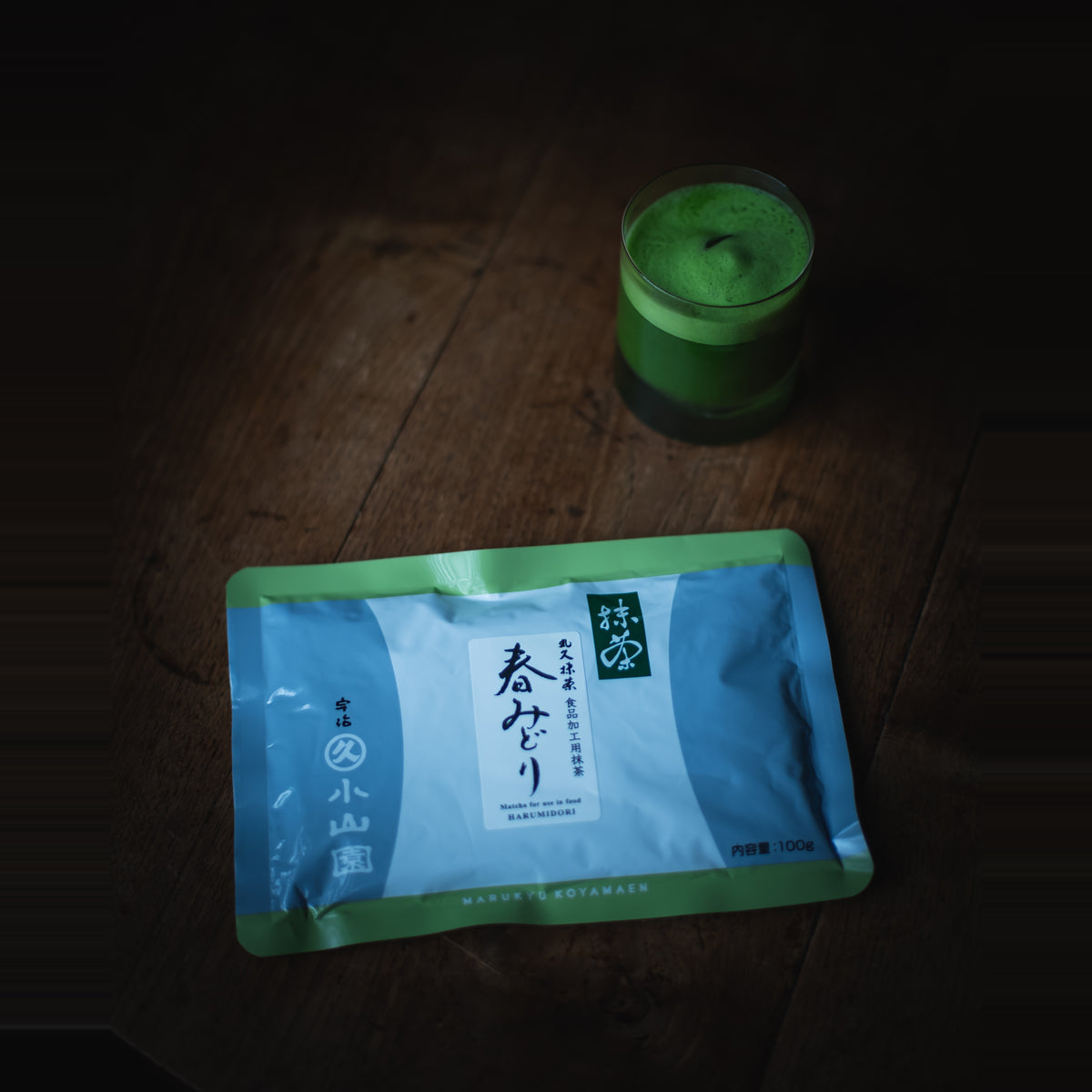


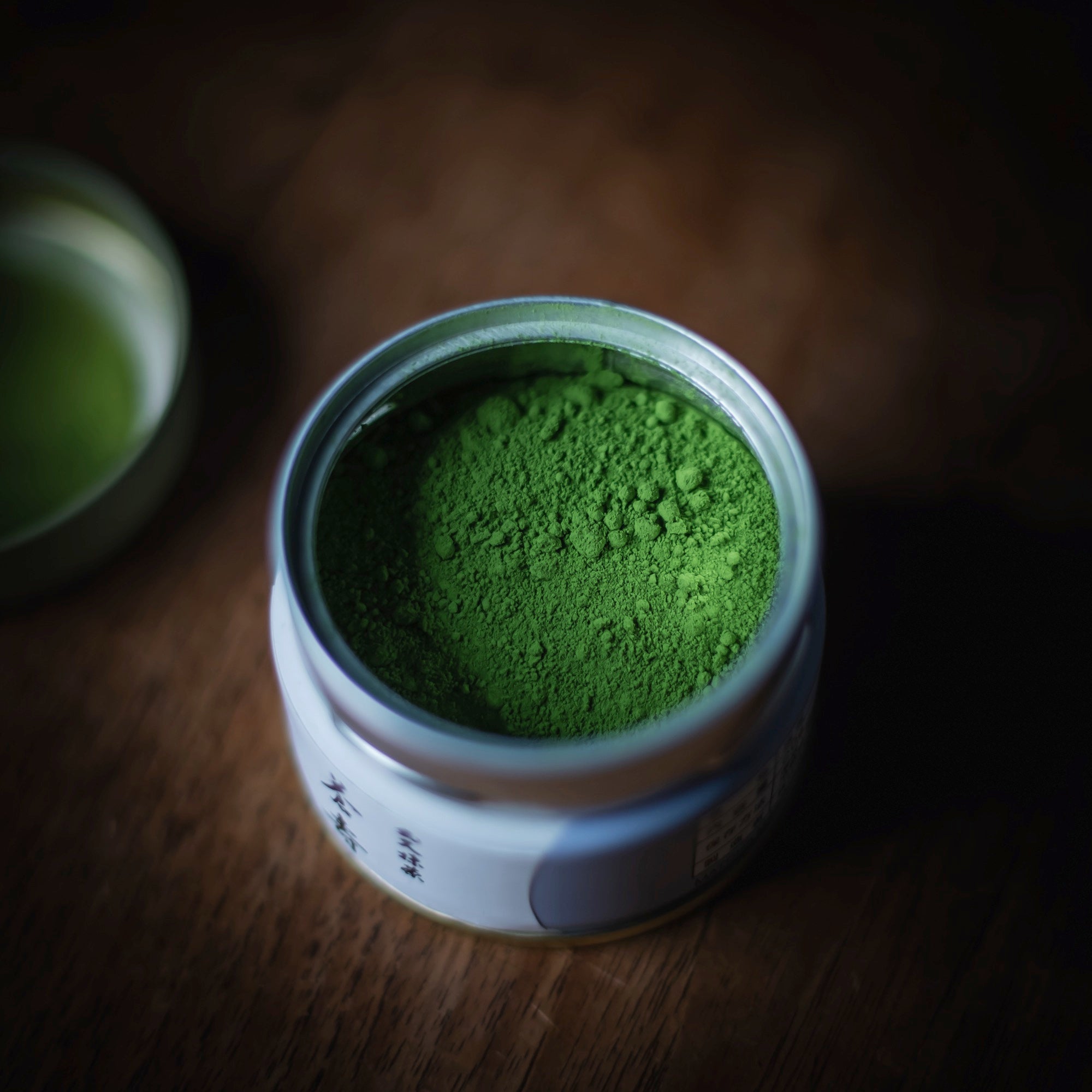
Matcha blend by Marukyu Koyamaen for milk drinks, iced Matcha and baking, and smooth enough for a daily bowl. Harumidori is the most affordable of the blends Marukyu Koyamaen produces for the European market, and it is made to order for that line.
We only came across this blend recently, and it turned out to be the best value on our whole Matcha shelf, because it is currently the lowest price per gram we sell. A lot of the affordable Matcha that is marketed in Europe as "ceremonial grade" does not tell you anything else. Harumidori carries the name of one of the oldest houses in Uji, and it is produced for the European market. If you have been buying a cheap "ceremonial grade" Matcha for your latte, this is the alternative we would put in front of you.
Marukyu Koyamaen adjusts this blend for food processing, which means they keep more bitterness and astringency in it so that the Matcha taste still carries through milk and sugar instead of disappearing behind them. What surprised us is how smooth it still is in the cup.
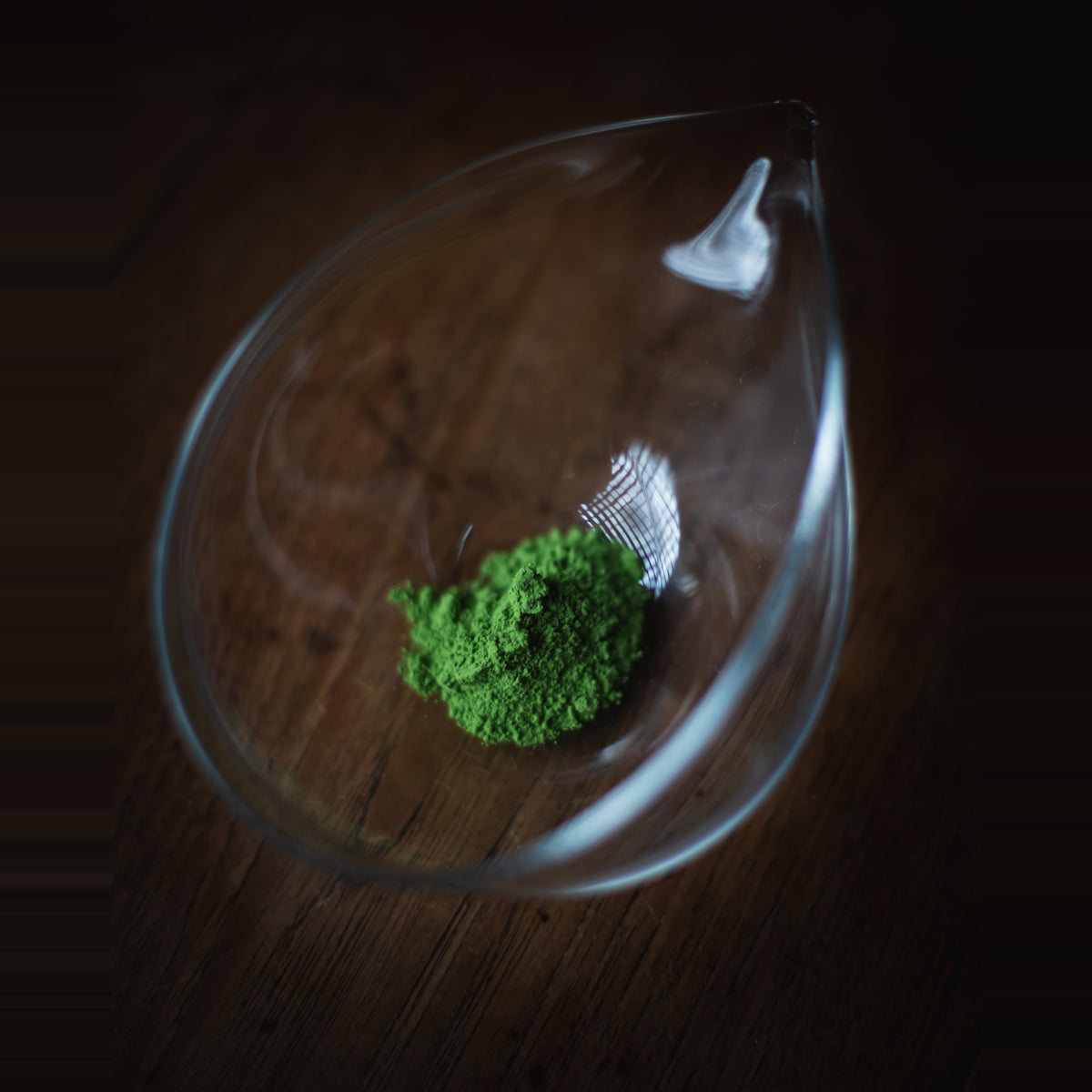
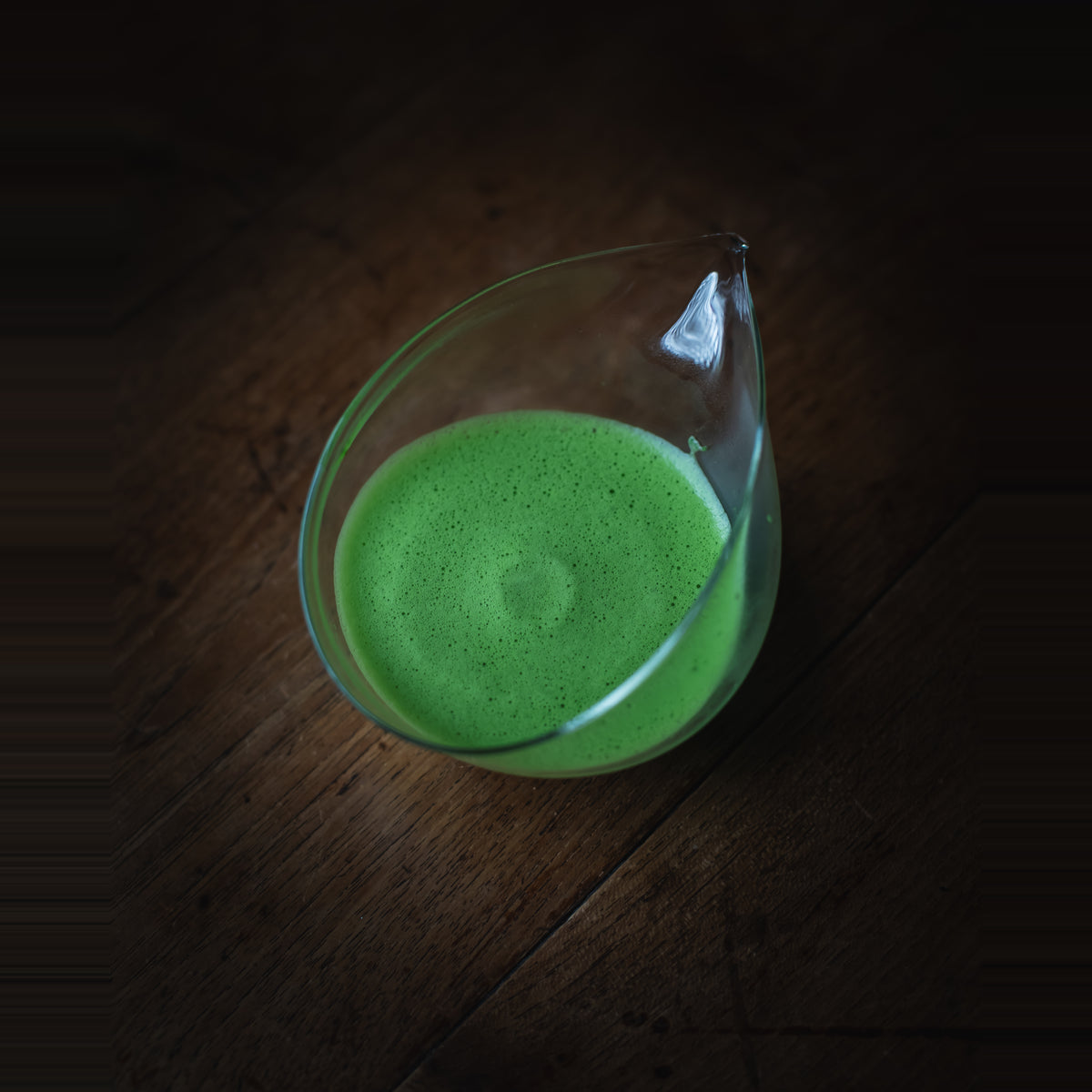
Our own tasting note: a balanced and light blend which has just the right amount of bitterness and astringency to be mixed with milk. The colour is bright and on the greener side for a blend of this kind. It is slightly nutty and has a sweet aftertaste, and it holds up fairly well against milk without overpowering the drink.
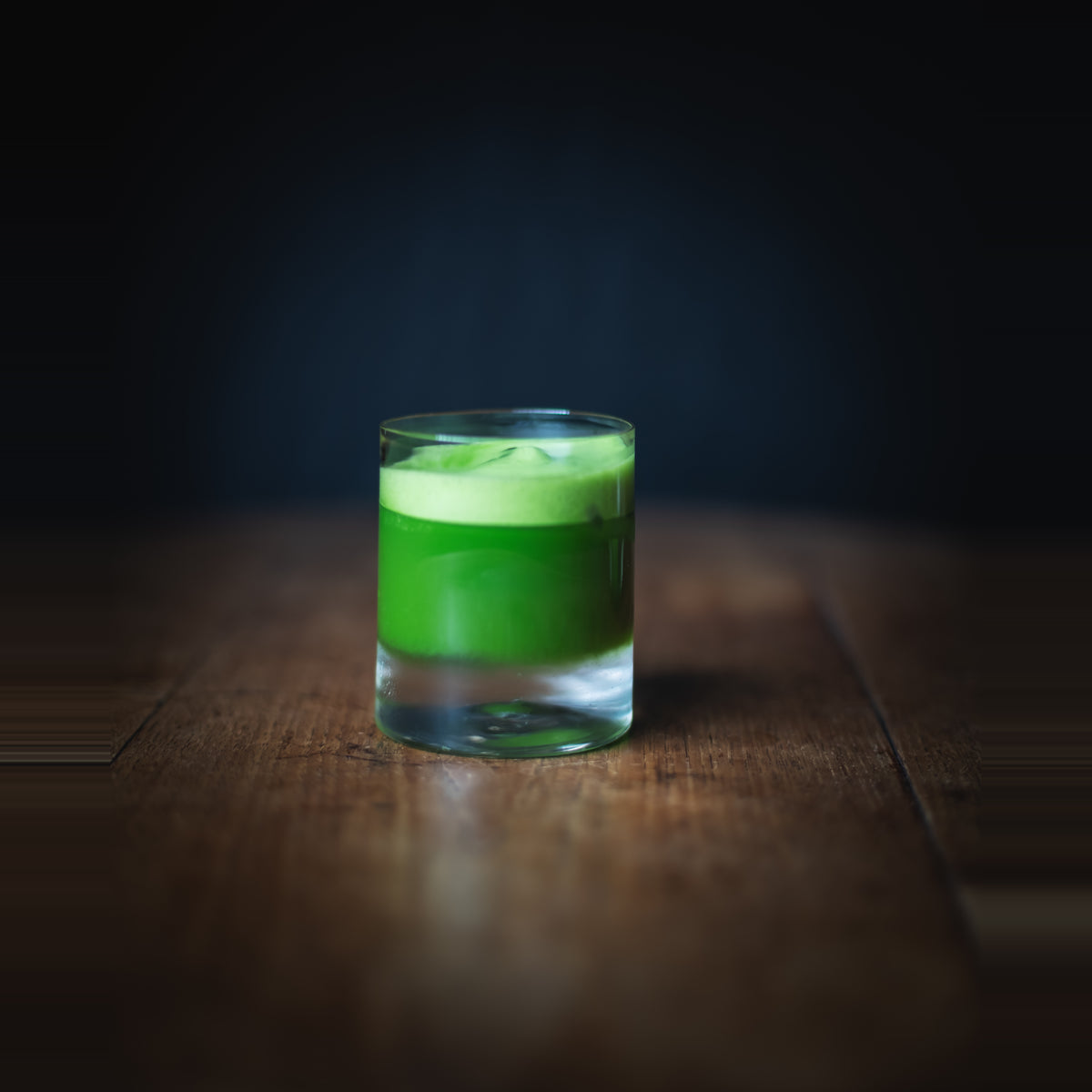
This is why we use Harumidori for lattes, for cortados and for iced Matcha, and why it also works very well for baking, where you want the Matcha to still be tasted in the finished cake or cookie. It is smooth enough to drink every day. If you are mainly looking for a pure Usucha, we would rather send you to Soju or Meiju.
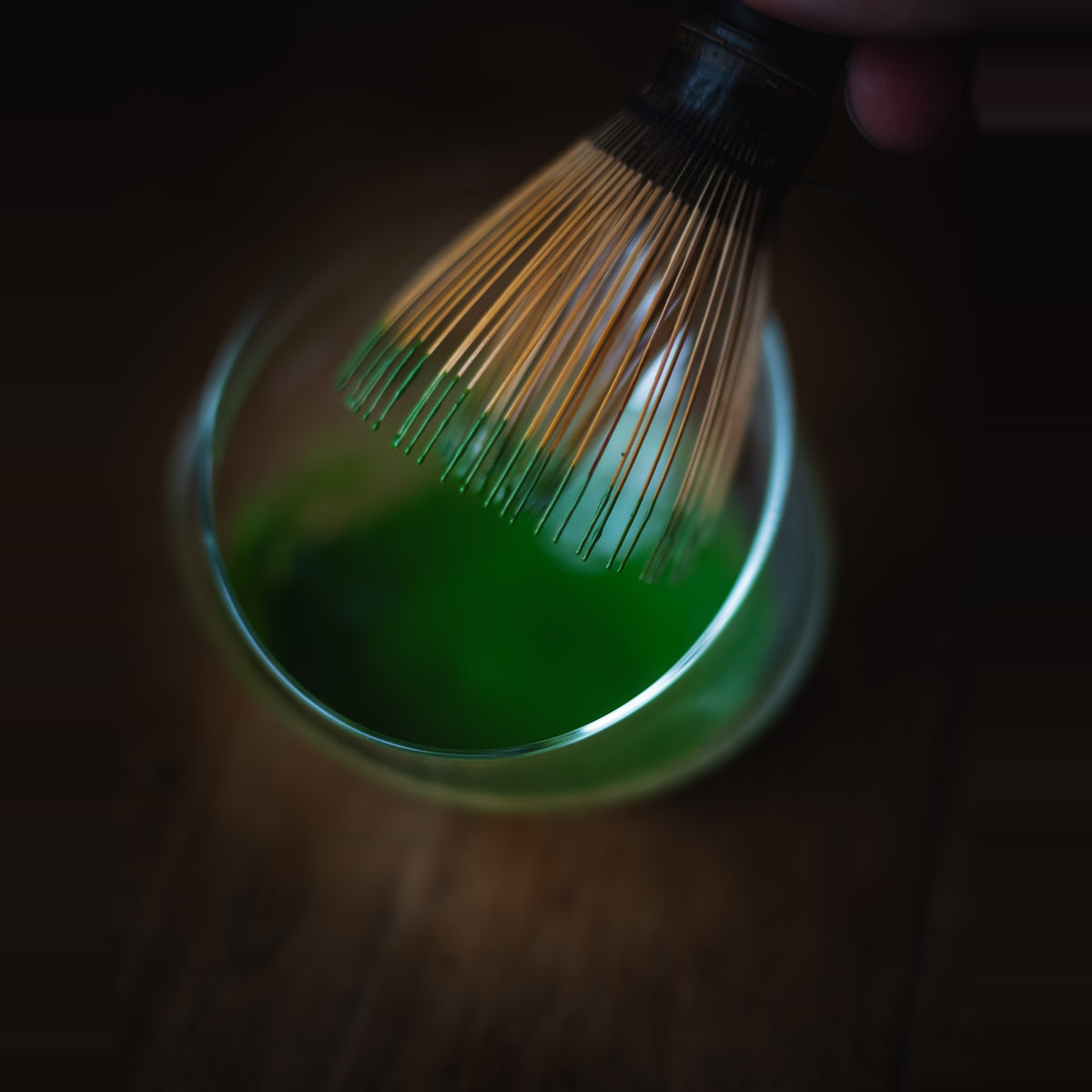
For a Matcha latte we whisk 2 g of Matcha with 40 ml of water, and we pour that on top of about 80 ml of milk.
Harumidori comes in a 100 g bag, and this bag has no zip lock, so after opening you should fill the Matcha into an airtight tin and keep it in the fridge. Unopened, Marukyu Koyamaen gives the bag a shelf life of 7 months, and we store our stock at 2 °C from the day it arrives in Germany.
If you are not sure which of the grades suits your way of drinking Matcha, our guide compares every Marukyu Koyamaen grade, from the daily Usucha to the Koicha grades, and explains which one we would choose for lattes.
FAQ
| Is UNEARTHED an authorized retailer? | UNEARTHED is an "Authorized Wholesale Retailer of Marukyu Koyamaen". If you ever want to verify the authenticity of Marukyu Koyamaen products, you can contact Marukyu Koyamaen directly at info@marukyu-koyamaen.co.jp. |
| How do I prepare a Harumidori latte? | We whisk 2 g of Matcha with 40 ml of water and pour that on top of about 80 ml of milk. The drink ends up around 120 ml, which is the cortado size we serve in the gallery, and you can scale it up with more milk if you want a longer latte. |
| Can I drink Harumidori as Usucha? | You can, and we do it ourselves, because the blend is smoother than its description suggests. Marukyu Koyamaen builds it for milk drinks and food processing though, so if a plain bowl of Usucha is what you drink most of the time, Soju or Meiju are the better choice. |
| How is this different from a cheap "ceremonial grade" Matcha? | Nobody certifies the term "ceremonial grade", so it can be printed on any tin. What you can check here is the producer, Marukyu Koyamaen in Uji, and that the blend is formulated to meet the European pesticide standards. |
| How do I store the bag once it is open? | The 100 g bag has no zip lock. Fill the Matcha into an airtight tin after opening and keep it in the fridge, and let the tin come to room temperature before you open it again so that no condensation forms on the powder. |
| How do I read the best-before date? | Marukyu Koyamaen prints it in the Japanese format YY.MM.DD (year.month.day). A bag marked 27.02.05 is best before 5 February 2027. |
Marukyu Koyamaen