BEYOND NOSTALGIA Zairai Sencha 2026

Regular price €25,00
Unit price€83,33/100g
Your legal guarantee rights
More on your rights: europa.eu/youreurope/guarantees · Open full size
EU notice on the legal guarantee: minimum two-year protection for goods sold in the European Union.
UNEARTHED Gallery 5.0
★★★★★
Gallery Rating
based on 379 reviews

Seed-grown Sencha from Tamakawa, Shizuoka Prefecture

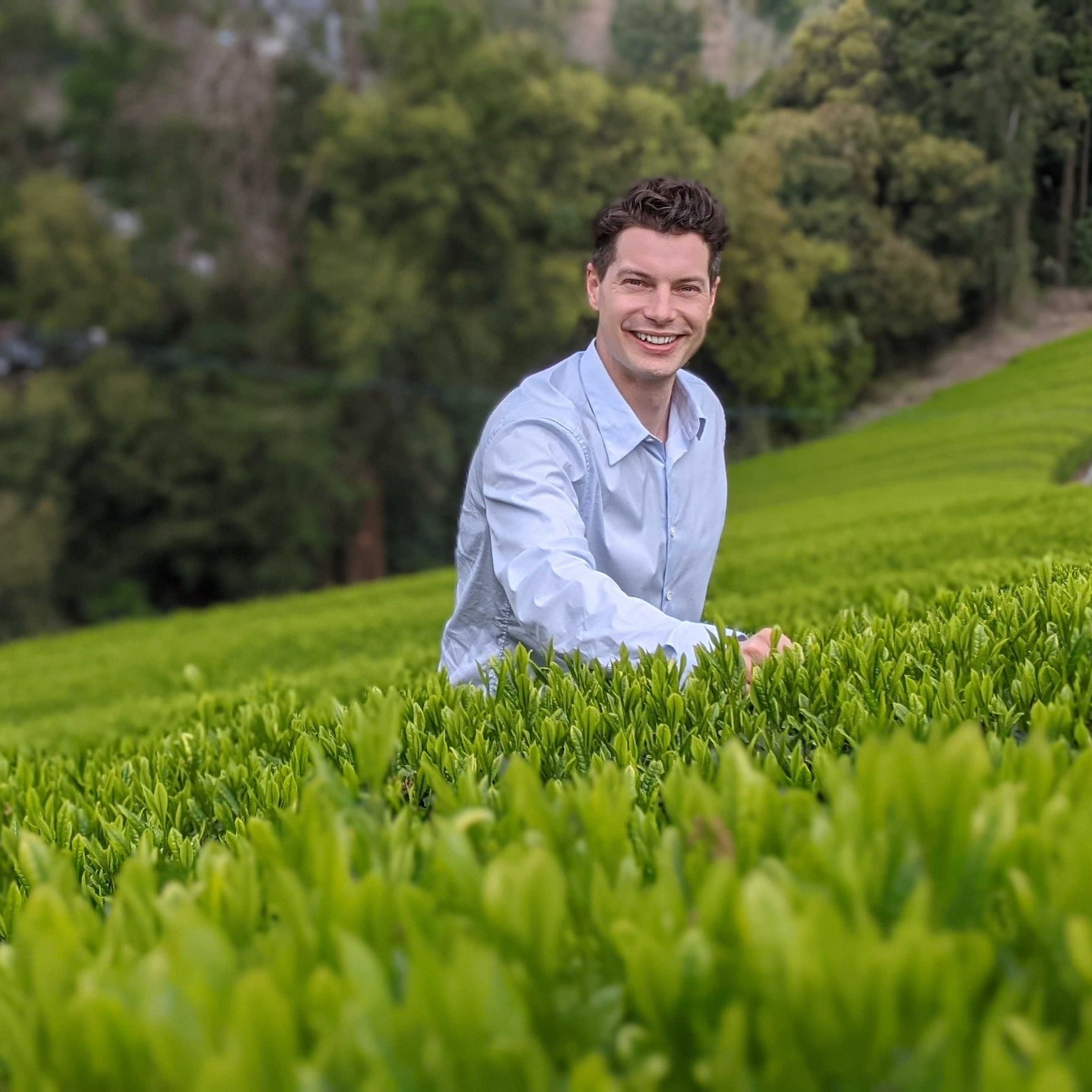
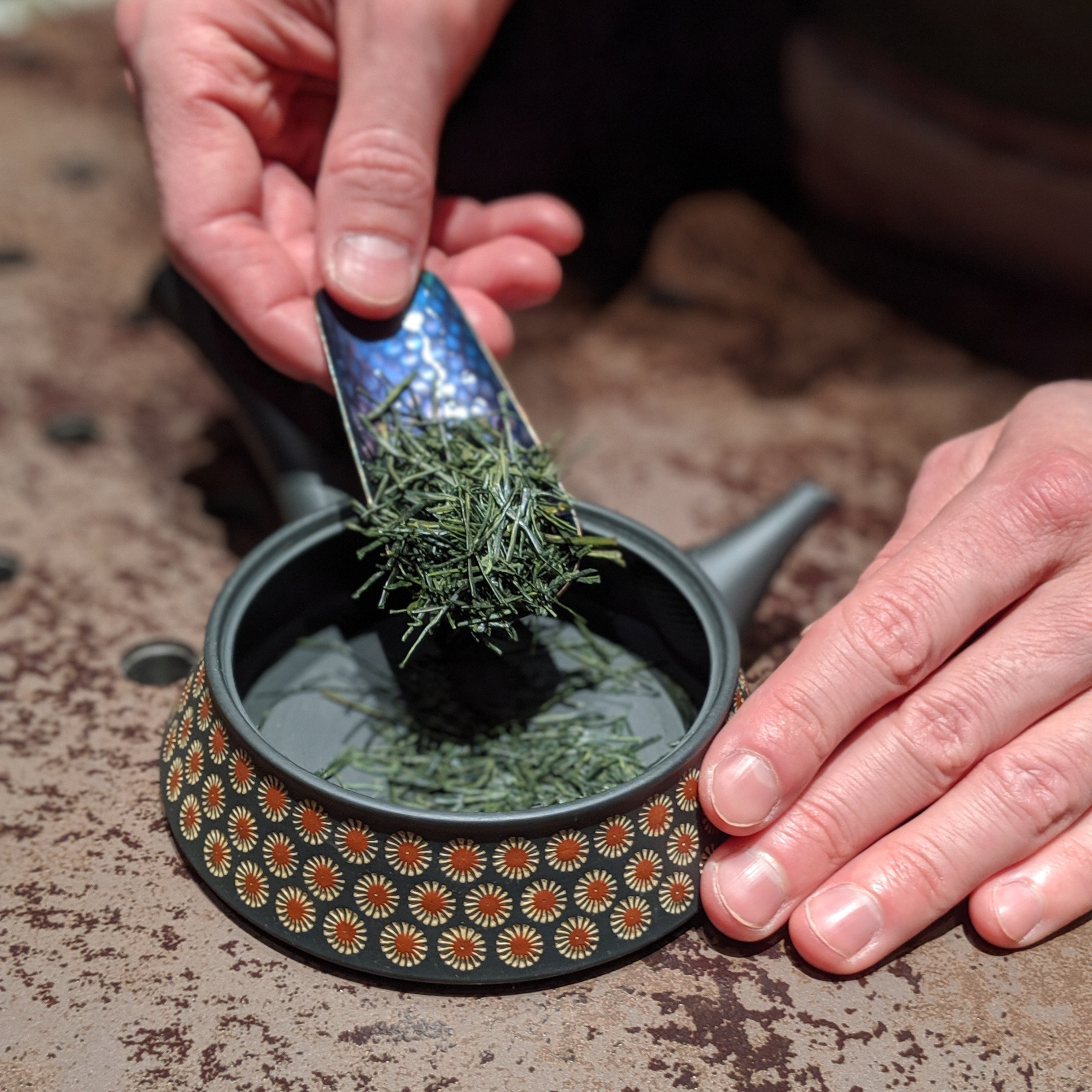
If a single cultivar tea is like a solo performance, this hand-plucked seed-grown tea amounts to a symphony. Plucked from plants more than a hundred years of age, this tea has a curious hint of wilderness rare to find in today’s teas. Its qualities go beyond nostalgia though. As the taste change every year, this multifaceted centenarian invites us to continuously make new discoveries.

Origin: Tamakawa, Shizuoka Prefecture, Japan

Cultivar: Seed-grown

Harvest: May 2026

Taste: layered, complex and deep flavours

Oscar Brekell

Tea educator, author, and founder of SENCHAISM, dedicated to promoting Japanese tea culture worldwide.

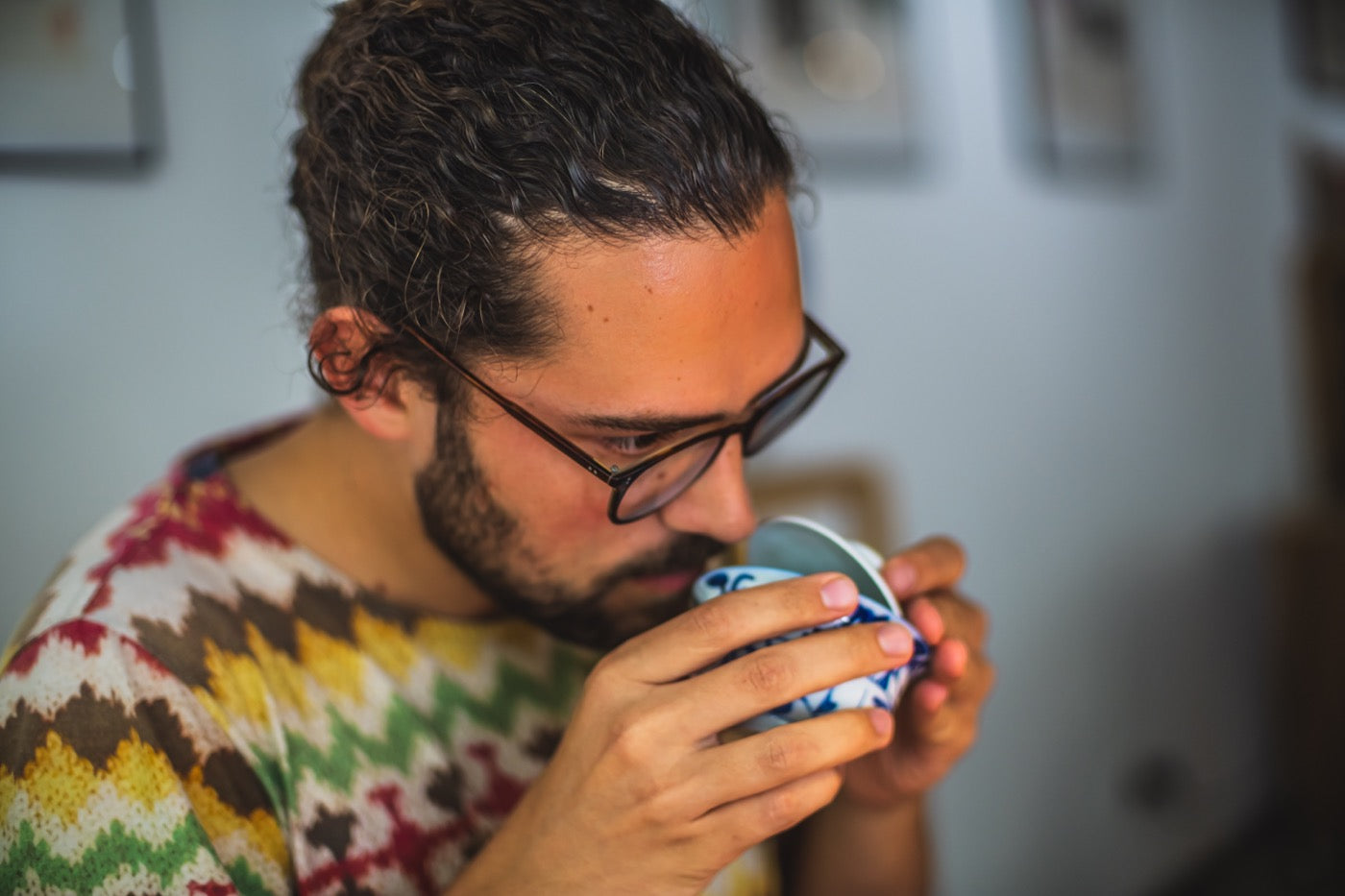
SHINCHA TASTING “In praise of Japanese Spring” with Oscar Brekell (view 3)

Shizuoka

(Shizuoka, Japan )

Sencha

Shizuoka Prefecture, draped across the slopes of Mount Fuji and stretching to the Pacific coast, is one of Japan's two largest tea-producing prefectures: in 2025 it produced 32.1% of Japan's crude tea (aracha), second only to Kagoshima with 39.9%. Its tea history reaches back to the Kamakura period (1185–1333), when monk Shoichi Kokushi brought seeds from Song Dynasty China and planted the first bushes in what is now the Honyama district — still celebrated as a premium growing area over 800 years later.

What sets Shizuoka apart is its extraordinary internal diversity. The prefecture sits at the convergence of four tectonic plates, creating dramatically varied soils, altitudes, and microclimates across more than 20 distinct sub-regions. Mountain areas like Kawane, Honyama, and Tenryu are known for light-steamed single-cultivar sencha with pronounced aroma and elegance. The flatlands of Makinohara and Kakegawa specialise in fukamushi sencha — deep-steamed tea that yields a bright, opaque green liquor with a round, smooth mouthfeel. The Asahina district is celebrated for gyokuro. The Yabukita cultivar, which now dominates Japanese tea cultivation nationwide, was first developed here.

Green tea is woven into daily life in Shizuoka: served in schools at lunch, offered as a health ritual in households, and central to the identity of towns like Kakegawa, whose residents are noted for exceptional longevity.