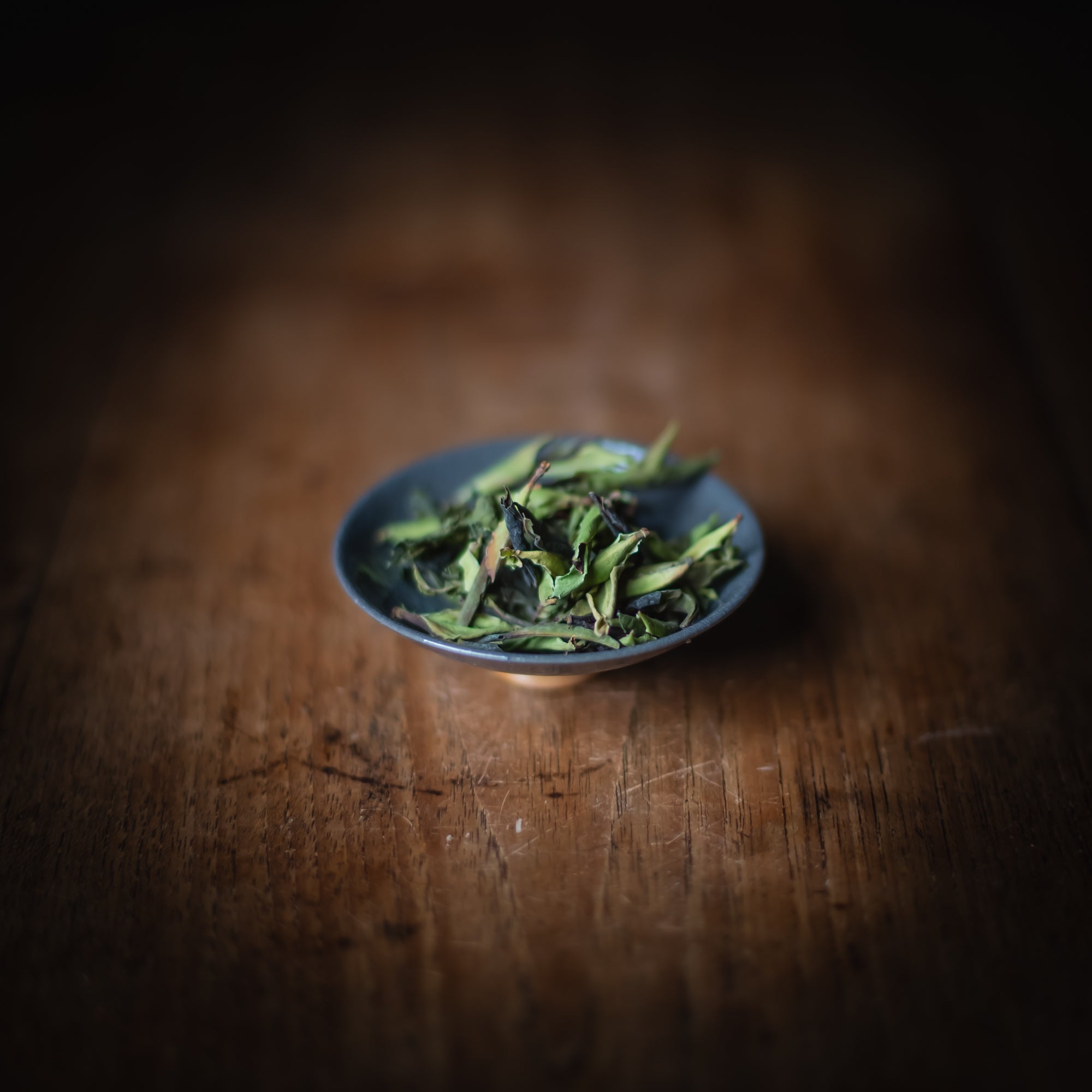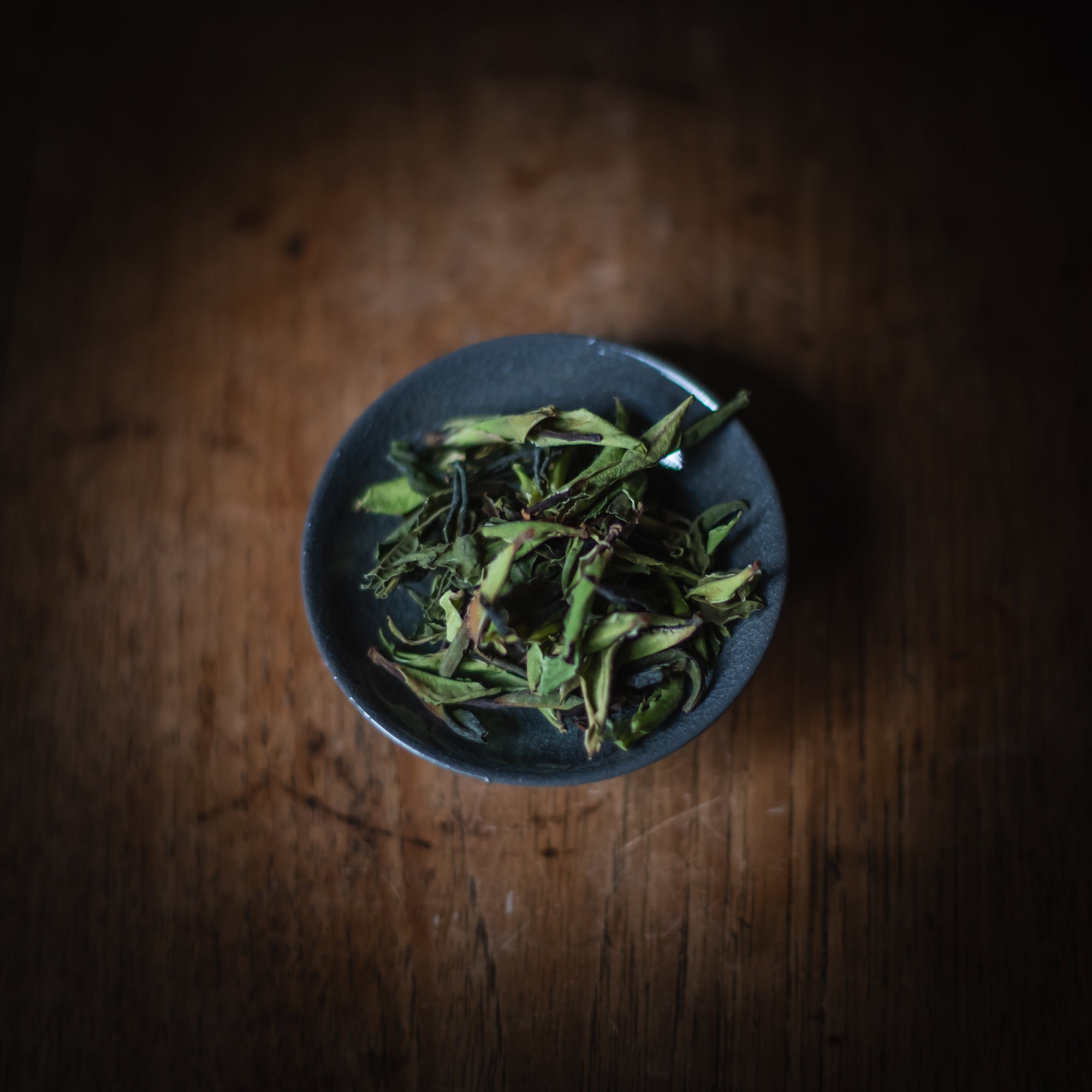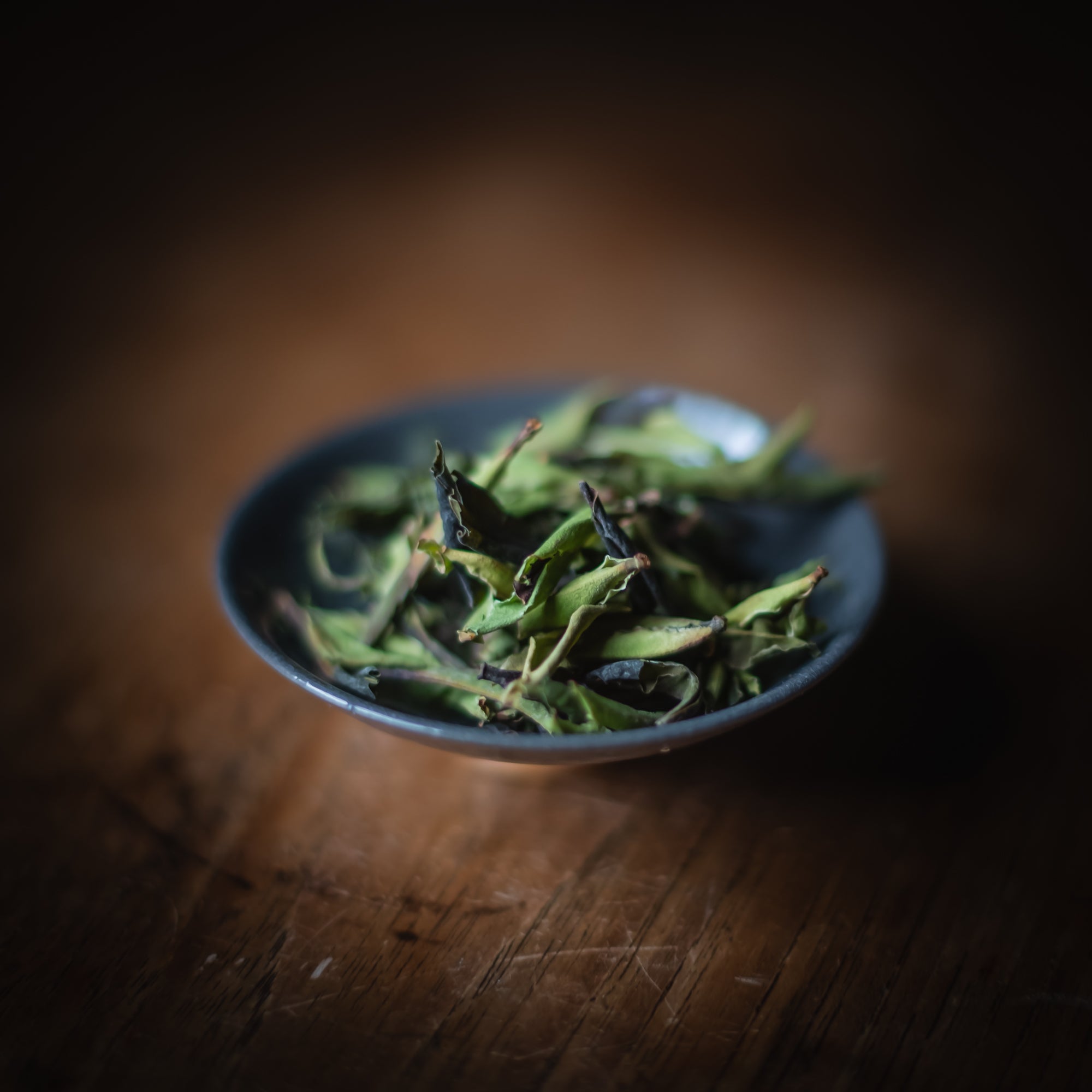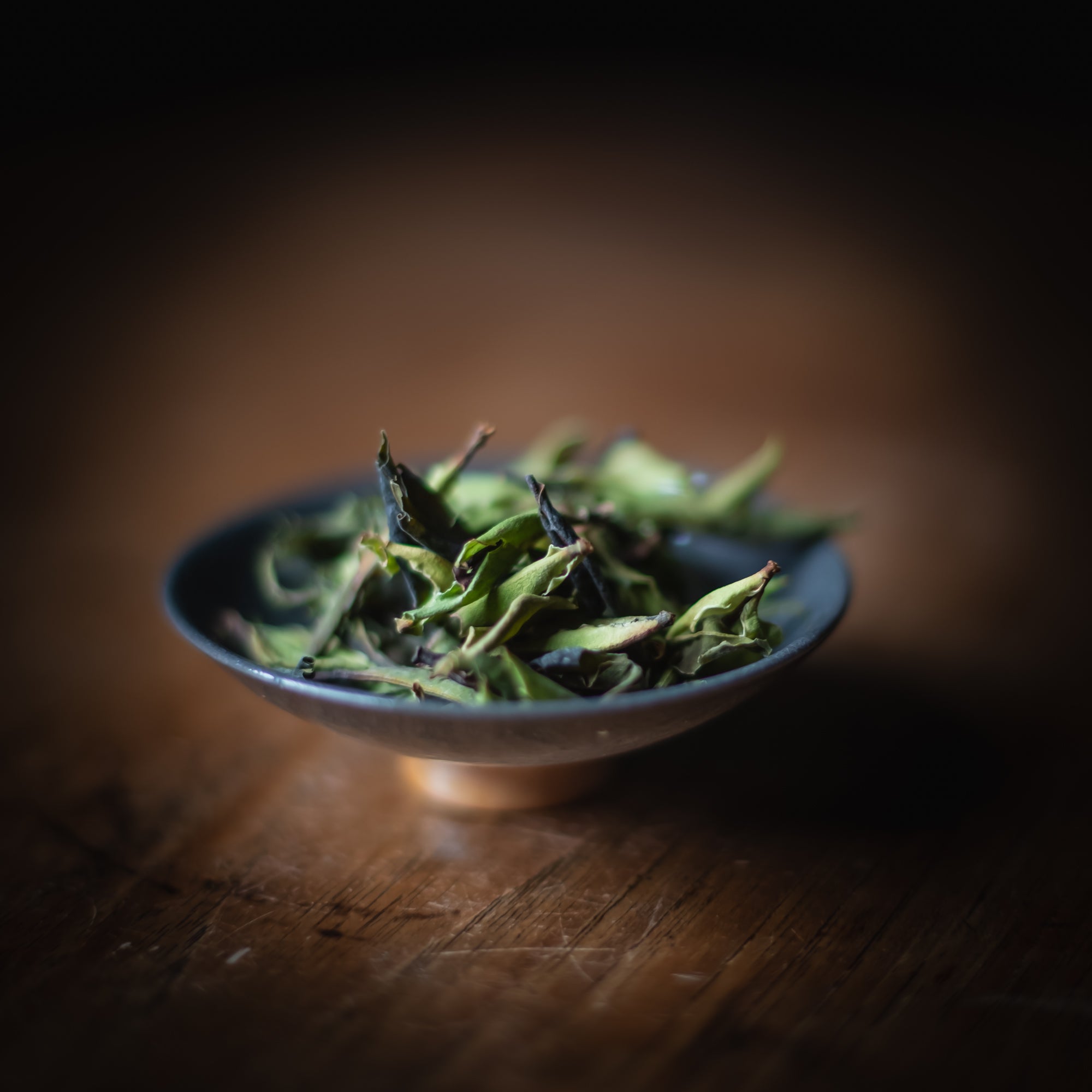


Akira Hojo

Background

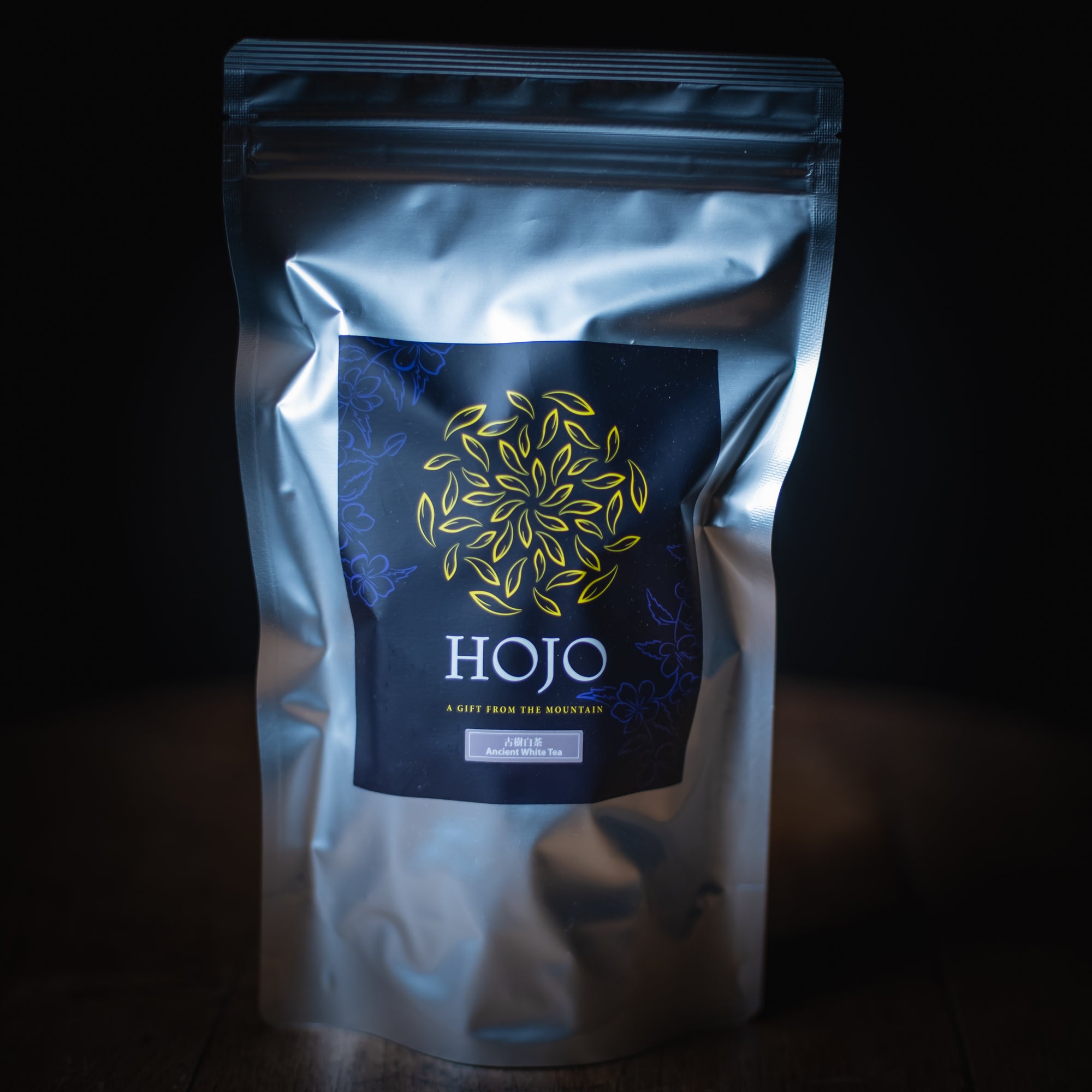
Japanese tea sourcer based in Kuala Lumpur, who has visited Yunnan every spring since 2010. He sources white tea and raw pu-erh from ancient trees in remote, high-altitude gardens that are farmed without fertilizer, as well as Phoenix Dancong oolong and a wood-fired hojicha from Nara.
Akira Hojo, born in Nagano, Japan, holds a Master's degree in Food Science. With over a decade in Japan's food industry, he transitioned to the tea world, establishing HOJO Tea. His scientific background informs his meticulous approach to tea sourcing and production.
"The quality of tea is determined by the quality of the raw material."
Akira Hojo
HOJO Tea operates from Kuala Lumpur, Malaysia, and Akira Hojo has visited Yunnan every spring since 2010. Over the years he has built connections with many famous tea regions, but he chooses a tea for its clear, transparent taste and its long aftertaste and not for the fame of its region. He finds these teas in remote mountain villages, in gardens with ancient tea trees at high altitude that are farmed without fertilizer, and the leaves reach him through his own logistics channels.
He works directly with the farmers in these villages and supervises the processing on site. For the Huo Di raw pu-erh, for example, he managed the pan-frying himself and controlled the temperature with an infrared thermometer.
This approach matters in Yunnan, because teas sold under the names of famous regions are produced in thousands of places with leaves from other areas and are sold everywhere from airports and convenience stores to supermarkets. According to Akira Hojo, the teas made from leaves of remote villages are often of higher quality than those from the famous names, which professionals who source locally know well for pu-erh from Lincang.
Besides Yunnan, his selection includes Phoenix Dancong oolong from Guangdong and a hojicha from Tsuge in Nara, Japan, which he developed together with the producer and roasts over Japanese oak.
5.0 / 5.0
1 review5.0 / 5.0
2 reviews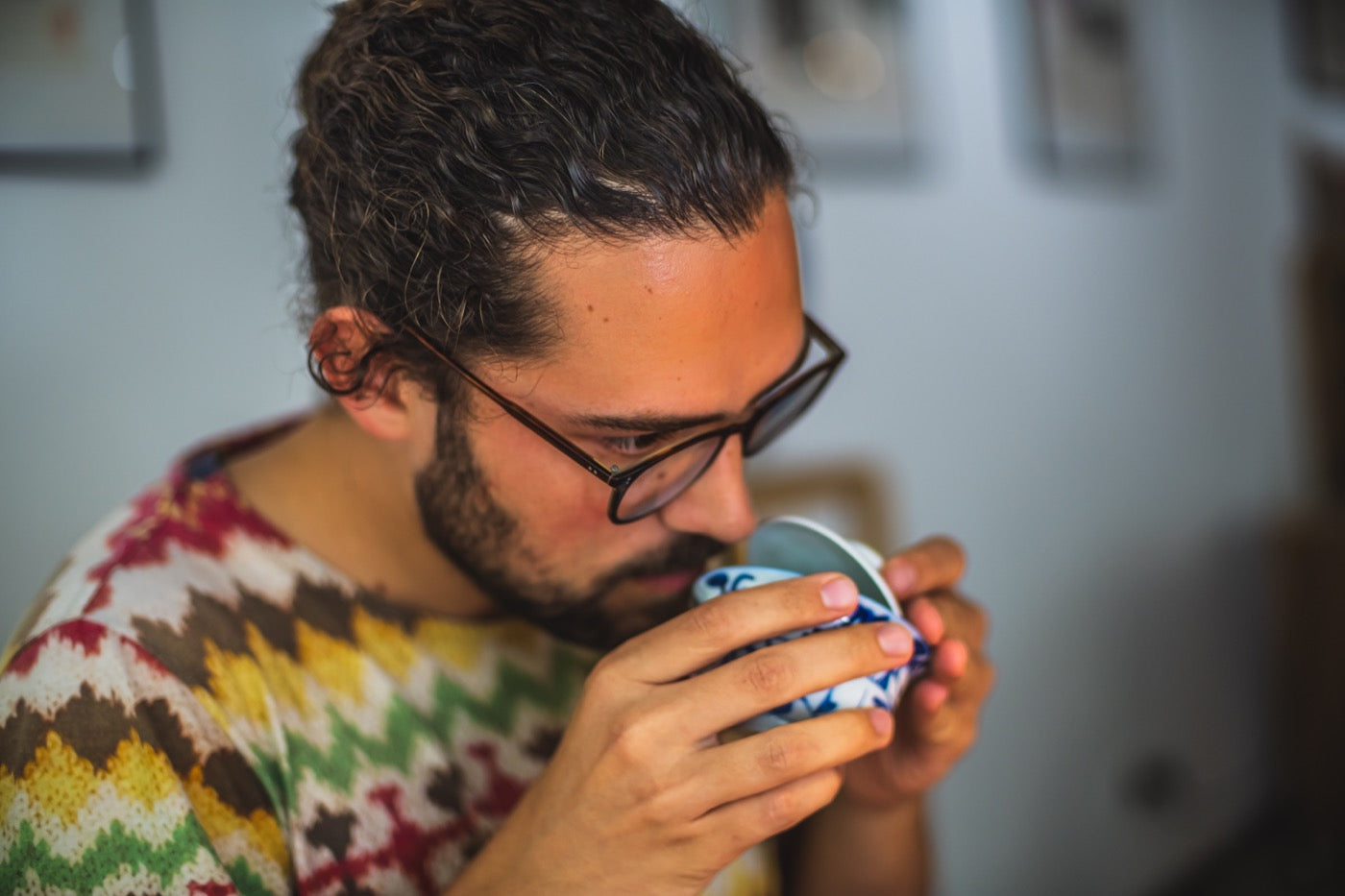
The person behind UNEARTHED
For over 15 years I have been collecting ceramics and drinking tea very seriously. Now I am funnelling all of that experience into finding and curating great wares and tea.
We only sell what I personally like a lot, and that includes the tea I drink myself every day. I choose every maker. I taste every tea before it goes into the shop. I travel to Japan and China to meet the people who make what we sell.
Until now the entire endeavour is in my hands from end to end: sourcing, logistics, photography, education, labelling and packing your parcels.
Our gallery, studio, and tea space are a hub for experiencing and sharing the art of ceramics and tea.
Similar to the concept of “Utsuwa-galleries” in Japan, we are holding monthly exhibitions of unique ceramicists from Japan, China and Europe.
We also regularly host Workshops and Tea Experiences, and we supply cafés and shops with matcha and equipment at wholesale prices.
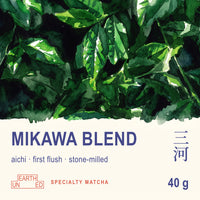
Mikawa Blend
40 g pouch · $37 $40
It was a really nice experience. I've tried and learnt a lot.
Ein hervorragender Matcha für alle, die ihn auf traditionelle Weise zubereiten möchten.
Er zeichnet sich durch einen cremigen und gehaltvollen Geschmack aus und passt wunderbar zu Süßigkeiten
Schon beim Öffnen kommt einem ein wunderbar intensives Aroma entgegen. Auch geschmacklich überzeugt der Matcha mit seinem kräftigen Umami und einem angenehm süßlichen Nachgeschmack. Genau diese Intensität gefällt mir besonders gut. Besonders gut schmeckt er mir als Matcha Latte mit Haferdrink!
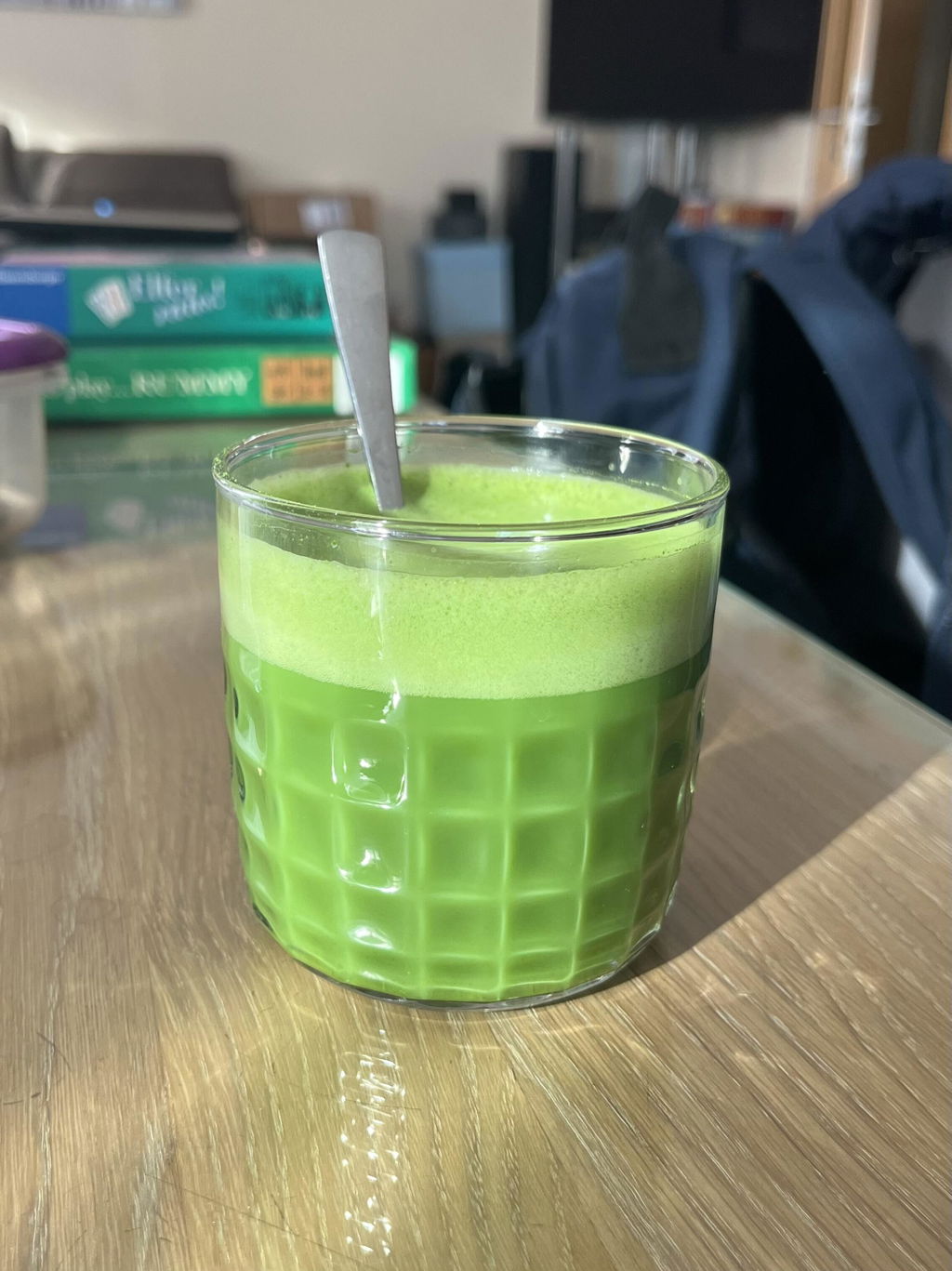
Fresh and creamy with a lovely balance of umami and sweetness. It also has a beautiful dark green color.
bester und cremigster Matcha den ich bisher hatte! Preist ist leider sehr hoch für den relativ kleinen Inhalt, man zahlt aber für die Qualität!:)