

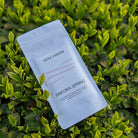
SAKURA SPRING Shizu-7132 Sencha

Regular price €25,00
Unit price€50,00/100g
UNEARTHED Gallery 5.0
★★★★★
Gallery Rating
based on 195 reviews

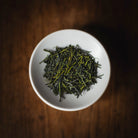
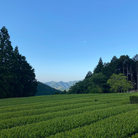
Single-cultivar Sencha from TawaramineShizuoka Prefecture

Nothing symbolizes Japanese spring better than the transient beauty of cherry blossom, or “Sakura”. With natural sakura notes, this tea always takes me back to the moment when I got to watch the trees in full bloom for the first time, an overwhelming and unforgettable experience. Take a sip and indulge in the beauty of Japanese spring, at any time of the year.

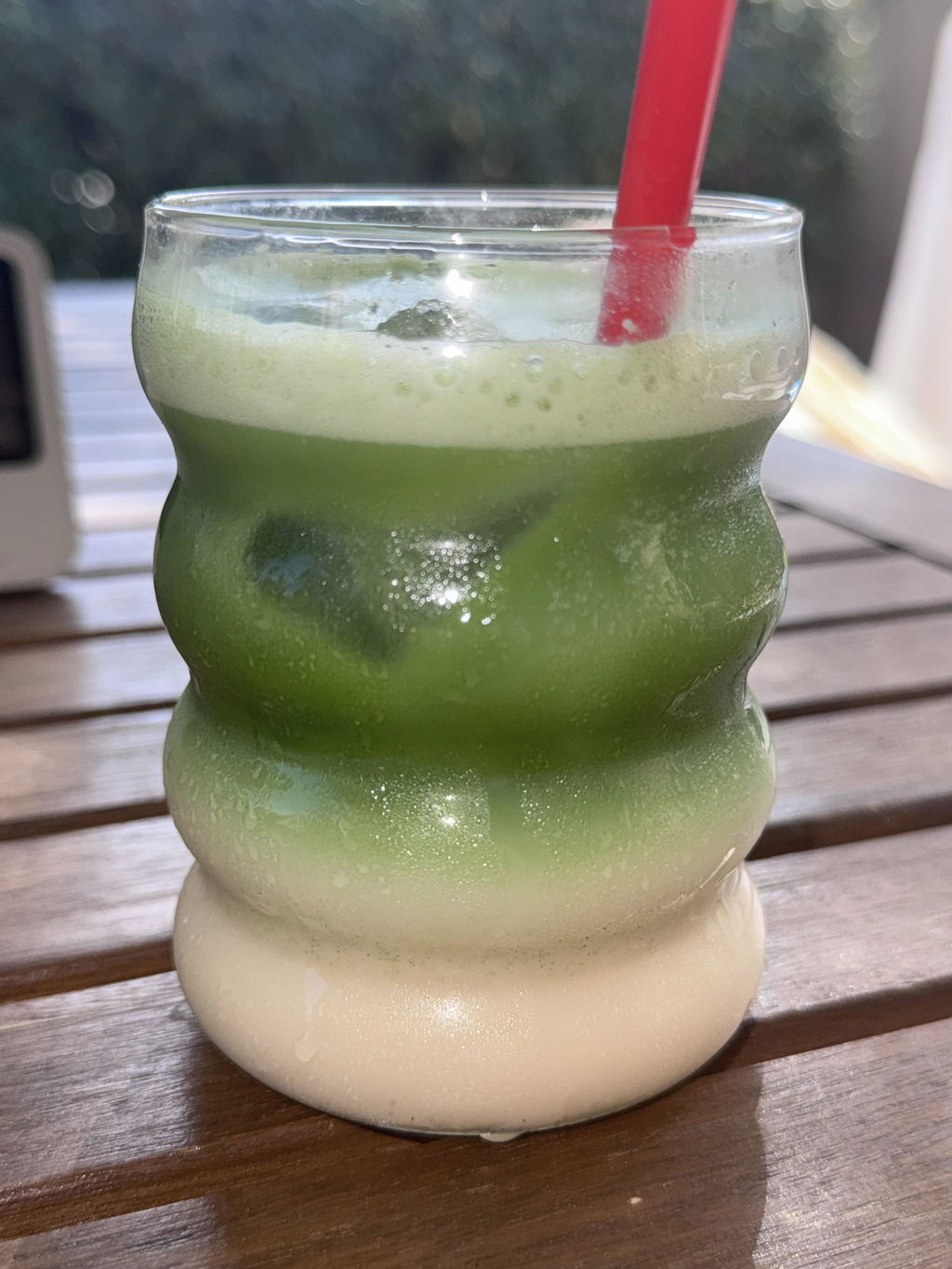
Make sure to try a cold infusion, steeped overnight in soft water for the best result. To enjoy the aroma even more, try drinking it from a wine glass, preferably the type used for enjoying white wines such as Riesling.

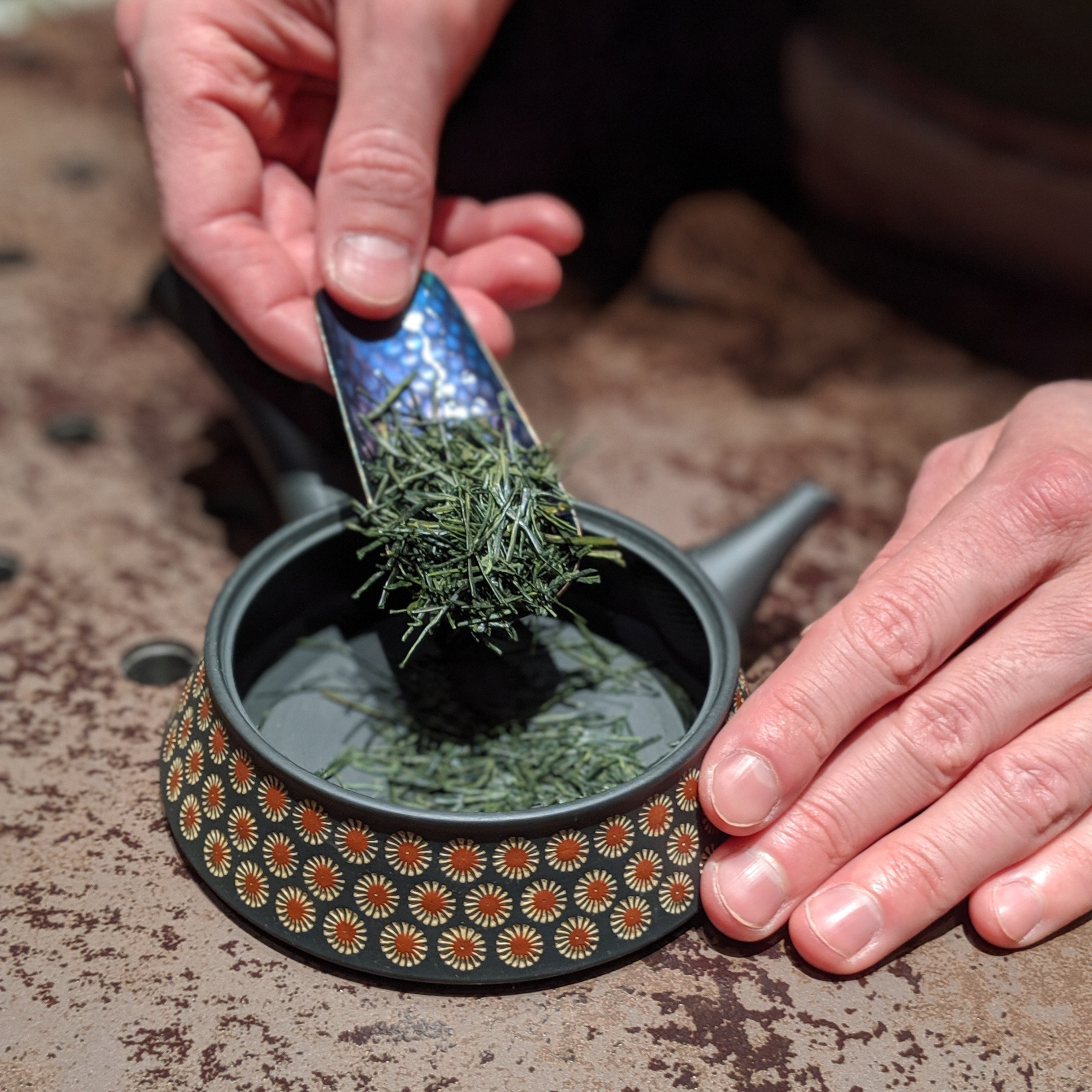
When steeped with a stoneware Japanese teapot the sakura flavor grows stronger from the second infusion, after the strong umami has been tamed to some degree. It can also be extracted more easily by raising the temperature, but do take care not to use too many leaves when steeping in high temperatures, to avoid excess bitterness.

Origin: Tawaramine, Shizuoka Prefecture, Japan

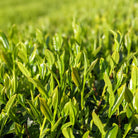
Cultivar: Shizu-7132

Harvest: May 2025

Taste: Floral, Cotton Candy, Muscatel Grapes, Strong Umami and Moderate Sweetness and Bitterness
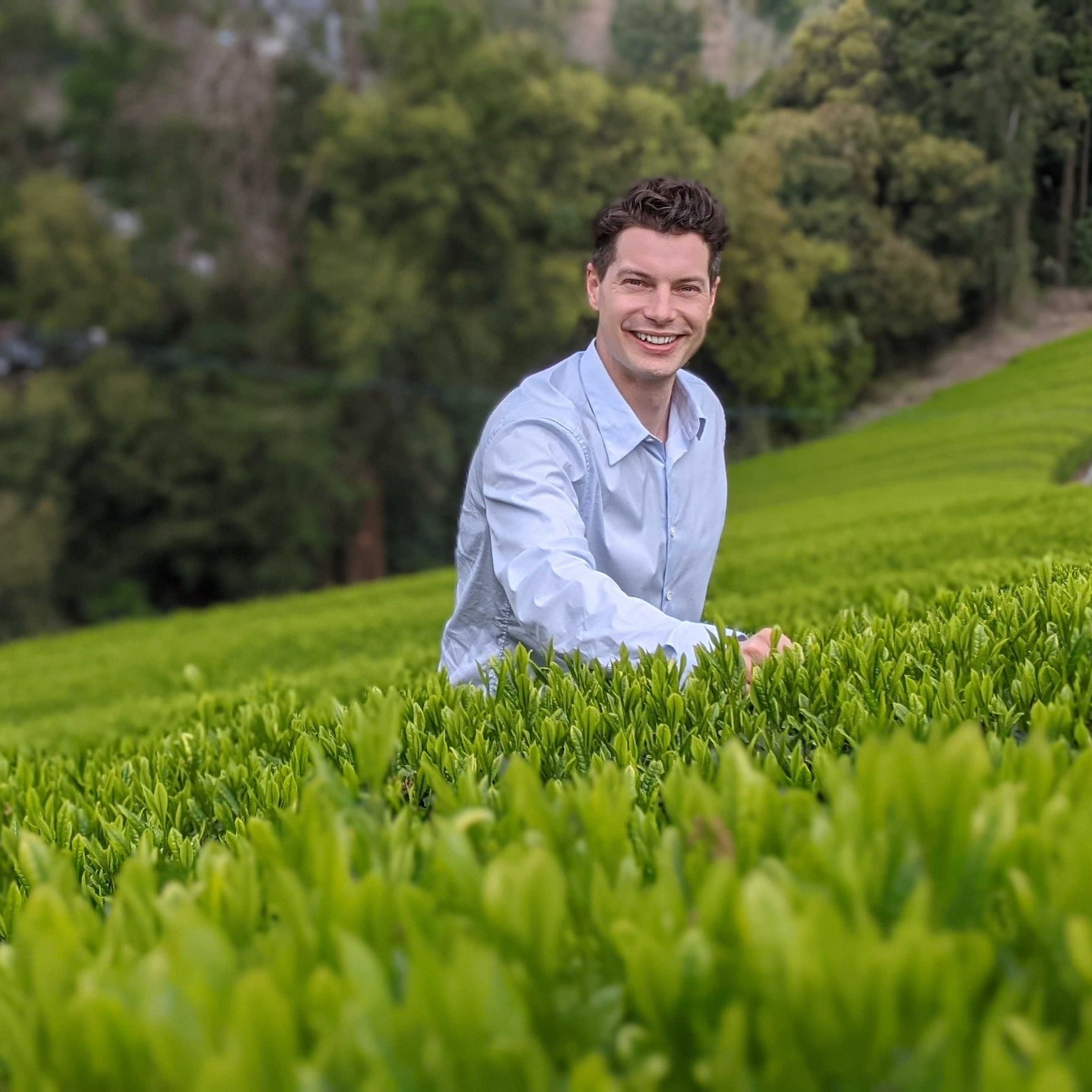
Oscar Brekell

Tea educator, author, and founder of SENCHAISM, dedicated to promoting Japanese tea culture worldwide.

Shizuoka

(Shizuoka, Japan )

Sencha

Shizuoka Prefecture, draped across the slopes of Mount Fuji and stretching to the Pacific coast, is together with Kagoshima Japan's largest tea-producing region — responsible for roughly 30% of the country's total output. Its tea history reaches back to the Kamakura period (1185–1333), when monk Shoichi Kokushi brought seeds from Song Dynasty China and planted the first bushes in what is now the Honyama district — still celebrated as a premium growing area over 800 years later.

What sets Shizuoka apart is its extraordinary internal diversity. The prefecture sits at the convergence of four tectonic plates, creating dramatically varied soils, altitudes, and microclimates across more than 20 distinct sub-regions. Mountain areas like Kawane, Honyama, and Tenryu are known for light-steamed single-cultivar sencha with pronounced aroma and elegance. The flatlands of Makinohara and Kakegawa specialise in fukamushi sencha — deep-steamed tea that yields a bright, opaque green liquor with a round, smooth mouthfeel. The Asahina district is celebrated for gyokuro. The Yabukita cultivar, which now dominates Japanese tea cultivation nationwide, was first developed here.

Green tea is woven into daily life in Shizuoka: served in schools at lunch, offered as a health ritual in households, and central to the identity of towns like Kakegawa, whose residents are noted for exceptional longevity.