

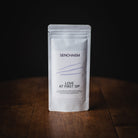
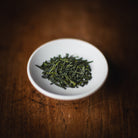



LOVE AT FIRST SIP Kōshun Sencha 2026
Regular price
€19,00
Unit price€38,00/100g
More stock coming soon
 Your legal guarantee rights

Single-cultivar Sencha from Honyama, Shizuoka Prefecture
The first encounter with the tea cultivar Kōshun is usually full of surprises. With its pronounced floral aroma and herbal nuances it challenges our perception of Sencha.
The long finish is sweet like cinnamon and lingers pleasantly, continuously conquering the hearts of more and more tea aficionados. If there ever was such a thing as love at first sip, this would surely be it.
Origin: Honyama, Shizuoka Prefecture, Japan
Cultivar: Kōshun
Harvest: May 2026
Taste: Floral, Spicy (Cinnamon), Strong Umami and Sweetness
LOVE AT FIRST SIP Kōshun Sencha 2026
50g

Oscar Brekell