

Hand-picked Yame Matcha Saemidori (20g)

 Your legal guarantee rights
Two hand-picked matcha save 8%: if you take this matcha together with Saemidori, Tsuyuhikari or Okuhikari, or take it twice, both cost 8% less. The saving shows in the cart.
Single-cultivar Matcha from Yame, Fukuoka, Japan (KUMAEN)
This Saemidori matcha comes from the same tea field as KUMAEN’s award-winning Saemidori gyokuro: a plot known for producing shaded teas with real depth and structure. The key difference is the shading cover: this matcha lot is produced under tana shading creating a brighter, fresher, more verdant profile.
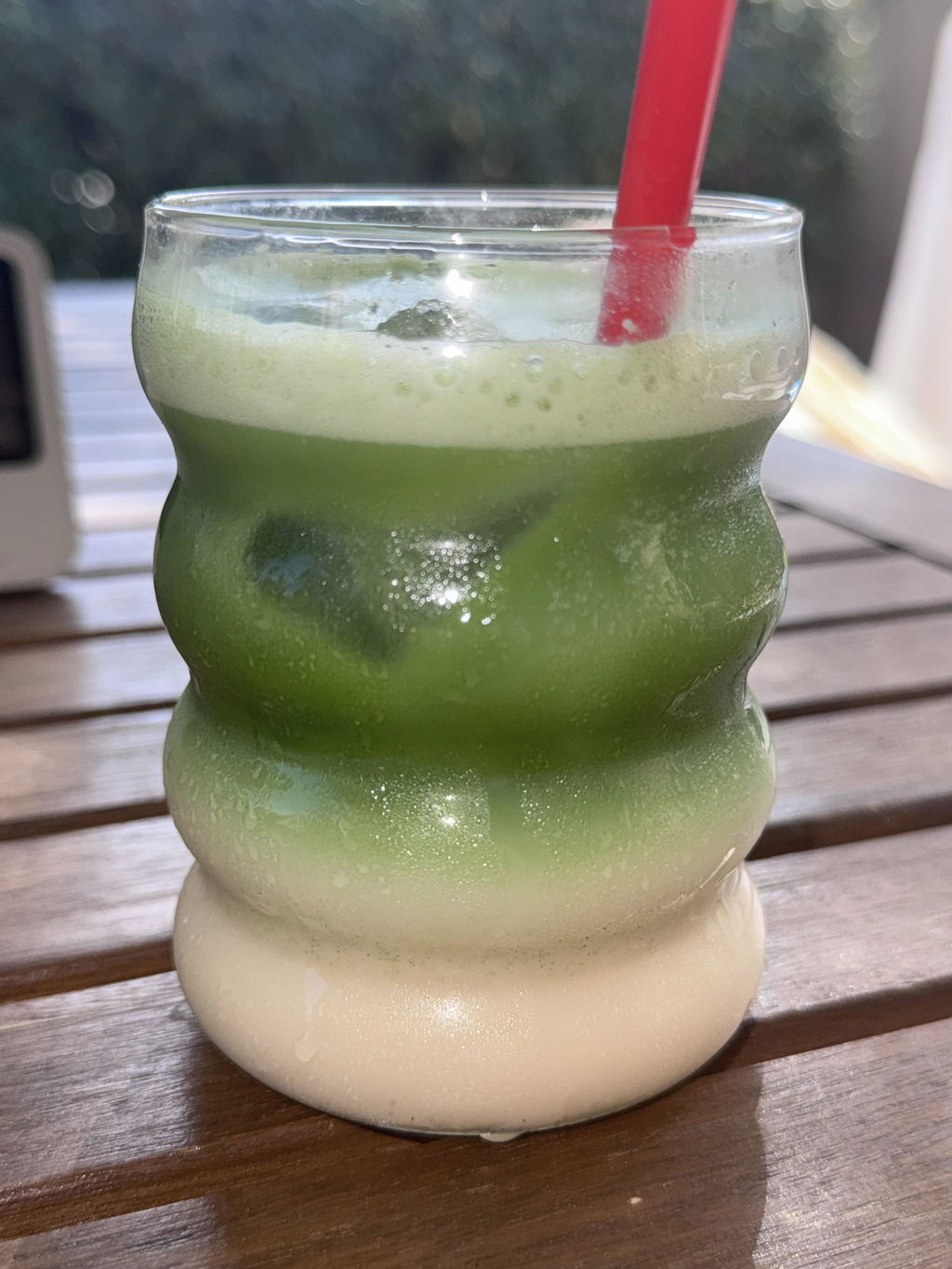
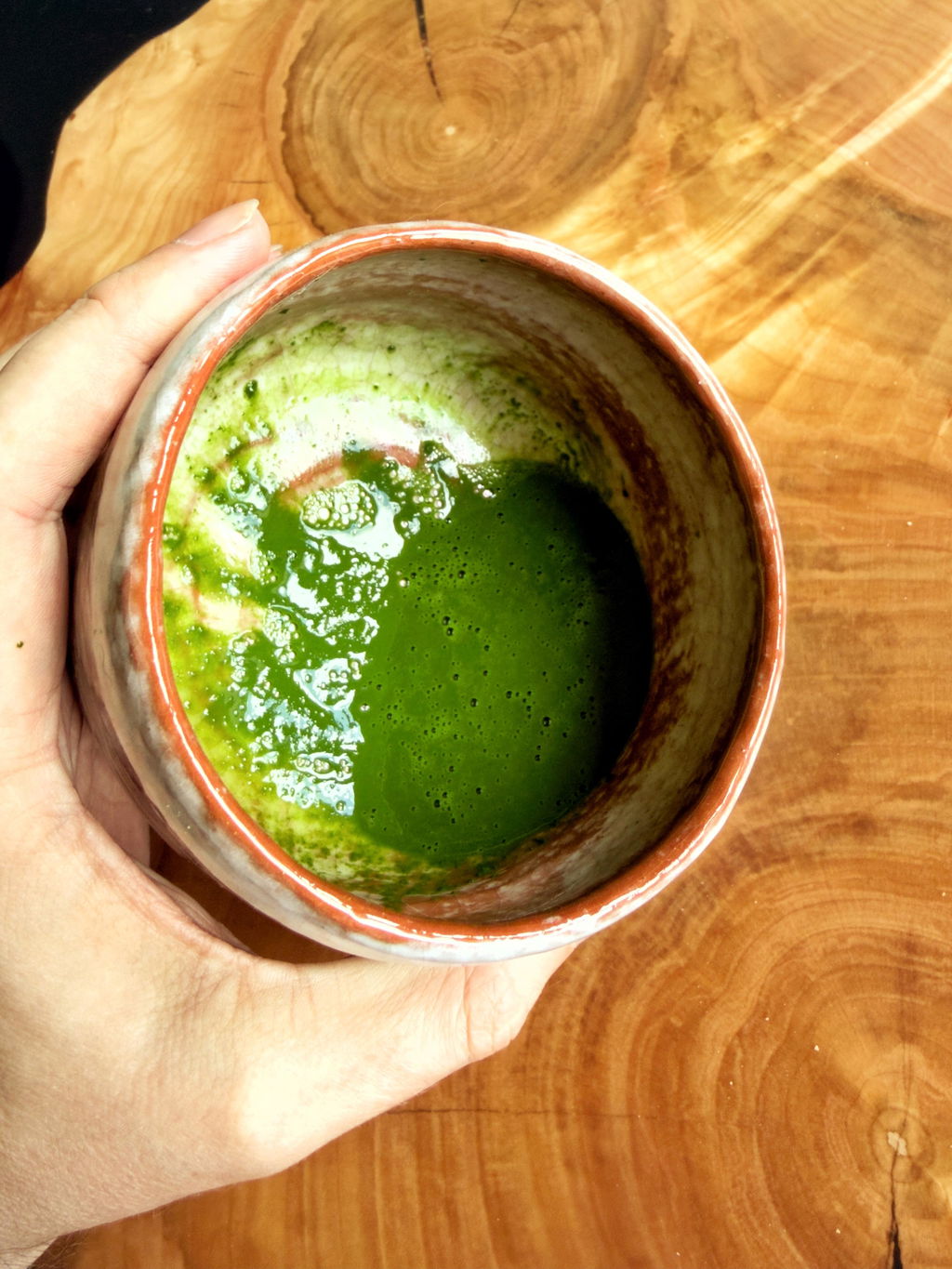
Shaded for 30 days and hand-picked, it whisks into a soft, creamy, elegant usucha, and holds its own as a rich, powerful koicha with a long finish and a clean, vibrant aroma.
This tea won several awards in recent years among them:
- The Leafies (UK) — Best in Show & Gold, 2024
- Japanese Tea Selection Paris — Encouragement Award, 2022
Producer: KUMAEN (Yamecha Kumaen)
Origin: Joyomachi, Yame, Fukuoka, Japan
Elevation: 350 m
Cultivar: Saemidori
Harvest: May 2025
Shading: ca. 30 days
Picking: Hand-picked
FAQ
| How fresh is this Matcha? | Our Matcha is milled in Japan in small batches close to order and stored at 2 °C from the moment it arrives in Germany. We ship from our gallery in Munich. |
| How should I store Matcha? | Unopened: cool, dark and dry, and the fridge is ideal. Once opened, keep the tin or pouch tightly closed and away from light, heat and moisture, and enjoy it within a few weeks for peak aroma. |
| How do I read the best-before date? | Japanese producers usually print the best-before date in the Japanese order YY.MM.DD (year.month.day): a package marked 27.02.05 is best before 5 February 2027. |
| How do I prepare it? | For Usucha: sift about 2 g, add 60–80 ml of water at around 80 °C and whisk in a rapid M motion until a fine foam forms. Product-specific ratios are in the description above. |
This matcha is made from the Saemidori cultivar. Learn more in our Saemidori cultivar guide.


KUMAEN