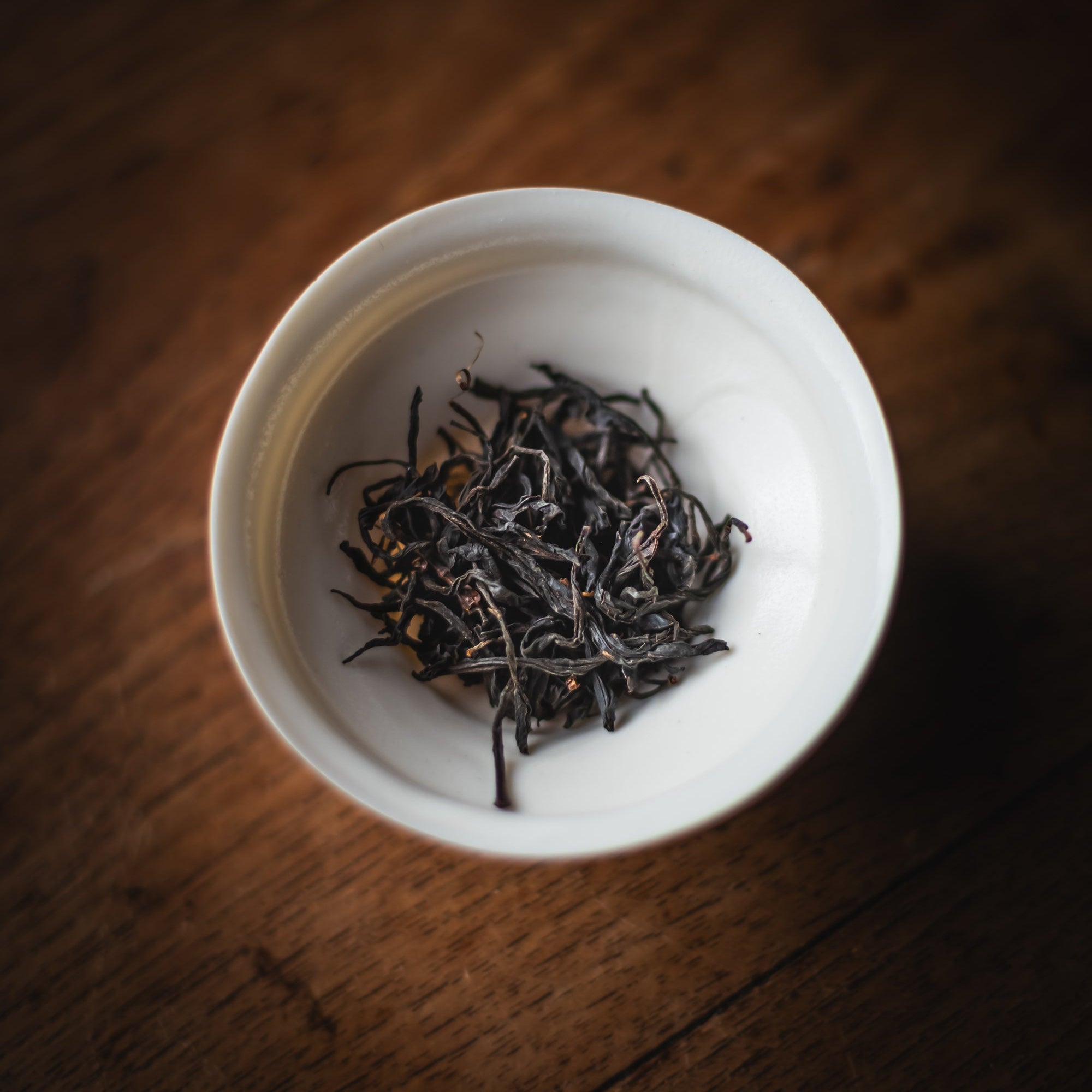
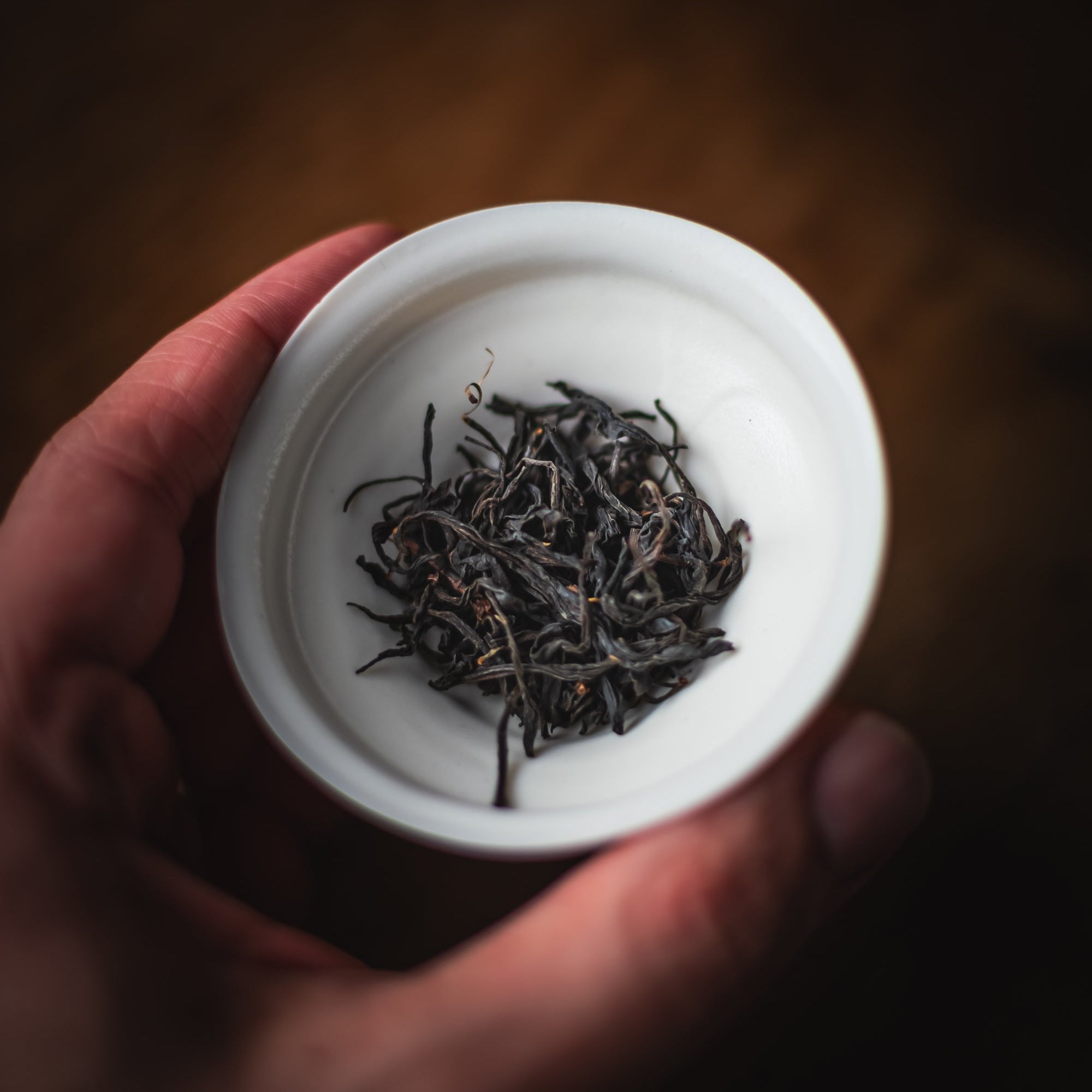
Hand holding a wooden scoop filled with dark dried leaves on a wooden surface.

Si Chá

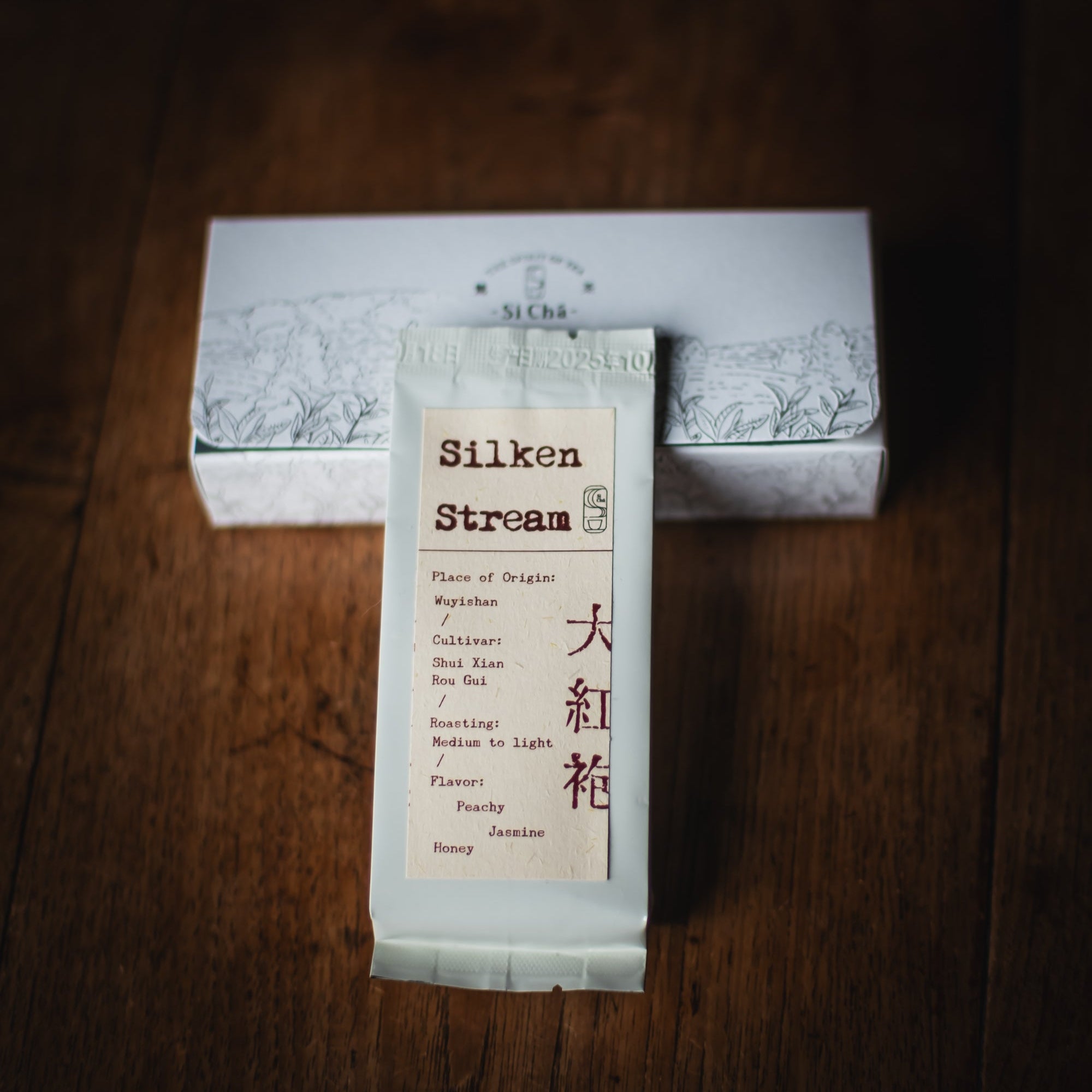
Si Chá (鷥茶) is a small Frankfurt-based tea boutique founded by Jimmy Zhu, focused on Wuyishan rock oolong (Wuyi Yancha) and other terroir-driven Chinese teas from their own family plantations in Fujian.

Background

  • Si Chá (鷥茶) is a Chinese tea boutique founded by Jimmy Zhu (Jianhao Zhu) in Germany, dedicated to sharing carefully sourced Wuyi Yancha and other Chinese teas with European drinkers.
  • The name “Si” (鷥) refers to the egret – a symbol of purity and peacefulness – moving between sky, land and water; “Chá” (茶) connects grass, human and wood, expressing the link between people, nature and tea.
  • Si Chá takes its inspiration and raw material from Wuyishan in Fujian, one of the world’s most historic and respected tea regions, known for its distinctive rock oolongs.
  • From leaf to cup, their teas are curated from their own plantations, using traditional farming, picking and processing methods to keep regional craft and flavour alive.
  • Beyond selling tea, Si Chá treats brewing as a lifestyle: slowing down, boiling water patiently and using tea as a way to notice “hidden and ignored” aspects of daily life.

“We strive to make every sip of tea a true taste of Chinese tea culture.”

About Si Chá (Wuyishan, China)

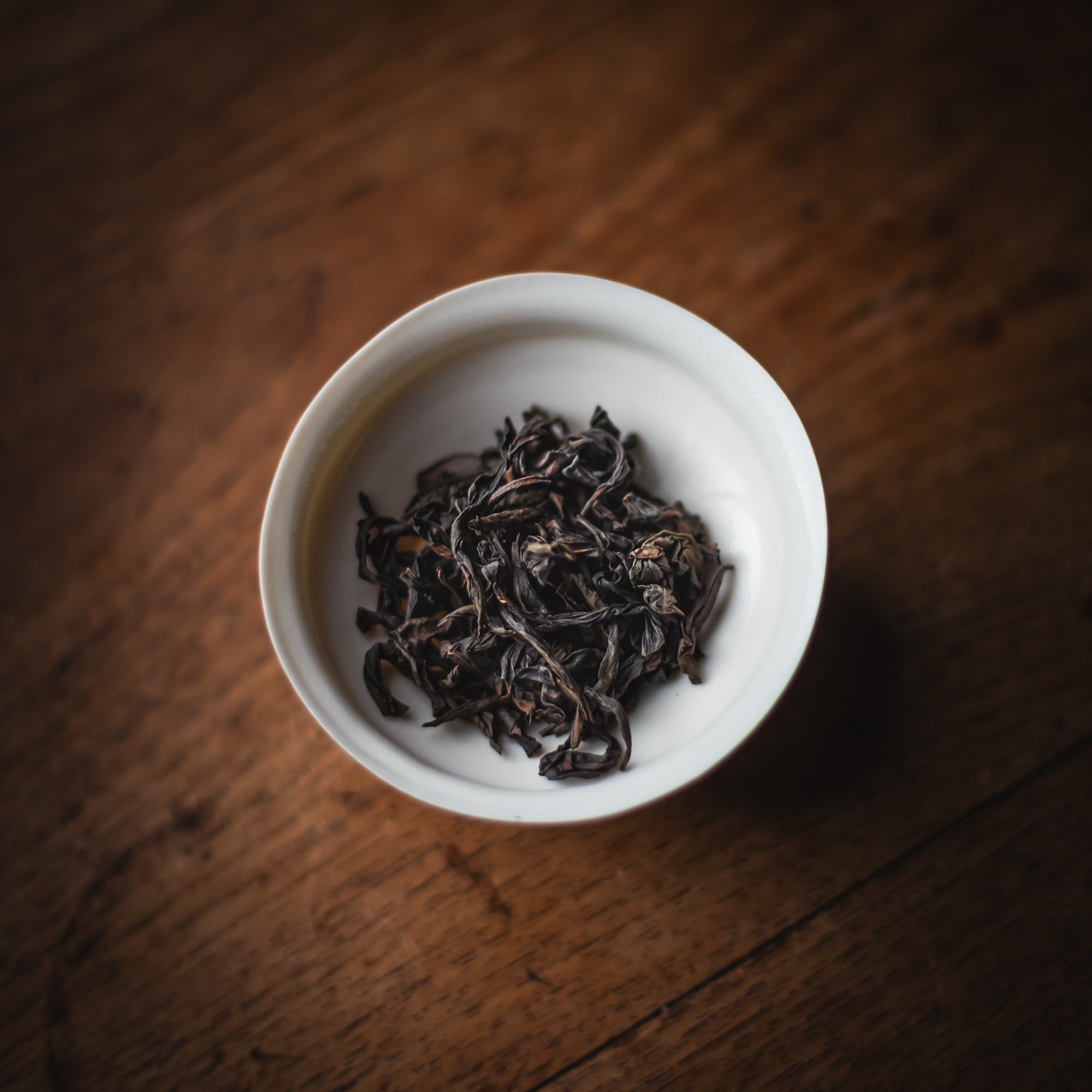
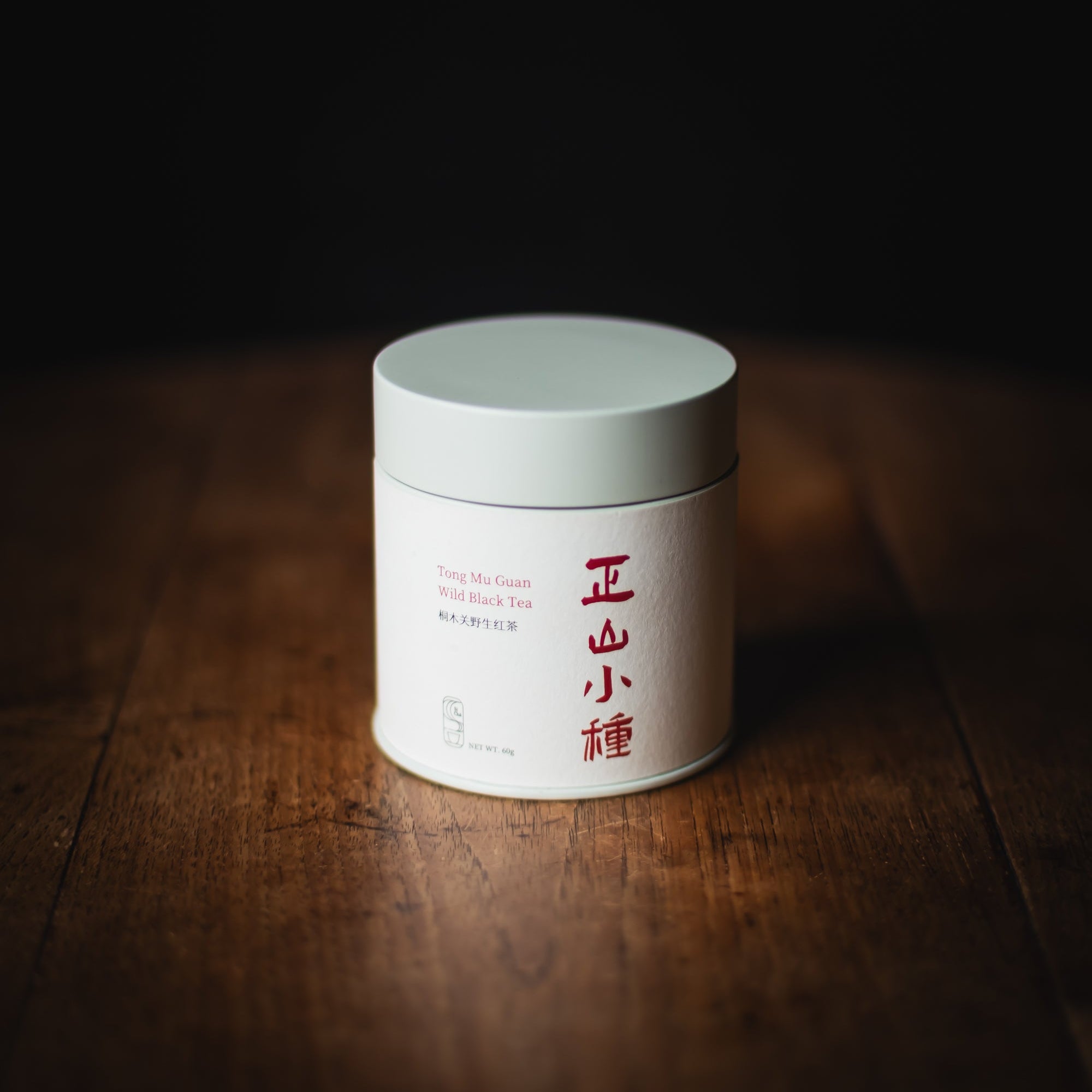
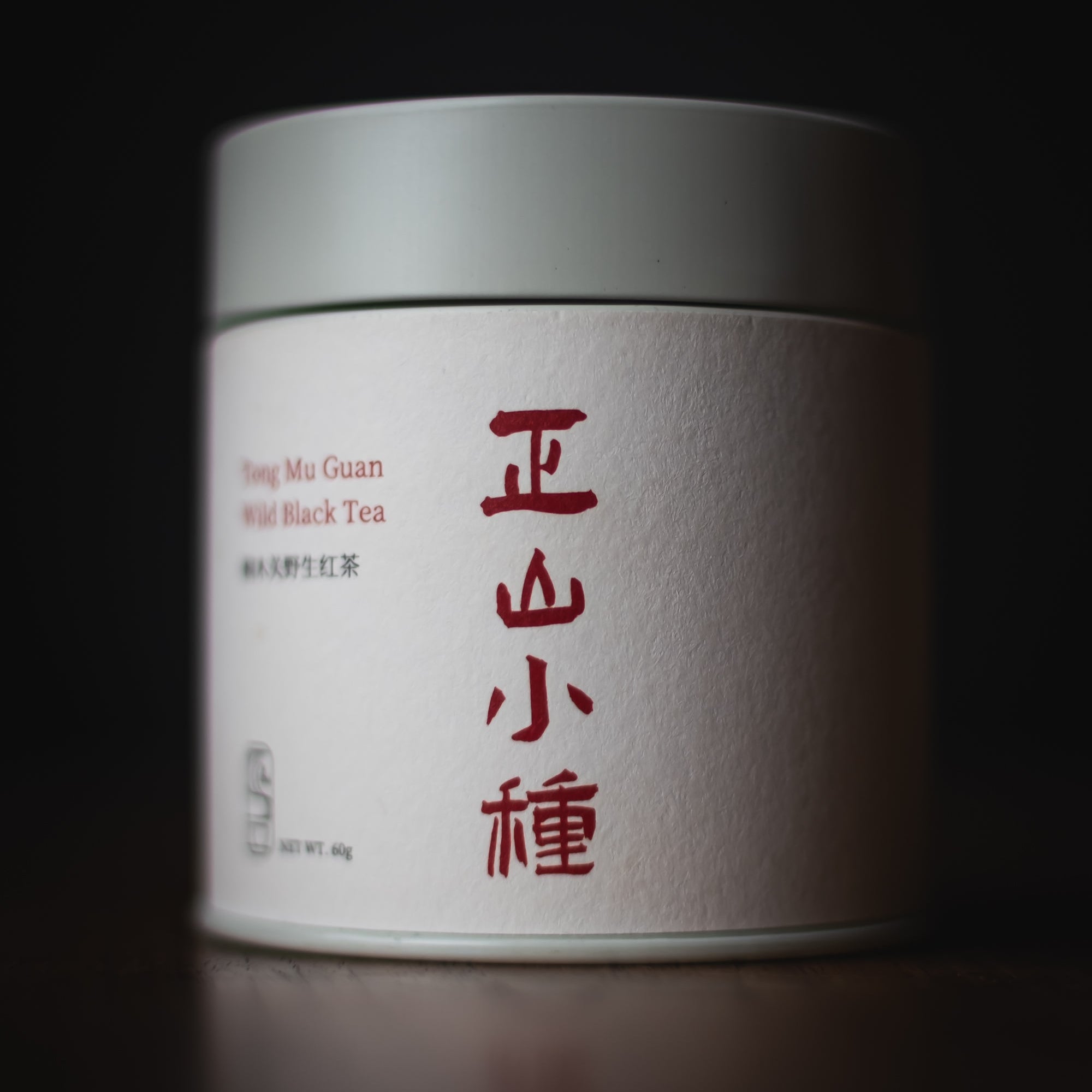
Si Chá focuses on Chinese tea with a clear emphasis on Wuyi Yancha from the cliffs of Wuyishan. Working with their own family-owned plantations in Fujian and long-practised cultivation, picking and processing methods, they select leaves that carry a strong sense of place – the mineral depth, “rock rhyme” and layered aromatics that define this region. Alongside their core rock oolongs, they also offer carefully chosen white and black teas, roasted and finished to highlight clarity, structure and balance in the cup.

At UNEARTHED, Si Chá’s teas have become a natural companion to the gallery’s teaware and exhibitions. They first appeared as a small and newly-founded Frankfurt-based boutique bringing characterful Wuyishan teas to a European audience, and quickly proved to be a fitting match for makers such as YiZhi and others in our programme. Since then, their Yancha and other selections have been poured regularly at open tea tables, tastings and special events at the gallery, forming a recurring bridge between contemporary ceramics and living Chinese tea culture.