White Shui Xian 水仙白

Regular price €12,00
By SiCha

White Tea from Wuyishan, Fujian, China

White Shui Xian in its original nomenclature, represents an innovative breakthrough steeped in a century of tea craftsmanship. Born in the 1920s, this meticulously crafted tea embodies a harmonious fusion of the robust, floral Shui Xian cultivars with the gentle, minimalist processing methods characteristic of white tea.

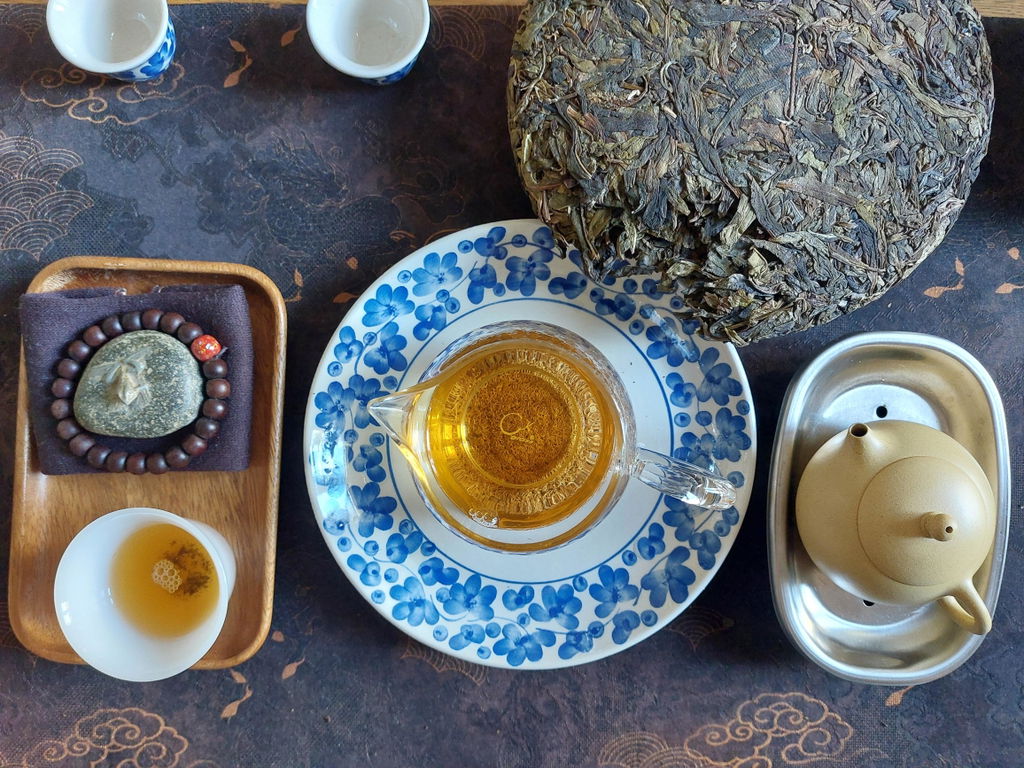
The leaves of White Shuixian are slightly fat, tender and wide, with green buds and some leaves. The thick and large leaf form may be rough and wild, but a sip of the tea soup will make you fall into the warmth and sweetness. The tea soup is bright yellow and delicate with both the aroma of Shui Xian and the freshness of white tea. 

Origin: Hui Yuan Keng, Wuyishan, China

Cultivar: ShuiXian

Harvest: Spring 2023

Processing: Naturally dried with light oxidation and minimal roasting 

Taste: Sweet dates, Melon, Lotus leaves, orchids

Packaging: 2x 8.5g pouches (17g) in paper box

Si Chá

Si Chá (鷥茶) is a small Frankfurt-based tea boutique founded by Jimmy Zhu, focused on Wuyishan rock oolong (Wuyi Yancha) and other terroir-driven Chinese teas from their own family plantations in Fujian.

Wuyishan

(Fujian, China )

Wuyi Yancha

Wuyishan is one of China’s most iconic tea landscapes – a UNESCO-listed mountain range in northern Fujian, cut by steep red cliffs, misty valleys and the winding Nine Bend River. For centuries, tea has been at the center of life here: monks, farmers and merchants carved terraces into the rock and developed highly refined processing for Wuyi rock oolongs (Yancha) and some of the world’s first black teas.

The terroir is defined by mineral-rich rocky soils, dense subtropical forest and a humid, misty microclimate. This combination produces teas famous for their “rock bone, floral fragrance” (岩骨花香) – a structure and depth that feel etched into the leaf, layered with roasted, fruity, and floral notes. Today Wuyishan remains a benchmark region for complex oolongs like Da Hong Pao, Shui Xian, Rou Gui, and for distinctive black teas, with countless micro-gardens and family roasteries clustered in and around the protected scenic area.